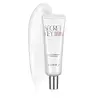
This anti-aging eye moisturizer is formulated around Niacinamide and Galactomyces Ferment Filtrate to soften the look of wrinkles and brighten dull-looking skin.
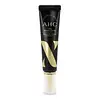
This anti-aging eye moisturizer is formulated around Hydrolyzed Collagen Extract and Bifida Ferment Lysate to soften the look of wrinkles and hydrate skin.

What's inside
What's inside
 Key Ingredients
Benefits
Concerns
Ingredients Side-by-side
Water
Skin ConditioningGlycerin
Humectant


Hydrogenated Polyisobutene
EmollientAluminum Starch Octenylsuccinate
Absorbent
Glyceryl Stearate Se
Emulsifying




Niacinamide
Smoothing








C12-15 Alkyl Benzoate
AntimicrobialPolyglyceryl-3 Methylglucose Distearate
Emulsifying
Cyclopentasiloxane
Emollient
Beeswax
Emulsion Stabilising
Galactomyces Ferment Filtrate
Humectant
Sodium Polyacrylate
Absorbent
Acrylates/C10-30 Alkyl Acrylate Crosspolymer
Emulsion StabilisingGlyceryl Polyacrylate
Stearic Acid
Cleansing
Butyrospermum Parkii Butter
Skin Conditioning
Adenosine
Skin Conditioning
Aloe Barbadensis Leaf Extract
Emollient
Anthemis Nobilis Flower Extract
Masking
Camellia Sinensis Leaf Extract
Antimicrobial
Centella Asiatica Extract
Cleansing
Boswellia Serrata Resin Extract
SmoothingHamamelis Virginiana Extract
Antiseborrhoeic

Oryza Sativa Extract
Absorbent
Portulaca Oleracea Extract
Skin Conditioning
Panax Ginseng Root Extract
Emollient
Acanthopanax Senticosus Root Extract
Skin ConditioningSh-Oligopeptide-1
Skin Conditioning
Lecithin
Emollient
Sodium Ascorbyl Phosphate
Antioxidant
Macadamia Integrifolia Seed Oil
Skin Conditioning
Prunus Amygdalus Dulcis Oil
Skin Conditioning
Argania Spinosa Kernel Oil
Emollient
Astrocaryum Murumuru Seed Butter
Emollient
Simmondsia Chinensis Seed Oil
Emollient
Ceramide NP
Skin Conditioning
Tocopheryl Acetate
Antioxidant
Caprylhydroxamic Acid
ChelatingCaprylyl Glycol
Emollient
1,2-Hexanediol
Skin Conditioning
Triethanolamine
BufferingDisodium EDTA
ChelatingParfum
Masking
Water, Glycerin, Hydrogenated Polyisobutene, Aluminum Starch Octenylsuccinate, Glyceryl Stearate Se, Niacinamide, C12-15 Alkyl Benzoate, Polyglyceryl-3 Methylglucose Distearate, Cyclopentasiloxane, Beeswax, Galactomyces Ferment Filtrate, Sodium Polyacrylate, Acrylates/C10-30 Alkyl Acrylate Crosspolymer, Glyceryl Polyacrylate, Stearic Acid, Butyrospermum Parkii Butter, Adenosine, Aloe Barbadensis Leaf Extract, Anthemis Nobilis Flower Extract, Camellia Sinensis Leaf Extract, Centella Asiatica Extract, Boswellia Serrata Resin Extract, Hamamelis Virginiana Extract, Oryza Sativa Extract, Portulaca Oleracea Extract, Panax Ginseng Root Extract, Acanthopanax Senticosus Root Extract, Sh-Oligopeptide-1, Lecithin, Sodium Ascorbyl Phosphate, Macadamia Integrifolia Seed Oil, Prunus Amygdalus Dulcis Oil, Argania Spinosa Kernel Oil, Astrocaryum Murumuru Seed Butter, Simmondsia Chinensis Seed Oil, Ceramide NP, Tocopheryl Acetate, Caprylhydroxamic Acid, Caprylyl Glycol, 1,2-Hexanediol, Triethanolamine, Disodium EDTA, Parfum
Hydrolyzed Collagen Extract
Skin Protecting
Glycerin
Humectant
Dipropylene Glycol
HumectantBifida Ferment Lysate
Skin Conditioning
Hydrogenated Polydecene
EmollientCyclohexasiloxane
Emollient
Caprylic/Capric Triglyceride
Masking
Dicaprylyl Carbonate
EmollientWater
Skin ConditioningNiacinamide
Smoothing
Caprylic/Capric/Succinic Triglyceride
EmollientCetearyl Alcohol
Emollient
1,2-Hexanediol
Skin Conditioning
Glyceryl Stearate Se
Emulsifying
Pentaerythrityl Stearate/Caprate/Caprylate/Adipate
EmollientCetyl Alcohol
Emollient
Butyrospermum Parkii Butter
Skin Conditioning
Betaine
Humectant
Phellodendron Amurense Bark Extract
Skin ConditioningCamellia Sinensis Leaf Extract
Antimicrobial
Lycium Chinense Leaf Extract
Skin ConditioningCentella Asiatica Extract
Cleansing
Ficus Carica Fruit Extract
Humectant
Dioscorea Japonica Root Extract
Skin Conditioning
Oryza Sativa Extract
Absorbent
Aloe Barbadensis Leaf Extract
Emollient
Collagen Extract
Skin Conditioning
Pseudoalteromonas Ferment Extract
Humectant
Acmella Oleracea Extract
Skin ProtectingGossypium Herbaceum Seed Extract
Skin ConditioningSolanum Lycopersicum Fruit Extract
Antioxidant
Persea Gratissima Fruit Extract
EmollientLepidium Meyenii Root Extract
Skin ConditioningSalicornia Herbacea Extract
Skin ConditioningCinnamomum Zeylanicum Bark Extract
Antimicrobial
Bacillus/Folic Acid Ferment Filtrate Extract
Antioxidant
Pancratium Maritimum Extract
BleachingNymphaea Alba Flower Extract
Skin ConditioningTriticum Aestivum Peptide
Skin Conditioning
Phaseolus Lunatus Seed Extract
EmollientHydrogenated Lecithin
Emulsifying
Cocos Nucifera Oil
Masking
Macadamia Ternifolia Seed Oil
Emollient
Sodium Hyaluronate
Humectant
Soluble Collagen
Humectant
Camellia Sinensis Leaf Water
Masking
Oryza Sativa Germ Oil
Emollient
Simmondsia Chinensis Seed Oil
Emollient
Polyglyceryl-10 Myristate
Skin Conditioning
Cetearyl Olivate
Sorbitan Olivate
Emulsifying
Methylpropanediol
SolventPolyglyceryl-10 Laurate
Skin Conditioning
Dimethicone/Vinyl Dimethicone Crosspolymer
Skin Conditioning
Polyacrylate-13
Sodium Stearoyl Glutamate
CleansingBehenyl Alcohol
Emollient
Polyglyceryl-10 Distearate
Emulsifying
Vinyldimethicone
Butylene Glycol
Humectant
Candida Bombicola/Glucose/Methyl Rapeseedate Ferment
AntimicrobialHydrogenated Polyisobutene
EmollientAllantoin
Skin Conditioning
Glycosyl Trehalose
Emulsion StabilisingPanthenol
Skin Conditioning
Hydrogenated Starch Hydrolysate
HumectantXanthan Gum
EmulsifyingAdenosine
Skin Conditioning
Raffinose
Skin ConditioningCholesterol
Emollient
Ethylhexyl Palmitate
Emollient
Disodium EDTA
ChelatingMicrococcus Lysate
Skin ConditioningSorbitan Isostearate
Emulsifying
Lecithin
Emollient
Propanediol
Solvent
Ceramide NP
Skin Conditioning
Polyquaternium-51
Skin Conditioning
Sodium Laurate
CleansingInulin Lauryl Carbamate
Emulsion StabilisingLauric Acid
Cleansing
Cyanocobalamin
Skin ConditioningTromethamine
BufferingPotassium Cetyl Phosphate
EmulsifyingHuman Stem Cell Conditioned Media
Hydrolyzed Collagen
Emollient
Collagen Water
Humectant
Tocopheryl Acetate
Antioxidant
Biosaccharide Gum-1
Humectant
Xylitylglucoside
Humectant
Schizosaccharomyces Ferment Filtrate
Humectant
Anhydroxylitol
Humectant
Xylitol
Humectant
Cocoyl Hydrolyzed Collagen
Cleansing
Pentaerythrityl Tetraisostearate
Emollient
Glycolipids
Skin ConditioningSorbitan Laurate
Emulsifying
Glucose
Humectant
Sodium Palmitoyl Proline
Skin ConditioningCapryloyl Glycine
CleansingPotassium Cocoyl Hydrolyzed Collagen
Skin Conditioning
Maltodextrin
Absorbent
Hexylene Glycol
EmulsifyingSqualane
Emollient
Ascorbyl Propyl Hyaluronate
Skin Conditioning
Hydroxyethylcellulose
Emulsion StabilisingHydrolyzed Lupine Protein
Skin ConditioningCollagen
Moisturising
3-O-Ethyl Ascorbic Acid
Skin Conditioning
Crithmum Maritimum Callus Culture Filtrate
Skin ProtectingTetrahydropiperine
Skin ConditioningAscorbic Acid Polypeptide
Antioxidant
Collagen Amino Acids
Moisturising
Mannitol
Humectant
Lactic Acid
Buffering
Sarcosine
Skin Conditioning
Acetyl Dipeptide-1 Cetyl Ester
Skin Conditioning
Saccharide Hydrolysate
HumectantHydrolyzed Vegetable Protein
Skin ConditioningCetyl Hydroxyethylcellulose
Emulsion StabilisingDipeptide Diaminobutyroyl Benzylamide Diacetate
Skin Conditioning
Rutin
Antioxidant
Silica Dimethyl Silylate
EmollientLactobacillus Ferment
Skin Conditioning
Dimethylsilanol Hyaluronate
Humectant
Hydrolyzed Hyaluronic Acid
Humectant
Hydrolyzed Sodium Hyaluronate
Skin Conditioning
Acetyl Tetrapeptide-9
Skin Conditioning
Alanine
Masking
Arginine
Masking
Asparagine
MaskingAspartic Acid
Masking
Citrulline
Skin ConditioningCysteine
Antioxidant
Glutamic Acid
Humectant
Glutamine
Skin ConditioningGlycine
Buffering
Histidine
Humectant
Isoleucine
Skin ConditioningLeucine
Skin ConditioningLysine
Skin ConditioningMethionine
Skin ConditioningOrnithine
Skin ConditioningPhenylalanine
Masking
Proline
Skin Conditioning
Serine
Masking
Taurine
BufferingThreonine
Tryptophan
MaskingTyrosine
MaskingValine
MaskingPalmitoyl Tripeptide-5
Skin Conditioning
3-Ascorbyl Carbonyl Dipeptide-17
Skin Conditioning
Capryloyl Dipeptide-17
Emollient
Acetyl Glutamine
Skin ConditioningHeptasodium Hexacarboxymethyl Dipeptide-12
Skin Conditioning
Dipotassium Phosphate
BufferingHyaluronic Acid
Humectant
Potassium Hyaluronate
Skin ConditioningPantothenic Acid
Skin ConditioningSodium Hyaluronate Crosspolymer
Humectant
Hydroxypropyltrimonium Hyaluronate
Acetyl Hexapeptide-8
Humectant
Gluconolactone
Chelating
Sodium Chondroitin Sulfate
Skin ConditioningPalmitic Acid
Emollient
Glycine Soja Peptide
Skin Conditioning
Saccharomyces Polypeptides
Skin Conditioning
Sodium Hyaluronate Dimethylsilanol
HumectantStearic Acid
Cleansing
Sodium Acetylated Hyaluronate
Humectant
Atelocollagen
Skin Conditioning
Palmitoyl Tetrapeptide-7
Skin Conditioning
Palmitoyl Tripeptide-1
Skin Conditioning
Capryloyl Sh-Nonapeptide-6
Skin Conditioning
Rh-Polypeptide-1
Skin Conditioning
Avena Sativa Peptide
Skin Conditioning
Glycine Max Polypeptide
Skin Conditioning
Sodium Ascorbyl Phosphate
Antioxidant
Magnesium Ascorbyl Phosphate
Antioxidant
Acetyl Octapeptide-3
Humectant
Acetyl Tetrapeptide-11
Skin Conditioning
Calcium Gluconate
HumectantDipeptide-2
Skin Conditioning
Copper Tripeptide-1
Skin Conditioning
Acetyl Tetrapeptide-3
Skin Protecting
Acetyl Tripeptide-1
Skin Conditioning
Nonapeptide-1
Skin Conditioning
Acetyl Tetrapeptide-2
Skin Conditioning
Acetyl Tetrapeptide-5
Humectant
Tripeptide-1
Skin Conditioning
Hexapeptide-2
Bleaching
Hexapeptide-9
Skin Conditioning
Tripeptide-2
Skin Conditioning
Dipeptide-1
Skin Conditioning
Pentapeptide-3
Skin Conditioning
Tripeptide-3
Skin Conditioning
Alanine/Histidine/Lysine Polypeptide Copper Hcl
Skin Conditioning
Dipeptide-4
Skin Conditioning
Oligopeptide-6
Skin Conditioning
Retinyl Palmitate
Skin Conditioning
Biotin
AntiseborrhoeicAscorbic Acid
Antioxidant
Riboflavin
Cosmetic ColorantThiamine Hcl
MaskingFolic Acid
Skin ConditioningPyridoxine
Skin ConditioningMenadione
MaskingMyristic Acid
Cleansing
Palmitoyl Pentapeptide-4
Skin Conditioning
Palmitoyl Hexapeptide-12
Skin Conditioning
Palmitoyl Dipeptide-7
Skin Conditioning
Sh-Oligopeptide-1
Skin Conditioning
Sh-Polypeptide-1
Skin Conditioning
Sh-Oligopeptide-2
Skin Conditioning
Sh-Polypeptide-3
Skin Conditioning
Sh-Polypeptide-4
Antioxidant
Sh-Polypeptide-9
Skin Conditioning
Sh-Polypeptide-11
Sh-Polypeptide-14
Skin Protecting
Sh-Polypeptide-16
Skin Protecting
Sh-Polypeptide-22
Skin Conditioning
Phytosteryl/Behenyl/Octyldodecyl Lauroyl Glutamate
Skin ConditioningPolysorbate 80
Emulsifying
Hydroxyacetophenone
Antioxidant
Ethylhexylglycerin
Skin ConditioningCaprylyl Glycol
Emollient
Pentylene Glycol
Skin Conditioning
Sodium Benzoate
Masking
Parfum
Masking
Hydrolyzed Collagen Extract, Glycerin, Dipropylene Glycol, Bifida Ferment Lysate, Hydrogenated Polydecene, Cyclohexasiloxane, Caprylic/Capric Triglyceride, Dicaprylyl Carbonate, Water, Niacinamide, Caprylic/Capric/Succinic Triglyceride, Cetearyl Alcohol, 1,2-Hexanediol, Glyceryl Stearate Se, Pentaerythrityl Stearate/Caprate/Caprylate/Adipate, Cetyl Alcohol, Butyrospermum Parkii Butter, Betaine, Phellodendron Amurense Bark Extract, Camellia Sinensis Leaf Extract, Lycium Chinense Leaf Extract, Centella Asiatica Extract, Ficus Carica Fruit Extract, Dioscorea Japonica Root Extract, Oryza Sativa Extract, Aloe Barbadensis Leaf Extract, Collagen Extract, Pseudoalteromonas Ferment Extract, Acmella Oleracea Extract, Gossypium Herbaceum Seed Extract, Solanum Lycopersicum Fruit Extract, Persea Gratissima Fruit Extract, Lepidium Meyenii Root Extract, Salicornia Herbacea Extract, Cinnamomum Zeylanicum Bark Extract, Bacillus/Folic Acid Ferment Filtrate Extract, Pancratium Maritimum Extract, Nymphaea Alba Flower Extract, Triticum Aestivum Peptide, Phaseolus Lunatus Seed Extract, Hydrogenated Lecithin, Cocos Nucifera Oil, Macadamia Ternifolia Seed Oil, Sodium Hyaluronate, Soluble Collagen, Camellia Sinensis Leaf Water, Oryza Sativa Germ Oil, Simmondsia Chinensis Seed Oil, Polyglyceryl-10 Myristate, Cetearyl Olivate, Sorbitan Olivate, Methylpropanediol, Polyglyceryl-10 Laurate, Dimethicone/Vinyl Dimethicone Crosspolymer, Polyacrylate-13, Sodium Stearoyl Glutamate, Behenyl Alcohol, Polyglyceryl-10 Distearate, Vinyldimethicone, Butylene Glycol, Candida Bombicola/Glucose/Methyl Rapeseedate Ferment, Hydrogenated Polyisobutene, Allantoin, Glycosyl Trehalose, Panthenol, Hydrogenated Starch Hydrolysate, Xanthan Gum, Adenosine, Raffinose, Cholesterol, Ethylhexyl Palmitate, Disodium EDTA, Micrococcus Lysate, Sorbitan Isostearate, Lecithin, Propanediol, Ceramide NP, Polyquaternium-51, Sodium Laurate, Inulin Lauryl Carbamate, Lauric Acid, Cyanocobalamin, Tromethamine, Potassium Cetyl Phosphate, Human Stem Cell Conditioned Media, Hydrolyzed Collagen, Collagen Water, Tocopheryl Acetate, Biosaccharide Gum-1, Xylitylglucoside, Schizosaccharomyces Ferment Filtrate, Anhydroxylitol, Xylitol, Cocoyl Hydrolyzed Collagen, Pentaerythrityl Tetraisostearate, Glycolipids, Sorbitan Laurate, Glucose, Sodium Palmitoyl Proline, Capryloyl Glycine, Potassium Cocoyl Hydrolyzed Collagen, Maltodextrin, Hexylene Glycol, Squalane, Ascorbyl Propyl Hyaluronate, Hydroxyethylcellulose, Hydrolyzed Lupine Protein, Collagen, 3-O-Ethyl Ascorbic Acid, Crithmum Maritimum Callus Culture Filtrate, Tetrahydropiperine, Ascorbic Acid Polypeptide, Collagen Amino Acids, Mannitol, Lactic Acid, Sarcosine, Acetyl Dipeptide-1 Cetyl Ester, Saccharide Hydrolysate, Hydrolyzed Vegetable Protein, Cetyl Hydroxyethylcellulose, Dipeptide Diaminobutyroyl Benzylamide Diacetate, Rutin, Silica Dimethyl Silylate, Lactobacillus Ferment, Dimethylsilanol Hyaluronate, Hydrolyzed Hyaluronic Acid, Hydrolyzed Sodium Hyaluronate, Acetyl Tetrapeptide-9, Alanine, Arginine, Asparagine, Aspartic Acid, Citrulline, Cysteine, Glutamic Acid, Glutamine, Glycine, Histidine, Isoleucine, Leucine, Lysine, Methionine, Ornithine, Phenylalanine, Proline, Serine, Taurine, Threonine, Tryptophan, Tyrosine, Valine, Palmitoyl Tripeptide-5, 3-Ascorbyl Carbonyl Dipeptide-17, Capryloyl Dipeptide-17, Acetyl Glutamine, Heptasodium Hexacarboxymethyl Dipeptide-12, Dipotassium Phosphate, Hyaluronic Acid, Potassium Hyaluronate, Pantothenic Acid, Sodium Hyaluronate Crosspolymer, Hydroxypropyltrimonium Hyaluronate, Acetyl Hexapeptide-8, Gluconolactone, Sodium Chondroitin Sulfate, Palmitic Acid, Glycine Soja Peptide, Saccharomyces Polypeptides, Sodium Hyaluronate Dimethylsilanol, Stearic Acid, Sodium Acetylated Hyaluronate, Atelocollagen, Palmitoyl Tetrapeptide-7, Palmitoyl Tripeptide-1, Capryloyl Sh-Nonapeptide-6, Rh-Polypeptide-1, Avena Sativa Peptide, Glycine Max Polypeptide, Sodium Ascorbyl Phosphate, Magnesium Ascorbyl Phosphate, Acetyl Octapeptide-3, Acetyl Tetrapeptide-11, Calcium Gluconate, Dipeptide-2, Copper Tripeptide-1, Acetyl Tetrapeptide-3, Acetyl Tripeptide-1, Nonapeptide-1, Acetyl Tetrapeptide-2, Acetyl Tetrapeptide-5, Tripeptide-1, Hexapeptide-2, Hexapeptide-9, Tripeptide-2, Dipeptide-1, Pentapeptide-3, Tripeptide-3, Alanine/Histidine/Lysine Polypeptide Copper Hcl, Dipeptide-4, Oligopeptide-6, Retinyl Palmitate, Biotin, Ascorbic Acid, Riboflavin, Thiamine Hcl, Folic Acid, Pyridoxine, Menadione, Myristic Acid, Palmitoyl Pentapeptide-4, Palmitoyl Hexapeptide-12, Palmitoyl Dipeptide-7, Sh-Oligopeptide-1, Sh-Polypeptide-1, Sh-Oligopeptide-2, Sh-Polypeptide-3, Sh-Polypeptide-4, Sh-Polypeptide-9, Sh-Polypeptide-11, Sh-Polypeptide-14, Sh-Polypeptide-16, Sh-Polypeptide-22, Phytosteryl/Behenyl/Octyldodecyl Lauroyl Glutamate, Polysorbate 80, Hydroxyacetophenone, Ethylhexylglycerin, Caprylyl Glycol, Pentylene Glycol, Sodium Benzoate, Parfum
Reviews
Ingredients Explained
These ingredients are found in both products.
Ingredients higher up in an ingredient list are typically present in a larger amount.
1,2-Hexanediol is a synthetic liquid and another multi-functional powerhouse.
It is a:
- Humectant, drawing moisture into the skin
- Emollient, helping to soften skin
- Solvent, dispersing and stabilizing formulas
- Preservative booster, enhancing the antimicrobial activity of other preservatives
Adenosine is a purine nucleoside that your body already makes in every cell. In skincare, it acts mainly as a skin conditioning and anti-aging agent.
The way it works is fairly well mapped out:
Your skin has cells called fibroblasts that build collagen (the stuff that keeps skin firm and smooth). Adenosine basically flips a switch on these cells that tells them to get to work making more collagen and other proteins. These cells slow down on their own as skin ages, so Adenosine helps give them a little nudge to keep going.
The clinical backing is pretty solid too.
A blind, randomized, placebo-controlled trial of 126 women aged 45-65 tested a 0.1% cream twice daily and found real improvements in crow's feet and frown lines using a precise 3D skin-mapping technique; these changes showed up by week 3 and held at 2 months.
A later study using Adenosine-loaded dissolving microneedle patches reported gains in wrinkle depth, dermal density, elasticity, and hydration.
On concentrations, South Korea's Ministry of Food and Drug Safety has set 0.04% as the approved functional anti-wrinkle level. You'll typically see this ingredient used somewhere in the 0.04-0.1% range since it works at low doses.
This ingredient has been found safe for cosmetics with the data showing no irritation or sensitization.
Overall, this is a great ingredient for any anti-aging routine and has no photosensitizing effect, so it suits both AM and PM use.
Learn more about AdenosineAloe Barbadensis Leaf Extract is a botanical extract pulled from the leaves of aloe vera and one of the most studied plant ingredients in cosmetics.
The inner leaf gel it comes from is mostly water (~99-99.5%) and the remaining fraction is made up of pretty good stuff: polysaccharides, vitamins, phenolics, and enzymes.
Its headline job is hydration.
The star polysaccharide in aloe, acemannan, is a humectant that retains moisture and helps reduce trans-epidermal water loss.
Aloe also has real soothing credentials; it contains anti-inflammatory compounds like bradykinase and C-glucosyl chromone that help calm irritation and redness.
On the repair side, lab work shows that acemannan wakes up your skin's repair cells (fibroblasts), prompting them to multiply and speed up healing.
There's some human data for cosmetic benefit too: a cream containing 10% Aloe Barbadensis leaf extract improved skin hydration and elasticity in a real-use study.
Safety-wise, this ingredient is well-regarded with just one rare downside; there have been some case reports of acute eczema, contact urticaria, and dermatitis in people who applied aloe-derived ingredients topically. Those with a known aloe or Liliaceae sensitivity should patch test.
Typical use levels range widely, from under 1% up to 90%+ depending on the format and the effect you are after.
Learn more about Aloe Barbadensis Leaf ExtractThis ingredient is also known as shea butter. It is a plant-derived extract from the nuts of the Africa shea tree and one of the most well-studied emollients.
Because it has a high concentration of fatty acids (primarily oleic, stearic, and linoleic) it is able to form a protective barrier on the skin's surface. This helps seal in moisture and prevents transepidermal water loss (TEWL).
In vitro research found an increase in skin hydration by 58% and a decrease in TEWL by 37.8% after 24 hours of applying this ingredient (pretty impressive for a single ingredient!).
Besides hydration, shea butter also contains triterpenes that have anti-inflammatory potential. In particule, lupeol cinnamate has shown the highest anti-inflammatory activity in vivo.
Shea butter also contains vitamins A and E which may contribute to antioxidant activity.
While Shea Butter has an SPF rating of about 3-4, it is not a sunscreen replacement.
This ingredient may not be fungal acne safe because its fatty acids fall within the C11-C24 range that the Malassezia yeast can metabolize.
This ingredient shows up on a lot of "pore-clogging" lists but there's no real evidence behind that. It doesn't even have a comedogenic rating from an actual study; the numbers you'll find online come from blogs citing other blogs.
Ratings for other ingredients mostly come from a 1980s rabbit ear test. This test doesn't translate well to human skin or to real products because the ingredient sits at a much lower percentage.
Some people still find it breaks them out. So if that's you, definitely trust your skin. Just know this one's based on experience and not evidence.
Learn more about Butyrospermum Parkii ButterCamellia Sinensis Leaf Extract (tea extract) is one of the most well-researched plant extracts in skincare with an impressive resume.
Black tea, green tea, and oolong tea are all harvested from the Camellia Sinensis plant.
Studies show green tea extract and its catechins (like epigallocatechin gallate (EGCG)) help your skin cells product energy more efficiently and reducing the number of free-radicals that can damage your skin from the inside.
In lab-grown skin models, this translated to younger, healthier, and stronger skin.
There's also good sun protection data; researchers saw less DNA damage and redness on human skin when green tea was applied before UVB exposure. And the more they applied, the better the protection.
Needless to say, this ingredient shouldn't replace your sunscreen. But it is a great supportive ingredient that you can already find in many sunscreens and antioxidant serums.
A 2009 study found a 2% green tea lotion was effective for mild-to-moderate acne thanks to its anti-inflammatory and mild antimicrobial activity.
The quality of the extract matters a lot here:
Good extracts contain 50-90% catechins while lower quality ones are mostly there for marketing. We recommend reaching out to the brand if you have questions about the quality or source of their ingredients.
Human Repeated Insult Patch Testing showed no irritation or sensitization at use concentrations (0.86% in leave-on products and up to 30% as leaf water).
Learn more about Camellia Sinensis Leaf ExtractCaprylyl Glycol is a humectant, skin conditioner, emollient, and preservative booster derived from either caprylic acid or synthetically created.
Typical use levels vary from 0.3-1% as a preservative booster and go up to 2% to condition skin.
Because it is not a free-fatty acid, this ingredient is fungal acne safe (there's nothing for Malassezia to feed on).
Learn more about Caprylyl GlycolCentella Asiatica Extract (Centella) is one of the most researched botanical extracts in skincare with decades of studies backing its effects on inflammation, collagen, and the skin barrier.
That research keeps pointing back to the same four triterpenoid saponins: Asiaticoside, Madecassoside, Asiatic Acid, and Madecassic Acid.
These compounds allow centella to dial back inflammation, encourage the skin to build and hold onto collagen, support the barrier and hydration, and bring solid antioxidant activity to protect against signs of aging.
Centella also carries a nice supporting cast of Vitamin A, vitamin C, several B vitamins, and amino acids. Put it all together and you get an ingredient that soothes, hydrates, and protects, all at once.
Most of centella's magic comes from the four big compounds (Asiaticoside, Madecassoside, Asiatic Acid, and Madecassic Acid). These are the actives doing the heavy lifting in almost every centella study.
Here is the short version of what they do in the skin:
So it is not just soothing for the sake of soothing. Centella calms the skin AND helps it rebuild.
Just FYI, not all centella on an ingredient list is the same. What you are getting actually depends on the extract:
Fun fact on the ratios: the leaves tend to be richest in Madecassoside and Asiaticoside, and lower in the two acids. The exact amounts shift with where the plant is grown and how it is processed. This means purity really does vary brand to brand.
Centella is one of the most easygoing actives out there.
It layers well with basically everything: niacinamide, hyaluronic acid, peptides, and vitamin C, and also pairs nicely with stronger actives like retinoids and exfoliating acids where it can help take the edge off irritation.
On the safety side, centella and its triterpenes are classified as weak sensitizers, meaning allergic reactions are possible but uncommon.
Patch tests at 1% and 5% came back negative in test panels, and creams at typical use levels did not cause allergic reactions across large groups of people.
But as with any new active, a patch test is still a smart move for very reactive skin.
Centella is widely used because it is effective at low percentages. For context, human safety testing found no meaningful irritation from creams containing centella extract at everyday use levels (the tested amounts were well under 1%).
The irritancy threshold in animal testing was also above 30% (so real-world formulas sit far below anything concerning).
In collagen lab studies, higher concentrations drove more collagen synthesis, so serums built around centella tend to feature it more prominently.
Bottom line: you will find centella working nicely anywhere from a fraction of a percent up to hero-ingredient levels depending on whether it is a supporting soother or the main event.
Fun fact: Centella has been used as a medicine and in food for many centuries. As a medicine, it is used to treat burns, scratches, and wounds.
Learn more about Centella Asiatica ExtractCeramide NP (formerly known as Ceramide 3) is one of the skin's naturally occurring lipids.
Since ceramides are the major lipid components of the skin, they are crucial for maintaining skin barrier and hydration. Ceramide NP most closely mirrors the dominant kind in human skin amongst ceramide subtypes.
This ceramide works by slotting into gaps within the stratum corneum's lipid matrix to limit trans-epidermal water loss (TEWL) and shield the skin against external irritants.
A study with 312 patients found that using a ceramide-containing routine for 4 weeks reduced the severity of atopic dermatitis by over 61%.
Another clinical study in subjects aged 60 and older found that a ceramide body wash and moisturizer improved skin dryness and itchy skin in 15 days.
Overall, ceramides are considered non-irritating and safety tests have found little to no observable adverse effects from using this ingredient.
Ceramide NP is usually sourced from plants (like soybean or rice bran), or produced synthetically.
Learn more about Ceramide NPDisodium EDTA is a chelating agent. It grabs onto and deactivates metal ions that sneak into your products from water, packaging, or air.
This ingredient mainly works behind the scenes and helps with:
On top of that, this ingredient can counteract the effects of hard water by binding to the minerals in it.
One thing worth knowing is that Disodium EDTA has been shown to be a mild penetration enhancer. It can help other ingredients absorb into skin more effectively which can be a double-edged sword (great for actives, but can also make the active too strong if you have sensitive skin).
Clinical patch testing showed no significant skin irritation at typical use concentrations and minimal dermal absorption.
You'll most likely see this ingredient near the end of an ingredient list. It's typically found in concentrations less than 1%.
Learn more about Disodium EDTAGlycerin (or glycerol) is a compound naturally found in your skin. It's a powerhouse humectant that pulls water into the stratum corneum.
Topically, glycerin does several things at once:
Your skin makes glycerin on its own (mostly from sebaceous oil breakdown) and shuttles it to your outermost layer of skin, or your epidermis, via aquaporin-3.
Aquaporin-3 is a transporter that is essential for normal skin hydration, elasticity, and repair. Interestingly, mice lacking in AQP3 have dry and less elastic skin that can be fully corrected with glycerin.
This ingredient is non-irritating, plays well with almost every ingredient, and works across all skin types. Typical use is anywhere between 3-10% but can go up to 79% in some leave-on products.
Just know very high concentrations (>40%) can feel tacky in low humidity.
Glycerin is the name for this ingredient in American English. British English uses Glycerol/Glycerine.
Learn more about GlycerinGlyceryl Stearate SE is a self-emulsifying (SE) form of Glyceryl Stearate. It comes with a small amount of soap (usually potassium or sodium stearate) that gives it the "SE" part.
That soap lets it pull oil and water together on its own which is why it shows up as an emulsifier, thickener, and emollient.
Industry survey data shows this ingredient is used around 1-5% but Glyceryl Stearate goes as high at 17% in a leave-on deodorant.
Safety-wise, it's pretty boring: it's been deemed safe for topical use in 1982 and again most recently in 2021 by the CIR. Human repeat insult patch tests come back non-irritating, non-sensitizing, non-phototoxic, and non-photoallergenic.
This ingredient does carry a comedogenic rating of 3 from the old rabbit-ear assay. Just remember testing finished products in humans showed that formulas built with "comedogenic" ingredients are not necessarily comedogenic themselves. It's worth patch testing if you're breakout prone, and always listen to your skin.
The Malassezia yeast can potentially metabolize the stearic acid in this ingredient, so it may not be fungal acne safe.
Allergy is rare: a 310-patient patch test study of common emulsifiers found this ingredient was not a meaningful reactor. Isolated case reports do exist so a true contact allergy is possible but uncommon.
Learn more about Glyceryl Stearate SeHydrogenated Polyisobutene is a synthetic polymer. Polymers are compounds with high molecular weight. Hydrogenated Polyisobutene is an emollient and texture enhancer.
In one study, Hydrogenated Polyisobutene showed better skin hydration levels than Caprylic/Capric Triglyceride. As an emollient, it helps keep your skin soft and hydrated by trapping moisture in.
Hydrogenated Polyisobutene is often used as a mineral oil replacement.
Learn more about Hydrogenated PolyisobuteneLecithin is a term for a group of substances found in the cell membranes of plants, animals, and humans. They are made up of phospholipids.
Thanks to its amphiphilic structure (water-loving head and oil-loving tail), it is a true multitasker:
It plays well with most ingredients and is typically used at 0.1-1%. However, concentrations up to 50% have been reported in moisturizers.
Learn more about LecithinNiacinamide is a multitasking form of vitamin B3 that strengthens the skin barrier, reduces pores and dark spots, regulates oil, and improves signs of aging.
And the best part? It's gentle and well-tolerated by most skin types, including sensitive and reactive skin.
You might have heard of "niacin flush", or the reddening of skin that causes itchiness. Niacinamide has not been found to cause this.
In very rare cases, some individuals may not be able to tolerate niacinamide at all or experience an allergic reaction to it.
If you are experiencing flaking, irritation, and dryness with this ingredient, be sure to double check all your products as this ingredient can be found in all categories of skincare.
When incorporating niacinamide into your routine, look out for concentration amounts. Typically, 5% niacinamide provides benefits such as fading dark spots. However, if you have sensitive skin, it is better to begin with a smaller concentration.
When you apply niacinamide to your skin, your body converts it into nicotinamide adenine dinucleotide (NAD). NAD is an essential coenzyme that is already found in your cells as "fuel" and powers countless biological processes.
In your skin, NAD helps repair cell damage, produce new healthy cells, support collagen production, strengthen the skin barrier, and fight environmental stressors (like UV and pollution).
Our natural NAD levels start to decline with age, leading to slower skin repair, visible aging, and a weaker skin barrier. By providing your skin niacinamide, you're recharging your skin's NAD levels. This leads to stronger, healthier, and younger looking skin.
Another name for vitamin B3 is nicotinamide. This vitamin is water-soluble and our bodies don't store it. We obtain Vitamin B3 from either food or skincare. Meat, fish, wheat, yeast, and leafy greens contain vitamin B3.
The type of niacinamide used in skincare is synthetically created.
Learn more about NiacinamideOryza Sativa Extract comes from the rice grain, Oryza sativa. Rice extract has wound healing, antioxidant, anti-inflammatory, and hydrating properties.
Rice grains contain numerous antioxidants which may help with anti-aging, such as vitamin E. Antioxidants help stabilize free-radical molecules. Unstable free-radical molecules may damage your skin cells and accelerate signs of aging.
A study from 2002 found rice to help increase the rate of wound healing. The same study found an improvement of skin barrier function in the patients after taking rice baths.
Numerous in-vitro studies have found rice water to help decrease sun damage by increasing collagen production and inhibiting the process of tyrosinase.
Long story short- tyrosinase is an enzyme that controls melanin production. Our bodies start producing melanin (AKA tanning) when exposed to UV radiation to protect against damage. Rice water is found to partially block this process.
Though more research is needed on rice's ability to help with UV protection, recent studies seem promising.
Wondering why rice is hydrating? The protein in rice have emollient properties. Emollients create a barrier on the skin to trap moisture in, keeping your skin moisturized.
Some rice extract may have mildly-exfoliating properties. These are mainly limited to Oryza Sativa (Rice) Bran and Oryza Sativa (Rice) Germ Powder.
This rice was first cultivated in China over 10,000 years ago. Many cultures throughout Asia have used rice water on skin and hair for centuries.
Learn more about Oryza Sativa ExtractParfum is a catch-all term for an ingredient or more that is used to give a scent to products.
Also called "fragrance", this ingredient can be a blend of hundreds of chemicals or plant oils. This means every product with "fragrance" or "parfum" in the ingredients list is a different mixture.
For instance, Habanolide is a proprietary trade name for a specific aroma chemical. When used as a fragrance ingredient in cosmetics, most aroma chemicals fall under the broad labeling category of “FRAGRANCE” or “PARFUM” according to EU and US regulations.
The term 'parfum' or 'fragrance' is not regulated in many countries. In many cases, it is up to the brand to define this term.
For instance, many brands choose to label themselves as "fragrance-free" because they are not using synthetic fragrances. However, their products may still contain ingredients such as essential oils that are considered a fragrance by INCI standards.
One example is Calendula flower extract. Calendula is an essential oil that still imparts a scent or 'fragrance'.
Depending on the blend, the ingredients in the mixture can cause allergies and sensitivities on the skin. Some ingredients that are known EU allergens include linalool and citronellol.
Parfum can also be used to mask or cover an unpleasant scent.
The bottom line is: not all fragrances/parfum/ingredients are created equally. If you are worried about fragrances, we recommend taking a closer look at an ingredient. And of course, we always recommend speaking with a professional.
Learn more about Parfumsh-Oligopeptide-1 is a peptide found naturally in our bodies. Peptides are the building blocks for collagen and elastin in our skin.
In cosmetics, this ingredient is bioengineered to be identical to a human gene that codes for epidermal growth factor (EGF). EGF are signal molecules that simulate cell growth and healing.
Studies find EGF help with:
In South Korea and China, EGF is considered a controversial ingredient. The South Korean Ministry of Food and Drug Safety has cracked down on companies with products including EGF due to false advertisement claims.
According to Dr. Zoe Draelos, growth factors have some drawbacks:
There is also controversy surrounding growth factors. The controversy is due to their mitogenic activity, or their ability to increase the number of cells. It is best to avoid using growth factors if you have psoriasis or are at risk of skin cancer. However, it should be noted EGF are not mutagenic - meaning they will not cause cancer.
Learn more about Sh-Oligopeptide-1Jojoba oil is one of the most well-studied plant-derived ingredients in cosmetics. It is an emollient with a special structure.
Because it is made up of 97-98% wax esters, it closely mirrors the linear monoesters found in human sebum. This makes it skin compatible, non-greasy, and lightweight.
Unlike other plant oils, jojoba wax doesn't easily penetrate skin. It mostly works in the uppermost layers as an emollient. This just means it forms a light barrier on the skin to help retain moisture.
Formulations with jojoba esters up to 90% reduced transepidermal water loss (TEWL) and increased barrier recovery by 81% (outperforming bisabolol at 47%).
Besides barrier support, the science also suggests jojoba to have anti-inflammatory effects and potential applications for skin infections, aging, and wound healing.
Fun fact: Indigenous cultures have used jojoba as a moisturizer and to help treat burns for centuries.
Fungal acne: The Malassezia yeast is known to metabolize fatty acids in the C11-24 range and jojoba's dominant fatty acid components fall into this range. This ingredient may not be fungal acne safe.
Learn more about Simmondsia Chinensis Seed OilSodium Ascorbyl Phosphate (SAP) is a water-soluble form of Vitamin C. It is the salt of ascorbic acid.
This ingredient is commonly used in skincare because it's more formulation-stable while still offering the same benefits as pure ascorbic acid. Ascorbic acid is notorious for breaking down when exposed to sunlight and oxygen whereas SAP has been shown to be more stable.
Studies show SAP has anti-acne and antioxidant benefits. One study found 5% of SAP lotion to be an effective ingredient for treating acne vulgaris. This is because research shows that SAP may help control acne by reducing acne-causing bacteria and slowing the oxidation of skin oils caused by UV exposure.
In addition to acne, vitamin C is important for skin structure. Lab studies suggest SAP may support collagen production in skin cells, making it a great ingredient in anti-aging routines.
Vitamin C has many benefits: it helps reduce redness, improve skin texture, fade the appearance of dark spots, and brighten the skin.
Read more about other types of Vitamin C:
Learn more about Sodium Ascorbyl PhosphateStearic Acid is a fatty acid that is already found in your skin. It's one of the free fatty acids that works alongside ceramides and cholesterols to maintain your barrier.
In cosmetics, it is a multitasker:
Safety-wise, the CIR Expert Panel has concluded it to be safe in cosmetics when formulated to be non-irritating and non-sensitizing.
Free stearic acid is a C18 fatty acid that the Malassezia yeast can substrate, so this ingredient may not be fungal acne safe.
This ingredient does have a comedogenic rating of 2-3, but this doesn't mean a formula with this ingredient will clog pores.
Human testing has proved that any finished product with this ingredient won't automatically make you break out; it really comes down to concentration, formula, and your skin.
Learn more about Stearic AcidTocopheryl Acetate is a stable, shelf-friendly form of vitamin E.
Formulators love it because plain vitamin E oxidizes quickly once it hits air. This acetate version stays stable and resists going off, helping to extend a product's shelf life.
It's actually inactive on its own and works like a slow-release "storage" form; the enzymes in your skin called esterases gradually convert it into active vitamin E over time.
One in vivo study showed 5% of the acetate in the living layer of the epidermis converted to vitamin E after 5 days of application. This study also found the skin gained protection against UV damage even though the conversion was slow and small.
Once converted, vitamin E acts as a skin's main fat-soluble antioxidant that fights free radicals to protect skin from damage.
Topical vitamin E generally boosts the skin's photoprotection, and it reduced UV-damage in animal models.
This ingredient has some brightening potential but it's more of a prevention ingredient than spot-fader. Cell studies show it can slow down melanin production but it's worth noting that it's not the most powerful brightener out there.
Overall, it has a pretty solid safety profile and has been found to be non-irritating and non-comedogenic. Allergic reactions may happen but stay rare due to how widely the ingredient gets used.
The concentration will vary depending on the formula; industry data shows 0.1% in baby lotions, 3% in lipsticks, and 5% in foot powders. You can also find this ingredient at 100% in a pure vitamin E oil.
Most leave-on skincare keeps it at the lower end, often between 0.5-1%.
Learn more about Tocopheryl AcetateWater. It's the most common cosmetic ingredient of all. You'll usually see it at the top of ingredient lists, meaning that it makes up the largest part of the product.
So why is it so popular? Water most often acts as a solvent - this means that it helps dissolve other ingredients into the formulation.
You'll also recognize water as that liquid we all need to stay alive. If you see this, drink a glass of water. Remember to stay hydrated!
Learn more about Water

