Hsgn 1% Bakuchiol & Aquaporin Activator Eye Cream Versus Dr. Dennis Gross Skincare DermInfusions Fill + Repair Eye Cream
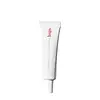
This anti-aging eye moisturizer is formulated around Bakuchiol and Niacinamide to soften the look of wrinkles.
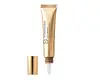
This barrier-repair eye moisturizer is formulated around Ectoin and Palmitoyl Tetrapeptide-7 to strengthen the skin barrier and soften the look of wrinkles.


What's inside
What's inside
 Key Ingredients
Benefits
Concerns
Ingredients Side-by-side
Water
Skin ConditioningGlycerin
Humectant


Panthenol
Skin Conditioning

Cyclopentasiloxane
Emollient
1,2-Hexanediol
Skin Conditioning
Glyceryl Glucoside
Humectant
Butyrospermum Parkii Butter
Skin Conditioning




Niacinamide
Smoothing







Bakuchiol
Antimicrobial

Squalane
Emollient
Hydrogenated Lecithin
Emulsifying
Sodium Hyaluronate
Humectant
Glycyrrhiza Glabra Root Water
Antioxidant
Cetearyl Olivate
Sorbitan Olivate
Emulsifying
Polyglyceryl-2 Stearate
Emulsifying
Cetyl Alcohol
Emollient

Glyceryl Stearate
Emollient
Betaine
Humectant
Carnosine
Skin Conditioning
Glyceryl Stearate Se
Emulsifying
Tocopherol
Antioxidant
Glycosyl Trehalose
Emulsion StabilisingButylene Glycol
Humectant
Sorbitan Isostearate
Emulsifying
Xanthan Gum
EmulsifyingHydrogenated Starch Hydrolysate
HumectantPolyquaternium-51
Skin Conditioning
Adenosine
Skin Conditioning
Resveratrol
Antioxidant
Raffinose
Skin ConditioningCholesterol
Emollient
Beta-Glucan
Skin Conditioning
Disodium EDTA
ChelatingLecithin
Emollient
Ascorbic Acid
Antioxidant
Lactococcus Ferment Lysate
Skin Conditioning
Riboflavin
Cosmetic ColorantLactobacillus/Acerola Cherry Ferment
Skin ProtectingLactobacillus Ferment
Skin Conditioning
Lactobacillus Ferment Lysate
Skin Conditioning
Lactococcus Ferment
Skin ConditioningLeuconostoc/Radish Root Ferment Filtrate
Antimicrobial
Bifida Ferment Filtrate
Skin Conditioning
Ceramide NP
Skin Conditioning
Allantoin
Skin Conditioning
Caffeine
Skin Conditioning
Trehalose
Humectant
Fructose
Humectant
Glycine
Buffering
Serine
Masking
Glutamic Acid
Humectant
Alanine
Masking
Arginine
Masking
Threonine
Proline
Skin Conditioning
Saccharide Hydrolysate
HumectantSodium PCA
Humectant
Sorbitol
Humectant
Lysine
Skin ConditioningAspartic Acid
Masking
Leucine
Skin ConditioningGlycolipids
Skin ConditioningPolyglyceryl-10 Oleate
Skin Conditioning
Biosaccharide Gum-1
Humectant
Tyrosine
MaskingPhenylalanine
Masking
Valine
MaskingIsoleucine
Skin ConditioningHistidine
Humectant
Methionine
Skin ConditioningCysteine
Antioxidant
Glutathione
Ubiquinone
Antioxidant
Hydrolyzed Sodium Hyaluronate
Skin Conditioning
Hydroxypropyltrimonium Hyaluronate
Sodium Acetylated Hyaluronate
Humectant
Hydrolyzed Hyaluronic Acid
Humectant
Nonapeptide-1
Skin Conditioning
Dipeptide-1
Skin Conditioning
Dipeptide-2
Skin Conditioning
Dipeptide-4
Skin Conditioning
Dipeptide Diaminobutyroyl Benzylamide Diacetate
Skin Conditioning
Moringa Oleifera Seed Oil
Emollient
Retinyl Palmitate
Skin Conditioning
Urtica Dioica Leaf Extract
Skin ConditioningMagnesium Ascorbyl Phosphate
Antioxidant
Menadione
MaskingBiotin
AntiseborrhoeicHelianthus Annuus Seed Oil
Emollient
Camellia Sinensis Leaf Water
Masking
Polyacrylate-13
Methylpropanediol
SolventCyanocobalamin
Skin ConditioningSodium Ascorbyl Phosphate
Antioxidant
Sodium Hyaluronate Crosspolymer
Humectant
Acetyl Octapeptide-3
Humectant
Polysorbate 60
Emulsifying
Acetyl Tetrapeptide-2
Skin Conditioning
Medicago Sativa Extract
TonicAcetyl Tetrapeptide-3
Skin Protecting
Citric Acid
Buffering
Acetyl Tetrapeptide-5
Humectant
Sesamum Indicum Seed Extract
Skin Conditioning
Acetyl Tripeptide-1
Skin Conditioning
Acetyl Hexapeptide-8
Humectant
Ginkgo Biloba Leaf Extract
Skin Conditioning
Alanine/Histidine/Lysine Polypeptide Copper Hcl
Skin Conditioning
Epigallocatechin Gallate
Antioxidant
Oligopeptide-6
Skin Conditioning
Copper Tripeptide-1
Skin Conditioning
Tocopheryl Acetate
Antioxidant
Tripeptide-1
Skin Conditioning
Tripeptide-2
Skin Conditioning
Tripeptide-3
Skin Conditioning
Thiamine Hcl
MaskingDioscorea Japonica Root Extract
Skin Conditioning
Pyrus Malus Fruit Extract
Skin Conditioning
Piper Methysticum Leaf/Root/Stem Extract
Skin ConditioningCentella Asiatica Extract
Cleansing
Panax Ginseng Berry Extract
Skin Conditioning
Lactobacillus/Punica Granatum Fruit Ferment Extract
Antioxidant
Lactobacillus/Soybean Ferment Extract
Skin ConditioningSalvia Hispanica Seed Extract
Emollient
Curcuma Longa Root Extract
Antioxidant
Chamomilla Recutita Flower/Leaf Extract
AntimicrobialAesculus Hippocastanum Extract
Antioxidant
Camellia Sinensis Leaf Extract
Antimicrobial
Camellia Japonica Leaf Extract
Skin ConditioningEruca Sativa Leaf Extract
Skin ConditioningBrassica Oleracea Italica Sprout Extract
EmollientCoix Lacryma-Jobi Ma-Yuen Seed Extract
Skin ConditioningOryza Sativa Extract
Absorbent
Petroselinum Sativum Extract
Skin ConditioningDaucus Carota Sativa Root Extract
Skin Conditioning
Eclipta Prostrata Extract
Skin Conditioning
Melia Azadirachta Leaf Extract
Skin ConditioningPantothenic Acid
Skin ConditioningPalmitoyl Dipeptide-7
Skin Conditioning
Hexapeptide-2
Bleaching
Palmitoyl Tetrapeptide-7
Skin Conditioning
Palmitoyl Tripeptide-1
Skin Conditioning
Palmitoyl Tripeptide-5
Skin Conditioning
Palmitoyl Pentapeptide-4
Skin Conditioning
Equisetum Arvense Extract
AstringentPalmitoyl Hexapeptide-12
Skin Conditioning
Pentapeptide-3
Skin Conditioning
Potassium Hyaluronate
Skin ConditioningPolyglyceryl-10 Laurate
Skin Conditioning
Folic Acid
Skin ConditioningPyridoxine
Skin ConditioningHyaluronic Acid
Humectant
Hexapeptide-9
Skin Conditioning
Phytosteryl/Behenyl/Octyldodecyl Lauroyl Glutamate
Skin ConditioningPolysorbate 20
Emulsifying
Hydroxyacetophenone
Antioxidant
Ethylhexylglycerin
Skin ConditioningPotassium Sorbate
Preservative
Dimethicone
Emollient
Polyisobutene
Behenyl Alcohol
Emollient
Stearyl Alcohol
Emollient
Cetearyl Alcohol
Emollient
Sodium Polyacrylate
Absorbent
Serenoa Serrulata Fruit Extract
Skin Conditioning
Glycine Soja Seed Extract
Skin Conditioning
Water, Glycerin, Panthenol, Cyclopentasiloxane, 1,2-Hexanediol, Glyceryl Glucoside, Butyrospermum Parkii Butter, Niacinamide, Bakuchiol, Squalane, Hydrogenated Lecithin, Sodium Hyaluronate, Glycyrrhiza Glabra Root Water, Cetearyl Olivate, Sorbitan Olivate, Polyglyceryl-2 Stearate, Cetyl Alcohol, Glyceryl Stearate, Betaine, Carnosine, Glyceryl Stearate Se, Tocopherol, Glycosyl Trehalose, Butylene Glycol, Sorbitan Isostearate, Xanthan Gum, Hydrogenated Starch Hydrolysate, Polyquaternium-51, Adenosine, Resveratrol, Raffinose, Cholesterol, Beta-Glucan, Disodium EDTA, Lecithin, Ascorbic Acid, Lactococcus Ferment Lysate, Riboflavin, Lactobacillus/Acerola Cherry Ferment, Lactobacillus Ferment, Lactobacillus Ferment Lysate, Lactococcus Ferment, Leuconostoc/Radish Root Ferment Filtrate, Bifida Ferment Filtrate, Ceramide NP, Allantoin, Caffeine, Trehalose, Fructose, Glycine, Serine, Glutamic Acid, Alanine, Arginine, Threonine, Proline, Saccharide Hydrolysate, Sodium PCA, Sorbitol, Lysine, Aspartic Acid, Leucine, Glycolipids, Polyglyceryl-10 Oleate, Biosaccharide Gum-1, Tyrosine, Phenylalanine, Valine, Isoleucine, Histidine, Methionine, Cysteine, Glutathione, Ubiquinone, Hydrolyzed Sodium Hyaluronate, Hydroxypropyltrimonium Hyaluronate, Sodium Acetylated Hyaluronate, Hydrolyzed Hyaluronic Acid, Nonapeptide-1, Dipeptide-1, Dipeptide-2, Dipeptide-4, Dipeptide Diaminobutyroyl Benzylamide Diacetate, Moringa Oleifera Seed Oil, Retinyl Palmitate, Urtica Dioica Leaf Extract, Magnesium Ascorbyl Phosphate, Menadione, Biotin, Helianthus Annuus Seed Oil, Camellia Sinensis Leaf Water, Polyacrylate-13, Methylpropanediol, Cyanocobalamin, Sodium Ascorbyl Phosphate, Sodium Hyaluronate Crosspolymer, Acetyl Octapeptide-3, Polysorbate 60, Acetyl Tetrapeptide-2, Medicago Sativa Extract, Acetyl Tetrapeptide-3, Citric Acid, Acetyl Tetrapeptide-5, Sesamum Indicum Seed Extract, Acetyl Tripeptide-1, Acetyl Hexapeptide-8, Ginkgo Biloba Leaf Extract, Alanine/Histidine/Lysine Polypeptide Copper Hcl, Epigallocatechin Gallate, Oligopeptide-6, Copper Tripeptide-1, Tocopheryl Acetate, Tripeptide-1, Tripeptide-2, Tripeptide-3, Thiamine Hcl, Dioscorea Japonica Root Extract, Pyrus Malus Fruit Extract, Piper Methysticum Leaf/Root/Stem Extract, Centella Asiatica Extract, Panax Ginseng Berry Extract, Lactobacillus/Punica Granatum Fruit Ferment Extract, Lactobacillus/Soybean Ferment Extract, Salvia Hispanica Seed Extract, Curcuma Longa Root Extract, Chamomilla Recutita Flower/Leaf Extract, Aesculus Hippocastanum Extract, Camellia Sinensis Leaf Extract, Camellia Japonica Leaf Extract, Eruca Sativa Leaf Extract, Brassica Oleracea Italica Sprout Extract, Coix Lacryma-Jobi Ma-Yuen Seed Extract, Oryza Sativa Extract, Petroselinum Sativum Extract, Daucus Carota Sativa Root Extract, Eclipta Prostrata Extract, Melia Azadirachta Leaf Extract, Pantothenic Acid, Palmitoyl Dipeptide-7, Hexapeptide-2, Palmitoyl Tetrapeptide-7, Palmitoyl Tripeptide-1, Palmitoyl Tripeptide-5, Palmitoyl Pentapeptide-4, Equisetum Arvense Extract, Palmitoyl Hexapeptide-12, Pentapeptide-3, Potassium Hyaluronate, Polyglyceryl-10 Laurate, Folic Acid, Pyridoxine, Hyaluronic Acid, Hexapeptide-9, Phytosteryl/Behenyl/Octyldodecyl Lauroyl Glutamate, Polysorbate 20, Hydroxyacetophenone, Ethylhexylglycerin, Potassium Sorbate, Dimethicone, Polyisobutene, Behenyl Alcohol, Stearyl Alcohol, Cetearyl Alcohol, Sodium Polyacrylate, Serenoa Serrulata Fruit Extract, Glycine Soja Seed Extract
Water
Skin ConditioningEthylhexyl Palmitate
Emollient
Isopropyl Palmitate
Emollient
Glycerin
Humectant
Caprylic/Capric Triglyceride
Masking
Butyrospermum Parkii Butter
Skin Conditioning
Propanediol
Solvent
Glyceryl Stearate Se
Emulsifying
Cetearyl Alcohol
Emollient
Sodium Hyaluronate
Humectant
Ectoin
Skin Conditioning
Sodium Hyaluronate Crosspolymer
Humectant
Palmitoyl Tetrapeptide-7
Skin Conditioning
Palmitoyl Tripeptide-1
Skin Conditioning
Heptapeptide-6
Skin Conditioning
Sodium Acetylated Hyaluronate
Humectant
Hydrolyzed Sodium Hyaluronate
Skin Conditioning
Resveratrol
Antioxidant
Linolenic Acid
Cleansing
Linoleic Acid
Cleansing
Ceramide NP
Skin Conditioning
Ceramide AP
Skin Conditioning
Ceramide EOP
Skin Conditioning
Phytosphingosine
Skin Conditioning
Phospholipids
Skin Conditioning
Leontopodium Alpinum Callus Culture Extract
Antioxidant
Simmondsia Chinensis Seed Oil
Emollient
Avena Sativa Kernel Oil
Skin Conditioning
Squalane
Emollient
Saccharide Isomerate
Humectant
Adenosine
Skin Conditioning
Dimethyl Isosorbide
SolventEthylhexylglycerin
Skin ConditioningPentylene Glycol
Skin Conditioning
Butylene Glycol
Humectant
Cetearyl Glucoside
Emulsifying
Sodium Stearoyl Glutamate
CleansingGlyceryl Undecylenate
Emollient
Glyceryl Caprylate
EmollientCaprylyl Glycol
Emollient
Cholesterol
Emollient
Carbomer
Emulsion StabilisingCoco-Glucoside
Cleansing
Sodium Lauroyl Lactylate
EmulsifyingAmmonium Acryloyldimethyltaurate/Vp Copolymer
Sodium Lactate
Buffering
Hydroxyapatite
Abrasive
Sodium Hydroxide
BufferingSodium Polyacrylate
Absorbent
Xanthan Gum
EmulsifyingChlorphenesin
Antimicrobial
Sodium Citrate
BufferingCitric Acid
Buffering
Sodium Gluconate
ChelatingPhenoxyethanol
Preservative
Water, Ethylhexyl Palmitate, Isopropyl Palmitate, Glycerin, Caprylic/Capric Triglyceride, Butyrospermum Parkii Butter, Propanediol, Glyceryl Stearate Se, Cetearyl Alcohol, Sodium Hyaluronate, Ectoin, Sodium Hyaluronate Crosspolymer, Palmitoyl Tetrapeptide-7, Palmitoyl Tripeptide-1, Heptapeptide-6, Sodium Acetylated Hyaluronate, Hydrolyzed Sodium Hyaluronate, Resveratrol, Linolenic Acid, Linoleic Acid, Ceramide NP, Ceramide AP, Ceramide EOP, Phytosphingosine, Phospholipids, Leontopodium Alpinum Callus Culture Extract, Simmondsia Chinensis Seed Oil, Avena Sativa Kernel Oil, Squalane, Saccharide Isomerate, Adenosine, Dimethyl Isosorbide, Ethylhexylglycerin, Pentylene Glycol, Butylene Glycol, Cetearyl Glucoside, Sodium Stearoyl Glutamate, Glyceryl Undecylenate, Glyceryl Caprylate, Caprylyl Glycol, Cholesterol, Carbomer, Coco-Glucoside, Sodium Lauroyl Lactylate, Ammonium Acryloyldimethyltaurate/Vp Copolymer, Sodium Lactate, Hydroxyapatite, Sodium Hydroxide, Sodium Polyacrylate, Xanthan Gum, Chlorphenesin, Sodium Citrate, Citric Acid, Sodium Gluconate, Phenoxyethanol
Ingredients Explained
These ingredients are found in both products.
Ingredients higher up in an ingredient list are typically present in a larger amount.
Adenosine is a purine nucleoside that your body already makes in every cell. In skincare, it acts mainly as a skin conditioning and anti-aging agent.
The way it works is fairly well mapped out:
Your skin has cells called fibroblasts that build collagen (the stuff that keeps skin firm and smooth). Adenosine basically flips a switch on these cells that tells them to get to work making more collagen and other proteins. These cells slow down on their own as skin ages, so Adenosine helps give them a little nudge to keep going.
The clinical backing is pretty solid too.
A blind, randomized, placebo-controlled trial of 126 women aged 45-65 tested a 0.1% cream twice daily and found real improvements in crow's feet and frown lines using a precise 3D skin-mapping technique; these changes showed up by week 3 and held at 2 months.
A later study using Adenosine-loaded dissolving microneedle patches reported gains in wrinkle depth, dermal density, elasticity, and hydration.
On concentrations, South Korea's Ministry of Food and Drug Safety has set 0.04% as the approved functional anti-wrinkle level. You'll typically see this ingredient used somewhere in the 0.04-0.1% range since it works at low doses.
This ingredient has been found safe for cosmetics with the data showing no irritation or sensitization.
Overall, this is a great ingredient for any anti-aging routine and has no photosensitizing effect, so it suits both AM and PM use.
Learn more about AdenosineButylene Glycol (or BG) is used within cosmetic products for a few different reasons:
Overall, Butylene Glycol is a safe and well-rounded ingredient that works well with other ingredients.
Though this ingredient works well with most skin types, some people with sensitive skin may experience a reaction such as allergic rashes, closed comedones, or itchiness.
Learn more about Butylene GlycolThis ingredient is also known as shea butter. It is a plant-derived extract from the nuts of the Africa shea tree and one of the most well-studied emollients.
Because it has a high concentration of fatty acids (primarily oleic, stearic, and linoleic) it is able to form a protective barrier on the skin's surface. This helps seal in moisture and prevents transepidermal water loss (TEWL).
In vitro research found an increase in skin hydration by 58% and a decrease in TEWL by 37.8% after 24 hours of applying this ingredient (pretty impressive for a single ingredient!).
Besides hydration, shea butter also contains triterpenes that have anti-inflammatory potential. In particule, lupeol cinnamate has shown the highest anti-inflammatory activity in vivo.
Shea butter also contains vitamins A and E which may contribute to antioxidant activity.
While Shea Butter has an SPF rating of about 3-4, it is not a sunscreen replacement.
This ingredient may not be fungal acne safe because its fatty acids fall within the C11-C24 range that the Malassezia yeast can metabolize.
This ingredient shows up on a lot of "pore-clogging" lists but there's no real evidence behind that. It doesn't even have a comedogenic rating from an actual study; the numbers you'll find online come from blogs citing other blogs.
Ratings for other ingredients mostly come from a 1980s rabbit ear test. This test doesn't translate well to human skin or to real products because the ingredient sits at a much lower percentage.
Some people still find it breaks them out. So if that's you, definitely trust your skin. Just know this one's based on experience and not evidence.
Learn more about Butyrospermum Parkii ButterCeramide NP (formerly known as Ceramide 3) is one of the skin's naturally occurring lipids.
Since ceramides are the major lipid components of the skin, they are crucial for maintaining skin barrier and hydration. Ceramide NP most closely mirrors the dominant kind in human skin amongst ceramide subtypes.
This ceramide works by slotting into gaps within the stratum corneum's lipid matrix to limit trans-epidermal water loss (TEWL) and shield the skin against external irritants.
A study with 312 patients found that using a ceramide-containing routine for 4 weeks reduced the severity of atopic dermatitis by over 61%.
Another clinical study in subjects aged 60 and older found that a ceramide body wash and moisturizer improved skin dryness and itchy skin in 15 days.
Overall, ceramides are considered non-irritating and safety tests have found little to no observable adverse effects from using this ingredient.
Ceramide NP is usually sourced from plants (like soybean or rice bran), or produced synthetically.
Learn more about Ceramide NPCetearyl alcohol is a waxy mixture of two fatty alcohols: cetyl alcohol and stearyl alcohol. It is an emollient and emulsifier.
Despite having "alcohol" in its name, it has nothing to do with drying solvent alcohols; the FDA also allows "alcohol-free" products to contain fatty alcohols like this ingredient.
It plays several roles in a formula:
Typical use levels for this ingredient sit around 1-10% and the Cosmetic Ingredient Review Expert Panel has affirmed safety at concentrations up to 25% in leave-on products.
Multiple assessments have found it to be non-irritating and non-sensitizing to most people.
However, there have been some cases of allergic contact dermatitis in patients with chronically compromised skin barriers.
Cetearyl alcohol has a comedogenic rating of 2 and irritancy rating of 1. Both of these numbers come from the 1989 study that used rabbit ears; a "2" means mildly comedogenic and a "1" means low irritancy.
Here's the catch: rabbit skin is more sensitive than human skin and throws a lot of false positives. A 1996 reappraisal found that ingredients rated 1-2 in the rabbit ear tests are generally safe for humans.
Remember comedogenic ratings are unable to assess the entire formula of a product or how it will react on your skin. Just be sure to patch test if you are unsure about certain ingredients.
This ingredient is not fungal acne safe. Cetearyl alcohol is a fatty alcohol with chain lengths that fall within the range that Malassezia can metabolize.
A 2019 study has also observed Malassezia growth in the presence of this ingredient, confirming it to be not-fungal acne safe.
Learn more about Cetearyl AlcoholCholesterol is a lipid that is naturally found in human skin and is one of the three key components of your skin barrier. In skincare, it is an emollient and barrier-repairing ingredient.
It works by fitting directly into the lipid layers of skin to help restore structure and reduce transepidermal water loss (TEWL).
This is a great ingredient for dry, compromised, or aging skin; our skin starts to produce less cholesterol with age.
Research shows cholesterol works best in combination with ceramides and fatty acids, the other two major components in your skin barrier.
Cholesterol is also a well-establish penetration enhancer and can help other actives absorb more effectively.
Cosmetic-grade cholesterol is usually derived from lanolin but plant and synthetic options also exist. We recommend reaching out to the brand if you have questions about their source of cholesterol.
Learn more about CholesterolCitric Acid is an alpha hydroxy acid (AHA) naturally found in citrus fruits like oranges, lemons, and limes.
Like other AHAs, citric acid can exfoliate skin by breaking down the bonds that hold dead skin cells together. This helps reveal smoother and brighter skin underneath.
However, this exfoliating effect only happens at high concentrations (20%) which can be hard to find in cosmetic products.
Due to this, citric acid is usually included in small amounts as a pH adjuster. This helps keep products slightly more acidic and compatible with skin's natural pH.
In skincare formulas, citric acid can:
While it can provide some skin benefits, research shows lactic acid and glycolic acid are generally more effective and less irritating exfoliants.
Most citric acid used in skincare today is made by fermenting sugars (usually from molasses). This synthetic version is identical to the natural citrus form but easier to stabilize and use in formulations.
Rosacea skin has a lower threshold for acids generally, with 62.5% of rosacea subjects in one study reacting to lactic acid in a sting test. This is why we mark citric acid as a potential rosacea trigger.
However, this ingredient shows up as a pH adjuster or chelator at roughly 0.1-1% in many products. These low levels are unlikely to be an issue for rosacea skin and becomes a potential trigger at exfoliating concentrations (20%). Because everybody's skin is unique, we recommend a patch test if you are unsure.
Learn more about Citric AcidEthylhexylglycerin is created from glycerin. It is a multitasker ingredient that:
The CIR Expert Panel found minimal skin absorption or sensitization of any kind in a safety assessment. Though this ingredient is considered well-tolerated, a small number of cases of allergic dermatitis have been published since 2002. Just be sure to patch test if you are unsure.
Industry-reported use ranges from 8% in rinse-off products and 2% in leave-on formulations.
Learn more about EthylhexylglycerinGlycerin (or glycerol) is a compound naturally found in your skin. It's a powerhouse humectant that pulls water into the stratum corneum.
Topically, glycerin does several things at once:
Your skin makes glycerin on its own (mostly from sebaceous oil breakdown) and shuttles it to your outermost layer of skin, or your epidermis, via aquaporin-3.
Aquaporin-3 is a transporter that is essential for normal skin hydration, elasticity, and repair. Interestingly, mice lacking in AQP3 have dry and less elastic skin that can be fully corrected with glycerin.
This ingredient is non-irritating, plays well with almost every ingredient, and works across all skin types. Typical use is anywhere between 3-10% but can go up to 79% in some leave-on products.
Just know very high concentrations (>40%) can feel tacky in low humidity.
Glycerin is the name for this ingredient in American English. British English uses Glycerol/Glycerine.
Learn more about GlycerinGlyceryl Stearate SE is a self-emulsifying (SE) form of Glyceryl Stearate. It comes with a small amount of soap (usually potassium or sodium stearate) that gives it the "SE" part.
That soap lets it pull oil and water together on its own which is why it shows up as an emulsifier, thickener, and emollient.
Industry survey data shows this ingredient is used around 1-5% but Glyceryl Stearate goes as high at 17% in a leave-on deodorant.
Safety-wise, it's pretty boring: it's been deemed safe for topical use in 1982 and again most recently in 2021 by the CIR. Human repeat insult patch tests come back non-irritating, non-sensitizing, non-phototoxic, and non-photoallergenic.
This ingredient does carry a comedogenic rating of 3 from the old rabbit-ear assay. Just remember testing finished products in humans showed that formulas built with "comedogenic" ingredients are not necessarily comedogenic themselves. It's worth patch testing if you're breakout prone, and always listen to your skin.
The Malassezia yeast can potentially metabolize the stearic acid in this ingredient, so it may not be fungal acne safe.
Allergy is rare: a 310-patient patch test study of common emulsifiers found this ingredient was not a meaningful reactor. Isolated case reports do exist so a true contact allergy is possible but uncommon.
Learn more about Glyceryl Stearate SeThis ingredient is created by putting sodium hyaluronate through hydrolysis.
You might know this as 'mini' or 'ultra low-molecular weight' hyaluronic acid. The small molecule size means it is able to travel deeper in the skin.
According to studies, low molecular-weight hyaluronic acid can:
One study from 2011 found ultra-low weight HA to show pro-inflammatory properties. Another study from 2022 found it to downregulate UV-B induced inflammation.
Hydrolysis is a process of changing a molecule using water or enzymes.
This ingredient is water-soluble.
Learn more about Hydrolyzed Sodium HyaluronatePalmitoyl Tetrapeptide-7 (formerly Palmitoyl Tetrapeptide-3) is a synthetic peptide. Its main job is to fight what researchers call "inflammaging".
"Inflammaging" is the slow, low-grade chronic inflammation that quietly breaks down collagen as we age.
This ingredient calms down a specific inflammation signal in your skin cells (called IL-6). When left unchecked, this signal triggers enzymes that break down collagen and elastin.
Clinical testing showed statistically significant improvements in:
Studies also found the more of this ingredient used, the more your skin produces Collagen I, fibronectin, and hyaluronic acid.
You'll likely see this ingredient paired with Palmitoyl Tripeptide-1 in the well-known Matrixyl 3000 complex for enhanced anti-aging effects.
A 3% concentration applied twice daily for two months showed meaningful skin rejuvenation results in clinical panels.
Fungal acne note:
Usually a palmitic acid component can feed Malassezia in unbound form, but here is is covalently bonded to the peptide. This means it is very difficult for Malassezia to access, and therefore very unlikely to cause fungal acne.
Palmitoyl Tripeptide-1 (aka Pal-GHK) is a synthetic signal peptide made of three amino acids attached to palmitic acid.
That fatty acid attachment is the key: it boosts the peptide's ability to penetrate the skin barrier. This puts it closer to the dermal cells where it can actually make a difference.
Once there, it acts as a matrikine, a signaling peptide that prompts fibroblasts to produce more collagen, fibronectin, and hyaluronic acid.
In vitro studies show it can boost collagen production in skin cells even when UV-damaged skin samples were treated with it at a tiny concentration (it almost fully restored dermal collagen at 5ppm). It achieved this at 100x lower concentration than retinoic acid, which needed 500 ppm to do the same thing.
Human clinical data is promising, but modest:
A study of 23 female volunteers found a small but statistically significant increase (~4%) in skin thickness after treatment at 4 ppm.
A separate small trial of 15 women showed statistically significant reductions in wrinkle length, depth, and skin roughness after applying it twice daily for four weeks.
You'll likely see Pal-GHK paired with Palmitoyl Tetrapeptide-7 as part of the Matrixyl 3000 complex.
Fungal acne note:
Usually a palmitic acid component can feed Malassezia in unbound form, but here is is covalently bonded to the peptide. This means it is very difficult for Malassezia to access, and therefore very unlikely to cause fungal acne.
Resveratrol is a well-studied polyphenol antioxidant that has gained attention in skincare for its protective and calming effects on the skin. It’s often considered a gentler option for people who can’t tolerate retinoids.
This antioxidant is best known for its anti-aging benefits. Research suggests resveratrol helps combat visible signs of aging by:
Beyond anti-aging, resveratrol is also valued for its skin-brightening and soothing properties.
Some forms of resveratrol appear to be more effective than others. Resveratrol isobutyrate and resveratrol butyrate are often cited as more stable derivatives.
Research also suggests these two forms have stronger effects on Type I collagen stimulation and inflammation reduction compared to basic resveratrol.
Resveratrol is naturally unstable and can degrade when exposed to light and oxygen. Well-designed products often use stabilized derivatives, airless or opaque packaging, and supporting antioxidants to help maintain effectiveness on skin.
A note on resveratrol as a retinoid alternative:
While resveratrol offers antioxidant protection, inflammation control, and some collagen-supporting benefits, it does not replace retinoids in terms of cell turnover or acne treatment.
However, it can be a useful option for people with retinoid sensitivity or intolerance, or for those looking to support skin health without irritation.
Fun fact: Resveratrol is naturally found in grapes, peanuts, and berries, which is why it’s frequently associated with wine and grape-derived skincare ingredients.
Learn more about ResveratrolSodium Acetylated Hyaluronate is a type of Hyaluronic Acid.
Hyaluronic Acids help moisturize, soothe, and protect the skin.
Read about common types of Hyaluronic Acid here:
Learn more about Sodium Acetylated HyaluronateSodium Hyaluronate is the salt form of hyaluronic acid. It is a long sugar chain that is naturally found in your skin, joints, and connective tissue that maintains hydration and elasticity.
In skincare, it works as a humectant. It pulls water from the environment and deeper layers of skin and binds it to the surface.
Interestingly, the size of the molecule affects its behavior:
Some clinical evidence links low molecular weight versions to improved wrinkle depth, elasticity, anti-inflammatory effects, and barrier repair.
Many serums use a blend of both weights so you can get surface hydration plus longer-lasting and deeper effects.
You'll typically see concentrations between 0.1-2% for this ingredient.
Learn more about Sodium HyaluronateSodium Hyaluronate Crosspolymer is a crosslinked version of sodium hyaluronate. This just means it's linked into a 3D mesh network that lets it be more stable and sit on skin as a cohesive, gel-like film rather than sinking into skin.
A 2016 human skin study found crosslinked HA increased epidermal water content by 7.6% over the control group and reduced transepidermal water loss by 27.8%.
A follow-up clinical trial found that a topical crosslinked HA serum applied after fillers, microneedling, or chemical peels was well-tolerated and enhanced skin quality at 14 / 28 days.
More recent research suggests that concentrations as low as 0.03% can act as a penetration enhancer for other skincare actives.
Learn more about Sodium Hyaluronate CrosspolymerSodium Polyacrylate is the sodium salt of polyacrylic acid. It is used as an absorber, emollient, and stabilizer.
This ingredient is a super-absorbent polymer - meaning it can absorb 100 to 1000 times its mass in water. As an emollient, Sodium Polyacrylate helps soften and soothe skin. Emollients work by creating a barrier to trap moisture in. This helps keep your skin hydrated.
Squalane is the hydrogenated and shelf-stable form of squalene (a lipid that naturally occurs in human sebum).
It is an emollient and skin conditioning agent that is able to integrate seamlessly into the skin's lipid barrier without clogging pores.
This is due to how structurally similar it is to what your skin already produces.
Though it is mostly an emollient that helps soften and hydrate skin, it also has some humectant and occlusive action. Humectants help the skin retain moisture while occlusives seal it in, making squalane a triple-threat moisturizer.
Research shows it has antioxidant capabilities that help protect against stressors like UV exposure, specifically UVA induced oxidative stress. This study also found that it supports collagen biosynthesis in human dermal fibroblasts.
No clinical study has reported significant adverse effects and irritation reactions are very rare from this ingredient (even at 100% concentration).
Overall, it's a fantastic ingredient for hydration and is suitable for all skin types.
This depends on the source. Squalane can be derived from both plants and animals. Most squalane used in skincare comes from plants.
Please note: the source of squalane is only known if disclosed by the brand. We recommend reaching out to the brand if you have any questions about their squalane.
Read more about squalene with an "e".
Though squalane is often called an oil, it’s technically not one. It is a hydrocarbon, meaning it is only made of carbon and hydrogen. True oils are triglycerides and made of fatty acids and glycerol.
The term “oil-free” isn’t regulated so companies can define it however they want. Some exclude all oils, while others just avoid mineral oil or comedogenic oils.
Squalane has a comedogenic rating of 1 from the original 1972 study that tested raw ingredients under occlusion on rabbit ears. This system is not standardized or peer-reviewed, and using the raw ingredients is very different from how diluted cosmetic formulations are used on human skin.
A comedogenic rating of 1 means it is "unlikely to clog pores" according to the original rating system.
The overall formula of a product matters more than the individual ingredients on whether or not it will cause clogged pores.
Learn more about SqualaneWater. It's the most common cosmetic ingredient of all. You'll usually see it at the top of ingredient lists, meaning that it makes up the largest part of the product.
So why is it so popular? Water most often acts as a solvent - this means that it helps dissolve other ingredients into the formulation.
You'll also recognize water as that liquid we all need to stay alive. If you see this, drink a glass of water. Remember to stay hydrated!
Learn more about WaterXanthan gum is used as a stabilizer and thickener within cosmetic products. It helps give products a sticky, thick feeling - preventing them from being too runny.
On the technical side of things, xanthan gum is a polysaccharide - a combination consisting of multiple sugar molecules bonded together.
Xanthan gum is a pretty common and great ingredient. It is a natural, non-toxic, non-irritating ingredient that is also commonly used in food products.
Learn more about Xanthan Gum

