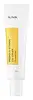
This anti-aging eye moisturizer is formulated around Hippophae Rhamnoides Fruit Extract and Niacinamide to soften the look of wrinkles and brighten dull-looking skin.
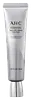
This anti-aging eye moisturizer is formulated around Niacinamide and Panthenol to soften the look of wrinkles and hydrate skin.

What's inside
What's inside
 Key Ingredients
Benefits
Concerns
Ingredients Side-by-side
Water
Skin ConditioningButylene Glycol
Humectant

Glycerin
Humectant
Hippophae Rhamnoides Fruit Extract
Skin Conditioning

Caprylic/Capric Triglyceride
Masking
Niacinamide
Smoothing







Cetyl Ethylhexanoate
EmollientCetearyl Olivate


1,2-Hexanediol
Skin Conditioning
Sorbitan Olivate
Emulsifying
Cetearyl Alcohol
Emollient



Polyglyceryl-3 Methylglucose Distearate
Emulsifying
Vinyldimethicone

Behenyl Alcohol
Emollient
Acrylates/C10-30 Alkyl Acrylate Crosspolymer
Emulsion StabilisingAmmonium Acryloyldimethyltaurate/Vp Copolymer
Caprylyl Glycol
Emollient
Stearyl Alcohol
Emollient
Pentylene Glycol
Skin Conditioning
Ceteth-13
EmulsifyingHydroxyacetophenone
Antioxidant
Tromethamine
BufferingXanthan Gum
EmulsifyingBetaine
Humectant
Trehalose
Humectant
Allantoin
Skin Conditioning
Propolis Extract
Skin Conditioning
Adenosine
Skin Conditioning
Disodium EDTA
ChelatingCamellia Japonica Seed Oil
Emollient
Prunus Amygdalus Dulcis Oil
Skin Conditioning
Olea Europaea Fruit Oil
Masking
Maltodextrin
Absorbent
Caramel
Cosmetic ColorantHydrogenated Lecithin
Emulsifying
Hydroxydecyl Ubiquinone
Antioxidant
Citrus Aurantium Bergamia Fruit Oil
Masking

Beta-Glucan
Skin Conditioning
Centella Asiatica Extract
Cleansing
Polygonum Cuspidatum Root Extract
Antioxidant
Scutellaria Baicalensis Root Extract
Astringent
Camellia Sinensis Leaf Extract
Antimicrobial
Dipotassium Glycyrrhizate
Humectant
Chamomilla Recutita Flower Extract
Masking
Rosmarinus Officinalis Leaf Extract
AntimicrobialPerilla Frutescens Leaf Extract
MaskingAspalathus Linearis Extract
Skin ConditioningCommiphora Myrrha Resin Extract
Skin ConditioningMelaleuca Alternifolia Leaf Extract
Perfuming
Glycyrrhiza Glabra Root Extract
Bleaching
Ethylhexylglycerin
Skin ConditioningPropanediol
Solvent
Sodium Hyaluronate Crosspolymer
Humectant
Hydrolyzed Glycosaminoglycans
HumectantSodium Hyaluronate
Humectant
Benzyl Glycol
SolventHydrolyzed Hyaluronic Acid
Humectant
Hyaluronic Acid
Humectant
Raspberry Ketone
Masking
Hydroxypropyltrimonium Hyaluronate
Hydrolyzed Sodium Hyaluronate
Skin Conditioning
Potassium Hyaluronate
Skin ConditioningSodium Acetylated Hyaluronate
Humectant
Water, Butylene Glycol, Glycerin, Hippophae Rhamnoides Fruit Extract, Caprylic/Capric Triglyceride, Niacinamide, Cetyl Ethylhexanoate, Cetearyl Olivate, 1,2-Hexanediol, Sorbitan Olivate, Cetearyl Alcohol, Polyglyceryl-3 Methylglucose Distearate, Vinyldimethicone, Behenyl Alcohol, Acrylates/C10-30 Alkyl Acrylate Crosspolymer, Ammonium Acryloyldimethyltaurate/Vp Copolymer, Caprylyl Glycol, Stearyl Alcohol, Pentylene Glycol, Ceteth-13, Hydroxyacetophenone, Tromethamine, Xanthan Gum, Betaine, Trehalose, Allantoin, Propolis Extract, Adenosine, Disodium EDTA, Camellia Japonica Seed Oil, Prunus Amygdalus Dulcis Oil, Olea Europaea Fruit Oil, Maltodextrin, Caramel, Hydrogenated Lecithin, Hydroxydecyl Ubiquinone, Citrus Aurantium Bergamia Fruit Oil, Beta-Glucan, Centella Asiatica Extract, Polygonum Cuspidatum Root Extract, Scutellaria Baicalensis Root Extract, Camellia Sinensis Leaf Extract, Dipotassium Glycyrrhizate, Chamomilla Recutita Flower Extract, Rosmarinus Officinalis Leaf Extract, Perilla Frutescens Leaf Extract, Aspalathus Linearis Extract, Commiphora Myrrha Resin Extract, Melaleuca Alternifolia Leaf Extract, Glycyrrhiza Glabra Root Extract, Ethylhexylglycerin, Propanediol, Sodium Hyaluronate Crosspolymer, Hydrolyzed Glycosaminoglycans, Sodium Hyaluronate, Benzyl Glycol, Hydrolyzed Hyaluronic Acid, Hyaluronic Acid, Raspberry Ketone, Hydroxypropyltrimonium Hyaluronate, Hydrolyzed Sodium Hyaluronate, Potassium Hyaluronate, Sodium Acetylated Hyaluronate
Water
Skin ConditioningCyclopentasiloxane
Emollient
Methylpropanediol
SolventBetaine
Humectant
Hydrogenated Poly(C6-14 Olefin)
EmollientGlycerin
Humectant
Cyclohexasiloxane
Emollient
1,2-Hexanediol
Skin Conditioning
Niacinamide
Smoothing
Dimethicone
Emollient
Cetearyl Alcohol
Emollient
Polysorbate 60
Emulsifying
Hydroxyethyl Acrylate/Sodium Acryloyldimethyl Taurate Copolymer
Emulsion StabilisingDimethicone/Vinyl Dimethicone Crosspolymer
Skin Conditioning
Panthenol
Skin Conditioning
Squalane
Emollient
Dioscorea Japonica Root Extract
Skin Conditioning
Parfum
Masking
Calendula Officinalis Flower Oil
Masking
Ethylhexylglycerin
Skin ConditioningGlycosyl Trehalose
Emulsion StabilisingSorbitan Isostearate
Emulsifying
Hydrogenated Starch Hydrolysate
HumectantButylene Glycol
Humectant
Raffinose
Skin ConditioningAdenosine
Skin Conditioning
Lecithin
Emollient
Disodium EDTA
ChelatingHydrogenated Lecithin
Emulsifying
Xanthan Gum
EmulsifyingSodium Stearoyl Glutamate
CleansingBorago Officinalis Seed Oil
Emollient
Oenothera Biennis Oil
Emollient
Sodium Hyaluronate
Humectant
Polyquaternium-51
Skin Conditioning
Dipropylene Glycol
HumectantSodium Palmitoyl Proline
Skin ConditioningFicus Carica Fruit Extract
Humectant
Centella Asiatica Extract
Cleansing
Pseudoalteromonas Ferment Extract
Humectant
Ceramide NP
Skin Conditioning
Folic Acid
Skin ConditioningCaprylic/Capric Triglyceride
Masking
Hydrolyzed Lupine Protein
Skin ConditioningAlchemilla Vulgaris Extract
AstringentBifida Ferment Lysate
Skin Conditioning
Centaurea Cyanus Flower Water
Skin Conditioning
Helichrysum Italicum Flower Water
Skin ConditioningCholesterol
Emollient
Macadamia Integrifolia Seed Oil
Skin Conditioning
Elaeis Guineensis Oil
Emollient
Biosaccharide Gum-1
Humectant
Helianthus Annuus Seed Oil
Emollient
Schizosaccharomyces Ferment Filtrate
Humectant
Collagen Extract
Skin Conditioning
Propanediol
Solvent
Alcohol
Antimicrobial

Anastatica Hierochuntica Extract
AstringentTocopheryl Acetate
Antioxidant
Argania Spinosa Kernel Extract
Skin ConditioningPhytosphingosine
Skin Conditioning
Tromethamine
BufferingMaltodextrin
Absorbent
Acrylates Copolymer
Phenoxyethanol
Preservative
Sodium Lauroyl Lactylate
EmulsifyingHydroxydecyl Ubiquinone
Antioxidant
Tocopherol
Antioxidant
Caprylyl Glycol
Emollient
Lactic Acid
Buffering
Epilobium Angustifolium Flower/Leaf/Stem Extract
Skin ConditioningSorbitan Laurate
Emulsifying
Lepidium Meyenii Root Extract
Skin ConditioningSaccharide Hydrolysate
HumectantHydrolyzed Vegetable Protein
Skin ConditioningSalicornia Herbacea Extract
Skin ConditioningAsparagus Officinalis Stem Extract
Skin ConditioningCetyl Hydroxyethylcellulose
Emulsion StabilisingOryza Sativa Extract
Absorbent
Melissa Officinalis Leaf Extract
Skin ConditioningMentha Piperita Leaf Extract
Skin ConditioningPrimula Veris Extract
Skin ConditioningMalva Sylvestris Extract
AstringentAchillea Millefolium Extract
CleansingVeronica Officinalis Extract
Skin ConditioningSodium Cocoyl Glutamate
Cleansing
Rutin
Antioxidant
Rhododendron Ferrugineum Extract
MaskingLeuconostoc/Radish Root Ferment Filtrate
Antimicrobial
Nymphaea Alba Flower Extract
Skin ConditioningPalmitoyl Tripeptide-5
Skin Conditioning
Benzyl Alcohol
Perfuming
Ascorbic Acid Polypeptide
Antioxidant
Dipotassium Phosphate
BufferingHydroxyethylcellulose
Emulsion StabilisingPlankton Extract
Skin ConditioningCarbomer
Emulsion StabilisingAcetyl Dipeptide-1 Cetyl Ester
Skin Conditioning
Ceramide AP
Skin Conditioning
Palmitoyl Pentapeptide-4
Skin Conditioning
Copper Tripeptide-1
Skin Conditioning
Vp/Polycarbamyl Polyglycol Ester
Acetyl Hexapeptide-8
Humectant
Hydrolyzed Sesame Protein Pg-Propyl Methylsilanediol
Skin ConditioningGluconolactone
Chelating
Calcium Gluconate
HumectantPotassium Sorbate
Preservative
Saussurea Involucrata Extract
HumectantPalmitoyl Tripeptide-1
Skin Conditioning
Palmitoyl Tetrapeptide-7
Skin Conditioning
Sodium Benzoate
Masking
Dehydroacetic Acid
Preservative
Arginine Ferulate
Skin ConditioningPalmitoyl Hexapeptide-12
Skin Conditioning
Acetyl Tripeptide-1
Skin Conditioning
Disodium Phosphate
BufferingAcetic Acid
BufferingSodium Hydroxide
BufferingPhaseolus Lunatus Seed Extract
EmollientRetinol
Skin Conditioning
Sodium Lactate
Buffering
Magnesium PCA
Humectant
Lysine
Skin ConditioningLeucine
Skin ConditioningMethionine
Skin ConditioningValine
MaskingSerine
Masking
Sucrose
Humectant
Cysteine
Antioxidant
Proline
Skin Conditioning
Histidine
Humectant
Calcium Chloride
AstringentTaurine
BufferingTryptophan
MaskingAsparagine
MaskingFormic Acid
Preservative
1-Methylhydantoin-2-Imide
Skin ConditioningMagnesium Citrate
Skin ConditioningMagnesium Chloride
Citrulline
Skin ConditioningAmmonia
Buffering
Ornithine
Skin ConditioningUric Acid
BufferingTyrosine
MaskingThreonine
Phenylalanine
Masking
Potassium Hydroxide
BufferingAlanine
Masking
Arginine
Masking
Urea
Buffering
Isoleucine
Skin ConditioningMaris Sal
Skin ConditioningAspartic Acid
Masking
Glycine
Buffering
Glucosamine Hcl
Glutamic Acid
Humectant
Glutamine
Skin ConditioningCeramide EOP
Skin Conditioning
Benzyl Benzoate
Antimicrobial
Water, Cyclopentasiloxane, Methylpropanediol, Betaine, Hydrogenated Poly(C6-14 Olefin), Glycerin, Cyclohexasiloxane, 1,2-Hexanediol, Niacinamide, Dimethicone, Cetearyl Alcohol, Polysorbate 60, Hydroxyethyl Acrylate/Sodium Acryloyldimethyl Taurate Copolymer, Dimethicone/Vinyl Dimethicone Crosspolymer, Panthenol, Squalane, Dioscorea Japonica Root Extract, Parfum, Calendula Officinalis Flower Oil, Ethylhexylglycerin, Glycosyl Trehalose, Sorbitan Isostearate, Hydrogenated Starch Hydrolysate, Butylene Glycol, Raffinose, Adenosine, Lecithin, Disodium EDTA, Hydrogenated Lecithin, Xanthan Gum, Sodium Stearoyl Glutamate, Borago Officinalis Seed Oil, Oenothera Biennis Oil, Sodium Hyaluronate, Polyquaternium-51, Dipropylene Glycol, Sodium Palmitoyl Proline, Ficus Carica Fruit Extract, Centella Asiatica Extract, Pseudoalteromonas Ferment Extract, Ceramide NP, Folic Acid, Caprylic/Capric Triglyceride, Hydrolyzed Lupine Protein, Alchemilla Vulgaris Extract, Bifida Ferment Lysate, Centaurea Cyanus Flower Water, Helichrysum Italicum Flower Water, Cholesterol, Macadamia Integrifolia Seed Oil, Elaeis Guineensis Oil, Biosaccharide Gum-1, Helianthus Annuus Seed Oil, Schizosaccharomyces Ferment Filtrate, Collagen Extract, Propanediol, Alcohol, Anastatica Hierochuntica Extract, Tocopheryl Acetate, Argania Spinosa Kernel Extract, Phytosphingosine, Tromethamine, Maltodextrin, Acrylates Copolymer, Phenoxyethanol, Sodium Lauroyl Lactylate, Hydroxydecyl Ubiquinone, Tocopherol, Caprylyl Glycol, Lactic Acid, Epilobium Angustifolium Flower/Leaf/Stem Extract, Sorbitan Laurate, Lepidium Meyenii Root Extract, Saccharide Hydrolysate, Hydrolyzed Vegetable Protein, Salicornia Herbacea Extract, Asparagus Officinalis Stem Extract, Cetyl Hydroxyethylcellulose, Oryza Sativa Extract, Melissa Officinalis Leaf Extract, Mentha Piperita Leaf Extract, Primula Veris Extract, Malva Sylvestris Extract, Achillea Millefolium Extract, Veronica Officinalis Extract, Sodium Cocoyl Glutamate, Rutin, Rhododendron Ferrugineum Extract, Leuconostoc/Radish Root Ferment Filtrate, Nymphaea Alba Flower Extract, Palmitoyl Tripeptide-5, Benzyl Alcohol, Ascorbic Acid Polypeptide, Dipotassium Phosphate, Hydroxyethylcellulose, Plankton Extract, Carbomer, Acetyl Dipeptide-1 Cetyl Ester, Ceramide AP, Palmitoyl Pentapeptide-4, Copper Tripeptide-1, Vp/Polycarbamyl Polyglycol Ester, Acetyl Hexapeptide-8, Hydrolyzed Sesame Protein Pg-Propyl Methylsilanediol, Gluconolactone, Calcium Gluconate, Potassium Sorbate, Saussurea Involucrata Extract, Palmitoyl Tripeptide-1, Palmitoyl Tetrapeptide-7, Sodium Benzoate, Dehydroacetic Acid, Arginine Ferulate, Palmitoyl Hexapeptide-12, Acetyl Tripeptide-1, Disodium Phosphate, Acetic Acid, Sodium Hydroxide, Phaseolus Lunatus Seed Extract, Retinol, Sodium Lactate, Magnesium PCA, Lysine, Leucine, Methionine, Valine, Serine, Sucrose, Cysteine, Proline, Histidine, Calcium Chloride, Taurine, Tryptophan, Asparagine, Formic Acid, 1-Methylhydantoin-2-Imide, Magnesium Citrate, Magnesium Chloride, Citrulline, Ammonia, Ornithine, Uric Acid, Tyrosine, Threonine, Phenylalanine, Potassium Hydroxide, Alanine, Arginine, Urea, Isoleucine, Maris Sal, Aspartic Acid, Glycine, Glucosamine Hcl, Glutamic Acid, Glutamine, Ceramide EOP, Benzyl Benzoate
Reviews
Ingredients Explained
These ingredients are found in both products.
Ingredients higher up in an ingredient list are typically present in a larger amount.
1,2-Hexanediol is a synthetic liquid and another multi-functional powerhouse.
It is a:
- Humectant, drawing moisture into the skin
- Emollient, helping to soften skin
- Solvent, dispersing and stabilizing formulas
- Preservative booster, enhancing the antimicrobial activity of other preservatives
Adenosine is a purine nucleoside that your body already makes in every cell. In skincare, it acts mainly as a skin conditioning and anti-aging agent.
The way it works is fairly well mapped out:
Your skin has cells called fibroblasts that build collagen (the stuff that keeps skin firm and smooth). Adenosine basically flips a switch on these cells that tells them to get to work making more collagen and other proteins. These cells slow down on their own as skin ages, so Adenosine helps give them a little nudge to keep going.
The clinical backing is pretty solid too.
A blind, randomized, placebo-controlled trial of 126 women aged 45-65 tested a 0.1% cream twice daily and found real improvements in crow's feet and frown lines using a precise 3D skin-mapping technique; these changes showed up by week 3 and held at 2 months.
A later study using Adenosine-loaded dissolving microneedle patches reported gains in wrinkle depth, dermal density, elasticity, and hydration.
On concentrations, South Korea's Ministry of Food and Drug Safety has set 0.04% as the approved functional anti-wrinkle level. You'll typically see this ingredient used somewhere in the 0.04-0.1% range since it works at low doses.
This ingredient has been found safe for cosmetics with the data showing no irritation or sensitization.
Overall, this is a great ingredient for any anti-aging routine and has no photosensitizing effect, so it suits both AM and PM use.
Learn more about AdenosineBetaine is a humectant. Like hyaluronic acid, it helps attract and retain moisture in the skin. It’s known for being gentle and for helping the skin maintain balanced hydration.
Betaine is mainly used to improve hydration and support calmer skin. It helps skin cells regulate water balance because it functions as an osmolyte.
Some studies suggest betaine may support making skin tone more even.
Fun fact: Betaine naturally exists in the skin and the body. In cosmetic products, it can be either plant-derived (most commonly from sugar beets) or synthetically produced for consistency and stability.
Betaine is also known as trimethylglycine.
Learn more about BetaineButylene Glycol (or BG) is used within cosmetic products for a few different reasons:
Overall, Butylene Glycol is a safe and well-rounded ingredient that works well with other ingredients.
Though this ingredient works well with most skin types, some people with sensitive skin may experience a reaction such as allergic rashes, closed comedones, or itchiness.
Learn more about Butylene GlycolCaprylic/Capric Triglyceride (aka MCT Oil) is a lightweight emollient, solvent, and texture enhancer. It is considered a skin-softener by helping to prevent moisture loss.
Though it behaves like an oil, it is not technically one due to its chemical composition. One perk of this ingredient is that it is very stable, resistant to oxidation, and unlikely to go rancid.
In practice, that translates to a long shelf life and a consistently elegant skin feel.
While there is an assumption Caprylic Triglyceride can clog pores due to it being derived from coconut oil, there is no research supporting this. Just patch test if you have concerns.
Fractionated coconut oil and MCT Oil are both listed as Caprylic/Capric Triglyceride according to INCI. This is because INCI names are based on the ingredient’s final chemical composition and not its marketing name or source.
This ingredient is treated as the gold standard fungal acne safe oil. Even though it is coconut derived, the problematic lauric acid is stripped out.
This leaves just caprylic (C8) and capric (C10) acid. These chain lengths actually trend antifungal; a 2020 study found caprylic acid was enough to disrupt Malassezia furfur cell membrane, with a caprylic acid derivative damaging membrane structures at concentrations as low as 0.2%.
Learn more about Caprylic/Capric TriglycerideCaprylyl Glycol is a humectant, skin conditioner, emollient, and preservative booster derived from either caprylic acid or synthetically created.
Typical use levels vary from 0.3-1% as a preservative booster and go up to 2% to condition skin.
Because it is not a free-fatty acid, this ingredient is fungal acne safe (there's nothing for Malassezia to feed on).
Learn more about Caprylyl GlycolCentella Asiatica Extract (Centella) is one of the most researched botanical extracts in skincare with decades of studies backing its effects on inflammation, collagen, and the skin barrier.
That research keeps pointing back to the same four triterpenoid saponins: Asiaticoside, Madecassoside, Asiatic Acid, and Madecassic Acid.
These compounds allow centella to dial back inflammation, encourage the skin to build and hold onto collagen, support the barrier and hydration, and bring solid antioxidant activity to protect against signs of aging.
Centella also carries a nice supporting cast of Vitamin A, vitamin C, several B vitamins, and amino acids. Put it all together and you get an ingredient that soothes, hydrates, and protects, all at once.
Most of centella's magic comes from the four big compounds (Asiaticoside, Madecassoside, Asiatic Acid, and Madecassic Acid). These are the actives doing the heavy lifting in almost every centella study.
Here is the short version of what they do in the skin:
So it is not just soothing for the sake of soothing. Centella calms the skin AND helps it rebuild.
Just FYI, not all centella on an ingredient list is the same. What you are getting actually depends on the extract:
Fun fact on the ratios: the leaves tend to be richest in Madecassoside and Asiaticoside, and lower in the two acids. The exact amounts shift with where the plant is grown and how it is processed. This means purity really does vary brand to brand.
Centella is one of the most easygoing actives out there.
It layers well with basically everything: niacinamide, hyaluronic acid, peptides, and vitamin C, and also pairs nicely with stronger actives like retinoids and exfoliating acids where it can help take the edge off irritation.
On the safety side, centella and its triterpenes are classified as weak sensitizers, meaning allergic reactions are possible but uncommon.
Patch tests at 1% and 5% came back negative in test panels, and creams at typical use levels did not cause allergic reactions across large groups of people.
But as with any new active, a patch test is still a smart move for very reactive skin.
Centella is widely used because it is effective at low percentages. For context, human safety testing found no meaningful irritation from creams containing centella extract at everyday use levels (the tested amounts were well under 1%).
The irritancy threshold in animal testing was also above 30% (so real-world formulas sit far below anything concerning).
In collagen lab studies, higher concentrations drove more collagen synthesis, so serums built around centella tend to feature it more prominently.
Bottom line: you will find centella working nicely anywhere from a fraction of a percent up to hero-ingredient levels depending on whether it is a supporting soother or the main event.
Fun fact: Centella has been used as a medicine and in food for many centuries. As a medicine, it is used to treat burns, scratches, and wounds.
Learn more about Centella Asiatica ExtractCetearyl alcohol is a waxy mixture of two fatty alcohols: cetyl alcohol and stearyl alcohol. It is an emollient and emulsifier.
Despite having "alcohol" in its name, it has nothing to do with drying solvent alcohols; the FDA also allows "alcohol-free" products to contain fatty alcohols like this ingredient.
It plays several roles in a formula:
Typical use levels for this ingredient sit around 1-10% and the Cosmetic Ingredient Review Expert Panel has affirmed safety at concentrations up to 25% in leave-on products.
Multiple assessments have found it to be non-irritating and non-sensitizing to most people.
However, there have been some cases of allergic contact dermatitis in patients with chronically compromised skin barriers.
Cetearyl alcohol has a comedogenic rating of 2 and irritancy rating of 1. Both of these numbers come from the 1989 study that used rabbit ears; a "2" means mildly comedogenic and a "1" means low irritancy.
Here's the catch: rabbit skin is more sensitive than human skin and throws a lot of false positives. A 1996 reappraisal found that ingredients rated 1-2 in the rabbit ear tests are generally safe for humans.
Remember comedogenic ratings are unable to assess the entire formula of a product or how it will react on your skin. Just be sure to patch test if you are unsure about certain ingredients.
This ingredient is not fungal acne safe. Cetearyl alcohol is a fatty alcohol with chain lengths that fall within the range that Malassezia can metabolize.
A 2019 study has also observed Malassezia growth in the presence of this ingredient, confirming it to be not-fungal acne safe.
Learn more about Cetearyl AlcoholDisodium EDTA is a chelating agent. It grabs onto and deactivates metal ions that sneak into your products from water, packaging, or air.
This ingredient mainly works behind the scenes and helps with:
On top of that, this ingredient can counteract the effects of hard water by binding to the minerals in it.
One thing worth knowing is that Disodium EDTA has been shown to be a mild penetration enhancer. It can help other ingredients absorb into skin more effectively which can be a double-edged sword (great for actives, but can also make the active too strong if you have sensitive skin).
Clinical patch testing showed no significant skin irritation at typical use concentrations and minimal dermal absorption.
You'll most likely see this ingredient near the end of an ingredient list. It's typically found in concentrations less than 1%.
Learn more about Disodium EDTAEthylhexylglycerin is created from glycerin. It is a multitasker ingredient that:
The CIR Expert Panel found minimal skin absorption or sensitization of any kind in a safety assessment. Though this ingredient is considered well-tolerated, a small number of cases of allergic dermatitis have been published since 2002. Just be sure to patch test if you are unsure.
Industry-reported use ranges from 8% in rinse-off products and 2% in leave-on formulations.
Learn more about EthylhexylglycerinGlycerin (or glycerol) is a compound naturally found in your skin. It's a powerhouse humectant that pulls water into the stratum corneum.
Topically, glycerin does several things at once:
Your skin makes glycerin on its own (mostly from sebaceous oil breakdown) and shuttles it to your outermost layer of skin, or your epidermis, via aquaporin-3.
Aquaporin-3 is a transporter that is essential for normal skin hydration, elasticity, and repair. Interestingly, mice lacking in AQP3 have dry and less elastic skin that can be fully corrected with glycerin.
This ingredient is non-irritating, plays well with almost every ingredient, and works across all skin types. Typical use is anywhere between 3-10% but can go up to 79% in some leave-on products.
Just know very high concentrations (>40%) can feel tacky in low humidity.
Glycerin is the name for this ingredient in American English. British English uses Glycerol/Glycerine.
Learn more about GlycerinHydrogenated Lecithin is a more stable version of lecithin.
It's made by taking lecithin (a phospholipid commonly found in soybeans and egg yolks) and hydrogenating it. This just means the unsaturated fatty acids are turned into saturated ones so they don't go bad as easily.
This ingredient is an emollient, emulsifier, and penetration enhancer. As an emollient, it helps soften and hydrate skin by trapping moisture within. As an emulsifier, it prevents oil and water ingredients from separating.
Hydrogenated Lecithin can form tiny spherical structures made of phospholipid bilayers called liposomes. These liposomes are able to capture compounds inside their structure and deliver them through the skin barrier.
Because phospholipids are a natural component of our cell membranes, this ingredient is inherently compatible with skin.
A 2021 study found lecithin-based surfactants were less harsh and more tolerable comared to Sodium Lauryl Sulfate (SLS).
Learn more about Hydrogenated LecithinHydroxydecyl Ubiquinone (aka Idebenone) is an antioxidant that helps neutralize free radicals, or the unstable molecules that break down collagen and speed up visible aging.
It's a synthetic analog of Coenzyme Q10 but with a much smaller molecular weight. In theory, this gives it greater potential to penetrate skin.
The headline claim comes from a 2005 study that ranked Idebenone's oxidative-stress protection against five popular antioxidants (Vitamin C, Vitamin E, CoQ10, Kinetin, and Alpha Lipoic Acid). This study found it performed strongly in their testing model.
A companion six-week clinical trial on 41 women with moderately photodamaged skin found a 1% Idebenone formula showed a 26% reduction in skin roughness and dryness, a 37% increase in hydration, a 29% reduction in fine-lines/wrinkles, and a 33% improvement in overall photodamage. One thing worth noting about this study is that there was no vehicle control so not all benefits can be pinned on idebenone alone.
Typical usage for this ingredient sits between 0.5-1% (both concentrations validated in clinical work).
On the safety side, Idebenone is well tolerated by most people. There are a handful of documented allergic contact dermatitis in individual users so be sure to patch test if you have sensitive or reactive skin.
Learn more about Hydroxydecyl UbiquinoneMaltodextrin is a plant-derived carbohydrate made by breaking down starch (usually from corn, potato, or rice). In cosmetic formulas, it's a multitasking absorbent, emulsion stabilizer, and skin conditioner.
This ingredient is mostly used to stabilize emulsions and improve the powdery, non-greasy feel of products (like dry shampoos).
Safety-wise, this ingredient is pretty solid; it's even recognized as a food additive. Both animal and clinical studies found no adverse effects at the levels used in cosmetics.
Industry data shows this ingredient is used up to 45.7% in spray products and up to 33% in powder products.
Learn more about MaltodextrinNiacinamide is a multitasking form of vitamin B3 that strengthens the skin barrier, reduces pores and dark spots, regulates oil, and improves signs of aging.
And the best part? It's gentle and well-tolerated by most skin types, including sensitive and reactive skin.
You might have heard of "niacin flush", or the reddening of skin that causes itchiness. Niacinamide has not been found to cause this.
In very rare cases, some individuals may not be able to tolerate niacinamide at all or experience an allergic reaction to it.
If you are experiencing flaking, irritation, and dryness with this ingredient, be sure to double check all your products as this ingredient can be found in all categories of skincare.
When incorporating niacinamide into your routine, look out for concentration amounts. Typically, 5% niacinamide provides benefits such as fading dark spots. However, if you have sensitive skin, it is better to begin with a smaller concentration.
When you apply niacinamide to your skin, your body converts it into nicotinamide adenine dinucleotide (NAD). NAD is an essential coenzyme that is already found in your cells as "fuel" and powers countless biological processes.
In your skin, NAD helps repair cell damage, produce new healthy cells, support collagen production, strengthen the skin barrier, and fight environmental stressors (like UV and pollution).
Our natural NAD levels start to decline with age, leading to slower skin repair, visible aging, and a weaker skin barrier. By providing your skin niacinamide, you're recharging your skin's NAD levels. This leads to stronger, healthier, and younger looking skin.
Another name for vitamin B3 is nicotinamide. This vitamin is water-soluble and our bodies don't store it. We obtain Vitamin B3 from either food or skincare. Meat, fish, wheat, yeast, and leafy greens contain vitamin B3.
The type of niacinamide used in skincare is synthetically created.
Learn more about NiacinamidePropanediol is an all-star ingredient. It softens, hydrates, and smooths the skin.
It’s often used to:
Propanediol is not likely to cause sensitivity and considered safe to use. It is derived from corn or petroleum with a clear color and no scent.
Learn more about PropanediolSodium Hyaluronate is the salt form of hyaluronic acid. It is a long sugar chain that is naturally found in your skin, joints, and connective tissue that maintains hydration and elasticity.
In skincare, it works as a humectant. It pulls water from the environment and deeper layers of skin and binds it to the surface.
Interestingly, the size of the molecule affects its behavior:
Some clinical evidence links low molecular weight versions to improved wrinkle depth, elasticity, anti-inflammatory effects, and barrier repair.
Many serums use a blend of both weights so you can get surface hydration plus longer-lasting and deeper effects.
You'll typically see concentrations between 0.1-2% for this ingredient.
Learn more about Sodium HyaluronateTromethamine (aka THAM) is a synthetic amino acid that shows up in skincare as a helper ingredient.
It functions as a pH adjuster to help neutralize acidic ingredients and set a formula's pH to the right spot.
This matters a lot because a lot of actives (like vitamin C) needs a specific pH to work well and feel comfortable on skin.
Concentration use ranges from 0.1-1.0% depending on the formula.
Learn more about TromethamineWater. It's the most common cosmetic ingredient of all. You'll usually see it at the top of ingredient lists, meaning that it makes up the largest part of the product.
So why is it so popular? Water most often acts as a solvent - this means that it helps dissolve other ingredients into the formulation.
You'll also recognize water as that liquid we all need to stay alive. If you see this, drink a glass of water. Remember to stay hydrated!
Learn more about WaterXanthan gum is used as a stabilizer and thickener within cosmetic products. It helps give products a sticky, thick feeling - preventing them from being too runny.
On the technical side of things, xanthan gum is a polysaccharide - a combination consisting of multiple sugar molecules bonded together.
Xanthan gum is a pretty common and great ingredient. It is a natural, non-toxic, non-irritating ingredient that is also commonly used in food products.
Learn more about Xanthan Gum

