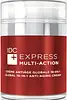
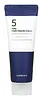
IDC 16-in-1 Global Anti-Aging Cream Express Multi-Action Versus Numbuzin No. 5 Daily Multi-Vitamin Cream
This anti-aging moisturizer is formulated around Squalane and Bisabolol to soften the look of wrinkles and hydrate skin.
This brightening moisturizer is formulated around Panthenol and Niacinamide to brighten dull-looking skin and fade the look of dark spots.


What's inside
What's inside
 Key Ingredients
Benefits
Concerns
Ingredients Side-by-side
Water
Skin ConditioningDimethicone
Emollient

Squalane
Emollient


Glycerin
Humectant
Butylene Glycol
Humectant
Caprylic/Capric Triglyceride
Masking
Cetyl Alcohol
Emollient


Dicaprylyl Carbonate
EmollientSalix Nigra Bark Extract
Skin ProtectingGlyceryl Stearate
Emollient
Nylon-12


Ceteareth-20
Cleansing

PEG-75 Stearate
Surfactant
Polysilicone-11
Bisabolol
Antioxidant


Polyacrylate Crosspolymer-6
Emulsion StabilisingTocopheryl Acetate
Antioxidant

Plukenetia Volubilis Seed Oil
Emollient
Polyacrylate-13
Maltodextrin
Absorbent
Dipalmitoyl Hydroxyproline
Skin Conditioning
Alcohol
Antimicrobial


Sorbitol
Humectant
Ammonium Acryloyldimethyltaurate/Vp Copolymer
Sodium Carbomer
Emulsion StabilisingLecithin
Emollient
Polyisobutene
Sucrose Dilaurate
Emollient
Hydroxypropyl Cyclodextrin
MaskingPentaerythrityl Tetra-Di-T-Butyl Hydroxyhydrocinnamate
Antioxidant
Disodium EDTA
ChelatingSodium Stearoyl Glutamate
CleansingHydrolyzed Jojoba Esters
Skin Conditioning
Citric Acid
Buffering
Glycyrrhiza Glabra Root Extract
Bleaching
Carnosine
Skin Conditioning
Ethylene Brassylate
MaskingAscophyllum Nodosum Extract
Skin Conditioning
Sodium Metabisulfite
Antioxidant
Asparagopsis Armata Extract
Skin Protecting
Chrysanthellum Indicum Extract
Skin Conditioning
Palmitic Acid
Emollient
Adenosine
Skin Conditioning
Sodium Cocoyl Glutamate
Cleansing
Polysorbate 20
Emulsifying
Biosaccharide Gum-1
Humectant
Dextran
Caprooyl Tetrapeptide-3
Skin Protecting
Sorbitan Isostearate
Emulsifying
Helianthus Annuus Seed Oil
Emollient
Dipotassium Glycyrrhizate
Humectant
Decyl Glucoside
Cleansing
Pisum Sativum Extract
Skin ConditioningBiosaccharide Gum-4
Skin Conditioning
Creatine
Skin ConditioningSodium Hyaluronate
Humectant
Tetrahydropiperine
Skin ConditioningCaprylyl Glycol
Emollient
Hexylene Glycol
Emulsifying3-O-Ethyl Ascorbic Acid
Skin Conditioning


Tocopherol
Antioxidant
Ubiquinone
Antioxidant
Sodium Citrate
BufferingXanthan Gum
EmulsifyingEthyl Ferulate
Antioxidant
Alteromonas Ferment Extract
Skin Conditioning
Dimethylmethoxy Chromanol
Antioxidant
Lonicera Japonica Flower Extract
Skin ConditioningLonicera Caprifolium Flower Extract
Perfuming
Cynara Scolymus Leaf Extract
Skin ConditioningPalmitoyl Tripeptide-38
Skin Conditioning
Silybin
Skin ConditioningOryza Sativa Extract
Absorbent
Panax Ginseng Root Extract
Emollient
Chenopodium Quinoa Seed Extract
Skin Conditioning
Daucus Carota Sativa Root Extract
Skin Conditioning
Glycine Max Seed Extract
Skin ConditioningRosmarinus Officinalis Leaf Extract
AntimicrobialHesperidin Methyl Chalcone
Antioxidant
Retinol
Skin Conditioning

Steareth-20
CleansingBHT
Antioxidant
Chlorhexidine Digluconate
Antimicrobial
Dipeptide-2
Skin Conditioning
BHA
Antioxidant
Palmitoyl Tetrapeptide-7
Skin Conditioning
Phenoxyethanol
Preservative
Iodopropynyl Butylcarbamate
Preservative
Potassium Sorbate
Preservative
Benzoic Acid
Masking
Dehydroacetic Acid
Preservative
Benzyl Alcohol
Perfuming

Sodium Sulfite
Preservative
Parfum
Masking
CI 77891
Cosmetic ColorantWater, Dimethicone, Squalane, Glycerin, Butylene Glycol, Caprylic/Capric Triglyceride, Cetyl Alcohol, Dicaprylyl Carbonate, Salix Nigra Bark Extract, Glyceryl Stearate, Nylon-12, Ceteareth-20, PEG-75 Stearate, Polysilicone-11, Bisabolol, Polyacrylate Crosspolymer-6, Tocopheryl Acetate, Plukenetia Volubilis Seed Oil, Polyacrylate-13, Maltodextrin, Dipalmitoyl Hydroxyproline, Alcohol, Sorbitol, Ammonium Acryloyldimethyltaurate/Vp Copolymer, Sodium Carbomer, Lecithin, Polyisobutene, Sucrose Dilaurate, Hydroxypropyl Cyclodextrin, Pentaerythrityl Tetra-Di-T-Butyl Hydroxyhydrocinnamate, Disodium EDTA, Sodium Stearoyl Glutamate, Hydrolyzed Jojoba Esters, Citric Acid, Glycyrrhiza Glabra Root Extract, Carnosine, Ethylene Brassylate, Ascophyllum Nodosum Extract, Sodium Metabisulfite, Asparagopsis Armata Extract, Chrysanthellum Indicum Extract, Palmitic Acid, Adenosine, Sodium Cocoyl Glutamate, Polysorbate 20, Biosaccharide Gum-1, Dextran, Caprooyl Tetrapeptide-3, Sorbitan Isostearate, Helianthus Annuus Seed Oil, Dipotassium Glycyrrhizate, Decyl Glucoside, Pisum Sativum Extract, Biosaccharide Gum-4, Creatine, Sodium Hyaluronate, Tetrahydropiperine, Caprylyl Glycol, Hexylene Glycol, 3-O-Ethyl Ascorbic Acid, Tocopherol, Ubiquinone, Sodium Citrate, Xanthan Gum, Ethyl Ferulate, Alteromonas Ferment Extract, Dimethylmethoxy Chromanol, Lonicera Japonica Flower Extract, Lonicera Caprifolium Flower Extract, Cynara Scolymus Leaf Extract, Palmitoyl Tripeptide-38, Silybin, Oryza Sativa Extract, Panax Ginseng Root Extract, Chenopodium Quinoa Seed Extract, Daucus Carota Sativa Root Extract, Glycine Max Seed Extract, Rosmarinus Officinalis Leaf Extract, Hesperidin Methyl Chalcone, Retinol, Steareth-20, BHT, Chlorhexidine Digluconate, Dipeptide-2, BHA, Palmitoyl Tetrapeptide-7, Phenoxyethanol, Iodopropynyl Butylcarbamate, Potassium Sorbate, Benzoic Acid, Dehydroacetic Acid, Benzyl Alcohol, Sodium Sulfite, Parfum, CI 77891
Terminalia Ferdinandiana Fruit Extract
Antioxidant
Methylpropanediol
SolventGlycerin
Humectant
Cetyl Ethylhexanoate
EmollientCetearyl Alcohol
Emollient
Panthenol
Skin Conditioning
Niacinamide
Smoothing
Betaine
Humectant
Vinyldimethicone
Squalane
Emollient
Caprylic/Capric Triglyceride
Masking
1,2-Hexanediol
Skin Conditioning
Methyl Trimethicone
Skin Conditioning
Butyrospermum Parkii Butter
Skin Conditioning
Polymethylsilsesquioxane
Propanediol
Solvent
Melia Azadirachta Flower Extract
Skin ConditioningMelia Azadirachta Leaf Extract
Skin ConditioningCurcuma Longa Root Extract
Antioxidant
Ocimum Sanctum Leaf Extract
Skin ConditioningTheobroma Cacao Seed Extract
Antioxidant
Corallina Officinalis Extract
Skin Conditioning
Olea Europaea Leaf Extract
Perfuming
Phaseolus Lunatus Seed Extract
EmollientCitrus Aurantium Dulcis Oil
Masking
Hydrogenated Lecithin
Emulsifying
Citrus Nobilis Peel Oil
Masking
Litsea Cubeba Fruit Oil
Masking
Rosa Canina Fruit Oil
Emollient
Camellia Sinensis Leaf Water
Masking
Water
Skin ConditioningGlyceryl Linolenate
Emollient
Glyceryl Linoleate
Emollient
Tocopheryl Acetate
Antioxidant
Polyglyceryl-2 Stearate
Emulsifying
Isononyl Isononanoate
EmollientGlyceryl Stearate Se
Emulsifying
Glyceryl Stearate
Emollient
Bisabolol
Antioxidant
Hydroxyethyl Acrylate/Sodium Acryloyldimethyl Taurate Copolymer
Emulsion StabilisingStearyl Alcohol
Emollient
Acrylates/C10-30 Alkyl Acrylate Crosspolymer
Emulsion StabilisingTromethamine
BufferingXanthan Gum
Emulsifying3-O-Ethyl Ascorbic Acid
Skin Conditioning
Behenyl Alcohol
Emollient
Ascorbyl Tetraisopalmitate
Antioxidant
Adenosine
Skin Conditioning
Disodium EDTA
ChelatingButylene Glycol
Humectant
Sorbitan Isostearate
Emulsifying
Cholesterol
Emollient
Hydroxydecyl Ubiquinone
Antioxidant
Cyamopsis Tetragonoloba Gum
Emulsion StabilisingAgar
MaskingDextrin
AbsorbentCeramide NP
Skin Conditioning
7-Dehydrocholesterol
Emulsion StabilisingMagnesium Myristate
Magnesium Stearate
Cosmetic ColorantSea Salt
Abrasive
Acetyl Glucosamine
Skin Conditioning
Zinc Gluconate
Skin Conditioning
Calcium Stearate
Cosmetic ColorantLactic Acid
Buffering
Cetyl Hydroxyethylcellulose
Emulsion StabilisingRutin
Antioxidant
Ascorbyl Glucoside
Antioxidant
Zinc PCA
Humectant
Glycine
Buffering
Glutamic Acid
Humectant
Glutamine
Skin ConditioningDipotassium Phosphate
BufferingLysine
Skin ConditioningLeucine
Skin ConditioningMethionine
Skin ConditioningValine
MaskingSerine
Masking
Cysteine
Antioxidant
Citrulline
Skin ConditioningAscorbic Acid
Antioxidant
Asparagine
MaskingAspartic Acid
Masking
Isoleucine
Skin ConditioningAlanine
Masking
Arginine
Masking
Ornithine
Skin ConditioningCopper Tripeptide-1
Skin Conditioning
Taurine
BufferingTyrosine
MaskingThreonine
Tryptophan
MaskingPantothenic Acid
Skin ConditioningPhenylalanine
Masking
Proline
Skin Conditioning
Histidine
Humectant
Retinyl Palmitate
Skin Conditioning
Repagermanium
Skin ConditioningLinolenic Acid
Cleansing
Riboflavin
Cosmetic ColorantMagnesium Ascorbyl Phosphate
Antioxidant
Menadione
MaskingBiotin
AntiseborrhoeicBioflavonoids
Skin ConditioningCyanocobalamin
Skin ConditioningSodium Ascorbyl Phosphate
Antioxidant
Tocopherol
Antioxidant
Thiamine Hcl
MaskingPalmitoyl Tetrapeptide-7
Skin Conditioning
Palmitoyl Tripeptide-1
Skin Conditioning
Folic Acid
Skin ConditioningPyridoxine
Skin ConditioningHesperidin
EmollientEthylhexylglycerin
Skin ConditioningLimonene
Perfuming
Citral
Perfuming
Terminalia Ferdinandiana Fruit Extract, Methylpropanediol, Glycerin, Cetyl Ethylhexanoate, Cetearyl Alcohol, Panthenol, Niacinamide, Betaine, Vinyldimethicone, Squalane, Caprylic/Capric Triglyceride, 1,2-Hexanediol, Methyl Trimethicone, Butyrospermum Parkii Butter, Polymethylsilsesquioxane, Propanediol, Melia Azadirachta Flower Extract, Melia Azadirachta Leaf Extract, Curcuma Longa Root Extract, Ocimum Sanctum Leaf Extract, Theobroma Cacao Seed Extract, Corallina Officinalis Extract, Olea Europaea Leaf Extract, Phaseolus Lunatus Seed Extract, Citrus Aurantium Dulcis Oil, Hydrogenated Lecithin, Citrus Nobilis Peel Oil, Litsea Cubeba Fruit Oil, Rosa Canina Fruit Oil, Camellia Sinensis Leaf Water, Water, Glyceryl Linolenate, Glyceryl Linoleate, Tocopheryl Acetate, Polyglyceryl-2 Stearate, Isononyl Isononanoate, Glyceryl Stearate Se, Glyceryl Stearate, Bisabolol, Hydroxyethyl Acrylate/Sodium Acryloyldimethyl Taurate Copolymer, Stearyl Alcohol, Acrylates/C10-30 Alkyl Acrylate Crosspolymer, Tromethamine, Xanthan Gum, 3-O-Ethyl Ascorbic Acid, Behenyl Alcohol, Ascorbyl Tetraisopalmitate, Adenosine, Disodium EDTA, Butylene Glycol, Sorbitan Isostearate, Cholesterol, Hydroxydecyl Ubiquinone, Cyamopsis Tetragonoloba Gum, Agar, Dextrin, Ceramide NP, 7-Dehydrocholesterol, Magnesium Myristate, Magnesium Stearate, Sea Salt, Acetyl Glucosamine, Zinc Gluconate, Calcium Stearate, Lactic Acid, Cetyl Hydroxyethylcellulose, Rutin, Ascorbyl Glucoside, Zinc PCA, Glycine, Glutamic Acid, Glutamine, Dipotassium Phosphate, Lysine, Leucine, Methionine, Valine, Serine, Cysteine, Citrulline, Ascorbic Acid, Asparagine, Aspartic Acid, Isoleucine, Alanine, Arginine, Ornithine, Copper Tripeptide-1, Taurine, Tyrosine, Threonine, Tryptophan, Pantothenic Acid, Phenylalanine, Proline, Histidine, Retinyl Palmitate, Repagermanium, Linolenic Acid, Riboflavin, Magnesium Ascorbyl Phosphate, Menadione, Biotin, Bioflavonoids, Cyanocobalamin, Sodium Ascorbyl Phosphate, Tocopherol, Thiamine Hcl, Palmitoyl Tetrapeptide-7, Palmitoyl Tripeptide-1, Folic Acid, Pyridoxine, Hesperidin, Ethylhexylglycerin, Limonene, Citral
Reviews
Ingredients Explained
These ingredients are found in both products.
Ingredients higher up in an ingredient list are typically present in a larger amount.
3-O-Ethyl Ascorbic Acid is one of the most popular "stable" vitamin C derivatives in skincare.
Plain ascorbic acid is fantastic but notoriously fragile; it browns, oxidizes, and loses potency fast. So attaching an ethyl group to the third carbon of the molecule gives it some cool perks:
In a formula, it does the 3 classic vitamin C jobs: it acts as an antioxidant, helps brighten skin tone by inhibiting tyrosinase, and supports collagen.
The evidence is reasonably solid for a cosmetic ingredient; Liao and colleagues (2018) showed it's significantly more stable than ascorbic acid while still being effective.
A 2021 study by Zerbinati and colleagues tested a serum with 30% 3-O-ethyl-l-ascorbic acid and 1% lactic acid significantly increased collagen production, reduced UVB-induced DNA damage, and decreased melanin on a reconstructed pigmented skin model.
Typical real world usage sits around 0.5-5% (and 1-2% is common for daily serums).
Amounts up to 30% have been shown to be non-irritating on human skin samples, but two isolated cases reported allergic contact dermatitis so a patch test is sensible if you have reactive skin.
Learn more about 3-O-Ethyl Ascorbic AcidAdenosine is a purine nucleoside that your body already makes in every cell. In skincare, it acts mainly as a skin conditioning and anti-aging agent.
The way it works is fairly well mapped out:
Your skin has cells called fibroblasts that build collagen (the stuff that keeps skin firm and smooth). Adenosine basically flips a switch on these cells that tells them to get to work making more collagen and other proteins. These cells slow down on their own as skin ages, so Adenosine helps give them a little nudge to keep going.
The clinical backing is pretty solid too.
A blind, randomized, placebo-controlled trial of 126 women aged 45-65 tested a 0.1% cream twice daily and found real improvements in crow's feet and frown lines using a precise 3D skin-mapping technique; these changes showed up by week 3 and held at 2 months.
A later study using Adenosine-loaded dissolving microneedle patches reported gains in wrinkle depth, dermal density, elasticity, and hydration.
On concentrations, South Korea's Ministry of Food and Drug Safety has set 0.04% as the approved functional anti-wrinkle level. You'll typically see this ingredient used somewhere in the 0.04-0.1% range since it works at low doses.
This ingredient has been found safe for cosmetics with the data showing no irritation or sensitization.
Overall, this is a great ingredient for any anti-aging routine and has no photosensitizing effect, so it suits both AM and PM use.
Learn more about AdenosineBisabolol is a gentle skin conditioner, antioxidant, and soothing ingredient.
It's primary claim to fame is soothing and research shows topically applied bisabolol can quiet the chemical messengers that cause your skin to become inflamed, helping to sooth any irritation.
A clinical study found that applying 0.5% bisabolol daily for 8 weeks produced an average 9% decrease in skin pigmentation. Researchers found it can also suppress the process that leads to excess melanin production in skin.
In vitro studies found that bisabolol combined with propylene glycol significantly increased skin permeability by increasing lipid fluidity in the stratum corneum.
You'll likely see use concentrations quite low, usually 0.1-0.2%.
Overall, this is a well-tolerated ingredient that works well in formulas designed for sensitive, reactive, or post-procedure skin.
Learn more about BisabololButylene Glycol (or BG) is used within cosmetic products for a few different reasons:
Overall, Butylene Glycol is a safe and well-rounded ingredient that works well with other ingredients.
Though this ingredient works well with most skin types, some people with sensitive skin may experience a reaction such as allergic rashes, closed comedones, or itchiness.
Learn more about Butylene GlycolCaprylic/Capric Triglyceride (aka MCT Oil) is a lightweight emollient, solvent, and texture enhancer. It is considered a skin-softener by helping to prevent moisture loss.
Though it behaves like an oil, it is not technically one due to its chemical composition. One perk of this ingredient is that it is very stable, resistant to oxidation, and unlikely to go rancid.
In practice, that translates to a long shelf life and a consistently elegant skin feel.
While there is an assumption Caprylic Triglyceride can clog pores due to it being derived from coconut oil, there is no research supporting this. Just patch test if you have concerns.
Fractionated coconut oil and MCT Oil are both listed as Caprylic/Capric Triglyceride according to INCI. This is because INCI names are based on the ingredient’s final chemical composition and not its marketing name or source.
This ingredient is treated as the gold standard fungal acne safe oil. Even though it is coconut derived, the problematic lauric acid is stripped out.
This leaves just caprylic (C8) and capric (C10) acid. These chain lengths actually trend antifungal; a 2020 study found caprylic acid was enough to disrupt Malassezia furfur cell membrane, with a caprylic acid derivative damaging membrane structures at concentrations as low as 0.2%.
Learn more about Caprylic/Capric TriglycerideDisodium EDTA is a chelating agent. It grabs onto and deactivates metal ions that sneak into your products from water, packaging, or air.
This ingredient mainly works behind the scenes and helps with:
On top of that, this ingredient can counteract the effects of hard water by binding to the minerals in it.
One thing worth knowing is that Disodium EDTA has been shown to be a mild penetration enhancer. It can help other ingredients absorb into skin more effectively which can be a double-edged sword (great for actives, but can also make the active too strong if you have sensitive skin).
Clinical patch testing showed no significant skin irritation at typical use concentrations and minimal dermal absorption.
You'll most likely see this ingredient near the end of an ingredient list. It's typically found in concentrations less than 1%.
Learn more about Disodium EDTAGlycerin (or glycerol) is a compound naturally found in your skin. It's a powerhouse humectant that pulls water into the stratum corneum.
Topically, glycerin does several things at once:
Your skin makes glycerin on its own (mostly from sebaceous oil breakdown) and shuttles it to your outermost layer of skin, or your epidermis, via aquaporin-3.
Aquaporin-3 is a transporter that is essential for normal skin hydration, elasticity, and repair. Interestingly, mice lacking in AQP3 have dry and less elastic skin that can be fully corrected with glycerin.
This ingredient is non-irritating, plays well with almost every ingredient, and works across all skin types. Typical use is anywhere between 3-10% but can go up to 79% in some leave-on products.
Just know very high concentrations (>40%) can feel tacky in low humidity.
Glycerin is the name for this ingredient in American English. British English uses Glycerol/Glycerine.
Learn more about GlycerinGlyceryl Stearate is made by reacting glycerin with stearic acid (typically sourced from plant oils like palm or coconut). It's an emulsifier, emollient, and mild occlusive.
Emulsifiers help ingredients like oil and water stay mixed so your formula stays nicely blended and uniform in texture.
This ingredient is typically used in concentrations between 1-10%. Studies have found it to be non-sensitizing, non-phototoxic, and non-photoallergenic.
A close cousin of this ingredient is Glyceryl Stearate SE ("self-emulsifying"). This just has a small amount of sodium or potassium stearate added so it can emulsify without a co-emulsifier.
Since this ingredient is an ester of a C18 fatty acid, it may not be fungal acne safe. The Malassezia yeast can potentially metabolize within the C11-C24 range.
Fun fact: The human body also creates Glyceryl Stearate naturally.
Learn more about Glyceryl StearatePalmitoyl Tetrapeptide-7 (formerly Palmitoyl Tetrapeptide-3) is a synthetic peptide. Its main job is to fight what researchers call "inflammaging".
"Inflammaging" is the slow, low-grade chronic inflammation that quietly breaks down collagen as we age.
This ingredient calms down a specific inflammation signal in your skin cells (called IL-6). When left unchecked, this signal triggers enzymes that break down collagen and elastin.
Clinical testing showed statistically significant improvements in:
Studies also found the more of this ingredient used, the more your skin produces Collagen I, fibronectin, and hyaluronic acid.
You'll likely see this ingredient paired with Palmitoyl Tripeptide-1 in the well-known Matrixyl 3000 complex for enhanced anti-aging effects.
A 3% concentration applied twice daily for two months showed meaningful skin rejuvenation results in clinical panels.
Fungal acne note:
Usually a palmitic acid component can feed Malassezia in unbound form, but here is is covalently bonded to the peptide. This means it is very difficult for Malassezia to access, and therefore very unlikely to cause fungal acne.
Sorbitan Isostearate is an emulsifer. It is created from isostearic acid and sorbitol.
As an emulsifier, it keeps the water and oil ingredients from separating. This keeps formulas stable and smooth.
In a 24 hour occlusive patch test on 56 subjects, 10% sorbitan isostearate was completely non-irritating. Most formulas use less than 10%.
Because it's a fatty acid ester, it may not be fungal acne safe since the Malassezia yeast can utilize it as a nutrient source.
Learn more about Sorbitan IsostearateSqualane is the hydrogenated and shelf-stable form of squalene (a lipid that naturally occurs in human sebum).
It is an emollient and skin conditioning agent that is able to integrate seamlessly into the skin's lipid barrier without clogging pores.
This is due to how structurally similar it is to what your skin already produces.
Though it is mostly an emollient that helps soften and hydrate skin, it also has some humectant and occlusive action. Humectants help the skin retain moisture while occlusives seal it in, making squalane a triple-threat moisturizer.
Research shows it has antioxidant capabilities that help protect against stressors like UV exposure, specifically UVA induced oxidative stress. This study also found that it supports collagen biosynthesis in human dermal fibroblasts.
No clinical study has reported significant adverse effects and irritation reactions are very rare from this ingredient (even at 100% concentration).
Overall, it's a fantastic ingredient for hydration and is suitable for all skin types.
This depends on the source. Squalane can be derived from both plants and animals. Most squalane used in skincare comes from plants.
Please note: the source of squalane is only known if disclosed by the brand. We recommend reaching out to the brand if you have any questions about their squalane.
Read more about squalene with an "e".
Though squalane is often called an oil, it’s technically not one. It is a hydrocarbon, meaning it is only made of carbon and hydrogen. True oils are triglycerides and made of fatty acids and glycerol.
The term “oil-free” isn’t regulated so companies can define it however they want. Some exclude all oils, while others just avoid mineral oil or comedogenic oils.
Squalane has a comedogenic rating of 1 from the original 1972 study that tested raw ingredients under occlusion on rabbit ears. This system is not standardized or peer-reviewed, and using the raw ingredients is very different from how diluted cosmetic formulations are used on human skin.
A comedogenic rating of 1 means it is "unlikely to clog pores" according to the original rating system.
The overall formula of a product matters more than the individual ingredients on whether or not it will cause clogged pores.
Learn more about SqualaneTocopherol is a fat-soluble antioxidant known as Vitamin E.
You'll find this ingredient in the vast majority of skincare (for good reason). It works to neutralize free radicals, or unstable molecules generated by UV exposure, pollution, and other environmental stressors, before they can cause oxidative damage to your skin cells.
Topically applied tocopherol has been shown to protect against UV damage by ramping up the skin's own natural defense enzymes.
It also acts as a skin conditioning agent; some studies show that regular topical use can improve the skin's water-binding capacity over 2-4 weeks.
This ingredient is especially loved for being a team player. When combined with Vitamin C, the photoprotective effect of both ingredients roughly doubles and the combo also helps reduce UV-induced DNA damage.
This ingredient has some brightening potential but it's more of a prevention ingredient than spot-fader. Cell studies show it can slow down melanin production but it's worth noting that it's not the most powerful brightener out there.
In formulations, it also serves as a stabilizer that helps protect other oxidation-prone ingredients from degrading.
Concentrations usually range from 0.1-1% in most leave-on products.
Learn more about TocopherolTocopheryl Acetate is a stable, shelf-friendly form of vitamin E.
Formulators love it because plain vitamin E oxidizes quickly once it hits air. This acetate version stays stable and resists going off, helping to extend a product's shelf life.
It's actually inactive on its own and works like a slow-release "storage" form; the enzymes in your skin called esterases gradually convert it into active vitamin E over time.
One in vivo study showed 5% of the acetate in the living layer of the epidermis converted to vitamin E after 5 days of application. This study also found the skin gained protection against UV damage even though the conversion was slow and small.
Once converted, vitamin E acts as a skin's main fat-soluble antioxidant that fights free radicals to protect skin from damage.
Topical vitamin E generally boosts the skin's photoprotection, and it reduced UV-damage in animal models.
This ingredient has some brightening potential but it's more of a prevention ingredient than spot-fader. Cell studies show it can slow down melanin production but it's worth noting that it's not the most powerful brightener out there.
Overall, it has a pretty solid safety profile and has been found to be non-irritating and non-comedogenic. Allergic reactions may happen but stay rare due to how widely the ingredient gets used.
The concentration will vary depending on the formula; industry data shows 0.1% in baby lotions, 3% in lipsticks, and 5% in foot powders. You can also find this ingredient at 100% in a pure vitamin E oil.
Most leave-on skincare keeps it at the lower end, often between 0.5-1%.
Learn more about Tocopheryl AcetateWater. It's the most common cosmetic ingredient of all. You'll usually see it at the top of ingredient lists, meaning that it makes up the largest part of the product.
So why is it so popular? Water most often acts as a solvent - this means that it helps dissolve other ingredients into the formulation.
You'll also recognize water as that liquid we all need to stay alive. If you see this, drink a glass of water. Remember to stay hydrated!
Learn more about WaterXanthan gum is used as a stabilizer and thickener within cosmetic products. It helps give products a sticky, thick feeling - preventing them from being too runny.
On the technical side of things, xanthan gum is a polysaccharide - a combination consisting of multiple sugar molecules bonded together.
Xanthan gum is a pretty common and great ingredient. It is a natural, non-toxic, non-irritating ingredient that is also commonly used in food products.
Learn more about Xanthan Gum

