

What's inside
What's inside
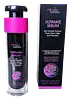 Key Ingredients
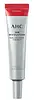
Benefits
Concerns
Ingredients Side-by-side
Water
Skin ConditioningPentylene Glycol
Skin Conditioning
Hamamelis Virginiana Extract
Antiseborrhoeic


Glycerin
Humectant

Dimethyl Sulfone
SolventHuman Umbilical Mesenchymal Stem Cell Exosomes
Alpha-Arbutin
Antioxidant



Palmitoyl Tripeptide-5
Skin Conditioning


Ergothioneine
Antioxidant

Dipalmitoyl Hydroxyproline
Skin Conditioning
Ubiquinone
Antioxidant
Saccharomyces Ferment Lysate Filtrate
Skin Conditioning
Tetrahexyldecyl Ascorbate
Antioxidant

Sh-Oligopeptide-1
Skin Conditioning
Rh-Polypeptide-3
Skin Conditioning
Sh-Polypeptide-9
Skin Conditioning
Sh-Polypeptide-1
Skin Conditioning
Sh-Polypeptide-11
Human Urine Derived Stem Cell Conditioned Media
EmollientGlycereth-7 Triacetate
EmollientEthoxydiglycol
HumectantLactococcus Ferment Lysate
Skin Conditioning
Chlorella Vulgaris Extract
Skin ConditioningSaccharide Isomerate
Humectant
Tripeptide-2
Skin Conditioning
Dimer Tripeptide-43
Vitis Vinifera Flower Cell Extract
MaskingPyrus Malus Fruit Extract
Skin Conditioning
Hydroxyacetophenone
Antioxidant
Tocopheryl Acetate
Antioxidant
Propanediol
Solvent
Xanthan Gum
EmulsifyingLecithin
Emollient
Pullulan
Butylene Glycol
Humectant
Sodium Citrate
BufferingPolysorbate 20
Emulsifying
Tetradecyl Aminobutyroylvalylaminobutyric Urea Trifluoroacetate
Skin ConditioningPalmitoyl Dipeptide-5 Diaminobutyroyl Hydroxythreonine
Skin Conditioning
Palmitoyl Tripeptide-1
Skin Conditioning
Palmitoyl Tetrapeptide-7
Skin Conditioning
Acetyl Hexapeptide-51 Amide
Skin Conditioning
Nannochloropsis Oculata Extract
HumectantCentella Asiatica Extract
Cleansing
Chondrus Crispus Extract
Skin Conditioning
Equisetum Arvense Extract
AstringentGeranium Maculatum Extract
TonicTaraxacum Officinale Root Extract
Skin ConditioningAchillea Millefolium Flower Extract
Antioxidant
Curcuma Longa Rhizome Extract
Skin ConditioningSpirulina Platensis Extract
Skin ProtectingAloe Barbadensis Leaf Juice
Skin Conditioning
Cassia Angustifolia Seed Polysaccharide
Skin ConditioningSimmondsia Chinensis Seed Oil
Emollient
Arginine
Masking
Aspartic Acid
Masking
Glycine
Buffering
Alanine
Masking
Serine
Masking
Valine
MaskingIsoleucine
Skin ConditioningProline
Skin Conditioning
Threonine
Histidine
Humectant
Phenylalanine
Masking
PCA
Humectant
Sodium PCA
Humectant
Sodium Lactate
Buffering
Sodium Chloride
MaskingCarbomer
Emulsion StabilisingAlcohol
Antimicrobial

Hydroxyethylcellulose
Emulsion StabilisingAcrylates/C10-30 Alkyl Acrylate Crosspolymer
Emulsion StabilisingSodium Hydroxide
BufferingPotassium Sorbate
Preservative
Sodium Benzoate
Masking
Dextran
Disodium EDTA
Phenoxyethanol
Preservative
Ethylhexylglycerin
Skin ConditioningWater, Pentylene Glycol, Hamamelis Virginiana Extract, Glycerin, Dimethyl Sulfone, Human Umbilical Mesenchymal Stem Cell Exosomes, Alpha-Arbutin, Palmitoyl Tripeptide-5, Ergothioneine, Dipalmitoyl Hydroxyproline, Ubiquinone, Saccharomyces Ferment Lysate Filtrate, Tetrahexyldecyl Ascorbate, Sh-Oligopeptide-1, Rh-Polypeptide-3, Sh-Polypeptide-9, Sh-Polypeptide-1, Sh-Polypeptide-11, Human Urine Derived Stem Cell Conditioned Media, Glycereth-7 Triacetate, Ethoxydiglycol, Lactococcus Ferment Lysate, Chlorella Vulgaris Extract, Saccharide Isomerate, Tripeptide-2, Dimer Tripeptide-43, Vitis Vinifera Flower Cell Extract, Pyrus Malus Fruit Extract, Hydroxyacetophenone, Tocopheryl Acetate, Propanediol, Xanthan Gum, Lecithin, Pullulan, Butylene Glycol, Sodium Citrate, Polysorbate 20, Tetradecyl Aminobutyroylvalylaminobutyric Urea Trifluoroacetate, Palmitoyl Dipeptide-5 Diaminobutyroyl Hydroxythreonine, Palmitoyl Tripeptide-1, Palmitoyl Tetrapeptide-7, Acetyl Hexapeptide-51 Amide, Nannochloropsis Oculata Extract, Centella Asiatica Extract, Chondrus Crispus Extract, Equisetum Arvense Extract, Geranium Maculatum Extract, Taraxacum Officinale Root Extract, Achillea Millefolium Flower Extract, Curcuma Longa Rhizome Extract, Spirulina Platensis Extract, Aloe Barbadensis Leaf Juice, Cassia Angustifolia Seed Polysaccharide, Simmondsia Chinensis Seed Oil, Arginine, Aspartic Acid, Glycine, Alanine, Serine, Valine, Isoleucine, Proline, Threonine, Histidine, Phenylalanine, PCA, Sodium PCA, Sodium Lactate, Sodium Chloride, Carbomer, Alcohol, Hydroxyethylcellulose, Acrylates/C10-30 Alkyl Acrylate Crosspolymer, Sodium Hydroxide, Potassium Sorbate, Sodium Benzoate, Dextran, Disodium EDTA, Phenoxyethanol, Ethylhexylglycerin
Hydrolyzed Collagen Extract
Skin Protecting
Glycerin
Humectant
Dipropylene Glycol
HumectantBifida Ferment Lysate
Skin Conditioning
Hydrogenated Polydecene
EmollientCyclohexasiloxane
Emollient
Caprylic/Capric Triglyceride
Masking
Dicaprylyl Carbonate
EmollientWater
Skin ConditioningNiacinamide
Smoothing


Caprylic/Capric/Succinic Triglyceride
EmollientCetearyl Alcohol
Emollient


1,2-Hexanediol
Skin Conditioning
Glyceryl Stearate Se
Emulsifying
Pentaerythrityl Stearate/Caprate/Caprylate/Adipate
EmollientCetyl Alcohol
Emollient
Butyrospermum Parkii Butter
Skin Conditioning
Betaine
Humectant
Phellodendron Amurense Bark Extract
Skin ConditioningCamellia Sinensis Leaf Extract
Antimicrobial
Lycium Chinense Leaf Extract
Skin ConditioningCentella Asiatica Extract
Cleansing
Ficus Carica Fruit Extract
Humectant
Dioscorea Japonica Root Extract
Skin Conditioning
Oryza Sativa Extract
Absorbent
Aloe Barbadensis Leaf Extract
Emollient
Collagen Extract
Skin Conditioning
Pseudoalteromonas Ferment Extract
Humectant
Acmella Oleracea Extract
Skin ProtectingGossypium Herbaceum Seed Extract
Skin ConditioningSolanum Lycopersicum Fruit Extract
Antioxidant
Persea Gratissima Fruit Extract
EmollientLepidium Meyenii Root Extract
Skin ConditioningSalicornia Herbacea Extract
Skin ConditioningCinnamomum Zeylanicum Bark Extract
Antimicrobial
Bacillus/Folic Acid Ferment Filtrate Extract
Antioxidant
Pancratium Maritimum Extract
BleachingNymphaea Alba Flower Extract
Skin ConditioningTriticum Aestivum Peptide
Skin Conditioning
Phaseolus Lunatus Seed Extract
EmollientHydrogenated Lecithin
Emulsifying
Cocos Nucifera Oil
Masking
Macadamia Ternifolia Seed Oil
Emollient
Sodium Hyaluronate
Humectant
Soluble Collagen
Humectant
Camellia Sinensis Leaf Water
Masking
Oryza Sativa Germ Oil
Emollient
Simmondsia Chinensis Seed Oil
Emollient
Polyglyceryl-10 Myristate
Skin Conditioning
Cetearyl Olivate
Sorbitan Olivate
Emulsifying
Methylpropanediol
SolventPolyglyceryl-10 Laurate
Skin Conditioning
Dimethicone/Vinyl Dimethicone Crosspolymer
Skin Conditioning
Polyacrylate-13
Sodium Stearoyl Glutamate
CleansingBehenyl Alcohol
Emollient
Polyglyceryl-10 Stearate
Skin Conditioning
Vinyldimethicone
Butylene Glycol
Humectant
Candida Bombicola/Glucose/Methyl Rapeseedate Ferment
AntimicrobialHydrogenated Polyisobutene
EmollientAllantoin
Skin Conditioning
Glycosyl Trehalose
Emulsion StabilisingPanthenol
Skin Conditioning
Hydrogenated Starch Hydrolysate
HumectantXanthan Gum
EmulsifyingAdenosine
Skin Conditioning
Raffinose
Skin ConditioningCholesterol
Emollient
Ethylhexyl Palmitate
Emollient
Disodium EDTA
Micrococcus Lysate
Skin ConditioningSorbitan Isostearate
Emulsifying
Lecithin
Emollient
Propanediol
Solvent
Ceramide NP
Skin Conditioning
Polyquaternium-51
Skin Conditioning
Sodium Laurate
CleansingInulin Lauryl Carbamate
Emulsion StabilisingLauric Acid
Cleansing
Cyanocobalamin
Skin ConditioningTromethamine
BufferingPotassium Cetyl Phosphate
EmulsifyingHuman Tooth Pulp Stem Cell Conditioned Media
Skin ConditioningHydrolyzed Collagen
Emollient
Collagen Water
Humectant
Tocopheryl Acetate
Antioxidant
Biosaccharide Gum-1
Humectant
Xylitylglucoside
Humectant
Schizosaccharomyces Ferment Filtrate
Humectant
Anhydroxylitol
Humectant
Xylitol
Humectant
Cocoyl Hydrolyzed Collagen
Cleansing
Pentaerythrityl Tetraisostearate
Emollient
Glycolipids
Skin ConditioningSorbitan Laurate
Emulsifying
Glucose
Humectant
Sodium Palmitoyl Proline
Skin ConditioningCapryloyl Glycine
CleansingPotassium Cocoyl Hydrolyzed Collagen
Skin Conditioning
Maltodextrin
Absorbent
Hexylene Glycol
EmulsifyingSqualane
Emollient
Ascorbyl Propyl Hyaluronate
Skin Conditioning
Hydroxyethylcellulose
Emulsion StabilisingHydrolyzed Lupine Protein
Skin ConditioningCollagen
Moisturising
3-O-Ethyl Ascorbic Acid
Skin Conditioning
Crithmum Maritimum Callus Culture Filtrate
Skin ProtectingTetrahydropiperine
Skin ConditioningAscorbic Acid Polypeptide
Antioxidant
Collagen Amino Acids
Moisturising
Mannitol
Humectant
Lactic Acid
Buffering
Sarcosine
Skin Conditioning
Acetyl Dipeptide-1 Cetyl Ester
Skin Conditioning
Saccharide Hydrolysate
HumectantHydrolyzed Vegetable Protein
Skin ConditioningCetyl Hydroxyethylcellulose
Emulsion StabilisingDipeptide Diaminobutyroyl Benzylamide Diacetate
Skin Conditioning
Rutin
Antioxidant
Silica Dimethyl Silylate
EmollientLactobacillus Ferment
Skin Conditioning
Dimethylsilanol Hyaluronate
Humectant
Hydrolyzed Hyaluronic Acid
Humectant
Hydrolyzed Sodium Hyaluronate
Skin Conditioning
Acetyl Tetrapeptide-9
Skin Conditioning
Alanine
Masking
Arginine
Masking
Asparagine
MaskingAspartic Acid
Masking
Citrulline
Skin ConditioningCysteine
Antioxidant
Glutamic Acid
Humectant
Glutamine
Skin ConditioningGlycine
Buffering
Histidine
Humectant
Isoleucine
Skin ConditioningLeucine
Skin ConditioningLysine
Skin ConditioningMethionine
Skin ConditioningOrnithine
Skin ConditioningPhenylalanine
Masking
Proline
Skin Conditioning
Serine
Masking
Taurine
BufferingThreonine
Tryptophan
MaskingTyrosine
MaskingValine
MaskingPalmitoyl Tripeptide-5
Skin Conditioning
3-Ascorbyl Carbonyl Dipeptide-17
Skin Conditioning
Capryloyl Dipeptide-17
Emollient
Acetyl Glutamine
Skin ConditioningHeptasodium Hexacarboxymethyl Dipeptide-12
Skin Conditioning
Dipotassium Phosphate
BufferingHyaluronic Acid
Humectant
Potassium Hyaluronate
Skin ConditioningPantothenic Acid
Skin ConditioningSodium Hyaluronate Crosspolymer
Humectant
Hydroxypropyltrimonium Hyaluronate
Acetyl Hexapeptide-8
Humectant
Gluconolactone
Skin Conditioning
Sodium Chondroitin Sulfate
Skin Conditioning
Palmitic Acid
Emollient
Glycine Soja Peptide
Skin Conditioning
Saccharomyces Polypeptides
Skin Conditioning
Sodium Hyaluronate Dimethylsilanol
HumectantStearic Acid
Cleansing
Sodium Acetylated Hyaluronate
Humectant
Atelocollagen
Skin Conditioning
Palmitoyl Tetrapeptide-7
Skin Conditioning
Palmitoyl Tripeptide-1
Skin Conditioning
Capryloyl Sh-Nonapeptide-6
Skin Conditioning
R-Bovine Polypeptide-1
Skin Conditioning
Avena Sativa Peptide
Skin Conditioning
Glycine Max Polypeptide
Skin Conditioning
Sodium Ascorbyl Phosphate
Antioxidant
Magnesium Ascorbyl Phosphate
Antioxidant
Acetyl Octapeptide-3
Humectant
Acetyl Tetrapeptide-11
Skin Conditioning
Calcium Gluconate
HumectantDipeptide-2
Skin Conditioning
Copper Tripeptide-1
Skin Conditioning
Acetyl Tetrapeptide-3
Skin Protecting
Acetyl Tripeptide-1
Skin Conditioning
Nonapeptide-1
Skin Conditioning
Acetyl Tetrapeptide-2
Skin Conditioning
Acetyl Tetrapeptide-5
Humectant
Tripeptide-1
Skin Conditioning
Hexapeptide-2
Bleaching
Hexapeptide-9
Skin Conditioning
Tripeptide-2
Skin Conditioning
Dipeptide-1
Skin Conditioning
Pentapeptide-3
Skin Conditioning
Tripeptide-3
Skin Conditioning
Alanine/Histidine/Lysine Polypeptide Copper Hcl
Skin Conditioning
Dipeptide-4
Skin Conditioning
Oligopeptide-6
Skin Conditioning
Retinyl Palmitate
Skin Conditioning
Biotin
AntiseborrhoeicAscorbic Acid
Antioxidant
Riboflavin
Cosmetic ColorantThiamine Hcl
MaskingFolic Acid
Skin ConditioningPyridoxine
Skin ConditioningMenadione
MaskingMyristic Acid
Cleansing
Palmitoyl Pentapeptide-4
Skin Conditioning
Palmitoyl Hexapeptide-12
Skin Conditioning
Palmitoyl Dipeptide-7
Skin Conditioning
Sh-Oligopeptide-1
Skin Conditioning
Sh-Polypeptide-1
Skin Conditioning
Sh-Oligopeptide-2
Skin Conditioning
Sh-Polypeptide-3
Skin Conditioning
Sh-Polypeptide-4
Antioxidant
Sh-Polypeptide-9
Skin Conditioning
Sh-Polypeptide-11
Sh-Polypeptide-14
Skin Protecting
Sh-Polypeptide-16
Skin Protecting
Sh-Polypeptide-22
Skin Conditioning
Phytosteryl/Behenyl/Octyldodecyl Lauroyl Glutamate
Skin ConditioningPolysorbate 80
Emulsifying
Hydroxyacetophenone
Antioxidant
Ethylhexylglycerin
Skin ConditioningCaprylyl Glycol
Emollient
Pentylene Glycol
Skin Conditioning
Sodium Benzoate
Masking
Parfum
Masking
Hydrolyzed Collagen Extract, Glycerin, Dipropylene Glycol, Bifida Ferment Lysate, Hydrogenated Polydecene, Cyclohexasiloxane, Caprylic/Capric Triglyceride, Dicaprylyl Carbonate, Water, Niacinamide, Caprylic/Capric/Succinic Triglyceride, Cetearyl Alcohol, 1,2-Hexanediol, Glyceryl Stearate Se, Pentaerythrityl Stearate/Caprate/Caprylate/Adipate, Cetyl Alcohol, Butyrospermum Parkii Butter, Betaine, Phellodendron Amurense Bark Extract, Camellia Sinensis Leaf Extract, Lycium Chinense Leaf Extract, Centella Asiatica Extract, Ficus Carica Fruit Extract, Dioscorea Japonica Root Extract, Oryza Sativa Extract, Aloe Barbadensis Leaf Extract, Collagen Extract, Pseudoalteromonas Ferment Extract, Acmella Oleracea Extract, Gossypium Herbaceum Seed Extract, Solanum Lycopersicum Fruit Extract, Persea Gratissima Fruit Extract, Lepidium Meyenii Root Extract, Salicornia Herbacea Extract, Cinnamomum Zeylanicum Bark Extract, Bacillus/Folic Acid Ferment Filtrate Extract, Pancratium Maritimum Extract, Nymphaea Alba Flower Extract, Triticum Aestivum Peptide, Phaseolus Lunatus Seed Extract, Hydrogenated Lecithin, Cocos Nucifera Oil, Macadamia Ternifolia Seed Oil, Sodium Hyaluronate, Soluble Collagen, Camellia Sinensis Leaf Water, Oryza Sativa Germ Oil, Simmondsia Chinensis Seed Oil, Polyglyceryl-10 Myristate, Cetearyl Olivate, Sorbitan Olivate, Methylpropanediol, Polyglyceryl-10 Laurate, Dimethicone/Vinyl Dimethicone Crosspolymer, Polyacrylate-13, Sodium Stearoyl Glutamate, Behenyl Alcohol, Polyglyceryl-10 Stearate, Vinyldimethicone, Butylene Glycol, Candida Bombicola/Glucose/Methyl Rapeseedate Ferment, Hydrogenated Polyisobutene, Allantoin, Glycosyl Trehalose, Panthenol, Hydrogenated Starch Hydrolysate, Xanthan Gum, Adenosine, Raffinose, Cholesterol, Ethylhexyl Palmitate, Disodium EDTA, Micrococcus Lysate, Sorbitan Isostearate, Lecithin, Propanediol, Ceramide NP, Polyquaternium-51, Sodium Laurate, Inulin Lauryl Carbamate, Lauric Acid, Cyanocobalamin, Tromethamine, Potassium Cetyl Phosphate, Human Tooth Pulp Stem Cell Conditioned Media, Hydrolyzed Collagen, Collagen Water, Tocopheryl Acetate, Biosaccharide Gum-1, Xylitylglucoside, Schizosaccharomyces Ferment Filtrate, Anhydroxylitol, Xylitol, Cocoyl Hydrolyzed Collagen, Pentaerythrityl Tetraisostearate, Glycolipids, Sorbitan Laurate, Glucose, Sodium Palmitoyl Proline, Capryloyl Glycine, Potassium Cocoyl Hydrolyzed Collagen, Maltodextrin, Hexylene Glycol, Squalane, Ascorbyl Propyl Hyaluronate, Hydroxyethylcellulose, Hydrolyzed Lupine Protein, Collagen, 3-O-Ethyl Ascorbic Acid, Crithmum Maritimum Callus Culture Filtrate, Tetrahydropiperine, Ascorbic Acid Polypeptide, Collagen Amino Acids, Mannitol, Lactic Acid, Sarcosine, Acetyl Dipeptide-1 Cetyl Ester, Saccharide Hydrolysate, Hydrolyzed Vegetable Protein, Cetyl Hydroxyethylcellulose, Dipeptide Diaminobutyroyl Benzylamide Diacetate, Rutin, Silica Dimethyl Silylate, Lactobacillus Ferment, Dimethylsilanol Hyaluronate, Hydrolyzed Hyaluronic Acid, Hydrolyzed Sodium Hyaluronate, Acetyl Tetrapeptide-9, Alanine, Arginine, Asparagine, Aspartic Acid, Citrulline, Cysteine, Glutamic Acid, Glutamine, Glycine, Histidine, Isoleucine, Leucine, Lysine, Methionine, Ornithine, Phenylalanine, Proline, Serine, Taurine, Threonine, Tryptophan, Tyrosine, Valine, Palmitoyl Tripeptide-5, 3-Ascorbyl Carbonyl Dipeptide-17, Capryloyl Dipeptide-17, Acetyl Glutamine, Heptasodium Hexacarboxymethyl Dipeptide-12, Dipotassium Phosphate, Hyaluronic Acid, Potassium Hyaluronate, Pantothenic Acid, Sodium Hyaluronate Crosspolymer, Hydroxypropyltrimonium Hyaluronate, Acetyl Hexapeptide-8, Gluconolactone, Sodium Chondroitin Sulfate, Palmitic Acid, Glycine Soja Peptide, Saccharomyces Polypeptides, Sodium Hyaluronate Dimethylsilanol, Stearic Acid, Sodium Acetylated Hyaluronate, Atelocollagen, Palmitoyl Tetrapeptide-7, Palmitoyl Tripeptide-1, Capryloyl Sh-Nonapeptide-6, R-Bovine Polypeptide-1, Avena Sativa Peptide, Glycine Max Polypeptide, Sodium Ascorbyl Phosphate, Magnesium Ascorbyl Phosphate, Acetyl Octapeptide-3, Acetyl Tetrapeptide-11, Calcium Gluconate, Dipeptide-2, Copper Tripeptide-1, Acetyl Tetrapeptide-3, Acetyl Tripeptide-1, Nonapeptide-1, Acetyl Tetrapeptide-2, Acetyl Tetrapeptide-5, Tripeptide-1, Hexapeptide-2, Hexapeptide-9, Tripeptide-2, Dipeptide-1, Pentapeptide-3, Tripeptide-3, Alanine/Histidine/Lysine Polypeptide Copper Hcl, Dipeptide-4, Oligopeptide-6, Retinyl Palmitate, Biotin, Ascorbic Acid, Riboflavin, Thiamine Hcl, Folic Acid, Pyridoxine, Menadione, Myristic Acid, Palmitoyl Pentapeptide-4, Palmitoyl Hexapeptide-12, Palmitoyl Dipeptide-7, Sh-Oligopeptide-1, Sh-Polypeptide-1, Sh-Oligopeptide-2, Sh-Polypeptide-3, Sh-Polypeptide-4, Sh-Polypeptide-9, Sh-Polypeptide-11, Sh-Polypeptide-14, Sh-Polypeptide-16, Sh-Polypeptide-22, Phytosteryl/Behenyl/Octyldodecyl Lauroyl Glutamate, Polysorbate 80, Hydroxyacetophenone, Ethylhexylglycerin, Caprylyl Glycol, Pentylene Glycol, Sodium Benzoate, Parfum
Ingredients Explained
These ingredients are found in both products.
Ingredients higher up in an ingredient list are typically present in a larger amount.
Alanine is an amino acid and is already found in the human body. Our skin uses alanine to build collagen, elastin, and keratin.
Arginine is a semi-essential amino acid. This just means our bodies can product a bit on its own, but sometimes needs a little boost from food sources.
It is a part of your skin's natural moisturizing factor (NMF), or the water-loving molecules in your outermost layer of skin (stratum corneum) that keeps everything hydrated and happy.
Here's an interesting thing about Arginine: your skin converts it into urea through the Krebs-Henseleit urea cycle. Urea is one of the most effective humectants your skin naturally produces.
A clinical study showed applying 2.5% arginine hydrochloride to atopic dermatitis skin showed significant urea levels in the stratum corneum and improved moisture in just four weeks.
Arginine is also a precursor to nitric oxide; nitric oxide improves microcirculation and supports wound healing and collagen synthesis.
One study found that an amino acid complex containing Arginine reduced skin irritation, improved hydration, and accelerated skin repair in clinical / in-vivo studies.
Arginine itself is an amino acid and not a fatty acid, oil, or ester. On its own, it's not a direct food source for Malassezia, or the yeast that causes fungal acne.
Learn more about ArginineAspartic Acid is an amino acid that our bodies produce naturally. It is an antioxidant.
Our body uses Aspartic Acid to help build collagen and elastin. It also plays a role in hydrating skin.
Butylene Glycol (or BG) is used within cosmetic products for a few different reasons:
Overall, Butylene Glycol is a safe and well-rounded ingredient that works well with other ingredients.
Though this ingredient works well with most skin types, some people with sensitive skin may experience a reaction such as allergic rashes, closed comedones, or itchiness.
Learn more about Butylene GlycolCentella Asiatica Extract (Centella) is derived from an herb native to Southeast Asia. It is famous for its anti-inflammatory and soothing properties.
Centella is rich in antioxidants and amino acids, such as Madecassic Acid and Asiaticoside.
Studies show the compounds in centella help with:
The combination of all these properties makes centella effective at soothing, hydrating, and protecting the skin.
Other great components of centella include Vitamin A, vitamin C, several B vitamins, and Asiatic Acid.
Fun fact: Centella has been used as a medicine and in food for many centuries. As a medicine, it is used to treat burns, scratches, and wounds.
Learn more about Centella Asiatica ExtractDisodium EDTA is a chelating agent. It grabs onto and deactivates metal ions that sneak into your products from water, packaging, or air.
This ingredient mainly works behind the scenes and helps with:
On top of that, this ingredient can counteract the effects of hard water by binding to the minerals in it.
One thing worth knowing is that Disodium EDTA has been shown to be a mild penetration enhancer. It can help other ingredients absorb into skin more effectively which can be a double-edged sword (great for actives, but can also make the active too strong if you have sensitive skin).
Clinical patch testing showed no significant skin irritation at typical use concentrations and minimal dermal absorption.
You'll most likely see this ingredient near the end of an ingredient list. It's typically found in concentrations less than 1%.
Learn more about Disodium EDTAEthylhexylglycerin is created from glycerin. It is a multitasker ingredient that:
The CIR Expert Panel found minimal skin absorption or sensitization of any kind in a safety assessment. Though this ingredient is considered well-tolerated, a small number of cases of allergic dermatitis have been published since 2002. Just be sure to patch test if you are unsure.
Industry-reported use ranges from 8% in rinse-off products and 2% in leave-on formulations.
Learn more about EthylhexylglycerinGlycerin (or glycerol) is a compound naturally found in your skin. It's a powerhouse humectant that pulls water into the stratum corneum.
Topically, glycerin does several things at once:
Your skin makes glycerin on its own (mostly from sebaceous oil breakdown) and shuttles it to your outermost layer of skin, or your epidermis, via aquaporin-3.
Aquaporin-3 is a transporter that is essential for normal skin hydration, elasticity, and repair. Interestingly, mice lacking in AQP3 have dry and less elastic skin that can be fully corrected with glycerin.
This ingredient is non-irritating, plays well with almost every ingredient, and works across all skin types. Typical use is anywhere between 3-10% but can go up to 79% in some leave-on products.
Just know very high concentrations (>40%) can feel tacky in low humidity.
Glycerin is the name for this ingredient in American English. British English uses Glycerol/Glycerine.
Learn more about GlycerinGlycine is the smallest amino acid and a key building block of collagen. It's part if your skin's Natural Moisturizing Factor (NMF), or the water-loving molecules in your outermost layer of skin (stratum corneum) that keeps everything hydrated and happy.
A study from 2022 found that an amino acid complex featuring taurine, arginine, and glycine significantly reduced skin irritation, improved redness, and accelerated the skin repair process.
Histidine is a semi-essential amino acid used by our bodies to create protein. It has humectant and skin conditioning properties.
Our bodies use histidine to create filaggrin - filaggrin is a structural protein that the skin uses in maintaining skin barrier.
One study found histidine and carnosine to be a dynamic duo for your skin:
Oral histidine has also been found to help with filaggrin-deficit skin disorders such as atopic dermatitis.
Why is it considered a semi-essential amino acid? This is because adults are able to create it but children must get it from their diet.
Learn more about HistidineHydroxyacetophenone is antioxidant with skin conditioning and soothing properties. It also boosts the efficiency of preservatives.
Though naturally occuring in Norwegian spruce needles, this ingredient is usually synthetically created.
This ingredient is not irritating or sensitizing. Recent research also suggests it may have skin-brightening effects through tyrosinase inhibition.
Learn more about HydroxyacetophenoneHydroxyethylcellulose is used to improve the texture of products. It is created from a chemical reaction involving ethylene oxide and alkali-cellulose. Cellulose is a sugar found in plant cell walls and help give plants structure.
This ingredient helps stabilize products by preventing ingredients from separating. It can also help thicken the texture of a product.
This ingredient can also be found in pill medicines to help our bodies digest other ingredients.
Learn more about HydroxyethylcelluloseIsoleucine is an amino acid that helps reinforce our skin barrier. This amino acid plays a role in creating protein for the body.
Fun fact: Isoleucine is found in meat, fish, dairy, legumes, and nuts.
Lecithin is a term for a group of substances found in the cell membranes of plants, animals, and humans. They are made up of phospholipids.
Thanks to its amphiphilic structure (water-loving head and oil-loving tail), it is a true multitasker:
It plays well with most ingredients and is typically used at 0.1-1%. However, concentrations up to 50% have been reported in moisturizers.
Learn more about LecithinPalmitoyl Tetrapeptide-7 (formerly Palmitoyl Tetrapeptide-3) is a synthetic peptide. Its main job is to fight what researchers call "inflammaging".
"Inflammaging" is the slow, low-grade chronic inflammation that quietly breaks down collagen as we age.
This ingredient calms down a specific inflammation signal in your skin cells (called IL-6). When left unchecked, this signal triggers enzymes that break down collagen and elastin.
Clinical testing showed statistically significant improvements in:
Studies also found the more of this ingredient used, the more your skin produces Collagen I, fibronectin, and hyaluronic acid.
You'll likely see this ingredient paired with Palmitoyl Tripeptide-1 in the well-known Matrixyl 3000 complex for enhanced anti-aging effects.
A 3% concentration applied twice daily for two months showed meaningful skin rejuvenation results in clinical panels.
Fungal acne note:
Usually a palmitic acid component can feed Malassezia in unbound form, but here is is covalently bonded to the peptide. This means it is very difficult for Malassezia to access, and therefore very unlikely to cause fungal acne.
Palmitoyl Tripeptide-1 (aka Pal-GHK) is a synthetic signal peptide made of three amino acids attached to palmitic acid.
That fatty acid attachment is the key: it boosts the peptide's ability to penetrate the skin barrier. This puts it closer to the dermal cells where it can actually make a difference.
Once there, it acts as a matrikine, a signaling peptide that prompts fibroblasts to produce more collagen, fibronectin, and hyaluronic acid.
In vitro studies show it can boost collagen production in skin cells even when UV-damaged skin samples were treated with it at a tiny concentration (it almost fully restored dermal collagen at 5ppm). It achieved this at 100x lower concentration than retinoic acid, which needed 500 ppm to do the same thing.
Human clinical data is promising, but modest:
A study of 23 female volunteers found a small but statistically significant increase (~4%) in skin thickness after treatment at 4 ppm.
A separate small trial of 15 women showed statistically significant reductions in wrinkle length, depth, and skin roughness after applying it twice daily for four weeks.
You'll likely see Pal-GHK paired with Palmitoyl Tetrapeptide-7 as part of the Matrixyl 3000 complex.
Fungal acne note:
Usually a palmitic acid component can feed Malassezia in unbound form, but here is is covalently bonded to the peptide. This means it is very difficult for Malassezia to access, and therefore very unlikely to cause fungal acne.
Palmitoyl Tripeptide-5 is a synthetic signal lipopeptide. This just means it is a three amino acid chain bolted onto a palmitic acid tail so it can slip through the skin's lipid barrier.
This peptide has a "build more, lose less" approach.
It's designed to mimic the collagen-stimulating activity in your skin by copying a snippet of one of your skin's own matrix proteins. This nudges fibroblasts into making more collagen while inhibiting the enzyme that breaks down skin protein.
The manufacturer's in vivo study of 45 volunteers found 1% and 2.5% reduced the appearance of wrinkles by 7% and 12% respectively, after using it twice daily for 84 days.
This is in the expected range for peptides; they're slow and cumulative actives and not overnight fixers.
Typical use levels range from 1-3% and this ingredient gets along with pretty much everything.
On the fungal acne front:
Although palmitic acid sits in the chain length that Malassezia can feed on, this ingredient has it locked in an amine bond. This makes it hard for Malassezia to access as a source of food, and therefore fungal acne safe.
Pentylene glycol is typically used within a product to thicken it. It also adds a smooth, soft, and moisturizing feel to the product. It is naturally found in plants such as sugar beets.
The hydrophilic trait of Pentylene Glycol makes it a humectant. As a humectant, Pentylene Glycol helps draw moisture from the air to your skin. This can help keep your skin hydrated.
This property also makes Pentylene Glycol a great texture enhancer. It can also help thicken or stabilize a product.
Pentylene Glycol also acts as a mild preservative and helps to keep a product microbe-free.
Some people may experience mild eye and skin irritation from Pentylene Glycol. We always recommend speaking with a professional about using this ingredient in your routine.
Pentylene Glycol has a low molecular weight and is part of the 1,2-glycol family.
Learn more about Pentylene GlycolPhenylalanine is an amino acid. It is a skin soothing and hydrating ingredient. Amino acids play a crucial role in wound healing and skin hydration.
This ingredient is also used to help even out skin tone due to its ability to disrupt the melanin production process.
Two structures of phenylalanine exist: L-phenylalanine and D-phenylalanine. L-phenylalanine is essential, this means our bodies cannot produce it naturally and we must get it from foods. Our bodies convert D-phenylalanine to neurotransmitters, and D-phenylalanine is found in our bodies naturally.
Some foods that contain L-phenylalanine include eggs, soybeans, beef, milk.
Learn more about PhenylalanineProline is a non-essential amino acid, meaning your body can make it on its own. In skincare, it is a skin conditioning ingredient that keeps skin soft and hydrated.
It makes up about 23% of the collagen molecule (collagen is the protein responsible for keeping your skin firm) and is involved in your skin's natural hyaluronic acid production. When applied topically, proline can penetrate the skin fairly well due to its small molecular size.
Reviews of this ingredient have found it to be neither a dermal irritant nor a sensitizer.
Fun fact: Proline can be found in protein-rich foods like meat, fish, eggs, and dairy.
Learn more about ProlinePropanediol is an all-star ingredient. It softens, hydrates, and smooths the skin.
It’s often used to:
Propanediol is not likely to cause sensitivity and considered safe to use. It is derived from corn or petroleum with a clear color and no scent.
Learn more about PropanediolSerine is a non-essential amino acid (your body makes it on its own!). It is a major player in your skin's natural moisturizing factor (NMF), or the water-loving molecules in your outermost layer of skin (stratum corneum) that keeps everything hydrated and happy.
Serine is one of your NMF's most abundant components that works as a skin-identical humectant. Its hydroxyl group grabs onto water molecules to boost hydration without any heaviness or occlusion.
Research on a hydrogel with serine confirmed this serine got delivered to your stratum corneum and demonstrated enhanced skin moisturization.
Interestingly serine also helps your skin produce filaggrin, a protein that keeps your skin barrier strong and used to create collagen.
Learn more about Serinesh-Oligopeptide-1 is a peptide found naturally in our bodies. Peptides are the building blocks for collagen and elastin in our skin.
In cosmetics, this ingredient is bioengineered to be identical to a human gene that codes for epidermal growth factor (EGF). EGF are signal molecules that simulate cell growth and healing.
Studies find EGF help with:
In South Korea and China, EGF is considered a controversial ingredient. The South Korean Ministry of Food and Drug Safety has cracked down on companies with products including EGF due to false advertisement claims.
According to Dr. Zoe Draelos, growth factors have some drawbacks:
There is also controversy surrounding growth factors. The controversy is due to their mitogenic activity, or their ability to increase the number of cells. It is best to avoid using growth factors if you have psoriasis or are at risk of skin cancer. However, it should be noted EGF are not mutagenic - meaning they will not cause cancer.
Learn more about Sh-Oligopeptide-1Sh-Polypeptide-1 is a signal peptide that tells our cells to create more fibroblast cells. Fibroblasts maintain skin structure and plays a role in wound healing.
It is important to note this ingredient is mitogenic and not mutagenic. Meaning it will stimulate cell multiplication, and will not cause cancer.
Sh-Polypeptide-11 is a signal protein that tells our skin to create more fibroblast cells. Fibroblasts maintain skin structure and plays a role in wound healing.
It is important to note this ingredient is mitogenic and not mutagenic. Meaning it will stimulate cell multiplication, and will not cause cancer.
Sh-Polypeptide-9 is a signal peptide that tells our body to create more blood vessels.
It is important to note, this ingredient is mitogenic and not mutagenic. Meaning it will stimulate cell multiplication, and will not cause cancer.
Jojoba oil is one of the most well-studied plant-derived ingredients in cosmetics. It is an emollient with a special structure.
Because it is made up of 97-98% wax esters, it closely mirrors the linear monoesters found in human sebum. This makes it skin compatible, non-greasy, and lightweight.
Unlike other plant oils, jojoba wax doesn't easily penetrate skin. It mostly works in the uppermost layers as an emollient. This just means it forms a light barrier on the skin to help retain moisture.
Formulations with jojoba esters up to 90% reduced transepidermal water loss (TEWL) and increased barrier recovery by 81% (outperforming bisabolol at 47%).
Besides barrier support, the science also suggests jojoba to have anti-inflammatory effects and potential applications for skin infections, aging, and wound healing.
Fun fact: Indigenous cultures have used jojoba as a moisturizer and to help treat burns for centuries.
Fungal acne: The Malassezia yeast is known to metabolize fatty acids in the C11-24 range and jojoba's dominant fatty acid components fall into this range. This ingredient may not be fungal acne safe.
Learn more about Simmondsia Chinensis Seed OilSodium Benzoate is a preservative. It's used in both cosmetic and food products to inhibit the growth of mold and bacteria. It is typically produced synthetically.
Both the US FDA and EU Health Committee have approved the use of sodium benzoate. In the US, levels of 0.1% (of the total product) are allowed.
Sodium benzoate works as a preservative by inhibiting the growth of bacteria inside of cells. It prevents the cell from fermenting a type of sugar using an enzyme called phosphofructokinase.
It is the salt of benzoic acid. Foods containing sodium benzoate include soda, salad dressings, condiments, fruit juices, wines, and snack foods.
Studies for using ascorbic acid and sodium benzoate in cosmetics are lacking, especially in skincare routines with multiple steps.
We always recommend speaking with a professional, such as a dermatologist, if you have any concerns.
Learn more about Sodium BenzoateThreonine is an amino-acid. It helps hydrate the skin and has antioxidant benefits.
Our skin uses threonine for creating collagen and elastin. Humans are not able to create threonine and must get it through eating foods such as fish, lentils, poultry, sesame seeds, and more.
Tocopheryl Acetate is AKA Vitamin E. It is an antioxidant and protects your skin from free radicals. Free radicals damage the skin by breaking down collagen.
One study found using Tocopheryl Acetate with Vitamin C decreased the number of sunburned cells.
Tocopheryl Acetate is commonly found in both skincare and dietary supplements.
Learn more about Tocopheryl AcetateTripeptide-2 protects our collagen and elastin fibers to slow down the process of aging. It does this by inhibiting the proteins responsible for the breakdown of collagen and elastin.
Valine is an essential amino acid. It is used by our bodies for tissue repair and muscle growth.
An essential amino acid is one in which our bodies cannot naturally produce so we must get them through diet. Foods such as eggs, dairy, red meat, and fish contain valine.
This ingredient can either be derived from an animal product or be synthetically created.
Learn more about ValineWater. It's the most common cosmetic ingredient of all. You'll usually see it at the top of ingredient lists, meaning that it makes up the largest part of the product.
So why is it so popular? Water most often acts as a solvent - this means that it helps dissolve other ingredients into the formulation.
You'll also recognize water as that liquid we all need to stay alive. If you see this, drink a glass of water. Remember to stay hydrated!
Learn more about WaterXanthan gum is used as a stabilizer and thickener within cosmetic products. It helps give products a sticky, thick feeling - preventing them from being too runny.
On the technical side of things, xanthan gum is a polysaccharide - a combination consisting of multiple sugar molecules bonded together.
Xanthan gum is a pretty common and great ingredient. It is a natural, non-toxic, non-irritating ingredient that is also commonly used in food products.
Learn more about Xanthan Gum

