reviv serums Ultimate Serum Versus Peter Thomas Roth Peptide Skinjection Amplified Wrinkle-Fix Serum
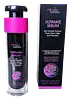
This anti-aging serum is formulated around Alpha-Arbutin and Palmitoyl Tripeptide-5 to soften the look of wrinkles and fade the look of dark spots.
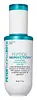
This anti-aging serum is formulated around Acetyl Hexapeptide-8 and Pentapeptide-18 to soften the look of wrinkles.

What's inside
What's inside
 Key Ingredients
Benefits
Concerns
Ingredients Side-by-side
Water
Skin ConditioningPentylene Glycol
Skin Conditioning
Hamamelis Virginiana Extract
Antiseborrhoeic



Glycerin
Humectant

Dimethyl Sulfone
SolventHuman Umbilical Mesenchymal Stem Cell Exosomes
Alpha-Arbutin
Antioxidant



Palmitoyl Tripeptide-5
Skin Conditioning


Ergothioneine
Antioxidant

Dipalmitoyl Hydroxyproline
Skin Conditioning
Ubiquinone
Antioxidant
Saccharomyces Ferment Lysate Filtrate
Skin Conditioning
Tetrahexyldecyl Ascorbate
Antioxidant

Sh-Oligopeptide-1
Skin Conditioning
Rh-Polypeptide-3
Skin Conditioning
Sh-Polypeptide-9
Skin Conditioning
Sh-Polypeptide-1
Skin Conditioning
Sh-Polypeptide-11
Human Urine Derived Stem Cell Conditioned Media
EmollientGlycereth-7 Triacetate
EmollientEthoxydiglycol
HumectantLactococcus Ferment Lysate
Skin Conditioning
Chlorella Vulgaris Extract
Skin ConditioningSaccharide Isomerate
Humectant
Tripeptide-2
Skin Conditioning
Dimer Tripeptide-43
Vitis Vinifera Flower Cell Extract
MaskingPyrus Malus Fruit Extract
Skin Conditioning
Hydroxyacetophenone
Antioxidant
Tocopheryl Acetate
Antioxidant
Propanediol
Solvent
Xanthan Gum
EmulsifyingLecithin
Emollient
Pullulan
Butylene Glycol
Humectant
Sodium Citrate
BufferingPolysorbate 20
Emulsifying
Tetradecyl Aminobutyroylvalylaminobutyric Urea Trifluoroacetate
Skin ConditioningPalmitoyl Dipeptide-5 Diaminobutyroyl Hydroxythreonine
Skin Conditioning
Palmitoyl Tripeptide-1
Skin Conditioning
Palmitoyl Tetrapeptide-7
Skin Conditioning
Acetyl Hexapeptide-51 Amide
Skin Conditioning
Nannochloropsis Oculata Extract
HumectantCentella Asiatica Extract
Cleansing
Chondrus Crispus Extract
Skin Conditioning
Equisetum Arvense Extract
AstringentGeranium Maculatum Extract
TonicTaraxacum Officinale Root Extract
Skin ConditioningAchillea Millefolium Flower Extract
Antioxidant
Curcuma Longa Rhizome Extract
Skin ConditioningSpirulina Platensis Extract
Skin ProtectingAloe Barbadensis Leaf Juice
Skin Conditioning
Cassia Angustifolia Seed Polysaccharide
Skin ConditioningSimmondsia Chinensis Seed Oil
Emollient
Arginine
Masking
Aspartic Acid
Masking
Glycine
Buffering
Alanine
Masking
Serine
Masking
Valine
MaskingIsoleucine
Skin ConditioningProline
Skin Conditioning
Threonine
Histidine
Humectant
Phenylalanine
Masking
PCA
Humectant
Sodium PCA
Humectant
Sodium Lactate
Buffering
Sodium Chloride
MaskingCarbomer
Emulsion StabilisingAlcohol
Antimicrobial
Hydroxyethylcellulose
Emulsion StabilisingAcrylates/C10-30 Alkyl Acrylate Crosspolymer
Emulsion StabilisingSodium Hydroxide
BufferingPotassium Sorbate
Preservative
Sodium Benzoate
Masking
Dextran
Disodium EDTA
ChelatingPhenoxyethanol
Preservative
Ethylhexylglycerin
Skin ConditioningWater, Pentylene Glycol, Hamamelis Virginiana Extract, Glycerin, Dimethyl Sulfone, Human Umbilical Mesenchymal Stem Cell Exosomes, Alpha-Arbutin, Palmitoyl Tripeptide-5, Ergothioneine, Dipalmitoyl Hydroxyproline, Ubiquinone, Saccharomyces Ferment Lysate Filtrate, Tetrahexyldecyl Ascorbate, Sh-Oligopeptide-1, Rh-Polypeptide-3, Sh-Polypeptide-9, Sh-Polypeptide-1, Sh-Polypeptide-11, Human Urine Derived Stem Cell Conditioned Media, Glycereth-7 Triacetate, Ethoxydiglycol, Lactococcus Ferment Lysate, Chlorella Vulgaris Extract, Saccharide Isomerate, Tripeptide-2, Dimer Tripeptide-43, Vitis Vinifera Flower Cell Extract, Pyrus Malus Fruit Extract, Hydroxyacetophenone, Tocopheryl Acetate, Propanediol, Xanthan Gum, Lecithin, Pullulan, Butylene Glycol, Sodium Citrate, Polysorbate 20, Tetradecyl Aminobutyroylvalylaminobutyric Urea Trifluoroacetate, Palmitoyl Dipeptide-5 Diaminobutyroyl Hydroxythreonine, Palmitoyl Tripeptide-1, Palmitoyl Tetrapeptide-7, Acetyl Hexapeptide-51 Amide, Nannochloropsis Oculata Extract, Centella Asiatica Extract, Chondrus Crispus Extract, Equisetum Arvense Extract, Geranium Maculatum Extract, Taraxacum Officinale Root Extract, Achillea Millefolium Flower Extract, Curcuma Longa Rhizome Extract, Spirulina Platensis Extract, Aloe Barbadensis Leaf Juice, Cassia Angustifolia Seed Polysaccharide, Simmondsia Chinensis Seed Oil, Arginine, Aspartic Acid, Glycine, Alanine, Serine, Valine, Isoleucine, Proline, Threonine, Histidine, Phenylalanine, PCA, Sodium PCA, Sodium Lactate, Sodium Chloride, Carbomer, Alcohol, Hydroxyethylcellulose, Acrylates/C10-30 Alkyl Acrylate Crosspolymer, Sodium Hydroxide, Potassium Sorbate, Sodium Benzoate, Dextran, Disodium EDTA, Phenoxyethanol, Ethylhexylglycerin
Water
Skin ConditioningDimethicone
Emollient
Squalane
Emollient
Butylene Glycol
Humectant
Glycerin
Humectant
Saccharomyces Lysate
Skin Conditioning
Polysilicone-11

Acetyl Hexapeptide-8
Humectant
Pentapeptide-18
Skin Conditioning
N-Prolyl Palmitoyl Tripeptide-56 Acetate
Skin Conditioning
Palmitoyl Tripeptide-38
Skin Conditioning
Collagen
Moisturising
Sodium Hyaluronate
Humectant
Tocopherol
Antioxidant
Phytosterols
Skin Conditioning
Hydrogenated Lecithin
Emulsifying
Leuconostoc/Radish Root Ferment Filtrate
Antimicrobial
Citric Acid
Buffering
Caprylic/Capric Triglyceride
Masking
Polyglyceryl-10 Myristate
Skin Conditioning
Pentylene Glycol
Skin Conditioning
Caprylyl Glycol
Emollient
Sodium Benzoate
Masking
Sodium Phytate
ChelatingSodium Hydroxide
BufferingPotassium Sorbate
Preservative
Ethylhexyl Palmitate
Emollient

Hydroxypropyl Cyclodextrin
MaskingTrihydroxystearin
Skin Conditioning
Lauroyl Lysine
Skin Conditioning
Glucomannan
Skin ConditioningEthylhexylglycerin
Skin ConditioningAmmonium Acryloyldimethyltaurate/Vp Copolymer
Carbomer
Emulsion StabilisingGlyceryl Stearate
Emollient
Stearyl Alcohol
Emollient
Behenyl Alcohol
Emollient
Mica
Cosmetic ColorantPhenoxyethanol
Preservative
Water, Dimethicone, Squalane, Butylene Glycol, Glycerin, Saccharomyces Lysate, Polysilicone-11, Acetyl Hexapeptide-8, Pentapeptide-18, N-Prolyl Palmitoyl Tripeptide-56 Acetate, Palmitoyl Tripeptide-38, Collagen, Sodium Hyaluronate, Tocopherol, Phytosterols, Hydrogenated Lecithin, Leuconostoc/Radish Root Ferment Filtrate, Citric Acid, Caprylic/Capric Triglyceride, Polyglyceryl-10 Myristate, Pentylene Glycol, Caprylyl Glycol, Sodium Benzoate, Sodium Phytate, Sodium Hydroxide, Potassium Sorbate, Ethylhexyl Palmitate, Hydroxypropyl Cyclodextrin, Trihydroxystearin, Lauroyl Lysine, Glucomannan, Ethylhexylglycerin, Ammonium Acryloyldimethyltaurate/Vp Copolymer, Carbomer, Glyceryl Stearate, Stearyl Alcohol, Behenyl Alcohol, Mica, Phenoxyethanol
Reviews
Ingredients Explained
These ingredients are found in both products.
Ingredients higher up in an ingredient list are typically present in a larger amount.
Butylene Glycol (or BG) is used within cosmetic products for a few different reasons:
Overall, Butylene Glycol is a safe and well-rounded ingredient that works well with other ingredients.
Though this ingredient works well with most skin types, some people with sensitive skin may experience a reaction such as allergic rashes, closed comedones, or itchiness.
Learn more about Butylene GlycolCarbomer is a synthetic thickening and gelling agent. It's basically the ingredient that gives a lot of serums, gels, creams, and sunscreens their smooth, non-sticky texture.
Although legally permitted at very high levels, carbomers are normally used at concentrations below 1%.
It also needs to be neutralized to actually thicken, and because it is a large molecule, it doesn't really penetrate the skin barrier.
Allergy-wise, the risk is very low. Clinical studies show carbomers have low potential for skin irritation/sensitization even at concentrations up to 100%.
A 2024 UK study patch-tested 1,302 patients and found true allergy to the parent group of carbomer to be rare with no confirmed relevant reactions.
Learn more about CarbomerEthylhexylglycerin is created from glycerin. It is a multitasker ingredient that:
The CIR Expert Panel found minimal skin absorption or sensitization of any kind in a safety assessment. Though this ingredient is considered well-tolerated, a small number of cases of allergic dermatitis have been published since 2002. Just be sure to patch test if you are unsure.
Industry-reported use ranges from 8% in rinse-off products and 2% in leave-on formulations.
Learn more about EthylhexylglycerinGlycerin (or glycerol) is a compound naturally found in your skin. It's a powerhouse humectant that pulls water into the stratum corneum.
Topically, glycerin does several things at once:
Your skin makes glycerin on its own (mostly from sebaceous oil breakdown) and shuttles it to your outermost layer of skin, or your epidermis, via aquaporin-3.
Aquaporin-3 is a transporter that is essential for normal skin hydration, elasticity, and repair. Interestingly, mice lacking in AQP3 have dry and less elastic skin that can be fully corrected with glycerin.
This ingredient is non-irritating, plays well with almost every ingredient, and works across all skin types. Typical use is anywhere between 3-10% but can go up to 79% in some leave-on products.
Just know very high concentrations (>40%) can feel tacky in low humidity.
Glycerin is the name for this ingredient in American English. British English uses Glycerol/Glycerine.
Learn more about GlycerinPentylene Glycol (1,2-pentanediol) is a multitasking little diol with three main roles in a formula:
Research on alkanediols (the family pentylene glycol belongs to) show they work by disrupting microbial cell membranes. This disruption helps the primary preservative system in a product work more effectively at lower doses.
On the safety side, the Cosmetic Ingredient Review Expert Panel has concluded this ingredient to be safe as used in current cosmetic practices + concentrations.
Typical use levels in a formula run about 1-5%.
Learn more about Pentylene GlycolPhenoxyethanol is one of the most widely used preservatives in skincare (and for good reason!).
It has a large spectrum of antimicrobial activity and especially effective bacteria, yeast, and mold while only having a weak effect on your skin's natural microbiome.
On a cellular level, it disrupts the cell membranes of microbes by poking holes that make the cell leak. This shuts down the chemical reactions the microbe needs to make energy so it can no longer survive.
Another perk of this ingredient is that it stays functional across a wide pH range (3-10).
You'll often see it paired with boosters like Ethylhexylglycerin; one study showed that a 1:9 ratio of Ethylhexylglycerin to Phenoxyethanol damages bacterial membranes as effectively as doubling the Phenoxyethanol concentration on its own.
Typical use concentrations range from 0.3-1% depending on the formula, and this ingredient is capped at 1% int the EU.
Safety-wise, the fear mongering does not hold up to the evidence. The EU's Scientific Committee on Consumer Safety and FDA consider it safe as a preservative at up to 1%, including for children of all ages.
Adverse systemic effects only showed up in animal studies at exposures roughly 200x higher than what people get from cosmetics. And despite its very widespread use, this ingredient is a rare sensitizer and allergic reactions are uncommon.
Learn more about PhenoxyethanolPotassium Sorbate is a preservative used to prevent yeast and mold in products. It is commonly found in both cosmetic and food products.
This ingredient comes from potassium salt derived from sorbic acid. Sorbic acid is a natural antibiotic and effective against fungus.
Both potassium sorbate and sorbic acid can be found in baked goods, cheeses, dried meats, dried fruit, ice cream, pickles, wine, yogurt, and more.
You'll often find this ingredient used with other preservatives.
Learn more about Potassium SorbateSodium Benzoate is a preservative. It's used in both cosmetic and food products to inhibit the growth of mold and bacteria. It is typically produced synthetically.
Both the US FDA and EU Health Committee have approved the use of sodium benzoate. In the US, levels of 0.1% (of the total product) are allowed.
Sodium benzoate works as a preservative by inhibiting the growth of bacteria inside of cells. It prevents the cell from fermenting a type of sugar using an enzyme called phosphofructokinase.
It is the salt of benzoic acid. Foods containing sodium benzoate include soda, salad dressings, condiments, fruit juices, wines, and snack foods.
Studies for using ascorbic acid and sodium benzoate in cosmetics are lacking, especially in skincare routines with multiple steps.
We always recommend speaking with a professional, such as a dermatologist, if you have any concerns.
Learn more about Sodium BenzoateSodium Hydroxide is also known as lye or caustic soda. It is used to adjust the pH of products; many ingredients require a specific pH to be effective.
In small amounts, sodium hydroxide is considered safe to use. However, large amounts may cause chemical burns due to its high alkaline.
Your skin has a natural pH and acid mantle. This acid mantle helps prevent harmful bacteria from breaking through. The acid mantle also helps keep your skin hydrated.
"Alkaline" refers to a high pH level. A low pH level would be considered acidic.
Learn more about Sodium HydroxideWater. It's the most common cosmetic ingredient of all. You'll usually see it at the top of ingredient lists, meaning that it makes up the largest part of the product.
So why is it so popular? Water most often acts as a solvent - this means that it helps dissolve other ingredients into the formulation.
You'll also recognize water as that liquid we all need to stay alive. If you see this, drink a glass of water. Remember to stay hydrated!
Learn more about Water

