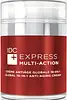
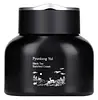
IDC 16-in-1 Global Anti-Aging Cream Express Multi-Action Versus Pyunkang Yul Black Tea Enriched Cream
This anti-aging moisturizer is formulated around Squalane and Bisabolol to soften the look of wrinkles and hydrate skin.
This anti-aging moisturizer is formulated around Niacinamide and Camellia Sinensis Leaf Extract to soften the look of wrinkles and strengthen the skin barrier.


What's inside
What's inside
 Key Ingredients
Benefits
Concerns
Ingredients Side-by-side
Water
Skin ConditioningDimethicone
Emollient

Squalane
Emollient


Glycerin
Humectant
Butylene Glycol
Humectant
Caprylic/Capric Triglyceride
Masking
Cetyl Alcohol
Emollient


Dicaprylyl Carbonate
EmollientSalix Nigra Bark Extract
Skin ProtectingGlyceryl Stearate
Emollient
Nylon-12


Ceteareth-20
Cleansing

PEG-75 Stearate
Surfactant
Polysilicone-11
Bisabolol
Antioxidant


Polyacrylate Crosspolymer-6
Emulsion StabilisingTocopheryl Acetate
Antioxidant

Plukenetia Volubilis Seed Oil
Emollient
Polyacrylate-13
Maltodextrin
Absorbent
Dipalmitoyl Hydroxyproline
Skin Conditioning
Alcohol
Antimicrobial


Sorbitol
Humectant
Ammonium Acryloyldimethyltaurate/Vp Copolymer
Sodium Carbomer
Emulsion StabilisingLecithin
Emollient
Polyisobutene
Sucrose Dilaurate
Emollient
Hydroxypropyl Cyclodextrin
MaskingPentaerythrityl Tetra-Di-T-Butyl Hydroxyhydrocinnamate
Antioxidant
Disodium EDTA
ChelatingSodium Stearoyl Glutamate
CleansingHydrolyzed Jojoba Esters
Skin Conditioning
Citric Acid
Buffering
Glycyrrhiza Glabra Root Extract
Bleaching
Carnosine
Skin Conditioning
Ethylene Brassylate
MaskingAscophyllum Nodosum Extract
Skin Conditioning
Sodium Metabisulfite
Antioxidant
Asparagopsis Armata Extract
Skin Protecting
Chrysanthellum Indicum Extract
Skin Conditioning
Palmitic Acid
Emollient
Adenosine
Skin Conditioning
Sodium Cocoyl Glutamate
Cleansing
Polysorbate 20
Emulsifying
Biosaccharide Gum-1
Humectant
Dextran
Caprooyl Tetrapeptide-3
Skin Protecting
Sorbitan Isostearate
Emulsifying
Helianthus Annuus Seed Oil
Emollient
Dipotassium Glycyrrhizate
Humectant
Decyl Glucoside
Cleansing
Pisum Sativum Extract
Skin ConditioningBiosaccharide Gum-4
Skin Conditioning
Creatine
Skin ConditioningSodium Hyaluronate
Humectant
Tetrahydropiperine
Skin ConditioningCaprylyl Glycol
Emollient
Hexylene Glycol
Emulsifying3-O-Ethyl Ascorbic Acid
Skin Conditioning


Tocopherol
Antioxidant
Ubiquinone
Antioxidant
Sodium Citrate
BufferingXanthan Gum
EmulsifyingEthyl Ferulate
Antioxidant
Alteromonas Ferment Extract
Skin Conditioning
Dimethylmethoxy Chromanol
Antioxidant
Lonicera Japonica Flower Extract
Skin ConditioningLonicera Caprifolium Flower Extract
Perfuming
Cynara Scolymus Leaf Extract
Skin ConditioningPalmitoyl Tripeptide-38
Skin Conditioning
Silybin
Skin ConditioningOryza Sativa Extract
Absorbent
Panax Ginseng Root Extract
Emollient
Chenopodium Quinoa Seed Extract
Skin Conditioning
Daucus Carota Sativa Root Extract
Skin Conditioning
Glycine Max Seed Extract
Skin ConditioningRosmarinus Officinalis Leaf Extract
AntimicrobialHesperidin Methyl Chalcone
Antioxidant
Retinol
Skin Conditioning

Steareth-20
CleansingBHT
Antioxidant
Chlorhexidine Digluconate
Antimicrobial
Dipeptide-2
Skin Conditioning
BHA
Antioxidant
Palmitoyl Tetrapeptide-7
Skin Conditioning
Phenoxyethanol
Preservative
Iodopropynyl Butylcarbamate
Preservative
Potassium Sorbate
Preservative
Benzoic Acid
Masking
Dehydroacetic Acid
Preservative
Benzyl Alcohol
Perfuming

Sodium Sulfite
Preservative
Parfum
Masking
CI 77891
Cosmetic ColorantWater, Dimethicone, Squalane, Glycerin, Butylene Glycol, Caprylic/Capric Triglyceride, Cetyl Alcohol, Dicaprylyl Carbonate, Salix Nigra Bark Extract, Glyceryl Stearate, Nylon-12, Ceteareth-20, PEG-75 Stearate, Polysilicone-11, Bisabolol, Polyacrylate Crosspolymer-6, Tocopheryl Acetate, Plukenetia Volubilis Seed Oil, Polyacrylate-13, Maltodextrin, Dipalmitoyl Hydroxyproline, Alcohol, Sorbitol, Ammonium Acryloyldimethyltaurate/Vp Copolymer, Sodium Carbomer, Lecithin, Polyisobutene, Sucrose Dilaurate, Hydroxypropyl Cyclodextrin, Pentaerythrityl Tetra-Di-T-Butyl Hydroxyhydrocinnamate, Disodium EDTA, Sodium Stearoyl Glutamate, Hydrolyzed Jojoba Esters, Citric Acid, Glycyrrhiza Glabra Root Extract, Carnosine, Ethylene Brassylate, Ascophyllum Nodosum Extract, Sodium Metabisulfite, Asparagopsis Armata Extract, Chrysanthellum Indicum Extract, Palmitic Acid, Adenosine, Sodium Cocoyl Glutamate, Polysorbate 20, Biosaccharide Gum-1, Dextran, Caprooyl Tetrapeptide-3, Sorbitan Isostearate, Helianthus Annuus Seed Oil, Dipotassium Glycyrrhizate, Decyl Glucoside, Pisum Sativum Extract, Biosaccharide Gum-4, Creatine, Sodium Hyaluronate, Tetrahydropiperine, Caprylyl Glycol, Hexylene Glycol, 3-O-Ethyl Ascorbic Acid, Tocopherol, Ubiquinone, Sodium Citrate, Xanthan Gum, Ethyl Ferulate, Alteromonas Ferment Extract, Dimethylmethoxy Chromanol, Lonicera Japonica Flower Extract, Lonicera Caprifolium Flower Extract, Cynara Scolymus Leaf Extract, Palmitoyl Tripeptide-38, Silybin, Oryza Sativa Extract, Panax Ginseng Root Extract, Chenopodium Quinoa Seed Extract, Daucus Carota Sativa Root Extract, Glycine Max Seed Extract, Rosmarinus Officinalis Leaf Extract, Hesperidin Methyl Chalcone, Retinol, Steareth-20, BHT, Chlorhexidine Digluconate, Dipeptide-2, BHA, Palmitoyl Tetrapeptide-7, Phenoxyethanol, Iodopropynyl Butylcarbamate, Potassium Sorbate, Benzoic Acid, Dehydroacetic Acid, Benzyl Alcohol, Sodium Sulfite, Parfum, CI 77891
Water
Skin ConditioningGlycerin
Humectant
Butylene Glycol
Humectant
Pentaerythrityl Tetraethylhexanoate
Emollient
Hydrogenated Poly(C6-14 Olefin)
EmollientHydrogenated Olive Oil Lauryl Esters
Emulsion Stabilising
Diisostearyl Malate
EmollientBehenyl Alcohol
Emollient
Niacinamide
Smoothing
Polyglyceryl-3 Methylglucose Distearate
Emulsifying
Cetearyl Alcohol
Emollient
Diphenylsiloxy Phenyl Trimethicone
Skin Conditioning
Simethicone
Emollient
Polyglyceryl-3 Distearate
Emulsifying
Sodium Acrylate/Sodium Acryloyldimethyl Taurate Copolymer
Emulsion StabilisingGlyceryl Stearate
Emollient
Polyisobutene
Caprylyl Glycol
Emollient
Euphorbia Cerifera Wax
Pentylene Glycol
Skin Conditioning
Hydroxyacetophenone
Antioxidant
Camellia Sinensis Leaf Extract
Antimicrobial
Caprylic/Capric Triglyceride
Masking
Glyceryl Stearate Citrate
Emollient
Dipropylene Glycol
HumectantEthylhexyl Palmitate
Emollient
Cetyl Ethylhexanoate
EmollientButyrospermum Parkii Butter
Skin Conditioning
Ethylhexylglycerin
Skin ConditioningSodium Methyl Stearoyl Taurate
CleansingSorbitan Oleate
Emulsifying
Caprylyl/Capryl Glucoside
CleansingAdenosine
Skin Conditioning
Disodium EDTA
ChelatingHydrogenated Lecithin
Emulsifying
Tocopherol
Antioxidant
Methylpropanediol
SolventPanthenol
Skin Conditioning
Hippophae Rhamnoides Fruit Extract
Skin Conditioning
Maltodextrin
Absorbent
Caramel
Cosmetic Colorant1,2-Hexanediol
Skin Conditioning
Panax Ginseng Root Extract
Emollient
Paeonia Lactiflora Root Extract
Skin ConditioningPoria Cocos Extract
Skin ConditioningCnidium Officinale Root Extract
Skin ConditioningEclipta Prostrata Extract
Skin Conditioning
Biota Orientalis Leaf Extract
HumectantMacadamia Ternifolia Seed Oil
Emollient
Polygonum Multiflorum Root Extract
Skin ConditioningCoptis Japonica Extract
AntimicrobialGardenia Florida Fruit Extract
Skin ConditioningPhellodendron Amurense Bark Extract
Skin ConditioningPiper Methysticum Root Extract
Skin ConditioningScrophularia Buergeriana Extract
Skin ConditioningScutellaria Baicalensis Root Extract
Astringent
Cholesterol
Emollient
Brassica Campestris Sterols
EmollientPhytosteryl/Behenyl/Octyldodecyl Lauroyl Glutamate
Skin ConditioningAcetyl Hexapeptide-8
Humectant
Fructose
Humectant
Centella Asiatica Extract
Cleansing
Sodium Hyaluronate
Humectant
Polyglyceryl-10 Oleate
Skin Conditioning
Glucose
Humectant
Saccharomyces Ferment Filtrate
Humectant
Potassium Cetyl Phosphate
EmulsifyingCeramide NP
Skin Conditioning
Beta-Glucan
Skin Conditioning
Hydrolyzed Hyaluronic Acid
Humectant
Hydroxypropyltrimonium Hyaluronate
Sodium Hyaluronate Crosspolymer
Humectant
Asiaticoside
Antioxidant
Asiatic Acid
Skin Conditioning
Madecassoside
Antioxidant
Madecassic Acid
Skin Conditioning
Sodium Acetylated Hyaluronate
Humectant
Ceramide Ns
Skin Conditioning
Ceramide EOP
Skin Conditioning
Water, Glycerin, Butylene Glycol, Pentaerythrityl Tetraethylhexanoate, Hydrogenated Poly(C6-14 Olefin), Hydrogenated Olive Oil Lauryl Esters, Diisostearyl Malate, Behenyl Alcohol, Niacinamide, Polyglyceryl-3 Methylglucose Distearate, Cetearyl Alcohol, Diphenylsiloxy Phenyl Trimethicone, Simethicone, Polyglyceryl-3 Distearate, Sodium Acrylate/Sodium Acryloyldimethyl Taurate Copolymer, Glyceryl Stearate, Polyisobutene, Caprylyl Glycol, Euphorbia Cerifera Wax, Pentylene Glycol, Hydroxyacetophenone, Camellia Sinensis Leaf Extract, Caprylic/Capric Triglyceride, Glyceryl Stearate Citrate, Dipropylene Glycol, Ethylhexyl Palmitate, Cetyl Ethylhexanoate, Butyrospermum Parkii Butter, Ethylhexylglycerin, Sodium Methyl Stearoyl Taurate, Sorbitan Oleate, Caprylyl/Capryl Glucoside, Adenosine, Disodium EDTA, Hydrogenated Lecithin, Tocopherol, Methylpropanediol, Panthenol, Hippophae Rhamnoides Fruit Extract, Maltodextrin, Caramel, 1,2-Hexanediol, Panax Ginseng Root Extract, Paeonia Lactiflora Root Extract, Poria Cocos Extract, Cnidium Officinale Root Extract, Eclipta Prostrata Extract, Biota Orientalis Leaf Extract, Macadamia Ternifolia Seed Oil, Polygonum Multiflorum Root Extract, Coptis Japonica Extract, Gardenia Florida Fruit Extract, Phellodendron Amurense Bark Extract, Piper Methysticum Root Extract, Scrophularia Buergeriana Extract, Scutellaria Baicalensis Root Extract, Cholesterol, Brassica Campestris Sterols, Phytosteryl/Behenyl/Octyldodecyl Lauroyl Glutamate, Acetyl Hexapeptide-8, Fructose, Centella Asiatica Extract, Sodium Hyaluronate, Polyglyceryl-10 Oleate, Glucose, Saccharomyces Ferment Filtrate, Potassium Cetyl Phosphate, Ceramide NP, Beta-Glucan, Hydrolyzed Hyaluronic Acid, Hydroxypropyltrimonium Hyaluronate, Sodium Hyaluronate Crosspolymer, Asiaticoside, Asiatic Acid, Madecassoside, Madecassic Acid, Sodium Acetylated Hyaluronate, Ceramide Ns, Ceramide EOP
Ingredients Explained
These ingredients are found in both products.
Ingredients higher up in an ingredient list are typically present in a larger amount.
Adenosine is a purine nucleoside that your body already makes in every cell. In skincare, it acts mainly as a skin conditioning and anti-aging agent.
The way it works is fairly well mapped out:
Your skin has cells called fibroblasts that build collagen (the stuff that keeps skin firm and smooth). Adenosine basically flips a switch on these cells that tells them to get to work making more collagen and other proteins. These cells slow down on their own as skin ages, so Adenosine helps give them a little nudge to keep going.
The clinical backing is pretty solid too.
A blind, randomized, placebo-controlled trial of 126 women aged 45-65 tested a 0.1% cream twice daily and found real improvements in crow's feet and frown lines using a precise 3D skin-mapping technique; these changes showed up by week 3 and held at 2 months.
A later study using Adenosine-loaded dissolving microneedle patches reported gains in wrinkle depth, dermal density, elasticity, and hydration.
On concentrations, South Korea's Ministry of Food and Drug Safety has set 0.04% as the approved functional anti-wrinkle level. You'll typically see this ingredient used somewhere in the 0.04-0.1% range since it works at low doses.
This ingredient has been found safe for cosmetics with the data showing no irritation or sensitization.
Overall, this is a great ingredient for any anti-aging routine and has no photosensitizing effect, so it suits both AM and PM use.
Learn more about AdenosineButylene Glycol (or BG) is used within cosmetic products for a few different reasons:
Overall, Butylene Glycol is a safe and well-rounded ingredient that works well with other ingredients.
Though this ingredient works well with most skin types, some people with sensitive skin may experience a reaction such as allergic rashes, closed comedones, or itchiness.
Learn more about Butylene GlycolCaprylic/Capric Triglyceride (aka MCT Oil) is a lightweight emollient, solvent, and texture enhancer. It is considered a skin-softener by helping to prevent moisture loss.
Though it behaves like an oil, it is not technically one due to its chemical composition. One perk of this ingredient is that it is very stable, resistant to oxidation, and unlikely to go rancid.
In practice, that translates to a long shelf life and a consistently elegant skin feel.
While there is an assumption Caprylic Triglyceride can clog pores due to it being derived from coconut oil, there is no research supporting this. Just patch test if you have concerns.
Fractionated coconut oil and MCT Oil are both listed as Caprylic/Capric Triglyceride according to INCI. This is because INCI names are based on the ingredient’s final chemical composition and not its marketing name or source.
This ingredient is treated as the gold standard fungal acne safe oil. Even though it is coconut derived, the problematic lauric acid is stripped out.
This leaves just caprylic (C8) and capric (C10) acid. These chain lengths actually trend antifungal; a 2020 study found caprylic acid was enough to disrupt Malassezia furfur cell membrane, with a caprylic acid derivative damaging membrane structures at concentrations as low as 0.2%.
Learn more about Caprylic/Capric TriglycerideCaprylyl Glycol is a humectant, skin conditioner, emollient, and preservative booster derived from either caprylic acid or synthetically created.
Typical use levels vary from 0.3-1% as a preservative booster and go up to 2% to condition skin.
Because it is not a free-fatty acid, this ingredient is fungal acne safe (there's nothing for Malassezia to feed on).
Learn more about Caprylyl GlycolDisodium EDTA is a chelating agent. It grabs onto and deactivates metal ions that sneak into your products from water, packaging, or air.
This ingredient mainly works behind the scenes and helps with:
On top of that, this ingredient can counteract the effects of hard water by binding to the minerals in it.
One thing worth knowing is that Disodium EDTA has been shown to be a mild penetration enhancer. It can help other ingredients absorb into skin more effectively which can be a double-edged sword (great for actives, but can also make the active too strong if you have sensitive skin).
Clinical patch testing showed no significant skin irritation at typical use concentrations and minimal dermal absorption.
You'll most likely see this ingredient near the end of an ingredient list. It's typically found in concentrations less than 1%.
Learn more about Disodium EDTAGlycerin (or glycerol) is a compound naturally found in your skin. It's a powerhouse humectant that pulls water into the stratum corneum.
Topically, glycerin does several things at once:
Your skin makes glycerin on its own (mostly from sebaceous oil breakdown) and shuttles it to your outermost layer of skin, or your epidermis, via aquaporin-3.
Aquaporin-3 is a transporter that is essential for normal skin hydration, elasticity, and repair. Interestingly, mice lacking in AQP3 have dry and less elastic skin that can be fully corrected with glycerin.
This ingredient is non-irritating, plays well with almost every ingredient, and works across all skin types. Typical use is anywhere between 3-10% but can go up to 79% in some leave-on products.
Just know very high concentrations (>40%) can feel tacky in low humidity.
Glycerin is the name for this ingredient in American English. British English uses Glycerol/Glycerine.
Learn more about GlycerinGlyceryl Stearate is made by reacting glycerin with stearic acid (typically sourced from plant oils like palm or coconut). It's an emulsifier, emollient, and mild occlusive.
Emulsifiers help ingredients like oil and water stay mixed so your formula stays nicely blended and uniform in texture.
This ingredient is typically used in concentrations between 1-10%. Studies have found it to be non-sensitizing, non-phototoxic, and non-photoallergenic.
A close cousin of this ingredient is Glyceryl Stearate SE ("self-emulsifying"). This just has a small amount of sodium or potassium stearate added so it can emulsify without a co-emulsifier.
Since this ingredient is an ester of a C18 fatty acid, it may not be fungal acne safe. The Malassezia yeast can potentially metabolize within the C11-C24 range.
Fun fact: The human body also creates Glyceryl Stearate naturally.
Learn more about Glyceryl StearateMaltodextrin is a plant-derived carbohydrate made by breaking down starch (usually from corn, potato, or rice). In cosmetic formulas, it's a multitasking absorbent, emulsion stabilizer, and skin conditioner.
This ingredient is mostly used to stabilize emulsions and improve the powdery, non-greasy feel of products (like dry shampoos).
Safety-wise, this ingredient is pretty solid; it's even recognized as a food additive. Both animal and clinical studies found no adverse effects at the levels used in cosmetics.
Industry data shows this ingredient is used up to 45.7% in spray products and up to 33% in powder products.
Learn more about MaltodextrinGinseng root is a well-loved ingredient in Asian skincare for good reason. It hydrates the skin, soothes irritation, and helps even out skin tone.
In traditional East Asian medicine, ginseng has been used for centuries both as food and as a healing remedy, and modern research continues to confirm its skin benefits.
One of the standout features of ginseng is its ability to improve blood circulation and oxygen delivery to the skin, bringing a fresh supply of nutrients to support overall skin health. It also has antioxidant and anti-inflammatory properties. This helps to protect your skin against damage from UV exposure, pollution, and daily stress.
Additionally, studies suggest that ginseng may help reduce hyperpigmentation by inhibiting tyrosinase, the enzyme involved in melanin production.
There are different types of ginseng used in skincare, and while they all share core benefits, their potency can vary.
Most products use fresh or white ginseng because it’s more affordable. However, red ginseng, produced by steaming the root, contains higher levels of ginsenosides, which are compounds with proven anti-aging effects. These ginsenosides help reduce the appearance of wrinkles and improve skin elasticity.
Note: All forms of ginseng are listed simply as “Panax ginseng” in ingredient lists. We recommend reaching out to the brand if you have questions about which type of ginseng is used in their ingredients.
For general antioxidant benefits, any ginseng extract will do, but for wrinkle care or firmer skin, red or fermented ginseng is often more effective.
In short, ginseng is a powerhouse ingredient that supports hydration, radiance, and resilience.
Learn more about Panax Ginseng Root ExtractPolyisobutene is a synthetic polymer made from isobutene.
It is a film-forming agent and helps bind ingredients together.
Polyisobutene is not absorbed by the skin.
Learn more about PolyisobuteneSodium Hyaluronate is the salt form of hyaluronic acid. It is a long sugar chain that is naturally found in your skin, joints, and connective tissue that maintains hydration and elasticity.
In skincare, it works as a humectant. It pulls water from the environment and deeper layers of skin and binds it to the surface.
Interestingly, the size of the molecule affects its behavior:
Some clinical evidence links low molecular weight versions to improved wrinkle depth, elasticity, anti-inflammatory effects, and barrier repair.
Many serums use a blend of both weights so you can get surface hydration plus longer-lasting and deeper effects.
You'll typically see concentrations between 0.1-2% for this ingredient.
Learn more about Sodium HyaluronateTocopherol is a fat-soluble antioxidant known as Vitamin E.
You'll find this ingredient in the vast majority of skincare (for good reason). It works to neutralize free radicals, or unstable molecules generated by UV exposure, pollution, and other environmental stressors, before they can cause oxidative damage to your skin cells.
Topically applied tocopherol has been shown to protect against UV damage by ramping up the skin's own natural defense enzymes.
It also acts as a skin conditioning agent; some studies show that regular topical use can improve the skin's water-binding capacity over 2-4 weeks.
This ingredient is especially loved for being a team player. When combined with Vitamin C, the photoprotective effect of both ingredients roughly doubles and the combo also helps reduce UV-induced DNA damage.
This ingredient has some brightening potential but it's more of a prevention ingredient than spot-fader. Cell studies show it can slow down melanin production but it's worth noting that it's not the most powerful brightener out there.
In formulations, it also serves as a stabilizer that helps protect other oxidation-prone ingredients from degrading.
Concentrations usually range from 0.1-1% in most leave-on products.
Learn more about TocopherolWater. It's the most common cosmetic ingredient of all. You'll usually see it at the top of ingredient lists, meaning that it makes up the largest part of the product.
So why is it so popular? Water most often acts as a solvent - this means that it helps dissolve other ingredients into the formulation.
You'll also recognize water as that liquid we all need to stay alive. If you see this, drink a glass of water. Remember to stay hydrated!
Learn more about Water

