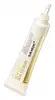
This anti-aging eye moisturizer is formulated around Butyrospermum Parkii Butter and Niacinamide to soften the look of wrinkles and hydrate skin.
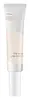
This anti-aging eye moisturizer is formulated around Bifida Ferment Lysate and Niacinamide to soften the look of wrinkles and strengthen the skin barrier.

What's inside
What's inside
 Key Ingredients
Benefits
Concerns
Ingredients Side-by-side
Water
Skin ConditioningGlycerin
Humectant


Dipropylene Glycol
HumectantCyclopentasiloxane
Emollient
Dimethicone
Emollient
1,2-Hexanediol
Skin Conditioning
Butyrospermum Parkii Butter
Skin Conditioning




Niacinamide
Smoothing









Cyclohexasiloxane
Emollient
Polysorbate 20
Emulsifying
Phytosteryl/Behenyl/Octyldodecyl Lauroyl Glutamate
Skin ConditioningHydrogenated Poly(C6-14 Olefin)
EmollientCetearyl Olivate
Polyacrylate-13
Sorbitan Olivate
Emulsifying
Cetyl Alcohol
Emollient

Glyceryl Stearate
Emollient
Polyisobutene
Dimethicone/Vinyl Dimethicone Crosspolymer
Skin Conditioning
PEG-75 Stearate
Surfactant
Butylene Glycol
Humectant
Sodium Polyacrylate
Absorbent
Carbomer
Emulsion StabilisingTromethamine
BufferingDimethiconol
Emollient
Ceteth-20
CleansingSteareth-20
CleansingSorbitan Isostearate
Emulsifying
Ethylhexylglycerin
Skin ConditioningXanthan Gum
EmulsifyingCoptis Japonica Extract
AntimicrobialAdenosine
Skin Conditioning
Sodium Hyaluronate
Humectant
Lavandula Angustifolia Oil
Masking




Citrus Aurantium Bergamia Fruit Oil
Masking
Citrus Aurantium Dulcis Peel Oil
Masking
Aniba Rosaeodora Wood Oil
Astringent
Rosmarinus Officinalis Leaf Oil
Masking
Centella Asiatica Extract
Cleansing
Eucalyptus Globulus Leaf Oil
Perfuming
Gold
Cosmetic ColorantDextrin
AbsorbentTheobroma Cacao Extract
Skin ConditioningCollagen
Moisturising
Hyaluronic Acid
Humectant
Ceramide NP
Skin Conditioning
Cocos Nucifera Oil
Masking
Panthenol
Skin Conditioning
Hydrolyzed Collagen
Emollient
Mannitol
Humectant
Betula Platyphylla Japonica Juice
Skin Conditioning
Asiaticoside
Antioxidant
Madecassic Acid
Skin Conditioning
Asiatic Acid
Skin Conditioning
Leontopodium Alpinum Callus Culture Extract
Antioxidant
Hydrolyzed Hyaluronic Acid
Humectant
Bifida Ferment Lysate
Skin Conditioning
Pvp
Emulsion StabilisingAzadirachta Indica Leaf Extract
Skin ConditioningCaprylic/Capric Triglyceride
Masking
Artemisia Annua Extract
Masking
Symphytum Officinale Leaf Extract
Skin ConditioningLecithin
Emollient
Royal Jelly Extract
Skin Conditioning
Aloe Barbadensis Leaf Extract
Emollient
Pearl Extract
Antioxidant
Propolis Extract
Skin Conditioning
Glycosyl Trehalose
Emulsion StabilisingHydrogenated Starch Hydrolysate
HumectantPalmitoyl Tripeptide-5
Skin Conditioning
Helichrysum Arenarium Extract
AntiseborrhoeicNelumbo Nucifera Flower Extract
Skin ConditioningOryza Sativa Extract
Absorbent
Calendula Officinalis Flower Extract
Masking
Saccharomyces Ferment
Skin Conditioning
Acetyl Tetrapeptide-11
Skin Conditioning
Phellinus Linteus Extract
Skin ConditioningHoney Extract
Humectant
Dipeptide Diaminobutyroyl Benzylamide Diacetate
Skin Conditioning
Arginine/Lysine Polypeptide
Skin Conditioning
Gellan Gum
Propanediol
Solvent
Usnea Barbata Extract
Zanthoxylum Piperitum Fruit Extract
Skin ConditioningPulsatilla Koreana Extract
Skin ConditioningChrysanthellum Indicum Extract
Skin Conditioning
Oenothera Biennis Flower Extract
AstringentCamellia Japonica Seed Extract
Skin ConditioningFragaria Chiloensis Fruit Extract
Skin Conditioning
Melissa Officinalis Leaf Extract
Skin ConditioningAesculus Hippocastanum Extract
Antioxidant
Portulaca Oleracea Extract
Skin Conditioning
Ficus Carica Fruit Extract
Humectant
Adansonia Digitata Leaf Extract
Skin ConditioningLilium Tigrinum Extract
Skin ConditioningPrunus Persica Fruit Extract
Abrasive
Achillea Millefolium Flower Extract
Antioxidant
Persea Gratissima Fruit Extract
EmollientGypsophila Paniculata Root Extract
Skin ConditioningMentha Rotundifolia Leaf Extract
TonicSambucus Nigra Fruit Extract
AstringentNelumbo Nucifera Seed Extract
Antimicrobial
Rhus Semialata Gall Extract
Skin ConditioningCananga Odorata Flower Extract
Perfuming
Jasminum Officinale Flower Extract
Masking
Dioscorea Japonica Root Extract
Skin Conditioning
Simmondsia Chinensis Seed Extract
Abrasive
Beta-Glucan
Skin Conditioning
Sodium Ascorbyl Phosphate
Antioxidant
Fullerenes
AntimicrobialCopper Tripeptide-1
Skin Conditioning
Madecassoside
Antioxidant
Oligopeptide-1
Skin Conditioning
Tripeptide-1
Skin Conditioning
Palmitoyl Tripeptide-1
Skin Conditioning
Tripeptide-2
Skin Conditioning
Hexapeptide-11
Skin Conditioning
Acetyl Hexapeptide-8
Humectant
Palmitoyl Tetrapeptide-7
Skin Conditioning
Palmitoyl Pentapeptide-4
Skin Conditioning
Hexapeptide-9
Skin Conditioning
Nonapeptide-1
Skin Conditioning
Disodium EDTA
ChelatingWater, Glycerin, Dipropylene Glycol, Cyclopentasiloxane, Dimethicone, 1,2-Hexanediol, Butyrospermum Parkii Butter, Niacinamide, Cyclohexasiloxane, Polysorbate 20, Phytosteryl/Behenyl/Octyldodecyl Lauroyl Glutamate, Hydrogenated Poly(C6-14 Olefin), Cetearyl Olivate, Polyacrylate-13, Sorbitan Olivate, Cetyl Alcohol, Glyceryl Stearate, Polyisobutene, Dimethicone/Vinyl Dimethicone Crosspolymer, PEG-75 Stearate, Butylene Glycol, Sodium Polyacrylate, Carbomer, Tromethamine, Dimethiconol, Ceteth-20, Steareth-20, Sorbitan Isostearate, Ethylhexylglycerin, Xanthan Gum, Coptis Japonica Extract, Adenosine, Sodium Hyaluronate, Lavandula Angustifolia Oil, Citrus Aurantium Bergamia Fruit Oil, Citrus Aurantium Dulcis Peel Oil, Aniba Rosaeodora Wood Oil, Rosmarinus Officinalis Leaf Oil, Centella Asiatica Extract, Eucalyptus Globulus Leaf Oil, Gold, Dextrin, Theobroma Cacao Extract, Collagen, Hyaluronic Acid, Ceramide NP, Cocos Nucifera Oil, Panthenol, Hydrolyzed Collagen, Mannitol, Betula Platyphylla Japonica Juice, Asiaticoside, Madecassic Acid, Asiatic Acid, Leontopodium Alpinum Callus Culture Extract, Hydrolyzed Hyaluronic Acid, Bifida Ferment Lysate, Pvp, Azadirachta Indica Leaf Extract, Caprylic/Capric Triglyceride, Artemisia Annua Extract, Symphytum Officinale Leaf Extract, Lecithin, Royal Jelly Extract, Aloe Barbadensis Leaf Extract, Pearl Extract, Propolis Extract, Glycosyl Trehalose, Hydrogenated Starch Hydrolysate, Palmitoyl Tripeptide-5, Helichrysum Arenarium Extract, Nelumbo Nucifera Flower Extract, Oryza Sativa Extract, Calendula Officinalis Flower Extract, Saccharomyces Ferment, Acetyl Tetrapeptide-11, Phellinus Linteus Extract, Honey Extract, Dipeptide Diaminobutyroyl Benzylamide Diacetate, Arginine/Lysine Polypeptide, Gellan Gum, Propanediol, Usnea Barbata Extract, Zanthoxylum Piperitum Fruit Extract, Pulsatilla Koreana Extract, Chrysanthellum Indicum Extract, Oenothera Biennis Flower Extract, Camellia Japonica Seed Extract, Fragaria Chiloensis Fruit Extract, Melissa Officinalis Leaf Extract, Aesculus Hippocastanum Extract, Portulaca Oleracea Extract, Ficus Carica Fruit Extract, Adansonia Digitata Leaf Extract, Lilium Tigrinum Extract, Prunus Persica Fruit Extract, Achillea Millefolium Flower Extract, Persea Gratissima Fruit Extract, Gypsophila Paniculata Root Extract, Mentha Rotundifolia Leaf Extract, Sambucus Nigra Fruit Extract, Nelumbo Nucifera Seed Extract, Rhus Semialata Gall Extract, Cananga Odorata Flower Extract, Jasminum Officinale Flower Extract, Dioscorea Japonica Root Extract, Simmondsia Chinensis Seed Extract, Beta-Glucan, Sodium Ascorbyl Phosphate, Fullerenes, Copper Tripeptide-1, Madecassoside, Oligopeptide-1, Tripeptide-1, Palmitoyl Tripeptide-1, Tripeptide-2, Hexapeptide-11, Acetyl Hexapeptide-8, Palmitoyl Tetrapeptide-7, Palmitoyl Pentapeptide-4, Hexapeptide-9, Nonapeptide-1, Disodium EDTA
Bifida Ferment Lysate
Skin Conditioning
Dipropylene Glycol
HumectantCyclopentasiloxane
Emollient
Glycerin
Humectant
Squalane
Emollient
Hydrogenated Polydecene
EmollientNiacinamide
Smoothing
Dimethicone
Emollient
Pentaerythrityl Tetraethylhexanoate
Emollient
Arachidyl Alcohol
Emollient
Water
Skin ConditioningButyrospermum Parkii Butter
Skin Conditioning
Cetearyl Alcohol
Emollient
C12-16 Alcohols
EmollientPolyglyceryl-2 Stearate
Emulsifying
Behenyl Alcohol
Emollient
Erythritol
Humectant
Polysorbate 60
Emulsifying
Butylene Glycol
Humectant
1,2-Hexanediol
Skin Conditioning
Glyceryl Stearate
Emollient
Hydrogenated Lecithin
Emulsifying
Stearyl Alcohol
Emollient
Dimethicone/Vinyl Dimethicone Crosspolymer
Skin Conditioning
Arachidyl Glucoside
EmulsifyingPalmitic Acid
Emollient
Allantoin
Skin Conditioning
Carbomer
Emulsion StabilisingTromethamine
BufferingIllicium Verum Fruit Extract
Perfuming
Sodium Acrylate/Sodium Acryloyldimethyl Taurate Copolymer
Emulsion StabilisingMangifera Indica Seed Butter
Skin Conditioning
Hydroxyethyl Acrylate/Sodium Acryloyldimethyl Taurate Copolymer
Emulsion StabilisingIsohexadecane
EmollientPersea Gratissima Oil
Skin Conditioning
Hydroxyethylcellulose
Emulsion StabilisingScutellaria Baicalensis Root Extract
Astringent
Adenosine
Skin Conditioning
Polysorbate 80
Emulsifying
Disodium EDTA
ChelatingHydrogenated Vegetable Oil
Emollient
Ceramide NP
Skin Conditioning
3-O-Ethyl Ascorbic Acid
Skin Conditioning
Sorbitan Oleate
Emulsifying
Glucose
Humectant
Caprylic/Capric Triglyceride
Masking
Daucus Carota Sativa Root Extract
Skin Conditioning
Caprylyl Glycol
Emollient
Sodium Phosphate
BufferingPentylene Glycol
Skin Conditioning
Deoxyphytantriyl Palmitamide Mea
Skin ConditioningTocopherol
Antioxidant
Ethylhexylglycerin
Skin ConditioningPolysorbate 20
Emulsifying
Cholesterol
Emollient
Lecithin
Emollient
Phosphatidylcholine
EmulsifyingAcetyl Hexapeptide-8
Humectant
Sh-Oligopeptide-2
Skin Conditioning
Sh-Polypeptide-1
Skin Conditioning
Astaxanthin
Skin Conditioning
Sh-Oligopeptide-1
Skin Conditioning
Bifida Ferment Lysate, Dipropylene Glycol, Cyclopentasiloxane, Glycerin, Squalane, Hydrogenated Polydecene, Niacinamide, Dimethicone, Pentaerythrityl Tetraethylhexanoate, Arachidyl Alcohol, Water, Butyrospermum Parkii Butter, Cetearyl Alcohol, C12-16 Alcohols, Polyglyceryl-2 Stearate, Behenyl Alcohol, Erythritol, Polysorbate 60, Butylene Glycol, 1,2-Hexanediol, Glyceryl Stearate, Hydrogenated Lecithin, Stearyl Alcohol, Dimethicone/Vinyl Dimethicone Crosspolymer, Arachidyl Glucoside, Palmitic Acid, Allantoin, Carbomer, Tromethamine, Illicium Verum Fruit Extract, Sodium Acrylate/Sodium Acryloyldimethyl Taurate Copolymer, Mangifera Indica Seed Butter, Hydroxyethyl Acrylate/Sodium Acryloyldimethyl Taurate Copolymer, Isohexadecane, Persea Gratissima Oil, Hydroxyethylcellulose, Scutellaria Baicalensis Root Extract, Adenosine, Polysorbate 80, Disodium EDTA, Hydrogenated Vegetable Oil, Ceramide NP, 3-O-Ethyl Ascorbic Acid, Sorbitan Oleate, Glucose, Caprylic/Capric Triglyceride, Daucus Carota Sativa Root Extract, Caprylyl Glycol, Sodium Phosphate, Pentylene Glycol, Deoxyphytantriyl Palmitamide Mea, Tocopherol, Ethylhexylglycerin, Polysorbate 20, Cholesterol, Lecithin, Phosphatidylcholine, Acetyl Hexapeptide-8, Sh-Oligopeptide-2, Sh-Polypeptide-1, Astaxanthin, Sh-Oligopeptide-1
Reviews
Ingredients Explained
These ingredients are found in both products.
Ingredients higher up in an ingredient list are typically present in a larger amount.
1,2-Hexanediol is a synthetic liquid and another multi-functional powerhouse.
It is a:
- Humectant, drawing moisture into the skin
- Emollient, helping to soften skin
- Solvent, dispersing and stabilizing formulas
- Preservative booster, enhancing the antimicrobial activity of other preservatives
Acetyl Hexapeptide-8 (also known as Argireline) is a synthetic hexapeptide that is often called a "topical Botox alternative".
It works by mimicking how Botox relaxes muscles; it interferes with the signaling process that tells your facial muscles to contract. This can help soften expression lines like forehead wrinkles or crow's feet over time.
The comparison to Botox does have limits because the molecule is water-loving and relatively large.
Acetyl Hexapeptide-8 has a hard time absorbing deeply enough through the skin's outer barrier to actually reach the muscles.
So whether it truly works the way Botox does at a biological level is still up for debate, but early clinical outcomes are fairly encouraging.
A 12 week human study of a multi-ingredient regimen containing this ingredient saw:
While some studies have observed improvements in wrinkle appearance, it is important to note that more consistent results are seen in multi-ingredient formulations (vs just Acetyl Hexapeptide-8 alone).
Some research studies also used higher concentrations (up to 10%) while this ingredient is usually found in concentrations up to 0.005% in leave-on formulations.
Learn more about Acetyl Hexapeptide-8Adenosine is a purine nucleoside that your body already makes in every cell. In skincare, it acts mainly as a skin conditioning and anti-aging agent.
The way it works is fairly well mapped out:
Your skin has cells called fibroblasts that build collagen (the stuff that keeps skin firm and smooth). Adenosine basically flips a switch on these cells that tells them to get to work making more collagen and other proteins. These cells slow down on their own as skin ages, so Adenosine helps give them a little nudge to keep going.
The clinical backing is pretty solid too.
A blind, randomized, placebo-controlled trial of 126 women aged 45-65 tested a 0.1% cream twice daily and found real improvements in crow's feet and frown lines using a precise 3D skin-mapping technique; these changes showed up by week 3 and held at 2 months.
A later study using Adenosine-loaded dissolving microneedle patches reported gains in wrinkle depth, dermal density, elasticity, and hydration.
On concentrations, South Korea's Ministry of Food and Drug Safety has set 0.04% as the approved functional anti-wrinkle level. You'll typically see this ingredient used somewhere in the 0.04-0.1% range since it works at low doses.
This ingredient has been found safe for cosmetics with the data showing no irritation or sensitization.
Overall, this is a great ingredient for any anti-aging routine and has no photosensitizing effect, so it suits both AM and PM use.
Learn more about AdenosineBifida Ferment Lysate is a postbiotic ingredient made by fermenting Bifidobacterium to extract a nutrient-rich mix of peptides, amino acids, vitamins, organic acids, and polysaccharides.
These components are basically the building blocks that your skin already uses to stay hydrated, repair itself, and maintain its barrier. That's why this ingredient helps your skin hold onto moisture and stay resilient against irritation.
One in-vitro study found that this ingredient tells your skin cells to produce more of the proteins (filaggrin, loricrin, and involucrin) for building a strong and healthy barrier. This study also found this ingredient to be a solid antioxidant that helped neutralize damage against UV and pollution.
A study with people from 2010 found that sensitive, reactive skin using a cream with 10% of this ingredient for a month became noticeably less dry, less reactive, and harder to irritate compared to the group using a plain cream.
In short, this ingredient is a well-tolerated ingredient that can help with barrier repair, antioxidant protection, and calming reactive skin.
This ingredient is generally considered fungal acne (Malassezia) safe; Bifidobacterium is a bacterium, not a yeast or fungus.
The fungal acne concern with fermented ingredients mainly applies to yeast-derived ferments like Saccharomyces and Galactomyces, because those are in the same kingdom as Malassezia and could theoretically contain residual compounds that feed it.
Bifida is a completely different organism, so on its own it doesn't provide a food source for the Malassezia yeast that causes fungal acne.
Learn more about Bifida Ferment LysateButylene Glycol (or BG) is used within cosmetic products for a few different reasons:
Overall, Butylene Glycol is a safe and well-rounded ingredient that works well with other ingredients.
Though this ingredient works well with most skin types, some people with sensitive skin may experience a reaction such as allergic rashes, closed comedones, or itchiness.
Learn more about Butylene GlycolThis ingredient is also known as shea butter. It is a plant-derived extract from the nuts of the Africa shea tree and one of the most well-studied emollients.
Because it has a high concentration of fatty acids (primarily oleic, stearic, and linoleic) it is able to form a protective barrier on the skin's surface. This helps seal in moisture and prevents transepidermal water loss (TEWL).
In vitro research found an increase in skin hydration by 58% and a decrease in TEWL by 37.8% after 24 hours of applying this ingredient (pretty impressive for a single ingredient!).
Besides hydration, shea butter also contains triterpenes that have anti-inflammatory potential. In particule, lupeol cinnamate has shown the highest anti-inflammatory activity in vivo.
Shea butter also contains vitamins A and E which may contribute to antioxidant activity.
While Shea Butter has an SPF rating of about 3-4, it is not a sunscreen replacement.
This ingredient may not be fungal acne safe because its fatty acids fall within the C11-C24 range that the Malassezia yeast can metabolize.
This ingredient shows up on a lot of "pore-clogging" lists but there's no real evidence behind that. It doesn't even have a comedogenic rating from an actual study; the numbers you'll find online come from blogs citing other blogs.
Ratings for other ingredients mostly come from a 1980s rabbit ear test. This test doesn't translate well to human skin or to real products because the ingredient sits at a much lower percentage.
Some people still find it breaks them out. So if that's you, definitely trust your skin. Just know this one's based on experience and not evidence.
Learn more about Butyrospermum Parkii ButterCaprylic/Capric Triglyceride (aka MCT Oil) is a lightweight emollient, solvent, and texture enhancer. It is considered a skin-softener by helping to prevent moisture loss.
Though it behaves like an oil, it is not technically one due to its chemical composition. One perk of this ingredient is that it is very stable, resistant to oxidation, and unlikely to go rancid.
In practice, that translates to a long shelf life and a consistently elegant skin feel.
While there is an assumption Caprylic Triglyceride can clog pores due to it being derived from coconut oil, there is no research supporting this. Just patch test if you have concerns.
Fractionated coconut oil and MCT Oil are both listed as Caprylic/Capric Triglyceride according to INCI. This is because INCI names are based on the ingredient’s final chemical composition and not its marketing name or source.
This ingredient is treated as the gold standard fungal acne safe oil. Even though it is coconut derived, the problematic lauric acid is stripped out.
This leaves just caprylic (C8) and capric (C10) acid. These chain lengths actually trend antifungal; a 2020 study found caprylic acid was enough to disrupt Malassezia furfur cell membrane, with a caprylic acid derivative damaging membrane structures at concentrations as low as 0.2%.
Learn more about Caprylic/Capric TriglycerideCarbomer is a synthetic thickening and gelling agent. It's basically the ingredient that gives a lot of serums, gels, creams, and sunscreens their smooth, non-sticky texture.
Although legally permitted at very high levels, carbomers are normally used at concentrations below 1%.
It also needs to be neutralized to actually thicken, and because it is a large molecule, it doesn't really penetrate the skin barrier.
Allergy-wise, the risk is very low. Clinical studies show carbomers have low potential for skin irritation/sensitization even at concentrations up to 100%.
A 2024 UK study patch-tested 1,302 patients and found true allergy to the parent group of carbomer to be rare with no confirmed relevant reactions.
Learn more about CarbomerCeramide NP (formerly known as Ceramide 3) is one of the skin's naturally occurring lipids.
Since ceramides are the major lipid components of the skin, they are crucial for maintaining skin barrier and hydration. Ceramide NP most closely mirrors the dominant kind in human skin amongst ceramide subtypes.
This ceramide works by slotting into gaps within the stratum corneum's lipid matrix to limit trans-epidermal water loss (TEWL) and shield the skin against external irritants.
A study with 312 patients found that using a ceramide-containing routine for 4 weeks reduced the severity of atopic dermatitis by over 61%.
Another clinical study in subjects aged 60 and older found that a ceramide body wash and moisturizer improved skin dryness and itchy skin in 15 days.
Overall, ceramides are considered non-irritating and safety tests have found little to no observable adverse effects from using this ingredient.
Ceramide NP is usually sourced from plants (like soybean or rice bran), or produced synthetically.
Learn more about Ceramide NPCyclopentasiloxane (D5) is a lightweight silicone that mostly acts as an emollient and solvent in cosmetics. Its the reason your products feel silky, fast-spreading, and non-greasy.
Since D5 is volatile, it does its thing and then evaporates off the skin quickly.
The safety profile of this ingredient is reassuring; the US CIR Expert Panel concluded D5 is safe as used in cosmetics and Health Canada concluded that D5 is not harmful to human health or the environment as currently used in cosmetics
There's a study that people mention about D5 in a rat study showing tumors. This study is related to long-term inhalation of high D5 levels.
Regulatory bodies have judged this study to be not applicable in topical skincare since skin absorption of D5 is very low and we're not really inhaling huge amounts of D5.
The only restriction for this ingredient is environmental. The European Chemicals Agency (ECHA) restricted D5 in wash-off cosmetics at or above 0.1% due to their persistence in water.
Learn more about CyclopentasiloxaneDimethicone is a type of synthetic silicone created from natural materials such as quartz. It is also known as polydimethylsiloxane.
What it does:
Dimethicone comes in different viscosities:
Depending on the viscosity, dimethicone has different properties.
Ingredients lists don't always show which type is used, so we recommend reaching out to the brand if you have questions about the viscosity.
This ingredient is unlikely to cause irritation because it does not get absorbed into skin. However, people with silicone allergies should be careful about using this ingredient.
Note: Dimethicone may contribute to pilling. This is because it is not oil or water soluble, so pilling may occur when layered with products. When mixed with heavy oils in a formula, the outcome is also quite greasy.
Learn more about DimethiconeThis ingredient is a silicone elastomer that works as a texture enhancer, adds a silky slip, and also helps absorb excess oil.
Because it's a large macromolecule that's insoluble in water and chemically inert, it's not expected to penetrate or be absorbed into skin.
Human patch tests with a facial lotion containing 1% of this ingredient found no sensitization.
Learn more about Dimethicone/Vinyl Dimethicone CrosspolymerDipropylene Glycol is a synthetically created humectant, stabilizer, and solvent.
This ingredient helps:
Dipropylene glycol is technically an alcohol, but it belongs to the glycol family (often considered part of the ‘good’ alcohols). This means it is hydrating and gentle on skin unlike drying solvent alcohols like denatured alcohol.
As a masking agent, Dipropylene Glycol can be used to cover the smell of other ingredients. However, it does not have a scent.
Studies show Dipropylene Glycol is considered safe to use in skincare.
Learn more about Dipropylene GlycolDisodium EDTA is a chelating agent. It grabs onto and deactivates metal ions that sneak into your products from water, packaging, or air.
This ingredient mainly works behind the scenes and helps with:
On top of that, this ingredient can counteract the effects of hard water by binding to the minerals in it.
One thing worth knowing is that Disodium EDTA has been shown to be a mild penetration enhancer. It can help other ingredients absorb into skin more effectively which can be a double-edged sword (great for actives, but can also make the active too strong if you have sensitive skin).
Clinical patch testing showed no significant skin irritation at typical use concentrations and minimal dermal absorption.
You'll most likely see this ingredient near the end of an ingredient list. It's typically found in concentrations less than 1%.
Learn more about Disodium EDTAEthylhexylglycerin is created from glycerin. It is a multitasker ingredient that:
The CIR Expert Panel found minimal skin absorption or sensitization of any kind in a safety assessment. Though this ingredient is considered well-tolerated, a small number of cases of allergic dermatitis have been published since 2002. Just be sure to patch test if you are unsure.
Industry-reported use ranges from 8% in rinse-off products and 2% in leave-on formulations.
Learn more about EthylhexylglycerinGlycerin (or glycerol) is a compound naturally found in your skin. It's a powerhouse humectant that pulls water into the stratum corneum.
Topically, glycerin does several things at once:
Your skin makes glycerin on its own (mostly from sebaceous oil breakdown) and shuttles it to your outermost layer of skin, or your epidermis, via aquaporin-3.
Aquaporin-3 is a transporter that is essential for normal skin hydration, elasticity, and repair. Interestingly, mice lacking in AQP3 have dry and less elastic skin that can be fully corrected with glycerin.
This ingredient is non-irritating, plays well with almost every ingredient, and works across all skin types. Typical use is anywhere between 3-10% but can go up to 79% in some leave-on products.
Just know very high concentrations (>40%) can feel tacky in low humidity.
Glycerin is the name for this ingredient in American English. British English uses Glycerol/Glycerine.
Learn more about GlycerinGlyceryl Stearate is made by reacting glycerin with stearic acid (typically sourced from plant oils like palm or coconut). It's an emulsifier, emollient, and mild occlusive.
Emulsifiers help ingredients like oil and water stay mixed so your formula stays nicely blended and uniform in texture.
This ingredient is typically used in concentrations between 1-10%. Studies have found it to be non-sensitizing, non-phototoxic, and non-photoallergenic.
A close cousin of this ingredient is Glyceryl Stearate SE ("self-emulsifying"). This just has a small amount of sodium or potassium stearate added so it can emulsify without a co-emulsifier.
Since this ingredient is an ester of a C18 fatty acid, it may not be fungal acne safe. The Malassezia yeast can potentially metabolize within the C11-C24 range.
Fun fact: The human body also creates Glyceryl Stearate naturally.
Learn more about Glyceryl StearateLecithin is a term for a group of substances found in the cell membranes of plants, animals, and humans. They are made up of phospholipids.
Thanks to its amphiphilic structure (water-loving head and oil-loving tail), it is a true multitasker:
It plays well with most ingredients and is typically used at 0.1-1%. However, concentrations up to 50% have been reported in moisturizers.
Learn more about LecithinNiacinamide is a multitasking form of vitamin B3 that strengthens the skin barrier, reduces pores and dark spots, regulates oil, and improves signs of aging.
And the best part? It's gentle and well-tolerated by most skin types, including sensitive and reactive skin.
You might have heard of "niacin flush", or the reddening of skin that causes itchiness. Niacinamide has not been found to cause this.
In very rare cases, some individuals may not be able to tolerate niacinamide at all or experience an allergic reaction to it.
If you are experiencing flaking, irritation, and dryness with this ingredient, be sure to double check all your products as this ingredient can be found in all categories of skincare.
When incorporating niacinamide into your routine, look out for concentration amounts. Typically, 5% niacinamide provides benefits such as fading dark spots. However, if you have sensitive skin, it is better to begin with a smaller concentration.
When you apply niacinamide to your skin, your body converts it into nicotinamide adenine dinucleotide (NAD). NAD is an essential coenzyme that is already found in your cells as "fuel" and powers countless biological processes.
In your skin, NAD helps repair cell damage, produce new healthy cells, support collagen production, strengthen the skin barrier, and fight environmental stressors (like UV and pollution).
Our natural NAD levels start to decline with age, leading to slower skin repair, visible aging, and a weaker skin barrier. By providing your skin niacinamide, you're recharging your skin's NAD levels. This leads to stronger, healthier, and younger looking skin.
Another name for vitamin B3 is nicotinamide. This vitamin is water-soluble and our bodies don't store it. We obtain Vitamin B3 from either food or skincare. Meat, fish, wheat, yeast, and leafy greens contain vitamin B3.
The type of niacinamide used in skincare is synthetically created.
Learn more about NiacinamidePolysorbate 20 is a gentle, water-soluble emulsifier and mild surfactant. It stops oil and water from separating to keep your formulas blended and stable.
It also acts as a mild penetration enhancer by helping active ingredients absorb slightly better.
The common safety discussion around this ingredient involves a manufacturing byproduct called 1,4-dioxane.
Trace amounts can form during production but the EU's Scientific Committee on Consumer Safety has concluded that levels at/below 10 ppm in finished products are safe (commercial products consistently fall within acceptable margins).
True allergic reactions are uncommon and the CIR Expert Panel has confirmed this ingredient to be safe as used in cosmetics.
Because it is derived from lauric acid, it may not be fungal acne safe.
Learn more about Polysorbate 20Tromethamine (aka THAM) is a synthetic amino acid that shows up in skincare as a helper ingredient.
It functions as a pH adjuster to help neutralize acidic ingredients and set a formula's pH to the right spot.
This matters a lot because a lot of actives (like vitamin C) needs a specific pH to work well and feel comfortable on skin.
Concentration use ranges from 0.1-1.0% depending on the formula.
Learn more about TromethamineWater. It's the most common cosmetic ingredient of all. You'll usually see it at the top of ingredient lists, meaning that it makes up the largest part of the product.
So why is it so popular? Water most often acts as a solvent - this means that it helps dissolve other ingredients into the formulation.
You'll also recognize water as that liquid we all need to stay alive. If you see this, drink a glass of water. Remember to stay hydrated!
Learn more about Water

