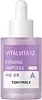
This anti-aging ampoule is formulated around Niacinamide and Adenosine to soften the look of wrinkles and strengthen the skin barrier.
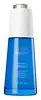
This anti-aging ampoule is formulated around Niacinamide to soften the look of wrinkles and strengthen the skin barrier.

What's inside
What's inside
 Key Ingredients
Benefits
Concerns
Ingredients Side-by-side
Water
Skin ConditioningButylene Glycol
Humectant

Glycerin
Humectant
Niacinamide
Smoothing









Dimethicone
Emollient
Caprylic/Capric Triglyceride
Masking
Bis-PEG-15 Methyl Ether Dimethicone
Emulsifying
Cyclopentasiloxane
Emollient
PEG/PPG-17/6 Copolymer
SolventHydroxyacetophenone
Antioxidant
Polysorbate 20
Emulsifying

PPG-1-PEG-9 Lauryl Glycol Ether
EmulsifyingCoceth-7
EmulsifyingHydrogenated Poly(C6-14 Olefin)
EmollientEclipta Prostrata Extract
Skin Conditioning
PEG-20 Glyceryl Isostearate
Surfactant
Acrylates/C10-30 Alkyl Acrylate Crosspolymer
Emulsion StabilisingPentylene Glycol
Skin Conditioning
Panthenol
Skin Conditioning
Xanthan Gum
EmulsifyingBetaine
Humectant
Tromethamine
BufferingCentella Asiatica Extract
Cleansing
Polyglyceryl-2 Stearate
Emulsifying
PEG-40 Hydrogenated Castor Oil
Emulsifying
Ethylhexylglycerin
Skin ConditioningHydrogenated Lecithin
Emulsifying
1,2-Hexanediol
Skin Conditioning
PEG-8 Stearate
Emulsifying

Olea Europaea Fruit Oil
Masking
Melia Azadirachta Leaf Extract
Skin ConditioningAdenosine
Skin Conditioning
Portulaca Oleracea Extract
Skin Conditioning
Polyglyceryl-10 Laurate
Skin Conditioning
Disodium EDTA
ChelatingChamomilla Recutita Flower Extract
Masking
Vitex Agnus Castus Extract
AstringentTocopheryl Acetate
Antioxidant
Squalane
Emollient
Diglycerin
Humectant
Dimethicone/Vinyl Dimethicone Crosspolymer
Skin Conditioning
Lecithin
Emollient
Melia Azadirachta Flower Extract
Skin ConditioningPolycaprolactone
StabilisingRetinol
Skin Conditioning

Neopentyl Glycol Diheptanoate
EmollientCetyl Ethylhexanoate
EmollientCitrus Aurantium Bergamia Fruit Oil
Masking
Cymbopogon Martini Oil
Masking
Coccinia Indica Fruit Extract
Skin Conditioning
Arctium Lappa Root Extract
Skin Conditioning
Phellinus Linteus Extract
Skin ConditioningMoringa Oleifera Seed Oil
Emollient
Ceramide NP
Skin Conditioning
Hydrogenated Phosphatidylcholine
Emulsifying
Sodium Magnesium Silicate
Pelargonium Graveolens Flower Oil
Masking
BHT
Antioxidant
Aloe Barbadensis Flower Extract
EmollientSolanum Melongena Fruit Extract
Skin ConditioningPhaseolus Radiatus Seed Extract
Skin ConditioningPolyglyceryl-10 Myristate
Skin Conditioning
Eucalyptus Globulus Leaf Oil
Perfuming
Cetearyl Alcohol
Emollient

Stearic Acid
Cleansing
Simmondsia Chinensis Seed Oil
Emollient
Citrus Aurantium Dulcis Peel Oil
Masking
Michelia Alba Flower Oil
Masking
Oenothera Biennis Oil
Emollient
Carthamus Tinctorius Seed Oil
Masking
Avena Sativa Meal Extract
SoothingCorallina Officinalis Extract
Skin Conditioning
Curcuma Longa Root Extract
Antioxidant
Ocimum Sanctum Leaf Extract
Skin ConditioningOctyldodecanol
Emollient
PEG-35 Castor Oil
Emulsifying
Calcium Pantothenate
Maltodextrin
Absorbent
Sodium Starch Octenylsuccinate
AbsorbentAesculus Hippocastanum Seed Extract
Skin ConditioningCrithmum Maritimum Callus Culture Filtrate
Skin ProtectingPolyquaternium-51
Skin Conditioning
Alcohol
Antimicrobial

Sodium Ascorbyl Phosphate
Antioxidant
Acetyl Hexapeptide-8
Humectant
Pyridoxine Hcl
Skin ConditioningPvp
Emulsion StabilisingTocopherol
Antioxidant
Sodium Acetate
BufferingLysine
Skin ConditioningInositol
Humectant
Retinyl Palmitate
Skin Conditioning
Linoleic Acid
Cleansing
Silica
Abrasive
Oligopeptide-1
Skin Conditioning
Fullerenes
AntimicrobialBiotin
AntiseborrhoeicGlyceryl Arachidonate
Emollient
Glyceryl Linolenate
Emollient
Folic Acid
Skin ConditioningThiamine Hcl
MaskingPyridoxine
Skin ConditioningCyanocobalamin
Skin ConditioningWater, Butylene Glycol, Glycerin, Niacinamide, Dimethicone, Caprylic/Capric Triglyceride, Bis-PEG-15 Methyl Ether Dimethicone, Cyclopentasiloxane, PEG/PPG-17/6 Copolymer, Hydroxyacetophenone, Polysorbate 20, PPG-1-PEG-9 Lauryl Glycol Ether, Coceth-7, Hydrogenated Poly(C6-14 Olefin), Eclipta Prostrata Extract, PEG-20 Glyceryl Isostearate, Acrylates/C10-30 Alkyl Acrylate Crosspolymer, Pentylene Glycol, Panthenol, Xanthan Gum, Betaine, Tromethamine, Centella Asiatica Extract, Polyglyceryl-2 Stearate, PEG-40 Hydrogenated Castor Oil, Ethylhexylglycerin, Hydrogenated Lecithin, 1,2-Hexanediol, PEG-8 Stearate, Olea Europaea Fruit Oil, Melia Azadirachta Leaf Extract, Adenosine, Portulaca Oleracea Extract, Polyglyceryl-10 Laurate, Disodium EDTA, Chamomilla Recutita Flower Extract, Vitex Agnus Castus Extract, Tocopheryl Acetate, Squalane, Diglycerin, Dimethicone/Vinyl Dimethicone Crosspolymer, Lecithin, Melia Azadirachta Flower Extract, Polycaprolactone, Retinol, Neopentyl Glycol Diheptanoate, Cetyl Ethylhexanoate, Citrus Aurantium Bergamia Fruit Oil, Cymbopogon Martini Oil, Coccinia Indica Fruit Extract, Arctium Lappa Root Extract, Phellinus Linteus Extract, Moringa Oleifera Seed Oil, Ceramide NP, Hydrogenated Phosphatidylcholine, Sodium Magnesium Silicate, Pelargonium Graveolens Flower Oil, BHT, Aloe Barbadensis Flower Extract, Solanum Melongena Fruit Extract, Phaseolus Radiatus Seed Extract, Polyglyceryl-10 Myristate, Eucalyptus Globulus Leaf Oil, Cetearyl Alcohol, Stearic Acid, Simmondsia Chinensis Seed Oil, Citrus Aurantium Dulcis Peel Oil, Michelia Alba Flower Oil, Oenothera Biennis Oil, Carthamus Tinctorius Seed Oil, Avena Sativa Meal Extract, Corallina Officinalis Extract, Curcuma Longa Root Extract, Ocimum Sanctum Leaf Extract, Octyldodecanol, PEG-35 Castor Oil, Calcium Pantothenate, Maltodextrin, Sodium Starch Octenylsuccinate, Aesculus Hippocastanum Seed Extract, Crithmum Maritimum Callus Culture Filtrate, Polyquaternium-51, Alcohol, Sodium Ascorbyl Phosphate, Acetyl Hexapeptide-8, Pyridoxine Hcl, Pvp, Tocopherol, Sodium Acetate, Lysine, Inositol, Retinyl Palmitate, Linoleic Acid, Silica, Oligopeptide-1, Fullerenes, Biotin, Glyceryl Arachidonate, Glyceryl Linolenate, Folic Acid, Thiamine Hcl, Pyridoxine, Cyanocobalamin
Camellia Sinensis Leaf Water
Masking
Leucojum Aestivum Bulb Extract
Skin ProtectingGlycerin
Humectant
Methylpropanediol
SolventNiacinamide
Smoothing
Polyglycerin-3
Humectant
1,2-Hexanediol
Skin Conditioning
Dioscorea Japonica Root Extract
Skin Conditioning
Oligopeptide-1
Skin Conditioning
Pichia Ferment Lysate Filtrate
HumectantHydrolyzed Lupine Protein
Skin ConditioningLactic Acid/Glycolic Acid Copolymer
Skin ConditioningPolyvinyl Alcohol
Lysine
Skin ConditioningPalmitic Acid
Emollient
Alanine
Masking
Serine
Masking
Threonine
Arginine
Masking
Glutamine
Skin ConditioningGlycine
Buffering
Histidine
Humectant
Proline
Skin Conditioning
Camellia Sinensis Leaf Extract
Antimicrobial
Centella Asiatica Extract
Cleansing
Portulaca Oleracea Extract
Skin Conditioning
Diospyros Kaki Leaf Extract
Skin Protecting
Rosmarinus Officinalis Leaf Extract
AntimicrobialChamomilla Recutita Flower Extract
Masking
Cordyceps Sinensis Extract
Antioxidant
Phellinus Linteus Extract
Skin ConditioningAvena Sativa Kernel Extract
Abrasive
Pteris Multifida Extract
Antioxidant
Cynara Scolymus Leaf Extract
Skin ConditioningBellis Perennis Flower Extract
Skin ConditioningHydrogenated Lecithin
Emulsifying
Argania Spinosa Kernel Oil
Emollient
Sodium Hyaluronate
Humectant
Butylene Glycol
Humectant
Dimethicone
Emollient
Bisabolol
Antioxidant
Dihydrocholesteryl Butyrate
EmollientDihydrocholesteryl Oleate
EmollientCholesteryl Nonanoate
EmollientCholesteryl Butyrate
Skin ConditioningAcrylates/C10-30 Alkyl Acrylate Crosspolymer
Emulsion StabilisingPolyquaternium-51
Skin Conditioning
Tromethamine
BufferingAmmonium Acryloyldimethyltaurate/Vp Copolymer
Xanthan Gum
EmulsifyingCarnosine
Skin Conditioning
Polyglyceryl-10 Laurate
Skin Conditioning
Glycosyl Trehalose
Emulsion StabilisingSqualane
Emollient
Hydrogenated Polyisobutene
EmollientRaffinose
Skin ConditioningHydrogenated Starch Hydrolysate
HumectantBiosaccharide Gum-1
Humectant
Adenosine
Skin Conditioning
Isononyl Isononanoate
EmollientPolyglyceryl-10 Stearate
Skin Conditioning
Tocopheryl Linoleate
Antioxidant
Neopentyl Glycol Diheptanoate
EmollientDisodium EDTA
ChelatingBeta-Glucan
Skin Conditioning
Carbomer
Emulsion StabilisingCetearyl Alcohol
Emollient
Lecithin
Emollient
Butyrospermum Parkii Butter
Skin Conditioning
Sucrose Distearate
Emollient
Stearic Acid
Cleansing
Polyglyceryl-2 Dipolyhydroxystearate
Skin Conditioning
Acacia Senegal Gum
MaskingTriethylhexanoin
MaskingCeramide NP
Skin Conditioning
Gelatin
Panthenol
Skin Conditioning
Propanediol
Solvent
Cholesterol
Emollient
Hydrogenated Polydecene
EmollientInulin Lauryl Carbamate
Emulsion StabilisingPhospholipids
Skin Conditioning
Hydrogenated Phosphatidylcholine
Emulsifying
Isostearyl Isostearate
Emollient
Folic Acid
Skin ConditioningCeramide Ng
Skin Conditioning
Disodium Stearoyl Glutamate
CleansingPalmitoyl Pentapeptide-4
Skin Conditioning
Glyceryl Oleate
Emollient
Potassium Cetyl Phosphate
EmulsifyingSodium Chloride
MaskingTocopherol
Antioxidant
Dipotassium Phosphate
BufferingPotassium Phosphate
BufferingPhytosteryl Oleate
Skin ConditioningPhytosphingosine
Skin Conditioning
Parfum
Masking
Ethylhexylglycerin
Skin ConditioningPentylene Glycol
Skin Conditioning
Camellia Sinensis Leaf Water, Leucojum Aestivum Bulb Extract, Glycerin, Methylpropanediol, Niacinamide, Polyglycerin-3, 1,2-Hexanediol, Dioscorea Japonica Root Extract, Oligopeptide-1, Pichia Ferment Lysate Filtrate, Hydrolyzed Lupine Protein, Lactic Acid/Glycolic Acid Copolymer, Polyvinyl Alcohol, Lysine, Palmitic Acid, Alanine, Serine, Threonine, Arginine, Glutamine, Glycine, Histidine, Proline, Camellia Sinensis Leaf Extract, Centella Asiatica Extract, Portulaca Oleracea Extract, Diospyros Kaki Leaf Extract, Rosmarinus Officinalis Leaf Extract, Chamomilla Recutita Flower Extract, Cordyceps Sinensis Extract, Phellinus Linteus Extract, Avena Sativa Kernel Extract, Pteris Multifida Extract, Cynara Scolymus Leaf Extract, Bellis Perennis Flower Extract, Hydrogenated Lecithin, Argania Spinosa Kernel Oil, Sodium Hyaluronate, Butylene Glycol, Dimethicone, Bisabolol, Dihydrocholesteryl Butyrate, Dihydrocholesteryl Oleate, Cholesteryl Nonanoate, Cholesteryl Butyrate, Acrylates/C10-30 Alkyl Acrylate Crosspolymer, Polyquaternium-51, Tromethamine, Ammonium Acryloyldimethyltaurate/Vp Copolymer, Xanthan Gum, Carnosine, Polyglyceryl-10 Laurate, Glycosyl Trehalose, Squalane, Hydrogenated Polyisobutene, Raffinose, Hydrogenated Starch Hydrolysate, Biosaccharide Gum-1, Adenosine, Isononyl Isononanoate, Polyglyceryl-10 Stearate, Tocopheryl Linoleate, Neopentyl Glycol Diheptanoate, Disodium EDTA, Beta-Glucan, Carbomer, Cetearyl Alcohol, Lecithin, Butyrospermum Parkii Butter, Sucrose Distearate, Stearic Acid, Polyglyceryl-2 Dipolyhydroxystearate, Acacia Senegal Gum, Triethylhexanoin, Ceramide NP, Gelatin, Panthenol, Propanediol, Cholesterol, Hydrogenated Polydecene, Inulin Lauryl Carbamate, Phospholipids, Hydrogenated Phosphatidylcholine, Isostearyl Isostearate, Folic Acid, Ceramide Ng, Disodium Stearoyl Glutamate, Palmitoyl Pentapeptide-4, Glyceryl Oleate, Potassium Cetyl Phosphate, Sodium Chloride, Tocopherol, Dipotassium Phosphate, Potassium Phosphate, Phytosteryl Oleate, Phytosphingosine, Parfum, Ethylhexylglycerin, Pentylene Glycol
Ingredients Explained
These ingredients are found in both products.
Ingredients higher up in an ingredient list are typically present in a larger amount.
1,2-Hexanediol is a synthetic liquid and another multi-functional powerhouse.
It is a:
- Humectant, drawing moisture into the skin
- Emollient, helping to soften skin
- Solvent, dispersing and stabilizing formulas
- Preservative booster, enhancing the antimicrobial activity of other preservatives
Acrylates/C10-30 Alkyl Acrylate Crosspolymer is a synthetic polymer. It is used to thicken, emulsify, and improve the texture of products.
As an emulsifier, it helps stabilize oil-in-water emulsions to give products an elegant feel when applied.
It can also form a thin protective film on skin. One study found that a formula using this polymer helped slow down how quickly other ingredients (like DEET) were absorbed through skin.
A 2024 study of over 1,300 patients confirmed that sensitization to this ingredient is rare. It is also non-mutagenic and has a clean track record.
Learn more about Acrylates/C10-30 Alkyl Acrylate CrosspolymerAdenosine is a purine nucleoside that your body already makes in every cell. In skincare, it acts mainly as a skin conditioning and anti-aging agent.
The way it works is fairly well mapped out:
Your skin has cells called fibroblasts that build collagen (the stuff that keeps skin firm and smooth). Adenosine basically flips a switch on these cells that tells them to get to work making more collagen and other proteins. These cells slow down on their own as skin ages, so Adenosine helps give them a little nudge to keep going.
The clinical backing is pretty solid too.
A blind, randomized, placebo-controlled trial of 126 women aged 45-65 tested a 0.1% cream twice daily and found real improvements in crow's feet and frown lines using a precise 3D skin-mapping technique; these changes showed up by week 3 and held at 2 months.
A later study using Adenosine-loaded dissolving microneedle patches reported gains in wrinkle depth, dermal density, elasticity, and hydration.
On concentrations, South Korea's Ministry of Food and Drug Safety has set 0.04% as the approved functional anti-wrinkle level. You'll typically see this ingredient used somewhere in the 0.04-0.1% range since it works at low doses.
This ingredient has been found safe for cosmetics with the data showing no irritation or sensitization.
Overall, this is a great ingredient for any anti-aging routine and has no photosensitizing effect, so it suits both AM and PM use.
Learn more about AdenosineButylene Glycol (or BG) is used within cosmetic products for a few different reasons:
Overall, Butylene Glycol is a safe and well-rounded ingredient that works well with other ingredients.
Though this ingredient works well with most skin types, some people with sensitive skin may experience a reaction such as allergic rashes, closed comedones, or itchiness.
Learn more about Butylene GlycolCentella Asiatica Extract (Centella) is one of the most researched botanical extracts in skincare with decades of studies backing its effects on inflammation, collagen, and the skin barrier.
That research keeps pointing back to the same four triterpenoid saponins: Asiaticoside, Madecassoside, Asiatic Acid, and Madecassic Acid.
These compounds allow centella to dial back inflammation, encourage the skin to build and hold onto collagen, support the barrier and hydration, and bring solid antioxidant activity to protect against signs of aging.
Centella also carries a nice supporting cast of Vitamin A, vitamin C, several B vitamins, and amino acids. Put it all together and you get an ingredient that soothes, hydrates, and protects, all at once.
Most of centella's magic comes from the four big compounds (Asiaticoside, Madecassoside, Asiatic Acid, and Madecassic Acid). These are the actives doing the heavy lifting in almost every centella study.
Here is the short version of what they do in the skin:
So it is not just soothing for the sake of soothing. Centella calms the skin AND helps it rebuild.
Just FYI, not all centella on an ingredient list is the same. What you are getting actually depends on the extract:
Fun fact on the ratios: the leaves tend to be richest in Madecassoside and Asiaticoside, and lower in the two acids. The exact amounts shift with where the plant is grown and how it is processed. This means purity really does vary brand to brand.
Centella is one of the most easygoing actives out there.
It layers well with basically everything: niacinamide, hyaluronic acid, peptides, and vitamin C, and also pairs nicely with stronger actives like retinoids and exfoliating acids where it can help take the edge off irritation.
On the safety side, centella and its triterpenes are classified as weak sensitizers, meaning allergic reactions are possible but uncommon.
Patch tests at 1% and 5% came back negative in test panels, and creams at typical use levels did not cause allergic reactions across large groups of people.
But as with any new active, a patch test is still a smart move for very reactive skin.
Centella is widely used because it is effective at low percentages. For context, human safety testing found no meaningful irritation from creams containing centella extract at everyday use levels (the tested amounts were well under 1%).
The irritancy threshold in animal testing was also above 30% (so real-world formulas sit far below anything concerning).
In collagen lab studies, higher concentrations drove more collagen synthesis, so serums built around centella tend to feature it more prominently.
Bottom line: you will find centella working nicely anywhere from a fraction of a percent up to hero-ingredient levels depending on whether it is a supporting soother or the main event.
Fun fact: Centella has been used as a medicine and in food for many centuries. As a medicine, it is used to treat burns, scratches, and wounds.
Learn more about Centella Asiatica ExtractCeramide NP (formerly known as Ceramide 3) is one of the skin's naturally occurring lipids.
Since ceramides are the major lipid components of the skin, they are crucial for maintaining skin barrier and hydration. Ceramide NP most closely mirrors the dominant kind in human skin amongst ceramide subtypes.
This ceramide works by slotting into gaps within the stratum corneum's lipid matrix to limit trans-epidermal water loss (TEWL) and shield the skin against external irritants.
A study with 312 patients found that using a ceramide-containing routine for 4 weeks reduced the severity of atopic dermatitis by over 61%.
Another clinical study in subjects aged 60 and older found that a ceramide body wash and moisturizer improved skin dryness and itchy skin in 15 days.
Overall, ceramides are considered non-irritating and safety tests have found little to no observable adverse effects from using this ingredient.
Ceramide NP is usually sourced from plants (like soybean or rice bran), or produced synthetically.
Learn more about Ceramide NPCetearyl alcohol is a waxy mixture of two fatty alcohols: cetyl alcohol and stearyl alcohol. It is an emollient and emulsifier.
Despite having "alcohol" in its name, it has nothing to do with drying solvent alcohols; the FDA also allows "alcohol-free" products to contain fatty alcohols like this ingredient.
It plays several roles in a formula:
Typical use levels for this ingredient sit around 1-10% and the Cosmetic Ingredient Review Expert Panel has affirmed safety at concentrations up to 25% in leave-on products.
Multiple assessments have found it to be non-irritating and non-sensitizing to most people.
However, there have been some cases of allergic contact dermatitis in patients with chronically compromised skin barriers.
Cetearyl alcohol has a comedogenic rating of 2 and irritancy rating of 1. Both of these numbers come from the 1989 study that used rabbit ears; a "2" means mildly comedogenic and a "1" means low irritancy.
Here's the catch: rabbit skin is more sensitive than human skin and throws a lot of false positives. A 1996 reappraisal found that ingredients rated 1-2 in the rabbit ear tests are generally safe for humans.
Remember comedogenic ratings are unable to assess the entire formula of a product or how it will react on your skin. Just be sure to patch test if you are unsure about certain ingredients.
This ingredient is not fungal acne safe. Cetearyl alcohol is a fatty alcohol with chain lengths that fall within the range that Malassezia can metabolize.
A 2019 study has also observed Malassezia growth in the presence of this ingredient, confirming it to be not-fungal acne safe.
Learn more about Cetearyl AlcoholChamomilla Recutita Flower Extract comes from the Chamomile flower.
Chamomile is rich in antioxidants and has anti-inflammatory properties. Several compounds found in chamomile help with soothing, such as bisbolol.
Antioxidant components in chamomile make it an effective ingredient to help slow the signs of aging. Antioxidants help fight free-radical molecules, or molecules that may damage your skin.
Essential oils from chamomile have been found to improve wound healing due to its antimicrobial properties.
Ancient Greeks and Egyptians used Chamomile to treat skin redness and dryness. Chamomile has also been used to help treat stomach issues.
Learn more about Chamomilla Recutita Flower ExtractDimethicone is a type of synthetic silicone created from natural materials such as quartz. It is also known as polydimethylsiloxane.
What it does:
Dimethicone comes in different viscosities:
Depending on the viscosity, dimethicone has different properties.
Ingredients lists don't always show which type is used, so we recommend reaching out to the brand if you have questions about the viscosity.
This ingredient is unlikely to cause irritation because it does not get absorbed into skin. However, people with silicone allergies should be careful about using this ingredient.
Note: Dimethicone may contribute to pilling. This is because it is not oil or water soluble, so pilling may occur when layered with products. When mixed with heavy oils in a formula, the outcome is also quite greasy.
Learn more about DimethiconeDisodium EDTA is a chelating agent. It grabs onto and deactivates metal ions that sneak into your products from water, packaging, or air.
This ingredient mainly works behind the scenes and helps with:
On top of that, this ingredient can counteract the effects of hard water by binding to the minerals in it.
One thing worth knowing is that Disodium EDTA has been shown to be a mild penetration enhancer. It can help other ingredients absorb into skin more effectively which can be a double-edged sword (great for actives, but can also make the active too strong if you have sensitive skin).
Clinical patch testing showed no significant skin irritation at typical use concentrations and minimal dermal absorption.
You'll most likely see this ingredient near the end of an ingredient list. It's typically found in concentrations less than 1%.
Learn more about Disodium EDTAEthylhexylglycerin is created from glycerin. It is a multitasker ingredient that:
The CIR Expert Panel found minimal skin absorption or sensitization of any kind in a safety assessment. Though this ingredient is considered well-tolerated, a small number of cases of allergic dermatitis have been published since 2002. Just be sure to patch test if you are unsure.
Industry-reported use ranges from 8% in rinse-off products and 2% in leave-on formulations.
Learn more about EthylhexylglycerinFolic acid is a form of Vitamin B9. Our bodies use folic acid for creating new cells and for DNA repair.
Folic acid is an antioxidant, making it an effective skin repair ingredient.
In vivo studies show folic acid to decrease UV-C induced DNA damage on human fibroblasts. This is because folic acid is effective at rejoining breaks in the fibroblast DNA. It is believed folic acid may play a role in reducing UV-B damage as well. While the mechanisms are unknown, it is believed folic acid plays a role in disrupting the DNA damage process.
Studies show using moisturizers rich in folic acid led to increased hydration of the skin. Hydrated skin is essential for collagen and elastin, or for keeping skin plump. One study found a reduction in wrinkles from using folic acid creams.
Foods rich in folic acid include leafy vegetables, beans, peanuts, fresh fruit, and eggs.
Learn more about Folic AcidGlycerin (or glycerol) is a compound naturally found in your skin. It's a powerhouse humectant that pulls water into the stratum corneum.
Topically, glycerin does several things at once:
Your skin makes glycerin on its own (mostly from sebaceous oil breakdown) and shuttles it to your outermost layer of skin, or your epidermis, via aquaporin-3.
Aquaporin-3 is a transporter that is essential for normal skin hydration, elasticity, and repair. Interestingly, mice lacking in AQP3 have dry and less elastic skin that can be fully corrected with glycerin.
This ingredient is non-irritating, plays well with almost every ingredient, and works across all skin types. Typical use is anywhere between 3-10% but can go up to 79% in some leave-on products.
Just know very high concentrations (>40%) can feel tacky in low humidity.
Glycerin is the name for this ingredient in American English. British English uses Glycerol/Glycerine.
Learn more about GlycerinHydrogenated Lecithin is a more stable version of lecithin.
It's made by taking lecithin (a phospholipid commonly found in soybeans and egg yolks) and hydrogenating it. This just means the unsaturated fatty acids are turned into saturated ones so they don't go bad as easily.
This ingredient is an emollient, emulsifier, and penetration enhancer. As an emollient, it helps soften and hydrate skin by trapping moisture within. As an emulsifier, it prevents oil and water ingredients from separating.
Hydrogenated Lecithin can form tiny spherical structures made of phospholipid bilayers called liposomes. These liposomes are able to capture compounds inside their structure and deliver them through the skin barrier.
Because phospholipids are a natural component of our cell membranes, this ingredient is inherently compatible with skin.
A 2021 study found lecithin-based surfactants were less harsh and more tolerable comared to Sodium Lauryl Sulfate (SLS).
Learn more about Hydrogenated LecithinWe don't have a description for Hydrogenated Phosphatidylcholine yet.
Lecithin is a term for a group of substances found in the cell membranes of plants, animals, and humans. They are made up of phospholipids.
Thanks to its amphiphilic structure (water-loving head and oil-loving tail), it is a true multitasker:
It plays well with most ingredients and is typically used at 0.1-1%. However, concentrations up to 50% have been reported in moisturizers.
Learn more about LecithinLysine is an essential amino acid (your body cannot make it on its own). It has skin conditioning properties and one of the key players in collagen synthesis.
When your body creates collagen, lysine is basically the glue that holds everything together. It helps collagen fibers lock into each other and stay strong, with vitamin C being its trusty sidekick. Without enough lysine, this glue gets flimsy and less firm, resulting in less bouncy skin.
In skincare, lysine is mostly there to help keep your skin moisturized. It carries water through your skin's layers so everything stays plump.
So will putting lysine on your face create bouncier skin?
It's hard to say; most of the exciting collagen research on lysine comes from oral supplements or lab studies on mice. Further research is needed to truly understand what role topical lysine plays in skincare and your skin.
However, there's no harm in adding lysine to your routine as a supportive and hydrating ingredient.
Learn more about LysineNeopentyl Glycol Diheptanoate is a lightweight synthetic emollient that also helps improve how a product feels and spreads.
In a formula, it's a workhorse that:
The Cosmetic Ingredient Review panel has concluded this ingredient to be safe in cosmetics and found to be a non-ocular (eye) irritant at 100% in rabbits.
Usage levels vary depending on product type; industry surveys report it around 2.2% in baby products, 19.5% in hair sprays, and 1-20% in skincare.
Learn more about Neopentyl Glycol DiheptanoateNiacinamide is a multitasking form of vitamin B3 that strengthens the skin barrier, reduces pores and dark spots, regulates oil, and improves signs of aging.
And the best part? It's gentle and well-tolerated by most skin types, including sensitive and reactive skin.
You might have heard of "niacin flush", or the reddening of skin that causes itchiness. Niacinamide has not been found to cause this.
In very rare cases, some individuals may not be able to tolerate niacinamide at all or experience an allergic reaction to it.
If you are experiencing flaking, irritation, and dryness with this ingredient, be sure to double check all your products as this ingredient can be found in all categories of skincare.
When incorporating niacinamide into your routine, look out for concentration amounts. Typically, 5% niacinamide provides benefits such as fading dark spots. However, if you have sensitive skin, it is better to begin with a smaller concentration.
When you apply niacinamide to your skin, your body converts it into nicotinamide adenine dinucleotide (NAD). NAD is an essential coenzyme that is already found in your cells as "fuel" and powers countless biological processes.
In your skin, NAD helps repair cell damage, produce new healthy cells, support collagen production, strengthen the skin barrier, and fight environmental stressors (like UV and pollution).
Our natural NAD levels start to decline with age, leading to slower skin repair, visible aging, and a weaker skin barrier. By providing your skin niacinamide, you're recharging your skin's NAD levels. This leads to stronger, healthier, and younger looking skin.
Another name for vitamin B3 is nicotinamide. This vitamin is water-soluble and our bodies don't store it. We obtain Vitamin B3 from either food or skincare. Meat, fish, wheat, yeast, and leafy greens contain vitamin B3.
The type of niacinamide used in skincare is synthetically created.
Learn more about NiacinamideOligopeptide-1 is another name for Epidermal Growth Factor (EGF). In a formula, EGF works as a signaling ingredient.
EGF binds to receptors on your skin cells and tells keratinocytes/fibroblasts to divide, move, and rebuild the skin's support structure.
A 2012 open-label study on a barley-derived EGF serum reported statistically significant improvements in fine-lines, skin texture, pore size, and uneven skin tone, with changes showing up within the first month of 2x/daily use.
And a 2023 review found generally positive but modest results for growth factor products while pointing out that most trials are small, often industry-funded, and rarely test EGF on its own.
So, a fair summary of this ingredient would be "promising with real mechanistic backing, but not yet large-scale proof".
Concentration-wise, EGF is biologically active at very tiny amounts so finished products use it at low levels (think parts per million).
Raw material supplies usually sell a pre-diluted EGF solution and recommend adding roughly 1-5% of that solution to a formula.
Another practical catch: EGF is a fragile protein so it reacts badly to heat and the wrong pH. This just means it relies heavily on good packaging and a solid delivery system to stay active in a bottle.
Oligopeptide-1 and Sh-Oligopeptide-1. The "sh-" prefix just means "synthetic human" and it tells you that it's the lab grown version.
Learn more about Oligopeptide-1Panthenol is a common ingredient that helps hydrate and soothe the skin. It is found naturally in our skin and hair.
There are two forms of panthenol: D and L.
D-panthenol is also known as dexpanthenol. Most cosmetics use dexpanthenol or a mixture of D and L-panthenol.
Panthenol is famous due to its ability to go deeper into the skin's layers. Using this ingredient has numerous pros (and no cons):
Like hyaluronic acid, panthenol is a humectant. Humectants are able to bind and hold large amounts of water to keep skin hydrated.
This ingredient works well for wound healing. It works by increasing tissue in the wound and helps close open wounds.
Once oxidized, panthenol converts to pantothenic acid. Panthothenic acid is found in all living cells.
This ingredient is also referred to as pro-vitamin B5.
Learn more about PanthenolPentylene Glycol (1,2-pentanediol) is a multitasking little diol with three main roles in a formula:
Research on alkanediols (the family pentylene glycol belongs to) show they work by disrupting microbial cell membranes. This disruption helps the primary preservative system in a product work more effectively at lower doses.
On the safety side, the Cosmetic Ingredient Review Expert Panel has concluded this ingredient to be safe as used in current cosmetic practices + concentrations.
Typical use levels in a formula run about 1-5%.
Learn more about Pentylene GlycolWe don't have a description for Phellinus Linteus Extract yet.
Polyglyceryl-10 Laurate is a cleansing agent and emulsifier.
It rounds up dirt, oil, and grime, so they can be rinsed off easily as a cleanser.
On the emulsifier side, it keeps your formula smooth and well-mixed by playing peacekeeper for ingredients that don't naturally get along (like oil and water).
Because it has a C12 (lauric acid) fatty acid chain, this ingredient can potentially feed the Malassezia yeast that causes fungal acne. The Malassezia yeast prefers esters with C11-C24 fatty acids.
This ingredient is an ester of lauric acid and Polyglycerin-10.
Learn more about Polyglyceryl-10 LauratePolyquaternium-51 is a polymer salt. It helps hydrate the skin by creating a film on top. This film traps moisture in, keeping your skin soft and hydrated.
This extract comes from Purslane, a succulent. It has anti-inflammatory, antioxidant, and hydrating properties.
Purslane is very nutritious. It contains omega-3 fatty acids, NMFs, many vitamins, minerals, and antioxidants. The vitamins found in purslane include: Vitamin C, Vitamin A, and Vitamin E.
Fun fact: Purslane is a succulent with an extensive habitat. It is used in traditional Korean medicine to treat irritated skin.
Nowadays, purslane is becoming a superfood due to its highly nutritious content.
Learn more about Portulaca Oleracea ExtractSqualane is the hydrogenated and shelf-stable form of squalene (a lipid that naturally occurs in human sebum).
It is an emollient and skin conditioning agent that is able to integrate seamlessly into the skin's lipid barrier without clogging pores.
This is due to how structurally similar it is to what your skin already produces.
Though it is mostly an emollient that helps soften and hydrate skin, it also has some humectant and occlusive action. Humectants help the skin retain moisture while occlusives seal it in, making squalane a triple-threat moisturizer.
Research shows it has antioxidant capabilities that help protect against stressors like UV exposure, specifically UVA induced oxidative stress. This study also found that it supports collagen biosynthesis in human dermal fibroblasts.
No clinical study has reported significant adverse effects and irritation reactions are very rare from this ingredient (even at 100% concentration).
Overall, it's a fantastic ingredient for hydration and is suitable for all skin types.
This depends on the source. Squalane can be derived from both plants and animals. Most squalane used in skincare comes from plants.
Please note: the source of squalane is only known if disclosed by the brand. We recommend reaching out to the brand if you have any questions about their squalane.
Read more about squalene with an "e".
Though squalane is often called an oil, it’s technically not one. It is a hydrocarbon, meaning it is only made of carbon and hydrogen. True oils are triglycerides and made of fatty acids and glycerol.
The term “oil-free” isn’t regulated so companies can define it however they want. Some exclude all oils, while others just avoid mineral oil or comedogenic oils.
Squalane has a comedogenic rating of 1 from the original 1972 study that tested raw ingredients under occlusion on rabbit ears. This system is not standardized or peer-reviewed, and using the raw ingredients is very different from how diluted cosmetic formulations are used on human skin.
A comedogenic rating of 1 means it is "unlikely to clog pores" according to the original rating system.
The overall formula of a product matters more than the individual ingredients on whether or not it will cause clogged pores.
Learn more about SqualaneStearic Acid is a fatty acid that is already found in your skin. It's one of the free fatty acids that works alongside ceramides and cholesterols to maintain your barrier.
In cosmetics, it is a multitasker:
Safety-wise, the CIR Expert Panel has concluded it to be safe in cosmetics when formulated to be non-irritating and non-sensitizing.
Free stearic acid is a C18 fatty acid that the Malassezia yeast can substrate, so this ingredient may not be fungal acne safe.
This ingredient does have a comedogenic rating of 2-3, but this doesn't mean a formula with this ingredient will clog pores.
Human testing has proved that any finished product with this ingredient won't automatically make you break out; it really comes down to concentration, formula, and your skin.
Learn more about Stearic AcidTocopherol is a fat-soluble antioxidant known as Vitamin E.
You'll find this ingredient in the vast majority of skincare (for good reason). It works to neutralize free radicals, or unstable molecules generated by UV exposure, pollution, and other environmental stressors, before they can cause oxidative damage to your skin cells.
Topically applied tocopherol has been shown to protect against UV damage by ramping up the skin's own natural defense enzymes.
It also acts as a skin conditioning agent; some studies show that regular topical use can improve the skin's water-binding capacity over 2-4 weeks.
This ingredient is especially loved for being a team player. When combined with Vitamin C, the photoprotective effect of both ingredients roughly doubles and the combo also helps reduce UV-induced DNA damage.
This ingredient has some brightening potential but it's more of a prevention ingredient than spot-fader. Cell studies show it can slow down melanin production but it's worth noting that it's not the most powerful brightener out there.
In formulations, it also serves as a stabilizer that helps protect other oxidation-prone ingredients from degrading.
Concentrations usually range from 0.1-1% in most leave-on products.
Learn more about TocopherolTromethamine (aka THAM) is a synthetic amino acid that shows up in skincare as a helper ingredient.
It functions as a pH adjuster to help neutralize acidic ingredients and set a formula's pH to the right spot.
This matters a lot because a lot of actives (like vitamin C) needs a specific pH to work well and feel comfortable on skin.
Concentration use ranges from 0.1-1.0% depending on the formula.
Learn more about TromethamineXanthan gum is used as a stabilizer and thickener within cosmetic products. It helps give products a sticky, thick feeling - preventing them from being too runny.
On the technical side of things, xanthan gum is a polysaccharide - a combination consisting of multiple sugar molecules bonded together.
Xanthan gum is a pretty common and great ingredient. It is a natural, non-toxic, non-irritating ingredient that is also commonly used in food products.
Learn more about Xanthan Gum

