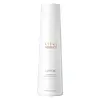
This barrier-repair moisturizer is formulated around Butyrospermum Parkii Butter to strengthen the skin barrier and hydrate skin.
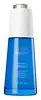
This anti-aging ampoule is formulated around Niacinamide to soften the look of wrinkles and strengthen the skin barrier.

What's inside
What's inside
 Key Ingredients
Benefits
Concerns
Ingredients Side-by-side
Camellia Sinensis Leaf Water
Masking
Narcissus Tazetta Bulb Extract
Astringent

Methylpropanediol
SolventGlycerin
Humectant


Butyrospermum Parkii Butter
Skin Conditioning




Ethylhexyl Stearate
Emollient
1,2-Hexanediol
Skin Conditioning
Cetearyl Alcohol
Emollient

Lavandula Angustifolia Flower/Leaf/Stem Extract
Masking
Rosmarinus Officinalis Extract
AntimicrobialAlthaea Officinalis Leaf/Root Extract
EmollientOcimum Basilicum Flower/Leaf Extract
TonicPyrus Malus Fruit Water
MaskingHouttuynia Cordata Extract
Skin Conditioning

Anthemis Nobilis Flower Extract
Masking
Foeniculum Vulgare Leaf Extract
HumectantDimethicone
Emollient
Stearic Acid
Cleansing
Pichia Ferment Lysate Filtrate
HumectantHydrolyzed Lupine Protein
Skin ConditioningLactic Acid/Glycolic Acid Copolymer
Skin ConditioningPolyvinyl Alcohol
Alanine
Masking
Glycine
Buffering
Palmitic Acid
Emollient
Isoleucine
Skin ConditioningArginine
Masking
Serine
Masking
Proline
Skin Conditioning
Tyrosine
MaskingGlutamine
Skin ConditioningLysine
Skin ConditioningValine
MaskingAspartic Acid
Masking
Camellia Sinensis Leaf Extract
Antimicrobial




Diospyros Kaki Leaf Extract
Skin Protecting
Phellinus Linteus Extract
Skin ConditioningPanax Ginseng Root Extract
Emollient
Algae Extract
Emollient
Cordyceps Sinensis Extract
Antioxidant
Eclipta Prostrata Leaf Extract
Skin ConditioningAvena Sativa Kernel Extract
Abrasive
Pteris Multifida Extract
Antioxidant
Cynara Scolymus Leaf Extract
Skin ConditioningPortulaca Oleracea Extract
Skin Conditioning
Pueraria Thunbergiana Root Extract
Skin ConditioningGlycyrrhiza Glabra Root Extract
Bleaching
Paeonia Lactiflora Root Extract
Skin ConditioningCnidium Officinale Root Extract
Skin ConditioningHydrogenated Lecithin
Emulsifying
Aloe Barbadensis Leaf Juice
Skin Conditioning
Argania Spinosa Kernel Oil
Emollient
Soluble Collagen
Humectant
Sodium Hyaluronate
Humectant
Glyceryl Stearate Se
Emulsifying
Sorbitan Stearate
Emulsifying
Polyglyceryl-2 Stearate
Emulsifying
Behenyl Alcohol
Emollient
Tromethamine
BufferingCarbomer
Emulsion StabilisingGlyceryl Stearate
Emollient
Stearyl Alcohol
Emollient
Sodium Stearoyl Glutamate
CleansingTocopheryl Acetate
Antioxidant
Dipropylene Glycol
HumectantRice Ferment Filtrate
Skin Conditioning
Squalane
Emollient
Polyquaternium-51
Skin Conditioning
Hydrogenated Polyisobutene
EmollientBeta-Glucan
Skin Conditioning
Cholesterol
Emollient
Cellulose Gum
Emulsion StabilisingIsononyl Isononanoate
EmollientPolyglyceryl-10 Stearate
Skin Conditioning
Polyglyceryl-2 Dipolyhydroxystearate
Skin Conditioning
Fructooligosaccharides
Humectant
Ceramide NP
Skin Conditioning
Butylene Glycol
Humectant
Propanediol
Solvent
Niacinamide
Smoothing


Hydrogenated Phosphatidylcholine
Emulsifying
Raffinose
Skin ConditioningIsostearyl Isostearate
Emollient
Panthenol
Skin Conditioning
Inulin Lauryl Carbamate
Emulsion StabilisingTriethylhexanoin
MaskingHydrolyzed Hyaluronic Acid
Humectant
Tocopheryl Linoleate
Antioxidant
Xanthan Gum
EmulsifyingHydrogenated Polydecene
EmollientPhospholipids
Skin Conditioning
Glyceryl Oleate
Emollient
Disodium Stearoyl Glutamate
CleansingFolic Acid
Skin ConditioningCeramide Ng
Skin Conditioning
Potassium Cetyl Phosphate
EmulsifyingLecithin
Emollient
Tocopherol
Antioxidant
Palmitoyl Pentapeptide-4
Skin Conditioning
Phytosphingosine
Skin Conditioning
Parfum
Masking
Ethylhexylglycerin
Skin ConditioningPentylene Glycol
Skin Conditioning
Camellia Sinensis Leaf Water, Narcissus Tazetta Bulb Extract, Methylpropanediol, Glycerin, Butyrospermum Parkii Butter, Ethylhexyl Stearate, 1,2-Hexanediol, Cetearyl Alcohol, Lavandula Angustifolia Flower/Leaf/Stem Extract, Rosmarinus Officinalis Extract, Althaea Officinalis Leaf/Root Extract, Ocimum Basilicum Flower/Leaf Extract, Pyrus Malus Fruit Water, Houttuynia Cordata Extract, Anthemis Nobilis Flower Extract, Foeniculum Vulgare Leaf Extract, Dimethicone, Stearic Acid, Pichia Ferment Lysate Filtrate, Hydrolyzed Lupine Protein, Lactic Acid/Glycolic Acid Copolymer, Polyvinyl Alcohol, Alanine, Glycine, Palmitic Acid, Isoleucine, Arginine, Serine, Proline, Tyrosine, Glutamine, Lysine, Valine, Aspartic Acid, Camellia Sinensis Leaf Extract, Diospyros Kaki Leaf Extract, Phellinus Linteus Extract, Panax Ginseng Root Extract, Algae Extract, Cordyceps Sinensis Extract, Eclipta Prostrata Leaf Extract, Avena Sativa Kernel Extract, Pteris Multifida Extract, Cynara Scolymus Leaf Extract, Portulaca Oleracea Extract, Pueraria Thunbergiana Root Extract, Glycyrrhiza Glabra Root Extract, Paeonia Lactiflora Root Extract, Cnidium Officinale Root Extract, Hydrogenated Lecithin, Aloe Barbadensis Leaf Juice, Argania Spinosa Kernel Oil, Soluble Collagen, Sodium Hyaluronate, Glyceryl Stearate Se, Sorbitan Stearate, Polyglyceryl-2 Stearate, Behenyl Alcohol, Tromethamine, Carbomer, Glyceryl Stearate, Stearyl Alcohol, Sodium Stearoyl Glutamate, Tocopheryl Acetate, Dipropylene Glycol, Rice Ferment Filtrate, Squalane, Polyquaternium-51, Hydrogenated Polyisobutene, Beta-Glucan, Cholesterol, Cellulose Gum, Isononyl Isononanoate, Polyglyceryl-10 Stearate, Polyglyceryl-2 Dipolyhydroxystearate, Fructooligosaccharides, Ceramide NP, Butylene Glycol, Propanediol, Niacinamide, Hydrogenated Phosphatidylcholine, Raffinose, Isostearyl Isostearate, Panthenol, Inulin Lauryl Carbamate, Triethylhexanoin, Hydrolyzed Hyaluronic Acid, Tocopheryl Linoleate, Xanthan Gum, Hydrogenated Polydecene, Phospholipids, Glyceryl Oleate, Disodium Stearoyl Glutamate, Folic Acid, Ceramide Ng, Potassium Cetyl Phosphate, Lecithin, Tocopherol, Palmitoyl Pentapeptide-4, Phytosphingosine, Parfum, Ethylhexylglycerin, Pentylene Glycol
Camellia Sinensis Leaf Water
Masking
Leucojum Aestivum Bulb Extract
Skin ProtectingGlycerin
Humectant
Methylpropanediol
SolventNiacinamide
Smoothing
Polyglycerin-3
Humectant
1,2-Hexanediol
Skin Conditioning
Dioscorea Japonica Root Extract
Skin Conditioning
Oligopeptide-1
Skin Conditioning
Pichia Ferment Lysate Filtrate
HumectantHydrolyzed Lupine Protein
Skin ConditioningLactic Acid/Glycolic Acid Copolymer
Skin ConditioningPolyvinyl Alcohol
Lysine
Skin ConditioningPalmitic Acid
Emollient
Alanine
Masking
Serine
Masking
Threonine
Arginine
Masking
Glutamine
Skin ConditioningGlycine
Buffering
Histidine
Humectant
Proline
Skin Conditioning
Camellia Sinensis Leaf Extract
Antimicrobial
Centella Asiatica Extract
Cleansing
Portulaca Oleracea Extract
Skin Conditioning
Diospyros Kaki Leaf Extract
Skin Protecting
Rosmarinus Officinalis Leaf Extract
AntimicrobialChamomilla Recutita Flower Extract
Masking
Cordyceps Sinensis Extract
Antioxidant
Phellinus Linteus Extract
Skin ConditioningAvena Sativa Kernel Extract
Abrasive
Pteris Multifida Extract
Antioxidant
Cynara Scolymus Leaf Extract
Skin ConditioningBellis Perennis Flower Extract
Skin ConditioningHydrogenated Lecithin
Emulsifying
Argania Spinosa Kernel Oil
Emollient
Sodium Hyaluronate
Humectant
Butylene Glycol
Humectant
Dimethicone
Emollient
Bisabolol
Antioxidant
Dihydrocholesteryl Butyrate
EmollientDihydrocholesteryl Oleate
EmollientCholesteryl Nonanoate
EmollientCholesteryl Butyrate
Skin ConditioningAcrylates/C10-30 Alkyl Acrylate Crosspolymer
Emulsion StabilisingPolyquaternium-51
Skin Conditioning
Tromethamine
BufferingAmmonium Acryloyldimethyltaurate/Vp Copolymer
Xanthan Gum
EmulsifyingCarnosine
Skin Conditioning
Polyglyceryl-10 Laurate
Skin Conditioning
Glycosyl Trehalose
Emulsion StabilisingSqualane
Emollient
Hydrogenated Polyisobutene
EmollientRaffinose
Skin ConditioningHydrogenated Starch Hydrolysate
HumectantBiosaccharide Gum-1
Humectant
Adenosine
Skin Conditioning
Isononyl Isononanoate
EmollientPolyglyceryl-10 Stearate
Skin Conditioning
Tocopheryl Linoleate
Antioxidant
Neopentyl Glycol Diheptanoate
EmollientDisodium EDTA
ChelatingBeta-Glucan
Skin Conditioning
Carbomer
Emulsion StabilisingCetearyl Alcohol
Emollient
Lecithin
Emollient
Butyrospermum Parkii Butter
Skin Conditioning
Sucrose Distearate
Emollient
Stearic Acid
Cleansing
Polyglyceryl-2 Dipolyhydroxystearate
Skin Conditioning
Acacia Senegal Gum
MaskingTriethylhexanoin
MaskingCeramide NP
Skin Conditioning
Gelatin
Panthenol
Skin Conditioning
Propanediol
Solvent
Cholesterol
Emollient
Hydrogenated Polydecene
EmollientInulin Lauryl Carbamate
Emulsion StabilisingPhospholipids
Skin Conditioning
Hydrogenated Phosphatidylcholine
Emulsifying
Isostearyl Isostearate
Emollient
Folic Acid
Skin ConditioningCeramide Ng
Skin Conditioning
Disodium Stearoyl Glutamate
CleansingPalmitoyl Pentapeptide-4
Skin Conditioning
Glyceryl Oleate
Emollient
Potassium Cetyl Phosphate
EmulsifyingSodium Chloride
MaskingTocopherol
Antioxidant
Dipotassium Phosphate
BufferingPotassium Phosphate
BufferingPhytosteryl Oleate
Skin ConditioningPhytosphingosine
Skin Conditioning
Parfum
Masking
Ethylhexylglycerin
Skin ConditioningPentylene Glycol
Skin Conditioning
Camellia Sinensis Leaf Water, Leucojum Aestivum Bulb Extract, Glycerin, Methylpropanediol, Niacinamide, Polyglycerin-3, 1,2-Hexanediol, Dioscorea Japonica Root Extract, Oligopeptide-1, Pichia Ferment Lysate Filtrate, Hydrolyzed Lupine Protein, Lactic Acid/Glycolic Acid Copolymer, Polyvinyl Alcohol, Lysine, Palmitic Acid, Alanine, Serine, Threonine, Arginine, Glutamine, Glycine, Histidine, Proline, Camellia Sinensis Leaf Extract, Centella Asiatica Extract, Portulaca Oleracea Extract, Diospyros Kaki Leaf Extract, Rosmarinus Officinalis Leaf Extract, Chamomilla Recutita Flower Extract, Cordyceps Sinensis Extract, Phellinus Linteus Extract, Avena Sativa Kernel Extract, Pteris Multifida Extract, Cynara Scolymus Leaf Extract, Bellis Perennis Flower Extract, Hydrogenated Lecithin, Argania Spinosa Kernel Oil, Sodium Hyaluronate, Butylene Glycol, Dimethicone, Bisabolol, Dihydrocholesteryl Butyrate, Dihydrocholesteryl Oleate, Cholesteryl Nonanoate, Cholesteryl Butyrate, Acrylates/C10-30 Alkyl Acrylate Crosspolymer, Polyquaternium-51, Tromethamine, Ammonium Acryloyldimethyltaurate/Vp Copolymer, Xanthan Gum, Carnosine, Polyglyceryl-10 Laurate, Glycosyl Trehalose, Squalane, Hydrogenated Polyisobutene, Raffinose, Hydrogenated Starch Hydrolysate, Biosaccharide Gum-1, Adenosine, Isononyl Isononanoate, Polyglyceryl-10 Stearate, Tocopheryl Linoleate, Neopentyl Glycol Diheptanoate, Disodium EDTA, Beta-Glucan, Carbomer, Cetearyl Alcohol, Lecithin, Butyrospermum Parkii Butter, Sucrose Distearate, Stearic Acid, Polyglyceryl-2 Dipolyhydroxystearate, Acacia Senegal Gum, Triethylhexanoin, Ceramide NP, Gelatin, Panthenol, Propanediol, Cholesterol, Hydrogenated Polydecene, Inulin Lauryl Carbamate, Phospholipids, Hydrogenated Phosphatidylcholine, Isostearyl Isostearate, Folic Acid, Ceramide Ng, Disodium Stearoyl Glutamate, Palmitoyl Pentapeptide-4, Glyceryl Oleate, Potassium Cetyl Phosphate, Sodium Chloride, Tocopherol, Dipotassium Phosphate, Potassium Phosphate, Phytosteryl Oleate, Phytosphingosine, Parfum, Ethylhexylglycerin, Pentylene Glycol
Ingredients Explained
These ingredients are found in both products.
Ingredients higher up in an ingredient list are typically present in a larger amount.
1,2-Hexanediol is a synthetic liquid and another multi-functional powerhouse.
It is a:
- Humectant, drawing moisture into the skin
- Emollient, helping to soften skin
- Solvent, dispersing and stabilizing formulas
- Preservative booster, enhancing the antimicrobial activity of other preservatives
Alanine is an amino acid and is already found in the human body. Our skin uses alanine to build collagen, elastin, and keratin.
You may know this ingredient as argan oil. It has emollient and skin conditioning properties that help soften skin and reinforce the lipid barrier.
The fatty acid profile of argan oil is roughly 45-55% oleic acid, 28-36% linoleic acid, 10-15% palmitic acid, and 5-7% stearic acid. It also contains vitamin E, sterols, squalene, and polyphenols like ferulic acid.
Two clinical studies in postmenopausal women found that applying argan oil for 60 days significantly improved skin elasticity and moisturization (reduced transepidermal water loss and increased epidermal water content).
Since it is high in oleic and linoleic acid, this ingredient may not be fungal acne safe. Both of these fall in the C11-C24 range that Malassezia yeast can metabolize.
Learn more about Argania Spinosa Kernel OilArginine is a semi-essential amino acid. This just means our bodies can product a bit on its own, but sometimes needs a little boost from food sources.
It is a part of your skin's natural moisturizing factor (NMF), or the water-loving molecules in your outermost layer of skin (stratum corneum) that keeps everything hydrated and happy.
Here's an interesting thing about Arginine: your skin converts it into urea through the Krebs-Henseleit urea cycle. Urea is one of the most effective humectants your skin naturally produces.
A clinical study showed applying 2.5% arginine hydrochloride to atopic dermatitis skin showed significant urea levels in the stratum corneum and improved moisture in just four weeks.
Arginine is also a precursor to nitric oxide; nitric oxide improves microcirculation and supports wound healing and collagen synthesis.
One study found that an amino acid complex containing Arginine reduced skin irritation, improved hydration, and accelerated skin repair in clinical / in-vivo studies.
Arginine itself is an amino acid and not a fatty acid, oil, or ester. On its own, it's not a direct food source for Malassezia, or the yeast that causes fungal acne.
Learn more about ArginineAvena Sativa Kernel Extract is is derived from colloidal oatmeal. Besides being a healthy breakfast, oats have many benefits in skincare too.
This ingredient helps sooth, hydrate, and protect the skin. The starches in colloidal oatmeal are able to bind water, keeping the skin hydrated.
The cellulose and fiber in colloidal oatmeal help reduce inflammation. This can also help the skin feel softer.
Colloidal Oatmeal is also an antioxidant. Antioxidants protect our skin from free-radical damage.
Oatmeal also contains beneficial compounds:
This ingredient is created by mixing grounded oatmeal and a liquid base.
Learn more about Avena Sativa Kernel ExtractBeta-Glucan is a soluble polysaccharide (a chain of glucose sugars) sourced from the cells walls of oats, baker's yeast, mushrooms, and seaweed.
It's a rare ingredient that pulls double-duty as a heavy-duty hydrator and skin-soothing repair agent.
On the surface, it acts as a humectant that holds water in place and reduces moisture loss for a plumper, smoother feel, while its anti-inflammatory and antioxidant properties make it a great pick for calming redness or sensitive skin
The more interesting story is underneath:
Despite its large molecular size, oat beta-glucan has been shown to penetrate the epidermis and reach the dermis by slipping between skin cells. Here, it interacts with fibroblasts and macrophages to nudge collagen synthesis and support wound repair.
A small 2005 split-face clinical study of 27 subjects found topical beta-glucan produced measurable reductions in wrinkle depth, height, and roughness after 8 weeks of use.
It is worth noting the trial was small and the penetration testing used frozen, irradiated skin so the anti-aging data is encouraging rather than definitive.
This ingredient gets along with pretty much everything and is typically used around 0.1-1%.
Fungal acne: This ingredient is not a food source for the Malassezia yeast because it is a glucose polysaccharide with no fatty acid or ester component.
Learn more about Beta-GlucanButylene Glycol (or BG) is used within cosmetic products for a few different reasons:
Overall, Butylene Glycol is a safe and well-rounded ingredient that works well with other ingredients.
Though this ingredient works well with most skin types, some people with sensitive skin may experience a reaction such as allergic rashes, closed comedones, or itchiness.
Learn more about Butylene GlycolThis ingredient is also known as shea butter. It is a plant-derived extract from the nuts of the Africa shea tree and one of the most well-studied emollients.
Because it has a high concentration of fatty acids (primarily oleic, stearic, and linoleic) it is able to form a protective barrier on the skin's surface. This helps seal in moisture and prevents transepidermal water loss (TEWL).
In vitro research found an increase in skin hydration by 58% and a decrease in TEWL by 37.8% after 24 hours of applying this ingredient (pretty impressive for a single ingredient!).
Besides hydration, shea butter also contains triterpenes that have anti-inflammatory potential. In particule, lupeol cinnamate has shown the highest anti-inflammatory activity in vivo.
Shea butter also contains vitamins A and E which may contribute to antioxidant activity.
While Shea Butter has an SPF rating of about 3-4, it is not a sunscreen replacement.
This ingredient may not be fungal acne safe because its fatty acids fall within the C11-C24 range that the Malassezia yeast can metabolize.
This ingredient shows up on a lot of "pore-clogging" lists but there's no real evidence behind that. It doesn't even have a comedogenic rating from an actual study; the numbers you'll find online come from blogs citing other blogs.
Ratings for other ingredients mostly come from a 1980s rabbit ear test. This test doesn't translate well to human skin or to real products because the ingredient sits at a much lower percentage.
Some people still find it breaks them out. So if that's you, definitely trust your skin. Just know this one's based on experience and not evidence.
Learn more about Butyrospermum Parkii ButterCamellia Sinensis Leaf Extract (tea extract) is one of the most well-researched plant extracts in skincare with an impressive resume.
Black tea, green tea, and oolong tea are all harvested from the Camellia Sinensis plant.
Studies show green tea extract and its catechins (like epigallocatechin gallate (EGCG)) help your skin cells product energy more efficiently and reducing the number of free-radicals that can damage your skin from the inside.
In lab-grown skin models, this translated to younger, healthier, and stronger skin.
There's also good sun protection data; researchers saw less DNA damage and redness on human skin when green tea was applied before UVB exposure. And the more they applied, the better the protection.
Needless to say, this ingredient shouldn't replace your sunscreen. But it is a great supportive ingredient that you can already find in many sunscreens and antioxidant serums.
A 2009 study found a 2% green tea lotion was effective for mild-to-moderate acne thanks to its anti-inflammatory and mild antimicrobial activity.
The quality of the extract matters a lot here:
Good extracts contain 50-90% catechins while lower quality ones are mostly there for marketing. We recommend reaching out to the brand if you have questions about the quality or source of their ingredients.
Human Repeated Insult Patch Testing showed no irritation or sensitization at use concentrations (0.86% in leave-on products and up to 30% as leaf water).
Learn more about Camellia Sinensis Leaf ExtractCamellia Sinensis Leaf Water is also known as green tea hydrosol. It is the water leftover from steeping or steam-distilling tea.
It's mostly in cosmetics to lend a light tea scent and gentle refreshing feel (tonic) rather than acting as an active.
Unlike the extract, this ingredient only carries trace amounts of catechins, amino acids, and caffeine that makes tea leaf extract famous.
Learn more about Camellia Sinensis Leaf WaterCarbomer is a synthetic thickening and gelling agent. It's basically the ingredient that gives a lot of serums, gels, creams, and sunscreens their smooth, non-sticky texture.
Although legally permitted at very high levels, carbomers are normally used at concentrations below 1%.
It also needs to be neutralized to actually thicken, and because it is a large molecule, it doesn't really penetrate the skin barrier.
Allergy-wise, the risk is very low. Clinical studies show carbomers have low potential for skin irritation/sensitization even at concentrations up to 100%.
A 2024 UK study patch-tested 1,302 patients and found true allergy to the parent group of carbomer to be rare with no confirmed relevant reactions.
Learn more about CarbomerCeramide NG is a type of Ceramide. The NG stands for a sphinganine base.
Ceramides are intercellular lipids naturally found in our skin that bonds dead skin cells together to create a barrier. They are known for their ability to hold water and thus are a great ingredient for dry skin.
Ceramides are an important building block for our skin barrier. A stronger barrier helps the skin look more firm and hydrated. By bolstering the skin ceramides act as a barrier against irritating ingredients. This can help with inflammation as well.
If you would like to eat ceramides, sweet potatoes contain a small amount.
Read more about other common types of ceramides here:
Ceramide AP
Ceramide EOP
Ceramide NP
Ceramide NP (formerly known as Ceramide 3) is one of the skin's naturally occurring lipids.
Since ceramides are the major lipid components of the skin, they are crucial for maintaining skin barrier and hydration. Ceramide NP most closely mirrors the dominant kind in human skin amongst ceramide subtypes.
This ceramide works by slotting into gaps within the stratum corneum's lipid matrix to limit trans-epidermal water loss (TEWL) and shield the skin against external irritants.
A study with 312 patients found that using a ceramide-containing routine for 4 weeks reduced the severity of atopic dermatitis by over 61%.
Another clinical study in subjects aged 60 and older found that a ceramide body wash and moisturizer improved skin dryness and itchy skin in 15 days.
Overall, ceramides are considered non-irritating and safety tests have found little to no observable adverse effects from using this ingredient.
Ceramide NP is usually sourced from plants (like soybean or rice bran), or produced synthetically.
Learn more about Ceramide NPCetearyl alcohol is a waxy mixture of two fatty alcohols: cetyl alcohol and stearyl alcohol. It is an emollient and emulsifier.
Despite having "alcohol" in its name, it has nothing to do with drying solvent alcohols; the FDA also allows "alcohol-free" products to contain fatty alcohols like this ingredient.
It plays several roles in a formula:
Typical use levels for this ingredient sit around 1-10% and the Cosmetic Ingredient Review Expert Panel has affirmed safety at concentrations up to 25% in leave-on products.
Multiple assessments have found it to be non-irritating and non-sensitizing to most people.
However, there have been some cases of allergic contact dermatitis in patients with chronically compromised skin barriers.
Cetearyl alcohol has a comedogenic rating of 2 and irritancy rating of 1. Both of these numbers come from the 1989 study that used rabbit ears; a "2" means mildly comedogenic and a "1" means low irritancy.
Here's the catch: rabbit skin is more sensitive than human skin and throws a lot of false positives. A 1996 reappraisal found that ingredients rated 1-2 in the rabbit ear tests are generally safe for humans.
Remember comedogenic ratings are unable to assess the entire formula of a product or how it will react on your skin. Just be sure to patch test if you are unsure about certain ingredients.
This ingredient is not fungal acne safe. Cetearyl alcohol is a fatty alcohol with chain lengths that fall within the range that Malassezia can metabolize.
A 2019 study has also observed Malassezia growth in the presence of this ingredient, confirming it to be not-fungal acne safe.
Learn more about Cetearyl AlcoholCholesterol is a lipid that is naturally found in human skin and is one of the three key components of your skin barrier. In skincare, it is an emollient and barrier-repairing ingredient.
It works by fitting directly into the lipid layers of skin to help restore structure and reduce transepidermal water loss (TEWL).
This is a great ingredient for dry, compromised, or aging skin; our skin starts to produce less cholesterol with age.
Research shows cholesterol works best in combination with ceramides and fatty acids, the other two major components in your skin barrier.
Cholesterol is also a well-establish penetration enhancer and can help other actives absorb more effectively.
Cosmetic-grade cholesterol is usually derived from lanolin but plant and synthetic options also exist. We recommend reaching out to the brand if you have questions about their source of cholesterol.
Learn more about CholesterolCordyceps Sinensis Extract comes from a fungus that lives on caterpillars and insect larvae. It can also be made synthetically.
Cordyceps Sinensis Extract is an antioxidant and may help with reducing the signs of aging.
This fungus is mainly found in the mountainous regions of the Himalayas. It has been used in traditional Tibetan, Nepalese, and Chinese medicine to help with fatigue.
Learn more about Cordyceps Sinensis ExtractThis ingredient is also known as artichoke leaf extract. Artichokes are a Mediterranean plant rich in antioxidants, vitamins, and minerals.
A 28-day manufacturer study with 22 women found:
Participants reported visible improvement and good tolerance.
Learn more about Cynara Scolymus Leaf ExtractDimethicone is a type of synthetic silicone created from natural materials such as quartz. It is also known as polydimethylsiloxane.
What it does:
Dimethicone comes in different viscosities:
Depending on the viscosity, dimethicone has different properties.
Ingredients lists don't always show which type is used, so we recommend reaching out to the brand if you have questions about the viscosity.
This ingredient is unlikely to cause irritation because it does not get absorbed into skin. However, people with silicone allergies should be careful about using this ingredient.
Note: Dimethicone may contribute to pilling. This is because it is not oil or water soluble, so pilling may occur when layered with products. When mixed with heavy oils in a formula, the outcome is also quite greasy.
Learn more about DimethiconeDiospyros Kaki Leaf Extract comes from the leaves of the Persimmon. It is native to China, India, and Korea. Persimmon leaves have anti-inflammatory and antioxidant properties.
The leaves of the persimmon tree contain triterpenoids, tannins, and ursolic acids. These components are help sooth the skin due to their antioxidant activity.
DSG is used as a surfactant.
Surfactants are cleansing ingredients that help remove oil, dirt, and other impurities from the skin. They work by reducing surface tension between water and oils/dirt to allow them to be easily rinsed away.
Ethylhexylglycerin is created from glycerin. It is a multitasker ingredient that:
The CIR Expert Panel found minimal skin absorption or sensitization of any kind in a safety assessment. Though this ingredient is considered well-tolerated, a small number of cases of allergic dermatitis have been published since 2002. Just be sure to patch test if you are unsure.
Industry-reported use ranges from 8% in rinse-off products and 2% in leave-on formulations.
Learn more about EthylhexylglycerinFolic acid is a form of Vitamin B9. Our bodies use folic acid for creating new cells and for DNA repair.
Folic acid is an antioxidant, making it an effective skin repair ingredient.
In vivo studies show folic acid to decrease UV-C induced DNA damage on human fibroblasts. This is because folic acid is effective at rejoining breaks in the fibroblast DNA. It is believed folic acid may play a role in reducing UV-B damage as well. While the mechanisms are unknown, it is believed folic acid plays a role in disrupting the DNA damage process.
Studies show using moisturizers rich in folic acid led to increased hydration of the skin. Hydrated skin is essential for collagen and elastin, or for keeping skin plump. One study found a reduction in wrinkles from using folic acid creams.
Foods rich in folic acid include leafy vegetables, beans, peanuts, fresh fruit, and eggs.
Learn more about Folic AcidGlutamine is an amino acid (a small building block your body uses to make proteins). It has skin conditioning properties and helps skin feel comfortable.
Think of glutamine as a quiet support player in your skincare. Your skin’s outer layer (stratum corneum) needs two things to stay healthy: a strong barrier and enough moisture.
Part of what helps hold water in the skin is something called Natural Moisturizing Factors (NMF). These include amino acids or the same building blocks that make up proteins in your body.
Since glutamine is an amino acid, it falls into the “barrier-friendly, skin-conditioning” category. That’s why you’ll usually find it in hydrating and soothing formulas.
There's some experimental evidence that glutamine can calm inflammation-related skin reactions when applied topically in a contact-dermatitis model. However, it's not the same as a proven eczema fix.
Learn more about GlutamineGlycerin (or glycerol) is a compound naturally found in your skin. It's a powerhouse humectant that pulls water into the stratum corneum.
Topically, glycerin does several things at once:
Your skin makes glycerin on its own (mostly from sebaceous oil breakdown) and shuttles it to your outermost layer of skin, or your epidermis, via aquaporin-3.
Aquaporin-3 is a transporter that is essential for normal skin hydration, elasticity, and repair. Interestingly, mice lacking in AQP3 have dry and less elastic skin that can be fully corrected with glycerin.
This ingredient is non-irritating, plays well with almost every ingredient, and works across all skin types. Typical use is anywhere between 3-10% but can go up to 79% in some leave-on products.
Just know very high concentrations (>40%) can feel tacky in low humidity.
Glycerin is the name for this ingredient in American English. British English uses Glycerol/Glycerine.
Learn more about GlycerinGlyceryl Oleate is the monoester of glycerin and oleic acid. It is a skin-conditioning emollient that also helps form emulsions.
What makes glyceryl oleate special is its "re-fatting" effect.
When you wash your hair and skin with a surfactant-based cleanser, the surfactants grab onto everything. This includes your skin's natural lipids, or the fats that live in your skin barrier and sebum. Once you rinse these surfactants away, it leaves your skin feeling tight, dry, and clean (in a not-good way).
Re-fatting is essentially putting some of these lipids back. Glyceryl oleate deposits a thin layer of emollient lipids back on the skin or hair surface reduce some of the barrier damage.
Also, glyceryl oleate isn't a foreign molecule to your skin. It's chemically identical to something your skin already produces and manages naturally. This is why it tends to be well-tolerated with low risk of irritation.
Typical use levels range from 0.5-5%.
Glyceryl Oleate has a function of "perfuming" in the CosIng database. This just means that the ingredient has some scent character that can contribute to the product's overall smell.
The scent of this ingredient is described as "waxy".
As an ester of oleic acid, this ingredient may not be fungal acne safe. This is because oleic acid falls into the carbon-chain length that Malassezia can use as a substrate.
Learn more about Glyceryl OleateGlycine is the smallest amino acid and a key building block of collagen. It's part if your skin's Natural Moisturizing Factor (NMF), or the water-loving molecules in your outermost layer of skin (stratum corneum) that keeps everything hydrated and happy.
A study from 2022 found that an amino acid complex featuring taurine, arginine, and glycine significantly reduced skin irritation, improved redness, and accelerated the skin repair process.
Hydrogenated Lecithin is a more stable version of lecithin.
It's made by taking lecithin (a phospholipid commonly found in soybeans and egg yolks) and hydrogenating it. This just means the unsaturated fatty acids are turned into saturated ones so they don't go bad as easily.
This ingredient is an emollient, emulsifier, and penetration enhancer. As an emollient, it helps soften and hydrate skin by trapping moisture within. As an emulsifier, it prevents oil and water ingredients from separating.
Hydrogenated Lecithin can form tiny spherical structures made of phospholipid bilayers called liposomes. These liposomes are able to capture compounds inside their structure and deliver them through the skin barrier.
Because phospholipids are a natural component of our cell membranes, this ingredient is inherently compatible with skin.
A 2021 study found lecithin-based surfactants were less harsh and more tolerable comared to Sodium Lauryl Sulfate (SLS).
Learn more about Hydrogenated LecithinWe don't have a description for Hydrogenated Phosphatidylcholine yet.
Hydrogenated Polydecene is a synthetic emollient. It forms a non-occlusive film on the skin's surface to provide a silky feel without being greasy.
In vivo studies in volunteers with atopic and dry skin showed no irritation or intolerance. The volunteers also saw a positive effect in dryness, scaling, and roughness after 28 days of use.
Concentrations up to 100% in guinea pig tests found it to be non-sensitizing and completely safe for use in cosmetics.
Learn more about Hydrogenated PolydeceneHydrogenated Polyisobutene is a synthetic polymer. Polymers are compounds with high molecular weight. Hydrogenated Polyisobutene is an emollient and texture enhancer.
In one study, Hydrogenated Polyisobutene showed better skin hydration levels than Caprylic/Capric Triglyceride. As an emollient, it helps keep your skin soft and hydrated by trapping moisture in.
Hydrogenated Polyisobutene is often used as a mineral oil replacement.
Learn more about Hydrogenated PolyisobuteneWe don't have a description for Hydrolyzed Lupine Protein yet.
Inulin Lauryl Carbamate is a plant-derived emulsifier and emulsion stabilizer.
It has an interesting party trick: one end of the molecule grabs onto oil while the long (sugar) chains of the molecule wrap around each little oil droplet to hold water against it.
This keeps everything from separating in a formula and also breaks down the oily into tiny droplets so your skin can't feel them (also why these formulas feel light and non-greasy).
Typical usage dose ranges anywhere from 0.2-4.8% depending on how much oil is in the formula, and this ingredient works across a wide pH (4-11) + temperature range.
Safety-wise, it's pretty solid. It is reported as a non-irritant and is even recommended for sensitive-skin and sun care.
Learn more about Inulin Lauryl CarbamateIsononyl Isononanoate is a synthetic skin-conditioner and texture enhancer. It is created from nonanoic acid, a fatty acid found in cocoa and lavender oil.
As an emollient, Isononyl Isononanoate helps keep your skin soft and smooth. This is because emollients create a barrier on the skin to trap moisture in.
Isononyl Isononanoate helps give products a velvet feel and improves spreadability.
Learn more about Isononyl IsononanoateIsostearyl Isostearate is a plant-based and vegan emollient ester made by reacting Isostearyl Alcohol and Isostearic Acid.
It helps improve how the product spreads on skin, acts as a binding agent for makeup powders without modifying pigment color, and softens skin while helping it hold onto water.
This ingredient is very interesting as a hydrator; most moisturizers are either occlusives, humectants, or emollients. Isostearyl isostearate works through another route named "internal occlusion" by the head researcher.
Isostearyl isostearate nudges the skin's own lipids into a denser, more tightly packed arrangement. Packing the deeper layers of the stratum corneum together more efficiently means less water is able to escape.
This is a barrier-improving mechanism that hadn't been described before and plastic occlusion stress tests confirmed it improved the skin's water-permeability barrier function
Just one thing worth noting from the same review: this ingredient increased the penetration rate of a test drug through excised human skin. Though this ingredient is not classified as a penetration enhancer, it does interact with the barrier rather than sitting totally inert on top.
This ingredient does have a comedogenic rating of 4, but this doesn’t mean a formula with this ingredient will clog pores. Human testing has proved that any finished product with this ingredient won’t automatically make you break out; it really comes down to concentration, formula, and your skin.
Fungal acne:
The Malassezia yeast feeds on fatty acids and esters in the C11-24 range. Since both halves of this molecules are C18, it may not be fungal acne safe.
This ingredient is a combination of two AHAs, lactic acid and glycolic acid. It has exfoliating properties
Lecithin is a term for a group of substances found in the cell membranes of plants, animals, and humans. They are made up of phospholipids.
Thanks to its amphiphilic structure (water-loving head and oil-loving tail), it is a true multitasker:
It plays well with most ingredients and is typically used at 0.1-1%. However, concentrations up to 50% have been reported in moisturizers.
Learn more about LecithinLysine is an essential amino acid (your body cannot make it on its own). It has skin conditioning properties and one of the key players in collagen synthesis.
When your body creates collagen, lysine is basically the glue that holds everything together. It helps collagen fibers lock into each other and stay strong, with vitamin C being its trusty sidekick. Without enough lysine, this glue gets flimsy and less firm, resulting in less bouncy skin.
In skincare, lysine is mostly there to help keep your skin moisturized. It carries water through your skin's layers so everything stays plump.
So will putting lysine on your face create bouncier skin?
It's hard to say; most of the exciting collagen research on lysine comes from oral supplements or lab studies on mice. Further research is needed to truly understand what role topical lysine plays in skincare and your skin.
However, there's no harm in adding lysine to your routine as a supportive and hydrating ingredient.
Learn more about LysineMethylpropanediol is a synthetic solvent and humectant.
As a solvent, it helps dissolve other ingredients, helping to evenly distribute ingredients throughout the product. This ingredient has also been shown to have antimicrobial properties which makes it a preservative booster.
Methylpropanediol is able to add a bit of moisture to the skin. It also helps other ingredients be better absorbed into the skin, such as salicylic acid.
Learn more about MethylpropanediolNiacinamide is a multitasking form of vitamin B3 that strengthens the skin barrier, reduces pores and dark spots, regulates oil, and improves signs of aging.
And the best part? It's gentle and well-tolerated by most skin types, including sensitive and reactive skin.
You might have heard of "niacin flush", or the reddening of skin that causes itchiness. Niacinamide has not been found to cause this.
In very rare cases, some individuals may not be able to tolerate niacinamide at all or experience an allergic reaction to it.
If you are experiencing flaking, irritation, and dryness with this ingredient, be sure to double check all your products as this ingredient can be found in all categories of skincare.
When incorporating niacinamide into your routine, look out for concentration amounts. Typically, 5% niacinamide provides benefits such as fading dark spots. However, if you have sensitive skin, it is better to begin with a smaller concentration.
When you apply niacinamide to your skin, your body converts it into nicotinamide adenine dinucleotide (NAD). NAD is an essential coenzyme that is already found in your cells as "fuel" and powers countless biological processes.
In your skin, NAD helps repair cell damage, produce new healthy cells, support collagen production, strengthen the skin barrier, and fight environmental stressors (like UV and pollution).
Our natural NAD levels start to decline with age, leading to slower skin repair, visible aging, and a weaker skin barrier. By providing your skin niacinamide, you're recharging your skin's NAD levels. This leads to stronger, healthier, and younger looking skin.
Another name for vitamin B3 is nicotinamide. This vitamin is water-soluble and our bodies don't store it. We obtain Vitamin B3 from either food or skincare. Meat, fish, wheat, yeast, and leafy greens contain vitamin B3.
The type of niacinamide used in skincare is synthetically created.
Learn more about NiacinamidePalmitic Acid is a fatty acid naturally found in our skin and in many plant and animal sources.
In cosmetics, it is usually derived from palm oil. It serves many purposes in skincare, acting as a cleanser, emollient, and emulsifier.
Interestingly, topically applied Palmitic Acid can be elongated into longer chain fatty acids and ceramides. A 2019 study found low levels of Palmitic Acid lead to slower development of cells, suggesting it plays a role in keeping your skin's renewal process on track.
The CIR (Cosmetic Ingredient Review) panel determined it safe as used in cosmetics at concentrations up to 13%. It is non-irritating and non-sensitizing in clinical studies.
The culprit behind fungal acne, the Malassezia yeast, feeds on fatty acids with carbon chain lengths between C11-C24. Palmitic Acid, at C16, falls right into that sweet spot.
In vitro studies have shown that Palmitic Acid is one of the fatty acids that induce rapid Malassezia growth in lab settings.
It's worth noting that what feeds yeast in a lab doesn't necessarily feed it on your face since formulation and your skin's chemistry play a bigger role.
This ingredient does have a comedogenic rating of 2, but this doesn't mean a formula with this ingredient will clog pores.
Human testing has proved that any finished product with a comedogenic ingredient won't automatically make you break out; it really comes down to concentration, formula, and your skin.
Learn more about Palmitic AcidYou might know this ingredient as Matrixyl. It is a synthetic peptide made up of five amino acids attached to a palmitic acid, a fatty acid that helps it absorb into skin more easily.
As a signal peptide, Matrixyl acts like a little messenger. Once it reaches your skin cells, it tells them to ramp up production of collagen, elastin, and other proteins that keep skin looking firm and smooth.
A 12 week clinical study found that a moisturizer containing just 3 ppm of Matrixyl led to a significant improvement in fine-lines and wrinkles. Another study showed an 18% reduction in wrinkle depth, 37% reduction in wrinkle thickness, and a 21% improvement in skin firmness after just 28 days of twice-daily use.
The coolest part is that it works at incredibly low concentrations (like 0.0003%) and it plays well with other actives.
The CIR (Cosmetic Ingredient Review) panel found it to be non-sensitizing across multiple tests and human patch tests also showed no irritation or sensitization.
Fun fact: Matrixyl was originally developed by French company Sederma and Procter & Gamble.
Read more about other common types of peptides here:
Learn more about Palmitoyl Pentapeptide-4Panthenol is a common ingredient that helps hydrate and soothe the skin. It is found naturally in our skin and hair.
There are two forms of panthenol: D and L.
D-panthenol is also known as dexpanthenol. Most cosmetics use dexpanthenol or a mixture of D and L-panthenol.
Panthenol is famous due to its ability to go deeper into the skin's layers. Using this ingredient has numerous pros (and no cons):
Like hyaluronic acid, panthenol is a humectant. Humectants are able to bind and hold large amounts of water to keep skin hydrated.
This ingredient works well for wound healing. It works by increasing tissue in the wound and helps close open wounds.
Once oxidized, panthenol converts to pantothenic acid. Panthothenic acid is found in all living cells.
This ingredient is also referred to as pro-vitamin B5.
Learn more about PanthenolParfum is a catch-all term for an ingredient or more that is used to give a scent to products.
Also called "fragrance", this ingredient can be a blend of hundreds of chemicals or plant oils. This means every product with "fragrance" or "parfum" in the ingredients list is a different mixture.
For instance, Habanolide is a proprietary trade name for a specific aroma chemical. When used as a fragrance ingredient in cosmetics, most aroma chemicals fall under the broad labeling category of “FRAGRANCE” or “PARFUM” according to EU and US regulations.
The term 'parfum' or 'fragrance' is not regulated in many countries. In many cases, it is up to the brand to define this term.
For instance, many brands choose to label themselves as "fragrance-free" because they are not using synthetic fragrances. However, their products may still contain ingredients such as essential oils that are considered a fragrance by INCI standards.
One example is Calendula flower extract. Calendula is an essential oil that still imparts a scent or 'fragrance'.
Depending on the blend, the ingredients in the mixture can cause allergies and sensitivities on the skin. Some ingredients that are known EU allergens include linalool and citronellol.
Parfum can also be used to mask or cover an unpleasant scent.
The bottom line is: not all fragrances/parfum/ingredients are created equally. If you are worried about fragrances, we recommend taking a closer look at an ingredient. And of course, we always recommend speaking with a professional.
Learn more about ParfumPentylene Glycol (1,2-pentanediol) is a multitasking little diol with three main roles in a formula:
Research on alkanediols (the family pentylene glycol belongs to) show they work by disrupting microbial cell membranes. This disruption helps the primary preservative system in a product work more effectively at lower doses.
On the safety side, the Cosmetic Ingredient Review Expert Panel has concluded this ingredient to be safe as used in current cosmetic practices + concentrations.
Typical use levels in a formula run about 1-5%.
Learn more about Pentylene GlycolWe don't have a description for Phellinus Linteus Extract yet.
Phospholipids are a family of skin-identical lipids that makeup the structural backbone of every cell membrane in your body.
In cosmetics, they function as skin conditioning agents with emulsifier and surfactant properties. They're typically sourced from soybean or sunflower lecithin (or sometimes egg yolk or marine sources).
Because they mirror the lipids naturally found in the deeper layers of your skin, topical phospholipids help reinforce the lipid matrix, reduce transepidermal water loss, and leave skin feeling conditioned.
They're also used to form liposomes, or tiny self-assembling vesible used to stabilize actives like vitamin c or retinol. This helps these ingredients integrate into the upper layers of skin more easily.
Phospholipids are compatible with everything and the CIR Expert Panel has concluded them to be safe at current use levels.
Some types of phospholipids include:
Learn more about PhospholipidsPhytosphingosine is a phospholipid naturally found in our skin as a building block for ceramides.. It helps moisturize, soothe, and protect skin.
Phytosphingosine contributes to your skin's natural moisturizing factor (NMF). The NMF is responsible for hydration, a strong barrier, and plasticity. Our NMF decreases with age. Increasing NMF leads to more healthy and hydrated skin.
Studies show products formulated with NMF ingredients help strengthen our skin's barrier. Having a healthy skin barrier reduces irritation and increases hydration. Our skin barrier is responsible for having plump and firm skin. It also helps protect our skin against infection, allergies, and inflammation.
Fun fact: Phytosphingosine is abundant in plants and fungi.
More ingredients that help boost collagen in skin:
Learn more about PhytosphingosineWe don't have a description for Pichia Ferment Lysate Filtrate yet.
Polyglyceryl-10 Stearate is a skin conditioner that is basically a fatty acid (stearic acid) hooked up to a chain of glycerin units.
It is a skin conditioning agent that helps skin feel soft, smooth, and hydrated.
Beyond that, it also helps emulsify and cleanse: it helps oil and water phases stay blended in moisturizers, serums, and cleansers.
This ingredient has been found to be safe in cosmetics at present concentrations and practices of use.
Research on Malassezia shows the yeast can metabolize stearic acid as a growth substrate; this ingredient is not fungal acne safe.
Learn more about Polyglyceryl-10 StearatePolyglyceryl-2 Dipolyhydroxystearate isn't fungal acne safe.
Polyquaternium-51 is a polymer salt. It helps hydrate the skin by creating a film on top. This film traps moisture in, keeping your skin soft and hydrated.
We don't have a description for Polyvinyl Alcohol yet.
This extract comes from Purslane, a succulent. It has anti-inflammatory, antioxidant, and hydrating properties.
Purslane is very nutritious. It contains omega-3 fatty acids, NMFs, many vitamins, minerals, and antioxidants. The vitamins found in purslane include: Vitamin C, Vitamin A, and Vitamin E.
Fun fact: Purslane is a succulent with an extensive habitat. It is used in traditional Korean medicine to treat irritated skin.
Nowadays, purslane is becoming a superfood due to its highly nutritious content.
Learn more about Portulaca Oleracea ExtractPotassium Cetyl Phosphate is the potassium salt of a mixture. This mixture consists of the esters from phosphoricacid and cetyl alcohol.
Potassium Cetyl Phosphate is an emulsifier and cleansing agent. Emulsifiers help stabilize a product. It does this by preventing certain ingredients from separating.
As a cleansing agent, Potassium Cetyl Phosphate helps gather oils, dirts, and pollutants from your skin. This makes it easier to rinse them away with water.
Learn more about Potassium Cetyl PhosphateProline is a non-essential amino acid, meaning your body can make it on its own. In skincare, it is a skin conditioning ingredient that keeps skin soft and hydrated.
It makes up about 23% of the collagen molecule (collagen is the protein responsible for keeping your skin firm) and is involved in your skin's natural hyaluronic acid production. When applied topically, proline can penetrate the skin fairly well due to its small molecular size.
Reviews of this ingredient have found it to be neither a dermal irritant nor a sensitizer.
Fun fact: Proline can be found in protein-rich foods like meat, fish, eggs, and dairy.
Learn more about ProlinePropanediol is an all-star ingredient. It softens, hydrates, and smooths the skin.
It’s often used to:
Propanediol is not likely to cause sensitivity and considered safe to use. It is derived from corn or petroleum with a clear color and no scent.
Learn more about PropanediolPteris Multifida Extract is an antioxidant.
We don't have a description for Raffinose yet.
Serine is a non-essential amino acid (your body makes it on its own!). It is a major player in your skin's natural moisturizing factor (NMF), or the water-loving molecules in your outermost layer of skin (stratum corneum) that keeps everything hydrated and happy.
Serine is one of your NMF's most abundant components that works as a skin-identical humectant. Its hydroxyl group grabs onto water molecules to boost hydration without any heaviness or occlusion.
Research on a hydrogel with serine confirmed this serine got delivered to your stratum corneum and demonstrated enhanced skin moisturization.
Interestingly serine also helps your skin produce filaggrin, a protein that keeps your skin barrier strong and used to create collagen.
Learn more about SerineSodium Hyaluronate is the salt form of hyaluronic acid. It is a long sugar chain that is naturally found in your skin, joints, and connective tissue that maintains hydration and elasticity.
In skincare, it works as a humectant. It pulls water from the environment and deeper layers of skin and binds it to the surface.
Interestingly, the size of the molecule affects its behavior:
Some clinical evidence links low molecular weight versions to improved wrinkle depth, elasticity, anti-inflammatory effects, and barrier repair.
Many serums use a blend of both weights so you can get surface hydration plus longer-lasting and deeper effects.
You'll typically see concentrations between 0.1-2% for this ingredient.
Learn more about Sodium HyaluronateSqualane is the hydrogenated and shelf-stable form of squalene (a lipid that naturally occurs in human sebum).
It is an emollient and skin conditioning agent that is able to integrate seamlessly into the skin's lipid barrier without clogging pores.
This is due to how structurally similar it is to what your skin already produces.
Though it is mostly an emollient that helps soften and hydrate skin, it also has some humectant and occlusive action. Humectants help the skin retain moisture while occlusives seal it in, making squalane a triple-threat moisturizer.
Research shows it has antioxidant capabilities that help protect against stressors like UV exposure, specifically UVA induced oxidative stress. This study also found that it supports collagen biosynthesis in human dermal fibroblasts.
No clinical study has reported significant adverse effects and irritation reactions are very rare from this ingredient (even at 100% concentration).
Overall, it's a fantastic ingredient for hydration and is suitable for all skin types.
This depends on the source. Squalane can be derived from both plants and animals. Most squalane used in skincare comes from plants.
Please note: the source of squalane is only known if disclosed by the brand. We recommend reaching out to the brand if you have any questions about their squalane.
Read more about squalene with an "e".
Though squalane is often called an oil, it’s technically not one. It is a hydrocarbon, meaning it is only made of carbon and hydrogen. True oils are triglycerides and made of fatty acids and glycerol.
The term “oil-free” isn’t regulated so companies can define it however they want. Some exclude all oils, while others just avoid mineral oil or comedogenic oils.
Squalane has a comedogenic rating of 1 from the original 1972 study that tested raw ingredients under occlusion on rabbit ears. This system is not standardized or peer-reviewed, and using the raw ingredients is very different from how diluted cosmetic formulations are used on human skin.
A comedogenic rating of 1 means it is "unlikely to clog pores" according to the original rating system.
The overall formula of a product matters more than the individual ingredients on whether or not it will cause clogged pores.
Learn more about SqualaneStearic Acid is a fatty acid that is already found in your skin. It's one of the free fatty acids that works alongside ceramides and cholesterols to maintain your barrier.
In cosmetics, it is a multitasker:
Safety-wise, the CIR Expert Panel has concluded it to be safe in cosmetics when formulated to be non-irritating and non-sensitizing.
Free stearic acid is a C18 fatty acid that the Malassezia yeast can substrate, so this ingredient may not be fungal acne safe.
This ingredient does have a comedogenic rating of 2-3, but this doesn't mean a formula with this ingredient will clog pores.
Human testing has proved that any finished product with this ingredient won't automatically make you break out; it really comes down to concentration, formula, and your skin.
Learn more about Stearic AcidTocopherol is a fat-soluble antioxidant known as Vitamin E.
You'll find this ingredient in the vast majority of skincare (for good reason). It works to neutralize free radicals, or unstable molecules generated by UV exposure, pollution, and other environmental stressors, before they can cause oxidative damage to your skin cells.
Topically applied tocopherol has been shown to protect against UV damage by ramping up the skin's own natural defense enzymes.
It also acts as a skin conditioning agent; some studies show that regular topical use can improve the skin's water-binding capacity over 2-4 weeks.
This ingredient is especially loved for being a team player. When combined with Vitamin C, the photoprotective effect of both ingredients roughly doubles and the combo also helps reduce UV-induced DNA damage.
This ingredient has some brightening potential but it's more of a prevention ingredient than spot-fader. Cell studies show it can slow down melanin production but it's worth noting that it's not the most powerful brightener out there.
In formulations, it also serves as a stabilizer that helps protect other oxidation-prone ingredients from degrading.
Concentrations usually range from 0.1-1% in most leave-on products.
Learn more about TocopherolTocopheryl Linoleate is an antioxidant.
Triethylhexanoin is created from glycerin and 2-ethylhexanoic acid. It is a solvent and emollient.
As a solvent, Triethylhexanoin helps dissolve ingredients to stable bases or help evenly distribute ingredients throughout the product.
It is also an emollient and helps condition the skin.
Learn more about TriethylhexanoinTromethamine (aka THAM) is a synthetic amino acid that shows up in skincare as a helper ingredient.
It functions as a pH adjuster to help neutralize acidic ingredients and set a formula's pH to the right spot.
This matters a lot because a lot of actives (like vitamin C) needs a specific pH to work well and feel comfortable on skin.
Concentration use ranges from 0.1-1.0% depending on the formula.
Learn more about TromethamineXanthan gum is used as a stabilizer and thickener within cosmetic products. It helps give products a sticky, thick feeling - preventing them from being too runny.
On the technical side of things, xanthan gum is a polysaccharide - a combination consisting of multiple sugar molecules bonded together.
Xanthan gum is a pretty common and great ingredient. It is a natural, non-toxic, non-irritating ingredient that is also commonly used in food products.
Learn more about Xanthan Gum

