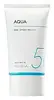
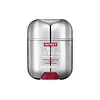
Missha All Round Safe Block Aqua Sun Gel SPF 50+ PA++++ Versus MEDI-PEEL Peptide 9 Bio Sun Stick Pro SPF 50+
This chemical sunscreen covers the full UV range and blocks ~98% of UVB at SPF 50.
This hybrid sunscreen covers the full UV range and blocks ~98% of UVB at SPF 50.

What's inside
What's inside
 Key Ingredients
Benefits
Concerns
Ingredients Side-by-side
Water
Skin ConditioningPropanediol
Solvent

Ethylhexyl Salicylate
UV Absorber

Homosalate
Skin Conditioning
Dibutyl Adipate
EmollientBis-Ethylhexyloxyphenol Methoxyphenyl Triazine
UV Absorber
Methylene Bis-Benzotriazolyl Tetramethylbutylphenol
UV Filter
Caprylyl Methicone
Skin Conditioning
Polysilicone-15
UV Filter
Diethylamino Hydroxybenzoyl Hexyl Benzoate
UV Filter
Sodium Hyaluronate
Humectant


1,2-Hexanediol
Skin Conditioning
Pentylene Glycol
Skin Conditioning
Poly C10-30 Alkyl Acrylate
Emulsion StabilisingGlycerin
Humectant
Behenyl Alcohol
Emollient
Polyglyceryl-3 Methylglucose Distearate
Emulsifying

Vp/Eicosene Copolymer
Octadecane
Emollient

Lactic Acid/Glycolic Acid Copolymer
Skin ConditioningTromethamine
BufferingDecyl Glucoside
Cleansing
Carbomer
Emulsion StabilisingAcrylates/C10-30 Alkyl Acrylate Crosspolymer
Emulsion StabilisingSodium Stearoyl Glutamate
CleansingEthylhexylglycerin
Skin ConditioningPolyacrylate Crosspolymer-6
Emulsion StabilisingSodium Polyacrylate
Absorbent
Xanthan Gum
EmulsifyingPolyether-1
Caprylyl Glycol
Emollient
T-Butyl Alcohol
Perfuming


Guaiazulene
Antimicrobial
Glyceryl Glucoside
Humectant
Tocopherol
Antioxidant



Beta-Glucan
Skin Conditioning
Hydrolyzed Hyaluronic Acid
Humectant
Sodium Acetylated Hyaluronate
Humectant
Parfum
Masking
Water, Propanediol, Ethylhexyl Salicylate, Homosalate, Dibutyl Adipate, Bis-Ethylhexyloxyphenol Methoxyphenyl Triazine, Methylene Bis-Benzotriazolyl Tetramethylbutylphenol, Caprylyl Methicone, Polysilicone-15, Diethylamino Hydroxybenzoyl Hexyl Benzoate, Sodium Hyaluronate, 1,2-Hexanediol, Pentylene Glycol, Poly C10-30 Alkyl Acrylate, Glycerin, Behenyl Alcohol, Polyglyceryl-3 Methylglucose Distearate, Vp/Eicosene Copolymer, Octadecane, Lactic Acid/Glycolic Acid Copolymer, Tromethamine, Decyl Glucoside, Carbomer, Acrylates/C10-30 Alkyl Acrylate Crosspolymer, Sodium Stearoyl Glutamate, Ethylhexylglycerin, Polyacrylate Crosspolymer-6, Sodium Polyacrylate, Xanthan Gum, Polyether-1, Caprylyl Glycol, T-Butyl Alcohol, Guaiazulene, Glyceryl Glucoside, Tocopherol, Beta-Glucan, Hydrolyzed Hyaluronic Acid, Sodium Acetylated Hyaluronate, Parfum
Ozokerite
Emulsion StabilisingDiethylamino Hydroxybenzoyl Hexyl Benzoate
UV Filter
Microcrystalline Wax
Emulsion Stabilising1,2-Hexanediol
Skin Conditioning
Glycyrrhiza Glabra Root Extract
Bleaching
Pentylene Glycol
Skin Conditioning
Adenosine
Skin Conditioning
Niacinamide
Smoothing




Glycerin
Humectant
Hydrolyzed Hyaluronic Acid
Humectant
Butylene Glycol
Humectant
Caprylic/Capric Triglyceride
Masking
Collagen
Moisturising
Ubiquinone
Antioxidant
Dioscorea Japonica Root Extract
Skin Conditioning
Aloe Barbadensis Leaf Extract
Emollient
Laminaria Japonica Extract
Skin Protecting
Viola Mandshurica Flower Extract
Antioxidant
Ulmus Davidiana Root Extract
Skin Conditioning
Sodium Hyaluronate
Humectant
Ethylhexylglycerin
Skin ConditioningCollagen Amino Acids
Moisturising
Hydrolyzed Collagen
Emollient
Tripeptide-1
Skin Conditioning
Sodium Hyaluronate Crosspolymer
Humectant
Hydroxypropyltrimonium Hyaluronate
Hydrolyzed Sodium Hyaluronate
Skin Conditioning
Hyaluronic Acid
Humectant
Potassium Hyaluronate
Skin ConditioningCopper Tripeptide-1
Skin Conditioning
Hexapeptide-9
Skin Conditioning
Acetyl Hexapeptide-8
Humectant
Palmitoyl Tripeptide-1
Skin Conditioning
Palmitoyl Pentapeptide-4
Skin Conditioning
Nonapeptide-1
Skin Conditioning
Sodium Acetylated Hyaluronate
Humectant
Water
Skin ConditioningTaurine
BufferingSorbitan Olivate
Emulsifying
Parfum
Masking
Paeonia Lactiflora Root Extract
Skin ConditioningPvp
Emulsion StabilisingIsoamyl P-Methoxycinnamate
UV Absorber
Biosaccharide Gum-4
Skin Conditioning
Histidine
Humectant
Soluble Collagen
Humectant
Alanine/Histidine/Lysine Polypeptide Copper Hcl
Skin Conditioning
Ethylhexyl Palmitate
Emollient

Propanediol
Solvent
Ethylhexyl Salicylate
UV Absorber
Vinyl Dimethicone/Methicone Silsesquioxane Crosspolymer
Methionine
Skin ConditioningScutellaria Baicalensis Root Extract
Astringent
Desamido Collagen
Skin Conditioning
Aluminum Hydroxide
EmollientGlycine Soja Oil
Emollient
Atelocollagen
Skin Conditioning
Dimethylsilanol Hyaluronate
Humectant
Glycine
Buffering
Sorbitan Sesquioleate
Emulsifying
Moringa Oleifera Seed Extract
Skin Conditioning
Arginine
Masking
Oryza Sativa Extract
Absorbent
Dibutyl Adipate
EmollientGlutathione
Alanine
Masking
Phenylalanine
Masking
Titanium Dioxide
Cosmetic Colorant
Valine
MaskingDisodium EDTA
ChelatingPhellinus Linteus Extract
Skin ConditioningLeuconostoc/Radish Root Ferment Filtrate
Antimicrobial
Octocrylene
UV Absorber
Angelica Gigas Root Extract
Skin ConditioningIsononyl Isononanoate
EmollientAstaxanthin
Skin Conditioning
Euphorbia Cerifera Wax
Nylon-12
Hydrogenated Polyisobutene
EmollientBis-Ethylhexyloxyphenol Methoxyphenyl Triazine
UV Absorber
Aspartic Acid
Masking
Acrylates Copolymer
Polyglyceryl-10 Laurate
Skin Conditioning
Ceresin
Emulsion StabilisingSophora Flavescens Root Extract
Antioxidant
Palmitoyl Tetrapeptide-7
Skin Conditioning
Cetyl Ethylhexanoate
EmollientIsoamyl Laurate
Emollient
Lycopodium Clavatum Extract
Skin ConditioningPhytosteryl/Isostearyl/Cetyl/Stearyl/Behenyl Dimer Dilinoleate
Skin Conditioning
Hydrolyzed Elastin
EmollientButylene Glycol Dicaprylate/Dicaprate
EmollientCitric Acid
Buffering
Cimicifuga Racemosa Root Extract
Antimicrobial
Sodium Soy Hydrolyzed Collagen
Surfactant
Oryza Sativa Germ Extract
EmollientCaprylic/Capric Glycerides
EmollientSodium Benzoate
Masking
Polyglyceryl-3 Diisostearate
Emulsifying
Hydroxypropyl Cyclodextrin
MaskingGlutamic Acid
Humectant
Hexapeptide-11
Skin Conditioning
Ethylhexyl Methoxycinnamate
UV Absorber
Morus Alba Bark Extract
Skin ConditioningButyloctyl Salicylate
Skin Conditioning
Methyl Methacrylate Crosspolymer
Polygonum Multiflorum Root Extract
Skin ConditioningSesamum Indicum Seed Extract
Skin Conditioning
4-Methylbenzylidene Camphor
UV Absorber
Equisetum Arvense Extract
AstringentOrnithine
Skin ConditioningDipropylene Glycol
HumectantSerine
Masking
Tocopheryl Acetate
Antioxidant
Proline
Skin Conditioning
Bis-Diglyceryl Polyacyladipate-2
Emollient
Polymethyl Methacrylate
Leucine
Skin ConditioningBHT
Antioxidant
Cynanchum Atratum Extract
Skin ConditioningHydrogenated Lecithin
Emulsifying
Palmitoyl Tripeptide-5
Skin Conditioning
Triethylhexanoin
MaskingIsoleucine
Skin ConditioningDimethicone
Emollient
Procollagen
Skin Conditioning
Stearic Acid
Cleansing
Polysorbate 80
Emulsifying
Acetyl Tetrapeptide-2
Skin Conditioning
Anemarrhena Asphodeloides Root Extract
Skin Conditioning
Synthetic Wax
Abrasive
Helianthus Annuus Flower Extract
Skin ConditioningFullerenes
AntimicrobialEctoin
Skin Conditioning
Fructan
Skin ConditioningZinc Oxide
Cosmetic Colorant
Tocopherol
Antioxidant
Sodium Hydroxide
BufferingOzokerite, Diethylamino Hydroxybenzoyl Hexyl Benzoate, Microcrystalline Wax, 1,2-Hexanediol, Glycyrrhiza Glabra Root Extract, Pentylene Glycol, Adenosine, Niacinamide, Glycerin, Hydrolyzed Hyaluronic Acid, Butylene Glycol, Caprylic/Capric Triglyceride, Collagen, Ubiquinone, Dioscorea Japonica Root Extract, Aloe Barbadensis Leaf Extract, Laminaria Japonica Extract, Viola Mandshurica Flower Extract, Ulmus Davidiana Root Extract, Sodium Hyaluronate, Ethylhexylglycerin, Collagen Amino Acids, Hydrolyzed Collagen, Tripeptide-1, Sodium Hyaluronate Crosspolymer, Hydroxypropyltrimonium Hyaluronate, Hydrolyzed Sodium Hyaluronate, Hyaluronic Acid, Potassium Hyaluronate, Copper Tripeptide-1, Hexapeptide-9, Acetyl Hexapeptide-8, Palmitoyl Tripeptide-1, Palmitoyl Pentapeptide-4, Nonapeptide-1, Sodium Acetylated Hyaluronate, Water, Taurine, Sorbitan Olivate, Parfum, Paeonia Lactiflora Root Extract, Pvp, Isoamyl P-Methoxycinnamate, Biosaccharide Gum-4, Histidine, Soluble Collagen, Alanine/Histidine/Lysine Polypeptide Copper Hcl, Ethylhexyl Palmitate, Propanediol, Ethylhexyl Salicylate, Vinyl Dimethicone/Methicone Silsesquioxane Crosspolymer, Methionine, Scutellaria Baicalensis Root Extract, Desamido Collagen, Aluminum Hydroxide, Glycine Soja Oil, Atelocollagen, Dimethylsilanol Hyaluronate, Glycine, Sorbitan Sesquioleate, Moringa Oleifera Seed Extract, Arginine, Oryza Sativa Extract, Dibutyl Adipate, Glutathione, Alanine, Phenylalanine, Titanium Dioxide, Valine, Disodium EDTA, Phellinus Linteus Extract, Leuconostoc/Radish Root Ferment Filtrate, Octocrylene, Angelica Gigas Root Extract, Isononyl Isononanoate, Astaxanthin, Euphorbia Cerifera Wax, Nylon-12, Hydrogenated Polyisobutene, Bis-Ethylhexyloxyphenol Methoxyphenyl Triazine, Aspartic Acid, Acrylates Copolymer, Polyglyceryl-10 Laurate, Ceresin, Sophora Flavescens Root Extract, Palmitoyl Tetrapeptide-7, Cetyl Ethylhexanoate, Isoamyl Laurate, Lycopodium Clavatum Extract, Phytosteryl/Isostearyl/Cetyl/Stearyl/Behenyl Dimer Dilinoleate, Hydrolyzed Elastin, Butylene Glycol Dicaprylate/Dicaprate, Citric Acid, Cimicifuga Racemosa Root Extract, Sodium Soy Hydrolyzed Collagen, Oryza Sativa Germ Extract, Caprylic/Capric Glycerides, Sodium Benzoate, Polyglyceryl-3 Diisostearate, Hydroxypropyl Cyclodextrin, Glutamic Acid, Hexapeptide-11, Ethylhexyl Methoxycinnamate, Morus Alba Bark Extract, Butyloctyl Salicylate, Methyl Methacrylate Crosspolymer, Polygonum Multiflorum Root Extract, Sesamum Indicum Seed Extract, 4-Methylbenzylidene Camphor, Equisetum Arvense Extract, Ornithine, Dipropylene Glycol, Serine, Tocopheryl Acetate, Proline, Bis-Diglyceryl Polyacyladipate-2, Polymethyl Methacrylate, Leucine, BHT, Cynanchum Atratum Extract, Hydrogenated Lecithin, Palmitoyl Tripeptide-5, Triethylhexanoin, Isoleucine, Dimethicone, Procollagen, Stearic Acid, Polysorbate 80, Acetyl Tetrapeptide-2, Anemarrhena Asphodeloides Root Extract, Synthetic Wax, Helianthus Annuus Flower Extract, Fullerenes, Ectoin, Fructan, Zinc Oxide, Tocopherol, Sodium Hydroxide
Reviews
Ingredients Explained
These ingredients are found in both products.
Ingredients higher up in an ingredient list are typically present in a larger amount.
1,2-Hexanediol is a synthetic liquid and another multi-functional powerhouse.
It is a:
- Humectant, drawing moisture into the skin
- Emollient, helping to soften skin
- Solvent, dispersing and stabilizing formulas
- Preservative booster, enhancing the antimicrobial activity of other preservatives
This ingredient is better known as bemotrizinol or Tinosorb S and is one of the best broad-spectrum UV filters in modern sunscreen.
It works by absorbing UV light across a whole range (280-400 nm) with peaks around 310 nm (UVB) and 340-345 nm (UVA). This means it covers UVB plus the deeper UVA wavelengths that drive photoaging and pigmentation.
Another pro?
It's exceptionally photostable, barely degrades in sunlight, and acts as a "bodyguard" for less stable filters.
That's why you'll see it paired with avobenzone or octinoxate; this team up ensures they keep working through sun exposure.
Safety reviews have been reassuring across the board. This ingredient shows low absorption through the skin, rarely irritates, and lab studies found it doesn't act like a hormone in the body (a concern that's been raised about some older sunscreen filters).
On maximum concentrations:
In 2026, the US F.D.A finally added it as an OTC sunscreen ingredient at concentrations up to 6% for adults / children 6 months and older
Learn more about Bis-Ethylhexyloxyphenol Methoxyphenyl TriazineDibutyl Adipate is a lightweight, oil-soluble ester that acts as an emollient and solvent. It helps products spread more easily and leaves a soft, silky, dry-touch finish without being greasy.
You'll likely see this ingredient in sunscreens because it does a nice job dissolving UV filters and keeping them evenly distributed.
This ingredient has been found to be safe as used in cosmetics, wasn't a skin or eye irritant in clinical patch testing, and wasn't phototoxic.
In a clinical comedogenicity test, this ingredient tested negative so it isn't likely to clog pores.
Typical use levels are about 5-8% for sunscreens + nail products, but can range from 0.005%-8% depending on the product.
Learn more about Dibutyl AdipateDiethylamino Hydroxybenzoyl Hexyl Benzoate (DHHB) is a chemical UV-A absorber. It is formulated for high UVA protection (320-400 nm).
DHHB is well-liked for:
DHHB has been approved by the EU, Japan, Taiwan, and South America for use up to 10%. Unfortunately, it has not been approved for use in the US or Canada due to slow regulatory processes.
This ingredient is soluble in oils, fats, and lipids.
Learn more about Diethylamino Hydroxybenzoyl Hexyl BenzoateEthylhexyl Salicylate (also called Octisalate or Octyl Salicylate) is an oil-soluble organic UV filter that's been used in sunscreen since the 1950's.
It absorbs UVB light in the 280-320 nm range with a peak absorbance around 306 nm.
You'll often see it paired with other UV filters to boost overall SPF because octisalate is a fairly week filter on its own.
The reason you'll see it so often is because it can help solubilize and stabilize the trickier filters like oxybenzone and avobenzone.
Unlike these filters, octisalate has pretty good photostability and doesn't create skin-damaging free radicals when exposed to sunlight.
The fatty-alcohol part of the molecule also gives it a light, emollient feel so it doubles as a nice texture enhancer.
Usage levels vary around the world:
Safety-wise, this ingredient has a pretty reassuring track record. The EU's Scientific Committee on Consumer Products (SCCP) found very low skin penetration in human skin tests and negative results for irritation, phototoxicity, and photoallergy.
The real-world allergy risk is pretty low too; a 2012 European study of 1,031 people recorded only 2 reactions to it (a rate of 0.19%).
You might have seen scary headlines about sunscreen getting into your blood.
In 2019, the FDA found that several chemical filters can absorb through the skin and show up in the bloodstream at small but measurable levels.
Here's the important part: these tiny levels are just a cutoff the FDA uses to decide which ingredients need more testing and doesn't mean anything harmful was found.
The researchers were clear that the results are no reason to stop wearing sunscreen.
Learn more about Ethylhexyl SalicylateEthylhexylglycerin is created from glycerin. It is a multitasker ingredient that:
The CIR Expert Panel found minimal skin absorption or sensitization of any kind in a safety assessment. Though this ingredient is considered well-tolerated, a small number of cases of allergic dermatitis have been published since 2002. Just be sure to patch test if you are unsure.
Industry-reported use ranges from 8% in rinse-off products and 2% in leave-on formulations.
Learn more about EthylhexylglycerinGlycerin (or glycerol) is a compound naturally found in your skin. It's a powerhouse humectant that pulls water into the stratum corneum.
Topically, glycerin does several things at once:
Your skin makes glycerin on its own (mostly from sebaceous oil breakdown) and shuttles it to your outermost layer of skin, or your epidermis, via aquaporin-3.
Aquaporin-3 is a transporter that is essential for normal skin hydration, elasticity, and repair. Interestingly, mice lacking in AQP3 have dry and less elastic skin that can be fully corrected with glycerin.
This ingredient is non-irritating, plays well with almost every ingredient, and works across all skin types. Typical use is anywhere between 3-10% but can go up to 79% in some leave-on products.
Just know very high concentrations (>40%) can feel tacky in low humidity.
Glycerin is the name for this ingredient in American English. British English uses Glycerol/Glycerine.
Learn more about GlycerinHydrolyzed Hyaluronic Acid is hyaluronic acid (HA) that is broken down into lower molecular weight fragments.
It's a humectant that pulls and holds water in the skin to help with hydration, plumpness, and reduce transepidermal water loss.
Because hydrolyzed hyaluronic acid is smaller in size, it can slip past your outermost layer of skin more easily than full-sized HA.
Most formulations will combine all sizes to get the best of both worlds.
Typical usage levels range from 0.01-1%. Any percentage higher than 2% might become goopy and tacky.
Learn more about Hydrolyzed Hyaluronic AcidParfum is a catch-all term for an ingredient or more that is used to give a scent to products.
Also called "fragrance", this ingredient can be a blend of hundreds of chemicals or plant oils. This means every product with "fragrance" or "parfum" in the ingredients list is a different mixture.
For instance, Habanolide is a proprietary trade name for a specific aroma chemical. When used as a fragrance ingredient in cosmetics, most aroma chemicals fall under the broad labeling category of “FRAGRANCE” or “PARFUM” according to EU and US regulations.
The term 'parfum' or 'fragrance' is not regulated in many countries. In many cases, it is up to the brand to define this term.
For instance, many brands choose to label themselves as "fragrance-free" because they are not using synthetic fragrances. However, their products may still contain ingredients such as essential oils that are considered a fragrance by INCI standards.
One example is Calendula flower extract. Calendula is an essential oil that still imparts a scent or 'fragrance'.
Depending on the blend, the ingredients in the mixture can cause allergies and sensitivities on the skin. Some ingredients that are known EU allergens include linalool and citronellol.
Parfum can also be used to mask or cover an unpleasant scent.
The bottom line is: not all fragrances/parfum/ingredients are created equally. If you are worried about fragrances, we recommend taking a closer look at an ingredient. And of course, we always recommend speaking with a professional.
Learn more about ParfumPentylene Glycol (1,2-pentanediol) is a multitasking little diol with three main roles in a formula:
Research on alkanediols (the family pentylene glycol belongs to) show they work by disrupting microbial cell membranes. This disruption helps the primary preservative system in a product work more effectively at lower doses.
On the safety side, the Cosmetic Ingredient Review Expert Panel has concluded this ingredient to be safe as used in current cosmetic practices + concentrations.
Typical use levels in a formula run about 1-5%.
Learn more about Pentylene GlycolPropanediol is an all-star ingredient. It softens, hydrates, and smooths the skin.
It’s often used to:
Propanediol is not likely to cause sensitivity and considered safe to use. It is derived from corn or petroleum with a clear color and no scent.
Learn more about PropanediolSodium Acetylated Hyaluronate is a type of Hyaluronic Acid.
Hyaluronic Acids help moisturize, soothe, and protect the skin.
Read about common types of Hyaluronic Acid here:
Learn more about Sodium Acetylated HyaluronateSodium Hyaluronate is the salt form of hyaluronic acid. It is a long sugar chain that is naturally found in your skin, joints, and connective tissue that maintains hydration and elasticity.
In skincare, it works as a humectant. It pulls water from the environment and deeper layers of skin and binds it to the surface.
Interestingly, the size of the molecule affects its behavior:
Some clinical evidence links low molecular weight versions to improved wrinkle depth, elasticity, anti-inflammatory effects, and barrier repair.
Many serums use a blend of both weights so you can get surface hydration plus longer-lasting and deeper effects.
You'll typically see concentrations between 0.1-2% for this ingredient.
Learn more about Sodium HyaluronateTocopherol is a fat-soluble antioxidant known as Vitamin E.
You'll find this ingredient in the vast majority of skincare (for good reason). It works to neutralize free radicals, or unstable molecules generated by UV exposure, pollution, and other environmental stressors, before they can cause oxidative damage to your skin cells.
Topically applied tocopherol has been shown to protect against UV damage by ramping up the skin's own natural defense enzymes.
It also acts as a skin conditioning agent; some studies show that regular topical use can improve the skin's water-binding capacity over 2-4 weeks.
This ingredient is especially loved for being a team player. When combined with Vitamin C, the photoprotective effect of both ingredients roughly doubles and the combo also helps reduce UV-induced DNA damage.
This ingredient has some brightening potential but it's more of a prevention ingredient than spot-fader. Cell studies show it can slow down melanin production but it's worth noting that it's not the most powerful brightener out there.
In formulations, it also serves as a stabilizer that helps protect other oxidation-prone ingredients from degrading.
Concentrations usually range from 0.1-1% in most leave-on products.
Learn more about TocopherolWater. It's the most common cosmetic ingredient of all. You'll usually see it at the top of ingredient lists, meaning that it makes up the largest part of the product.
So why is it so popular? Water most often acts as a solvent - this means that it helps dissolve other ingredients into the formulation.
You'll also recognize water as that liquid we all need to stay alive. If you see this, drink a glass of water. Remember to stay hydrated!
Learn more about Water

