The History of Whoo Cheonyuldan Ultimate Rejuvenating Overnight Mask Versus The History of Whoo Bichup Anti-Aging Repair Cream
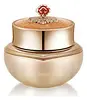
This hydrating overnight mask is formulated around Squalane and Butyrospermum Parkii Butter to hydrate skin and soften the look of wrinkles.
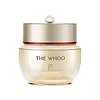
This anti-aging moisturizer is formulated around Squalane and Ceramide NP to soften the look of wrinkles and strengthen the skin barrier.

What's inside
What's inside
 Key Ingredients
Benefits
Concerns
Ingredients Side-by-side
Water
Skin ConditioningGlycerin
Humectant


Squalane
Emollient
Alcohol Denat.
Antimicrobial




Dipropylene Glycol
HumectantPropanediol
Solvent
Dimethicone
Emollient
Butyrospermum Parkii Butter
Skin Conditioning


Limnanthes Alba Seed Oil
Skin Conditioning
Butylene Glycol
Humectant
Cetearyl Alcohol
Emollient

Glyceryl Stearate
Emollient
1,2-Hexanediol
Skin Conditioning
Hydrogenated Polydecene
EmollientHydrogenated Polyisobutene
EmollientPanthenol
Skin Conditioning

PCA Dimethicone
Skin Conditioning
PEG-40 Stearate
Emulsifying
Trehalose
Humectant
Octyldodecanol
Emollient
Sorbitan Stearate
Emulsifying
Phytosteryl/Octyldodecyl Lauroyl Glutamate
Skin ConditioningSerine
Masking
Jojoba Esters
Emollient
Hydroxyethyl Acrylate/Sodium Acryloyldimethyl Taurate Copolymer
Emulsion StabilisingHydrogenated Olive Oil Unsaponifiables
Emollient
Stearic Acid
Cleansing
Isohexadecane
EmollientLactobacillus Ferment
Skin Conditioning
Curcuma Longa Root Extract
Antioxidant

PEG-100 Stearate
Surfactant
Hydrogenated Lecithin
Emulsifying
Nylon-12


Octyldodecyl Xyloside
EmulsifyingPEG-30 Dipolyhydroxystearate
Emulsifying
Hydroxypropyl Cyclodextrin
MaskingCarbomer
Emulsion StabilisingAcrylates/C10-30 Alkyl Acrylate Crosspolymer
Emulsion StabilisingPolysorbate 60
Emulsifying
Xanthan Gum
EmulsifyingSodium Hyaluronate
Humectant
Sucrose Stearate
EmollientSorbitan Isostearate
Emulsifying
Cholesterol
Emollient
Glycyrrhiza Glabra Root Extract
Bleaching

Dioscorea Japonica Root Extract
Skin Conditioning
Panax Ginseng Root Extract
Emollient
Ceramide NP
Skin Conditioning
Typha Angustifolia Spike Extract
Skin ConditioningPaeonia Lactiflora Root Extract
Skin ConditioningScutellaria Baicalensis Root Extract
Astringent
Cinnamomum Cassia Bark Extract
Masking
Atractylodes Japonica Rhizome Extract
Skin ConditioningOphiopogon Japonicus Root Extract
Skin ConditioningZiziphus Jujuba Fruit Extract
Skin ConditioningSaposhnikovia Divaricata Root Extract
AntimicrobialZingiber Officinale Root Extract
Masking
Linoleic Acid
Cleansing
Palmitic Acid
Emollient
Angelica Gigas Root Extract
Skin ConditioningPolygonatum Officinale Rhizome/Root Extract
Skin ConditioningAsparagus Cochinchinensis Root Extract
Skin ConditioningPolygonum Multiflorum Root Extract
Skin ConditioningPaeonia Suffruticosa Root Extract
Skin ProtectingAngelica Acutiloba Root Extract
Skin ConditioningPhellinus Linteus Extract
Skin ConditioningPlantago Asiatica Extract
Skin ConditioningPrunus Persica Kernel Extract
MoisturisingChrysanthellum Indicum Extract
Skin Conditioning
Lonicera Japonica Flower Extract
Skin ConditioningCarthamus Tinctorius Flower Extract
Skin ConditioningPolygonatum Sibiricum Rhizome Extract
Skin ConditioningTocopherol
Antioxidant
Xylose
HumectantSodium Chloride
MaskingPunica Granatum Fruit Extract
Antioxidant
Sodium Bicarbonate
Abrasive
Cimicifuga Racemosa Root Extract
Antimicrobial
Lithospermum Erythrorhizon Root Extract
Skin ConditioningTrifolium Pratense Leaf Extract
Antioxidant
Angelica Tenuissima Root Extract
Skin ConditioningCnidium Officinale Root Extract
Skin ConditioningCuscuta Australis Seed Extract
Skin ConditioningCyperus Rotundus Root Extract
Skin ConditioningGardenia Florida Fruit Extract
Skin ConditioningGlycine Soja Seed Extract
Skin Conditioning
Ledebouriella Divaricata Root Extract
Skin ConditioningLycium Chinense Fruit Extract
Antioxidant
Oyster Shell Extract
Poria Cocos Sclerotium Extract
AstringentPrunus Armeniaca Kernel Extract
Skin ConditioningRehmannia Chinensis Root Extract
Skin ConditioningSesamum Indicum Seed Extract
Skin Conditioning
Trichosanthes Kirilowii Root Extract
Skin ProtectingViscum Album Extract
Skin ConditioningCI 77480
Cosmetic ColorantGlucose
Humectant
Ganoderma Lucidum Extract
Skin Protecting
Brassica Napus Sprout Extract
HumectantBrassica Oleracea Italica Sprout Extract
EmollientPotassium Chloride
Astragalus Membranaceus Root Extract
Emollient
Cornus Officinalis Fruit Extract
Skin ConditioningHemerocallis Fulva Flower Extract
Skin ConditioningPlatycodon Grandiflorus Root Extract
Antioxidant
Sodium Phosphate
BufferingSodium Pyruvate
Skin ConditioningCalcium Chloride
AstringentSaccharomyces Lysate
Skin Conditioning
Quercetin
Antioxidant
Beta-Sitosterol
Emulsion Stabilising
Ursolic Acid
MaskingFerulic Acid
Antimicrobial
Rosmarinic Acid
Antioxidant
Cedrol
EmollientTrisodium EDTA
ChelatingTromethamine
BufferingCI 77891
Cosmetic ColorantMica
Cosmetic ColorantCI 77491
Cosmetic ColorantParfum
Masking
Benzyl Benzoate
Antimicrobial
Hydroxycitronellal
Perfuming
Geraniol
Perfuming
Limonene
Perfuming
Hexyl Cinnamal
Perfuming
Citronellol
Perfuming
Linalool
Perfuming
Water, Glycerin, Squalane, Alcohol Denat., Dipropylene Glycol, Propanediol, Dimethicone, Butyrospermum Parkii Butter, Limnanthes Alba Seed Oil, Butylene Glycol, Cetearyl Alcohol, Glyceryl Stearate, 1,2-Hexanediol, Hydrogenated Polydecene, Hydrogenated Polyisobutene, Panthenol, PCA Dimethicone, PEG-40 Stearate, Trehalose, Octyldodecanol, Sorbitan Stearate, Phytosteryl/Octyldodecyl Lauroyl Glutamate, Serine, Jojoba Esters, Hydroxyethyl Acrylate/Sodium Acryloyldimethyl Taurate Copolymer, Hydrogenated Olive Oil Unsaponifiables, Stearic Acid, Isohexadecane, Lactobacillus Ferment, Curcuma Longa Root Extract, PEG-100 Stearate, Hydrogenated Lecithin, Nylon-12, Octyldodecyl Xyloside, PEG-30 Dipolyhydroxystearate, Hydroxypropyl Cyclodextrin, Carbomer, Acrylates/C10-30 Alkyl Acrylate Crosspolymer, Polysorbate 60, Xanthan Gum, Sodium Hyaluronate, Sucrose Stearate, Sorbitan Isostearate, Cholesterol, Glycyrrhiza Glabra Root Extract, Dioscorea Japonica Root Extract, Panax Ginseng Root Extract, Ceramide NP, Typha Angustifolia Spike Extract, Paeonia Lactiflora Root Extract, Scutellaria Baicalensis Root Extract, Cinnamomum Cassia Bark Extract, Atractylodes Japonica Rhizome Extract, Ophiopogon Japonicus Root Extract, Ziziphus Jujuba Fruit Extract, Saposhnikovia Divaricata Root Extract, Zingiber Officinale Root Extract, Linoleic Acid, Palmitic Acid, Angelica Gigas Root Extract, Polygonatum Officinale Rhizome/Root Extract, Asparagus Cochinchinensis Root Extract, Polygonum Multiflorum Root Extract, Paeonia Suffruticosa Root Extract, Angelica Acutiloba Root Extract, Phellinus Linteus Extract, Plantago Asiatica Extract, Prunus Persica Kernel Extract, Chrysanthellum Indicum Extract, Lonicera Japonica Flower Extract, Carthamus Tinctorius Flower Extract, Polygonatum Sibiricum Rhizome Extract, Tocopherol, Xylose, Sodium Chloride, Punica Granatum Fruit Extract, Sodium Bicarbonate, Cimicifuga Racemosa Root Extract, Lithospermum Erythrorhizon Root Extract, Trifolium Pratense Leaf Extract, Angelica Tenuissima Root Extract, Cnidium Officinale Root Extract, Cuscuta Australis Seed Extract, Cyperus Rotundus Root Extract, Gardenia Florida Fruit Extract, Glycine Soja Seed Extract, Ledebouriella Divaricata Root Extract, Lycium Chinense Fruit Extract, Oyster Shell Extract, Poria Cocos Sclerotium Extract, Prunus Armeniaca Kernel Extract, Rehmannia Chinensis Root Extract, Sesamum Indicum Seed Extract, Trichosanthes Kirilowii Root Extract, Viscum Album Extract, CI 77480, Glucose, Ganoderma Lucidum Extract, Brassica Napus Sprout Extract, Brassica Oleracea Italica Sprout Extract, Potassium Chloride, Astragalus Membranaceus Root Extract, Cornus Officinalis Fruit Extract, Hemerocallis Fulva Flower Extract, Platycodon Grandiflorus Root Extract, Sodium Phosphate, Sodium Pyruvate, Calcium Chloride, Saccharomyces Lysate, Quercetin, Beta-Sitosterol, Ursolic Acid, Ferulic Acid, Rosmarinic Acid, Cedrol, Trisodium EDTA, Tromethamine, CI 77891, Mica, CI 77491, Parfum, Benzyl Benzoate, Hydroxycitronellal, Geraniol, Limonene, Hexyl Cinnamal, Citronellol, Linalool
Water
Skin ConditioningGlycerin
Humectant
Squalane
Emollient
Dipropylene Glycol
HumectantButylene Glycol
Humectant
Dimethicone
Emollient
2,3-Butanediol
HumectantIsostearyl Isostearate
Emollient
1,2-Hexanediol
Skin Conditioning
Sucrose Polystearate
EmollientGlyceryl Stearate
Emollient
Caprylic/Capric Triglyceride
Masking
Methyl Trimethicone
Skin Conditioning
Panthenol
Skin Conditioning
Cetearyl Alcohol
Emollient
PEG-100 Stearate
Surfactant
C14-22 Alcohols
Emulsion Stabilising
Phytosteryl/Octyldodecyl Lauroyl Glutamate
Skin ConditioningPolyacrylate-13
Hydrogenated Lecithin
Emulsifying
Triethylhexanoin
MaskingCedrol
EmollientChondrus Crispus Extract
Skin Conditioning
Macadamia Ternifolia Seed Oil
Emollient
Palmitic Acid
Emollient
Stearic Acid
Cleansing
Dimethicone/Vinyl Dimethicone Crosspolymer
Skin Conditioning
Ceramide NP
Skin Conditioning
Hydroxyethylpiperazine Ethane Sulfonic Acid
BufferingArachidyl Glucoside
EmulsifyingButyrospermum Parkii Butter
Skin Conditioning
C30-45 Alkyl Dimethicone
Skin Conditioning
Sucrose Stearate
EmollientPolyisobutene
Propylene Glycol
Humectant
Sodium Hyaluronate
Humectant
Olea Europaea Oil Unsaponifiables
Skin Conditioning
PEG-10 Rapeseed Sterol
CleansingMica
Cosmetic ColorantCI 77891
Cosmetic ColorantEmpetrum Nigrum Fruit Juice
Skin ConditioningPolysorbate 20
Emulsifying
Cholesterol
Emollient
Carbomer
Emulsion StabilisingTromethamine
BufferingSorbitan Isostearate
Emulsifying
Trisodium EDTA
ChelatingSodium Polyacrylate
Absorbent
CI 77491
Cosmetic ColorantBetaine
Humectant
Glycereth-20
HumectantTrehalose
Humectant
Asparagus Cochinchinensis Root Extract
Skin ConditioningHydrogenated Polydecene
EmollientHydrolyzed Collagen
Emollient
Potassium C12-13 Alkyl Phosphate
SurfactantCeramide Ng
Skin Conditioning
Arginine
Masking
Dioscorea Japonica Root Extract
Skin Conditioning
Glycyrrhiza Glabra Root Extract
Bleaching
Phytosphingosine
Skin Conditioning
Polygonatum Officinale Rhizome/Root Extract
Skin ConditioningPolygonum Multiflorum Root Extract
Skin ConditioningAngelica Gigas Root Extract
Skin ConditioningPanax Ginseng Root Extract
Emollient
Cordyceps Militaris Extract
Skin ConditioningCordyceps Sinensis Extract
Antioxidant
Nicotinamide Adenine Dinucleotide
Skin ConditioningTypha Angustifolia Spike Extract
Skin ConditioningGlutamic Acid
Humectant
Cornus Officinalis Fruit Extract
Skin ConditioningThymus Vulgaris Extract
Perfuming
Cinnamomum Cassia Bark Extract
Masking
Paeonia Lactiflora Root Extract
Skin ConditioningSodium Glutamate
MaskingOphiopogon Japonicus Root Extract
Skin ConditioningScutellaria Baicalensis Root Extract
Astringent
Atractylodes Japonica Rhizome Extract
Skin ConditioningGlycyrrhetinic Acid
Skin Conditioning
Saposhnikovia Divaricata Root Extract
AntimicrobialZingiber Officinale Root Extract
Masking
Ziziphus Jujuba Fruit Extract
Skin ConditioningSodium DNA
Skin Conditioning
Potassium Aspartate
Skin ConditioningAsparagine
MaskingBiotin/Folic Acid/Cyanocobalamin/Niacinamide/Pantothenic Acid/Pyridoxine/Riboflavin/Thiamine/Yeast Polypeptides
Skin Conditioning

Glutamine
Skin ConditioningPotassium Sorbate
Preservative
Proline
Skin Conditioning
Tryptophan
MaskingAlanine
Masking
Glycine
Buffering
Quercetin
Antioxidant
Phytosterols
Skin Conditioning
Threonine
Glycoproteins
Skin Conditioning
Lysine
Skin ConditioningSerine
Masking
Sodium Stearoyl Glutamate
CleansingSorbitan Oleate
Emulsifying
Tocopherol
Antioxidant
Rehmannia Chinensis Root Extract
Skin ConditioningLeucine
Skin ConditioningPhenylalanine
Masking
Tyrosine
MaskingValine
MaskingTuber Melanosporum Extract
HumectantGanoderma Lucidum Extract
Skin Protecting
Acetyl Hexapeptide-8
Humectant
Copper Tripeptide-1
Skin Conditioning
Histidine
Humectant
Isoleucine
Skin ConditioningOligopeptide-1
Skin Conditioning
Oligopeptide-2
Skin Conditioning
Ethylhexylglycerin
Skin ConditioningPoria Cocos Sclerotium Extract
AstringentLinoleic Acid
Cleansing
Ferulic Acid
Antimicrobial
Beta-Sitosterol
Emulsion Stabilising
Rosmarinic Acid
Antioxidant
Ursolic Acid
MaskingParfum
Masking
Geraniol
Perfuming
Linalool
Perfuming
Limonene
Perfuming
Benzyl Benzoate
Antimicrobial
Hydroxycitronellal
Perfuming
Citronellol
Perfuming
Water, Glycerin, Squalane, Dipropylene Glycol, Butylene Glycol, Dimethicone, 2,3-Butanediol, Isostearyl Isostearate, 1,2-Hexanediol, Sucrose Polystearate, Glyceryl Stearate, Caprylic/Capric Triglyceride, Methyl Trimethicone, Panthenol, Cetearyl Alcohol, PEG-100 Stearate, C14-22 Alcohols, Phytosteryl/Octyldodecyl Lauroyl Glutamate, Polyacrylate-13, Hydrogenated Lecithin, Triethylhexanoin, Cedrol, Chondrus Crispus Extract, Macadamia Ternifolia Seed Oil, Palmitic Acid, Stearic Acid, Dimethicone/Vinyl Dimethicone Crosspolymer, Ceramide NP, Hydroxyethylpiperazine Ethane Sulfonic Acid, Arachidyl Glucoside, Butyrospermum Parkii Butter, C30-45 Alkyl Dimethicone, Sucrose Stearate, Polyisobutene, Propylene Glycol, Sodium Hyaluronate, Olea Europaea Oil Unsaponifiables, PEG-10 Rapeseed Sterol, Mica, CI 77891, Empetrum Nigrum Fruit Juice, Polysorbate 20, Cholesterol, Carbomer, Tromethamine, Sorbitan Isostearate, Trisodium EDTA, Sodium Polyacrylate, CI 77491, Betaine, Glycereth-20, Trehalose, Asparagus Cochinchinensis Root Extract, Hydrogenated Polydecene, Hydrolyzed Collagen, Potassium C12-13 Alkyl Phosphate, Ceramide Ng, Arginine, Dioscorea Japonica Root Extract, Glycyrrhiza Glabra Root Extract, Phytosphingosine, Polygonatum Officinale Rhizome/Root Extract, Polygonum Multiflorum Root Extract, Angelica Gigas Root Extract, Panax Ginseng Root Extract, Cordyceps Militaris Extract, Cordyceps Sinensis Extract, Nicotinamide Adenine Dinucleotide, Typha Angustifolia Spike Extract, Glutamic Acid, Cornus Officinalis Fruit Extract, Thymus Vulgaris Extract, Cinnamomum Cassia Bark Extract, Paeonia Lactiflora Root Extract, Sodium Glutamate, Ophiopogon Japonicus Root Extract, Scutellaria Baicalensis Root Extract, Atractylodes Japonica Rhizome Extract, Glycyrrhetinic Acid, Saposhnikovia Divaricata Root Extract, Zingiber Officinale Root Extract, Ziziphus Jujuba Fruit Extract, Sodium DNA, Potassium Aspartate, Asparagine, Biotin/Folic Acid/Cyanocobalamin/Niacinamide/Pantothenic Acid/Pyridoxine/Riboflavin/Thiamine/Yeast Polypeptides, Glutamine, Potassium Sorbate, Proline, Tryptophan, Alanine, Glycine, Quercetin, Phytosterols, Threonine, Glycoproteins, Lysine, Serine, Sodium Stearoyl Glutamate, Sorbitan Oleate, Tocopherol, Rehmannia Chinensis Root Extract, Leucine, Phenylalanine, Tyrosine, Valine, Tuber Melanosporum Extract, Ganoderma Lucidum Extract, Acetyl Hexapeptide-8, Copper Tripeptide-1, Histidine, Isoleucine, Oligopeptide-1, Oligopeptide-2, Ethylhexylglycerin, Poria Cocos Sclerotium Extract, Linoleic Acid, Ferulic Acid, Beta-Sitosterol, Rosmarinic Acid, Ursolic Acid, Parfum, Geraniol, Linalool, Limonene, Benzyl Benzoate, Hydroxycitronellal, Citronellol
Ingredients Explained
These ingredients are found in both products.
Ingredients higher up in an ingredient list are typically present in a larger amount.
1,2-Hexanediol is a synthetic liquid and another multi-functional powerhouse.
It is a:
- Humectant, drawing moisture into the skin
- Emollient, helping to soften skin
- Solvent, dispersing and stabilizing formulas
- Preservative booster, enhancing the antimicrobial activity of other preservatives
We don't have a description for Angelica Gigas Root Extract yet.
We don't have a description for Asparagus Cochinchinensis Root Extract yet.
We don't have a description for Atractylodes Japonica Rhizome Extract yet.
Benzyl Benzoate is usually created from the condensation of benzoic acid and benzyl alcohol. It is used as a preservative, solvent, and has a floral/balsamic scent in large amounts.
As a preservative, Benzyl Benzoate works against bacteria and fungus. It is often used to treat scabies and lice in medicine.
Solvents are used to keep ingredients together in a product. They can help dissolve ingredients to stable bases or help evenly distribute ingredients throughout the product.
Due to its fragrance, Benzyl Benzoate can be sensitizing and may cause contact dermatitis. It is a known EU allergen. We recommend speaking with a professional if you have any concerns.
Benzyl Benzoate can be naturally found in cranberries and peaches.
Learn more about Benzyl BenzoateBeta-Sitosterol is a plant-derived fatty acid with a structure similar to cholesterol (which naturally occurs in skin). It helps hydrate the skin and stabilize formulations.
This ingredient can be naturally found in fruits, veggies, nuts, and seeds.
Butylene Glycol (or BG) is used within cosmetic products for a few different reasons:
Overall, Butylene Glycol is a safe and well-rounded ingredient that works well with other ingredients.
Though this ingredient works well with most skin types, some people with sensitive skin may experience a reaction such as allergic rashes, closed comedones, or itchiness.
Learn more about Butylene GlycolThis ingredient is also known as shea butter. It is a plant-derived extract from the nuts of the Africa shea tree and one of the most well-studied emollients.
Because it has a high concentration of fatty acids (primarily oleic, stearic, and linoleic) it is able to form a protective barrier on the skin's surface. This helps seal in moisture and prevents transepidermal water loss (TEWL).
In vitro research found an increase in skin hydration by 58% and a decrease in TEWL by 37.8% after 24 hours of applying this ingredient (pretty impressive for a single ingredient!).
Besides hydration, shea butter also contains triterpenes that have anti-inflammatory potential. In particule, lupeol cinnamate has shown the highest anti-inflammatory activity in vivo.
Shea butter also contains vitamins A and E which may contribute to antioxidant activity.
While Shea Butter has an SPF rating of about 3-4, it is not a sunscreen replacement.
This ingredient may not be fungal acne safe because its fatty acids fall within the C11-C24 range that the Malassezia yeast can metabolize.
This ingredient shows up on a lot of "pore-clogging" lists but there's no real evidence behind that. It doesn't even have a comedogenic rating from an actual study; the numbers you'll find online come from blogs citing other blogs.
Ratings for other ingredients mostly come from a 1980s rabbit ear test. This test doesn't translate well to human skin or to real products because the ingredient sits at a much lower percentage.
Some people still find it breaks them out. So if that's you, definitely trust your skin. Just know this one's based on experience and not evidence.
Learn more about Butyrospermum Parkii ButterCarbomer is a synthetic thickening and gelling agent. It's basically the ingredient that gives a lot of serums, gels, creams, and sunscreens their smooth, non-sticky texture.
Although legally permitted at very high levels, carbomers are normally used at concentrations below 1%.
It also needs to be neutralized to actually thicken, and because it is a large molecule, it doesn't really penetrate the skin barrier.
Allergy-wise, the risk is very low. Clinical studies show carbomers have low potential for skin irritation/sensitization even at concentrations up to 100%.
A 2024 UK study patch-tested 1,302 patients and found true allergy to the parent group of carbomer to be rare with no confirmed relevant reactions.
Learn more about CarbomerWe don't have a description for Cedrol yet.
Ceramide NP (formerly known as Ceramide 3) is one of the skin's naturally occurring lipids.
Since ceramides are the major lipid components of the skin, they are crucial for maintaining skin barrier and hydration. Ceramide NP most closely mirrors the dominant kind in human skin amongst ceramide subtypes.
This ceramide works by slotting into gaps within the stratum corneum's lipid matrix to limit trans-epidermal water loss (TEWL) and shield the skin against external irritants.
A study with 312 patients found that using a ceramide-containing routine for 4 weeks reduced the severity of atopic dermatitis by over 61%.
Another clinical study in subjects aged 60 and older found that a ceramide body wash and moisturizer improved skin dryness and itchy skin in 15 days.
Overall, ceramides are considered non-irritating and safety tests have found little to no observable adverse effects from using this ingredient.
Ceramide NP is usually sourced from plants (like soybean or rice bran), or produced synthetically.
Learn more about Ceramide NPCetearyl alcohol is a waxy mixture of two fatty alcohols: cetyl alcohol and stearyl alcohol. It is an emollient and emulsifier.
Despite having "alcohol" in its name, it has nothing to do with drying solvent alcohols; the FDA also allows "alcohol-free" products to contain fatty alcohols like this ingredient.
It plays several roles in a formula:
Typical use levels for this ingredient sit around 1-10% and the Cosmetic Ingredient Review Expert Panel has affirmed safety at concentrations up to 25% in leave-on products.
Multiple assessments have found it to be non-irritating and non-sensitizing to most people.
However, there have been some cases of allergic contact dermatitis in patients with chronically compromised skin barriers.
Cetearyl alcohol has a comedogenic rating of 2 and irritancy rating of 1. Both of these numbers come from the 1989 study that used rabbit ears; a "2" means mildly comedogenic and a "1" means low irritancy.
Here's the catch: rabbit skin is more sensitive than human skin and throws a lot of false positives. A 1996 reappraisal found that ingredients rated 1-2 in the rabbit ear tests are generally safe for humans.
Remember comedogenic ratings are unable to assess the entire formula of a product or how it will react on your skin. Just be sure to patch test if you are unsure about certain ingredients.
This ingredient is not fungal acne safe. Cetearyl alcohol is a fatty alcohol with chain lengths that fall within the range that Malassezia can metabolize.
A 2019 study has also observed Malassezia growth in the presence of this ingredient, confirming it to be not-fungal acne safe.
Learn more about Cetearyl AlcoholCholesterol is a lipid that is naturally found in human skin and is one of the three key components of your skin barrier. In skincare, it is an emollient and barrier-repairing ingredient.
It works by fitting directly into the lipid layers of skin to help restore structure and reduce transepidermal water loss (TEWL).
This is a great ingredient for dry, compromised, or aging skin; our skin starts to produce less cholesterol with age.
Research shows cholesterol works best in combination with ceramides and fatty acids, the other two major components in your skin barrier.
Cholesterol is also a well-establish penetration enhancer and can help other actives absorb more effectively.
Cosmetic-grade cholesterol is usually derived from lanolin but plant and synthetic options also exist. We recommend reaching out to the brand if you have questions about their source of cholesterol.
Learn more about CholesterolCi 77491 is also hydrated iron III oxide. It's sole purpose is to give a red/pink hue to products.
Iron III oxides are classified as inorganic chemicals for coloring.
Synthetically created Ci 77491 is considered safer than those naturally found. This is because the synthetically created version may contain less impurities. Iron oxides are generally non-toxic and non-allergenic.
Learn more about CI 77491Ci 77891 is a white pigment from Titanium dioxide. It is naturally found in minerals such as rutile and ilmenite.
It's main function is to add a white color to cosmetics. It can also be mixed with other colors to create different shades.
Ci 77891 is commonly found in sunscreens due to its ability to block UV rays.
Learn more about CI 77891This ingredient comes from the cinnamon tree native to southern China.
Though cinnamon has a wonderful taste, it can cause skin irritation due to its rich coumarins, cinnamaldehyde, and styrene content.
Citronellol is used to add fragrance/parfum to a product. It is often derived from plants such as roses. In fact, it can be found in many essential oils including geranium, lavender, neroli, and more. The scent of Citronellol is often described as "fresh, grassy, and citrus-like".
Since the Citronellol molecule is already unstable, Citronellol becomes irritating on the skin when exposed to air.
Citronellol is a modified terpene. Terpenes are unsaturated hydrocarbons found in plants. They make up the primary part of essential oils.
Citronellol is not able to be absorbed into deeper layers of the skin. It has low permeability,
Citronellol is also a natural insect repellent.
Learn more about CitronellolWe don't have a description for Cornus Officinalis Fruit Extract yet.
Dimethicone is a type of synthetic silicone created from natural materials such as quartz. It is also known as polydimethylsiloxane.
What it does:
Dimethicone comes in different viscosities:
Depending on the viscosity, dimethicone has different properties.
Ingredients lists don't always show which type is used, so we recommend reaching out to the brand if you have questions about the viscosity.
This ingredient is unlikely to cause irritation because it does not get absorbed into skin. However, people with silicone allergies should be careful about using this ingredient.
Note: Dimethicone may contribute to pilling. This is because it is not oil or water soluble, so pilling may occur when layered with products. When mixed with heavy oils in a formula, the outcome is also quite greasy.
Learn more about DimethiconeThis ingredient comes from the Asian mountain yam and has skin conditioning properties. Clinical studies have confirmed this ingredient to work as an effective moisturizer.
The extract is rich in compounds like diosgenin, polysaccharides, and polyphenols, gallic acid, and vanillic acid. Research on these extracts has demonstrated antioxidant effects in-vitro and anti-inflammatory activity in animal models.
The bioactives in the root extract have also been shown in lab tests to have anti-wrinkle, antioxidant, and anti-allergy properties.
A big 2022 review looked at the whole Dioscorea family and found these plants consistently showed antioxidant activity across the board.
This ingredient is gentle and well-tolerated by all skin types.
Learn more about Dioscorea Japonica Root ExtractDipropylene Glycol is a synthetically created humectant, stabilizer, and solvent.
This ingredient helps:
Dipropylene glycol is technically an alcohol, but it belongs to the glycol family (often considered part of the ‘good’ alcohols). This means it is hydrating and gentle on skin unlike drying solvent alcohols like denatured alcohol.
As a masking agent, Dipropylene Glycol can be used to cover the smell of other ingredients. However, it does not have a scent.
Studies show Dipropylene Glycol is considered safe to use in skincare.
Learn more about Dipropylene GlycolFerulic Acid is a plant based antioxidant that can be naturally found in the cell walls of grains like rice, oats, and corn. It has antioxidant and antimicrobial properties, and has the ability to boost the performance of other antioxidants as well.
A well-known study found that adding Ferulic Acid to a solution of Vitamins C and E doubled the photoprotection of skin. This is why you'll often see it paired with Vitamin C or Vitamin E serums rather than sold on its own.
A 2025 review of 18 human studies found that using Ferulic Acid (0.5-1%) daily for one to three months showed improvements in:
As far as allergies go, Ferulic acid is generally well-tolerated but can cause an allergic reaction in very rare cases. It's also worth noting that Ferulic acid is often extracted from plant sources like rice bran or wheat bran, so be sure to path test if you have known grain allergies.
Outside of skincare, researchers are also looking into Ferulic Acid for its potential benefits in areas like diabetes, Alzheimer's, and heart health.
Learn more about Ferulic AcidThis is the extract of the Reishi mushroom.
The Reishi mushroom has antioxidant, anti-inflammatory, and antimicrobial properties.
This is due to its content of terpenoids, polysaccharides, macronutrients, and phenolic acids.
Learn more about Ganoderma Lucidum ExtractGeraniol is used to add fragrance/parfum to a product. It is the main component of citronellol. It is a monoterpenoid and an alcohol.
Monoterpenes are naturally found in many parts of different plants.
Geraniol can be found in many essential oils including Rose Oil and Citronella Oil. The scent of Geraniol is often described as "rose-like". Many foods also contain Geraniol for fruit flavoring.
Geraniol can irritate the skin when exposed to air. However, irritation depends on the ability of geraniol to penetrate into the skin. In general, geraniol is not able to penetrate skin easily.
Geraniol is colorless and has low water-solubility. However, it is soluble in common organic solvents.
Like citronellol, it is a natural insect repellent.
2,6-Octadien-1-ol, 3,7-dimethyl-, (2E)-
Learn more about GeraniolGlycerin (or glycerol) is a compound naturally found in your skin. It's a powerhouse humectant that pulls water into the stratum corneum.
Topically, glycerin does several things at once:
Your skin makes glycerin on its own (mostly from sebaceous oil breakdown) and shuttles it to your outermost layer of skin, or your epidermis, via aquaporin-3.
Aquaporin-3 is a transporter that is essential for normal skin hydration, elasticity, and repair. Interestingly, mice lacking in AQP3 have dry and less elastic skin that can be fully corrected with glycerin.
This ingredient is non-irritating, plays well with almost every ingredient, and works across all skin types. Typical use is anywhere between 3-10% but can go up to 79% in some leave-on products.
Just know very high concentrations (>40%) can feel tacky in low humidity.
Glycerin is the name for this ingredient in American English. British English uses Glycerol/Glycerine.
Learn more about GlycerinGlyceryl Stearate is made by reacting glycerin with stearic acid (typically sourced from plant oils like palm or coconut). It's an emulsifier, emollient, and mild occlusive.
Emulsifiers help ingredients like oil and water stay mixed so your formula stays nicely blended and uniform in texture.
This ingredient is typically used in concentrations between 1-10%. Studies have found it to be non-sensitizing, non-phototoxic, and non-photoallergenic.
A close cousin of this ingredient is Glyceryl Stearate SE ("self-emulsifying"). This just has a small amount of sodium or potassium stearate added so it can emulsify without a co-emulsifier.
Since this ingredient is an ester of a C18 fatty acid, it may not be fungal acne safe. The Malassezia yeast can potentially metabolize within the C11-C24 range.
Fun fact: The human body also creates Glyceryl Stearate naturally.
Learn more about Glyceryl StearateGlycyrrhiza Glabra Root Extract is an extract of the roots of Licorice. It has been found to have several benefits such as skin hydrating, conditioning, and soothing.
One component, glabridin, has extra potent antioxidant and soothing properties. It has also been found to block pigmentation from UVB rays in guinea pigs.
Licorice Root also contains a flavonoid. Flavonoids are a natural substance from in plants. Flavonoids also have antioxidant properties.
Another component, glycyrrhizin, has been found to have anti-inflammatory and antimicrobial benefits. This may make licorice root extract effective at treating acne. However, more research is needed to support this.
Liquiritin is one of the flavone compounds found in licorice. It has been found to help lighten skin by preventing tyrosinase from reacting with tyrosine. When the two react, protein is converted to melanin. Melanin is the substance in your body that gives your features pigmentation.
Learn more about Glycyrrhiza Glabra Root ExtractHydrogenated Lecithin is a more stable version of lecithin.
It's made by taking lecithin (a phospholipid commonly found in soybeans and egg yolks) and hydrogenating it. This just means the unsaturated fatty acids are turned into saturated ones so they don't go bad as easily.
This ingredient is an emollient, emulsifier, and penetration enhancer. As an emollient, it helps soften and hydrate skin by trapping moisture within. As an emulsifier, it prevents oil and water ingredients from separating.
Hydrogenated Lecithin can form tiny spherical structures made of phospholipid bilayers called liposomes. These liposomes are able to capture compounds inside their structure and deliver them through the skin barrier.
Because phospholipids are a natural component of our cell membranes, this ingredient is inherently compatible with skin.
A 2021 study found lecithin-based surfactants were less harsh and more tolerable comared to Sodium Lauryl Sulfate (SLS).
Learn more about Hydrogenated LecithinHydrogenated Polydecene is a synthetic emollient. It forms a non-occlusive film on the skin's surface to provide a silky feel without being greasy.
In vivo studies in volunteers with atopic and dry skin showed no irritation or intolerance. The volunteers also saw a positive effect in dryness, scaling, and roughness after 28 days of use.
Concentrations up to 100% in guinea pig tests found it to be non-sensitizing and completely safe for use in cosmetics.
Learn more about Hydrogenated PolydeceneHydroxycitronellal is a fragrance created from citronellal. The smell of hydroxycitronellal is often described as "citrus-like" or "melon-like".
Hydroxycitronellal is a known EU allergen and may cause irritation when applied to the skin.
Limonene is the compound that gives citrus peel its smell.
In skincare, it shows up as a standalone fragrance ingredient or as a natural compound of citrus and other essential oils.
You'll typically see this ingredient used in very small amounts; anything above 0.001% in a leave-on product or 0.01% in a rinse-off has to be named on the label in the EU. The citrus oils that carry it sit around 0.5-1% in a finished formula.
Fresh limonene is a weak allergen; the real issue is that it slowly reacts with air and then breaks down from oxidation to create hydroperoxides (which are strong sensitizers). This is why suppliers are required to keep the peroxide value below 20 mmol.
Positive reactions in people being investigated for eczema vary:
It's worth skipping if you have a known fragrance allergy or a compromised barrier, but the risk is low for most people.
Older or long-opened products are also more likely to bother you than fresh ones due to oxidation.
Learn more about LimoneneLinalool is a small, naturally occurring scent molecule found in plants like lavender, coriander, bergamot, and more.
It is one of the two most-used fragrance ingredients in cosmetics and added purely for smell. Since it's not used for a skin benefit, there's no "effective dose". Concentration depends on the fragrance load of the product.
The EU requires it to be named on the label above 0.001% in leave-on and 0.01% in rinse-off products.
Fresh linalool is a weak sensitizer but air exposure turns some of it into hydroperoxides, which are strong sensitizers. Those oxidation products are the actual allergy concern.
Patch-test clinics see positive reactions to linalool hydroperoxides in about 4% to 12% of dermatitis patients depending on country and test concentration.
Resassuringly, one analytical study found hydroperoxide levels in real fragranced products to be orders of magnitude below what induced sensitization in animal studies with no evidence of oxidation building up during normal storage.
The practical takeaway is that linalool is fine for most people but worth avoiding if you have a confirmed fragrance contact allergy or a badly compromised barrier.
Products stored a long time after opening are also the high-risk scenario since that is when oxidation happens.
The scent of linalool is described as floral, spicy tropical, and citrus-like.
Learn more about LinaloolLinoleic Acid is also known as Vitamin F. It is a fatty acid with emollient and skin conditioning properties.
Our top layer of skin, or epidermis, naturally contains high amounts of linoleic acid.
Your body uses linoleic acid to build ceramides and prostaglandins. Ceramides keep your skin's barrier hydrated and strong while prosaglandins help control inflammation and healing.
Needless to say, linoleic acid is crucial for having a strong skin barrier.
One study found applying linoleic acid rich sunflower oil to be more effective at repairing the skin barrier than olive oil.
This ingredient can also help treat acne by softening sebum to prevent clogged pores. Another study found using 2.5% linoleic acid gel for 4 weeks showed a 25% reduction in small comedones.
Studies show it can also help lighten hyperpigmentation or sun spots by disrupting the melanin production process. It also helps your skin shed melanin pigment from your skin caused by UV exposure.
Due to its role in the production of the fatty acid prostaglandin, linoleic acid can also help reduce inflammation and support wound healing.
Fun fact: Linoleic acid is an essential fatty acid. This means our bodies cannot create it on its own and we need to get it through foods such as nuts and vegetable oils.
Just know this ingredient is not always fungal-acne safe because it is a long-chain fatty acid (with 18 carbon atoms) that directly feeds the Malassezia yeast responsible for fungal acne.
Learn more about Linoleic AcidMica is a naturally occurring mineral used to add shimmer and color in cosmetics. It can also help improve the texture of a product or give it an opaque, white/silver color.
Serecite is the name for very fine but ragged grains of mica.
This ingredient is often coated with metal oxides like titanium dioxide. Trace amounts of heavy metals may be found in mica, but these metals are not harmful in our personal products.
Mica has been used since prehistoric times throughout the world. Ancient Egyptian, Indian, Greek, Roman, Aztec, and Chinese civilizations have used mica.
Learn more about MicaWe don't have a description for Ophiopogon Japonicus Root Extract yet.
Paeonia Lactiflora Root Extract comes from the root of the peony plant and has a long history of being used in traditional herbal medicine. In cosmetics, it has skin conditioning properties.
This root is rich in paeoniflorin, polyphenols, and flavonoids. These compounds are known to help calm inflammatory signaling, reduce oxidative stress, and regular skin responses to irritation.
In lab and cell studies, this ingredient has been shoown to reduce pro-inflammatory mediators and protect skin cells from stress.
Some research even suggests mild involvement in pigment regulation pathways which is why you might see this ingredient in brightening products.
Learn more about Paeonia Lactiflora Root ExtractPalmitic Acid is a fatty acid naturally found in our skin and in many plant and animal sources.
In cosmetics, it is usually derived from palm oil. It serves many purposes in skincare, acting as a cleanser, emollient, and emulsifier.
Interestingly, topically applied Palmitic Acid can be elongated into longer chain fatty acids and ceramides. A 2019 study found low levels of Palmitic Acid lead to slower development of cells, suggesting it plays a role in keeping your skin's renewal process on track.
The CIR (Cosmetic Ingredient Review) panel determined it safe as used in cosmetics at concentrations up to 13%. It is non-irritating and non-sensitizing in clinical studies.
The culprit behind fungal acne, the Malassezia yeast, feeds on fatty acids with carbon chain lengths between C11-C24. Palmitic Acid, at C16, falls right into that sweet spot.
In vitro studies have shown that Palmitic Acid is one of the fatty acids that induce rapid Malassezia growth in lab settings.
It's worth noting that what feeds yeast in a lab doesn't necessarily feed it on your face since formulation and your skin's chemistry play a bigger role.
This ingredient does have a comedogenic rating of 2, but this doesn't mean a formula with this ingredient will clog pores.
Human testing has proved that any finished product with a comedogenic ingredient won't automatically make you break out; it really comes down to concentration, formula, and your skin.
Learn more about Palmitic AcidGinseng root is a well-loved ingredient in Asian skincare for good reason. It hydrates the skin, soothes irritation, and helps even out skin tone.
In traditional East Asian medicine, ginseng has been used for centuries both as food and as a healing remedy, and modern research continues to confirm its skin benefits.
One of the standout features of ginseng is its ability to improve blood circulation and oxygen delivery to the skin, bringing a fresh supply of nutrients to support overall skin health. It also has antioxidant and anti-inflammatory properties. This helps to protect your skin against damage from UV exposure, pollution, and daily stress.
Additionally, studies suggest that ginseng may help reduce hyperpigmentation by inhibiting tyrosinase, the enzyme involved in melanin production.
There are different types of ginseng used in skincare, and while they all share core benefits, their potency can vary.
Most products use fresh or white ginseng because it’s more affordable. However, red ginseng, produced by steaming the root, contains higher levels of ginsenosides, which are compounds with proven anti-aging effects. These ginsenosides help reduce the appearance of wrinkles and improve skin elasticity.
Note: All forms of ginseng are listed simply as “Panax ginseng” in ingredient lists. We recommend reaching out to the brand if you have questions about which type of ginseng is used in their ingredients.
For general antioxidant benefits, any ginseng extract will do, but for wrinkle care or firmer skin, red or fermented ginseng is often more effective.
In short, ginseng is a powerhouse ingredient that supports hydration, radiance, and resilience.
Learn more about Panax Ginseng Root ExtractPanthenol is a common ingredient that helps hydrate and soothe the skin. It is found naturally in our skin and hair.
There are two forms of panthenol: D and L.
D-panthenol is also known as dexpanthenol. Most cosmetics use dexpanthenol or a mixture of D and L-panthenol.
Panthenol is famous due to its ability to go deeper into the skin's layers. Using this ingredient has numerous pros (and no cons):
Like hyaluronic acid, panthenol is a humectant. Humectants are able to bind and hold large amounts of water to keep skin hydrated.
This ingredient works well for wound healing. It works by increasing tissue in the wound and helps close open wounds.
Once oxidized, panthenol converts to pantothenic acid. Panthothenic acid is found in all living cells.
This ingredient is also referred to as pro-vitamin B5.
Learn more about PanthenolParfum is a catch-all term for an ingredient or more that is used to give a scent to products.
Also called "fragrance", this ingredient can be a blend of hundreds of chemicals or plant oils. This means every product with "fragrance" or "parfum" in the ingredients list is a different mixture.
For instance, Habanolide is a proprietary trade name for a specific aroma chemical. When used as a fragrance ingredient in cosmetics, most aroma chemicals fall under the broad labeling category of “FRAGRANCE” or “PARFUM” according to EU and US regulations.
The term 'parfum' or 'fragrance' is not regulated in many countries. In many cases, it is up to the brand to define this term.
For instance, many brands choose to label themselves as "fragrance-free" because they are not using synthetic fragrances. However, their products may still contain ingredients such as essential oils that are considered a fragrance by INCI standards.
One example is Calendula flower extract. Calendula is an essential oil that still imparts a scent or 'fragrance'.
Depending on the blend, the ingredients in the mixture can cause allergies and sensitivities on the skin. Some ingredients that are known EU allergens include linalool and citronellol.
Parfum can also be used to mask or cover an unpleasant scent.
The bottom line is: not all fragrances/parfum/ingredients are created equally. If you are worried about fragrances, we recommend taking a closer look at an ingredient. And of course, we always recommend speaking with a professional.
Learn more about ParfumPeg-100 Stearate is an emollient and emulsifier. As an emollient, it helps keep skin soft by trapping moisture in. On the other hand, emulsifiers help prevent oil and water from separating in a product.
PEGS are a hydrophilic polyether compound . There are 100 ethylene oxide monomers in Peg-100 Stearate. Peg-100 Stearate is polyethylene glycol ester of stearic acid.
We don't have a description for Phytosteryl/Octyldodecyl Lauroyl Glutamate yet.
We don't have a description for Polygonatum Officinale Rhizome/Root Extract yet.
This plant derived ingredient has skin conditioning and antioxidant properties.
You may see his ingredient in hair and scalp products because some research suggests it may support hair growth. However, strong human clinical evidence is limited.
We don't have a description for Poria Cocos Sclerotium Extract yet.
Quercetin is a polyphenol flavonoid that can be naturally found in plants like apples, onions, berries, and broccoli. It has antioxidant and skin soothing properties.
The anti-inflammatory research for this ingredient is pretty solid:
It also looks promising for anti-aging; it activates pathways tied to cellular "youthfulness" by helping the cells that produce collagen and elastin do their job better. It also switches on the "longevity" gene that keeps cells acting young.
As of right now, most of the anti-aging research has been done on animals or cells in petri dishes, but there's no harm in trying this ingredient in your routine.
Another cool perk of this ingredient?
It does a great job stabilizing the chemical UV filters avobenzone and octinoxate against sun degradation. One study found it outperformed both tocopherol and octocrylene as a photostabilizer.
The only downside (if you can even call it that) is that quercetin doesn't dissolve well in water and cannot penetrate skin easily on its own. This just means formulators pair it with delivery systems to actually get it into skin.
There is some recent buzz about this ingredient having brightening effects, but the research hasn't backed this up.
Learn more about QuercetinWe don't have a description for Rehmannia Chinensis Root Extract yet.
Rosmarinic Acid is an antioxidant.
We don't have a description for Saposhnikovia Divaricata Root Extract yet.
Scutellaria Baicalensis Root Extract comes from the Baikal skullcap or Chinese skullcap plant. This plant is native to Northeast Asia and can be found in China, Mongolia, Korea, and Siberia.
In cosmetics, Scutellaria Baicalensis Root Extract provides antioxidant and anti-inflammatory benefits. This is due to the flavonoid composition of Scutellaria Baicalensis Root Extract.
In Chinese traditional folk medicine, Scutellaria Baicalensis Root Extract is used to help treat lung issues and hypertension.
Learn more about Scutellaria Baicalensis Root ExtractSerine is a non-essential amino acid (your body makes it on its own!). It is a major player in your skin's natural moisturizing factor (NMF), or the water-loving molecules in your outermost layer of skin (stratum corneum) that keeps everything hydrated and happy.
Serine is one of your NMF's most abundant components that works as a skin-identical humectant. Its hydroxyl group grabs onto water molecules to boost hydration without any heaviness or occlusion.
Research on a hydrogel with serine confirmed this serine got delivered to your stratum corneum and demonstrated enhanced skin moisturization.
Interestingly serine also helps your skin produce filaggrin, a protein that keeps your skin barrier strong and used to create collagen.
Learn more about SerineSodium Hyaluronate is the salt form of hyaluronic acid. It is a long sugar chain that is naturally found in your skin, joints, and connective tissue that maintains hydration and elasticity.
In skincare, it works as a humectant. It pulls water from the environment and deeper layers of skin and binds it to the surface.
Interestingly, the size of the molecule affects its behavior:
Some clinical evidence links low molecular weight versions to improved wrinkle depth, elasticity, anti-inflammatory effects, and barrier repair.
Many serums use a blend of both weights so you can get surface hydration plus longer-lasting and deeper effects.
You'll typically see concentrations between 0.1-2% for this ingredient.
Learn more about Sodium HyaluronateSorbitan Isostearate is an emulsifer. It is created from isostearic acid and sorbitol.
As an emulsifier, it keeps the water and oil ingredients from separating. This keeps formulas stable and smooth.
In a 24 hour occlusive patch test on 56 subjects, 10% sorbitan isostearate was completely non-irritating. Most formulas use less than 10%.
Because it's a fatty acid ester, it may not be fungal acne safe since the Malassezia yeast can utilize it as a nutrient source.
Learn more about Sorbitan IsostearateSqualane is the hydrogenated and shelf-stable form of squalene (a lipid that naturally occurs in human sebum).
It is an emollient and skin conditioning agent that is able to integrate seamlessly into the skin's lipid barrier without clogging pores.
This is due to how structurally similar it is to what your skin already produces.
Though it is mostly an emollient that helps soften and hydrate skin, it also has some humectant and occlusive action. Humectants help the skin retain moisture while occlusives seal it in, making squalane a triple-threat moisturizer.
Research shows it has antioxidant capabilities that help protect against stressors like UV exposure, specifically UVA induced oxidative stress. This study also found that it supports collagen biosynthesis in human dermal fibroblasts.
No clinical study has reported significant adverse effects and irritation reactions are very rare from this ingredient (even at 100% concentration).
Overall, it's a fantastic ingredient for hydration and is suitable for all skin types.
This depends on the source. Squalane can be derived from both plants and animals. Most squalane used in skincare comes from plants.
Please note: the source of squalane is only known if disclosed by the brand. We recommend reaching out to the brand if you have any questions about their squalane.
Read more about squalene with an "e".
Though squalane is often called an oil, it’s technically not one. It is a hydrocarbon, meaning it is only made of carbon and hydrogen. True oils are triglycerides and made of fatty acids and glycerol.
The term “oil-free” isn’t regulated so companies can define it however they want. Some exclude all oils, while others just avoid mineral oil or comedogenic oils.
Squalane has a comedogenic rating of 1 from the original 1972 study that tested raw ingredients under occlusion on rabbit ears. This system is not standardized or peer-reviewed, and using the raw ingredients is very different from how diluted cosmetic formulations are used on human skin.
A comedogenic rating of 1 means it is "unlikely to clog pores" according to the original rating system.
The overall formula of a product matters more than the individual ingredients on whether or not it will cause clogged pores.
Learn more about SqualaneStearic Acid is a fatty acid that is already found in your skin. It's one of the free fatty acids that works alongside ceramides and cholesterols to maintain your barrier.
In cosmetics, it is a multitasker:
Safety-wise, the CIR Expert Panel has concluded it to be safe in cosmetics when formulated to be non-irritating and non-sensitizing.
Free stearic acid is a C18 fatty acid that the Malassezia yeast can substrate, so this ingredient may not be fungal acne safe.
This ingredient does have a comedogenic rating of 2-3, but this doesn't mean a formula with this ingredient will clog pores.
Human testing has proved that any finished product with this ingredient won't automatically make you break out; it really comes down to concentration, formula, and your skin.
Learn more about Stearic AcidSucrose Stearate is derived from stearic acid and sucrose (sugar). It is an emollient and emulsifier.
As an emulsifier, it prevents oils and water from separating in a product. This property also makes it a surfactant and therefore a cleansing agent.
Tocopherol is a fat-soluble antioxidant known as Vitamin E.
You'll find this ingredient in the vast majority of skincare (for good reason). It works to neutralize free radicals, or unstable molecules generated by UV exposure, pollution, and other environmental stressors, before they can cause oxidative damage to your skin cells.
Topically applied tocopherol has been shown to protect against UV damage by ramping up the skin's own natural defense enzymes.
It also acts as a skin conditioning agent; some studies show that regular topical use can improve the skin's water-binding capacity over 2-4 weeks.
This ingredient is especially loved for being a team player. When combined with Vitamin C, the photoprotective effect of both ingredients roughly doubles and the combo also helps reduce UV-induced DNA damage.
This ingredient has some brightening potential but it's more of a prevention ingredient than spot-fader. Cell studies show it can slow down melanin production but it's worth noting that it's not the most powerful brightener out there.
In formulations, it also serves as a stabilizer that helps protect other oxidation-prone ingredients from degrading.
Concentrations usually range from 0.1-1% in most leave-on products.
Learn more about TocopherolTrehalose is a disaccharide made of two glucose molecules (glucose is sugar!). Trehalose is used to help moisturize skin. It also has antioxidant properties.
As a humectant, trehalose helps draw moisture from the air to your skin. This helps keep your skin hydrated.
Due to its antioxidant properties, trehalose may help with signs of aging. Antioxidants help fight free-radical molecules, unstable molecules that may damage your skin.
In medicine, trehalose and hyaluronic acid are used to help treat dry eyes.
Some animals, plants, and bacteria create trehalose as a source of energy to survive freeze or lack of water.
Learn more about TrehaloseTrisodium EDTA is one of those quietly essential helper ingredients that most people have never heard of. You'll most likely spot it near the end of ingredient lists in almost every category of skincare.
So what does it actually do?
Its main job is chelation; this is a fancy word to say it grabs onto metal ions and neutralizes them. This is because even purified water in cosmetics contains trace amounts of metals that can cause big problems in a formula.
These trace metals can break down actives faster, cause discoloration, promote rancidity in oils, and make preservatives less effective. Trisodium EDTA binds to these metals and takes them out of the equation so your products can stay stable and effective for longer.
There's also an added bonus: by neutralizing the metals ions that bacteria need to thrive, this ingredient also acts as a preservative booster.
The Cosmetic Ingredient Review has concluded this ingredient to be safe as used in cosmetic formulations. It is not considered an irritant, sensitizer, and is barely absorbed through the skin.
Learn more about Trisodium EDTATromethamine (aka THAM) is a synthetic amino acid that shows up in skincare as a helper ingredient.
It functions as a pH adjuster to help neutralize acidic ingredients and set a formula's pH to the right spot.
This matters a lot because a lot of actives (like vitamin C) needs a specific pH to work well and feel comfortable on skin.
Concentration use ranges from 0.1-1.0% depending on the formula.
Learn more about TromethamineWe don't have a description for Typha Angustifolia Spike Extract yet.
Ursolic acid is a type of triterpene.
Triterpenes are chemical compounds found in various plants such as pomegranates, apples, basil, and rosemary. They have been shown to have anti-inflammatory and antioxidant properties.
Water. It's the most common cosmetic ingredient of all. You'll usually see it at the top of ingredient lists, meaning that it makes up the largest part of the product.
So why is it so popular? Water most often acts as a solvent - this means that it helps dissolve other ingredients into the formulation.
You'll also recognize water as that liquid we all need to stay alive. If you see this, drink a glass of water. Remember to stay hydrated!
Learn more about WaterZingiber Officinale is more commonly known as ginger.
Ginger root has antioxidant, anti-inflammation, and antimicrobial properties.
The antioxidant properties help protect your body from free-radicals. Free-radicals are molecules that may damage your skin cells. As a result, ginger may help slow down signs of aging such as hyperpigmentation and wrinkles.
Studies show ginger inhibits the enzyme that breaks down collagen. It also helps with:
This ingredient has no negative side-effects and is safe to use unless one has a specific allergy to it.
Ginger originates from Southeast Asia but has spread throughout the world. It is now a common spice used in many cultures.
Learn more about Zingiber Officinale Root ExtractWe don't have a description for Ziziphus Jujuba Fruit Extract yet.


