The History of Whoo Bichup Anti-Aging Repair Cream Versus Gangnam Glow Collagen Peptide Repair Cream
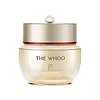
This anti-aging moisturizer is formulated around Squalane and Ceramide NP to soften the look of wrinkles and strengthen the skin barrier.
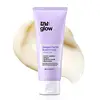
This barrier-repair moisturizer is formulated around Niacinamide and Copper Tripeptide-1 to strengthen the skin barrier and soften the look of wrinkles.

What's inside
What's inside
 Key Ingredients
Benefits
Concerns
Ingredients Side-by-side
Water
Skin ConditioningGlycerin
Humectant


Squalane
Emollient
Dipropylene Glycol
HumectantButylene Glycol
Humectant
Dimethicone
Emollient
2,3-Butanediol
HumectantIsostearyl Isostearate
Emollient




1,2-Hexanediol
Skin Conditioning
Sucrose Polystearate
EmollientGlyceryl Stearate
Emollient
Caprylic/Capric Triglyceride
Masking
Methyl Trimethicone
Skin Conditioning
Panthenol
Skin Conditioning

Cetearyl Alcohol
Emollient
PEG-100 Stearate
Surfactant
C14-22 Alcohols
Emulsion Stabilising
Phytosteryl/Octyldodecyl Lauroyl Glutamate
Skin ConditioningPolyacrylate-13
Hydrogenated Lecithin
Emulsifying
Triethylhexanoin
MaskingCedrol
EmollientChondrus Crispus Extract
Skin Conditioning
Macadamia Ternifolia Seed Oil
Emollient
Palmitic Acid
Emollient
Stearic Acid
Cleansing
Dimethicone/Vinyl Dimethicone Crosspolymer
Skin Conditioning
Ceramide NP
Skin Conditioning
Hydroxyethylpiperazine Ethane Sulfonic Acid
BufferingArachidyl Glucoside
EmulsifyingButyrospermum Parkii Butter
Skin Conditioning
C30-45 Alkyl Dimethicone
Skin Conditioning
Sucrose Stearate
EmollientPolyisobutene
Propylene Glycol
Humectant
Sodium Hyaluronate
Humectant
Olea Europaea Oil Unsaponifiables
Skin Conditioning
PEG-10 Rapeseed Sterol
CleansingMica
Cosmetic ColorantCI 77891
Cosmetic ColorantEmpetrum Nigrum Fruit Juice
Skin ConditioningPolysorbate 20
Emulsifying
Cholesterol
Emollient
Carbomer
Emulsion StabilisingTromethamine
BufferingSorbitan Isostearate
Emulsifying
Trisodium EDTA
ChelatingSodium Polyacrylate
Absorbent
CI 77491
Cosmetic ColorantBetaine
Humectant
Glycereth-20
HumectantTrehalose
Humectant
Asparagus Cochinchinensis Root Extract
Skin ConditioningHydrogenated Polydecene
EmollientHydrolyzed Collagen
Emollient
Potassium C12-13 Alkyl Phosphate
SurfactantCeramide Ng
Skin Conditioning
Arginine
Masking
Dioscorea Japonica Root Extract
Skin Conditioning
Glycyrrhiza Glabra Root Extract
Bleaching

Phytosphingosine
Skin Conditioning
Polygonatum Officinale Rhizome/Root Extract
Skin ConditioningPolygonum Multiflorum Root Extract
Skin ConditioningAngelica Gigas Root Extract
Skin ConditioningPanax Ginseng Root Extract
Emollient
Cordyceps Militaris Extract
Skin ConditioningCordyceps Sinensis Extract
Antioxidant
Nicotinamide Adenine Dinucleotide
Skin ConditioningTypha Angustifolia Spike Extract
Skin ConditioningGlutamic Acid
Humectant
Cornus Officinalis Fruit Extract
Skin ConditioningThymus Vulgaris Extract
Perfuming
Cinnamomum Cassia Bark Extract
Masking
Paeonia Lactiflora Root Extract
Skin ConditioningSodium Glutamate
MaskingOphiopogon Japonicus Root Extract
Skin ConditioningScutellaria Baicalensis Root Extract
Astringent
Atractylodes Japonica Rhizome Extract
Skin ConditioningGlycyrrhetinic Acid
Skin Conditioning
Saposhnikovia Divaricata Root Extract
AntimicrobialZingiber Officinale Root Extract
Masking
Ziziphus Jujuba Fruit Extract
Skin ConditioningSodium DNA
Skin Conditioning
Potassium Aspartate
Skin ConditioningAsparagine
MaskingBiotin/Folic Acid/Cyanocobalamin/Niacinamide/Pantothenic Acid/Pyridoxine/Riboflavin/Thiamine/Yeast Polypeptides
Skin Conditioning

Glutamine
Skin ConditioningPotassium Sorbate
Preservative
Proline
Skin Conditioning
Tryptophan
MaskingAlanine
Masking
Glycine
Buffering
Quercetin
Antioxidant
Phytosterols
Skin Conditioning
Threonine
Glycoproteins
Skin Conditioning
Lysine
Skin ConditioningSerine
Masking
Sodium Stearoyl Glutamate
CleansingSorbitan Oleate
Emulsifying
Tocopherol
Antioxidant
Rehmannia Chinensis Root Extract
Skin ConditioningLeucine
Skin ConditioningPhenylalanine
Masking
Tyrosine
MaskingValine
MaskingTuber Melanosporum Extract
HumectantGanoderma Lucidum Extract
Skin Protecting
Acetyl Hexapeptide-8
Humectant
Copper Tripeptide-1
Skin Conditioning
Histidine
Humectant
Isoleucine
Skin ConditioningOligopeptide-1
Skin Conditioning
Oligopeptide-2
Skin Conditioning
Ethylhexylglycerin
Skin ConditioningPoria Cocos Sclerotium Extract
AstringentLinoleic Acid
Cleansing
Ferulic Acid
Antimicrobial
Beta-Sitosterol
Emulsion Stabilising
Rosmarinic Acid
Antioxidant
Ursolic Acid
MaskingParfum
Masking

Geraniol
Perfuming
Linalool
Perfuming
Limonene
Perfuming
Benzyl Benzoate
Antimicrobial
Hydroxycitronellal
Perfuming
Citronellol
Perfuming
Water, Glycerin, Squalane, Dipropylene Glycol, Butylene Glycol, Dimethicone, 2,3-Butanediol, Isostearyl Isostearate, 1,2-Hexanediol, Sucrose Polystearate, Glyceryl Stearate, Caprylic/Capric Triglyceride, Methyl Trimethicone, Panthenol, Cetearyl Alcohol, PEG-100 Stearate, C14-22 Alcohols, Phytosteryl/Octyldodecyl Lauroyl Glutamate, Polyacrylate-13, Hydrogenated Lecithin, Triethylhexanoin, Cedrol, Chondrus Crispus Extract, Macadamia Ternifolia Seed Oil, Palmitic Acid, Stearic Acid, Dimethicone/Vinyl Dimethicone Crosspolymer, Ceramide NP, Hydroxyethylpiperazine Ethane Sulfonic Acid, Arachidyl Glucoside, Butyrospermum Parkii Butter, C30-45 Alkyl Dimethicone, Sucrose Stearate, Polyisobutene, Propylene Glycol, Sodium Hyaluronate, Olea Europaea Oil Unsaponifiables, PEG-10 Rapeseed Sterol, Mica, CI 77891, Empetrum Nigrum Fruit Juice, Polysorbate 20, Cholesterol, Carbomer, Tromethamine, Sorbitan Isostearate, Trisodium EDTA, Sodium Polyacrylate, CI 77491, Betaine, Glycereth-20, Trehalose, Asparagus Cochinchinensis Root Extract, Hydrogenated Polydecene, Hydrolyzed Collagen, Potassium C12-13 Alkyl Phosphate, Ceramide Ng, Arginine, Dioscorea Japonica Root Extract, Glycyrrhiza Glabra Root Extract, Phytosphingosine, Polygonatum Officinale Rhizome/Root Extract, Polygonum Multiflorum Root Extract, Angelica Gigas Root Extract, Panax Ginseng Root Extract, Cordyceps Militaris Extract, Cordyceps Sinensis Extract, Nicotinamide Adenine Dinucleotide, Typha Angustifolia Spike Extract, Glutamic Acid, Cornus Officinalis Fruit Extract, Thymus Vulgaris Extract, Cinnamomum Cassia Bark Extract, Paeonia Lactiflora Root Extract, Sodium Glutamate, Ophiopogon Japonicus Root Extract, Scutellaria Baicalensis Root Extract, Atractylodes Japonica Rhizome Extract, Glycyrrhetinic Acid, Saposhnikovia Divaricata Root Extract, Zingiber Officinale Root Extract, Ziziphus Jujuba Fruit Extract, Sodium DNA, Potassium Aspartate, Asparagine, Biotin/Folic Acid/Cyanocobalamin/Niacinamide/Pantothenic Acid/Pyridoxine/Riboflavin/Thiamine/Yeast Polypeptides, Glutamine, Potassium Sorbate, Proline, Tryptophan, Alanine, Glycine, Quercetin, Phytosterols, Threonine, Glycoproteins, Lysine, Serine, Sodium Stearoyl Glutamate, Sorbitan Oleate, Tocopherol, Rehmannia Chinensis Root Extract, Leucine, Phenylalanine, Tyrosine, Valine, Tuber Melanosporum Extract, Ganoderma Lucidum Extract, Acetyl Hexapeptide-8, Copper Tripeptide-1, Histidine, Isoleucine, Oligopeptide-1, Oligopeptide-2, Ethylhexylglycerin, Poria Cocos Sclerotium Extract, Linoleic Acid, Ferulic Acid, Beta-Sitosterol, Rosmarinic Acid, Ursolic Acid, Parfum, Geraniol, Linalool, Limonene, Benzyl Benzoate, Hydroxycitronellal, Citronellol
Water
Skin ConditioningNiacinamide
Smoothing


Squalane
Emollient
Dimethicone
Emollient
Glycerin
Humectant
Butylene Glycol
Humectant
Glyceryl Stearate
Emollient
Macadamia Ternifolia Seed Oil
Emollient
1,2-Hexanediol
Skin Conditioning
Dipropylene Glycol
HumectantPolyglyceryl-3 Methylglucose Distearate
Emulsifying
Hydrogenated Lecithin
Emulsifying
Panthenol
Skin Conditioning
Butyrospermum Parkii Butter
Skin Conditioning
Cetearyl Alcohol
Emollient
PEG-100 Stearate
Surfactant
Alanyl Glutamine
HumectantPalmitic Acid
Emollient
Stearic Acid
Cleansing
Ammonium Acryloyldimethyltaurate/Vp Copolymer
Stearyl Glycyrrhetinate
Skin ConditioningParfum
Masking
Allantoin
Skin Conditioning
Acrylates/C10-30 Alkyl Acrylate Crosspolymer
Emulsion StabilisingC14-22 Alcohols
Emulsion Stabilising
Cedrol
EmollientAdenosine
Skin Conditioning
Tocopherol
Antioxidant
Potassium Hydroxide
BufferingSodium Hyaluronate
Humectant
Triethylhexanoin
MaskingCI 77891
Cosmetic ColorantMica
Cosmetic ColorantArachidyl Glucoside
EmulsifyingTrisodium EDTA
ChelatingGlycine Soja Oil
Emollient
Glutathione
CI 77491
Cosmetic ColorantCholesterol
Emollient
Arginine/Lysine Polypeptide
Skin Conditioning
Glyceryl Behenate
Emollient
Polysorbate 20
Emulsifying
Carbomer
Emulsion StabilisingCeramide NP
Skin Conditioning
Retinol
Skin Conditioning
Tromethamine
BufferingCaprylic/Capric Triglyceride
Masking
BHT
Antioxidant
Pentaerythrityl Tetra-Di-T-Butyl Hydroxyhydrocinnamate
Antioxidant
Pentylene Glycol
Skin Conditioning
Poloxamer 188
EmulsifyingPolysorbate 60
Emulsifying
Cetyl Palmitate
Emollient
Glyceryl Distearate
Emollient
Myristyl Myristate
Emollient
Sodium Stearoyl Glutamate
CleansingAlcohol Denat.
Antimicrobial

Sodium Ascorbyl Phosphate
Antioxidant
Glycine
Buffering
Alcohol
Antimicrobial
Sodium Lactate
Buffering
Sodium Sulfite
Preservative
Phenethyl Alcohol
MaskingBHA
Antioxidant
Caprylyl Glycol
Emollient
Tris(Tetramethylhydroxypiperidinol)Citrate
StabilisingAcetyl Tetrapeptide-9
Skin Conditioning
Ethylhexylglycerin
Skin ConditioningSorbic Acid
Preservative
Acetyl Hexapeptide-8
Humectant
Maltodextrin
Absorbent
Pentapeptide-48
Skin Conditioning
Copper Tripeptide-1
Skin Conditioning
Palmitoyl Tripeptide-1
Skin Conditioning
Palmitoyl Tetrapeptide-7
Skin Conditioning
Desamido Collagen
Skin Conditioning
Water, Niacinamide, Squalane, Dimethicone, Glycerin, Butylene Glycol, Glyceryl Stearate, Macadamia Ternifolia Seed Oil, 1,2-Hexanediol, Dipropylene Glycol, Polyglyceryl-3 Methylglucose Distearate, Hydrogenated Lecithin, Panthenol, Butyrospermum Parkii Butter, Cetearyl Alcohol, PEG-100 Stearate, Alanyl Glutamine, Palmitic Acid, Stearic Acid, Ammonium Acryloyldimethyltaurate/Vp Copolymer, Stearyl Glycyrrhetinate, Parfum, Allantoin, Acrylates/C10-30 Alkyl Acrylate Crosspolymer, C14-22 Alcohols, Cedrol, Adenosine, Tocopherol, Potassium Hydroxide, Sodium Hyaluronate, Triethylhexanoin, CI 77891, Mica, Arachidyl Glucoside, Trisodium EDTA, Glycine Soja Oil, Glutathione, CI 77491, Cholesterol, Arginine/Lysine Polypeptide, Glyceryl Behenate, Polysorbate 20, Carbomer, Ceramide NP, Retinol, Tromethamine, Caprylic/Capric Triglyceride, BHT, Pentaerythrityl Tetra-Di-T-Butyl Hydroxyhydrocinnamate, Pentylene Glycol, Poloxamer 188, Polysorbate 60, Cetyl Palmitate, Glyceryl Distearate, Myristyl Myristate, Sodium Stearoyl Glutamate, Alcohol Denat., Sodium Ascorbyl Phosphate, Glycine, Alcohol, Sodium Lactate, Sodium Sulfite, Phenethyl Alcohol, BHA, Caprylyl Glycol, Tris(Tetramethylhydroxypiperidinol)Citrate, Acetyl Tetrapeptide-9, Ethylhexylglycerin, Sorbic Acid, Acetyl Hexapeptide-8, Maltodextrin, Pentapeptide-48, Copper Tripeptide-1, Palmitoyl Tripeptide-1, Palmitoyl Tetrapeptide-7, Desamido Collagen
Ingredients Explained
These ingredients are found in both products.
Ingredients higher up in an ingredient list are typically present in a larger amount.
1,2-Hexanediol is a synthetic liquid and another multi-functional powerhouse.
It is a:
- Humectant, drawing moisture into the skin
- Emollient, helping to soften skin
- Solvent, dispersing and stabilizing formulas
- Preservative booster, enhancing the antimicrobial activity of other preservatives
Acetyl Hexapeptide-8 (also known as Argireline) is a synthetic hexapeptide that is often called a "topical Botox alternative".
It works by mimicking how Botox relaxes muscles; it interferes with the signaling process that tells your facial muscles to contract. This can help soften expression lines like forehead wrinkles or crow's feet over time.
The comparison to Botox does have limits because the molecule is water-loving and relatively large.
Acetyl Hexapeptide-8 has a hard time absorbing deeply enough through the skin's outer barrier to actually reach the muscles.
So whether it truly works the way Botox does at a biological level is still up for debate, but early clinical outcomes are fairly encouraging.
A 12 week human study of a multi-ingredient regimen containing this ingredient saw:
While some studies have observed improvements in wrinkle appearance, it is important to note that more consistent results are seen in multi-ingredient formulations (vs just Acetyl Hexapeptide-8 alone).
Some research studies also used higher concentrations (up to 10%) while this ingredient is usually found in concentrations up to 0.005% in leave-on formulations.
Learn more about Acetyl Hexapeptide-8This ingredient is a plant-based surfactant and emulsifier. It helps oil and water based ingredients mix evenly to improve formula stability without adding a "greasy" feel.
Butylene Glycol (or BG) is used within cosmetic products for a few different reasons:
Overall, Butylene Glycol is a safe and well-rounded ingredient that works well with other ingredients.
Though this ingredient works well with most skin types, some people with sensitive skin may experience a reaction such as allergic rashes, closed comedones, or itchiness.
Learn more about Butylene GlycolThis ingredient is also known as shea butter. It is a plant-derived extract from the nuts of the Africa shea tree and one of the most well-studied emollients.
Because it has a high concentration of fatty acids (primarily oleic, stearic, and linoleic) it is able to form a protective barrier on the skin's surface. This helps seal in moisture and prevents transepidermal water loss (TEWL).
In vitro research found an increase in skin hydration by 58% and a decrease in TEWL by 37.8% after 24 hours of applying this ingredient (pretty impressive for a single ingredient!).
Besides hydration, shea butter also contains triterpenes that have anti-inflammatory potential. In particule, lupeol cinnamate has shown the highest anti-inflammatory activity in vivo.
Shea butter also contains vitamins A and E which may contribute to antioxidant activity.
While Shea Butter has an SPF rating of about 3-4, it is not a sunscreen replacement.
This ingredient may not be fungal acne safe because its fatty acids fall within the C11-C24 range that the Malassezia yeast can metabolize.
This ingredient shows up on a lot of "pore-clogging" lists but there's no real evidence behind that. It doesn't even have a comedogenic rating from an actual study; the numbers you'll find online come from blogs citing other blogs.
Ratings for other ingredients mostly come from a 1980s rabbit ear test. This test doesn't translate well to human skin or to real products because the ingredient sits at a much lower percentage.
Some people still find it breaks them out. So if that's you, definitely trust your skin. Just know this one's based on experience and not evidence.
Learn more about Butyrospermum Parkii ButterThis ingredient is a blend of long-chain fatty alcohols (myristyl, cetyl, stearyl, arachidyl, and behenyl). It is an emulsion stabilizer with emollient properties.
Don't let the word "alcohol" scare you: fatty alcohols are nothing like the drying solvents. This ingredient actually helps soften and smooth the skin.
By the way, the FDA allows products to be labeled "alcohol-free" even when they contain fatty alcohols like this one.
In a formula, it prevents the water and oil phases from separating over time while also contributing to a pleasant, non-greasy slip.
Interestingly, this ingredient can organize into the structures that mimic the skin's own lipid architecture to help support barrier function and reduce transepidermal water loss (TEWL).
The CIR Expert Panel has thoroughly assess the individual fatty alcohols that make up this blend and found no significant toxicity or dermal irritation.
Learn more about C14-22 AlcoholsCaprylic/Capric Triglyceride (aka MCT Oil) is a lightweight emollient, solvent, and texture enhancer. It is considered a skin-softener by helping to prevent moisture loss.
Though it behaves like an oil, it is not technically one due to its chemical composition. One perk of this ingredient is that it is very stable, resistant to oxidation, and unlikely to go rancid.
In practice, that translates to a long shelf life and a consistently elegant skin feel.
While there is an assumption Caprylic Triglyceride can clog pores due to it being derived from coconut oil, there is no research supporting this. Just patch test if you have concerns.
Fractionated coconut oil and MCT Oil are both listed as Caprylic/Capric Triglyceride according to INCI. This is because INCI names are based on the ingredient’s final chemical composition and not its marketing name or source.
This ingredient is treated as the gold standard fungal acne safe oil. Even though it is coconut derived, the problematic lauric acid is stripped out.
This leaves just caprylic (C8) and capric (C10) acid. These chain lengths actually trend antifungal; a 2020 study found caprylic acid was enough to disrupt Malassezia furfur cell membrane, with a caprylic acid derivative damaging membrane structures at concentrations as low as 0.2%.
Learn more about Caprylic/Capric TriglycerideCarbomer is a synthetic thickening and gelling agent. It's basically the ingredient that gives a lot of serums, gels, creams, and sunscreens their smooth, non-sticky texture.
Although legally permitted at very high levels, carbomers are normally used at concentrations below 1%.
It also needs to be neutralized to actually thicken, and because it is a large molecule, it doesn't really penetrate the skin barrier.
Allergy-wise, the risk is very low. Clinical studies show carbomers have low potential for skin irritation/sensitization even at concentrations up to 100%.
A 2024 UK study patch-tested 1,302 patients and found true allergy to the parent group of carbomer to be rare with no confirmed relevant reactions.
Learn more about CarbomerWe don't have a description for Cedrol yet.
Ceramide NP (formerly known as Ceramide 3) is one of the skin's naturally occurring lipids.
Since ceramides are the major lipid components of the skin, they are crucial for maintaining skin barrier and hydration. Ceramide NP most closely mirrors the dominant kind in human skin amongst ceramide subtypes.
This ceramide works by slotting into gaps within the stratum corneum's lipid matrix to limit trans-epidermal water loss (TEWL) and shield the skin against external irritants.
A study with 312 patients found that using a ceramide-containing routine for 4 weeks reduced the severity of atopic dermatitis by over 61%.
Another clinical study in subjects aged 60 and older found that a ceramide body wash and moisturizer improved skin dryness and itchy skin in 15 days.
Overall, ceramides are considered non-irritating and safety tests have found little to no observable adverse effects from using this ingredient.
Ceramide NP is usually sourced from plants (like soybean or rice bran), or produced synthetically.
Learn more about Ceramide NPCetearyl alcohol is a waxy mixture of two fatty alcohols: cetyl alcohol and stearyl alcohol. It is an emollient and emulsifier.
Despite having "alcohol" in its name, it has nothing to do with drying solvent alcohols; the FDA also allows "alcohol-free" products to contain fatty alcohols like this ingredient.
It plays several roles in a formula:
Typical use levels for this ingredient sit around 1-10% and the Cosmetic Ingredient Review Expert Panel has affirmed safety at concentrations up to 25% in leave-on products.
Multiple assessments have found it to be non-irritating and non-sensitizing to most people.
However, there have been some cases of allergic contact dermatitis in patients with chronically compromised skin barriers.
Cetearyl alcohol has a comedogenic rating of 2 and irritancy rating of 1. Both of these numbers come from the 1989 study that used rabbit ears; a "2" means mildly comedogenic and a "1" means low irritancy.
Here's the catch: rabbit skin is more sensitive than human skin and throws a lot of false positives. A 1996 reappraisal found that ingredients rated 1-2 in the rabbit ear tests are generally safe for humans.
Remember comedogenic ratings are unable to assess the entire formula of a product or how it will react on your skin. Just be sure to patch test if you are unsure about certain ingredients.
This ingredient is not fungal acne safe. Cetearyl alcohol is a fatty alcohol with chain lengths that fall within the range that Malassezia can metabolize.
A 2019 study has also observed Malassezia growth in the presence of this ingredient, confirming it to be not-fungal acne safe.
Learn more about Cetearyl AlcoholCholesterol is a lipid that is naturally found in human skin and is one of the three key components of your skin barrier. In skincare, it is an emollient and barrier-repairing ingredient.
It works by fitting directly into the lipid layers of skin to help restore structure and reduce transepidermal water loss (TEWL).
This is a great ingredient for dry, compromised, or aging skin; our skin starts to produce less cholesterol with age.
Research shows cholesterol works best in combination with ceramides and fatty acids, the other two major components in your skin barrier.
Cholesterol is also a well-establish penetration enhancer and can help other actives absorb more effectively.
Cosmetic-grade cholesterol is usually derived from lanolin but plant and synthetic options also exist. We recommend reaching out to the brand if you have questions about their source of cholesterol.
Learn more about CholesterolCi 77491 is also hydrated iron III oxide. It's sole purpose is to give a red/pink hue to products.
Iron III oxides are classified as inorganic chemicals for coloring.
Synthetically created Ci 77491 is considered safer than those naturally found. This is because the synthetically created version may contain less impurities. Iron oxides are generally non-toxic and non-allergenic.
Learn more about CI 77491Ci 77891 is a white pigment from Titanium dioxide. It is naturally found in minerals such as rutile and ilmenite.
It's main function is to add a white color to cosmetics. It can also be mixed with other colors to create different shades.
Ci 77891 is commonly found in sunscreens due to its ability to block UV rays.
Learn more about CI 77891Copper Tripeptide-1 (GHK-Cu) is a skin repairing ingredient said to boost collagen, improve firmness, and support skin regeneration.
It is a complex made up of a naturally occurring peptide (glycine-histidine-lysine) and copper, an essential trace element.
While studying wound healing, researchers noticed GHK-Cu stimulated hair follicle enlargement and growth by keeping hair in its active growth phase longer. This has made it a promising ingredient for hair regrowth treatments.
Some people have reported increased facial hair. While GHK-Cu can make your hair follicles bigger, it usually doesn’t turn soft, barely-visible facial hairs into thick, dark ones.
Anecdotal reports suggest that overusing copper peptides might lead to premature aging due to excess free copper or enzyme imbalances. This claim isn’t backed by large-scale studies.
Unfortunately, there are limited human studies for this ingredient. While early results are promising, many studies are either small, in-vitro, or not rigorously controlled.
For example, there is a 1998 study that explored the effects of copper tripeptide, vitamin C, tretinoin, and melatonin on skin repair and collagen synthesis.
After one month, increased procollagen production was seen in 7 out of 10 participants using copper tripeptide (more than those using vitamin C, melatonin, or tretinoin.
While the study was exploratory, it offers early evidence that copper tripeptide may support collagen production. Larger, well-designed trials are still needed to confirm its potential and understand individual responses.
Read more about other common types of peptides here:
Learn more about Copper Tripeptide-1Dimethicone is a type of synthetic silicone created from natural materials such as quartz. It is also known as polydimethylsiloxane.
What it does:
Dimethicone comes in different viscosities:
Depending on the viscosity, dimethicone has different properties.
Ingredients lists don't always show which type is used, so we recommend reaching out to the brand if you have questions about the viscosity.
This ingredient is unlikely to cause irritation because it does not get absorbed into skin. However, people with silicone allergies should be careful about using this ingredient.
Note: Dimethicone may contribute to pilling. This is because it is not oil or water soluble, so pilling may occur when layered with products. When mixed with heavy oils in a formula, the outcome is also quite greasy.
Learn more about DimethiconeDipropylene Glycol is a synthetically created humectant, stabilizer, and solvent.
This ingredient helps:
Dipropylene glycol is technically an alcohol, but it belongs to the glycol family (often considered part of the ‘good’ alcohols). This means it is hydrating and gentle on skin unlike drying solvent alcohols like denatured alcohol.
As a masking agent, Dipropylene Glycol can be used to cover the smell of other ingredients. However, it does not have a scent.
Studies show Dipropylene Glycol is considered safe to use in skincare.
Learn more about Dipropylene GlycolEthylhexylglycerin is created from glycerin. It is a multitasker ingredient that:
The CIR Expert Panel found minimal skin absorption or sensitization of any kind in a safety assessment. Though this ingredient is considered well-tolerated, a small number of cases of allergic dermatitis have been published since 2002. Just be sure to patch test if you are unsure.
Industry-reported use ranges from 8% in rinse-off products and 2% in leave-on formulations.
Learn more about EthylhexylglycerinGlycerin (or glycerol) is a compound naturally found in your skin. It's a powerhouse humectant that pulls water into the stratum corneum.
Topically, glycerin does several things at once:
Your skin makes glycerin on its own (mostly from sebaceous oil breakdown) and shuttles it to your outermost layer of skin, or your epidermis, via aquaporin-3.
Aquaporin-3 is a transporter that is essential for normal skin hydration, elasticity, and repair. Interestingly, mice lacking in AQP3 have dry and less elastic skin that can be fully corrected with glycerin.
This ingredient is non-irritating, plays well with almost every ingredient, and works across all skin types. Typical use is anywhere between 3-10% but can go up to 79% in some leave-on products.
Just know very high concentrations (>40%) can feel tacky in low humidity.
Glycerin is the name for this ingredient in American English. British English uses Glycerol/Glycerine.
Learn more about GlycerinGlyceryl Stearate is made by reacting glycerin with stearic acid (typically sourced from plant oils like palm or coconut). It's an emulsifier, emollient, and mild occlusive.
Emulsifiers help ingredients like oil and water stay mixed so your formula stays nicely blended and uniform in texture.
This ingredient is typically used in concentrations between 1-10%. Studies have found it to be non-sensitizing, non-phototoxic, and non-photoallergenic.
A close cousin of this ingredient is Glyceryl Stearate SE ("self-emulsifying"). This just has a small amount of sodium or potassium stearate added so it can emulsify without a co-emulsifier.
Since this ingredient is an ester of a C18 fatty acid, it may not be fungal acne safe. The Malassezia yeast can potentially metabolize within the C11-C24 range.
Fun fact: The human body also creates Glyceryl Stearate naturally.
Learn more about Glyceryl StearateGlycine is the smallest amino acid and a key building block of collagen. It's part if your skin's Natural Moisturizing Factor (NMF), or the water-loving molecules in your outermost layer of skin (stratum corneum) that keeps everything hydrated and happy.
A study from 2022 found that an amino acid complex featuring taurine, arginine, and glycine significantly reduced skin irritation, improved redness, and accelerated the skin repair process.
Hydrogenated Lecithin is a more stable version of lecithin.
It's made by taking lecithin (a phospholipid commonly found in soybeans and egg yolks) and hydrogenating it. This just means the unsaturated fatty acids are turned into saturated ones so they don't go bad as easily.
This ingredient is an emollient, emulsifier, and penetration enhancer. As an emollient, it helps soften and hydrate skin by trapping moisture within. As an emulsifier, it prevents oil and water ingredients from separating.
Hydrogenated Lecithin can form tiny spherical structures made of phospholipid bilayers called liposomes. These liposomes are able to capture compounds inside their structure and deliver them through the skin barrier.
Because phospholipids are a natural component of our cell membranes, this ingredient is inherently compatible with skin.
A 2021 study found lecithin-based surfactants were less harsh and more tolerable comared to Sodium Lauryl Sulfate (SLS).
Learn more about Hydrogenated LecithinThis ingredient is also known as Macadamia Seed Oil. It's an emollient with a fatty acid profile that closely mirrors the skin's own lipid makeup.
The palmitoleic acid content is especially notable as it's somewhat rare in plant oils. Palmitoleic acid is something your skin already makes naturally. It helps keep cell membranes structured and plays a role in fighting off harmful microbes.
This palmitoleic content is also part of why macademia seed oil absorbs quickly and doesn't leave much of a greasy residue.
It also contains oleic acid, linoleic acid, and phytosterols that can help reduce redness.
In vitro research has shown the oil to have meaningful antioxidant activity, protect fats in the skin from oxidative damage, and slow down the enzyme that breaks down hyaluronic acid.
A 2024 clinical study found it effective at improving skin hydratino and reducing wrinkle appearance when formulated into nanoemulsions.
Because it carries oleic acid (C18) and palmitic acid (C16), this ingredient may not be fungal acne safe. This is because the Malassezia yeast metabolizes in the C11-24 chain length range.
You'll also see this ingredient listed as: Macadamia Integrifolia Seed Oil .
These two oils are identical in composition and M. ternifolia is an older INCI naming convention for the edible macadamia nut while M. integrifolia is the species actually cultivated for oil production. Both names refer to the same oil.
Learn more about Macadamia Ternifolia Seed OilMica is a naturally occurring mineral used to add shimmer and color in cosmetics. It can also help improve the texture of a product or give it an opaque, white/silver color.
Serecite is the name for very fine but ragged grains of mica.
This ingredient is often coated with metal oxides like titanium dioxide. Trace amounts of heavy metals may be found in mica, but these metals are not harmful in our personal products.
Mica has been used since prehistoric times throughout the world. Ancient Egyptian, Indian, Greek, Roman, Aztec, and Chinese civilizations have used mica.
Learn more about MicaPalmitic Acid is a fatty acid naturally found in our skin and in many plant and animal sources.
In cosmetics, it is usually derived from palm oil. It serves many purposes in skincare, acting as a cleanser, emollient, and emulsifier.
Interestingly, topically applied Palmitic Acid can be elongated into longer chain fatty acids and ceramides. A 2019 study found low levels of Palmitic Acid lead to slower development of cells, suggesting it plays a role in keeping your skin's renewal process on track.
The CIR (Cosmetic Ingredient Review) panel determined it safe as used in cosmetics at concentrations up to 13%. It is non-irritating and non-sensitizing in clinical studies.
The culprit behind fungal acne, the Malassezia yeast, feeds on fatty acids with carbon chain lengths between C11-C24. Palmitic Acid, at C16, falls right into that sweet spot.
In vitro studies have shown that Palmitic Acid is one of the fatty acids that induce rapid Malassezia growth in lab settings.
It's worth noting that what feeds yeast in a lab doesn't necessarily feed it on your face since formulation and your skin's chemistry play a bigger role.
This ingredient does have a comedogenic rating of 2, but this doesn't mean a formula with this ingredient will clog pores.
Human testing has proved that any finished product with a comedogenic ingredient won't automatically make you break out; it really comes down to concentration, formula, and your skin.
Learn more about Palmitic AcidPanthenol is a common ingredient that helps hydrate and soothe the skin. It is found naturally in our skin and hair.
There are two forms of panthenol: D and L.
D-panthenol is also known as dexpanthenol. Most cosmetics use dexpanthenol or a mixture of D and L-panthenol.
Panthenol is famous due to its ability to go deeper into the skin's layers. Using this ingredient has numerous pros (and no cons):
Like hyaluronic acid, panthenol is a humectant. Humectants are able to bind and hold large amounts of water to keep skin hydrated.
This ingredient works well for wound healing. It works by increasing tissue in the wound and helps close open wounds.
Once oxidized, panthenol converts to pantothenic acid. Panthothenic acid is found in all living cells.
This ingredient is also referred to as pro-vitamin B5.
Learn more about PanthenolParfum is a catch-all term for an ingredient or more that is used to give a scent to products.
Also called "fragrance", this ingredient can be a blend of hundreds of chemicals or plant oils. This means every product with "fragrance" or "parfum" in the ingredients list is a different mixture.
For instance, Habanolide is a proprietary trade name for a specific aroma chemical. When used as a fragrance ingredient in cosmetics, most aroma chemicals fall under the broad labeling category of “FRAGRANCE” or “PARFUM” according to EU and US regulations.
The term 'parfum' or 'fragrance' is not regulated in many countries. In many cases, it is up to the brand to define this term.
For instance, many brands choose to label themselves as "fragrance-free" because they are not using synthetic fragrances. However, their products may still contain ingredients such as essential oils that are considered a fragrance by INCI standards.
One example is Calendula flower extract. Calendula is an essential oil that still imparts a scent or 'fragrance'.
Depending on the blend, the ingredients in the mixture can cause allergies and sensitivities on the skin. Some ingredients that are known EU allergens include linalool and citronellol.
Parfum can also be used to mask or cover an unpleasant scent.
The bottom line is: not all fragrances/parfum/ingredients are created equally. If you are worried about fragrances, we recommend taking a closer look at an ingredient. And of course, we always recommend speaking with a professional.
Learn more about ParfumPeg-100 Stearate is an emollient and emulsifier. As an emollient, it helps keep skin soft by trapping moisture in. On the other hand, emulsifiers help prevent oil and water from separating in a product.
PEGS are a hydrophilic polyether compound . There are 100 ethylene oxide monomers in Peg-100 Stearate. Peg-100 Stearate is polyethylene glycol ester of stearic acid.
Polysorbate 20 is a gentle, water-soluble emulsifier and mild surfactant. It stops oil and water from separating to keep your formulas blended and stable.
It also acts as a mild penetration enhancer by helping active ingredients absorb slightly better.
The common safety discussion around this ingredient involves a manufacturing byproduct called 1,4-dioxane.
Trace amounts can form during production but the EU's Scientific Committee on Consumer Safety has concluded that levels at/below 10 ppm in finished products are safe (commercial products consistently fall within acceptable margins).
True allergic reactions are uncommon and the CIR Expert Panel has confirmed this ingredient to be safe as used in cosmetics.
Because it is derived from lauric acid, it may not be fungal acne safe.
Learn more about Polysorbate 20Sodium Hyaluronate is the salt form of hyaluronic acid. It is a long sugar chain that is naturally found in your skin, joints, and connective tissue that maintains hydration and elasticity.
In skincare, it works as a humectant. It pulls water from the environment and deeper layers of skin and binds it to the surface.
Interestingly, the size of the molecule affects its behavior:
Some clinical evidence links low molecular weight versions to improved wrinkle depth, elasticity, anti-inflammatory effects, and barrier repair.
Many serums use a blend of both weights so you can get surface hydration plus longer-lasting and deeper effects.
You'll typically see concentrations between 0.1-2% for this ingredient.
Learn more about Sodium HyaluronateSodium Stearoyl Glutamate is an amino-acid based emulsifier. It is made by combining stearic acid with L-glutamic acid and neutralizing it to a sodium salt.
As an emulsifier, it works mainly as an oil-in-water one and helps keep the oil and water in your formulas blended. It also contributes to a smooth, non-greasy skin feel.
This ingredient is biodegradable and commonly available in natural/COSMOS-certified grades.
Learn more about Sodium Stearoyl GlutamateSqualane is the hydrogenated and shelf-stable form of squalene (a lipid that naturally occurs in human sebum).
It is an emollient and skin conditioning agent that is able to integrate seamlessly into the skin's lipid barrier without clogging pores.
This is due to how structurally similar it is to what your skin already produces.
Though it is mostly an emollient that helps soften and hydrate skin, it also has some humectant and occlusive action. Humectants help the skin retain moisture while occlusives seal it in, making squalane a triple-threat moisturizer.
Research shows it has antioxidant capabilities that help protect against stressors like UV exposure, specifically UVA induced oxidative stress. This study also found that it supports collagen biosynthesis in human dermal fibroblasts.
No clinical study has reported significant adverse effects and irritation reactions are very rare from this ingredient (even at 100% concentration).
Overall, it's a fantastic ingredient for hydration and is suitable for all skin types.
This depends on the source. Squalane can be derived from both plants and animals. Most squalane used in skincare comes from plants.
Please note: the source of squalane is only known if disclosed by the brand. We recommend reaching out to the brand if you have any questions about their squalane.
Read more about squalene with an "e".
Though squalane is often called an oil, it’s technically not one. It is a hydrocarbon, meaning it is only made of carbon and hydrogen. True oils are triglycerides and made of fatty acids and glycerol.
The term “oil-free” isn’t regulated so companies can define it however they want. Some exclude all oils, while others just avoid mineral oil or comedogenic oils.
Squalane has a comedogenic rating of 1 from the original 1972 study that tested raw ingredients under occlusion on rabbit ears. This system is not standardized or peer-reviewed, and using the raw ingredients is very different from how diluted cosmetic formulations are used on human skin.
A comedogenic rating of 1 means it is "unlikely to clog pores" according to the original rating system.
The overall formula of a product matters more than the individual ingredients on whether or not it will cause clogged pores.
Learn more about SqualaneStearic Acid is a fatty acid that is already found in your skin. It's one of the free fatty acids that works alongside ceramides and cholesterols to maintain your barrier.
In cosmetics, it is a multitasker:
Safety-wise, the CIR Expert Panel has concluded it to be safe in cosmetics when formulated to be non-irritating and non-sensitizing.
Free stearic acid is a C18 fatty acid that the Malassezia yeast can substrate, so this ingredient may not be fungal acne safe.
This ingredient does have a comedogenic rating of 2-3, but this doesn't mean a formula with this ingredient will clog pores.
Human testing has proved that any finished product with this ingredient won't automatically make you break out; it really comes down to concentration, formula, and your skin.
Learn more about Stearic AcidTocopherol is a fat-soluble antioxidant known as Vitamin E.
You'll find this ingredient in the vast majority of skincare (for good reason). It works to neutralize free radicals, or unstable molecules generated by UV exposure, pollution, and other environmental stressors, before they can cause oxidative damage to your skin cells.
Topically applied tocopherol has been shown to protect against UV damage by ramping up the skin's own natural defense enzymes.
It also acts as a skin conditioning agent; some studies show that regular topical use can improve the skin's water-binding capacity over 2-4 weeks.
This ingredient is especially loved for being a team player. When combined with Vitamin C, the photoprotective effect of both ingredients roughly doubles and the combo also helps reduce UV-induced DNA damage.
This ingredient has some brightening potential but it's more of a prevention ingredient than spot-fader. Cell studies show it can slow down melanin production but it's worth noting that it's not the most powerful brightener out there.
In formulations, it also serves as a stabilizer that helps protect other oxidation-prone ingredients from degrading.
Concentrations usually range from 0.1-1% in most leave-on products.
Learn more about TocopherolTriethylhexanoin is created from glycerin and 2-ethylhexanoic acid. It is a solvent and emollient.
As a solvent, Triethylhexanoin helps dissolve ingredients to stable bases or help evenly distribute ingredients throughout the product.
It is also an emollient and helps condition the skin.
Learn more about TriethylhexanoinTrisodium EDTA is one of those quietly essential helper ingredients that most people have never heard of. You'll most likely spot it near the end of ingredient lists in almost every category of skincare.
So what does it actually do?
Its main job is chelation; this is a fancy word to say it grabs onto metal ions and neutralizes them. This is because even purified water in cosmetics contains trace amounts of metals that can cause big problems in a formula.
These trace metals can break down actives faster, cause discoloration, promote rancidity in oils, and make preservatives less effective. Trisodium EDTA binds to these metals and takes them out of the equation so your products can stay stable and effective for longer.
There's also an added bonus: by neutralizing the metals ions that bacteria need to thrive, this ingredient also acts as a preservative booster.
The Cosmetic Ingredient Review has concluded this ingredient to be safe as used in cosmetic formulations. It is not considered an irritant, sensitizer, and is barely absorbed through the skin.
Learn more about Trisodium EDTATromethamine (aka THAM) is a synthetic amino acid that shows up in skincare as a helper ingredient.
It functions as a pH adjuster to help neutralize acidic ingredients and set a formula's pH to the right spot.
This matters a lot because a lot of actives (like vitamin C) needs a specific pH to work well and feel comfortable on skin.
Concentration use ranges from 0.1-1.0% depending on the formula.
Learn more about TromethamineWater. It's the most common cosmetic ingredient of all. You'll usually see it at the top of ingredient lists, meaning that it makes up the largest part of the product.
So why is it so popular? Water most often acts as a solvent - this means that it helps dissolve other ingredients into the formulation.
You'll also recognize water as that liquid we all need to stay alive. If you see this, drink a glass of water. Remember to stay hydrated!
Learn more about Water

