The History of Whoo Bichup Anti-Aging Repair Cream Versus La Mer Genaissance de la Mer The Serum Essence
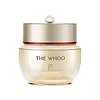
This anti-aging moisturizer is formulated around Squalane and Ceramide NP to soften the look of wrinkles and strengthen the skin barrier.
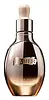
This anti-aging serum is formulated around Palmitoyl Hexapeptide-12 and Acetyl Hexapeptide-8 to soften the look of wrinkles.


What's inside
What's inside
 Key Ingredients
Benefits
Concerns
Ingredients Side-by-side
Water
Skin ConditioningGlycerin
Humectant


Squalane
Emollient
Dipropylene Glycol
HumectantButylene Glycol
Humectant
Dimethicone
Emollient
2,3-Butanediol
HumectantIsostearyl Isostearate
Emollient




1,2-Hexanediol
Skin Conditioning
Sucrose Polystearate
EmollientGlyceryl Stearate
Emollient
Caprylic/Capric Triglyceride
Masking
Methyl Trimethicone
Skin Conditioning
Panthenol
Skin Conditioning

Cetearyl Alcohol
Emollient
PEG-100 Stearate
Surfactant
C14-22 Alcohols
Emulsion Stabilising
Phytosteryl/Octyldodecyl Lauroyl Glutamate
Skin ConditioningPolyacrylate-13
Hydrogenated Lecithin
Emulsifying
Triethylhexanoin
MaskingCedrol
EmollientChondrus Crispus Extract
Skin Conditioning
Macadamia Ternifolia Seed Oil
Emollient
Palmitic Acid
Emollient
Stearic Acid
Cleansing
Dimethicone/Vinyl Dimethicone Crosspolymer
Skin Conditioning
Ceramide NP
Skin Conditioning
Hydroxyethylpiperazine Ethane Sulfonic Acid
BufferingArachidyl Glucoside
EmulsifyingButyrospermum Parkii Butter
Skin Conditioning
C30-45 Alkyl Dimethicone
Skin Conditioning
Sucrose Stearate
EmollientPolyisobutene
Propylene Glycol
Humectant
Sodium Hyaluronate
Humectant
Olea Europaea Oil Unsaponifiables
Skin Conditioning
PEG-10 Rapeseed Sterol
CleansingMica
Cosmetic ColorantCI 77891
Cosmetic ColorantEmpetrum Nigrum Fruit Juice
Skin ConditioningPolysorbate 20
Emulsifying
Cholesterol
Emollient
Carbomer
Emulsion StabilisingTromethamine
BufferingSorbitan Isostearate
Emulsifying
Trisodium EDTA
ChelatingSodium Polyacrylate
Absorbent
CI 77491
Cosmetic ColorantBetaine
Humectant
Glycereth-20
HumectantTrehalose
Humectant
Asparagus Cochinchinensis Root Extract
Skin ConditioningHydrogenated Polydecene
EmollientHydrolyzed Collagen
Emollient
Potassium C12-13 Alkyl Phosphate
SurfactantCeramide Ng
Skin Conditioning
Arginine
Masking
Dioscorea Japonica Root Extract
Skin Conditioning
Glycyrrhiza Glabra Root Extract
Bleaching

Phytosphingosine
Skin Conditioning
Polygonatum Officinale Rhizome/Root Extract
Skin ConditioningPolygonum Multiflorum Root Extract
Skin ConditioningAngelica Gigas Root Extract
Skin ConditioningPanax Ginseng Root Extract
Emollient
Cordyceps Militaris Extract
Skin ConditioningCordyceps Sinensis Extract
Antioxidant
Nicotinamide Adenine Dinucleotide
Skin ConditioningTypha Angustifolia Spike Extract
Skin ConditioningGlutamic Acid
Humectant
Cornus Officinalis Fruit Extract
Skin ConditioningThymus Vulgaris Extract
Perfuming
Cinnamomum Cassia Bark Extract
Masking
Paeonia Lactiflora Root Extract
Skin ConditioningSodium Glutamate
MaskingOphiopogon Japonicus Root Extract
Skin ConditioningScutellaria Baicalensis Root Extract
Astringent
Atractylodes Japonica Rhizome Extract
Skin ConditioningGlycyrrhetinic Acid
Skin Conditioning
Saposhnikovia Divaricata Root Extract
AntimicrobialZingiber Officinale Root Extract
Masking
Ziziphus Jujuba Fruit Extract
Skin ConditioningSodium DNA
Skin Conditioning
Potassium Aspartate
Skin ConditioningAsparagine
MaskingBiotin/Folic Acid/Cyanocobalamin/Niacinamide/Pantothenic Acid/Pyridoxine/Riboflavin/Thiamine/Yeast Polypeptides
Skin Conditioning

Glutamine
Skin ConditioningPotassium Sorbate
Preservative
Proline
Skin Conditioning
Tryptophan
MaskingAlanine
Masking
Glycine
Buffering
Quercetin
Antioxidant
Phytosterols
Skin Conditioning
Threonine
Glycoproteins
Skin Conditioning
Lysine
Skin ConditioningSerine
Masking
Sodium Stearoyl Glutamate
CleansingSorbitan Oleate
Emulsifying
Tocopherol
Antioxidant
Rehmannia Chinensis Root Extract
Skin ConditioningLeucine
Skin ConditioningPhenylalanine
Masking
Tyrosine
MaskingValine
MaskingTuber Melanosporum Extract
HumectantGanoderma Lucidum Extract
Skin Protecting
Acetyl Hexapeptide-8
Humectant
Copper Tripeptide-1
Skin Conditioning
Histidine
Humectant
Isoleucine
Skin ConditioningOligopeptide-1
Skin Conditioning
Oligopeptide-2
Skin Conditioning
Ethylhexylglycerin
Skin ConditioningPoria Cocos Sclerotium Extract
AstringentLinoleic Acid
Cleansing
Ferulic Acid
Antimicrobial
Beta-Sitosterol
Emulsion Stabilising
Rosmarinic Acid
Antioxidant
Ursolic Acid
MaskingParfum
Masking

Geraniol
Perfuming
Linalool
Perfuming
Limonene
Perfuming
Benzyl Benzoate
Antimicrobial
Hydroxycitronellal
Perfuming
Citronellol
Perfuming
Water, Glycerin, Squalane, Dipropylene Glycol, Butylene Glycol, Dimethicone, 2,3-Butanediol, Isostearyl Isostearate, 1,2-Hexanediol, Sucrose Polystearate, Glyceryl Stearate, Caprylic/Capric Triglyceride, Methyl Trimethicone, Panthenol, Cetearyl Alcohol, PEG-100 Stearate, C14-22 Alcohols, Phytosteryl/Octyldodecyl Lauroyl Glutamate, Polyacrylate-13, Hydrogenated Lecithin, Triethylhexanoin, Cedrol, Chondrus Crispus Extract, Macadamia Ternifolia Seed Oil, Palmitic Acid, Stearic Acid, Dimethicone/Vinyl Dimethicone Crosspolymer, Ceramide NP, Hydroxyethylpiperazine Ethane Sulfonic Acid, Arachidyl Glucoside, Butyrospermum Parkii Butter, C30-45 Alkyl Dimethicone, Sucrose Stearate, Polyisobutene, Propylene Glycol, Sodium Hyaluronate, Olea Europaea Oil Unsaponifiables, PEG-10 Rapeseed Sterol, Mica, CI 77891, Empetrum Nigrum Fruit Juice, Polysorbate 20, Cholesterol, Carbomer, Tromethamine, Sorbitan Isostearate, Trisodium EDTA, Sodium Polyacrylate, CI 77491, Betaine, Glycereth-20, Trehalose, Asparagus Cochinchinensis Root Extract, Hydrogenated Polydecene, Hydrolyzed Collagen, Potassium C12-13 Alkyl Phosphate, Ceramide Ng, Arginine, Dioscorea Japonica Root Extract, Glycyrrhiza Glabra Root Extract, Phytosphingosine, Polygonatum Officinale Rhizome/Root Extract, Polygonum Multiflorum Root Extract, Angelica Gigas Root Extract, Panax Ginseng Root Extract, Cordyceps Militaris Extract, Cordyceps Sinensis Extract, Nicotinamide Adenine Dinucleotide, Typha Angustifolia Spike Extract, Glutamic Acid, Cornus Officinalis Fruit Extract, Thymus Vulgaris Extract, Cinnamomum Cassia Bark Extract, Paeonia Lactiflora Root Extract, Sodium Glutamate, Ophiopogon Japonicus Root Extract, Scutellaria Baicalensis Root Extract, Atractylodes Japonica Rhizome Extract, Glycyrrhetinic Acid, Saposhnikovia Divaricata Root Extract, Zingiber Officinale Root Extract, Ziziphus Jujuba Fruit Extract, Sodium DNA, Potassium Aspartate, Asparagine, Biotin/Folic Acid/Cyanocobalamin/Niacinamide/Pantothenic Acid/Pyridoxine/Riboflavin/Thiamine/Yeast Polypeptides, Glutamine, Potassium Sorbate, Proline, Tryptophan, Alanine, Glycine, Quercetin, Phytosterols, Threonine, Glycoproteins, Lysine, Serine, Sodium Stearoyl Glutamate, Sorbitan Oleate, Tocopherol, Rehmannia Chinensis Root Extract, Leucine, Phenylalanine, Tyrosine, Valine, Tuber Melanosporum Extract, Ganoderma Lucidum Extract, Acetyl Hexapeptide-8, Copper Tripeptide-1, Histidine, Isoleucine, Oligopeptide-1, Oligopeptide-2, Ethylhexylglycerin, Poria Cocos Sclerotium Extract, Linoleic Acid, Ferulic Acid, Beta-Sitosterol, Rosmarinic Acid, Ursolic Acid, Parfum, Geraniol, Linalool, Limonene, Benzyl Benzoate, Hydroxycitronellal, Citronellol
Algae Extract
Emollient
Dimethicone
Emollient
Isododecane
EmollientPolysilicone-11

Glycerin
Humectant
Butylene Glycol
Humectant
Caprylic/Capric Triglyceride
Masking
PEG-10 Dimethicone
Skin Conditioning
Coco-Caprylate/Caprate
Emollient
Sesamum Indicum Seed Oil
Emollient
Medicago Sativa Seed Powder
Skin ConditioningHelianthus Annuus Seedcake
Abrasive
Prunus Amygdalus Dulcis Seed Meal
Abrasive
Eucalyptus Globulus Leaf Oil
Perfuming
Sodium Gluconate
ChelatingCopper Gluconate
Skin Conditioning
Calcium Gluconate
HumectantMagnesium Gluconate
Skin ConditioningZinc Gluconate
Skin Conditioning


Tocopheryl Succinate
Antioxidant
Niacin
SmoothingSesamum Indicum Seed Powder
Skin ConditioningWater
Skin ConditioningPropanediol
Solvent
Hypnea Musciformis Extract
Skin Protecting
Gelidiella Acerosa Extract
Skin Protecting
Prunus Amygdalus Dulcis Seed Extract
Skin ConditioningWhey Protein
Skin ConditioningCaffeine
Skin Conditioning
Acetyl Glucosamine
Skin Conditioning
Pisum Sativum Extract
Skin ConditioningHelichrysum Arenarium Extract
AntiseborrhoeicPolygonum Cuspidatum Root Extract
Antioxidant
Bambusa Vulgaris Extract
Skin Conditioning
Centaurium Erythraea Extract
Skin ConditioningBis-PEG-18 Methyl Ether Dimethyl Silane
EmollientLaminaria Digitata Extract
Skin Protecting
Citrus Aurantifolia Peel Extract
Cleansing
Coffea Arabica Seed Extract
Masking
Rosmarinus Officinalis Leaf Extract
AntimicrobialTriticum Vulgare Germ Extract
Skin ConditioningRubus Idaeus Leaf Extract
Skin ConditioningCorallina Officinalis Extract
Skin Conditioning
Sucrose
Humectant
Limnanthes Alba Seed Oil
Skin Conditioning
Sigesbeckia Orientalis Extract
Skin ConditioningCrithmum Maritimum Extract
Skin ConditioningGlycine Soja Seed Extract
Skin Conditioning
Jania Rubens Extract
Skin Conditioning
PEG-8
HumectantHordeum Vulgare Extract
EmollientMolasses Extract
Skin ConditioningChlorella Vulgaris Extract
Skin ConditioningTocopheryl Acetate
Antioxidant
Laminaria Saccharina Extract
Skin Protecting
Micrococcus Lysate
Skin ConditioningSaccharomyces Lysate Extract
Humectant
Caprylic/Capric/Myristic/Stearic Triglyceride
EmollientPalmaria Palmata Extract
Skin Protecting
Palmitoyl Hexapeptide-12
Skin Conditioning
Polyglyceryl-10 Laurate
Skin Conditioning
Hydrolyzed Wheat Protein
Skin ConditioningPolysorbate 20
Emulsifying
Ammonium Acryloyldimethyltaurate/Vp Copolymer
Sodium PCA
Humectant
Urea
Buffering
Hydrogenated Polyisobutene
EmollientAcrylamide/Sodium Acryloyldimethyltaurate Copolymer
Emulsion StabilisingGlyceryl Polymethacrylate
Sodium Hyaluronate
Humectant
Glycosaminoglycans
EmollientParfum
Masking
Isohexadecane
EmollientPentylene Glycol
Skin Conditioning
Tetrahexyldecyl Ascorbate
Antioxidant
Tetraacetylphytosphingosine
Skin ConditioningDipalmitoyl Hydroxyproline
Skin Conditioning
Vinyl Dimethicone/Methicone Silsesquioxane Crosspolymer
Squalane
Emollient
Hydrogenated Vegetable Oil
Emollient
Ruby Powder
Skin ConditioningAcetyl Hexapeptide-8
Humectant
Hydrolyzed Rice Extract
Skin Conditioning
Tourmaline
Hydrolyzed Algin
Potassium Sorbate
Preservative
Gold
Cosmetic ColorantGlucosamine Hcl
Caprylyl Glycol
Emollient
Yeast Polysaccharides
Skin ConditioningPolysorbate 80
Emulsifying
Trehalose
Humectant
Polyquaternium-51
Skin Conditioning
Hexylene Glycol
EmulsifyingFaex Extract
Skin ConditioningCholesterol
Emollient
Zea Mays Kernel Extract
Glycyrrhetinic Acid
Skin Conditioning
Hydroxypropyl Cyclodextrin
MaskingLecithin
Emollient
Maltodextrin
Absorbent
Alcohol Denat.
Antimicrobial

Xanthan Gum
EmulsifyingPolymethylsilsesquioxane
Trimethylsiloxysilicate
Emollient
Disodium EDTA
ChelatingBHT
Antioxidant
Phenoxyethanol
Preservative
Chlorphenesin
Antimicrobial
Hydroxycitronellal
Perfuming
Citronellol
Perfuming
Geraniol
Perfuming
Linalool
Perfuming
Limonene
Perfuming
Caramel
Cosmetic ColorantCI 14700
Cosmetic ColorantAlgae Extract, Dimethicone, Isododecane, Polysilicone-11, Glycerin, Butylene Glycol, Caprylic/Capric Triglyceride, PEG-10 Dimethicone, Coco-Caprylate/Caprate, Sesamum Indicum Seed Oil, Medicago Sativa Seed Powder, Helianthus Annuus Seedcake, Prunus Amygdalus Dulcis Seed Meal, Eucalyptus Globulus Leaf Oil, Sodium Gluconate, Copper Gluconate, Calcium Gluconate, Magnesium Gluconate, Zinc Gluconate, Tocopheryl Succinate, Niacin, Sesamum Indicum Seed Powder, Water, Propanediol, Hypnea Musciformis Extract, Gelidiella Acerosa Extract, Prunus Amygdalus Dulcis Seed Extract, Whey Protein, Caffeine, Acetyl Glucosamine, Pisum Sativum Extract, Helichrysum Arenarium Extract, Polygonum Cuspidatum Root Extract, Bambusa Vulgaris Extract, Centaurium Erythraea Extract, Bis-PEG-18 Methyl Ether Dimethyl Silane, Laminaria Digitata Extract, Citrus Aurantifolia Peel Extract, Coffea Arabica Seed Extract, Rosmarinus Officinalis Leaf Extract, Triticum Vulgare Germ Extract, Rubus Idaeus Leaf Extract, Corallina Officinalis Extract, Sucrose, Limnanthes Alba Seed Oil, Sigesbeckia Orientalis Extract, Crithmum Maritimum Extract, Glycine Soja Seed Extract, Jania Rubens Extract, PEG-8, Hordeum Vulgare Extract, Molasses Extract, Chlorella Vulgaris Extract, Tocopheryl Acetate, Laminaria Saccharina Extract, Micrococcus Lysate, Saccharomyces Lysate Extract, Caprylic/Capric/Myristic/Stearic Triglyceride, Palmaria Palmata Extract, Palmitoyl Hexapeptide-12, Polyglyceryl-10 Laurate, Hydrolyzed Wheat Protein, Polysorbate 20, Ammonium Acryloyldimethyltaurate/Vp Copolymer, Sodium PCA, Urea, Hydrogenated Polyisobutene, Acrylamide/Sodium Acryloyldimethyltaurate Copolymer, Glyceryl Polymethacrylate, Sodium Hyaluronate, Glycosaminoglycans, Parfum, Isohexadecane, Pentylene Glycol, Tetrahexyldecyl Ascorbate, Tetraacetylphytosphingosine, Dipalmitoyl Hydroxyproline, Vinyl Dimethicone/Methicone Silsesquioxane Crosspolymer, Squalane, Hydrogenated Vegetable Oil, Ruby Powder, Acetyl Hexapeptide-8, Hydrolyzed Rice Extract, Tourmaline, Hydrolyzed Algin, Potassium Sorbate, Gold, Glucosamine Hcl, Caprylyl Glycol, Yeast Polysaccharides, Polysorbate 80, Trehalose, Polyquaternium-51, Hexylene Glycol, Faex Extract, Cholesterol, Zea Mays Kernel Extract, Glycyrrhetinic Acid, Hydroxypropyl Cyclodextrin, Lecithin, Maltodextrin, Alcohol Denat., Xanthan Gum, Polymethylsilsesquioxane, Trimethylsiloxysilicate, Disodium EDTA, BHT, Phenoxyethanol, Chlorphenesin, Hydroxycitronellal, Citronellol, Geraniol, Linalool, Limonene, Caramel, CI 14700
Ingredients Explained
These ingredients are found in both products.
Ingredients higher up in an ingredient list are typically present in a larger amount.
Acetyl Hexapeptide-8 (also known as Argireline) is a synthetic hexapeptide that is often called a "topical Botox alternative".
It works by mimicking how Botox relaxes muscles; it interferes with the signaling process that tells your facial muscles to contract. This can help soften expression lines like forehead wrinkles or crow's feet over time.
The comparison to Botox does have limits because the molecule is water-loving and relatively large.
Acetyl Hexapeptide-8 has a hard time absorbing deeply enough through the skin's outer barrier to actually reach the muscles.
So whether it truly works the way Botox does at a biological level is still up for debate, but early clinical outcomes are fairly encouraging.
A 12 week human study of a multi-ingredient regimen containing this ingredient saw:
While some studies have observed improvements in wrinkle appearance, it is important to note that more consistent results are seen in multi-ingredient formulations (vs just Acetyl Hexapeptide-8 alone).
Some research studies also used higher concentrations (up to 10%) while this ingredient is usually found in concentrations up to 0.005% in leave-on formulations.
Learn more about Acetyl Hexapeptide-8Butylene Glycol (or BG) is used within cosmetic products for a few different reasons:
Overall, Butylene Glycol is a safe and well-rounded ingredient that works well with other ingredients.
Though this ingredient works well with most skin types, some people with sensitive skin may experience a reaction such as allergic rashes, closed comedones, or itchiness.
Learn more about Butylene GlycolCaprylic/Capric Triglyceride (aka MCT Oil) is a lightweight emollient, solvent, and texture enhancer. It is considered a skin-softener by helping to prevent moisture loss.
Though it behaves like an oil, it is not technically one due to its chemical composition. One perk of this ingredient is that it is very stable, resistant to oxidation, and unlikely to go rancid.
In practice, that translates to a long shelf life and a consistently elegant skin feel.
While there is an assumption Caprylic Triglyceride can clog pores due to it being derived from coconut oil, there is no research supporting this. Just patch test if you have concerns.
Fractionated coconut oil and MCT Oil are both listed as Caprylic/Capric Triglyceride according to INCI. This is because INCI names are based on the ingredient’s final chemical composition and not its marketing name or source.
This ingredient is treated as the gold standard fungal acne safe oil. Even though it is coconut derived, the problematic lauric acid is stripped out.
This leaves just caprylic (C8) and capric (C10) acid. These chain lengths actually trend antifungal; a 2020 study found caprylic acid was enough to disrupt Malassezia furfur cell membrane, with a caprylic acid derivative damaging membrane structures at concentrations as low as 0.2%.
Learn more about Caprylic/Capric TriglycerideCholesterol is a lipid that is naturally found in human skin and is one of the three key components of your skin barrier. In skincare, it is an emollient and barrier-repairing ingredient.
It works by fitting directly into the lipid layers of skin to help restore structure and reduce transepidermal water loss (TEWL).
This is a great ingredient for dry, compromised, or aging skin; our skin starts to produce less cholesterol with age.
Research shows cholesterol works best in combination with ceramides and fatty acids, the other two major components in your skin barrier.
Cholesterol is also a well-establish penetration enhancer and can help other actives absorb more effectively.
Cosmetic-grade cholesterol is usually derived from lanolin but plant and synthetic options also exist. We recommend reaching out to the brand if you have questions about their source of cholesterol.
Learn more about CholesterolCitronellol is used to add fragrance/parfum to a product. It is often derived from plants such as roses. In fact, it can be found in many essential oils including geranium, lavender, neroli, and more. The scent of Citronellol is often described as "fresh, grassy, and citrus-like".
Since the Citronellol molecule is already unstable, Citronellol becomes irritating on the skin when exposed to air.
Citronellol is a modified terpene. Terpenes are unsaturated hydrocarbons found in plants. They make up the primary part of essential oils.
Citronellol is not able to be absorbed into deeper layers of the skin. It has low permeability,
Citronellol is also a natural insect repellent.
Learn more about CitronellolDimethicone is a type of synthetic silicone created from natural materials such as quartz. It is also known as polydimethylsiloxane.
What it does:
Dimethicone comes in different viscosities:
Depending on the viscosity, dimethicone has different properties.
Ingredients lists don't always show which type is used, so we recommend reaching out to the brand if you have questions about the viscosity.
This ingredient is unlikely to cause irritation because it does not get absorbed into skin. However, people with silicone allergies should be careful about using this ingredient.
Note: Dimethicone may contribute to pilling. This is because it is not oil or water soluble, so pilling may occur when layered with products. When mixed with heavy oils in a formula, the outcome is also quite greasy.
Learn more about DimethiconeGeraniol is used to add fragrance/parfum to a product. It is the main component of citronellol. It is a monoterpenoid and an alcohol.
Monoterpenes are naturally found in many parts of different plants.
Geraniol can be found in many essential oils including Rose Oil and Citronella Oil. The scent of Geraniol is often described as "rose-like". Many foods also contain Geraniol for fruit flavoring.
Geraniol can irritate the skin when exposed to air. However, irritation depends on the ability of geraniol to penetrate into the skin. In general, geraniol is not able to penetrate skin easily.
Geraniol is colorless and has low water-solubility. However, it is soluble in common organic solvents.
Like citronellol, it is a natural insect repellent.
2,6-Octadien-1-ol, 3,7-dimethyl-, (2E)-
Learn more about GeraniolGlycerin (or glycerol) is a compound naturally found in your skin. It's a powerhouse humectant that pulls water into the stratum corneum.
Topically, glycerin does several things at once:
Your skin makes glycerin on its own (mostly from sebaceous oil breakdown) and shuttles it to your outermost layer of skin, or your epidermis, via aquaporin-3.
Aquaporin-3 is a transporter that is essential for normal skin hydration, elasticity, and repair. Interestingly, mice lacking in AQP3 have dry and less elastic skin that can be fully corrected with glycerin.
This ingredient is non-irritating, plays well with almost every ingredient, and works across all skin types. Typical use is anywhere between 3-10% but can go up to 79% in some leave-on products.
Just know very high concentrations (>40%) can feel tacky in low humidity.
Glycerin is the name for this ingredient in American English. British English uses Glycerol/Glycerine.
Learn more about GlycerinGlycyrrhetinic Acid is a calming ingredient that comes from licorice root.
How does it work?
Your skin makes its own natural anti-inflammatory hormone called cortisol and it also has an enzyme that switches cortisol off. Glycyrrhetinic Acid slows down that enzyme so your skin's natural calming power sticks around a little longer.
The research is pretty encouraging, especially for calming redness:
This is a good ingredient to look out for if your skin gets red, itchy, or irritated easily. It's also nice for anyone recovering from a harsh treatment or whose skin barrier is feeling a bit stressed.
It's typically found up to 2% because a little goes a long way.
Safety experts at the Cosmetic Ingredient Review found it safe as used in cosmetics. Even at 6%, three times the typical amount, it didn't cause irritation or allergic reactions in clinical testing.
Allergies to it are very rare with only a handful of reported cases over the years. But as with any new product, it's a good idea to patch test if you have reactive skin.
Fun fact: Glycyrrhetinic Acid is also used as a flavoring agent. Its sweet licorice roots mean it's sometimes used to help mask bitter tastes in medicine.
Learn more about Glycyrrhetinic AcidHydroxycitronellal is a fragrance created from citronellal. The smell of hydroxycitronellal is often described as "citrus-like" or "melon-like".
Hydroxycitronellal is a known EU allergen and may cause irritation when applied to the skin.
Limonene is the compound that gives citrus peel its smell.
In skincare, it shows up as a standalone fragrance ingredient or as a natural compound of citrus and other essential oils.
You'll typically see this ingredient used in very small amounts; anything above 0.001% in a leave-on product or 0.01% in a rinse-off has to be named on the label in the EU. The citrus oils that carry it sit around 0.5-1% in a finished formula.
Fresh limonene is a weak allergen; the real issue is that it slowly reacts with air and then breaks down from oxidation to create hydroperoxides (which are strong sensitizers). This is why suppliers are required to keep the peroxide value below 20 mmol.
Positive reactions in people being investigated for eczema vary:
It's worth skipping if you have a known fragrance allergy or a compromised barrier, but the risk is low for most people.
Older or long-opened products are also more likely to bother you than fresh ones due to oxidation.
Learn more about LimoneneLinalool is a small, naturally occurring scent molecule found in plants like lavender, coriander, bergamot, and more.
It is one of the two most-used fragrance ingredients in cosmetics and added purely for smell. Since it's not used for a skin benefit, there's no "effective dose". Concentration depends on the fragrance load of the product.
The EU requires it to be named on the label above 0.001% in leave-on and 0.01% in rinse-off products.
Fresh linalool is a weak sensitizer but air exposure turns some of it into hydroperoxides, which are strong sensitizers. Those oxidation products are the actual allergy concern.
Patch-test clinics see positive reactions to linalool hydroperoxides in about 4% to 12% of dermatitis patients depending on country and test concentration.
Resassuringly, one analytical study found hydroperoxide levels in real fragranced products to be orders of magnitude below what induced sensitization in animal studies with no evidence of oxidation building up during normal storage.
The practical takeaway is that linalool is fine for most people but worth avoiding if you have a confirmed fragrance contact allergy or a badly compromised barrier.
Products stored a long time after opening are also the high-risk scenario since that is when oxidation happens.
The scent of linalool is described as floral, spicy tropical, and citrus-like.
Learn more about LinaloolParfum is a catch-all term for an ingredient or more that is used to give a scent to products.
Also called "fragrance", this ingredient can be a blend of hundreds of chemicals or plant oils. This means every product with "fragrance" or "parfum" in the ingredients list is a different mixture.
For instance, Habanolide is a proprietary trade name for a specific aroma chemical. When used as a fragrance ingredient in cosmetics, most aroma chemicals fall under the broad labeling category of “FRAGRANCE” or “PARFUM” according to EU and US regulations.
The term 'parfum' or 'fragrance' is not regulated in many countries. In many cases, it is up to the brand to define this term.
For instance, many brands choose to label themselves as "fragrance-free" because they are not using synthetic fragrances. However, their products may still contain ingredients such as essential oils that are considered a fragrance by INCI standards.
One example is Calendula flower extract. Calendula is an essential oil that still imparts a scent or 'fragrance'.
Depending on the blend, the ingredients in the mixture can cause allergies and sensitivities on the skin. Some ingredients that are known EU allergens include linalool and citronellol.
Parfum can also be used to mask or cover an unpleasant scent.
The bottom line is: not all fragrances/parfum/ingredients are created equally. If you are worried about fragrances, we recommend taking a closer look at an ingredient. And of course, we always recommend speaking with a professional.
Learn more about ParfumPolysorbate 20 is a gentle, water-soluble emulsifier and mild surfactant. It stops oil and water from separating to keep your formulas blended and stable.
It also acts as a mild penetration enhancer by helping active ingredients absorb slightly better.
The common safety discussion around this ingredient involves a manufacturing byproduct called 1,4-dioxane.
Trace amounts can form during production but the EU's Scientific Committee on Consumer Safety has concluded that levels at/below 10 ppm in finished products are safe (commercial products consistently fall within acceptable margins).
True allergic reactions are uncommon and the CIR Expert Panel has confirmed this ingredient to be safe as used in cosmetics.
Because it is derived from lauric acid, it may not be fungal acne safe.
Learn more about Polysorbate 20Potassium Sorbate is a preservative used to prevent yeast and mold in products. It is commonly found in both cosmetic and food products.
This ingredient comes from potassium salt derived from sorbic acid. Sorbic acid is a natural antibiotic and effective against fungus.
Both potassium sorbate and sorbic acid can be found in baked goods, cheeses, dried meats, dried fruit, ice cream, pickles, wine, yogurt, and more.
You'll often find this ingredient used with other preservatives.
Learn more about Potassium SorbateSodium Hyaluronate is the salt form of hyaluronic acid. It is a long sugar chain that is naturally found in your skin, joints, and connective tissue that maintains hydration and elasticity.
In skincare, it works as a humectant. It pulls water from the environment and deeper layers of skin and binds it to the surface.
Interestingly, the size of the molecule affects its behavior:
Some clinical evidence links low molecular weight versions to improved wrinkle depth, elasticity, anti-inflammatory effects, and barrier repair.
Many serums use a blend of both weights so you can get surface hydration plus longer-lasting and deeper effects.
You'll typically see concentrations between 0.1-2% for this ingredient.
Learn more about Sodium HyaluronateSqualane is the hydrogenated and shelf-stable form of squalene (a lipid that naturally occurs in human sebum).
It is an emollient and skin conditioning agent that is able to integrate seamlessly into the skin's lipid barrier without clogging pores.
This is due to how structurally similar it is to what your skin already produces.
Though it is mostly an emollient that helps soften and hydrate skin, it also has some humectant and occlusive action. Humectants help the skin retain moisture while occlusives seal it in, making squalane a triple-threat moisturizer.
Research shows it has antioxidant capabilities that help protect against stressors like UV exposure, specifically UVA induced oxidative stress. This study also found that it supports collagen biosynthesis in human dermal fibroblasts.
No clinical study has reported significant adverse effects and irritation reactions are very rare from this ingredient (even at 100% concentration).
Overall, it's a fantastic ingredient for hydration and is suitable for all skin types.
This depends on the source. Squalane can be derived from both plants and animals. Most squalane used in skincare comes from plants.
Please note: the source of squalane is only known if disclosed by the brand. We recommend reaching out to the brand if you have any questions about their squalane.
Read more about squalene with an "e".
Though squalane is often called an oil, it’s technically not one. It is a hydrocarbon, meaning it is only made of carbon and hydrogen. True oils are triglycerides and made of fatty acids and glycerol.
The term “oil-free” isn’t regulated so companies can define it however they want. Some exclude all oils, while others just avoid mineral oil or comedogenic oils.
Squalane has a comedogenic rating of 1 from the original 1972 study that tested raw ingredients under occlusion on rabbit ears. This system is not standardized or peer-reviewed, and using the raw ingredients is very different from how diluted cosmetic formulations are used on human skin.
A comedogenic rating of 1 means it is "unlikely to clog pores" according to the original rating system.
The overall formula of a product matters more than the individual ingredients on whether or not it will cause clogged pores.
Learn more about SqualaneTrehalose is a disaccharide made of two glucose molecules (glucose is sugar!). Trehalose is used to help moisturize skin. It also has antioxidant properties.
As a humectant, trehalose helps draw moisture from the air to your skin. This helps keep your skin hydrated.
Due to its antioxidant properties, trehalose may help with signs of aging. Antioxidants help fight free-radical molecules, unstable molecules that may damage your skin.
In medicine, trehalose and hyaluronic acid are used to help treat dry eyes.
Some animals, plants, and bacteria create trehalose as a source of energy to survive freeze or lack of water.
Learn more about TrehaloseWater. It's the most common cosmetic ingredient of all. You'll usually see it at the top of ingredient lists, meaning that it makes up the largest part of the product.
So why is it so popular? Water most often acts as a solvent - this means that it helps dissolve other ingredients into the formulation.
You'll also recognize water as that liquid we all need to stay alive. If you see this, drink a glass of water. Remember to stay hydrated!
Learn more about Water

