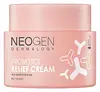
This calming moisturizer is formulated around Lactobacillus Ferment Lysate and Niacinamide to calm redness and strengthen the skin barrier.
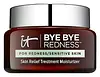
This calming moisturizer is formulated around Aloe Barbadensis Leaf Extract and Ceramide NP to calm redness and strengthen the skin barrier.


What's inside
What's inside
 Key Ingredients
Benefits
Concerns
Ingredients Side-by-side
Water
Skin ConditioningLactobacillus Ferment Lysate 14.3%
Skin Conditioning
Butylene Glycol
Humectant


Propanediol
Solvent
Isopentyldiol
Humectant
Dimethicone
Emollient

Cyclopentasiloxane
Emollient
Glycerin
Humectant
Niacinamide
Smoothing








Hydrogenated Poly(C6-14 Olefin)
EmollientCyclohexasiloxane
Emollient
1,2-Hexanediol
Skin Conditioning
PEG-240/Hdi Copolymer Bis-Decyltetradeceth-20 Ether
StabilisingButyrospermum Parkii Butter
Skin Conditioning



Polyglyceryl-10 Myristate
Skin Conditioning
Polyglyceryl-2 Stearate
Emulsifying
Hydroxyethyl Acrylate/Sodium Acryloyldimethyl Taurate Copolymer
Emulsion StabilisingGlyceryl Stearate
Emollient
Stearyl Alcohol
Emollient
Ethylhexylglycerin
Skin Conditioning
Adenosine
Skin Conditioning
Betaine
Humectant
Allantoin
Skin Conditioning
Trehalose
Humectant
Panthenol
Skin Conditioning
Sodium PCA
Humectant
Bifida Ferment Lysate
Skin Conditioning
Sodium Lactate
Buffering
Gossypium Herbaceum Extract
Skin ConditioningArginine
Masking
Aspartic Acid
Masking
PCA
Humectant
Streptococcus Thermophilus Ferment
Humectant
Caprylic/Capric Triglyceride
Masking
Glycine
Buffering
Alanine
Masking
Lecithin
Emollient
Royal Jelly Extract
Skin Conditioning
Milk Extract
Skin ConditioningPolysorbate 20
Emulsifying
Propolis Extract
Skin Conditioning

Hydrolyzed Collagen
Emollient
Lactose
HumectantArtemisia Capillaris Extract
Simmondsia Chinensis Seed Oil
Emollient
Helianthus Annuus Seed Oil
Emollient
Serine
Masking
Valine
MaskingIsoleucine
Skin ConditioningThreonine
Proline
Skin Conditioning
Phenylalanine
Masking
Histidine
Humectant
Hyaluronic Acid
Humectant
Lupinus Albus Seed Extract
Skin ConditioningSodium Ascorbyl Phosphate
Antioxidant

Phospholipids
Skin Conditioning
Phytosphingosine
Skin Conditioning
Copper Tripeptide-1
Skin Conditioning
Ceramide NP
Skin Conditioning
Lactic Acid
Buffering
Cholesterol
Emollient
Hydrolyzed Hyaluronic Acid
Humectant
Madecassoside
Antioxidant
Tocopherol
Antioxidant
Sodium Hyaluronate
Humectant
Squalane
Emollient
Tripeptide-1
Skin Conditioning
Palmitoyl Tripeptide-1
Skin Conditioning
Tripeptide-2
Skin Conditioning
Hexapeptide-11
Skin Conditioning
Phytosterols
Skin Conditioning
Dunaliella Salina Extract
Skin ConditioningAcetyl Hexapeptide-8
Humectant
Palmitoyl Tetrapeptide-7
Skin Conditioning
Palmitoyl Pentapeptide-4
Skin Conditioning
Hexapeptide-9
Skin Conditioning
Nonapeptide-1
Skin Conditioning
Disodium EDTA
Parfum
Masking

Water, Lactobacillus Ferment Lysate 14.3%, Butylene Glycol, Propanediol, Isopentyldiol, Dimethicone, Cyclopentasiloxane, Glycerin, Niacinamide, Hydrogenated Poly(C6-14 Olefin), Cyclohexasiloxane, 1,2-Hexanediol, PEG-240/Hdi Copolymer Bis-Decyltetradeceth-20 Ether, Butyrospermum Parkii Butter, Polyglyceryl-10 Myristate, Polyglyceryl-2 Stearate, Hydroxyethyl Acrylate/Sodium Acryloyldimethyl Taurate Copolymer, Glyceryl Stearate, Stearyl Alcohol, Ethylhexylglycerin, Adenosine, Betaine, Allantoin, Trehalose, Panthenol, Sodium PCA, Bifida Ferment Lysate, Sodium Lactate, Gossypium Herbaceum Extract, Arginine, Aspartic Acid, PCA, Streptococcus Thermophilus Ferment, Caprylic/Capric Triglyceride, Glycine, Alanine, Lecithin, Royal Jelly Extract, Milk Extract, Polysorbate 20, Propolis Extract, Hydrolyzed Collagen, Lactose, Artemisia Capillaris Extract, Simmondsia Chinensis Seed Oil, Helianthus Annuus Seed Oil, Serine, Valine, Isoleucine, Threonine, Proline, Phenylalanine, Histidine, Hyaluronic Acid, Lupinus Albus Seed Extract, Sodium Ascorbyl Phosphate, Phospholipids, Phytosphingosine, Copper Tripeptide-1, Ceramide NP, Lactic Acid, Cholesterol, Hydrolyzed Hyaluronic Acid, Madecassoside, Tocopherol, Sodium Hyaluronate, Squalane, Tripeptide-1, Palmitoyl Tripeptide-1, Tripeptide-2, Hexapeptide-11, Phytosterols, Dunaliella Salina Extract, Acetyl Hexapeptide-8, Palmitoyl Tetrapeptide-7, Palmitoyl Pentapeptide-4, Hexapeptide-9, Nonapeptide-1, Disodium EDTA, Parfum
Water
Skin ConditioningButylene Glycol
Humectant
Cyclopentasiloxane
Emollient
Glycerin
Humectant
Butylene Glycol Dicaprylate/Dicaprate
EmollientEthylhexyl Isononanoate
EmollientHydrogenated Polyisobutene
EmollientGlyceryl Stearate
Emollient
Dimethicone
Emollient
Caprylic/Capric/Myristic/Stearic Triglyceride
EmollientPEG-100 Stearate
Surfactant
Polyglyceryl-3 Methylglucose Distearate
Emulsifying
Stearyl Behenate
Emollient
Pentaerythrityl Tetraethylhexanoate
Emollient
Biosaccharide Gum-1
Humectant
Cetearyl Alcohol
Emollient
Hydrogenated Lecithin
Emulsifying
Polyethylene
Abrasive
PEG/PPG-20/15 Dimethicone
Emulsifying
Phenyl Methicone
Emollient
Dimethicone/Vinyl Dimethicone Crosspolymer
Skin Conditioning
Stearyl Stearate
Emollient
PEG-150 Distearate
Emulsifying
Stearic Acid
Cleansing
Palmitic Acid
Emollient
Cocos Nucifera Oil
Masking
Aloe Barbadensis Leaf Extract
Emollient
Butyrospermum Parkii Butter
Skin Conditioning
Phytosteryl/Isostearyl/Cetyl/Stearyl/Behenyl Dimer Dilinoleate
Skin Conditioning
Ceramide NP
Skin Conditioning
Hydrogenated Polydecene
EmollientCeteareth-20
CleansingGlyceryl Citrate/Lactate/Linoleate/Oleate
Emulsifying
Hydroxypropyl Bispalmitamide Mea
Emollient
Glycosphingolipids
EmollientCeramide AP
Skin Conditioning
Meadowfoam Estolide
Skin ConditioningGlycine Soja Sterols
Emollient
Cetearyl Glucoside
Emulsifying
Betaine
Humectant
Sodium Hyaluronate
Humectant
Polyquaternium-51
Skin Conditioning
Glyceryl Polymethacrylate
Aleuritic Acid
Skin ConditioningYeast Extract
Skin ConditioningGlycoproteins
Skin Conditioning
Hydroxyethyl Acrylate/Sodium Acryloyldimethyl Taurate Copolymer
Emulsion StabilisingSqualane
Emollient
Polysorbate 60
Emulsifying
Sorbitan Isostearate
Emulsifying
Portulaca Oleracea Extract
Skin Conditioning
Tocopheryl Acetate
Antioxidant
Allantoin
Skin Conditioning
Carbomer
Emulsion StabilisingGlucose
Humectant
Tromethamine
BufferingEruca Sativa Leaf Extract
Skin ConditioningSodium Benzotriazolyl Butylphenol Sulfonate
UV AbsorberButeth-3
SolventTributyl Citrate
SolventHydrolyzed Collagen
Emollient
Ethylhexylglycerin
Skin Conditioning
Niacinamide
Smoothing
Camellia Sinensis Leaf Extract
Antimicrobial
Citric Acid
Buffering
Retinyl Retinoate
Skin Conditioning
Polylactic Acid
Abrasive
Canola Oil
Emollient
Cholesteryl Nonanoate
EmollientAscorbyl Tetraisopalmitate
Antioxidant
Glycyrrhiza Glabra Root Extract
Bleaching
Chamomilla Recutita Flower Water
MaskingCurcuma Longa Root Extract
Antioxidant
Colloidal Oatmeal
Absorbent
Leuconostoc/Radish Root Ferment Filtrate
Antimicrobial
Steareth-20
CleansingN-Hydroxysuccinimide
Skin ConditioningChrysin
Skin ConditioningPalmitoyl Oligopeptide
Cleansing
Palmitoyl Tetrapeptide-7
Skin Conditioning
Chlorhexidine Digluconate
Antimicrobial
Potassium Sorbate
Preservative
Panthenol
Skin Conditioning
Persea Gratissima Oil
Skin Conditioning
Vitis Vinifera Seed Oil
Emollient
Beta-Glucan
Skin Conditioning
Acetyl Hexapeptide-8
Humectant
Acetyl Octapeptide-3
Humectant
Caprylyl Glycol
Emollient
Olea Europaea Fruit Oil
Masking
Cholesteryl Isostearate
EmollientCholesteryl Chloride
Skin ConditioningBHT
Antioxidant
Silica
Abrasive
Dipropylene Glycol
Humectant
Magnolia Acuminata Bark Extract
Skin ConditioningChrysanthemum Parthenium Extract
Skin ConditioningLithospermum Officinale Extract
MaskingAgaricus Bisporus Extract
Skin ConditioningSaccharum Officinarum Extract
MoisturisingCucumis Sativus Fruit Extract
Emollient
Zinc PCA
Humectant
Hippophae Rhamnoides Fruit Extract
Skin Conditioning
Hydrolyzed Silk
Humectant
Phenoxyethanol
Preservative
Caprylhydroxamic Acid
Disodium EDTA
1,2-Hexanediol
Skin Conditioning
CI 42090
Cosmetic ColorantCI 19140
Cosmetic ColorantWater, Butylene Glycol, Cyclopentasiloxane, Glycerin, Butylene Glycol Dicaprylate/Dicaprate, Ethylhexyl Isononanoate, Hydrogenated Polyisobutene, Glyceryl Stearate, Dimethicone, Caprylic/Capric/Myristic/Stearic Triglyceride, PEG-100 Stearate, Polyglyceryl-3 Methylglucose Distearate, Stearyl Behenate, Pentaerythrityl Tetraethylhexanoate, Biosaccharide Gum-1, Cetearyl Alcohol, Hydrogenated Lecithin, Polyethylene, PEG/PPG-20/15 Dimethicone, Phenyl Methicone, Dimethicone/Vinyl Dimethicone Crosspolymer, Stearyl Stearate, PEG-150 Distearate, Stearic Acid, Palmitic Acid, Cocos Nucifera Oil, Aloe Barbadensis Leaf Extract, Butyrospermum Parkii Butter, Phytosteryl/Isostearyl/Cetyl/Stearyl/Behenyl Dimer Dilinoleate, Ceramide NP, Hydrogenated Polydecene, Ceteareth-20, Glyceryl Citrate/Lactate/Linoleate/Oleate, Hydroxypropyl Bispalmitamide Mea, Glycosphingolipids, Ceramide AP, Meadowfoam Estolide, Glycine Soja Sterols, Cetearyl Glucoside, Betaine, Sodium Hyaluronate, Polyquaternium-51, Glyceryl Polymethacrylate, Aleuritic Acid, Yeast Extract, Glycoproteins, Hydroxyethyl Acrylate/Sodium Acryloyldimethyl Taurate Copolymer, Squalane, Polysorbate 60, Sorbitan Isostearate, Portulaca Oleracea Extract, Tocopheryl Acetate, Allantoin, Carbomer, Glucose, Tromethamine, Eruca Sativa Leaf Extract, Sodium Benzotriazolyl Butylphenol Sulfonate, Buteth-3, Tributyl Citrate, Hydrolyzed Collagen, Ethylhexylglycerin, Niacinamide, Camellia Sinensis Leaf Extract, Citric Acid, Retinyl Retinoate, Polylactic Acid, Canola Oil, Cholesteryl Nonanoate, Ascorbyl Tetraisopalmitate, Glycyrrhiza Glabra Root Extract, Chamomilla Recutita Flower Water, Curcuma Longa Root Extract, Colloidal Oatmeal, Leuconostoc/Radish Root Ferment Filtrate, Steareth-20, N-Hydroxysuccinimide, Chrysin, Palmitoyl Oligopeptide, Palmitoyl Tetrapeptide-7, Chlorhexidine Digluconate, Potassium Sorbate, Panthenol, Persea Gratissima Oil, Vitis Vinifera Seed Oil, Beta-Glucan, Acetyl Hexapeptide-8, Acetyl Octapeptide-3, Caprylyl Glycol, Olea Europaea Fruit Oil, Cholesteryl Isostearate, Cholesteryl Chloride, BHT, Silica, Dipropylene Glycol, Magnolia Acuminata Bark Extract, Chrysanthemum Parthenium Extract, Lithospermum Officinale Extract, Agaricus Bisporus Extract, Saccharum Officinarum Extract, Cucumis Sativus Fruit Extract, Zinc PCA, Hippophae Rhamnoides Fruit Extract, Hydrolyzed Silk, Phenoxyethanol, Caprylhydroxamic Acid, Disodium EDTA, 1,2-Hexanediol, CI 42090, CI 19140
Reviews
Ingredients Explained
These ingredients are found in both products.
Ingredients higher up in an ingredient list are typically present in a larger amount.
1,2-Hexanediol is a synthetic liquid and another multi-functional powerhouse.
It is a:
- Humectant, drawing moisture into the skin
- Emollient, helping to soften skin
- Solvent, dispersing and stabilizing formulas
- Preservative booster, enhancing the antimicrobial activity of other preservatives
Acetyl Hexapeptide-8 (also known as Argireline) is a synthetic hexapeptide that is often called a "topical Botox alternative".
It works by mimicking how Botox relaxes muscles; it interferes with the signaling process that tells your facial muscles to contract. This can help soften expression lines like forehead wrinkles or crow's feet over time.
The comparison to Botox does have limits because the molecule is water-loving and relatively large.
Acetyl Hexapeptide-8 has a hard time absorbing deeply enough through the skin's outer barrier to actually reach the muscles.
So whether it truly works the way Botox does at a biological level is still up for debate, but early clinical outcomes are fairly encouraging.
A 12 week human study of a multi-ingredient regimen containing this ingredient saw:
While some studies have observed improvements in wrinkle appearance, it is important to note that more consistent results are seen in multi-ingredient formulations (vs just Acetyl Hexapeptide-8 alone).
Some research studies also used higher concentrations (up to 10%) while this ingredient is usually found in concentrations up to 0.005% in leave-on formulations.
Learn more about Acetyl Hexapeptide-8Allantoin is a soothing ingredient known for its protective and moisturizing properties; it's basically a quiet workhorse ingredient you can find in a huge range of cosmetics.
Though it can be derived from the comfrey plant, allantoin is produced synthetically for cosmetic products to ensure purity.
Research shows it can encourage your skin cells to turn over and renew by stimulating keratinocyte and fibroblast proliferation.
It also has mild keratolytic properties to help loosen and shed dead skin cells without being harsh.
Studies also suggest allantoin can help calm inflammation by dialing down some of the chemical signals your skin sends out when it is irritated.
This ingredient is typically used in the 0.1-0.5% range, and the FDA recognizes it as a skin protectant in OTC products up to 2%.
Overall, allantoin is a wonderful addition to most routines; it is stable across a wide pH range (~4-8), works well with other ingredients, and is considered non-sensitizing/non-irritating.
Fun fact: Allantoin is naturally occurring in comfrey root, beets, chamomile, and wheat sprouts. Our bodies even produce it as a byproduct of uric acid metabolism.
Learn more about AllantoinBetaine is a humectant. Like hyaluronic acid, it helps attract and retain moisture in the skin. It’s known for being gentle and for helping the skin maintain balanced hydration.
Betaine is mainly used to improve hydration and support calmer skin. It helps skin cells regulate water balance because it functions as an osmolyte.
Some studies suggest betaine may support making skin tone more even.
Fun fact: Betaine naturally exists in the skin and the body. In cosmetic products, it can be either plant-derived (most commonly from sugar beets) or synthetically produced for consistency and stability.
Betaine is also known as trimethylglycine.
Learn more about BetaineButylene Glycol (or BG) is used within cosmetic products for a few different reasons:
Overall, Butylene Glycol is a safe and well-rounded ingredient that works well with other ingredients.
Though this ingredient works well with most skin types, some people with sensitive skin may experience a reaction such as allergic rashes, closed comedones, or itchiness.
Learn more about Butylene GlycolThis ingredient is also known as shea butter. It is a plant-derived extract from the nuts of the Africa shea tree and one of the most well-studied emollients.
Because it has a high concentration of fatty acids (primarily oleic, stearic, and linoleic) it is able to form a protective barrier on the skin's surface. This helps seal in moisture and prevents transepidermal water loss (TEWL).
In vitro research found an increase in skin hydration by 58% and a decrease in TEWL by 37.8% after 24 hours of applying this ingredient (pretty impressive for a single ingredient!).
Besides hydration, shea butter also contains triterpenes that have anti-inflammatory potential. In particule, lupeol cinnamate has shown the highest anti-inflammatory activity in vivo.
Shea butter also contains vitamins A and E which may contribute to antioxidant activity.
While Shea Butter has an SPF rating of about 3-4, it is not a sunscreen replacement.
This ingredient may not be fungal acne safe because its fatty acids fall within the C11-C24 range that the Malassezia yeast can metabolize.
Learn more about Butyrospermum Parkii ButterCeramide NP (formerly known as Ceramide 3) is one of the skin's naturally occurring lipids.
Since ceramides are the major lipid components of the skin, they are crucial for maintaining skin barrier and hydration. Ceramide NP most closely mirrors the dominant kind in human skin amongst ceramide subtypes.
This ceramide works by slotting into gaps within the stratum corneum's lipid matrix to limit trans-epidermal water loss (TEWL) and shield the skin against external irritants.
A study with 312 patients found that using a ceramide-containing routine for 4 weeks reduced the severity of atopic dermatitis by over 61%.
Another clinical study in subjects aged 60 and older found that a ceramide body wash and moisturizer improved skin dryness and itchy skin in 15 days.
Overall, ceramides are considered non-irritating and safety tests have found little to no observable adverse effects from using this ingredient.
Ceramide NP is usually sourced from plants (like soybean or rice bran), or produced synthetically.
Learn more about Ceramide NPCyclopentasiloxane (D5) is a lightweight silicone that mostly acts as an emollient and solvent in cosmetics. Its the reason your products feel silky, fast-spreading, and non-greasy.
Since D5 is volatile, it does its thing and then evaporates off the skin quickly.
The safety profile of this ingredient is reassuring; the US CIR Expert Panel concluded D5 is safe as used in cosmetics and Health Canada concluded that D5 is not harmful to human health or the environment as currently used in cosmetics
There's a study that people mention about D5 in a rat study showing tumors. This study is related to long-term inhalation of high D5 levels.
Regulatory bodies have judged this study to be not applicable in topical skincare since skin absorption of D5 is very low and we're not really inhaling huge amounts of D5.
The only restriction for this ingredient is environmental. The European Chemicals Agency (ECHA) restricted D5 in wash-off cosmetics at or above 0.1% due to their persistence in water.
Learn more about CyclopentasiloxaneDimethicone is a type of synthetic silicone created from natural materials such as quartz. It is also known as polydimethylsiloxane.
What it does:
Dimethicone comes in different viscosities:
Depending on the viscosity, dimethicone has different properties.
Ingredients lists don't always show which type is used, so we recommend reaching out to the brand if you have questions about the viscosity.
This ingredient is unlikely to cause irritation because it does not get absorbed into skin. However, people with silicone allergies should be careful about using this ingredient.
Note: Dimethicone may contribute to pilling. This is because it is not oil or water soluble, so pilling may occur when layered with products. When mixed with heavy oils in a formula, the outcome is also quite greasy.
Learn more about DimethiconeDisodium EDTA is a chelating agent. It grabs onto and deactivates metal ions that sneak into your products from water, packaging, or air.
This ingredient mainly works behind the scenes and helps with:
On top of that, this ingredient can counteract the effects of hard water by binding to the minerals in it.
One thing worth knowing is that Disodium EDTA has been shown to be a mild penetration enhancer. It can help other ingredients absorb into skin more effectively which can be a double-edged sword (great for actives, but can also make the active too strong if you have sensitive skin).
Clinical patch testing showed no significant skin irritation at typical use concentrations and minimal dermal absorption.
You'll most likely see this ingredient near the end of an ingredient list. It's typically found in concentrations less than 1%.
Learn more about Disodium EDTAEthylhexylglycerin is created from glycerin. It is a multitasker ingredient that:
The CIR Expert Panel found minimal skin absorption or sensitization of any kind in a safety assessment. Though this ingredient is considered well-tolerated, a small number of cases of allergic dermatitis have been published since 2002. Just be sure to patch test if you are unsure.
Industry-reported use ranges from 8% in rinse-off products and 2% in leave-on formulations.
Learn more about EthylhexylglycerinGlycerin (or glycerol) is a compound naturally found in your skin. It's a powerhouse humectant that pulls water into the stratum corneum.
Topically, glycerin does several things at once:
Your skin makes glycerin on its own (mostly from sebaceous oil breakdown) and shuttles it to your outermost layer of skin, or your epidermis, via aquaporin-3.
Aquaporin-3 is a transporter that is essential for normal skin hydration, elasticity, and repair. Interestingly, mice lacking in AQP3 have dry and less elastic skin that can be fully corrected with glycerin.
This ingredient is non-irritating, plays well with almost every ingredient, and works across all skin types. Typical use is anywhere between 3-10% but can go up to 79% in some leave-on products.
Just know very high concentrations (>40%) can feel tacky in low humidity.
Glycerin is the name for this ingredient in American English. British English uses Glycerol/Glycerine.
Learn more about GlycerinGlyceryl Stearate is made by reacting glycerin with stearic acid (typically sourced from plant oils like palm or coconut). It's an emulsifier, emollient, and mild occlusive.
Emulsifiers help ingredients like oil and water stay mixed so your formula stays nicely blended and uniform in texture.
This ingredient is typically used in concentrations between 1-10%. Studies have found it to be non-sensitizing, non-phototoxic, and non-photoallergenic.
A close cousin of this ingredient is Glyceryl Stearate SE ("self-emulsifying"). This just has a small amount of sodium or potassium stearate added so it can emulsify without a co-emulsifier.
Since this ingredient is an ester of a C18 fatty acid, it may not be fungal acne safe. The Malassezia yeast can potentially metabolize within the C11-C24 range.
Fun fact: The human body also creates Glyceryl Stearate naturally.
Learn more about Glyceryl StearateHydrolyzed Collagen is Collagen (usually sourced from fish, bovine, or porcine byproducts) that's been broken down into smaller peptides. This makes it water-soluble and easy to blend into formulations.
In a formula, it works mainly as a skin-conditioning and moisturizing agent.
The small peptides and amino acids (including Natural Moisturizing Factor components like Hydroxyproline, Serine, and Aspartic Acid) help the surface of the skin hold onto water, feel softer, and look temporarily plumper.
This ingredient also has mild film-forming and antioxidant properties with research showing the antioxidant effect is stronger the lower the molecular weight of the peptides.
It's worth being realistic here:
Topically applied Hydrolyzed Collagen conditions the upper layers of skin rather than rebuilding the structural collagen deep in your dermis (the wrinkle-and-firmness benefits people associate with Collagen mostly come from oral supplements in studies, not topicals).
However, recent lab and skin-model work on Hydrolyzed Fish Collagen has shown promising effects on cell viability and wound healing when used as an active.
Typical concentrations range from 0.2-2%, but the percentage can go much higher in rinse-off or hair products (sometimes even above 50%).
Clinical studies on this ingredient showed no irritation, sensitization, or phototoxicity.
If you are looking for vegan collagen, it usually goes by a different INCI name like hydrolyzed soy protein. Vegan collagen is derived from yeast, bacteria, or plant sources.
The results are varied.
A study from 2021 found hydrolyzed collagen increased elasticity and improved wrinkles in 1,125 participants between age 20 and 70. Another study found increased skin thickness in participants between the ages of 45 to 59.
However, It is difficult to prove that oral collagen will end up working on your skin. Many of the studies using hydrolyzed collagen also add several vitamins and nutrients into the test mixture as well.
Further studies are needed at this time.
Learn more about Hydrolyzed CollagenThis is a synthetic polymer. It helps improve the texture of products by adding thickness and gel-like feel.
It is also an emulsifer, meaning it prevents ingredients such as oil and water from separating. It also helps evenly disperse other ingredients.
Niacinamide is a multitasking form of vitamin B3 that strengthens the skin barrier, reduces pores and dark spots, regulates oil, and improves signs of aging.
And the best part? It's gentle and well-tolerated by most skin types, including sensitive and reactive skin.
You might have heard of "niacin flush", or the reddening of skin that causes itchiness. Niacinamide has not been found to cause this.
In very rare cases, some individuals may not be able to tolerate niacinamide at all or experience an allergic reaction to it.
If you are experiencing flaking, irritation, and dryness with this ingredient, be sure to double check all your products as this ingredient can be found in all categories of skincare.
When incorporating niacinamide into your routine, look out for concentration amounts. Typically, 5% niacinamide provides benefits such as fading dark spots. However, if you have sensitive skin, it is better to begin with a smaller concentration.
When you apply niacinamide to your skin, your body converts it into nicotinamide adenine dinucleotide (NAD). NAD is an essential coenzyme that is already found in your cells as "fuel" and powers countless biological processes.
In your skin, NAD helps repair cell damage, produce new healthy cells, support collagen production, strengthen the skin barrier, and fight environmental stressors (like UV and pollution).
Our natural NAD levels start to decline with age, leading to slower skin repair, visible aging, and a weaker skin barrier. By providing your skin niacinamide, you're recharging your skin's NAD levels. This leads to stronger, healthier, and younger looking skin.
Another name for vitamin B3 is nicotinamide. This vitamin is water-soluble and our bodies don't store it. We obtain Vitamin B3 from either food or skincare. Meat, fish, wheat, yeast, and leafy greens contain vitamin B3.
The type of niacinamide used in skincare is synthetically created.
Learn more about NiacinamidePalmitoyl Tetrapeptide-7 (formerly Palmitoyl Tetrapeptide-3) is a synthetic peptide. Its main job is to fight what researchers call "inflammaging".
"Inflammaging" is the slow, low-grade chronic inflammation that quietly breaks down collagen as we age.
This ingredient calms down a specific inflammation signal in your skin cells (called IL-6). When left unchecked, this signal triggers enzymes that break down collagen and elastin.
Clinical testing showed statistically significant improvements in:
Studies also found the more of this ingredient used, the more your skin produces Collagen I, fibronectin, and hyaluronic acid.
You'll likely see this ingredient paired with Palmitoyl Tripeptide-1 in the well-known Matrixyl 3000 complex for enhanced anti-aging effects.
A 3% concentration applied twice daily for two months showed meaningful skin rejuvenation results in clinical panels.
Fungal acne note:
Usually a palmitic acid component can feed Malassezia in unbound form, but here is is covalently bonded to the peptide. This means it is very difficult for Malassezia to access, and therefore very unlikely to cause fungal acne.
Panthenol is a common ingredient that helps hydrate and soothe the skin. It is found naturally in our skin and hair.
There are two forms of panthenol: D and L.
D-panthenol is also known as dexpanthenol. Most cosmetics use dexpanthenol or a mixture of D and L-panthenol.
Panthenol is famous due to its ability to go deeper into the skin's layers. Using this ingredient has numerous pros (and no cons):
Like hyaluronic acid, panthenol is a humectant. Humectants are able to bind and hold large amounts of water to keep skin hydrated.
This ingredient works well for wound healing. It works by increasing tissue in the wound and helps close open wounds.
Once oxidized, panthenol converts to pantothenic acid. Panthothenic acid is found in all living cells.
This ingredient is also referred to as pro-vitamin B5.
Learn more about PanthenolSodium Hyaluronate is the salt form of hyaluronic acid. It is a long sugar chain that is naturally found in your skin, joints, and connective tissue that maintains hydration and elasticity.
In skincare, it works as a humectant. It pulls water from the environment and deeper layers of skin and binds it to the surface.
Interestingly, the size of the molecule affects its behavior:
Some clinical evidence links low molecular weight versions to improved wrinkle depth, elasticity, anti-inflammatory effects, and barrier repair.
Many serums use a blend of both weights so you can get surface hydration plus longer-lasting and deeper effects.
You'll typically see concentrations between 0.1-2% for this ingredient.
Learn more about Sodium HyaluronateSqualane is the hydrogenated and shelf-stable form of squalene (a lipid that naturally occurs in human sebum).
It is an emollient and skin conditioning agent that is able to integrate seamlessly into the skin's lipid barrier without clogging pores.
This is due to how structurally similar it is to what your skin already produces.
Though it is mostly an emollient that helps soften and hydrate skin, it also has some humectant and occlusive action. Humectants help the skin retain moisture while occlusives seal it in, making squalane a triple-threat moisturizer.
Research shows it has antioxidant capabilities that help protect against stressors like UV exposure, specifically UVA induced oxidative stress. This study also found that it supports collagen biosynthesis in human dermal fibroblasts.
No clinical study has reported significant adverse effects and irritation reactions are very rare from this ingredient (even at 100% concentration).
Overall, it's a fantastic ingredient for hydration and is suitable for all skin types.
This depends on the source. Squalane can be derived from both plants and animals. Most squalane used in skincare comes from plants.
Please note: the source of squalane is only known if disclosed by the brand. We recommend reaching out to the brand if you have any questions about their squalane.
Read more about squalene with an "e".
Though squalane is often called an oil, it’s technically not one. It is a hydrocarbon, meaning it is only made of carbon and hydrogen. True oils are triglycerides and made of fatty acids and glycerol.
The term “oil-free” isn’t regulated so companies can define it however they want. Some exclude all oils, while others just avoid mineral oil or comedogenic oils.
Squalane has a comedogenic rating of 1 from the original 1972 study that tested raw ingredients under occlusion on rabbit ears. This system is not standardized or peer-reviewed, and using the raw ingredients is very different from how diluted cosmetic formulations are used on human skin.
A comedogenic rating of 1 means it is "unlikely to clog pores" according to the original rating system.
The overall formula of a product matters more than the individual ingredients on whether or not it will cause clogged pores.
Learn more about SqualaneWater. It's the most common cosmetic ingredient of all. You'll usually see it at the top of ingredient lists, meaning that it makes up the largest part of the product.
So why is it so popular? Water most often acts as a solvent - this means that it helps dissolve other ingredients into the formulation.
You'll also recognize water as that liquid we all need to stay alive. If you see this, drink a glass of water. Remember to stay hydrated!
Learn more about Water

