
What's inside
What's inside
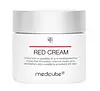 Key Ingredients
Benefits
Concerns
Ingredients Side-by-side
Glycerin
Humectant



Stearyl Alcohol
Emollient

Cetyl Alcohol
Emollient
Glyceryl Stearate
Emollient
Niacinamide
Smoothing







Methylpropanediol
SolventHydrogenated Poly(C6-14 Olefin)
EmollientPolyglyceryl-3 Distearate
Emulsifying
1,2-Hexanediol
Skin Conditioning
Dimethicone
Emollient
Dimethyl Sulfone
Solvent
Cetyl Ethylhexanoate
EmollientButyrospermum Parkii Butter
Skin Conditioning

Palmitic Acid
Emollient
C12-14 Alketh-12
EmulsifyingStearic Acid
Cleansing
Sodium Stearoyl Glutamate
CleansingGlyceryl Stearate Citrate
Emollient
Allantoin
Skin Conditioning
Carbomer
Emulsion StabilisingTromethamine
BufferingSalicylic Acid
Masking




O-Cymen-5-Ol
Antimicrobial
4-Terpineol
Masking
Ethylhexylglycerin
Skin ConditioningZinc PCA
Humectant
Adenosine
Skin Conditioning
Butylene Glycol
Humectant
Colloidal Sulfur
Antimicrobial
Disodium EDTA
Melaleuca Alternifolia Leaf Oil
Antioxidant


Myristyl Alcohol
Emollient
Glucose
Humectant
Coptis Japonica Extract
AntimicrobialTocopherol
Antioxidant
Lauryl Alcohol
Emollient
Myristic Acid
Cleansing
Arachidic Acid
Cleansing
Oleic Acid
Emollient
Limonene
Perfuming

Troxerutin
Skin ConditioningPentylene Glycol
Skin ConditioningPropanediol
Solvent
Camellia Sinensis Leaf Extract
Antimicrobial
Centella Asiatica Leaf Extract
Skin Conditioning
Cladosiphon Okamuranus Extract
Skin ConditioningSalix Alba Bark Extract
Astringent
Decyl Glucoside
CleansingLevulinic Acid
Perfuming
Coffea Arabica Seed Extract
Masking
Geraniol
Perfuming
Citrus Aurantium Bergamia Leaf Extract
AstringentPinus Densiflora Leaf Extract
Antimicrobial
Lepidium Meyenii Root Extract
Skin ConditioningAsparagus Cochinchinensis Root Extract
Skin ConditioningAureobasidium Pullulans Ferment
Skin ConditioningHydroxycinnamic Acid
Skin ConditioningRutin
Antioxidant
Glycerin, Stearyl Alcohol, Cetyl Alcohol, Glyceryl Stearate, Niacinamide, Methylpropanediol, Hydrogenated Poly(C6-14 Olefin), Polyglyceryl-3 Distearate, 1,2-Hexanediol, Dimethicone, Dimethyl Sulfone, Cetyl Ethylhexanoate, Butyrospermum Parkii Butter, Palmitic Acid, C12-14 Alketh-12, Stearic Acid, Sodium Stearoyl Glutamate, Glyceryl Stearate Citrate, Allantoin, Carbomer, Tromethamine, Salicylic Acid, O-Cymen-5-Ol, 4-Terpineol, Ethylhexylglycerin, Zinc PCA, Adenosine, Butylene Glycol, Colloidal Sulfur, Disodium EDTA, Melaleuca Alternifolia Leaf Oil, Myristyl Alcohol, Glucose, Coptis Japonica Extract, Tocopherol, Lauryl Alcohol, Myristic Acid, Arachidic Acid, Oleic Acid, Limonene, Troxerutin, Pentylene Glycol, Propanediol, Camellia Sinensis Leaf Extract, Centella Asiatica Leaf Extract, Cladosiphon Okamuranus Extract, Salix Alba Bark Extract, Decyl Glucoside, Levulinic Acid, Coffea Arabica Seed Extract, Geraniol, Citrus Aurantium Bergamia Leaf Extract, Pinus Densiflora Leaf Extract, Lepidium Meyenii Root Extract, Asparagus Cochinchinensis Root Extract, Aureobasidium Pullulans Ferment, Hydroxycinnamic Acid, Rutin
Water
Skin ConditioningGlycerin
Humectant
Dipropylene Glycol
HumectantCetearyl Alcohol
Emollient
Cyclopentasiloxane
Emollient
Caprylic/Capric Triglyceride
Masking
Triethylhexanoin
MaskingHydrogenated Polydecene
Emollient1,2-Hexanediol
Skin Conditioning
Niacinamide
Smoothing
Hydrogenated Poly(C6-14 Olefin)
EmollientCyclohexasiloxane
Emollient
Dioscorea Japonica Root Extract
Skin ConditioningCetearyl Glucoside
EmulsifyingGlyceryl Stearate Se
Emulsifying
Aesculus Hippocastanum Extract
Antioxidant
Pseudoalteromonas Ferment Extract
Humectant
Piper Methysticum Leaf/Root/Stem Extract
Skin ConditioningCentella Asiatica Extract
Cleansing
Panax Ginseng Berry Extract
Skin Conditioning
Oenothera Biennis Flower Extract
AstringentUlmus Davidiana Root Extract
Skin Conditioning
Pinus Palustris Leaf Extract
TonicPueraria Lobata Root Extract
HumectantEnantia Chlorantha Bark Extract
Skin ConditioningLupinus Albus Seed Extract
Skin ConditioningOlea Europaea Leaf Extract
Perfuming
Cryptomeria Japonica Leaf Extract
HumectantNelumbo Nucifera Leaf Extract
Skin ConditioningCinnamomum Zeylanicum Bark Extract
Antimicrobial
Hydrogenated Lecithin
Emulsifying
Argania Spinosa Kernel Oil
Emollient
Helianthus Annuus Seed Oil
Emollient
Dimethicone
Emollient
Squalane
Emollient
C12-16 Alcohols
EmollientGlyceryl Stearate
Emollient
Cetearyl Olivate
Sorbitan Olivate
Emulsifying
Hydroxyethyl Acrylate/Sodium Acryloyldimethyl Taurate Copolymer
Emulsion StabilisingFructose
Humectant
Microcrystalline Cellulose
AbsorbentButylene Glycol
Humectant
Palmitic Acid
Emollient
Methylpropanediol
SolventHydrogenated Polyisobutene
EmollientPolyquaternium-51
Skin Conditioning
Betaine
Humectant
Alcohol
Antimicrobial
Glycosyl Trehalose
Emulsion StabilisingIsononyl Isononanoate
EmollientPolyglyceryl-10 Stearate
Skin Conditioning
Cellulose Gum
Emulsion StabilisingHydrolyzed Corn Starch
HumectantHydrogenated Starch Hydrolysate
HumectantBeta-Glucan
Skin Conditioning
Raffinose
Skin ConditioningBiosaccharide Gum-1
Humectant
Stearic Acid
Cleansing
Butyrospermum Parkii Butter
Skin Conditioning
Adenosine
Skin Conditioning
Polyglyceryl-2 Dipolyhydroxystearate
Skin Conditioning
EDTA
Lecithin
Emollient
Sucrose
Humectant
Bisabolol
Masking
Panthenol
Skin Conditioning
Inulin Lauryl Carbamate
Emulsion StabilisingFolic Acid
Skin Conditioning
Disodium Stearoyl Glutamate
CleansingCitric Acid
Buffering

Ceramide NP
Skin Conditioning
Cholesterol
Emollient
Ascorbyl Glucoside
Antioxidant
Zinc PCA
Humectant
Triethanolamine
BufferingPalmitoyl Tripeptide-5
Skin Conditioning
Saccharomyces Ferment Filtrate
Humectant
Capryloyl Glycine
CleansingHexylene Glycol
Emulsifying3-O-Ethyl Ascorbic Acid
Skin Conditioning
Tocopherol
Antioxidant
Sarcosine
Skin ConditioningMaltodextrin
Absorbent
Saccharide Hydrolysate
HumectantPalmitoyl Pentapeptide-4
Skin Conditioning
Oleanolic Acid
Skin ConditioningHydrolyzed Elastin
EmollientDesamido Collagen
Skin Conditioning
PEG-100 Stearate
Polysorbate 60
Emulsifying
Parfum
Masking
Ethylhexylglycerin
Skin ConditioningPotassium Sorbate
Preservative
Caprylyl Glycol
Emollient
Linalool
Perfuming
Benzyl Salicylate
Perfuming
Limonene
Perfuming
Hydroxycitronellal
Perfuming
Water, Glycerin, Dipropylene Glycol, Cetearyl Alcohol, Cyclopentasiloxane, Caprylic/Capric Triglyceride, Triethylhexanoin, Hydrogenated Polydecene, 1,2-Hexanediol, Niacinamide, Hydrogenated Poly(C6-14 Olefin), Cyclohexasiloxane, Dioscorea Japonica Root Extract, Cetearyl Glucoside, Glyceryl Stearate Se, Aesculus Hippocastanum Extract, Pseudoalteromonas Ferment Extract, Piper Methysticum Leaf/Root/Stem Extract, Centella Asiatica Extract, Panax Ginseng Berry Extract, Oenothera Biennis Flower Extract, Ulmus Davidiana Root Extract, Pinus Palustris Leaf Extract, Pueraria Lobata Root Extract, Enantia Chlorantha Bark Extract, Lupinus Albus Seed Extract, Olea Europaea Leaf Extract, Cryptomeria Japonica Leaf Extract, Nelumbo Nucifera Leaf Extract, Cinnamomum Zeylanicum Bark Extract, Hydrogenated Lecithin, Argania Spinosa Kernel Oil, Helianthus Annuus Seed Oil, Dimethicone, Squalane, C12-16 Alcohols, Glyceryl Stearate, Cetearyl Olivate, Sorbitan Olivate, Hydroxyethyl Acrylate/Sodium Acryloyldimethyl Taurate Copolymer, Fructose, Microcrystalline Cellulose, Butylene Glycol, Palmitic Acid, Methylpropanediol, Hydrogenated Polyisobutene, Polyquaternium-51, Betaine, Alcohol, Glycosyl Trehalose, Isononyl Isononanoate, Polyglyceryl-10 Stearate, Cellulose Gum, Hydrolyzed Corn Starch, Hydrogenated Starch Hydrolysate, Beta-Glucan, Raffinose, Biosaccharide Gum-1, Stearic Acid, Butyrospermum Parkii Butter, Adenosine, Polyglyceryl-2 Dipolyhydroxystearate, EDTA, Lecithin, Sucrose, Bisabolol, Panthenol, Inulin Lauryl Carbamate, Folic Acid, Disodium Stearoyl Glutamate, Citric Acid, Ceramide NP, Cholesterol, Ascorbyl Glucoside, Zinc PCA, Triethanolamine, Palmitoyl Tripeptide-5, Saccharomyces Ferment Filtrate, Capryloyl Glycine, Hexylene Glycol, 3-O-Ethyl Ascorbic Acid, Tocopherol, Sarcosine, Maltodextrin, Saccharide Hydrolysate, Palmitoyl Pentapeptide-4, Oleanolic Acid, Hydrolyzed Elastin, Desamido Collagen, PEG-100 Stearate, Polysorbate 60, Parfum, Ethylhexylglycerin, Potassium Sorbate, Caprylyl Glycol, Linalool, Benzyl Salicylate, Limonene, Hydroxycitronellal
Reviews
Ingredients Explained
These ingredients are found in both products.
Ingredients higher up in an ingredient list are typically present in a larger amount.
1,2-Hexanediol is a synthetic liquid and another multi-functional powerhouse.
It is a:
- Humectant, drawing moisture into the skin
- Emollient, helping to soften skin
- Solvent, dispersing and stabilizing formulas
- Preservative booster, enhancing the antimicrobial activity of other preservatives
Adenosine is in every living organism. It is one of four components in nucleic acids that helps store our DNA.
Adenosine has many benefits when used. These benefits include hydrating the skin, smoothing skin, and reducing wrinkles. Once applied, adenosine increases collagen production. It also helps with improving firmness and tissue repair.
Studies have found adenosine may also help with wound healing.
In skincare products, Adenosine is usually derived from yeast.
Learn more about AdenosineButylene Glycol (or BG) is used within cosmetic products for a few different reasons:
Overall, Butylene Glycol is a safe and well-rounded ingredient that works well with other ingredients.
Though this ingredient works well with most skin types, some people with sensitive skin may experience a reaction such as allergic rashes, closed comedones, or itchiness.
Learn more about Butylene GlycolThis ingredient is also known as shea butter. It is an effective skin hydrator and emollient.
Emollients help soothe and soften your skin. It does this by creating a protective film on your skin. This barrier helps trap moisture and keeps your skin hydrated. Emollients may be effective at treating dry or itchy skin.
Shea butter is rich in antioxidants. Antioxidants help fight free-radicals, or molecules that may harm the body. It is also full of fatty acids including stearic acid and linoleic acid. These acids help replenish the skin and keep skin moisturized.
While Shea Butter has an SPF rating of about 3-4, it is not a sunscreen replacement.
Shea butter may not be fungal acne safe. We recommend speaking with a professional if you have any concerns.
Learn more about Butyrospermum Parkii ButterDimethicone is a type of synthetic silicone created from natural materials such as quartz.
What it does:
Dimethicone comes in different viscosities:
Depending on the viscosity, dimethicone has different properties.
Ingredients lists don't always show which type is used, so we recommend reaching out to the brand if you have questions about the viscosity.
This ingredient is unlikely to cause irritation because it does not get absorbed into skin. However, people with silicone allergies should be careful about using this ingredient.
Note: Dimethicone may contribute to pilling. This is because it is not oil or water soluble, so pilling may occur when layered with products. When mixed with heavy oils in a formula, the outcome is also quite greasy.
Learn more about DimethiconeEthylhexylglycerin (we can't pronounce this either) is commonly used as a preservative and skin softener. It is derived from glyceryl.
You might see Ethylhexylglycerin often paired with other preservatives such as phenoxyethanol. Ethylhexylglycerin has been found to increase the effectiveness of these other preservatives.
Glycerin is already naturally found in your skin. It helps moisturize and protect your skin.
A study from 2016 found glycerin to be more effective as a humectant than AHAs and hyaluronic acid.
As a humectant, it helps the skin stay hydrated by pulling moisture to your skin. The low molecular weight of glycerin allows it to pull moisture into the deeper layers of your skin.
Hydrated skin improves your skin barrier; Your skin barrier helps protect against irritants and bacteria.
Glycerin has also been found to have antimicrobial and antiviral properties. Due to these properties, glycerin is often used in wound and burn treatments.
In cosmetics, glycerin is usually derived from plants such as soybean or palm. However, it can also be sourced from animals, such as tallow or animal fat.
This ingredient is organic, colorless, odorless, and non-toxic.
Glycerin is the name for this ingredient in American English. British English uses Glycerol/Glycerine.
Learn more about GlycerinGlyceryl Stearate is a mix of glycerin and stearic acid.
It is used to stabilize the mixing of water and oil ingredients. By preventing these ingredients from separating, it can help elongate shelf life. It can also help thicken the product's texture.
As an emollient, it helps soften skin and supports barrier-replenishing ingredients.
In cosmetics, Glyceryl Stearate is often made from vegetable oils or synthetically produced.
This ingredient may not be fungal-acne safe
Fun fact: The human body also creates Glyceryl Stearate naturally.
Learn more about Glyceryl StearateWe don't have a description for Hydrogenated Poly(C6-14 Olefin) yet.
Limonene is a fragrance that adds scent and taste to a formulation.
It's found in the peel oil of citrus fruits and other plants such as lavender and eucalyptus. The scent of limonene is generally described as "sweet citrus".
Limonene acts as an antioxidant, meaning it helps neutralize free radicals.
When exposed to air, oxidized limonene may sensitize the skin. Because of this, limonene is often avoided by people with sensitive skin.
The term 'fragrance' is not regulated in many countries. In many cases, it is up to the brand to define this term. For instance, many brands choose to label themselves as "fragrance-free" because they are not using synthetic fragrances. However, their products may still contain ingredients such as essential oils that are considered a fragrance.
Learn more about LimoneneMethylpropanediol is a synthetic solvent and humectant.
As a solvent, it helps dissolve other ingredients, helping to evenly distribute ingredients throughout the product. This ingredient has also been shown to have antimicrobial properties which makes it a preservative booster.
Methylpropanediol is able to add a bit of moisture to the skin. It also helps other ingredients be better absorbed into the skin, such as salicylic acid.
Learn more about MethylpropanediolNiacinamide is a multitasking form of vitamin B3 that strengthens the skin barrier, reduces pores and dark spots, regulates oil, and improves signs of aging.
And the best part? It's gentle and well-tolerated by most skin types, including sensitive and reactive skin.
You might have heard of "niacin flush", or the reddening of skin that causes itchiness. Niacinamide has not been found to cause this.
In very rare cases, some individuals may not be able to tolerate niacinamide at all or experience an allergic reaction to it.
If you are experiencing flaking, irritation, and dryness with this ingredient, be sure to double check all your products as this ingredient can be found in all categories of skincare.
When incorporating niacinamide into your routine, look out for concentration amounts. Typically, 5% niacinamide provides benefits such as fading dark spots. However, if you have sensitive skin, it is better to begin with a smaller concentration.
When you apply niacinamide to your skin, your body converts it into nicotinamide adenine dinucleotide (NAD). NAD is an essential coenzyme that is already found in your cells as "fuel" and powers countless biological processes.
In your skin, NAD helps repair cell damage, produce new healthy cells, support collagen production, strengthen the skin barrier, and fight environmental stressors (like UV and pollution).
Our natural NAD levels start to decline with age, leading to slower skin repair, visible aging, and a weaker skin barrier. By providing your skin niacinamide, you're recharging your skin's NAD levels. This leads to stronger, healthier, and younger looking skin.
Another name for vitamin B3 is nicotinamide. This vitamin is water-soluble and our bodies don't store it. We obtain Vitamin B3 from either food or skincare. Meat, fish, wheat, yeast, and leafy greens contain vitamin B3.
The type of niacinamide used in skincare is synthetically created.
Learn more about NiacinamidePalmitic Acid is a fatty acid naturally found in our skin and in many plant and animal sources. In cosmetics, it is usually derived from palm oil. It serves many purposes in skincare, acting as a cleanser, emollient, and emulsifier.
As an emollient, palmitic acid helps soften and smooth the skin by preventing water loss. In cleansers, it helps remove oil and dirt while creating foam.
Its emulsifying properties help stabilize products by keeping water and oil-based ingredients from separating.
This may not be suitable for fungal acne-prone skin, as fatty acids like this can sometimes trigger breakouts in sensitive individuals.
Learn more about Palmitic AcidStearic Acid is a fatty acid. It is an emollient, emulsifier, and texture enhancer.
As an emollient, stearic acid helps soften skin. It aids the skin's protective barrier by preventing water loss. It also provides a gentle cleansing effect without stripping away natural oils.
Stearic acid may also be used to enhance the texture of products. It can add volume and stabilize ingredients such as water and oil. This can help water and oil ingredients from separating.
Sources of stearic acid include animal or vegetable fats/oils such as coconut or shea. It can be naturally found in butter, cocoa butter, shea butter, vegetable fats, and animal tallow.
This ingredient may not be Malassezia folliculitis, or fungal-acne safe.
Learn more about Stearic AcidTocopherol (also known as Vitamin E) is a common antioxidant used to help protect the skin from free-radicals and strengthen the skin barrier. It's also fat soluble - this means our skin is great at absorbing it.
Vitamin E also helps keep your natural skin lipids healthy. Your lipid skin barrier naturally consists of lipids, ceramides, and fatty acids. Vitamin E offers extra protection for your skin’s lipid barrier, keeping your skin healthy and nourished.
Another benefit is a bit of UV protection. Vitamin E helps reduce the damage caused by UVB rays. (It should not replace your sunscreen). Combining it with Vitamin C can decrease sunburned cells and hyperpigmentation after UV exposure.
You might have noticed Vitamin E + C often paired together. This is because it is great at stabilizing Vitamin C. Using the two together helps increase the effectiveness of both ingredients.
There are often claims that Vitamin E can reduce/prevent scarring, but these claims haven't been confirmed by scientific research.
Learn more about TocopherolZinc PCA (or "zinc salt") differs slightly from zinc itself. PCA stands for pyrrolidone carboxylic acid. However, Zinc PCA comes from zinc.
It can help reduce redness, regulate sebum, and promote the general healing process of the skin.
Zinc PCA tends to be especially useful for those with oily, acne-prone skin. It's certainly an ingredient worth trying out!
Learn more about Zinc PCA
