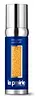
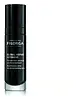
La Prairie Skin Caviar Liquid Lift Serum Versus Filorga Global-Repair Intensive Nutri-Restorative Multi-Revitalising Serum
This anti-aging serum is formulated around Palmitoyl Tripeptide-1 to soften the look of wrinkles.
This anti-aging serum is formulated around Retinol and Niacinamide to soften the look of wrinkles and hydrate skin.


What's inside
What's inside
 Key Ingredients
Benefits
Concerns
Ingredients Side-by-side
Water
Skin ConditioningSodium Citrate
BufferingGlycerin
Humectant


Sd Alcohol 40-B
Astringent


Caprylic/Capric/Succinic Triglyceride
EmollientPropylheptyl Caprylate
EmollientUndecane
EmollientAlcohol
Antimicrobial

Glycoproteins
Skin Conditioning
Panax Ginseng Root Extract
Emollient

Equisetum Arvense Extract
AstringentCaviar Extract
Skin ConditioningCaviar Oil
Emollient
Pullulan
Sodium Hyaluronate
Humectant

Lactobacillus Ferment
Skin Conditioning
Avena Sativa Kernel Extract
Abrasive

Caulerpa Lentillifera Extract

Acmella Oleracea Extract
Skin ProtectingPaeonia Albiflora Root Extract
Skin ConditioningSaccharomyces Cerevisiae Extract
Skin Conditioning
Sodium DNA
Skin Conditioning
Rna
Skin ConditioningHydrolyzed Rice Bran Protein
Skin ConditioningPalmitoyl Tripeptide-1
Skin Conditioning

Palmitoyl Tetrapeptide-7
Skin Conditioning
Tetrapeptide-3
Skin Conditioning
Ceramide NP
Skin Conditioning
Tocopherol
Antioxidant


Helianthus Annuus Seed Oil
Emollient
Caprylic/Capric Triglyceride
Masking
Glycine Soja Oil
Emollient
Pentylene Glycol
Skin Conditioning
Propanediol
Solvent
Butylene Glycol
Humectant
Propylene Glycol
Humectant
Silica
Abrasive

Dimethicone
Emollient
Tridecane
Perfuming

Arachidyl Alcohol
Emollient
Sodium Stearoyl Glutamate
CleansingBehenyl Alcohol
Emollient
Xanthan Gum
EmulsifyingArachidyl Glucoside
EmulsifyingHydroxyethylcellulose
Emulsion StabilisingDimethicone Crosspolymer
Emulsion Stabilising
Polysilicone-11
Carrageenan
Polyglyceryl-10 Stearate
Skin Conditioning
Algin
MaskingSodium Lactate
Buffering
Mica
Cosmetic ColorantCarbomer
Emulsion StabilisingCoco-Glucoside
Cleansing
Hydrogenated Lecithin
Emulsifying
Sucrose Stearate
EmollientAlcaligenes Polysaccharides
EmollientGlycine
Buffering
Polysorbate 80
Emulsifying
Synthetic Fluorphlogopite
Sodium Lauryl Sulfate
Cleansing
Sodium Oleate
CleansingTin Oxide
Abrasive
Ethylhexylglycerin
Skin ConditioningSodium Hydroxide
BufferingHydroxyethylpiperazine Ethane Sulfonic Acid
BufferingDisodium EDTA
Parfum
Masking
Linalool
Perfuming
Benzyl Salicylate
Perfuming
Citronellol
Perfuming
Geraniol
Perfuming
Alpha-Isomethyl Ionone
Perfuming
Limonene
Perfuming
Phenoxyethanol
Preservative
Phenethyl Alcohol
MaskingSodium Dehydroacetate
Preservative
CI 77891
Cosmetic ColorantCI 77491
Cosmetic ColorantWater, Sodium Citrate, Glycerin, Sd Alcohol 40-B, Caprylic/Capric/Succinic Triglyceride, Propylheptyl Caprylate, Undecane, Alcohol, Glycoproteins, Panax Ginseng Root Extract, Equisetum Arvense Extract, Caviar Extract, Caviar Oil, Pullulan, Sodium Hyaluronate, Lactobacillus Ferment, Avena Sativa Kernel Extract, Caulerpa Lentillifera Extract, Acmella Oleracea Extract, Paeonia Albiflora Root Extract, Saccharomyces Cerevisiae Extract, Sodium DNA, Rna, Hydrolyzed Rice Bran Protein, Palmitoyl Tripeptide-1, Palmitoyl Tetrapeptide-7, Tetrapeptide-3, Ceramide NP, Tocopherol, Helianthus Annuus Seed Oil, Caprylic/Capric Triglyceride, Glycine Soja Oil, Pentylene Glycol, Propanediol, Butylene Glycol, Propylene Glycol, Silica, Dimethicone, Tridecane, Arachidyl Alcohol, Sodium Stearoyl Glutamate, Behenyl Alcohol, Xanthan Gum, Arachidyl Glucoside, Hydroxyethylcellulose, Dimethicone Crosspolymer, Polysilicone-11, Carrageenan, Polyglyceryl-10 Stearate, Algin, Sodium Lactate, Mica, Carbomer, Coco-Glucoside, Hydrogenated Lecithin, Sucrose Stearate, Alcaligenes Polysaccharides, Glycine, Polysorbate 80, Synthetic Fluorphlogopite, Sodium Lauryl Sulfate, Sodium Oleate, Tin Oxide, Ethylhexylglycerin, Sodium Hydroxide, Hydroxyethylpiperazine Ethane Sulfonic Acid, Disodium EDTA, Parfum, Linalool, Benzyl Salicylate, Citronellol, Geraniol, Alpha-Isomethyl Ionone, Limonene, Phenoxyethanol, Phenethyl Alcohol, Sodium Dehydroacetate, CI 77891, CI 77491
Water
Skin ConditioningPropanediol
Solvent
Isocetyl Stearate
Emollient
Glycerin
Humectant
Coco-Caprylate/Caprate
Emollient
Hydrogenated Coconut Oil
Emollient
Ethylhexyl Palmitate
Emollient
Maltodextrin
Absorbent
Pentylene Glycol
Skin Conditioning
Mannitol
Humectant
Lecithin
Emollient
Lauryl Glucoside
CleansingPolyglyceryl-6 Laurate
Emulsifying
Lauroyl Lysine
Skin Conditioning
Xanthan Gum
EmulsifyingParfum
Masking
Sucrose Dilaurate
Emollient
1,2-Hexanediol
Skin Conditioning
Myristyl Glucoside
CleansingSclerotium Gum
Emulsion StabilisingSucrose Palmitate
EmollientGlycogen
HumectantPullulan
Hydroxyethyl Acrylate/Sodium Acryloyldimethyl Taurate Copolymer
Emulsion StabilisingSodium Cocoyl Glutamate
Cleansing
Isohexadecane
EmollientLysolecithin
EmulsifyingAlcohol
Antimicrobial
Polysorbate 20
Emulsifying
Retinol
Skin Conditioning

Glyceryl Linoleate
Emollient
Paeonia Albiflora Root Extract
Skin ConditioningPrunus Amygdalus Dulcis Oil
Skin Conditioning
Pisum Sativum Extract
Skin ConditioningSodium Chloride
MaskingBorago Officinalis Seed Oil
Emollient
Camellia Oleifera Seed Oil
Skin Conditioning
Hexamidine Diisethionate
Emollient
Oenothera Biennis Oil
Emollient
Simmondsia Chinensis Seed Oil
Emollient
Silica
Abrasive
Trihydroxystearin
Skin Conditioning
Niacinamide
Smoothing
3-O-Ethyl Ascorbic Acid
Skin Conditioning
Lactobacillus Ferment
Skin Conditioning
Potassium Azeloyl Diglycinate
Skin Conditioning
Polysorbate 60
Emulsifying
Ceramide NP
Skin Conditioning
Potassium Phosphate
BufferingSodium Hyaluronate
Humectant
Caprylyl Glycol
Emollient
Sorbitan Isostearate
Emulsifying
Glucose
Humectant
Phenoxyethanol
Preservative
Bisabolol
Antioxidant
BHT
Antioxidant
Tocopherol
Antioxidant
Citric Acid
Buffering
Potassium Chloride
Beta-Sitosterol
Emulsion Stabilising
Phytic Acid
Squalene
Emollient
Potassium Sorbate
Preservative
Calcium Chloride
AstringentBHA
Antioxidant
Acetyl Tetrapeptide-11
Skin Conditioning
Magnesium Sulfate
Glutamine
Skin ConditioningAcetyl Tetrapeptide-9
Skin Conditioning
Sodium Phosphate
BufferingCI 15510
Cosmetic ColorantAscorbic Acid
Antioxidant
Sodium Acetate
BufferingLysine Hcl
Skin Conditioning
Arginine Hcl
Skin ConditioningAscorbyl Palmitate
Antioxidant
Alanine
Masking
Histidine Hcl
Skin ConditioningValine
MaskingLeucine
Skin ConditioningThreonine
Isoleucine
Skin ConditioningTryptophan
MaskingPhenylalanine
Masking
Tyrosine
MaskingGlycine
Buffering
Polysorbate 80
Emulsifying
Glucomannan
Skin ConditioningSerine
Masking
Cystine
MaskingCyanocobalamin
Skin ConditioningGlutathione
Asparagine
MaskingAspartic Acid
Masking
Ornithine Hcl
Skin ConditioningGlutamic Acid
Humectant
Nicotinamide Adenine Dinucleotide
Skin ConditioningProline
Skin Conditioning
CI 17200
Cosmetic ColorantMethionine
Skin ConditioningTaurine
BufferingHydroxyproline
Skin ConditioningGlucosamine Hcl
Coenzyme A
Skin ConditioningSodium Glucuronate
HumectantThiamine Diphosphate
Skin ConditioningRetinyl Acetate
Skin Conditioning
Inositol
Humectant
Niacin
SmoothingPyridoxine Hcl
Skin ConditioningBiotin
AntiseborrhoeicCalcium Pantothenate
Riboflavin
Cosmetic ColorantSodium Tocopheryl Phosphate
Antioxidant
Thiamine Hcl
MaskingFolic Acid
Skin ConditioningWater, Propanediol, Isocetyl Stearate, Glycerin, Coco-Caprylate/Caprate, Hydrogenated Coconut Oil, Ethylhexyl Palmitate, Maltodextrin, Pentylene Glycol, Mannitol, Lecithin, Lauryl Glucoside, Polyglyceryl-6 Laurate, Lauroyl Lysine, Xanthan Gum, Parfum, Sucrose Dilaurate, 1,2-Hexanediol, Myristyl Glucoside, Sclerotium Gum, Sucrose Palmitate, Glycogen, Pullulan, Hydroxyethyl Acrylate/Sodium Acryloyldimethyl Taurate Copolymer, Sodium Cocoyl Glutamate, Isohexadecane, Lysolecithin, Alcohol, Polysorbate 20, Retinol, Glyceryl Linoleate, Paeonia Albiflora Root Extract, Prunus Amygdalus Dulcis Oil, Pisum Sativum Extract, Sodium Chloride, Borago Officinalis Seed Oil, Camellia Oleifera Seed Oil, Hexamidine Diisethionate, Oenothera Biennis Oil, Simmondsia Chinensis Seed Oil, Silica, Trihydroxystearin, Niacinamide, 3-O-Ethyl Ascorbic Acid, Lactobacillus Ferment, Potassium Azeloyl Diglycinate, Polysorbate 60, Ceramide NP, Potassium Phosphate, Sodium Hyaluronate, Caprylyl Glycol, Sorbitan Isostearate, Glucose, Phenoxyethanol, Bisabolol, BHT, Tocopherol, Citric Acid, Potassium Chloride, Beta-Sitosterol, Phytic Acid, Squalene, Potassium Sorbate, Calcium Chloride, BHA, Acetyl Tetrapeptide-11, Magnesium Sulfate, Glutamine, Acetyl Tetrapeptide-9, Sodium Phosphate, CI 15510, Ascorbic Acid, Sodium Acetate, Lysine Hcl, Arginine Hcl, Ascorbyl Palmitate, Alanine, Histidine Hcl, Valine, Leucine, Threonine, Isoleucine, Tryptophan, Phenylalanine, Tyrosine, Glycine, Polysorbate 80, Glucomannan, Serine, Cystine, Cyanocobalamin, Glutathione, Asparagine, Aspartic Acid, Ornithine Hcl, Glutamic Acid, Nicotinamide Adenine Dinucleotide, Proline, CI 17200, Methionine, Taurine, Hydroxyproline, Glucosamine Hcl, Coenzyme A, Sodium Glucuronate, Thiamine Diphosphate, Retinyl Acetate, Inositol, Niacin, Pyridoxine Hcl, Biotin, Calcium Pantothenate, Riboflavin, Sodium Tocopheryl Phosphate, Thiamine Hcl, Folic Acid
Reviews
Ingredients Explained
These ingredients are found in both products.
Ingredients higher up in an ingredient list are typically present in a larger amount.
This ingredient is also called ethanol or ethyl alcohol. It is denatured, meaning made undrinkable for cosmetic use.
In formulas, it:
Is it bad for your skin?
The answer comes down to concentration. Patch and wash studies have found highly concentrated alcohol-based hand rubs (60-100%) cause less barrier disruption than washing with a basic detergent like SLS. The only measurable effect in these studies was a temporary dip in skin hydration.
Concentrations below 12-15% in leave-on cosmetics is generally well-tolerated. Concentrations above start to see increased transepidermal water loss (TEWL) and reduced hydration.
In concentrations about 58%, it creates temporary channels in your skin's lipid layers to become more permeable and allow other ingredients to slip through easily.
This ingredient can be up to 80% of the formula in alcohol-based perfumes.
Overall, this ingredient is probably harmless if found lower down an ingredients list but worth side-eyeing if it's high up (especially if your barrier is already struggling).
Alcohol can worsen dry skin, eczema, and oily skin, especially at higher concentrations. This is because it can increase transepidermal water loss and decrease hydration to disrupt the skin barrier.
According to the National Rosacea Society based in the US, you should be mindful of products with these alcohols in the top half of ingredients.
True allergic contact dermatitis to ethanol is uncommon, but be sure to patch test if you have dry or sensitive skin.
Learn more about AlcoholCeramide NP (formerly known as Ceramide 3) is one of the skin's naturally occurring lipids.
Since ceramides are the major lipid components of the skin, they are crucial for maintaining skin barrier and hydration. Ceramide NP most closely mirrors the dominant kind in human skin amongst ceramide subtypes.
This ceramide works by slotting into gaps within the stratum corneum's lipid matrix to limit trans-epidermal water loss (TEWL) and shield the skin against external irritants.
A study with 312 patients found that using a ceramide-containing routine for 4 weeks reduced the severity of atopic dermatitis by over 61%.
Another clinical study in subjects aged 60 and older found that a ceramide body wash and moisturizer improved skin dryness and itchy skin in 15 days.
Overall, ceramides are considered non-irritating and safety tests have found little to no observable adverse effects from using this ingredient.
Ceramide NP is usually sourced from plants (like soybean or rice bran), or produced synthetically.
Learn more about Ceramide NPGlycerin (or glycerol) is a compound naturally found in your skin. It's a powerhouse humectant that pulls water into the stratum corneum.
Topically, glycerin does several things at once:
Your skin makes glycerin on its own (mostly from sebaceous oil breakdown) and shuttles it to your outermost layer of skin, or your epidermis, via aquaporin-3.
Aquaporin-3 is a transporter that is essential for normal skin hydration, elasticity, and repair. Interestingly, mice lacking in AQP3 have dry and less elastic skin that can be fully corrected with glycerin.
This ingredient is non-irritating, plays well with almost every ingredient, and works across all skin types. Typical use is anywhere between 3-10% but can go up to 79% in some leave-on products.
Just know very high concentrations (>40%) can feel tacky in low humidity.
Glycerin is the name for this ingredient in American English. British English uses Glycerol/Glycerine.
Learn more about GlycerinGlycine is the smallest amino acid and a key building block of collagen. It's part if your skin's Natural Moisturizing Factor (NMF), or the water-loving molecules in your outermost layer of skin (stratum corneum) that keeps everything hydrated and happy.
A study from 2022 found that an amino acid complex featuring taurine, arginine, and glycine significantly reduced skin irritation, improved redness, and accelerated the skin repair process.
This ingredient is made when the Lactobacillus bacteria (the same kind that makes yogurt and kimchi) are allowed to ferment a nutrient medium.
As it ferments, it collects lactic acid, peptides, enzymes, and other bioactive metabolites to provide:
A 2023 review noted that probiotic fermentation ingredients like this one can enhance antioxidant capacity, reduce UV-induced oxidative damage, and support barrier function.
One clinical study from the same year showed a Lactobacillus ferment lysate significantly reduced transepidermal water loss and improved skin hydration.
Another review highlighted that topical Lactobacillus-based preparations can improve ceramide levels in the stratum corneum, support barrier integrity, and even help reduce S. aureus colonization in atopic dermatitis.
Why is this so cool?
Basically, your skin's outer layer works as a brick wall; skin cells are bricks and ceramides are the mortar holding it together. Moisture escapes, irritants get in, and your skin gets dry and reactive when ceramide levels drop. On top of that, "bad" skin bacteria S. aureus loves to move in when your barrier is weak to make inflammation and irritation worse.
So Lactobacillus ferment is basically patching the wall and evicting the troublemaker when it boosts ceramide production and help keep S. aureus in check.
On top of all this, it also acts as a mild antimicrobial preservative booster.
Just so you know, most studies focus on specific strains or the lysate form rather than this generic "Lactobacillus Ferment", so results can vary.
Though it's a promising ingredient, it doesn't have decades of robust clinical data behind it just yet.
Lactobacillus Ferment is generally considered safe for fungal-acne prone skin. The key thing to understand is that it comes from bacteria, not yeast or fungus.
Yeast-derived ferments (like galactomyces) have been shown to activate a protein that's linked to Malassezia-related skin issues whereas lactobacillus doesn't have that problem.
Its byproducts also don't contain the types of fatty acids (C11-24 chain lengths) that Malassezia feeds on.
Learn more about Lactobacillus FermentThis ingredient comes from the root of Paeonia albiflora, aka as Radix Paeoniae Alba or the Chinese peony. It has skin conditioning properties and is rich in antioxidant compounds.
Recent research shows Paeonia Albiflora root extract helps slow down glycation. Glycation is a process where sugars damage skin proteins and contribute to dullness/uneven skin tone.
In human studies, a lotion with 1% Paeonia Albiflora Root Extract led to lower melanin levels and fewer visible dark spots after two weeks of use. In vitro and ex vivo studies support its role in regulating the process of pigment production and reducing inflammation in skin cells.
Additionally, this ingredient has been shown to promote keratinocyte migration and proliferation in wound healing models.
Paeonia Albiflora root extract is water-soluble and has a low irritation profile for most skin types. Like other botanical extracts, patch testing is recommended for people who have known plant allergies or reactive skin.
Learn more about Paeonia Albiflora Root ExtractParfum is a catch-all term for an ingredient or more that is used to give a scent to products.
Also called "fragrance", this ingredient can be a blend of hundreds of chemicals or plant oils. This means every product with "fragrance" or "parfum" in the ingredients list is a different mixture.
For instance, Habanolide is a proprietary trade name for a specific aroma chemical. When used as a fragrance ingredient in cosmetics, most aroma chemicals fall under the broad labeling category of “FRAGRANCE” or “PARFUM” according to EU and US regulations.
The term 'parfum' or 'fragrance' is not regulated in many countries. In many cases, it is up to the brand to define this term.
For instance, many brands choose to label themselves as "fragrance-free" because they are not using synthetic fragrances. However, their products may still contain ingredients such as essential oils that are considered a fragrance by INCI standards.
One example is Calendula flower extract. Calendula is an essential oil that still imparts a scent or 'fragrance'.
Depending on the blend, the ingredients in the mixture can cause allergies and sensitivities on the skin. Some ingredients that are known EU allergens include linalool and citronellol.
Parfum can also be used to mask or cover an unpleasant scent.
The bottom line is: not all fragrances/parfum/ingredients are created equally. If you are worried about fragrances, we recommend taking a closer look at an ingredient. And of course, we always recommend speaking with a professional.
Learn more about ParfumPentylene Glycol (1,2-pentanediol) is a multitasking little diol with three main roles in a formula:
Research on alkanediols (the family pentylene glycol belongs to) show they work by disrupting microbial cell membranes. This disruption helps the primary preservative system in a product work more effectively at lower doses.
On the safety side, the Cosmetic Ingredient Review Expert Panel has concluded this ingredient to be safe as used in current cosmetic practices + concentrations.
Typical use levels in a formula run about 1-5%.
Learn more about Pentylene GlycolPhenoxyethanol is one of the most widely used preservatives in skincare (and for good reason!).
It has a large spectrum of antimicrobial activity and especially effective bacteria, yeast, and mold while only having a weak effect on your skin's natural microbiome.
On a cellular level, it disrupts the cell membranes of microbes by poking holes that make the cell leak. This shuts down the chemical reactions the microbe needs to make energy so it can no longer survive.
Another perk of this ingredient is that it stays functional across a wide pH range (3-10).
You'll often see it paired with boosters like Ethylhexylglycerin; one study showed that a 1:9 ratio of Ethylhexylglycerin to Phenoxyethanol damages bacterial membranes as effectively as doubling the Phenoxyethanol concentration on its own.
Typical use concentrations range from 0.3-1% depending on the formula, and this ingredient is capped at 1% int the EU.
Safety-wise, the fear mongering does not hold up to the evidence. The EU's Scientific Committee on Consumer Safety and FDA consider it safe as a preservative at up to 1%, including for children of all ages.
Adverse systemic effects only showed up in animal studies at exposures roughly 200x higher than what people get from cosmetics. And despite its very widespread use, this ingredient is a rare sensitizer and allergic reactions are uncommon.
Learn more about PhenoxyethanolPolysorbate 80 is a synthetic surfactant and emulsifier derived from sorbitol and oleic acid.
It reduces the surface tension between oil and water phases to help them stay mixed and stable in a formulation. In other words, it prevents your formulas from separating into an oily mess.
The CIR Expert Panel has evaluated the scientific data and found this ingredient to be safe, non-irritating, and non-sensitizing at concentrations up to 5% (it's even approved by the FDA as an OTC eye drop ingredient).
Learn more about Polysorbate 80Propanediol is an all-star ingredient. It softens, hydrates, and smooths the skin.
It’s often used to:
Propanediol is not likely to cause sensitivity and considered safe to use. It is derived from corn or petroleum with a clear color and no scent.
Learn more about PropanediolPullulan is a low viscosity polysaccharide (a long chain carbohydrate) with binding and film forming properties when dissolved in water. It is used to create a "silicone-like" or silky feel in cosmetics without adding viscosity.
According to a manufacturer, this ingredient's ability to easily dissolves makes it a great carrier for active ingredients.
Due to it being edible and tasteless, you'll likely find this ingredient in breath freshener strips. This ingredient is produced from the starch of the fungus, Aureobasidium pullulans.
Pullulan is stable over a broad-range of pH.
Learn more about PullulanSilica, also known as silicon dioxide, is a naturally occurring mineral. It is used as a fine, spherical, and porous powder in cosmetics.
Though it has exfoliant properties, the function of silica varies depending on the product.
The unique structure of silica enhances the spreadability and adds smoothness, making it a great texture enhancer.
It is also used as an active carrier, emulsifier, and mattifier due to its ability to absorb excess oil.
In some products, tiny microneedles called spicules are made from silica or hydrolyzed sponge. When you rub them in, they lightly polish away dead skin layers and enhance the penetration of active ingredients.
Learn more about SilicaSodium Hyaluronate is the salt form of hyaluronic acid. It is a long sugar chain that is naturally found in your skin, joints, and connective tissue that maintains hydration and elasticity.
In skincare, it works as a humectant. It pulls water from the environment and deeper layers of skin and binds it to the surface.
Interestingly, the size of the molecule affects its behavior:
Some clinical evidence links low molecular weight versions to improved wrinkle depth, elasticity, anti-inflammatory effects, and barrier repair.
Many serums use a blend of both weights so you can get surface hydration plus longer-lasting and deeper effects.
You'll typically see concentrations between 0.1-2% for this ingredient.
Learn more about Sodium HyaluronateTocopherol is a fat-soluble antioxidant known as Vitamin E.
You'll find this ingredient in the vast majority of skincare (for good reason). It works to neutralize free radicals, or unstable molecules generated by UV exposure, pollution, and other environmental stressors, before they can cause oxidative damage to your skin cells.
Topically applied tocopherol has been shown to protect against UV damage by ramping up the skin's own natural defense enzymes.
It also acts as a skin conditioning agent; some studies show that regular topical use can improve the skin's water-binding capacity over 2-4 weeks.
This ingredient is especially loved for being a team player. When combined with Vitamin C, the photoprotective effect of both ingredients roughly doubles and the combo also helps reduce UV-induced DNA damage.
This ingredient has some brightening potential but it's more of a prevention ingredient than spot-fader. Cell studies show it can slow down melanin production but it's worth noting that it's not the most powerful brightener out there.
In formulations, it also serves as a stabilizer that helps protect other oxidation-prone ingredients from degrading.
Concentrations usually range from 0.1-1% in most leave-on products.
Learn more about TocopherolWater. It's the most common cosmetic ingredient of all. You'll usually see it at the top of ingredient lists, meaning that it makes up the largest part of the product.
So why is it so popular? Water most often acts as a solvent - this means that it helps dissolve other ingredients into the formulation.
You'll also recognize water as that liquid we all need to stay alive. If you see this, drink a glass of water. Remember to stay hydrated!
Learn more about WaterXanthan gum is used as a stabilizer and thickener within cosmetic products. It helps give products a sticky, thick feeling - preventing them from being too runny.
On the technical side of things, xanthan gum is a polysaccharide - a combination consisting of multiple sugar molecules bonded together.
Xanthan gum is a pretty common and great ingredient. It is a natural, non-toxic, non-irritating ingredient that is also commonly used in food products.
Learn more about Xanthan Gum

