La Prairie Skin Caviar Luxe Cream Versus Filorga Global-Repair Intensive Nutri-Restorative Multi-Revitalising Serum
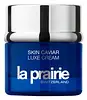
This moisturizer is formulated around Butyrospermum Parkii Butter and Panax Ginseng Root Extract to hydrate skin.
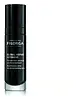
This anti-aging serum is formulated around Retinol and Niacinamide to soften the look of wrinkles and hydrate skin.


What's inside
What's inside
 Key Ingredients
Benefits
Concerns
Ingredients Side-by-side
Water
Skin ConditioningDimethicone
Emollient

Cetearyl Alcohol
Emollient






Butyrospermum Parkii Butter
Skin Conditioning

Glycerin
Humectant
Prunus Amygdalus Dulcis Oil
Skin Conditioning
Butylene Glycol
Humectant
Cetearyl Glucoside
Emulsifying
Octyldodecanol
Emollient
Glyceryl Stearate
Emollient
Glycoproteins
Skin Conditioning
Panax Ginseng Root Extract
Emollient

Equisetum Arvense Extract
AstringentCaviar Extract
Skin ConditioningTocopheryl Acetate
Antioxidant


Pullulan
Mangifera Indica Seed Oil
Emollient
Haematococcus Pluvialis Extract
Antioxidant
Lactic Acid
Buffering






Caulerpa Lentillifera Extract
Sodium DNA
Skin Conditioning
Ceramide NP
Skin Conditioning
Lecithin
Emollient
Tocopherol
Antioxidant
Sodium Hyaluronate
Humectant
Diethylhexyl Syringylidenemalonate
Skin Protecting
Carnosine
Skin Conditioning
Rna
Skin ConditioningHydrolyzed Rice Bran Protein
Skin ConditioningHydrogenated Lecithin
Emulsifying
Borago Officinalis Seed Oil
Emollient
Citric Acid
Buffering
Malic Acid
Buffering
Camellia Sinensis Leaf Extract
Antimicrobial
Chamomilla Recutita Flower Extract
Masking
Lactobacillus Ferment
Skin Conditioning
Polyglucuronic Acid
Skin ConditioningRetinyl Palmitate
Skin Conditioning
Saccharomyces Cerevisiae Extract
Skin Conditioning
Tetrapeptide-3
Skin Conditioning
Ascorbyl Palmitate
Antioxidant
Parfum
Masking

Linalool
Perfuming
Citronellol
Perfuming
Geraniol
Perfuming
Limonene
Perfuming
Alpha-Isomethyl Ionone
Perfuming
Benzyl Salicylate
Perfuming
Phenoxyethanol
Preservative
Sodium Dehydroacetate
Preservative
Potassium Sorbate
Preservative
CI 77891
Cosmetic ColorantCI 77491
Cosmetic ColorantCI 19140
Cosmetic ColorantCI 14700
Cosmetic ColorantCI 15985
Cosmetic ColorantWater, Dimethicone, Cetearyl Alcohol, Butyrospermum Parkii Butter, Glycerin, Prunus Amygdalus Dulcis Oil, Butylene Glycol, Cetearyl Glucoside, Octyldodecanol, Glyceryl Stearate, Glycoproteins, Panax Ginseng Root Extract, Equisetum Arvense Extract, Caviar Extract, Tocopheryl Acetate, Pullulan, Mangifera Indica Seed Oil, Haematococcus Pluvialis Extract, Lactic Acid, Caulerpa Lentillifera Extract, Sodium DNA, Ceramide NP, Lecithin, Tocopherol, Sodium Hyaluronate, Diethylhexyl Syringylidenemalonate, Carnosine, Rna, Hydrolyzed Rice Bran Protein, Hydrogenated Lecithin, Borago Officinalis Seed Oil, Citric Acid, Malic Acid, Camellia Sinensis Leaf Extract, Chamomilla Recutita Flower Extract, Lactobacillus Ferment, Polyglucuronic Acid, Retinyl Palmitate, Saccharomyces Cerevisiae Extract, Tetrapeptide-3, Ascorbyl Palmitate, Parfum, Linalool, Citronellol, Geraniol, Limonene, Alpha-Isomethyl Ionone, Benzyl Salicylate, Phenoxyethanol, Sodium Dehydroacetate, Potassium Sorbate, CI 77891, CI 77491, CI 19140, CI 14700, CI 15985
Water
Skin ConditioningPropanediol
Solvent
Isocetyl Stearate
Emollient
Glycerin
Humectant
Coco-Caprylate/Caprate
Emollient
Hydrogenated Coconut Oil
Emollient
Ethylhexyl Palmitate
Emollient
Maltodextrin
Absorbent
Pentylene Glycol
Skin Conditioning
Mannitol
Humectant
Lecithin
Emollient
Lauryl Glucoside
CleansingPolyglyceryl-6 Laurate
Emulsifying
Lauroyl Lysine
Skin Conditioning
Xanthan Gum
EmulsifyingParfum
Masking
Sucrose Dilaurate
Emollient
1,2-Hexanediol
Skin Conditioning
Myristyl Glucoside
CleansingSclerotium Gum
Emulsion StabilisingSucrose Palmitate
EmollientGlycogen
HumectantPullulan
Hydroxyethyl Acrylate/Sodium Acryloyldimethyl Taurate Copolymer
Emulsion StabilisingSodium Cocoyl Glutamate
Cleansing
Isohexadecane
EmollientLysolecithin
EmulsifyingAlcohol
Antimicrobial

Polysorbate 20
Emulsifying
Retinol
Skin Conditioning
Glyceryl Linoleate
Emollient
Paeonia Albiflora Root Extract
Skin ConditioningPrunus Amygdalus Dulcis Oil
Skin Conditioning
Pisum Sativum Extract
Skin ConditioningSodium Chloride
MaskingBorago Officinalis Seed Oil
Emollient
Camellia Oleifera Seed Oil
Skin Conditioning
Hexamidine Diisethionate
Emollient
Oenothera Biennis Oil
Emollient
Simmondsia Chinensis Seed Oil
Emollient
Silica
Abrasive
Trihydroxystearin
Skin Conditioning
Niacinamide
Smoothing
3-O-Ethyl Ascorbic Acid
Skin Conditioning
Lactobacillus Ferment
Skin Conditioning
Potassium Azeloyl Diglycinate
Skin Conditioning
Polysorbate 60
Emulsifying
Ceramide NP
Skin Conditioning
Potassium Phosphate
BufferingSodium Hyaluronate
Humectant
Caprylyl Glycol
Emollient
Sorbitan Isostearate
Emulsifying
Glucose
Humectant
Phenoxyethanol
Preservative
Bisabolol
Antioxidant
BHT
Antioxidant
Tocopherol
Antioxidant
Citric Acid
Buffering
Potassium Chloride
Beta-Sitosterol
Emulsion Stabilising
Phytic Acid
Chelating
Squalene
Emollient
Potassium Sorbate
Preservative
Calcium Chloride
AstringentBHA
Antioxidant
Acetyl Tetrapeptide-11
Skin Conditioning
Magnesium Sulfate
Glutamine
Skin ConditioningAcetyl Tetrapeptide-9
Skin Conditioning
Sodium Phosphate
BufferingCI 15510
Cosmetic ColorantAscorbic Acid
Antioxidant
Sodium Acetate
BufferingLysine Hcl
Skin Conditioning
Arginine Hcl
Skin ConditioningAscorbyl Palmitate
Antioxidant
Alanine
Masking
Histidine Hcl
Skin ConditioningValine
MaskingLeucine
Skin ConditioningThreonine
Isoleucine
Skin ConditioningTryptophan
MaskingPhenylalanine
Masking
Tyrosine
MaskingGlycine
Buffering
Polysorbate 80
Emulsifying
Glucomannan
Skin ConditioningSerine
Masking
Cystine
MaskingCyanocobalamin
Skin ConditioningGlutathione
Asparagine
MaskingAspartic Acid
Masking
Ornithine Hcl
Skin ConditioningGlutamic Acid
Humectant
Nicotinamide Adenine Dinucleotide
Skin ConditioningProline
Skin Conditioning
CI 17200
Cosmetic ColorantMethionine
Skin ConditioningTaurine
BufferingHydroxyproline
Skin ConditioningGlucosamine Hcl
Coenzyme A
Skin ConditioningSodium Glucuronate
HumectantThiamine Diphosphate
Skin ConditioningRetinyl Acetate
Skin Conditioning
Inositol
Humectant
Niacin
SmoothingPyridoxine Hcl
Skin ConditioningBiotin
AntiseborrhoeicCalcium Pantothenate
Riboflavin
Cosmetic ColorantSodium Tocopheryl Phosphate
Antioxidant
Thiamine Hcl
MaskingFolic Acid
Skin ConditioningWater, Propanediol, Isocetyl Stearate, Glycerin, Coco-Caprylate/Caprate, Hydrogenated Coconut Oil, Ethylhexyl Palmitate, Maltodextrin, Pentylene Glycol, Mannitol, Lecithin, Lauryl Glucoside, Polyglyceryl-6 Laurate, Lauroyl Lysine, Xanthan Gum, Parfum, Sucrose Dilaurate, 1,2-Hexanediol, Myristyl Glucoside, Sclerotium Gum, Sucrose Palmitate, Glycogen, Pullulan, Hydroxyethyl Acrylate/Sodium Acryloyldimethyl Taurate Copolymer, Sodium Cocoyl Glutamate, Isohexadecane, Lysolecithin, Alcohol, Polysorbate 20, Retinol, Glyceryl Linoleate, Paeonia Albiflora Root Extract, Prunus Amygdalus Dulcis Oil, Pisum Sativum Extract, Sodium Chloride, Borago Officinalis Seed Oil, Camellia Oleifera Seed Oil, Hexamidine Diisethionate, Oenothera Biennis Oil, Simmondsia Chinensis Seed Oil, Silica, Trihydroxystearin, Niacinamide, 3-O-Ethyl Ascorbic Acid, Lactobacillus Ferment, Potassium Azeloyl Diglycinate, Polysorbate 60, Ceramide NP, Potassium Phosphate, Sodium Hyaluronate, Caprylyl Glycol, Sorbitan Isostearate, Glucose, Phenoxyethanol, Bisabolol, BHT, Tocopherol, Citric Acid, Potassium Chloride, Beta-Sitosterol, Phytic Acid, Squalene, Potassium Sorbate, Calcium Chloride, BHA, Acetyl Tetrapeptide-11, Magnesium Sulfate, Glutamine, Acetyl Tetrapeptide-9, Sodium Phosphate, CI 15510, Ascorbic Acid, Sodium Acetate, Lysine Hcl, Arginine Hcl, Ascorbyl Palmitate, Alanine, Histidine Hcl, Valine, Leucine, Threonine, Isoleucine, Tryptophan, Phenylalanine, Tyrosine, Glycine, Polysorbate 80, Glucomannan, Serine, Cystine, Cyanocobalamin, Glutathione, Asparagine, Aspartic Acid, Ornithine Hcl, Glutamic Acid, Nicotinamide Adenine Dinucleotide, Proline, CI 17200, Methionine, Taurine, Hydroxyproline, Glucosamine Hcl, Coenzyme A, Sodium Glucuronate, Thiamine Diphosphate, Retinyl Acetate, Inositol, Niacin, Pyridoxine Hcl, Biotin, Calcium Pantothenate, Riboflavin, Sodium Tocopheryl Phosphate, Thiamine Hcl, Folic Acid
Reviews
Ingredients Explained
These ingredients are found in both products.
Ingredients higher up in an ingredient list are typically present in a larger amount.
Ascorbyl Palmitate is a fat-soluble form of vitamin C (Ascorbic Acid) made by combining it with palmitic acid.
It is able to blend easily into creams and oil-based formulas because it dissolves in oils rather than water.
As you may know, regular vitamin C is notorious for breaking down when exposed to sunlight and air. Ascorbyl Palmitate is more stable and degrades at a slower rate.
Research on whether it converts efficiently into active vitamin C once it's applied on your skin is still limited.
Some in-vitro studies suggest it may support collagen production, but it is not considered one of the stronger vitamin C derivatives, like:
Due to the palmitic acid base, this ingredient may not be fungal acne safe. Comedogenic studies have also shown this ingredient to have a rating of 2.
It's also worth keeping in mind that comedogenic and irritancy ratings are tested on individual ingredients, not finished formulas. The final product's formulation, concentration, and other ingredients all play a role in how something actually behaves on your skin.
Learn more about Ascorbyl PalmitateBorago Officinalis Seed Oil is the fixed oil pressed from the seed of borage (or starflower). In cosmetics, it's a skin conditioning agent and emollient that helps soften and hydrate the skin.
Its whole reputation rests on one fatty acid, gamma-linolenic acid, that makes up about 20-26% of the oil. There are also significant levels of linoleic, oleic, palmitic, stearic, erucic, and nervonic acids.
Topical evidence is small but reasonably consistent; most of it is about barrier function rather than curing anything.
In 37 infants with seborrhoeic dermatitis treated daily with topical borage oil containing 24% GLA, all patients were free of skin symptoms within 3-4 weeks.
A double-blind placebo controlled trial in 32 children aged 1-10 used undershirts coated with borage oil for two weeks and found statistically significant improvements in erythema and itch. Transepidermal water loss from the back also decreased.
The CIR reviewed this ingredient and concluded it to be safe as used in cosmetics.
Concentration amounts can be as low as fractions of a percent all the way to 100% in facial oils.
Oxidation matters since it's high in polyunsaturates: pairing it with tocopherol or opaque packaging can make a difference.
Allergy risk is low though anyone with a known Boraginaceae allergy should patch test. Cosmetic-grade refined borage oil is usually free from the proteins that cause allergies, but manufacturing quality can differ around the world.
This ingredient shows up on a lot of "pore-clogging" lists but there's no real evidence behind that. It doesn't even have a comedogenic rating from an actual study; the numbers you'll find online come from blogs citing other blogs.
Ratings for other ingredients mostly come from a 1980s rabbit ear test. This test doesn't translate well to human skin or to real products because the ingredient sits at a much lower percentage.
Some people still find it breaks them out. So if that's you, definitely trust your skin.
The Malassezia species takes up external fatty acids in the C11-24 range to survive. Since this oil is a triglyceride of exactly the chain lengths it needs, this ingredient may not be fungal acne safe.
Learn more about Borago Officinalis Seed OilCeramide NP (formerly known as Ceramide 3) is one of the skin's naturally occurring lipids.
Since ceramides are the major lipid components of the skin, they are crucial for maintaining skin barrier and hydration. Ceramide NP most closely mirrors the dominant kind in human skin amongst ceramide subtypes.
This ceramide works by slotting into gaps within the stratum corneum's lipid matrix to limit trans-epidermal water loss (TEWL) and shield the skin against external irritants.
A study with 312 patients found that using a ceramide-containing routine for 4 weeks reduced the severity of atopic dermatitis by over 61%.
Another clinical study in subjects aged 60 and older found that a ceramide body wash and moisturizer improved skin dryness and itchy skin in 15 days.
Overall, ceramides are considered non-irritating and safety tests have found little to no observable adverse effects from using this ingredient.
Ceramide NP is usually sourced from plants (like soybean or rice bran), or produced synthetically.
Learn more about Ceramide NPCitric Acid is an alpha hydroxy acid (AHA) naturally found in citrus fruits like oranges, lemons, and limes.
Like other AHAs, citric acid can exfoliate skin by breaking down the bonds that hold dead skin cells together. This helps reveal smoother and brighter skin underneath.
However, this exfoliating effect only happens at high concentrations (20%) which can be hard to find in cosmetic products.
Due to this, citric acid is usually included in small amounts as a pH adjuster. This helps keep products slightly more acidic and compatible with skin's natural pH.
In skincare formulas, citric acid can:
While it can provide some skin benefits, research shows lactic acid and glycolic acid are generally more effective and less irritating exfoliants.
Most citric acid used in skincare today is made by fermenting sugars (usually from molasses). This synthetic version is identical to the natural citrus form but easier to stabilize and use in formulations.
Rosacea skin has a lower threshold for acids generally, with 62.5% of rosacea subjects in one study reacting to lactic acid in a sting test. This is why we mark citric acid as a potential rosacea trigger.
However, this ingredient shows up as a pH adjuster or chelator at roughly 0.1-1% in many products. These low levels are unlikely to be an issue for rosacea skin and becomes a potential trigger at exfoliating concentrations (20%). Because everybody's skin is unique, we recommend a patch test if you are unsure.
Learn more about Citric AcidGlycerin (or glycerol) is a compound naturally found in your skin. It's a powerhouse humectant that pulls water into the stratum corneum.
Topically, glycerin does several things at once:
Your skin makes glycerin on its own (mostly from sebaceous oil breakdown) and shuttles it to your outermost layer of skin, or your epidermis, via aquaporin-3.
Aquaporin-3 is a transporter that is essential for normal skin hydration, elasticity, and repair. Interestingly, mice lacking in AQP3 have dry and less elastic skin that can be fully corrected with glycerin.
This ingredient is non-irritating, plays well with almost every ingredient, and works across all skin types. Typical use is anywhere between 3-10% but can go up to 79% in some leave-on products.
Just know very high concentrations (>40%) can feel tacky in low humidity.
Glycerin is the name for this ingredient in American English. British English uses Glycerol/Glycerine.
Learn more about GlycerinThis ingredient is made when the Lactobacillus bacteria (the same kind that makes yogurt and kimchi) are allowed to ferment a nutrient medium.
As it ferments, it collects lactic acid, peptides, enzymes, and other bioactive metabolites to provide:
A 2023 review noted that probiotic fermentation ingredients like this one can enhance antioxidant capacity, reduce UV-induced oxidative damage, and support barrier function.
One clinical study from the same year showed a Lactobacillus ferment lysate significantly reduced transepidermal water loss and improved skin hydration.
Another review highlighted that topical Lactobacillus-based preparations can improve ceramide levels in the stratum corneum, support barrier integrity, and even help reduce S. aureus colonization in atopic dermatitis.
Why is this so cool?
Basically, your skin's outer layer works as a brick wall; skin cells are bricks and ceramides are the mortar holding it together. Moisture escapes, irritants get in, and your skin gets dry and reactive when ceramide levels drop. On top of that, "bad" skin bacteria S. aureus loves to move in when your barrier is weak to make inflammation and irritation worse.
So Lactobacillus ferment is basically patching the wall and evicting the troublemaker when it boosts ceramide production and help keep S. aureus in check.
On top of all this, it also acts as a mild antimicrobial preservative booster.
Just so you know, most studies focus on specific strains or the lysate form rather than this generic "Lactobacillus Ferment", so results can vary.
Though it's a promising ingredient, it doesn't have decades of robust clinical data behind it just yet.
Lactobacillus Ferment is generally considered safe for fungal-acne prone skin. The key thing to understand is that it comes from bacteria, not yeast or fungus.
Yeast-derived ferments (like galactomyces) have been shown to activate a protein that's linked to Malassezia-related skin issues whereas lactobacillus doesn't have that problem.
Its byproducts also don't contain the types of fatty acids (C11-24 chain lengths) that Malassezia feeds on.
Learn more about Lactobacillus FermentLecithin is a term for a group of substances found in the cell membranes of plants, animals, and humans. They are made up of phospholipids.
Thanks to its amphiphilic structure (water-loving head and oil-loving tail), it is a true multitasker:
It plays well with most ingredients and is typically used at 0.1-1%. However, concentrations up to 50% have been reported in moisturizers.
Learn more about LecithinParfum is a catch-all term for an ingredient or more that is used to give a scent to products.
Also called "fragrance", this ingredient can be a blend of hundreds of chemicals or plant oils. This means every product with "fragrance" or "parfum" in the ingredients list is a different mixture.
For instance, Habanolide is a proprietary trade name for a specific aroma chemical. When used as a fragrance ingredient in cosmetics, most aroma chemicals fall under the broad labeling category of “FRAGRANCE” or “PARFUM” according to EU and US regulations.
The term 'parfum' or 'fragrance' is not regulated in many countries. In many cases, it is up to the brand to define this term.
For instance, many brands choose to label themselves as "fragrance-free" because they are not using synthetic fragrances. However, their products may still contain ingredients such as essential oils that are considered a fragrance by INCI standards.
One example is Calendula flower extract. Calendula is an essential oil that still imparts a scent or 'fragrance'.
Depending on the blend, the ingredients in the mixture can cause allergies and sensitivities on the skin. Some ingredients that are known EU allergens include linalool and citronellol.
Parfum can also be used to mask or cover an unpleasant scent.
The bottom line is: not all fragrances/parfum/ingredients are created equally. If you are worried about fragrances, we recommend taking a closer look at an ingredient. And of course, we always recommend speaking with a professional.
Learn more about ParfumPhenoxyethanol is one of the most widely used preservatives in skincare (and for good reason!).
It has a large spectrum of antimicrobial activity and especially effective bacteria, yeast, and mold while only having a weak effect on your skin's natural microbiome.
On a cellular level, it disrupts the cell membranes of microbes by poking holes that make the cell leak. This shuts down the chemical reactions the microbe needs to make energy so it can no longer survive.
Another perk of this ingredient is that it stays functional across a wide pH range (3-10).
You'll often see it paired with boosters like Ethylhexylglycerin; one study showed that a 1:9 ratio of Ethylhexylglycerin to Phenoxyethanol damages bacterial membranes as effectively as doubling the Phenoxyethanol concentration on its own.
Typical use concentrations range from 0.3-1% depending on the formula, and this ingredient is capped at 1% int the EU.
Safety-wise, the fear mongering does not hold up to the evidence. The EU's Scientific Committee on Consumer Safety and FDA consider it safe as a preservative at up to 1%, including for children of all ages.
Adverse systemic effects only showed up in animal studies at exposures roughly 200x higher than what people get from cosmetics. And despite its very widespread use, this ingredient is a rare sensitizer and allergic reactions are uncommon.
Learn more about PhenoxyethanolPotassium Sorbate is a preservative used to prevent yeast and mold in products. It is commonly found in both cosmetic and food products.
This ingredient comes from potassium salt derived from sorbic acid. Sorbic acid is a natural antibiotic and effective against fungus.
Both potassium sorbate and sorbic acid can be found in baked goods, cheeses, dried meats, dried fruit, ice cream, pickles, wine, yogurt, and more.
You'll often find this ingredient used with other preservatives.
Learn more about Potassium SorbateThis ingredient is also known as sweet almond oil. It is a lightweight, cold-pressed oil from the ripe seeds of the sweet almond tree.
Sweet almond oil is rich in skin-nourishing fatty acids such as oleic acid (55-86%) and linolenic acid (7-35%).
As an emollient, it softens and hydrates skin by forming a thin barrier that locks in moisture.
Clinical studies have found it to be non-irritating and non-sensitizing. The CIR Expert Panel has evaluated the available safety data and concluded it is safe for topical use.
Because of the oleic acid content, this ingredient may not be fungal acne safe.
This ingredient does have a comedogenic rating of 3, but this doesn't mean a formula with this ingredient will clog pores.
Human testing has proved that any finished product with a comedogenic ingredient won't automatically make you break out; it really comes down to concentration, formula, and your skin.
Learn more about Prunus Amygdalus Dulcis OilPullulan is a low viscosity polysaccharide (a long chain carbohydrate) with binding and film forming properties when dissolved in water. It is used to create a "silicone-like" or silky feel in cosmetics without adding viscosity.
According to a manufacturer, this ingredient's ability to easily dissolves makes it a great carrier for active ingredients.
Due to it being edible and tasteless, you'll likely find this ingredient in breath freshener strips. This ingredient is produced from the starch of the fungus, Aureobasidium pullulans.
Pullulan is stable over a broad-range of pH.
Learn more about PullulanSodium Hyaluronate is the salt form of hyaluronic acid. It is a long sugar chain that is naturally found in your skin, joints, and connective tissue that maintains hydration and elasticity.
In skincare, it works as a humectant. It pulls water from the environment and deeper layers of skin and binds it to the surface.
Interestingly, the size of the molecule affects its behavior:
Some clinical evidence links low molecular weight versions to improved wrinkle depth, elasticity, anti-inflammatory effects, and barrier repair.
Many serums use a blend of both weights so you can get surface hydration plus longer-lasting and deeper effects.
You'll typically see concentrations between 0.1-2% for this ingredient.
Learn more about Sodium HyaluronateTocopherol is a fat-soluble antioxidant known as Vitamin E.
You'll find this ingredient in the vast majority of skincare (for good reason). It works to neutralize free radicals, or unstable molecules generated by UV exposure, pollution, and other environmental stressors, before they can cause oxidative damage to your skin cells.
Topically applied tocopherol has been shown to protect against UV damage by ramping up the skin's own natural defense enzymes.
It also acts as a skin conditioning agent; some studies show that regular topical use can improve the skin's water-binding capacity over 2-4 weeks.
This ingredient is especially loved for being a team player. When combined with Vitamin C, the photoprotective effect of both ingredients roughly doubles and the combo also helps reduce UV-induced DNA damage.
This ingredient has some brightening potential but it's more of a prevention ingredient than spot-fader. Cell studies show it can slow down melanin production but it's worth noting that it's not the most powerful brightener out there.
In formulations, it also serves as a stabilizer that helps protect other oxidation-prone ingredients from degrading.
Concentrations usually range from 0.1-1% in most leave-on products.
Learn more about TocopherolWater. It's the most common cosmetic ingredient of all. You'll usually see it at the top of ingredient lists, meaning that it makes up the largest part of the product.
So why is it so popular? Water most often acts as a solvent - this means that it helps dissolve other ingredients into the formulation.
You'll also recognize water as that liquid we all need to stay alive. If you see this, drink a glass of water. Remember to stay hydrated!
Learn more about Water

