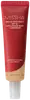
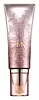
Missha M Perfect Cover BB Cream SPF42 PA+++ Versus Missha M Signature Real Complete BB Cream SPF 25 PA++

What's inside
What's inside
 Key Ingredients
Benefits
Concerns
Ingredients Side-by-side
Water
Skin ConditioningCyclopentasiloxane
Emollient
Ethylhexyl Methoxycinnamate
UV Absorber


Zinc Oxide
Cosmetic Colorant
Propylene Glycol
Humectant


Titanium Dioxide
Cosmetic Colorant
Caprylic/Capric Triglyceride
Masking

PEG-10 Dimethicone
Skin Conditioning
Glycerin
Humectant
Cetyl PEG/PPG-10/1 Dimethicone
Emulsifying
Arbutin
Antioxidant



Paraffinum Liquidum
Emollient

Polyethylene
Abrasive
Talc
Abrasive
Phenyl Trimethicone
Skin Conditioning
Beeswax
Emulsion Stabilising

CI 77492
Cosmetic ColorantSodium Chloride
MaskingCI 77491
Cosmetic ColorantCI 77499
Cosmetic ColorantMethylparaben
Preservative

Dimethicone
Emollient
Propylparaben
Preservative
Rosa Canina Fruit Oil
Emollient
Squalane
Emollient
Macadamia Ternifolia Seed Oil
Emollient
Simmondsia Chinensis Seed Oil
Emollient
Cyclotetrasiloxane
Emollient
Disodium EDTA
ChelatingAdenosine
Skin Conditioning
Algae Extract
Emollient
Rosmarinus Officinalis Leaf Extract
AntimicrobialChamomilla Recutita Flower Extract
Masking
Ceramide NP
Skin Conditioning
Butylene Glycol
Humectant
Fagus Sylvatica Bud Extract
TonicHydrolyzed Collagen
Emollient
Caprylyl Glycol
Emollient
Benzyl Alcohol
Perfuming



1,2-Hexanediol
Skin Conditioning
Caprylhydroxamic Acid
ChelatingTocopherol
Antioxidant
Benzoic Acid
Masking
Sodium Hyaluronate
Humectant
Phenoxyethanol
Preservative
Tropolone
Skin ConditioningParfum
Masking
Butylphenyl Methylpropional
Perfuming
Benzyl Salicylate
Perfuming
Hydroxycitronellal
Perfuming
Alpha-Isomethyl Ionone
Perfuming
Hexyl Cinnamal
Perfuming
Linalool
Perfuming
Citronellol
Perfuming
Limonene
Perfuming
Water, Cyclopentasiloxane, Ethylhexyl Methoxycinnamate, Zinc Oxide, Propylene Glycol, Titanium Dioxide, Caprylic/Capric Triglyceride, PEG-10 Dimethicone, Glycerin, Cetyl PEG/PPG-10/1 Dimethicone, Arbutin, Paraffinum Liquidum, Polyethylene, Talc, Phenyl Trimethicone, Beeswax, CI 77492, Sodium Chloride, CI 77491, CI 77499, Methylparaben, Dimethicone, Propylparaben, Rosa Canina Fruit Oil, Squalane, Macadamia Ternifolia Seed Oil, Simmondsia Chinensis Seed Oil, Cyclotetrasiloxane, Disodium EDTA, Adenosine, Algae Extract, Rosmarinus Officinalis Leaf Extract, Chamomilla Recutita Flower Extract, Ceramide NP, Butylene Glycol, Fagus Sylvatica Bud Extract, Hydrolyzed Collagen, Caprylyl Glycol, Benzyl Alcohol, 1,2-Hexanediol, Caprylhydroxamic Acid, Tocopherol, Benzoic Acid, Sodium Hyaluronate, Phenoxyethanol, Tropolone, Parfum, Butylphenyl Methylpropional, Benzyl Salicylate, Hydroxycitronellal, Alpha-Isomethyl Ionone, Hexyl Cinnamal, Linalool, Citronellol, Limonene
Water
Skin ConditioningCI 77891
Cosmetic ColorantCyclopentasiloxane
Emollient
Glycerin
Humectant
Butylene Glycol
Humectant
Zinc Oxide
Cosmetic Colorant
Hydrogenated Polydecene
EmollientPhenyl Trimethicone
Skin Conditioning
Orbignya Oleifera Seed Oil
Emollient
Arbutin
Antioxidant
C12-15 Alkyl Benzoate
AntimicrobialCetyl PEG/PPG-10/1 Dimethicone
Emulsifying
Sodium Chloride
MaskingMica
Cosmetic ColorantCyclohexasiloxane
Emollient
Sorbitan Isostearate
Emulsifying
Caprylyl Methicone
Skin Conditioning
Hydrogenated Polyisobutene
EmollientHydrogenated Castor Oil Isostearate
Skin Conditioning
Beeswax
Emulsion Stabilising
Polyglyceryl-4 Isostearate
Emulsifying
Sorbitan Olivate
Emulsifying
Alumina
Abrasive
Hexyl Laurate
Emollient
Talc
Abrasive
CI 77492
Cosmetic ColorantXanthan Gum
EmulsifyingMethyl Methacrylate Crosspolymer
Ginkgo Biloba Leaf Extract
Skin Conditioning
Dimethicone/Vinyl Dimethicone Crosspolymer
Skin Conditioning
Disteardimonium Hectorite
StabilisingCaprylyl Glycol
Emollient
Stearic Acid
Cleansing
Anthemis Nobilis Flower Water
Masking
Lavandula Angustifolia Flower Water
Skin Conditioning
Aluminum Hydroxide
EmollientCI 77491
Cosmetic ColorantCI 77499
Cosmetic ColorantEthylhexylglycerin
Skin ConditioningOzokerite
Emulsion StabilisingPhenoxyethanol
Preservative
Hydrogen Dimethicone
Hydrogenated Lecithin
Emulsifying
Tocopheryl Acetate
Antioxidant
Ceramide NP
Skin Conditioning
Propylene Carbonate
SolventCholesterol
Emollient
Triethoxycaprylylsilane
Dimethicone
Emollient
1,2-Hexanediol
Skin Conditioning
Propanediol
Solvent
Methicone
Emollient
Adenosine
Skin Conditioning
Bletilla Striata Root Extract
Skin ConditioningEchinacea Purpurea Extract
MoisturisingPerilla Ocymoides Leaf Extract
TonicBacillus/Soybean Ferment Extract
Skin ConditioningGlyceryl Caprylate
EmollientSqualane
Emollient
Macadamia Ternifolia Seed Oil
Emollient
Oleic Acid
Emollient
Disodium EDTA
ChelatingBrassica Campestris Sterols
EmollientGlycine
Buffering
Parfum
Masking
Caprylic/Capric Triglyceride
Masking
Vitis Vinifera Fruit Water
Skin ConditioningPunica Granatum Extract
AstringentSalicornia Herbacea Extract
Skin ConditioningPropylene Glycol
Humectant
Panax Ginseng Root Extract
Emollient
Cucurbita Pepo Fruit Extract
Skin Conditioning
Juglans Regia Seed Extract
Skin ConditioningAngelica Keiskei Leaf/Stem Extract
Skin ConditioningOldenlandia Diffusa Extract
Skin ConditioningHouttuynia Cordata Extract
Skin Conditioning
Lycium Chinense Fruit Extract
Antioxidant
Cnidium Officinale Root Extract
Skin ConditioningSerine
Masking
Bambusa Textilis Stem Extract
Skin ConditioningGlutamic Acid
Humectant
Luffa Cylindrica Fruit Extract
Skin ConditioningCucumis Sativus Fruit Extract
Emollient
Camellia Japonica Flower Extract
EmollientPrunus Persica Fruit Extract
Abrasive
Ganoderma Lucidum Extract
Skin Protecting
Vigna Radiata Seed Extract
Skin ConditioningLecithin
Emollient
Polysorbate 20
Emulsifying
Coix Lacryma-Jobi Ma-Yuen Seed Extract
Skin ConditioningAspartic Acid
Masking
Citrus Aurantifolia Fruit Extract
Skin ConditioningCocos Nucifera Fruit Extract
Emollient
Leucine
Skin ConditioningSodium Hyaluronate
Humectant
Alcohol
Antimicrobial
Coptis Japonica Root Extract
Skin ConditioningArtemisia Vulgaris Extract
Skin Conditioning
Alanine
Masking
Lysine
Skin ConditioningMangifera Indica Fruit Extract
Skin ConditioningMorus Alba Root Extract
BleachingTaraxacum Officinale Rhizome/Root Extract
Skin ConditioningBeta-Glucan
Skin Conditioning
Acorus Calamus Root Extract
Perfuming
Citrus Unshiu Peel Extract
MaskingCornus Officinalis Fruit Extract
Skin ConditioningRhus Semialata Gall Extract
Skin ConditioningArginine
Masking
Citric Acid
Buffering
Tyrosine
MaskingPhenylalanine
Masking
Threonine
Valine
MaskingProline
Skin Conditioning
Isoleucine
Skin ConditioningAsarum Sieboldii Root Extract
Skin ConditioningIris Ensata Extract
Skin ConditioningPsidium Guajava Fruit Extract
AstringentGlycyrrhiza Glabra Root Extract
Bleaching
Hordeum Vulgare Leaf Extract
Skin ConditioningNelumbo Nucifera Flower Extract
Skin ConditioningOenanthe Javanica Extract
AntimicrobialHistidine
Humectant
Potassium Sorbate
Preservative
Sodium Benzoate
Masking
Methionine
Skin ConditioningCysteine
Antioxidant
Daucus Carota Sativa Root Extract
Skin Conditioning
Prunus Armeniaca Kernel Extract
Skin ConditioningEthyl Hexanediol
SolventFragaria Chiloensis Fruit Extract
Skin Conditioning
Camellia Sinensis Leaf Extract
Antimicrobial
Sodium Ascorbyl Phosphate
Antioxidant

Hydrolyzed Collagen
Emollient
Prunus Avium Fruit Extract
Skin ConditioningScrophularia Buergeriana Root Extract
EmollientLinaria Japonica Extract
Skin ConditioningScutellaria Baicalensis Root Extract
Astringent
Carica Papaya Fruit Extract
Skin ConditioningPentylene Glycol
Skin Conditioning
Caprylhydroxamic Acid
ChelatingCopper Tripeptide-1
Skin Conditioning
Palmitoyl Pentapeptide-4
Skin Conditioning
Acetyl Hexapeptide-8
Humectant
Tropolone
Skin ConditioningWater, CI 77891, Cyclopentasiloxane, Glycerin, Butylene Glycol, Zinc Oxide, Hydrogenated Polydecene, Phenyl Trimethicone, Orbignya Oleifera Seed Oil, Arbutin, C12-15 Alkyl Benzoate, Cetyl PEG/PPG-10/1 Dimethicone, Sodium Chloride, Mica, Cyclohexasiloxane, Sorbitan Isostearate, Caprylyl Methicone, Hydrogenated Polyisobutene, Hydrogenated Castor Oil Isostearate, Beeswax, Polyglyceryl-4 Isostearate, Sorbitan Olivate, Alumina, Hexyl Laurate, Talc, CI 77492, Xanthan Gum, Methyl Methacrylate Crosspolymer, Ginkgo Biloba Leaf Extract, Dimethicone/Vinyl Dimethicone Crosspolymer, Disteardimonium Hectorite, Caprylyl Glycol, Stearic Acid, Anthemis Nobilis Flower Water, Lavandula Angustifolia Flower Water, Aluminum Hydroxide, CI 77491, CI 77499, Ethylhexylglycerin, Ozokerite, Phenoxyethanol, Hydrogen Dimethicone, Hydrogenated Lecithin, Tocopheryl Acetate, Ceramide NP, Propylene Carbonate, Cholesterol, Triethoxycaprylylsilane, Dimethicone, 1,2-Hexanediol, Propanediol, Methicone, Adenosine, Bletilla Striata Root Extract, Echinacea Purpurea Extract, Perilla Ocymoides Leaf Extract, Bacillus/Soybean Ferment Extract, Glyceryl Caprylate, Squalane, Macadamia Ternifolia Seed Oil, Oleic Acid, Disodium EDTA, Brassica Campestris Sterols, Glycine, Parfum, Caprylic/Capric Triglyceride, Vitis Vinifera Fruit Water, Punica Granatum Extract, Salicornia Herbacea Extract, Propylene Glycol, Panax Ginseng Root Extract, Cucurbita Pepo Fruit Extract, Juglans Regia Seed Extract, Angelica Keiskei Leaf/Stem Extract, Oldenlandia Diffusa Extract, Houttuynia Cordata Extract, Lycium Chinense Fruit Extract, Cnidium Officinale Root Extract, Serine, Bambusa Textilis Stem Extract, Glutamic Acid, Luffa Cylindrica Fruit Extract, Cucumis Sativus Fruit Extract, Camellia Japonica Flower Extract, Prunus Persica Fruit Extract, Ganoderma Lucidum Extract, Vigna Radiata Seed Extract, Lecithin, Polysorbate 20, Coix Lacryma-Jobi Ma-Yuen Seed Extract, Aspartic Acid, Citrus Aurantifolia Fruit Extract, Cocos Nucifera Fruit Extract, Leucine, Sodium Hyaluronate, Alcohol, Coptis Japonica Root Extract, Artemisia Vulgaris Extract, Alanine, Lysine, Mangifera Indica Fruit Extract, Morus Alba Root Extract, Taraxacum Officinale Rhizome/Root Extract, Beta-Glucan, Acorus Calamus Root Extract, Citrus Unshiu Peel Extract, Cornus Officinalis Fruit Extract, Rhus Semialata Gall Extract, Arginine, Citric Acid, Tyrosine, Phenylalanine, Threonine, Valine, Proline, Isoleucine, Asarum Sieboldii Root Extract, Iris Ensata Extract, Psidium Guajava Fruit Extract, Glycyrrhiza Glabra Root Extract, Hordeum Vulgare Leaf Extract, Nelumbo Nucifera Flower Extract, Oenanthe Javanica Extract, Histidine, Potassium Sorbate, Sodium Benzoate, Methionine, Cysteine, Daucus Carota Sativa Root Extract, Prunus Armeniaca Kernel Extract, Ethyl Hexanediol, Fragaria Chiloensis Fruit Extract, Camellia Sinensis Leaf Extract, Sodium Ascorbyl Phosphate, Hydrolyzed Collagen, Prunus Avium Fruit Extract, Scrophularia Buergeriana Root Extract, Linaria Japonica Extract, Scutellaria Baicalensis Root Extract, Carica Papaya Fruit Extract, Pentylene Glycol, Caprylhydroxamic Acid, Copper Tripeptide-1, Palmitoyl Pentapeptide-4, Acetyl Hexapeptide-8, Tropolone
Reviews
Ingredients Explained
These ingredients are found in both products.
Ingredients higher up in an ingredient list are typically present in a larger amount.
1,2-Hexanediol is a synthetic liquid and another multi-functional powerhouse.
It is a:
- Humectant, drawing moisture into the skin
- Emollient, helping to soften skin
- Solvent, dispersing and stabilizing formulas
- Preservative booster, enhancing the antimicrobial activity of other preservatives
Adenosine is a purine nucleoside that your body already makes in every cell. In skincare, it acts mainly as a skin conditioning and anti-aging agent.
The way it works is fairly well mapped out:
Your skin has cells called fibroblasts that build collagen (the stuff that keeps skin firm and smooth). Adenosine basically flips a switch on these cells that tells them to get to work making more collagen and other proteins. These cells slow down on their own as skin ages, so Adenosine helps give them a little nudge to keep going.
The clinical backing is pretty solid too.
A blind, randomized, placebo-controlled trial of 126 women aged 45-65 tested a 0.1% cream twice daily and found real improvements in crow's feet and frown lines using a precise 3D skin-mapping technique; these changes showed up by week 3 and held at 2 months.
A later study using Adenosine-loaded dissolving microneedle patches reported gains in wrinkle depth, dermal density, elasticity, and hydration.
On concentrations, South Korea's Ministry of Food and Drug Safety has set 0.04% as the approved functional anti-wrinkle level. You'll typically see this ingredient used somewhere in the 0.04-0.1% range since it works at low doses.
This ingredient has been found safe for cosmetics with the data showing no irritation or sensitization.
Overall, this is a great ingredient for any anti-aging routine and has no photosensitizing effect, so it suits both AM and PM use.
Learn more about AdenosineArbutin is a naturally occurring molecule (found in bearberry, cranberry, and blueberry) that is used in skincare as a gentle brightening agent to fade dark spots, melasma, and post-inflammatory hyperpigmentation.
Chemically, it is a sugar-bound form of hydroquinone.
It works mainly by inhibiting tyrosinase, the enzyme your skin uses to make melanin. This means less new pigment gets produced over time.
There are two forms you'll see on labels: beta-arbutin (listed as just "Arbutin") and alpha-arbutin (the more stable and effective of the two).
The evidence behind this is solid: it's less cytotoxic to melanocytes than hydroquinone and comparably effective with kojic acid for hyperpigmentation.
One human study using a 10% solution reduced UVR-induced hyperpigmentation by 43.5% (jumping to 63.3% when paired with aloesin).
More recent clinical work backs it up too; a 2025 study on a 5% alpha-arbutin + 2% kojic acid cream found it comparable to triple combination prescription formulas but with lower recurrence for melasma.
Typical usage in cosmetics serums land in the 1-2% range.
It's a well-tolerated, non-irritating, and non-photoreactive ingredient that also gives some antioxidant benefits too.
Learn more about ArbutinBeeswax is natural wax produced by honey bees to build their honeycomb.
Because it forms a protective layer on your skin, it can help lock in moisture and reduce water loss. It is also widely used as a thickener and emulsifier in lip balms and lotions. Research suggests beeswax containing moisturizers can support skin barrier integrity.
In comedogenic testing, Beeswax scored a 0-2, which is on the low end. Whether or not a product clogs your pores really comes down to the formula as a whole (not any single ingredient on its own) and your skin.
Cera Alba is the white, bleached form of this ingredient.
Just so you know, beeswax is not vegan since it is animal-derived. It cannot be removed with water, but can be taken off with an oil cleanser.
People with a known Propolis allergy also report to have reactions from beeswax.
Beeswax's wax esters are derived primarily from palmitic and oleic acid (C16 and C18:1). Both of these fall within the C11-C24 feeding window.
The Malassezia yeast can potentially cleave these esters and release usable fatty acids, so this ingredient may not be fungal acne safe. However, not everyone will react to this ingredient.
Learn more about BeeswaxButylene Glycol (or BG) is used within cosmetic products for a few different reasons:
Overall, Butylene Glycol is a safe and well-rounded ingredient that works well with other ingredients.
Though this ingredient works well with most skin types, some people with sensitive skin may experience a reaction such as allergic rashes, closed comedones, or itchiness.
Learn more about Butylene GlycolCaprylhydroxamic Acid is a chelating agent that helps cosmetics stay fresh, stable, and consistent over time.
Chelating agents help prevent metal ions from binding to other ingredients. This helps prevent unwanted reactions and effects from using the product. It also helps prevent the growth of unwanted microbes in products that contain water.
Caprylhydroxamic Acid is often used with natural antimicrobial products as an alternative to preservatives.
Learn more about Caprylhydroxamic AcidCaprylic/Capric Triglyceride (aka MCT Oil) is a lightweight emollient, solvent, and texture enhancer. It is considered a skin-softener by helping to prevent moisture loss.
Though it behaves like an oil, it is not technically one due to its chemical composition. One perk of this ingredient is that it is very stable, resistant to oxidation, and unlikely to go rancid.
In practice, that translates to a long shelf life and a consistently elegant skin feel.
While there is an assumption Caprylic Triglyceride can clog pores due to it being derived from coconut oil, there is no research supporting this. Just patch test if you have concerns.
Fractionated coconut oil and MCT Oil are both listed as Caprylic/Capric Triglyceride according to INCI. This is because INCI names are based on the ingredient’s final chemical composition and not its marketing name or source.
This ingredient is treated as the gold standard fungal acne safe oil. Even though it is coconut derived, the problematic lauric acid is stripped out.
This leaves just caprylic (C8) and capric (C10) acid. These chain lengths actually trend antifungal; a 2020 study found caprylic acid was enough to disrupt Malassezia furfur cell membrane, with a caprylic acid derivative damaging membrane structures at concentrations as low as 0.2%.
Learn more about Caprylic/Capric TriglycerideCaprylyl Glycol is a humectant, skin conditioner, emollient, and preservative booster derived from either caprylic acid or synthetically created.
Typical use levels vary from 0.3-1% as a preservative booster and go up to 2% to condition skin.
Because it is not a free-fatty acid, this ingredient is fungal acne safe (there's nothing for Malassezia to feed on).
Learn more about Caprylyl GlycolCeramide NP (formerly known as Ceramide 3) is one of the skin's naturally occurring lipids.
Since ceramides are the major lipid components of the skin, they are crucial for maintaining skin barrier and hydration. Ceramide NP most closely mirrors the dominant kind in human skin amongst ceramide subtypes.
This ceramide works by slotting into gaps within the stratum corneum's lipid matrix to limit trans-epidermal water loss (TEWL) and shield the skin against external irritants.
A study with 312 patients found that using a ceramide-containing routine for 4 weeks reduced the severity of atopic dermatitis by over 61%.
Another clinical study in subjects aged 60 and older found that a ceramide body wash and moisturizer improved skin dryness and itchy skin in 15 days.
Overall, ceramides are considered non-irritating and safety tests have found little to no observable adverse effects from using this ingredient.
Ceramide NP is usually sourced from plants (like soybean or rice bran), or produced synthetically.
Learn more about Ceramide NPThis ingredient is a silicone-based emulsifer that helps the water and oil phases play nicely together.
It's pretty effective because one end of the molecule loves oil and the other one loves water.
Besides holding formulas together, it also leaves a silky and lightweight feel on skin without the greasiness. A manufacturer also claims it can help with the controlled release of active ingredients.
The CIR Expert Panel found this ingredient to not be sensitizing in concentrations up to 15% in human maximazation testing and dimethicone-based compounds were not comedogenic.
It has a high molecular weight well above 1,000 g/mol which means it limits meaningful skin penetration.
A 2019 study specifically tested this ingredient and found no observable Malassezia growth in its presence.
Learn more about Cetyl PEG/PPG-10/1 DimethiconeCi 77491 is also hydrated iron III oxide. It's sole purpose is to give a red/pink hue to products.
Iron III oxides are classified as inorganic chemicals for coloring.
Synthetically created Ci 77491 is considered safer than those naturally found. This is because the synthetically created version may contain less impurities. Iron oxides are generally non-toxic and non-allergenic.
Learn more about CI 77491CI 77492 is also hydrated iron III oxide. It's sole purpose is to give a yellow hue to products.
Iron III oxides are classified as inorganic chemicals for coloring.
Synthetically created CI 77492 is considered safer than those naturally found. This is because the synthetically created version may contain less impurities. Iron oxides are generally non-toxic and non-allergenic.
Learn more about CI 77492Ci 77499 is also hydrated iron III oxide. It is created from mixing red and black iron oxides. This helps give shades of darkness to a product.
Iron III oxides are classified as inorganic chemicals for coloring.
Cyclopentasiloxane (D5) is a lightweight silicone that mostly acts as an emollient and solvent in cosmetics. Its the reason your products feel silky, fast-spreading, and non-greasy.
Since D5 is volatile, it does its thing and then evaporates off the skin quickly.
The safety profile of this ingredient is reassuring; the US CIR Expert Panel concluded D5 is safe as used in cosmetics and Health Canada concluded that D5 is not harmful to human health or the environment as currently used in cosmetics
There's a study that people mention about D5 in a rat study showing tumors. This study is related to long-term inhalation of high D5 levels.
Regulatory bodies have judged this study to be not applicable in topical skincare since skin absorption of D5 is very low and we're not really inhaling huge amounts of D5.
The only restriction for this ingredient is environmental. The European Chemicals Agency (ECHA) restricted D5 in wash-off cosmetics at or above 0.1% due to their persistence in water.
Learn more about CyclopentasiloxaneDimethicone is a type of synthetic silicone created from natural materials such as quartz. It is also known as polydimethylsiloxane.
What it does:
Dimethicone comes in different viscosities:
Depending on the viscosity, dimethicone has different properties.
Ingredients lists don't always show which type is used, so we recommend reaching out to the brand if you have questions about the viscosity.
This ingredient is unlikely to cause irritation because it does not get absorbed into skin. However, people with silicone allergies should be careful about using this ingredient.
Note: Dimethicone may contribute to pilling. This is because it is not oil or water soluble, so pilling may occur when layered with products. When mixed with heavy oils in a formula, the outcome is also quite greasy.
Learn more about DimethiconeDisodium EDTA is a chelating agent. It grabs onto and deactivates metal ions that sneak into your products from water, packaging, or air.
This ingredient mainly works behind the scenes and helps with:
On top of that, this ingredient can counteract the effects of hard water by binding to the minerals in it.
One thing worth knowing is that Disodium EDTA has been shown to be a mild penetration enhancer. It can help other ingredients absorb into skin more effectively which can be a double-edged sword (great for actives, but can also make the active too strong if you have sensitive skin).
Clinical patch testing showed no significant skin irritation at typical use concentrations and minimal dermal absorption.
You'll most likely see this ingredient near the end of an ingredient list. It's typically found in concentrations less than 1%.
Learn more about Disodium EDTAGlycerin (or glycerol) is a compound naturally found in your skin. It's a powerhouse humectant that pulls water into the stratum corneum.
Topically, glycerin does several things at once:
Your skin makes glycerin on its own (mostly from sebaceous oil breakdown) and shuttles it to your outermost layer of skin, or your epidermis, via aquaporin-3.
Aquaporin-3 is a transporter that is essential for normal skin hydration, elasticity, and repair. Interestingly, mice lacking in AQP3 have dry and less elastic skin that can be fully corrected with glycerin.
This ingredient is non-irritating, plays well with almost every ingredient, and works across all skin types. Typical use is anywhere between 3-10% but can go up to 79% in some leave-on products.
Just know very high concentrations (>40%) can feel tacky in low humidity.
Glycerin is the name for this ingredient in American English. British English uses Glycerol/Glycerine.
Learn more about GlycerinHydrolyzed Collagen is Collagen (usually sourced from fish, bovine, or porcine byproducts) that's been broken down into smaller peptides. This makes it water-soluble and easy to blend into formulations.
In a formula, it works mainly as a skin-conditioning and moisturizing agent.
The small peptides and amino acids (including Natural Moisturizing Factor components like Hydroxyproline, Serine, and Aspartic Acid) help the surface of the skin hold onto water, feel softer, and look temporarily plumper.
This ingredient also has mild film-forming and antioxidant properties with research showing the antioxidant effect is stronger the lower the molecular weight of the peptides.
It's worth being realistic here:
Topically applied Hydrolyzed Collagen conditions the upper layers of skin rather than rebuilding the structural collagen deep in your dermis (the wrinkle-and-firmness benefits people associate with Collagen mostly come from oral supplements in studies, not topicals).
However, recent lab and skin-model work on Hydrolyzed Fish Collagen has shown promising effects on cell viability and wound healing when used as an active.
Typical concentrations range from 0.2-2%, but the percentage can go much higher in rinse-off or hair products (sometimes even above 50%).
Clinical studies on this ingredient showed no irritation, sensitization, or phototoxicity.
If you are looking for vegan collagen, it usually goes by a different INCI name like hydrolyzed soy protein. Vegan collagen is derived from yeast, bacteria, or plant sources.
The results are varied.
A study from 2021 found hydrolyzed collagen increased elasticity and improved wrinkles in 1,125 participants between age 20 and 70. Another study found increased skin thickness in participants between the ages of 45 to 59.
However, It is difficult to prove that oral collagen will end up working on your skin. Many of the studies using hydrolyzed collagen also add several vitamins and nutrients into the test mixture as well.
Further studies are needed at this time.
Learn more about Hydrolyzed CollagenThis ingredient is also known as Macadamia Seed Oil. It's an emollient with a fatty acid profile that closely mirrors the skin's own lipid makeup.
The palmitoleic acid content is especially notable as it's somewhat rare in plant oils. Palmitoleic acid is something your skin already makes naturally. It helps keep cell membranes structured and plays a role in fighting off harmful microbes.
This palmitoleic content is also part of why macademia seed oil absorbs quickly and doesn't leave much of a greasy residue.
It also contains oleic acid, linoleic acid, and phytosterols that can help reduce redness.
In vitro research has shown the oil to have meaningful antioxidant activity, protect fats in the skin from oxidative damage, and slow down the enzyme that breaks down hyaluronic acid.
A 2024 clinical study found it effective at improving skin hydratino and reducing wrinkle appearance when formulated into nanoemulsions.
Because it carries oleic acid (C18) and palmitic acid (C16), this ingredient may not be fungal acne safe. This is because the Malassezia yeast metabolizes in the C11-24 chain length range.
You'll also see this ingredient listed as: Macadamia Integrifolia Seed Oil .
These two oils are identical in composition and M. ternifolia is an older INCI naming convention for the edible macadamia nut while M. integrifolia is the species actually cultivated for oil production. Both names refer to the same oil.
Learn more about Macadamia Ternifolia Seed OilParfum is a catch-all term for an ingredient or more that is used to give a scent to products.
Also called "fragrance", this ingredient can be a blend of hundreds of chemicals or plant oils. This means every product with "fragrance" or "parfum" in the ingredients list is a different mixture.
For instance, Habanolide is a proprietary trade name for a specific aroma chemical. When used as a fragrance ingredient in cosmetics, most aroma chemicals fall under the broad labeling category of “FRAGRANCE” or “PARFUM” according to EU and US regulations.
The term 'parfum' or 'fragrance' is not regulated in many countries. In many cases, it is up to the brand to define this term.
For instance, many brands choose to label themselves as "fragrance-free" because they are not using synthetic fragrances. However, their products may still contain ingredients such as essential oils that are considered a fragrance by INCI standards.
One example is Calendula flower extract. Calendula is an essential oil that still imparts a scent or 'fragrance'.
Depending on the blend, the ingredients in the mixture can cause allergies and sensitivities on the skin. Some ingredients that are known EU allergens include linalool and citronellol.
Parfum can also be used to mask or cover an unpleasant scent.
The bottom line is: not all fragrances/parfum/ingredients are created equally. If you are worried about fragrances, we recommend taking a closer look at an ingredient. And of course, we always recommend speaking with a professional.
Learn more about ParfumPhenoxyethanol is one of the most widely used preservatives in skincare (and for good reason!).
It has a large spectrum of antimicrobial activity and especially effective bacteria, yeast, and mold while only having a weak effect on your skin's natural microbiome.
On a cellular level, it disrupts the cell membranes of microbes by poking holes that make the cell leak. This shuts down the chemical reactions the microbe needs to make energy so it can no longer survive.
Another perk of this ingredient is that it stays functional across a wide pH range (3-10).
You'll often see it paired with boosters like Ethylhexylglycerin; one study showed that a 1:9 ratio of Ethylhexylglycerin to Phenoxyethanol damages bacterial membranes as effectively as doubling the Phenoxyethanol concentration on its own.
Typical use concentrations range from 0.3-1% depending on the formula, and this ingredient is capped at 1% int the EU.
Safety-wise, the fear mongering does not hold up to the evidence. The EU's Scientific Committee on Consumer Safety and FDA consider it safe as a preservative at up to 1%, including for children of all ages.
Adverse systemic effects only showed up in animal studies at exposures roughly 200x higher than what people get from cosmetics. And despite its very widespread use, this ingredient is a rare sensitizer and allergic reactions are uncommon.
Learn more about PhenoxyethanolPhenyl Trimethicone is a silicon-based polymer. It is derived from silica.
Phenyl Trimethicone is used as an emollient and prevents products from foaming.
As an emollient, it helps trap moisture in the skin. It is considered an occlusive.
Learn more about Phenyl TrimethiconePropylene Glycol is a synthetic, colorless, odorless liquid that has been a staple in cosmetics for decades. It is a skin conditioning agent, humectant, and solvent.
As a humectant, it draw water to the skin to reduce flaking and restore suppleness. It's also a solvent that helps dissolve other actives and keeps formulas stable across temperature changes.
The CIR Expert Panel has confirmed this ingredient to be nontoxic and clinical studies show no sensitization at cosmetic use concentrations.
True allergic reactions are quite rare: a 15-year retrospective study of 6,751 patients found only 0.31% had a positive reaction (and less than half were considered clinically relevant).
It seemed that when sensitization does occur, it's most commonly linked to topical medication (like corticosteroids) and not cosmetics. Allergic contact dermatitis also appears largely limited to individuals with underlying skin conditions.
Overall, propylene glycol is a well-studied ingredient that most people can tolerate without issue.
Learn more about Propylene GlycolChances are, you eat sodium chloride every day. Sodium Chloride is also known as table salt. This ingredient has many purposes in skincare: thickener, emulsifier, and exfoliator.
You'll most likely find this ingredient in cleansers where it is used to create a gel-like texture. As an emulsifier, it also prevents ingredients from separating.
You might see people debate whether Sodium Chloride is comedogenic, but there actually haven't been any comedogenic tests done on it. Either way, the overall formulation of a product matters a lot more than any single ingredient.
You might see this ingredient used in scrubs as a primary exfoliating ingredient.
Learn more about Sodium ChlorideSodium Hyaluronate is the salt form of hyaluronic acid. It is a long sugar chain that is naturally found in your skin, joints, and connective tissue that maintains hydration and elasticity.
In skincare, it works as a humectant. It pulls water from the environment and deeper layers of skin and binds it to the surface.
Interestingly, the size of the molecule affects its behavior:
Some clinical evidence links low molecular weight versions to improved wrinkle depth, elasticity, anti-inflammatory effects, and barrier repair.
Many serums use a blend of both weights so you can get surface hydration plus longer-lasting and deeper effects.
You'll typically see concentrations between 0.1-2% for this ingredient.
Learn more about Sodium HyaluronateSqualane is the hydrogenated and shelf-stable form of squalene (a lipid that naturally occurs in human sebum).
It is an emollient and skin conditioning agent that is able to integrate seamlessly into the skin's lipid barrier without clogging pores.
This is due to how structurally similar it is to what your skin already produces.
Though it is mostly an emollient that helps soften and hydrate skin, it also has some humectant and occlusive action. Humectants help the skin retain moisture while occlusives seal it in, making squalane a triple-threat moisturizer.
Research shows it has antioxidant capabilities that help protect against stressors like UV exposure, specifically UVA induced oxidative stress. This study also found that it supports collagen biosynthesis in human dermal fibroblasts.
No clinical study has reported significant adverse effects and irritation reactions are very rare from this ingredient (even at 100% concentration).
Overall, it's a fantastic ingredient for hydration and is suitable for all skin types.
This depends on the source. Squalane can be derived from both plants and animals. Most squalane used in skincare comes from plants.
Please note: the source of squalane is only known if disclosed by the brand. We recommend reaching out to the brand if you have any questions about their squalane.
Read more about squalene with an "e".
Though squalane is often called an oil, it’s technically not one. It is a hydrocarbon, meaning it is only made of carbon and hydrogen. True oils are triglycerides and made of fatty acids and glycerol.
The term “oil-free” isn’t regulated so companies can define it however they want. Some exclude all oils, while others just avoid mineral oil or comedogenic oils.
Squalane has a comedogenic rating of 1 from the original 1972 study that tested raw ingredients under occlusion on rabbit ears. This system is not standardized or peer-reviewed, and using the raw ingredients is very different from how diluted cosmetic formulations are used on human skin.
A comedogenic rating of 1 means it is "unlikely to clog pores" according to the original rating system.
The overall formula of a product matters more than the individual ingredients on whether or not it will cause clogged pores.
Learn more about SqualaneTalc is a clay mineral. It helps absorb moisture and improve the texture of products. Like other types of clay, Talc can have a slight exfoliating effect on skin. Talc can be added to increase the volume of products.
Some Baby powders are made by combining talc with corn starch. The word "talc" comes from Latin and originates from Arabic. Talc is a mineral commonly found throughout the world.
If you have any concerns about using talc, we recommend checking out the FDA's official page.
Learn more about TalcWe don't have a description for Tropolone yet.
Water. It's the most common cosmetic ingredient of all. You'll usually see it at the top of ingredient lists, meaning that it makes up the largest part of the product.
So why is it so popular? Water most often acts as a solvent - this means that it helps dissolve other ingredients into the formulation.
You'll also recognize water as that liquid we all need to stay alive. If you see this, drink a glass of water. Remember to stay hydrated!
Learn more about WaterZinc Oxide (ZO) is a mineral broad-spectrum UV filter and the broadest-spectrum filter recognized by the FDA. It covers everything from UVB through to long-wave UVA.
On top of sun protection, it has skin protectant and skin-soothing properties too.
Here's a myth worth busting: mineral filters are usually described as working by "reflecting" or "bouncing" UV off your skin.
That's mostly not true: when researchers actually measured it, ZO and Titanium Dioxide reflect only about 4-5% of UV (less than SPF 2 worth of protection).
The vast majority of the work (~95%) is done by absorption, similar to chemical UV filters. ZO is a semiconductor that absorbs UV photos through its energy band gap.
So the old "physical blocker vs. chemical absorber" framing is really an oversimplification.
Zinc Oxide is one of the most effective broad-spectrum UV filters out there. It protects across UVB, UVA2, and UVA1 with a flat, even absorption curve across the whole UVA-UVB range.
That uniform UVA coverage is its standout feature; titanium dioxide skews more toward UVB as its particle size drops so ZO gives more consistent and extended UVA protection.
It's also very photostable. As an inorganic oxide, ZO doesn't break down in sunlight the way some organic filters can, so it holds up over a day of wear.
This ingredient is gentle and soothing, making it go-to for sunscreens aimed at sensitive skin, rosacea, or ecezma-prone skin, babies, and children.
It's also unlikely to cause the "eye sting" that some sunscreen ingredients are known for, and regulatory agencies broadly consider it non-toxic and safe for topical use.
Beyond sun protection, ZO is also a recognized OTC skin protectant. It forms a breathable barrier that shields skin from moisture and irritation while supporting healing. This is why you'll see it as a classic active in diaper rash creams.
The only downside to ZO is that it can leave a visible white cast, especially on deeper skin tones. This is the main reason mineral sunscreens have historically felt less cosmetically elegant than chemical or hybrid formulas.
Zinc Oxide comes in both non-nano and nano forms. The dividing line is 100nm and anything under is classified as a nanomaterial by the EU.
The nano version scatters less visible light which cuts down white case and gives a lighter, more wearable texture.
Another thing worth understanding about formulation:
Uncoated ZO has some inherent photocatalytic activity. This just means it can generate reactive oxygen species under UV. It's exactly why cosmetic-grade ZO is almost always surface-coated; this coating suppresses that reactivity and improves how the powder disperses and feels.
A well-formulated coated ZO largely sidesteps this issue.
Zinc Oxide is commonly used anywhere from 10% up to the regulatory maximum in sunscreens (25%).
Mineral-only broad-spectrum products often land in the 15-25% range to hit higher SPF and UVA values. Keep in mind SPF performance depends heavily on particle size, dispersion, and the rest of the formula, and not just the percentage.
As an OTC skin protectant like diaper creams, ZO typically runs higher at roughly 10-40%.
This ingredient is generally easy to work with and doesn't photodegrade.
The only thing to know is that uncoated ZO can be a bit reactive in a formula.
Under UV, it can break down sensitive ingredients like other actives or UV filters. This is another reason coated versions are standard. ZO can also react with very acidic ingredients or throw off stability of some creams. A good formula will get around this with the right coatings and dispersion.
The EU's Scientific Committee on Consumer Safety has concluded that ZO nanoparticles "can be considered to not pose any risk of adverse effects in humans after application on healthy, intact or sunburnt skin".
You might hear that ZO is "toxic"; this is because an in-vitro (test tube) study suggested micronized ZO had potential phototoxicity. In vivo (human) investigations have disputed this and the results have come back reassuring.
So does ZO penetrate skin? The short answer is no, not in any way that matters.
The most relevant evidence comes from real-world human studies: in one, volunteers applied ZO nanoparticle sunscreen hourly for six hours and daily for five days. The advanced imaging showed the particles stayed on the surface and never reached the living epidermis, and no cellular toxicity was found.
Other in-vivo and ex-vivo work agree; ZO nanoparticles don't cross the stratum corneum, even on flexed, massaged, or barrier-impaired skin.
A small amount of solubilized zinc ions can dissolve off the particles and enter the upper skin. But the quantities are tiny compared to the zinc already naturally present in your body, and studies haven't found this to cause local toxicity.
The sunscreen bans you've heard of (like Hawaii's) are aimed at two chemical filters, Oxybenzone and Octinoxate. ZO itself it not banned and is often recommended instead.
So far, there's no solid evidence that any form of ZO harms reefs. It is an ongoing and active area of study, and worth keeping an eye on.
If you're traveling somewhere with these rules, a non-nano mineral sunscreen is the safe bet.
Learn more about Zinc Oxide

