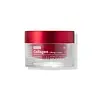
This anti-aging moisturizer is formulated around Niacinamide and Retinyl Retinoate to soften the look of wrinkles and refine skin texture.
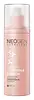
This barrier-repair moisturizer is formulated around Niacinamide and Adenosine to strengthen the skin barrier and soften the look of wrinkles.

What's inside
What's inside
 Key Ingredients
Benefits
Concerns
Ingredients Side-by-side
Water
Skin ConditioningGlycerin
Humectant


Ethylhexyl Palmitate
Emollient




Cetyl Ethylhexanoate
EmollientGlycereth-26
Humectant
Dipropylene Glycol
HumectantNiacinamide
Smoothing









Butylene Glycol
Humectant
Palmitic Acid
Emollient
C14-22 Alcohols
Emulsion Stabilising
Caprylic/Capric Triglyceride
Masking
C12-20 Alkyl Glucoside
Emulsifying1,2-Hexanediol
Skin Conditioning
Propanediol
Solvent
Retinyl Palmitate
Skin Conditioning
Retinyl Retinoate
Skin Conditioning
Hydroxypinacolone Retinoate
Skin Conditioning
Madecassoside
Antioxidant
Camellia Japonica Flower Extract
EmollientSolanum Lycopersicum Fruit Extract
Antioxidant
Diethylhexyl Syringylidenemalonate
Skin Protecting
Benzotriazolyl Dodecyl P-Cresol
UV AbsorberGlucose
Humectant
Panthenol
Skin Conditioning
Dipotassium Glycyrrhizate
Humectant
Sh-Polypeptide-121
Skin Conditioning
Diisopropyl Adipate
EmollientAnastatica Hierochuntica Extract
AstringentLecithin
Emollient
PPG-13-Decyltetradeceth-24
EmulsifyingArachis Hypogaea Oil
Skin Conditioning
Silybin
Skin ConditioningRetinal
Skin Conditioning
Retinol
Skin Conditioning
BHT
Antioxidant
Soluble Collagen
Humectant
Polyglyceryl-10 Behenate/Eicosadioate
EmulsifyingIsopropyl Lauroyl Sarcosinate
Skin ConditioningCyanocobalamin
Skin ConditioningCaramel
Cosmetic ColorantTocopherol
Antioxidant
Pentylene Glycol
Skin Conditioning
BHA
Antioxidant
Decyl Glucoside
Cleansing
Polysorbate 60
Emulsifying
Polysorbate 20
Emulsifying
Sorbitan Stearate
Emulsifying
Glycereth-25 PCA Isostearate
Emulsifying
Sorbitan Isostearate
Emulsifying
Xanthan Gum
EmulsifyingAcrylates/C10-30 Alkyl Acrylate Crosspolymer
Emulsion StabilisingHydroxyethyl Acrylate/Sodium Acryloyldimethyl Taurate Copolymer
Emulsion StabilisingGlyceryl Acrylate/Acrylic Acid Copolymer
HumectantAmmonium Acryloyldimethyltaurate/Vp Copolymer
Tromethamine
BufferingStearic Acid
Cleansing
Potassium Sorbate
Preservative
Pentaerythrityl Tetraethylhexanoate
Emollient
Disodium EDTA
ChelatingHydroxyacetophenone
Antioxidant
Caprylyl Glycol
Emollient
Ethylhexylglycerin
Skin ConditioningParfum
Masking

Water, Glycerin, Ethylhexyl Palmitate, Cetyl Ethylhexanoate, Glycereth-26, Dipropylene Glycol, Niacinamide, Butylene Glycol, Palmitic Acid, C14-22 Alcohols, Caprylic/Capric Triglyceride, C12-20 Alkyl Glucoside, 1,2-Hexanediol, Propanediol, Retinyl Palmitate, Retinyl Retinoate, Hydroxypinacolone Retinoate, Madecassoside, Camellia Japonica Flower Extract, Solanum Lycopersicum Fruit Extract, Diethylhexyl Syringylidenemalonate, Benzotriazolyl Dodecyl P-Cresol, Glucose, Panthenol, Dipotassium Glycyrrhizate, Sh-Polypeptide-121, Diisopropyl Adipate, Anastatica Hierochuntica Extract, Lecithin, PPG-13-Decyltetradeceth-24, Arachis Hypogaea Oil, Silybin, Retinal, Retinol, BHT, Soluble Collagen, Polyglyceryl-10 Behenate/Eicosadioate, Isopropyl Lauroyl Sarcosinate, Cyanocobalamin, Caramel, Tocopherol, Pentylene Glycol, BHA, Decyl Glucoside, Polysorbate 60, Polysorbate 20, Sorbitan Stearate, Glycereth-25 PCA Isostearate, Sorbitan Isostearate, Xanthan Gum, Acrylates/C10-30 Alkyl Acrylate Crosspolymer, Hydroxyethyl Acrylate/Sodium Acryloyldimethyl Taurate Copolymer, Glyceryl Acrylate/Acrylic Acid Copolymer, Ammonium Acryloyldimethyltaurate/Vp Copolymer, Tromethamine, Stearic Acid, Potassium Sorbate, Pentaerythrityl Tetraethylhexanoate, Disodium EDTA, Hydroxyacetophenone, Caprylyl Glycol, Ethylhexylglycerin, Parfum
Water
Skin ConditioningGlycerin
Humectant
Caprylic/Capric Triglyceride
Masking
Dipropylene Glycol
HumectantCetyl Ethylhexanoate
Emollient1,2-Hexanediol
Skin Conditioning
Niacinamide
Smoothing
Cyclopentasiloxane
Emollient
Cyclohexasiloxane
Emollient
Butyrospermum Parkii Butter
Skin Conditioning
Glyceryl Stearate
Emollient
Trehalose
Humectant
PEG-100 Stearate
Surfactant
Dimethicone
Emollient
Cetyl Alcohol
Emollient
Stearyl Alcohol
Emollient
Palmitic Acid
Emollient
Stearic Acid
Cleansing
Carbomer
Emulsion StabilisingTromethamine
BufferingEthylhexylglycerin
Skin ConditioningAdenosine
Skin Conditioning
Coptis Japonica Extract
AntimicrobialButylene Glycol
Humectant
Lactobacillus Ferment Lysate
Skin Conditioning
Isopentyldiol
Humectant
Undaria Pinnatifida Extract
Skin ConditioningDextrin
AbsorbentTheobroma Cacao Extract
Skin ConditioningHoney Extract
Humectant
Sodium PCA
Humectant
Sodium Lactate
Buffering
Centella Asiatica Extract
Cleansing
Vaccinium Macrocarpon Fruit Extract
AstringentFragaria Chiloensis Fruit Extract
Skin Conditioning
Rubus Idaeus Fruit Extract
AstringentVaccinium Angustifolium Fruit Extract
Skin Protecting
Cornus Officinalis Fruit Extract
Skin ConditioningEuterpe Oleracea Fruit Extract
Sambucus Nigra Fruit Extract
AstringentSchisandra Chinensis Fruit Extract
Skin Conditioning
Panax Ginseng Berry Extract
Skin Conditioning
Vaccinium Myrtillus Fruit Extract
Skin ConditioningArginine
Masking
Aspartic Acid
Masking
Adansonia Digitata Seed Oil
Emollient
PCA
Humectant
Ceramide NP
Skin Conditioning
Hydrogenated Lecithin
Emulsifying
Phospholipids
Skin Conditioning
Gluconic Acid
Chelating
Glycine
Buffering
Alanine
Masking
Betaine
Humectant
Allantoin
Skin Conditioning
Xylitol
Humectant
Panthenol
Skin Conditioning
Hydrolyzed Collagen
Emollient
Juglans Regia Seed Oil
Skin Conditioning
Royal Jelly Extract
Skin Conditioning
Musa Sapientum Fruit Extract
Skin ConditioningTuber Melanosporum Extract
HumectantSodium Hyaluronate
Humectant
Propolis Extract
Skin Conditioning
Daucus Carota Sativa Root Extract
Skin Conditioning
Artemisia Capillaris Extract
Squalane
Emollient
Lactic Acid
Buffering
Serine
Masking
Valine
MaskingPropanediol
Solvent
Palmitoyl Tripeptide-5
Skin Conditioning
Caprylyl Glycol
Emollient
Cholesterol
Emollient
Isoleucine
Skin ConditioningThreonine
Proline
Skin Conditioning
Asiaticoside
Antioxidant
Madecassic Acid
Skin Conditioning
Asiatic Acid
Skin Conditioning
Tocopheryl Acetate
Antioxidant
Tuber Magnatum Extract
Skin ConditioningPhenylalanine
Masking
Histidine
Humectant
Phellinus Linteus Extract
Skin ConditioningGlutathione
Pentylene Glycol
Skin Conditioning
Ceramide Ns
Skin Conditioning
Ceramide As
Skin Conditioning
Hydroxypropyltrimonium Hyaluronate
Olea Europaea Fruit Oil
Masking
Bifida Ferment Lysate
Skin Conditioning
Acetyl Hexapeptide-8
Humectant
Ceramide EOP
Skin Conditioning
Ceramide AP
Skin Conditioning
Beta-Glucan
Skin Conditioning
Streptococcus Thermophilus Ferment
Humectant
Madecassoside
Antioxidant
Hydrolyzed Hyaluronic Acid
Humectant
Hyaluronic Acid
Humectant
Oligopeptide-1
Skin Conditioning
Sodium Acetylated Hyaluronate
Humectant
Phytosterols
Skin Conditioning
Sodium Hyaluronate Crosspolymer
Humectant
Disodium EDTA
ChelatingParfum
Masking
Water, Glycerin, Caprylic/Capric Triglyceride, Dipropylene Glycol, Cetyl Ethylhexanoate, 1,2-Hexanediol, Niacinamide, Cyclopentasiloxane, Cyclohexasiloxane, Butyrospermum Parkii Butter, Glyceryl Stearate, Trehalose, PEG-100 Stearate, Dimethicone, Cetyl Alcohol, Stearyl Alcohol, Palmitic Acid, Stearic Acid, Carbomer, Tromethamine, Ethylhexylglycerin, Adenosine, Coptis Japonica Extract, Butylene Glycol, Lactobacillus Ferment Lysate, Isopentyldiol, Undaria Pinnatifida Extract, Dextrin, Theobroma Cacao Extract, Honey Extract, Sodium PCA, Sodium Lactate, Centella Asiatica Extract, Vaccinium Macrocarpon Fruit Extract, Fragaria Chiloensis Fruit Extract, Rubus Idaeus Fruit Extract, Vaccinium Angustifolium Fruit Extract, Cornus Officinalis Fruit Extract, Euterpe Oleracea Fruit Extract, Sambucus Nigra Fruit Extract, Schisandra Chinensis Fruit Extract, Panax Ginseng Berry Extract, Vaccinium Myrtillus Fruit Extract, Arginine, Aspartic Acid, Adansonia Digitata Seed Oil, PCA, Ceramide NP, Hydrogenated Lecithin, Phospholipids, Gluconic Acid, Glycine, Alanine, Betaine, Allantoin, Xylitol, Panthenol, Hydrolyzed Collagen, Juglans Regia Seed Oil, Royal Jelly Extract, Musa Sapientum Fruit Extract, Tuber Melanosporum Extract, Sodium Hyaluronate, Propolis Extract, Daucus Carota Sativa Root Extract, Artemisia Capillaris Extract, Squalane, Lactic Acid, Serine, Valine, Propanediol, Palmitoyl Tripeptide-5, Caprylyl Glycol, Cholesterol, Isoleucine, Threonine, Proline, Asiaticoside, Madecassic Acid, Asiatic Acid, Tocopheryl Acetate, Tuber Magnatum Extract, Phenylalanine, Histidine, Phellinus Linteus Extract, Glutathione, Pentylene Glycol, Ceramide Ns, Ceramide As, Hydroxypropyltrimonium Hyaluronate, Olea Europaea Fruit Oil, Bifida Ferment Lysate, Acetyl Hexapeptide-8, Ceramide EOP, Ceramide AP, Beta-Glucan, Streptococcus Thermophilus Ferment, Madecassoside, Hydrolyzed Hyaluronic Acid, Hyaluronic Acid, Oligopeptide-1, Sodium Acetylated Hyaluronate, Phytosterols, Sodium Hyaluronate Crosspolymer, Disodium EDTA, Parfum
Ingredients Explained
These ingredients are found in both products.
Ingredients higher up in an ingredient list are typically present in a larger amount.
1,2-Hexanediol is a synthetic liquid and another multi-functional powerhouse.
It is a:
- Humectant, drawing moisture into the skin
- Emollient, helping to soften skin
- Solvent, dispersing and stabilizing formulas
- Preservative booster, enhancing the antimicrobial activity of other preservatives
Butylene Glycol (or BG) is used within cosmetic products for a few different reasons:
Overall, Butylene Glycol is a safe and well-rounded ingredient that works well with other ingredients.
Though this ingredient works well with most skin types, some people with sensitive skin may experience a reaction such as allergic rashes, closed comedones, or itchiness.
Learn more about Butylene GlycolCaprylic/Capric Triglyceride (aka MCT Oil) is a lightweight emollient, solvent, and texture enhancer. It is considered a skin-softener by helping to prevent moisture loss.
Though it behaves like an oil, it is not technically one due to its chemical composition. One perk of this ingredient is that it is very stable, resistant to oxidation, and unlikely to go rancid.
In practice, that translates to a long shelf life and a consistently elegant skin feel.
While there is an assumption Caprylic Triglyceride can clog pores due to it being derived from coconut oil, there is no research supporting this. Just patch test if you have concerns.
Fractionated coconut oil and MCT Oil are both listed as Caprylic/Capric Triglyceride according to INCI. This is because INCI names are based on the ingredient’s final chemical composition and not its marketing name or source.
This ingredient is treated as the gold standard fungal acne safe oil. Even though it is coconut derived, the problematic lauric acid is stripped out.
This leaves just caprylic (C8) and capric (C10) acid. These chain lengths actually trend antifungal; a 2020 study found caprylic acid was enough to disrupt Malassezia furfur cell membrane, with a caprylic acid derivative damaging membrane structures at concentrations as low as 0.2%.
Learn more about Caprylic/Capric TriglycerideCaprylyl Glycol is a humectant, skin conditioner, emollient, and preservative booster derived from either caprylic acid or synthetically created.
Typical use levels vary from 0.3-1% as a preservative booster and go up to 2% to condition skin.
Because it is not a free-fatty acid, this ingredient is fungal acne safe (there's nothing for Malassezia to feed on).
Learn more about Caprylyl GlycolCetyl Ethylhexanoate is an emollient ester. It comes from cetearyl alcohol and 2-ethylhexanoic acid.
Cetyl Ethylhexanoate is an emollient that adds a velvety feel to skin without being greasy or oily. Emollients help trap moisture into your skin, keeping your skin soft and hydrated.
Dipropylene Glycol is a synthetically created humectant, stabilizer, and solvent.
This ingredient helps:
Dipropylene glycol is technically an alcohol, but it belongs to the glycol family (often considered part of the ‘good’ alcohols). This means it is hydrating and gentle on skin unlike drying solvent alcohols like denatured alcohol.
As a masking agent, Dipropylene Glycol can be used to cover the smell of other ingredients. However, it does not have a scent.
Studies show Dipropylene Glycol is considered safe to use in skincare.
Learn more about Dipropylene GlycolDisodium EDTA is a chelating agent. It grabs onto and deactivates metal ions that sneak into your products from water, packaging, or air.
This ingredient mainly works behind the scenes and helps with:
On top of that, this ingredient can counteract the effects of hard water by binding to the minerals in it.
One thing worth knowing is that Disodium EDTA has been shown to be a mild penetration enhancer. It can help other ingredients absorb into skin more effectively which can be a double-edged sword (great for actives, but can also make the active too strong if you have sensitive skin).
Clinical patch testing showed no significant skin irritation at typical use concentrations and minimal dermal absorption.
You'll most likely see this ingredient near the end of an ingredient list. It's typically found in concentrations less than 1%.
Learn more about Disodium EDTAEthylhexylglycerin is created from glycerin. It is a multitasker ingredient that:
The CIR Expert Panel found minimal skin absorption or sensitization of any kind in a safety assessment. Though this ingredient is considered well-tolerated, a small number of cases of allergic dermatitis have been published since 2002. Just be sure to patch test if you are unsure.
Industry-reported use ranges from 8% in rinse-off products and 2% in leave-on formulations.
Learn more about EthylhexylglycerinGlycerin (or glycerol) is a compound naturally found in your skin. It's a powerhouse humectant that pulls water into the stratum corneum.
Topically, glycerin does several things at once:
Your skin makes glycerin on its own (mostly from sebaceous oil breakdown) and shuttles it to your outermost layer of skin, or your epidermis, via aquaporin-3.
Aquaporin-3 is a transporter that is essential for normal skin hydration, elasticity, and repair. Interestingly, mice lacking in AQP3 have dry and less elastic skin that can be fully corrected with glycerin.
This ingredient is non-irritating, plays well with almost every ingredient, and works across all skin types. Typical use is anywhere between 3-10% but can go up to 79% in some leave-on products.
Just know very high concentrations (>40%) can feel tacky in low humidity.
Glycerin is the name for this ingredient in American English. British English uses Glycerol/Glycerine.
Learn more about GlycerinMadecassoside is one of four active compounds found in Centella asiatica and is one of the main reasons Centella is so effective at calming irritated skin and supporting the moisture barrier.
There's a solid body of peer-reviewed research backing Madecassoside for several skin benefits. Studies have found:
Madecassoside pairs well with other hydrating or antioxidant ingredients like Ascorbic Acid or Hyaluronic Acid.
Learn more about MadecassosideNiacinamide is a multitasking form of vitamin B3 that strengthens the skin barrier, reduces pores and dark spots, regulates oil, and improves signs of aging.
And the best part? It's gentle and well-tolerated by most skin types, including sensitive and reactive skin.
You might have heard of "niacin flush", or the reddening of skin that causes itchiness. Niacinamide has not been found to cause this.
In very rare cases, some individuals may not be able to tolerate niacinamide at all or experience an allergic reaction to it.
If you are experiencing flaking, irritation, and dryness with this ingredient, be sure to double check all your products as this ingredient can be found in all categories of skincare.
When incorporating niacinamide into your routine, look out for concentration amounts. Typically, 5% niacinamide provides benefits such as fading dark spots. However, if you have sensitive skin, it is better to begin with a smaller concentration.
When you apply niacinamide to your skin, your body converts it into nicotinamide adenine dinucleotide (NAD). NAD is an essential coenzyme that is already found in your cells as "fuel" and powers countless biological processes.
In your skin, NAD helps repair cell damage, produce new healthy cells, support collagen production, strengthen the skin barrier, and fight environmental stressors (like UV and pollution).
Our natural NAD levels start to decline with age, leading to slower skin repair, visible aging, and a weaker skin barrier. By providing your skin niacinamide, you're recharging your skin's NAD levels. This leads to stronger, healthier, and younger looking skin.
Another name for vitamin B3 is nicotinamide. This vitamin is water-soluble and our bodies don't store it. We obtain Vitamin B3 from either food or skincare. Meat, fish, wheat, yeast, and leafy greens contain vitamin B3.
The type of niacinamide used in skincare is synthetically created.
Learn more about NiacinamidePalmitic Acid is a fatty acid naturally found in our skin and in many plant and animal sources.
In cosmetics, it is usually derived from palm oil. It serves many purposes in skincare, acting as a cleanser, emollient, and emulsifier.
Interestingly, topically applied Palmitic Acid can be elongated into longer chain fatty acids and ceramides. A 2019 study found low levels of Palmitic Acid lead to slower development of cells, suggesting it plays a role in keeping your skin's renewal process on track.
The CIR (Cosmetic Ingredient Review) panel determined it safe as used in cosmetics at concentrations up to 13%. It is non-irritating and non-sensitizing in clinical studies.
The culprit behind fungal acne, the Malassezia yeast, feeds on fatty acids with carbon chain lengths between C11-C24. Palmitic Acid, at C16, falls right into that sweet spot.
In vitro studies have shown that Palmitic Acid is one of the fatty acids that induce rapid Malassezia growth in lab settings.
It's worth noting that what feeds yeast in a lab doesn't necessarily feed it on your face since formulation and your skin's chemistry play a bigger role.
This ingredient does have a comedogenic rating of 2, but this doesn't mean a formula with this ingredient will clog pores.
Human testing has proved that any finished product with a comedogenic ingredient won't automatically make you break out; it really comes down to concentration, formula, and your skin.
Learn more about Palmitic AcidPanthenol is a common ingredient that helps hydrate and soothe the skin. It is found naturally in our skin and hair.
There are two forms of panthenol: D and L.
D-panthenol is also known as dexpanthenol. Most cosmetics use dexpanthenol or a mixture of D and L-panthenol.
Panthenol is famous due to its ability to go deeper into the skin's layers. Using this ingredient has numerous pros (and no cons):
Like hyaluronic acid, panthenol is a humectant. Humectants are able to bind and hold large amounts of water to keep skin hydrated.
This ingredient works well for wound healing. It works by increasing tissue in the wound and helps close open wounds.
Once oxidized, panthenol converts to pantothenic acid. Panthothenic acid is found in all living cells.
This ingredient is also referred to as pro-vitamin B5.
Learn more about PanthenolParfum is a catch-all term for an ingredient or more that is used to give a scent to products.
Also called "fragrance", this ingredient can be a blend of hundreds of chemicals or plant oils. This means every product with "fragrance" or "parfum" in the ingredients list is a different mixture.
For instance, Habanolide is a proprietary trade name for a specific aroma chemical. When used as a fragrance ingredient in cosmetics, most aroma chemicals fall under the broad labeling category of “FRAGRANCE” or “PARFUM” according to EU and US regulations.
The term 'parfum' or 'fragrance' is not regulated in many countries. In many cases, it is up to the brand to define this term.
For instance, many brands choose to label themselves as "fragrance-free" because they are not using synthetic fragrances. However, their products may still contain ingredients such as essential oils that are considered a fragrance by INCI standards.
One example is Calendula flower extract. Calendula is an essential oil that still imparts a scent or 'fragrance'.
Depending on the blend, the ingredients in the mixture can cause allergies and sensitivities on the skin. Some ingredients that are known EU allergens include linalool and citronellol.
Parfum can also be used to mask or cover an unpleasant scent.
The bottom line is: not all fragrances/parfum/ingredients are created equally. If you are worried about fragrances, we recommend taking a closer look at an ingredient. And of course, we always recommend speaking with a professional.
Learn more about ParfumPentylene Glycol (1,2-pentanediol) is a multitasking little diol with three main roles in a formula:
Research on alkanediols (the family pentylene glycol belongs to) show they work by disrupting microbial cell membranes. This disruption helps the primary preservative system in a product work more effectively at lower doses.
On the safety side, the Cosmetic Ingredient Review Expert Panel has concluded this ingredient to be safe as used in current cosmetic practices + concentrations.
Typical use levels in a formula run about 1-5%.
Learn more about Pentylene GlycolPropanediol is an all-star ingredient. It softens, hydrates, and smooths the skin.
It’s often used to:
Propanediol is not likely to cause sensitivity and considered safe to use. It is derived from corn or petroleum with a clear color and no scent.
Learn more about PropanediolStearic Acid is a fatty acid that is already found in your skin. It's one of the free fatty acids that works alongside ceramides and cholesterols to maintain your barrier.
In cosmetics, it is a multitasker:
Safety-wise, the CIR Expert Panel has concluded it to be safe in cosmetics when formulated to be non-irritating and non-sensitizing.
Free stearic acid is a C18 fatty acid that the Malassezia yeast can substrate, so this ingredient may not be fungal acne safe.
This ingredient does have a comedogenic rating of 2-3, but this doesn't mean a formula with this ingredient will clog pores.
Human testing has proved that any finished product with this ingredient won't automatically make you break out; it really comes down to concentration, formula, and your skin.
Learn more about Stearic AcidTromethamine (aka THAM) is a synthetic amino acid that shows up in skincare as a helper ingredient.
It functions as a pH adjuster to help neutralize acidic ingredients and set a formula's pH to the right spot.
This matters a lot because a lot of actives (like vitamin C) needs a specific pH to work well and feel comfortable on skin.
Concentration use ranges from 0.1-1.0% depending on the formula.
Learn more about TromethamineWater. It's the most common cosmetic ingredient of all. You'll usually see it at the top of ingredient lists, meaning that it makes up the largest part of the product.
So why is it so popular? Water most often acts as a solvent - this means that it helps dissolve other ingredients into the formulation.
You'll also recognize water as that liquid we all need to stay alive. If you see this, drink a glass of water. Remember to stay hydrated!
Learn more about Water

