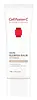
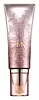
Cell Fusion C Skin Blemish Balm Intensive Versus Missha M Signature Real Complete BB Cream SPF 25 PA++

What's inside
What's inside
 Key Ingredients
Benefits
Concerns
Ingredients Side-by-side
Water
Skin ConditioningCaprylic/Capric Triglyceride
Masking


Cetyl Ethylhexanoate
EmollientCoco-Caprylate/Caprate
Emollient
Polyglyceryl-4 Diisostearate/Polyhydroxystearate/Sebacate
Emulsifying

Glycerin
Humectant
Butylene Glycol
Humectant
Diphenylsiloxy Phenyl Trimethicone
Skin Conditioning
Dicaprylyl Carbonate
EmollientDisteardimonium Hectorite
StabilisingPhenyl Trimethicone
Skin Conditioning
Glyceryl Behenate/Eicosadioate
Emollient
Polyglyceryl-3 Oleate
Emulsifying
Acrylates/Dimethicone Copolymer
Skin Conditioning
Sorbitan Sesquioleate
Emulsifying
Magnesium Sulfate
Silica
Abrasive


Polymethylsilsesquioxane
Diisostearoyl Polyglyceryl-3 Dimer Dilinoleate
Emollient
Triethoxycaprylylsilane
Caprylyl Glycol
Emollient
Aluminum Hydroxide
EmollientSilica Silylate
Emollient
Hydrolyzed Hyaluronic Acid
Humectant

Ethylhexylglycerin
Skin ConditioningBetaine
Humectant
Tocopheryl Acetate
Antioxidant


Tranexamic Acid
Astringent


Hydrogenated Lecithin
Emulsifying
Adenosine
Skin Conditioning
Cetearyl Alcohol
Emollient


Stearic Acid
Cleansing
1,2-Hexanediol
Skin Conditioning
Tocopherol
Antioxidant
Leontopodium Alpinum Callus Culture Extract
Antioxidant
Ceramide NP
Skin Conditioning
Glycine Soja Oil
Emollient
Ceramide Ns
Skin Conditioning
Phytosphingosine
Skin Conditioning
Cholesterol
Emollient
Ceramide As
Skin Conditioning
Ceramide AP
Skin Conditioning
Acetyl Hexapeptide-8
Humectant
Copper Tripeptide-1
Skin Conditioning
Palmitoyl Pentapeptide-4
Skin Conditioning
Oligopeptide-1
Skin Conditioning
Dipeptide-2
Skin Conditioning
Ceramide EOP
Skin Conditioning
Tripeptide-1
Skin Conditioning
Stearalkonium Hectorite
Gel FormingPropylene Carbonate
SolventTitanium Dioxide
Cosmetic Colorant

CI 77491
Cosmetic ColorantCI 77492
Cosmetic ColorantCI 77499
Cosmetic ColorantWater, Caprylic/Capric Triglyceride, Cetyl Ethylhexanoate, Coco-Caprylate/Caprate, Polyglyceryl-4 Diisostearate/Polyhydroxystearate/Sebacate, Glycerin, Butylene Glycol, Diphenylsiloxy Phenyl Trimethicone, Dicaprylyl Carbonate, Disteardimonium Hectorite, Phenyl Trimethicone, Glyceryl Behenate/Eicosadioate, Polyglyceryl-3 Oleate, Acrylates/Dimethicone Copolymer, Sorbitan Sesquioleate, Magnesium Sulfate, Silica, Polymethylsilsesquioxane, Diisostearoyl Polyglyceryl-3 Dimer Dilinoleate, Triethoxycaprylylsilane, Caprylyl Glycol, Aluminum Hydroxide, Silica Silylate, Hydrolyzed Hyaluronic Acid, Ethylhexylglycerin, Betaine, Tocopheryl Acetate, Tranexamic Acid, Hydrogenated Lecithin, Adenosine, Cetearyl Alcohol, Stearic Acid, 1,2-Hexanediol, Tocopherol, Leontopodium Alpinum Callus Culture Extract, Ceramide NP, Glycine Soja Oil, Ceramide Ns, Phytosphingosine, Cholesterol, Ceramide As, Ceramide AP, Acetyl Hexapeptide-8, Copper Tripeptide-1, Palmitoyl Pentapeptide-4, Oligopeptide-1, Dipeptide-2, Ceramide EOP, Tripeptide-1, Stearalkonium Hectorite, Propylene Carbonate, Titanium Dioxide, CI 77491, CI 77492, CI 77499
Water
Skin ConditioningCI 77891
Cosmetic ColorantCyclopentasiloxane
Emollient
Glycerin
Humectant
Butylene Glycol
Humectant
Zinc Oxide
Cosmetic Colorant
Hydrogenated Polydecene
EmollientPhenyl Trimethicone
Skin Conditioning
Orbignya Oleifera Seed Oil
Emollient
Arbutin
Antioxidant
C12-15 Alkyl Benzoate
AntimicrobialCetyl PEG/PPG-10/1 Dimethicone
Emulsifying
Sodium Chloride
MaskingMica
Cosmetic ColorantCyclohexasiloxane
Emollient
Sorbitan Isostearate
Emulsifying
Caprylyl Methicone
Skin Conditioning
Hydrogenated Polyisobutene
EmollientHydrogenated Castor Oil Isostearate
Skin Conditioning
Beeswax
Emulsion Stabilising
Polyglyceryl-4 Isostearate
Emulsifying
Sorbitan Olivate
Emulsifying
Alumina
Abrasive
Hexyl Laurate
Emollient
Talc
Abrasive
CI 77492
Cosmetic ColorantXanthan Gum
EmulsifyingMethyl Methacrylate Crosspolymer
Ginkgo Biloba Leaf Extract
Skin Conditioning
Dimethicone/Vinyl Dimethicone Crosspolymer
Skin Conditioning
Disteardimonium Hectorite
StabilisingCaprylyl Glycol
Emollient
Stearic Acid
Cleansing
Anthemis Nobilis Flower Water
Masking
Lavandula Angustifolia Flower Water
Skin Conditioning
Aluminum Hydroxide
EmollientCI 77491
Cosmetic ColorantCI 77499
Cosmetic ColorantEthylhexylglycerin
Skin ConditioningOzokerite
Emulsion StabilisingPhenoxyethanol
Preservative
Hydrogen Dimethicone
Hydrogenated Lecithin
Emulsifying
Tocopheryl Acetate
Antioxidant
Ceramide NP
Skin Conditioning
Propylene Carbonate
SolventCholesterol
Emollient
Triethoxycaprylylsilane
Dimethicone
Emollient
1,2-Hexanediol
Skin Conditioning
Propanediol
Solvent
Methicone
Emollient
Adenosine
Skin Conditioning
Bletilla Striata Root Extract
Skin ConditioningEchinacea Purpurea Extract
MoisturisingPerilla Ocymoides Leaf Extract
TonicBacillus/Soybean Ferment Extract
Skin ConditioningGlyceryl Caprylate
EmollientSqualane
Emollient
Macadamia Ternifolia Seed Oil
Emollient
Oleic Acid
Emollient
Disodium EDTA
ChelatingBrassica Campestris Sterols
EmollientGlycine
Buffering
Parfum
Masking

Caprylic/Capric Triglyceride
Masking
Vitis Vinifera Fruit Water
Skin ConditioningPunica Granatum Extract
AstringentSalicornia Herbacea Extract
Skin ConditioningPropylene Glycol
Humectant
Panax Ginseng Root Extract
Emollient
Cucurbita Pepo Fruit Extract
Skin Conditioning
Juglans Regia Seed Extract
Skin ConditioningAngelica Keiskei Leaf/Stem Extract
Skin ConditioningOldenlandia Diffusa Extract
Skin ConditioningHouttuynia Cordata Extract
Skin Conditioning
Lycium Chinense Fruit Extract
Antioxidant
Cnidium Officinale Root Extract
Skin ConditioningSerine
Masking
Bambusa Textilis Stem Extract
Skin ConditioningGlutamic Acid
Humectant
Luffa Cylindrica Fruit Extract
Skin ConditioningCucumis Sativus Fruit Extract
Emollient
Camellia Japonica Flower Extract
EmollientPrunus Persica Fruit Extract
Abrasive
Ganoderma Lucidum Extract
Skin Protecting
Vigna Radiata Seed Extract
Skin ConditioningLecithin
Emollient
Polysorbate 20
Emulsifying
Coix Lacryma-Jobi Ma-Yuen Seed Extract
Skin ConditioningAspartic Acid
Masking
Citrus Aurantifolia Fruit Extract
Skin ConditioningCocos Nucifera Fruit Extract
Emollient
Leucine
Skin ConditioningSodium Hyaluronate
Humectant
Alcohol
Antimicrobial

Coptis Japonica Root Extract
Skin ConditioningArtemisia Vulgaris Extract
Skin Conditioning
Alanine
Masking
Lysine
Skin ConditioningMangifera Indica Fruit Extract
Skin ConditioningMorus Alba Root Extract
BleachingTaraxacum Officinale Rhizome/Root Extract
Skin ConditioningBeta-Glucan
Skin Conditioning
Acorus Calamus Root Extract
Perfuming
Citrus Unshiu Peel Extract
MaskingCornus Officinalis Fruit Extract
Skin ConditioningRhus Semialata Gall Extract
Skin ConditioningArginine
Masking
Citric Acid
Buffering
Tyrosine
MaskingPhenylalanine
Masking
Threonine
Valine
MaskingProline
Skin Conditioning
Isoleucine
Skin ConditioningAsarum Sieboldii Root Extract
Skin ConditioningIris Ensata Extract
Skin ConditioningPsidium Guajava Fruit Extract
AstringentGlycyrrhiza Glabra Root Extract
Bleaching
Hordeum Vulgare Leaf Extract
Skin ConditioningNelumbo Nucifera Flower Extract
Skin ConditioningOenanthe Javanica Extract
AntimicrobialHistidine
Humectant
Potassium Sorbate
Preservative
Sodium Benzoate
Masking
Methionine
Skin ConditioningCysteine
Antioxidant
Daucus Carota Sativa Root Extract
Skin Conditioning
Prunus Armeniaca Kernel Extract
Skin ConditioningEthyl Hexanediol
SolventFragaria Chiloensis Fruit Extract
Skin Conditioning
Camellia Sinensis Leaf Extract
Antimicrobial
Sodium Ascorbyl Phosphate
Antioxidant
Hydrolyzed Collagen
Emollient
Prunus Avium Fruit Extract
Skin ConditioningScrophularia Buergeriana Root Extract
EmollientLinaria Japonica Extract
Skin ConditioningScutellaria Baicalensis Root Extract
Astringent
Carica Papaya Fruit Extract
Skin ConditioningPentylene Glycol
Skin Conditioning
Caprylhydroxamic Acid
ChelatingCopper Tripeptide-1
Skin Conditioning
Palmitoyl Pentapeptide-4
Skin Conditioning
Acetyl Hexapeptide-8
Humectant
Tropolone
Skin ConditioningWater, CI 77891, Cyclopentasiloxane, Glycerin, Butylene Glycol, Zinc Oxide, Hydrogenated Polydecene, Phenyl Trimethicone, Orbignya Oleifera Seed Oil, Arbutin, C12-15 Alkyl Benzoate, Cetyl PEG/PPG-10/1 Dimethicone, Sodium Chloride, Mica, Cyclohexasiloxane, Sorbitan Isostearate, Caprylyl Methicone, Hydrogenated Polyisobutene, Hydrogenated Castor Oil Isostearate, Beeswax, Polyglyceryl-4 Isostearate, Sorbitan Olivate, Alumina, Hexyl Laurate, Talc, CI 77492, Xanthan Gum, Methyl Methacrylate Crosspolymer, Ginkgo Biloba Leaf Extract, Dimethicone/Vinyl Dimethicone Crosspolymer, Disteardimonium Hectorite, Caprylyl Glycol, Stearic Acid, Anthemis Nobilis Flower Water, Lavandula Angustifolia Flower Water, Aluminum Hydroxide, CI 77491, CI 77499, Ethylhexylglycerin, Ozokerite, Phenoxyethanol, Hydrogen Dimethicone, Hydrogenated Lecithin, Tocopheryl Acetate, Ceramide NP, Propylene Carbonate, Cholesterol, Triethoxycaprylylsilane, Dimethicone, 1,2-Hexanediol, Propanediol, Methicone, Adenosine, Bletilla Striata Root Extract, Echinacea Purpurea Extract, Perilla Ocymoides Leaf Extract, Bacillus/Soybean Ferment Extract, Glyceryl Caprylate, Squalane, Macadamia Ternifolia Seed Oil, Oleic Acid, Disodium EDTA, Brassica Campestris Sterols, Glycine, Parfum, Caprylic/Capric Triglyceride, Vitis Vinifera Fruit Water, Punica Granatum Extract, Salicornia Herbacea Extract, Propylene Glycol, Panax Ginseng Root Extract, Cucurbita Pepo Fruit Extract, Juglans Regia Seed Extract, Angelica Keiskei Leaf/Stem Extract, Oldenlandia Diffusa Extract, Houttuynia Cordata Extract, Lycium Chinense Fruit Extract, Cnidium Officinale Root Extract, Serine, Bambusa Textilis Stem Extract, Glutamic Acid, Luffa Cylindrica Fruit Extract, Cucumis Sativus Fruit Extract, Camellia Japonica Flower Extract, Prunus Persica Fruit Extract, Ganoderma Lucidum Extract, Vigna Radiata Seed Extract, Lecithin, Polysorbate 20, Coix Lacryma-Jobi Ma-Yuen Seed Extract, Aspartic Acid, Citrus Aurantifolia Fruit Extract, Cocos Nucifera Fruit Extract, Leucine, Sodium Hyaluronate, Alcohol, Coptis Japonica Root Extract, Artemisia Vulgaris Extract, Alanine, Lysine, Mangifera Indica Fruit Extract, Morus Alba Root Extract, Taraxacum Officinale Rhizome/Root Extract, Beta-Glucan, Acorus Calamus Root Extract, Citrus Unshiu Peel Extract, Cornus Officinalis Fruit Extract, Rhus Semialata Gall Extract, Arginine, Citric Acid, Tyrosine, Phenylalanine, Threonine, Valine, Proline, Isoleucine, Asarum Sieboldii Root Extract, Iris Ensata Extract, Psidium Guajava Fruit Extract, Glycyrrhiza Glabra Root Extract, Hordeum Vulgare Leaf Extract, Nelumbo Nucifera Flower Extract, Oenanthe Javanica Extract, Histidine, Potassium Sorbate, Sodium Benzoate, Methionine, Cysteine, Daucus Carota Sativa Root Extract, Prunus Armeniaca Kernel Extract, Ethyl Hexanediol, Fragaria Chiloensis Fruit Extract, Camellia Sinensis Leaf Extract, Sodium Ascorbyl Phosphate, Hydrolyzed Collagen, Prunus Avium Fruit Extract, Scrophularia Buergeriana Root Extract, Linaria Japonica Extract, Scutellaria Baicalensis Root Extract, Carica Papaya Fruit Extract, Pentylene Glycol, Caprylhydroxamic Acid, Copper Tripeptide-1, Palmitoyl Pentapeptide-4, Acetyl Hexapeptide-8, Tropolone
Ingredients Explained
These ingredients are found in both products.
Ingredients higher up in an ingredient list are typically present in a larger amount.
1,2-Hexanediol is a synthetic liquid and another multi-functional powerhouse.
It is a:
- Humectant, drawing moisture into the skin
- Emollient, helping to soften skin
- Solvent, dispersing and stabilizing formulas
- Preservative booster, enhancing the antimicrobial activity of other preservatives
Acetyl Hexapeptide-8 (also known as Argireline) is a synthetic hexapeptide that is often called a "topical Botox alternative".
It works by mimicking how Botox relaxes muscles; it interferes with the signaling process that tells your facial muscles to contract. This can help soften expression lines like forehead wrinkles or crow's feet over time.
The comparison to Botox does have limits because the molecule is water-loving and relatively large.
Acetyl Hexapeptide-8 has a hard time absorbing deeply enough through the skin's outer barrier to actually reach the muscles.
So whether it truly works the way Botox does at a biological level is still up for debate, but early clinical outcomes are fairly encouraging.
A 12 week human study of a multi-ingredient regimen containing this ingredient saw:
While some studies have observed improvements in wrinkle appearance, it is important to note that more consistent results are seen in multi-ingredient formulations (vs just Acetyl Hexapeptide-8 alone).
Some research studies also used higher concentrations (up to 10%) while this ingredient is usually found in concentrations up to 0.005% in leave-on formulations.
Learn more about Acetyl Hexapeptide-8Adenosine is a purine nucleoside that your body already makes in every cell. In skincare, it acts mainly as a skin conditioning and anti-aging agent.
The way it works is fairly well mapped out:
Your skin has cells called fibroblasts that build collagen (the stuff that keeps skin firm and smooth). Adenosine basically flips a switch on these cells that tells them to get to work making more collagen and other proteins. These cells slow down on their own as skin ages, so Adenosine helps give them a little nudge to keep going.
The clinical backing is pretty solid too.
A blind, randomized, placebo-controlled trial of 126 women aged 45-65 tested a 0.1% cream twice daily and found real improvements in crow's feet and frown lines using a precise 3D skin-mapping technique; these changes showed up by week 3 and held at 2 months.
A later study using Adenosine-loaded dissolving microneedle patches reported gains in wrinkle depth, dermal density, elasticity, and hydration.
On concentrations, South Korea's Ministry of Food and Drug Safety has set 0.04% as the approved functional anti-wrinkle level. You'll typically see this ingredient used somewhere in the 0.04-0.1% range since it works at low doses.
This ingredient has been found safe for cosmetics with the data showing no irritation or sensitization.
Overall, this is a great ingredient for any anti-aging routine and has no photosensitizing effect, so it suits both AM and PM use.
Learn more about AdenosineAluminum Hydroxide is a form of aluminum. It can be naturally found in nature as the mineral gibbsite. In cosmetics, Aluminum Hydroxide is used as a colorant, pH adjuster, and absorbent.
As a colorant, Aluminum Hydroxide may add opacity, or reduce the transparency. Aluminum hydroxide is contains both basic and acidic properties.
According to manufacturers, this ingredient is an emollient and humectant. This means it helps hydrate the skin.
In medicine, this ingredient is used to help relieve heartburn and help heal ulcers.
There is currently no credible scientific evidence linking aluminum hydroxide in cosmetics to increased cancer risk.
Major health organizations allow the use of aluminum hydroxide in personal care products and have not flagged it as a carcinogenic risk at typical usage levels.
Learn more about Aluminum HydroxideButylene Glycol (or BG) is used within cosmetic products for a few different reasons:
Overall, Butylene Glycol is a safe and well-rounded ingredient that works well with other ingredients.
Though this ingredient works well with most skin types, some people with sensitive skin may experience a reaction such as allergic rashes, closed comedones, or itchiness.
Learn more about Butylene GlycolCaprylic/Capric Triglyceride (aka MCT Oil) is a lightweight emollient, solvent, and texture enhancer. It is considered a skin-softener by helping to prevent moisture loss.
Though it behaves like an oil, it is not technically one due to its chemical composition. One perk of this ingredient is that it is very stable, resistant to oxidation, and unlikely to go rancid.
In practice, that translates to a long shelf life and a consistently elegant skin feel.
While there is an assumption Caprylic Triglyceride can clog pores due to it being derived from coconut oil, there is no research supporting this. Just patch test if you have concerns.
Fractionated coconut oil and MCT Oil are both listed as Caprylic/Capric Triglyceride according to INCI. This is because INCI names are based on the ingredient’s final chemical composition and not its marketing name or source.
This ingredient is treated as the gold standard fungal acne safe oil. Even though it is coconut derived, the problematic lauric acid is stripped out.
This leaves just caprylic (C8) and capric (C10) acid. These chain lengths actually trend antifungal; a 2020 study found caprylic acid was enough to disrupt Malassezia furfur cell membrane, with a caprylic acid derivative damaging membrane structures at concentrations as low as 0.2%.
Learn more about Caprylic/Capric TriglycerideCaprylyl Glycol is a humectant, skin conditioner, emollient, and preservative booster derived from either caprylic acid or synthetically created.
Typical use levels vary from 0.3-1% as a preservative booster and go up to 2% to condition skin.
Because it is not a free-fatty acid, this ingredient is fungal acne safe (there's nothing for Malassezia to feed on).
Learn more about Caprylyl GlycolCeramide NP (formerly known as Ceramide 3) is one of the skin's naturally occurring lipids.
Since ceramides are the major lipid components of the skin, they are crucial for maintaining skin barrier and hydration. Ceramide NP most closely mirrors the dominant kind in human skin amongst ceramide subtypes.
This ceramide works by slotting into gaps within the stratum corneum's lipid matrix to limit trans-epidermal water loss (TEWL) and shield the skin against external irritants.
A study with 312 patients found that using a ceramide-containing routine for 4 weeks reduced the severity of atopic dermatitis by over 61%.
Another clinical study in subjects aged 60 and older found that a ceramide body wash and moisturizer improved skin dryness and itchy skin in 15 days.
Overall, ceramides are considered non-irritating and safety tests have found little to no observable adverse effects from using this ingredient.
Ceramide NP is usually sourced from plants (like soybean or rice bran), or produced synthetically.
Learn more about Ceramide NPCholesterol is a lipid that is naturally found in human skin and is one of the three key components of your skin barrier. In skincare, it is an emollient and barrier-repairing ingredient.
It works by fitting directly into the lipid layers of skin to help restore structure and reduce transepidermal water loss (TEWL).
This is a great ingredient for dry, compromised, or aging skin; our skin starts to produce less cholesterol with age.
Research shows cholesterol works best in combination with ceramides and fatty acids, the other two major components in your skin barrier.
Cholesterol is also a well-establish penetration enhancer and can help other actives absorb more effectively.
Cosmetic-grade cholesterol is usually derived from lanolin but plant and synthetic options also exist. We recommend reaching out to the brand if you have questions about their source of cholesterol.
Learn more about CholesterolCi 77491 is also hydrated iron III oxide. It's sole purpose is to give a red/pink hue to products.
Iron III oxides are classified as inorganic chemicals for coloring.
Synthetically created Ci 77491 is considered safer than those naturally found. This is because the synthetically created version may contain less impurities. Iron oxides are generally non-toxic and non-allergenic.
Learn more about CI 77491CI 77492 is also hydrated iron III oxide. It's sole purpose is to give a yellow hue to products.
Iron III oxides are classified as inorganic chemicals for coloring.
Synthetically created CI 77492 is considered safer than those naturally found. This is because the synthetically created version may contain less impurities. Iron oxides are generally non-toxic and non-allergenic.
Learn more about CI 77492Ci 77499 is also hydrated iron III oxide. It is created from mixing red and black iron oxides. This helps give shades of darkness to a product.
Iron III oxides are classified as inorganic chemicals for coloring.
Copper Tripeptide-1 (GHK-Cu) is a skin repairing ingredient said to boost collagen, improve firmness, and support skin regeneration.
It is a complex made up of a naturally occurring peptide (glycine-histidine-lysine) and copper, an essential trace element.
While studying wound healing, researchers noticed GHK-Cu stimulated hair follicle enlargement and growth by keeping hair in its active growth phase longer. This has made it a promising ingredient for hair regrowth treatments.
Some people have reported increased facial hair. While GHK-Cu can make your hair follicles bigger, it usually doesn’t turn soft, barely-visible facial hairs into thick, dark ones.
Anecdotal reports suggest that overusing copper peptides might lead to premature aging due to excess free copper or enzyme imbalances. This claim isn’t backed by large-scale studies.
Unfortunately, there are limited human studies for this ingredient. While early results are promising, many studies are either small, in-vitro, or not rigorously controlled.
For example, there is a 1998 study that explored the effects of copper tripeptide, vitamin C, tretinoin, and melatonin on skin repair and collagen synthesis.
After one month, increased procollagen production was seen in 7 out of 10 participants using copper tripeptide (more than those using vitamin C, melatonin, or tretinoin.
While the study was exploratory, it offers early evidence that copper tripeptide may support collagen production. Larger, well-designed trials are still needed to confirm its potential and understand individual responses.
Read more about other common types of peptides here:
Learn more about Copper Tripeptide-1Disteardimonium Hectorite comes from the clay mineral named hectorite. It is used to add thickness to a product.
It can also help stabilize a product by helping to disperse other ingredients.
Hectorite is a rare, white clay mineral.
Learn more about Disteardimonium HectoriteEthylhexylglycerin is created from glycerin. It is a multitasker ingredient that:
The CIR Expert Panel found minimal skin absorption or sensitization of any kind in a safety assessment. Though this ingredient is considered well-tolerated, a small number of cases of allergic dermatitis have been published since 2002. Just be sure to patch test if you are unsure.
Industry-reported use ranges from 8% in rinse-off products and 2% in leave-on formulations.
Learn more about EthylhexylglycerinGlycerin (or glycerol) is a compound naturally found in your skin. It's a powerhouse humectant that pulls water into the stratum corneum.
Topically, glycerin does several things at once:
Your skin makes glycerin on its own (mostly from sebaceous oil breakdown) and shuttles it to your outermost layer of skin, or your epidermis, via aquaporin-3.
Aquaporin-3 is a transporter that is essential for normal skin hydration, elasticity, and repair. Interestingly, mice lacking in AQP3 have dry and less elastic skin that can be fully corrected with glycerin.
This ingredient is non-irritating, plays well with almost every ingredient, and works across all skin types. Typical use is anywhere between 3-10% but can go up to 79% in some leave-on products.
Just know very high concentrations (>40%) can feel tacky in low humidity.
Glycerin is the name for this ingredient in American English. British English uses Glycerol/Glycerine.
Learn more about GlycerinHydrogenated Lecithin is a more stable version of lecithin.
It's made by taking lecithin (a phospholipid commonly found in soybeans and egg yolks) and hydrogenating it. This just means the unsaturated fatty acids are turned into saturated ones so they don't go bad as easily.
This ingredient is an emollient, emulsifier, and penetration enhancer. As an emollient, it helps soften and hydrate skin by trapping moisture within. As an emulsifier, it prevents oil and water ingredients from separating.
Hydrogenated Lecithin can form tiny spherical structures made of phospholipid bilayers called liposomes. These liposomes are able to capture compounds inside their structure and deliver them through the skin barrier.
Because phospholipids are a natural component of our cell membranes, this ingredient is inherently compatible with skin.
A 2021 study found lecithin-based surfactants were less harsh and more tolerable comared to Sodium Lauryl Sulfate (SLS).
Learn more about Hydrogenated LecithinYou might know this ingredient as Matrixyl. It is a synthetic peptide made up of five amino acids attached to a palmitic acid, a fatty acid that helps it absorb into skin more easily.
As a signal peptide, Matrixyl acts like a little messenger. Once it reaches your skin cells, it tells them to ramp up production of collagen, elastin, and other proteins that keep skin looking firm and smooth.
A 12 week clinical study found that a moisturizer containing just 3 ppm of Matrixyl led to a significant improvement in fine-lines and wrinkles. Another study showed an 18% reduction in wrinkle depth, 37% reduction in wrinkle thickness, and a 21% improvement in skin firmness after just 28 days of twice-daily use.
The coolest part is that it works at incredibly low concentrations (like 0.0003%) and it plays well with other actives.
The CIR (Cosmetic Ingredient Review) panel found it to be non-sensitizing across multiple tests and human patch tests also showed no irritation or sensitization.
Fun fact: Matrixyl was originally developed by French company Sederma and Procter & Gamble.
Read more about other common types of peptides here:
Learn more about Palmitoyl Pentapeptide-4Phenyl Trimethicone is a silicon-based polymer. It is derived from silica.
Phenyl Trimethicone is used as an emollient and prevents products from foaming.
As an emollient, it helps trap moisture in the skin. It is considered an occlusive.
Learn more about Phenyl TrimethiconeThis ingredient is a solvent. It helps dissolve active ingredients and alter the texture of products.
Propylene Carbonate is commonly used in makeup and with clay, such as montmorillonite or bentonite.
Studies show this ingredient to be safe for cosmetics. When it is undiluted, it can cause skin irritation. (It is always diluted in skincare and makeup). This ingredient is water-soluble.
Propylene Carbonate is created from propylene glycol and carbonic acid.
Learn more about Propylene CarbonateStearic Acid is a fatty acid that is already found in your skin. It's one of the free fatty acids that works alongside ceramides and cholesterols to maintain your barrier.
In cosmetics, it is a multitasker:
Safety-wise, the CIR Expert Panel has concluded it to be safe in cosmetics when formulated to be non-irritating and non-sensitizing.
Free stearic acid is a C18 fatty acid that the Malassezia yeast can substrate, so this ingredient may not be fungal acne safe.
Learn more about Stearic AcidTocopheryl Acetate is a stable, shelf-friendly form of vitamin E.
Formulators love it because plain vitamin E oxidizes quickly once it hits air. This acetate version stays stable and resists going off, helping to extend a product's shelf life.
It's actually inactive on its own and works like a slow-release "storage" form; the enzymes in your skin called esterases gradually convert it into active vitamin E over time.
One in vivo study showed 5% of the acetate in the living layer of the epidermis converted to vitamin E after 5 days of application. This study also found the skin gained protection against UV damage even though the conversion was slow and small.
Once converted, vitamin E acts as a skin's main fat-soluble antioxidant that fights free radicals to protect skin from damage.
Topical vitamin E generally boosts the skin's photoprotection, and it reduced UV-damage in animal models.
This ingredient has some brightening potential but it's more of a prevention ingredient than spot-fader. Cell studies show it can slow down melanin production but it's worth noting that it's not the most powerful brightener out there.
Overall, it has a pretty solid safety profile and has been found to be non-irritating and non-comedogenic. Allergic reactions may happen but stay rare due to how widely the ingredient gets used.
The concentration will vary depending on the formula; industry data shows 0.1% in baby lotions, 3% in lipsticks, and 5% in foot powders. You can also find this ingredient at 100% in a pure vitamin E oil.
Most leave-on skincare keeps it at the lower end, often between 0.5-1%.
Learn more about Tocopheryl AcetateTriethoxycaprylylsilane is a silicon-based surface modifier that makes sunscreens feel silky and makeup stay put.
Its main job is to coat mineral particles like titanium dioxide, zinc oxide, and color pigments in a thin, oily layer so they spread smoothly, don't clump, and stick to skin better.
This ingredient is typically used at low levels (up to 2.5% in eyeshadow and 1% in lipstick).
Learn more about TriethoxycaprylylsilaneWater. It's the most common cosmetic ingredient of all. You'll usually see it at the top of ingredient lists, meaning that it makes up the largest part of the product.
So why is it so popular? Water most often acts as a solvent - this means that it helps dissolve other ingredients into the formulation.
You'll also recognize water as that liquid we all need to stay alive. If you see this, drink a glass of water. Remember to stay hydrated!
Learn more about Water

