AHC Beauty Hydra B5 Biome Capsule Concentrate Versus Olehenriksen Strength Trainer Peptide Boost Moisturizer
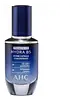
This hydrating serum is formulated around Bifida Ferment Lysate and Niacinamide to hydrate skin and strengthen the skin barrier.
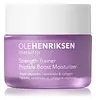
This barrier-repair moisturizer is formulated around Niacinamide and Acetyl Hexapeptide-8 to strengthen the skin barrier and soften the look of wrinkles.


What's inside
What's inside
 Key Ingredients
Benefits
Concerns
Ingredients Side-by-side
Water
Skin ConditioningMethylpropanediol
SolventGlycerin
Humectant


Bifida Ferment Lysate
Skin Conditioning

Caprylic/Capric Triglyceride
Masking
1,2-Hexanediol
Skin Conditioning
Polyglycerin-3
Humectant
Isopentyldiol
Humectant
Niacinamide
Smoothing







Cyclohexasiloxane
Emollient
Panthenol
Skin Conditioning
Pteris Multifida Extract
Antioxidant
Cynara Scolymus Leaf Extract
Skin ConditioningAvena Sativa Kernel Extract
Abrasive
Melia Azadirachta Leaf Extract
Skin ConditioningMelia Azadirachta Flower Extract
Skin ConditioningCoccinia Indica Fruit Extract
Skin Conditioning
Solanum Melongena Fruit Extract
Skin ConditioningAloe Barbadensis Flower Extract
EmollientSalix Alba Bark Extract
Astringent
Origanum Vulgare Leaf Extract
Skin ConditioningChamaecyparis Obtusa Leaf Extract
Skin ConditioningOcimum Sanctum Leaf Extract
Skin ConditioningCurcuma Longa Root Extract
Antioxidant
Corallina Officinalis Extract
Skin Conditioning

Scutellaria Baicalensis Root Extract
Astringent
Portulaca Oleracea Extract
Skin Conditioning
Lactobacillus/Soybean Ferment Extract
Skin ConditioningCinnamomum Cassia Bark Extract
Masking
Alpinia Galanga Extract
Skin ConditioningCamellia Sinensis Leaf Water
Masking
Hydrogenated Lecithin
Emulsifying
Sodium Hyaluronate
Humectant
Simmondsia Chinensis Seed Oil
Emollient


Oryza Sativa Germ Oil
Emollient
Cocos Nucifera Oil
Masking
Butylene Glycol
Humectant
Acrylates/C10-30 Alkyl Acrylate Crosspolymer
Emulsion StabilisingTromethamine
BufferingDimethicone
Emollient
Beta-Glucan
Skin Conditioning
Trehalose
Humectant
Raffinose
Skin ConditioningBetaine
Humectant
Adenosine
Skin Conditioning
Cyamopsis Tetragonoloba Gum
Emulsion StabilisingAgar
MaskingDisodium EDTA
ChelatingPolyquaternium-51
Skin Conditioning
Carbomer
Emulsion StabilisingXanthan Gum
EmulsifyingSucrose
Humectant
Palmitoyl Pentapeptide-4
Skin Conditioning
Fructooligosaccharides
Humectant
Xylitylglucoside
Humectant
Glycolipids
Skin ConditioningAnhydroxylitol
Humectant
Xylitol
Humectant
Pullulan
Glucose
Humectant
Sucrose Distearate
Emollient
Steareth-21
CleansingLysolecithin
EmulsifyingSteareth-2
EmulsifyingIsohexadecane
EmollientCetyl Alcohol
Emollient
Lactobacillus
Skin ConditioningStearic Acid
Cleansing
Fructan
Skin ConditioningCholesterol
Emollient
Ceramide NP
Skin Conditioning
Inulin
Skin Conditioning
Tocopheryl Acetate
Antioxidant
Phenethyl Alcohol
MaskingMilk Protein
Skin ConditioningLactose
HumectantBisabolol
Antioxidant
PEG-30 Dipolyhydroxystearate
Emulsifying
Parfum
Masking

Ethylhexylglycerin
Skin ConditioningPentylene Glycol
Skin Conditioning
Water, Methylpropanediol, Glycerin, Bifida Ferment Lysate, Caprylic/Capric Triglyceride, 1,2-Hexanediol, Polyglycerin-3, Isopentyldiol, Niacinamide, Cyclohexasiloxane, Panthenol, Pteris Multifida Extract, Cynara Scolymus Leaf Extract, Avena Sativa Kernel Extract, Melia Azadirachta Leaf Extract, Melia Azadirachta Flower Extract, Coccinia Indica Fruit Extract, Solanum Melongena Fruit Extract, Aloe Barbadensis Flower Extract, Salix Alba Bark Extract, Origanum Vulgare Leaf Extract, Chamaecyparis Obtusa Leaf Extract, Ocimum Sanctum Leaf Extract, Curcuma Longa Root Extract, Corallina Officinalis Extract, Scutellaria Baicalensis Root Extract, Portulaca Oleracea Extract, Lactobacillus/Soybean Ferment Extract, Cinnamomum Cassia Bark Extract, Alpinia Galanga Extract, Camellia Sinensis Leaf Water, Hydrogenated Lecithin, Sodium Hyaluronate, Simmondsia Chinensis Seed Oil, Oryza Sativa Germ Oil, Cocos Nucifera Oil, Butylene Glycol, Acrylates/C10-30 Alkyl Acrylate Crosspolymer, Tromethamine, Dimethicone, Beta-Glucan, Trehalose, Raffinose, Betaine, Adenosine, Cyamopsis Tetragonoloba Gum, Agar, Disodium EDTA, Polyquaternium-51, Carbomer, Xanthan Gum, Sucrose, Palmitoyl Pentapeptide-4, Fructooligosaccharides, Xylitylglucoside, Glycolipids, Anhydroxylitol, Xylitol, Pullulan, Glucose, Sucrose Distearate, Steareth-21, Lysolecithin, Steareth-2, Isohexadecane, Cetyl Alcohol, Lactobacillus, Stearic Acid, Fructan, Cholesterol, Ceramide NP, Inulin, Tocopheryl Acetate, Phenethyl Alcohol, Milk Protein, Lactose, Bisabolol, PEG-30 Dipolyhydroxystearate, Parfum, Ethylhexylglycerin, Pentylene Glycol
Water
Skin ConditioningPropanediol
Solvent
Dicaprylyl Carbonate
EmollientGlycerin
Humectant
Methylpropanediol
SolventCetearyl Alcohol
Emollient
Stearyl Alcohol
Emollient
Mangifera Indica Seed Butter
Skin Conditioning
Niacinamide
Smoothing
Acetyl Hexapeptide-1
Skin Conditioning
Acetyl Hexapeptide-8
Humectant
Acetyl Octapeptide-3
Humectant
Acetyl Tetrapeptide-2
Skin Conditioning
Acetyl Dipeptide-1 Cetyl Ester
Skin Conditioning
Palmitoyl Tripeptide-1
Skin Conditioning
Palmitoyl Tetrapeptide-7
Skin Conditioning
Carnosine
Skin Conditioning
Ceramide NP
Skin Conditioning
Ceramide AP
Skin Conditioning
Ceramide EOP
Skin Conditioning
Collagen
Moisturising
Serine
Masking
Alanine
Masking
Glycine
Buffering
Glutamic Acid
Humectant
Lysine Hcl
Skin Conditioning
Threonine
Arginine
Masking
Proline
Skin Conditioning
Hyaluronic Acid
Humectant
Sodium Hyaluronate
Humectant
Linoleic Acid
Cleansing
Linolenic Acid
Cleansing
Sodium PCA
Humectant
Sodium Lactate
Buffering
Panthenol
Skin Conditioning
Tocopherol
Antioxidant
Tocopheryl Acetate
Antioxidant
Betaine
Humectant
PCA
Humectant
Cyanocobalamin
Skin ConditioningXylitol
Humectant
Anhydroxylitol
Humectant
Xylitylglucoside
Humectant
Sorbitan Olivate
Emulsifying
Carbomer
Emulsion StabilisingHydroxyethylcellulose
Emulsion StabilisingXanthan Gum
EmulsifyingCetearyl Olivate
Sorbitan Laurate
Emulsifying
Phytosphingosine
Skin Conditioning
Cholesterol
Emollient
Polysorbate 60
Emulsifying
Butylene Glycol
Humectant
Hydroxyacetophenone
Antioxidant
Glycine Soja Oil
Emollient
Acrylates/C10-30 Alkyl Acrylate Crosspolymer
Emulsion StabilisingPolysorbate 20
Emulsifying
Ammonium Acryloyldimethyltaurate/Beheneth-25 Methacrylate Crosspolymer
Emulsion StabilisingDimethicone
Emollient
Sodium Phytate
ChelatingSodium Lauroyl Lactylate
EmulsifyingPentaerythrityl Tetra-Di-T-Butyl Hydroxyhydrocinnamate
Antioxidant
Leuconostoc/Radish Root Ferment Filtrate
Antimicrobial
Citric Acid
Buffering
Caprylyl Glycol
Emollient
Ethylhexylglycerin
Skin ConditioningPhenoxyethanol
Preservative
Parfum
Masking
Citral
Perfuming
Limonene
Perfuming
Linalool
Perfuming
Water, Propanediol, Dicaprylyl Carbonate, Glycerin, Methylpropanediol, Cetearyl Alcohol, Stearyl Alcohol, Mangifera Indica Seed Butter, Niacinamide, Acetyl Hexapeptide-1, Acetyl Hexapeptide-8, Acetyl Octapeptide-3, Acetyl Tetrapeptide-2, Acetyl Dipeptide-1 Cetyl Ester, Palmitoyl Tripeptide-1, Palmitoyl Tetrapeptide-7, Carnosine, Ceramide NP, Ceramide AP, Ceramide EOP, Collagen, Serine, Alanine, Glycine, Glutamic Acid, Lysine Hcl, Threonine, Arginine, Proline, Hyaluronic Acid, Sodium Hyaluronate, Linoleic Acid, Linolenic Acid, Sodium PCA, Sodium Lactate, Panthenol, Tocopherol, Tocopheryl Acetate, Betaine, PCA, Cyanocobalamin, Xylitol, Anhydroxylitol, Xylitylglucoside, Sorbitan Olivate, Carbomer, Hydroxyethylcellulose, Xanthan Gum, Cetearyl Olivate, Sorbitan Laurate, Phytosphingosine, Cholesterol, Polysorbate 60, Butylene Glycol, Hydroxyacetophenone, Glycine Soja Oil, Acrylates/C10-30 Alkyl Acrylate Crosspolymer, Polysorbate 20, Ammonium Acryloyldimethyltaurate/Beheneth-25 Methacrylate Crosspolymer, Dimethicone, Sodium Phytate, Sodium Lauroyl Lactylate, Pentaerythrityl Tetra-Di-T-Butyl Hydroxyhydrocinnamate, Leuconostoc/Radish Root Ferment Filtrate, Citric Acid, Caprylyl Glycol, Ethylhexylglycerin, Phenoxyethanol, Parfum, Citral, Limonene, Linalool
Reviews
Ingredients Explained
These ingredients are found in both products.
Ingredients higher up in an ingredient list are typically present in a larger amount.
Acrylates/C10-30 Alkyl Acrylate Crosspolymer is a synthetic polymer. It is used to thicken, emulsify, and improve the texture of products.
As an emulsifier, it helps stabilize oil-in-water emulsions to give products an elegant feel when applied.
It can also form a thin protective film on skin. One study found that a formula using this polymer helped slow down how quickly other ingredients (like DEET) were absorbed through skin.
A 2024 study of over 1,300 patients confirmed that sensitization to this ingredient is rare. It is also non-mutagenic and has a clean track record.
Learn more about Acrylates/C10-30 Alkyl Acrylate CrosspolymerThis ingredient is created from dehydrating xylitol in acidic conditions. Xylitol is a famous sugar and humectant.
Much like its predecessor, anhydroxylitol is a humectant. Humectants attract and hold water to moisturize the skin.
This ingredient is most commonly found in a popular trio called Aquaxyl. Aquaxyl is made up of anhydroxylitol (24 - 34%), xylitylglucoside (35 - 50%), and xylitol (5 - 15%).
According to a manufacturer, Aquaxyl is known for a 3-D hydration concept and an anti-dehydration shield to reinforce the outer layer of skin.
This ingredient is often derived from plants such as wood and sugarcane.
Learn more about AnhydroxylitolBetaine is a humectant. Like hyaluronic acid, it helps attract and retain moisture in the skin. It’s known for being gentle and for helping the skin maintain balanced hydration.
Betaine is mainly used to improve hydration and support calmer skin. It helps skin cells regulate water balance because it functions as an osmolyte.
Some studies suggest betaine may support making skin tone more even.
Fun fact: Betaine naturally exists in the skin and the body. In cosmetic products, it can be either plant-derived (most commonly from sugar beets) or synthetically produced for consistency and stability.
Betaine is also known as trimethylglycine.
Learn more about BetaineButylene Glycol (or BG) is used within cosmetic products for a few different reasons:
Overall, Butylene Glycol is a safe and well-rounded ingredient that works well with other ingredients.
Though this ingredient works well with most skin types, some people with sensitive skin may experience a reaction such as allergic rashes, closed comedones, or itchiness.
Learn more about Butylene GlycolCarbomer is a synthetic thickening and gelling agent. It's basically the ingredient that gives a lot of serums, gels, creams, and sunscreens their smooth, non-sticky texture.
Although legally permitted at very high levels, carbomers are normally used at concentrations below 1%.
It also needs to be neutralized to actually thicken, and because it is a large molecule, it doesn't really penetrate the skin barrier.
Allergy-wise, the risk is very low. Clinical studies show carbomers have low potential for skin irritation/sensitization even at concentrations up to 100%.
A 2024 UK study patch-tested 1,302 patients and found true allergy to the parent group of carbomer to be rare with no confirmed relevant reactions.
Learn more about CarbomerCeramide NP (formerly known as Ceramide 3) is one of the skin's naturally occurring lipids.
Since ceramides are the major lipid components of the skin, they are crucial for maintaining skin barrier and hydration. Ceramide NP most closely mirrors the dominant kind in human skin amongst ceramide subtypes.
This ceramide works by slotting into gaps within the stratum corneum's lipid matrix to limit trans-epidermal water loss (TEWL) and shield the skin against external irritants.
A study with 312 patients found that using a ceramide-containing routine for 4 weeks reduced the severity of atopic dermatitis by over 61%.
Another clinical study in subjects aged 60 and older found that a ceramide body wash and moisturizer improved skin dryness and itchy skin in 15 days.
Overall, ceramides are considered non-irritating and safety tests have found little to no observable adverse effects from using this ingredient.
Ceramide NP is usually sourced from plants (like soybean or rice bran), or produced synthetically.
Learn more about Ceramide NPCholesterol is a lipid that is naturally found in human skin and is one of the three key components of your skin barrier. In skincare, it is an emollient and barrier-repairing ingredient.
It works by fitting directly into the lipid layers of skin to help restore structure and reduce transepidermal water loss (TEWL).
This is a great ingredient for dry, compromised, or aging skin; our skin starts to produce less cholesterol with age.
Research shows cholesterol works best in combination with ceramides and fatty acids, the other two major components in your skin barrier.
Cholesterol is also a well-establish penetration enhancer and can help other actives absorb more effectively.
Cosmetic-grade cholesterol is usually derived from lanolin but plant and synthetic options also exist. We recommend reaching out to the brand if you have questions about their source of cholesterol.
Learn more about CholesterolDimethicone is a type of synthetic silicone created from natural materials such as quartz. It is also known as polydimethylsiloxane.
What it does:
Dimethicone comes in different viscosities:
Depending on the viscosity, dimethicone has different properties.
Ingredients lists don't always show which type is used, so we recommend reaching out to the brand if you have questions about the viscosity.
This ingredient is unlikely to cause irritation because it does not get absorbed into skin. However, people with silicone allergies should be careful about using this ingredient.
Note: Dimethicone may contribute to pilling. This is because it is not oil or water soluble, so pilling may occur when layered with products. When mixed with heavy oils in a formula, the outcome is also quite greasy.
Learn more about DimethiconeEthylhexylglycerin is created from glycerin. It is a multitasker ingredient that:
The CIR Expert Panel found minimal skin absorption or sensitization of any kind in a safety assessment. Though this ingredient is considered well-tolerated, a small number of cases of allergic dermatitis have been published since 2002. Just be sure to patch test if you are unsure.
Industry-reported use ranges from 8% in rinse-off products and 2% in leave-on formulations.
Learn more about EthylhexylglycerinGlycerin (or glycerol) is a compound naturally found in your skin. It's a powerhouse humectant that pulls water into the stratum corneum.
Topically, glycerin does several things at once:
Your skin makes glycerin on its own (mostly from sebaceous oil breakdown) and shuttles it to your outermost layer of skin, or your epidermis, via aquaporin-3.
Aquaporin-3 is a transporter that is essential for normal skin hydration, elasticity, and repair. Interestingly, mice lacking in AQP3 have dry and less elastic skin that can be fully corrected with glycerin.
This ingredient is non-irritating, plays well with almost every ingredient, and works across all skin types. Typical use is anywhere between 3-10% but can go up to 79% in some leave-on products.
Just know very high concentrations (>40%) can feel tacky in low humidity.
Glycerin is the name for this ingredient in American English. British English uses Glycerol/Glycerine.
Learn more about GlycerinMethylpropanediol is a synthetic solvent and humectant.
As a solvent, it helps dissolve other ingredients, helping to evenly distribute ingredients throughout the product. This ingredient has also been shown to have antimicrobial properties which makes it a preservative booster.
Methylpropanediol is able to add a bit of moisture to the skin. It also helps other ingredients be better absorbed into the skin, such as salicylic acid.
Learn more about MethylpropanediolNiacinamide is a multitasking form of vitamin B3 that strengthens the skin barrier, reduces pores and dark spots, regulates oil, and improves signs of aging.
And the best part? It's gentle and well-tolerated by most skin types, including sensitive and reactive skin.
You might have heard of "niacin flush", or the reddening of skin that causes itchiness. Niacinamide has not been found to cause this.
In very rare cases, some individuals may not be able to tolerate niacinamide at all or experience an allergic reaction to it.
If you are experiencing flaking, irritation, and dryness with this ingredient, be sure to double check all your products as this ingredient can be found in all categories of skincare.
When incorporating niacinamide into your routine, look out for concentration amounts. Typically, 5% niacinamide provides benefits such as fading dark spots. However, if you have sensitive skin, it is better to begin with a smaller concentration.
When you apply niacinamide to your skin, your body converts it into nicotinamide adenine dinucleotide (NAD). NAD is an essential coenzyme that is already found in your cells as "fuel" and powers countless biological processes.
In your skin, NAD helps repair cell damage, produce new healthy cells, support collagen production, strengthen the skin barrier, and fight environmental stressors (like UV and pollution).
Our natural NAD levels start to decline with age, leading to slower skin repair, visible aging, and a weaker skin barrier. By providing your skin niacinamide, you're recharging your skin's NAD levels. This leads to stronger, healthier, and younger looking skin.
Another name for vitamin B3 is nicotinamide. This vitamin is water-soluble and our bodies don't store it. We obtain Vitamin B3 from either food or skincare. Meat, fish, wheat, yeast, and leafy greens contain vitamin B3.
The type of niacinamide used in skincare is synthetically created.
Learn more about NiacinamidePanthenol is a common ingredient that helps hydrate and soothe the skin. It is found naturally in our skin and hair.
There are two forms of panthenol: D and L.
D-panthenol is also known as dexpanthenol. Most cosmetics use dexpanthenol or a mixture of D and L-panthenol.
Panthenol is famous due to its ability to go deeper into the skin's layers. Using this ingredient has numerous pros (and no cons):
Like hyaluronic acid, panthenol is a humectant. Humectants are able to bind and hold large amounts of water to keep skin hydrated.
This ingredient works well for wound healing. It works by increasing tissue in the wound and helps close open wounds.
Once oxidized, panthenol converts to pantothenic acid. Panthothenic acid is found in all living cells.
This ingredient is also referred to as pro-vitamin B5.
Learn more about PanthenolParfum is a catch-all term for an ingredient or more that is used to give a scent to products.
Also called "fragrance", this ingredient can be a blend of hundreds of chemicals or plant oils. This means every product with "fragrance" or "parfum" in the ingredients list is a different mixture.
For instance, Habanolide is a proprietary trade name for a specific aroma chemical. When used as a fragrance ingredient in cosmetics, most aroma chemicals fall under the broad labeling category of “FRAGRANCE” or “PARFUM” according to EU and US regulations.
The term 'parfum' or 'fragrance' is not regulated in many countries. In many cases, it is up to the brand to define this term.
For instance, many brands choose to label themselves as "fragrance-free" because they are not using synthetic fragrances. However, their products may still contain ingredients such as essential oils that are considered a fragrance by INCI standards.
One example is Calendula flower extract. Calendula is an essential oil that still imparts a scent or 'fragrance'.
Depending on the blend, the ingredients in the mixture can cause allergies and sensitivities on the skin. Some ingredients that are known EU allergens include linalool and citronellol.
Parfum can also be used to mask or cover an unpleasant scent.
The bottom line is: not all fragrances/parfum/ingredients are created equally. If you are worried about fragrances, we recommend taking a closer look at an ingredient. And of course, we always recommend speaking with a professional.
Learn more about ParfumSodium Hyaluronate is the salt form of hyaluronic acid. It is a long sugar chain that is naturally found in your skin, joints, and connective tissue that maintains hydration and elasticity.
In skincare, it works as a humectant. It pulls water from the environment and deeper layers of skin and binds it to the surface.
Interestingly, the size of the molecule affects its behavior:
Some clinical evidence links low molecular weight versions to improved wrinkle depth, elasticity, anti-inflammatory effects, and barrier repair.
Many serums use a blend of both weights so you can get surface hydration plus longer-lasting and deeper effects.
You'll typically see concentrations between 0.1-2% for this ingredient.
Learn more about Sodium HyaluronateTocopheryl Acetate is a stable, shelf-friendly form of vitamin E.
Formulators love it because plain vitamin E oxidizes quickly once it hits air. This acetate version stays stable and resists going off, helping to extend a product's shelf life.
It's actually inactive on its own and works like a slow-release "storage" form; the enzymes in your skin called esterases gradually convert it into active vitamin E over time.
One in vivo study showed 5% of the acetate in the living layer of the epidermis converted to vitamin E after 5 days of application. This study also found the skin gained protection against UV damage even though the conversion was slow and small.
Once converted, vitamin E acts as a skin's main fat-soluble antioxidant that fights free radicals to protect skin from damage.
Topical vitamin E generally boosts the skin's photoprotection, and it reduced UV-damage in animal models.
This ingredient has some brightening potential but it's more of a prevention ingredient than spot-fader. Cell studies show it can slow down melanin production but it's worth noting that it's not the most powerful brightener out there.
Overall, it has a pretty solid safety profile and has been found to be non-irritating and non-comedogenic. Allergic reactions may happen but stay rare due to how widely the ingredient gets used.
The concentration will vary depending on the formula; industry data shows 0.1% in baby lotions, 3% in lipsticks, and 5% in foot powders. You can also find this ingredient at 100% in a pure vitamin E oil.
Most leave-on skincare keeps it at the lower end, often between 0.5-1%.
Learn more about Tocopheryl AcetateWater. It's the most common cosmetic ingredient of all. You'll usually see it at the top of ingredient lists, meaning that it makes up the largest part of the product.
So why is it so popular? Water most often acts as a solvent - this means that it helps dissolve other ingredients into the formulation.
You'll also recognize water as that liquid we all need to stay alive. If you see this, drink a glass of water. Remember to stay hydrated!
Learn more about WaterXanthan gum is used as a stabilizer and thickener within cosmetic products. It helps give products a sticky, thick feeling - preventing them from being too runny.
On the technical side of things, xanthan gum is a polysaccharide - a combination consisting of multiple sugar molecules bonded together.
Xanthan gum is a pretty common and great ingredient. It is a natural, non-toxic, non-irritating ingredient that is also commonly used in food products.
Learn more about Xanthan GumXylitol is a humectant and prebiotic. It can help with dry skin.
In studies, xylitol has been shown to improve dry skin. It decreased transepidermal water loss, or when water passes through the skin and evaporates. Xylitol also showed to help improve the biomechanical properties of the skin barrier.
The prebiotic property of xylitol may also help reinforce our skin's natural microbiome. Having a healthy microbiome prevents infection by bad bacteria and helps with hydration.
As a humectant, Xylitol helps draw moisture from both the air and from deeper skin layers. This helps keep skin hydrated.
Xylitol is a sugar alcohol and commonly used as a sugar substitute. It is naturally occurring in plants such as strawberries and pumpkin.
Learn more about XylitolXylitylglucoside is created from xylitol and glucose, two humectants.
Not surprisingly, this ingredient is also a humectant. It attracts and holds water in your skin, helping to maintain hydration.
This ingredient is most commonly found in a popular trio called Aquaxyl. Aquaxyl is made up of anhydroxylitol(24 - 34%), xylitylglucoside (35 - 50%), and xylitol (5 - 15%).
According to a manufacturer, Aquaxyl is known for a 3-D hydration concept and an anti-dehydration shield to reinforce the outer layer of skin.
Learn more about Xylitylglucoside

