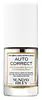
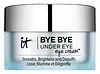
Sunday Riley Auto Correct Brightening and Depuffing Eye Contour Cream Versus IT Cosmetics Bye Bye Under Eye Brightening Eye Cream
This anti-aging eye moisturizer is formulated around Coffea Arabica Seed Extract and Caffeine to soften the look of wrinkles.
This brightening eye moisturizer is formulated around Niacinamide and Acetyl Hexapeptide-8 to brighten dull-looking skin and soften the look of wrinkles.

What's inside
What's inside
 Key Ingredients
Benefits
Concerns
Ingredients Side-by-side
Water
Skin ConditioningPEG-8 Beeswax
Emulsifying

Caprylyl Caprylate/Caprate
Emollient
Polyglyceryl-6 Distearate
Emulsifying
Dimethicone
Emollient

C10-18 Triglycerides
Emollient
Glycerin
Humectant
Polypropylsilsesquioxane
Phenyl Trimethicone
Skin Conditioning
Hydroxyethyl Acrylate/Sodium Acryloyldimethyl Taurate Copolymer
Emulsion StabilisingTrimethylsiloxysilicate
Emollient
Anthemis Nobilis Flower Oil
Masking




Boron Nitride
Absorbent
Fructose
Humectant
Jojoba Esters
Emollient
Sodium Phytate
ChelatingTheobroma Cacao Seed Butter
Emollient


Polyglyceryl-3 Beeswax
Emulsifying
Butyrospermum Parkii Butter
Skin Conditioning
Propanediol
Solvent
Aesculus Hippocastanum Extract
Antioxidant
Coffea Arabica Seed Extract
Masking
Methylpropanediol
SolventAcmella Oleracea Extract
Skin ProtectingPolysilicone-11
Caprylyl Glycol
Emollient
Caffeine
Skin Conditioning
Citrullus Lanatus Fruit Extract
Skin Conditioning
Pyrus Malus Fruit Extract
Skin Conditioning
Lens Esculenta Fruit Extract
Skin ConditioningSodium PCA
Humectant
Sodium Lactate
Buffering
Ptychopetalum Olacoides Bark/Stem Extract
Skin ConditioningPfaffia Paniculata Root Extract
SoothingLilium Candidum Flower Extract
Skin ConditioningPhenoxyethanol
Preservative
Glycolic Acid
Buffering






Synthetic Fluorphlogopite
Silica
Abrasive
Mica
Cosmetic ColorantTitanium Dioxide
Cosmetic Colorant

Carthamus Tinctorius Seed Oil
Masking
Tagetes Erecta Flower Extract
Perfuming
Triethyl Citrate
Masking
Cetyl Alcohol
Emollient
Caprylyl/Capryl Glucoside
CleansingBenzoic Acid
Masking
Lecithin
Emollient
Polysorbate 60
Emulsifying
Sorbitan Isostearate
Emulsifying
Potassium Sorbate
Preservative
Benzyl Alcohol
Perfuming

Sodium Benzoate
Masking
Citric Acid
Buffering
Linalool
Perfuming
Limonene
Perfuming
Water, PEG-8 Beeswax, Caprylyl Caprylate/Caprate, Polyglyceryl-6 Distearate, Dimethicone, C10-18 Triglycerides, Glycerin, Polypropylsilsesquioxane, Phenyl Trimethicone, Hydroxyethyl Acrylate/Sodium Acryloyldimethyl Taurate Copolymer, Trimethylsiloxysilicate, Anthemis Nobilis Flower Oil, Boron Nitride, Fructose, Jojoba Esters, Sodium Phytate, Theobroma Cacao Seed Butter, Polyglyceryl-3 Beeswax, Butyrospermum Parkii Butter, Propanediol, Aesculus Hippocastanum Extract, Coffea Arabica Seed Extract, Methylpropanediol, Acmella Oleracea Extract, Polysilicone-11, Caprylyl Glycol, Caffeine, Citrullus Lanatus Fruit Extract, Pyrus Malus Fruit Extract, Lens Esculenta Fruit Extract, Sodium PCA, Sodium Lactate, Ptychopetalum Olacoides Bark/Stem Extract, Pfaffia Paniculata Root Extract, Lilium Candidum Flower Extract, Phenoxyethanol, Glycolic Acid, Synthetic Fluorphlogopite, Silica, Mica, Titanium Dioxide, Carthamus Tinctorius Seed Oil, Tagetes Erecta Flower Extract, Triethyl Citrate, Cetyl Alcohol, Caprylyl/Capryl Glucoside, Benzoic Acid, Lecithin, Polysorbate 60, Sorbitan Isostearate, Potassium Sorbate, Benzyl Alcohol, Sodium Benzoate, Citric Acid, Linalool, Limonene
Water
Skin ConditioningCyclopentasiloxane
Emollient
Butylene Glycol
Humectant
Butyrospermum Parkii Butter
Skin Conditioning
Dimethicone
Emollient
Niacinamide
Smoothing

Cetearyl Alcohol
Emollient
PEG-40 Stearate
Emulsifying
Palmitic Acid
Emollient
Stearic Acid
Cleansing
Polysorbate 60
Emulsifying
Macadamia Ternifolia Seed Oil
Emollient
Cetyl Ethylhexanoate
EmollientGlyceryl Stearate
Emollient
Glycerin
Humectant
Acrylates/C10-30 Alkyl Acrylate Crosspolymer
Emulsion StabilisingCarbomer
Emulsion StabilisingSodium Hyaluronate
Humectant
Acetyl Hexapeptide-8
Humectant
Copper Gluconate
Skin Conditioning
Collagen
Moisturising
Tea-Cocoyl Glutamate
Cleansing
Palmitoyl Pentapeptide-4
Skin Conditioning
Copper Tripeptide-1
Skin Conditioning
Biotin
AntiseborrhoeicCaffeine
Skin Conditioning
Magnesium Aspartate
Skin ConditioningZinc Gluconate
Skin Conditioning
Sodium Ascorbyl Phosphate
Antioxidant
Sodium Lauroyl Lactylate
EmulsifyingCeramide NP
Skin Conditioning
Ceramide AP
Skin Conditioning
Phytosphingosine
Skin Conditioning
Cholesterol
Emollient
Xanthan Gum
EmulsifyingCeramide EOP
Skin Conditioning
Retinol
Skin Conditioning
Tocopheryl Acetate
Antioxidant
Ascorbic Acid
Antioxidant
Aloe Barbadensis Leaf Extract
Emollient
Anthemis Nobilis Flower Extract
Masking
Curcuma Longa Root Extract
Antioxidant
Squalane
Emollient
Spirulina Platensis Extract
Skin ProtectingAlgae Extract
Emollient
Cucumis Sativus Fruit Extract
Emollient
Colloidal Oatmeal
Absorbent
Propylene Glycol
Humectant
Glycyrrhiza Glabra Root Extract
Bleaching
Camellia Sinensis Leaf Extract
Antimicrobial
Lecithin
Emollient
Caprylic/Capric Triglyceride
Masking
Creatine
Skin ConditioningSimmondsia Chinensis Seed Oil
Emollient
Vaccinium Angustifolium Fruit Extract
Skin Protecting
Maris Aqua
HumectantPanthenol
Skin Conditioning
Polyglutamic Acid
Skin Conditioning
Methionine
Skin ConditioningLysine
Skin ConditioningLeucine
Skin ConditioningHistidine
Humectant
Isoleucine
Skin ConditioningArginine
Masking
Disodium EDTA
ChelatingPolyacrylate-13
Polyisobutene
Polysorbate 20
Emulsifying
Sorbitan Isostearate
Emulsifying
Tromethamine
BufferingSorbitan Stearate
Emulsifying
Benzophenone-5
UV Absorber
Cholesteryl Nonanoate
EmollientCholesteryl Isostearate
EmollientCholesteryl Chloride
Skin ConditioningPhenylalanine
Masking
Threonine
Valine
MaskingSaccharide Isomerate
Humectant
Tryptophan
MaskingElaeis Guineensis Butter
Emollient
Sorbitol
Humectant
Polysilicone-11
Dimethicone/Vinyl Dimethicone Crosspolymer
Skin Conditioning
Phenyl Trimethicone
Skin Conditioning
Citric Acid
Buffering
Alcohol
Antimicrobial
Phenoxyethanol
Preservative
Caprylyl Glycol
Emollient
Ethylhexylglycerin
Skin ConditioningChlorphenesin
Antimicrobial
Potassium Sorbate
Preservative
CI 42090
Cosmetic ColorantWater, Cyclopentasiloxane, Butylene Glycol, Butyrospermum Parkii Butter, Dimethicone, Niacinamide, Cetearyl Alcohol, PEG-40 Stearate, Palmitic Acid, Stearic Acid, Polysorbate 60, Macadamia Ternifolia Seed Oil, Cetyl Ethylhexanoate, Glyceryl Stearate, Glycerin, Acrylates/C10-30 Alkyl Acrylate Crosspolymer, Carbomer, Sodium Hyaluronate, Acetyl Hexapeptide-8, Copper Gluconate, Collagen, Tea-Cocoyl Glutamate, Palmitoyl Pentapeptide-4, Copper Tripeptide-1, Biotin, Caffeine, Magnesium Aspartate, Zinc Gluconate, Sodium Ascorbyl Phosphate, Sodium Lauroyl Lactylate, Ceramide NP, Ceramide AP, Phytosphingosine, Cholesterol, Xanthan Gum, Ceramide EOP, Retinol, Tocopheryl Acetate, Ascorbic Acid, Aloe Barbadensis Leaf Extract, Anthemis Nobilis Flower Extract, Curcuma Longa Root Extract, Squalane, Spirulina Platensis Extract, Algae Extract, Cucumis Sativus Fruit Extract, Colloidal Oatmeal, Propylene Glycol, Glycyrrhiza Glabra Root Extract, Camellia Sinensis Leaf Extract, Lecithin, Caprylic/Capric Triglyceride, Creatine, Simmondsia Chinensis Seed Oil, Vaccinium Angustifolium Fruit Extract, Maris Aqua, Panthenol, Polyglutamic Acid, Methionine, Lysine, Leucine, Histidine, Isoleucine, Arginine, Disodium EDTA, Polyacrylate-13, Polyisobutene, Polysorbate 20, Sorbitan Isostearate, Tromethamine, Sorbitan Stearate, Benzophenone-5, Cholesteryl Nonanoate, Cholesteryl Isostearate, Cholesteryl Chloride, Phenylalanine, Threonine, Valine, Saccharide Isomerate, Tryptophan, Elaeis Guineensis Butter, Sorbitol, Polysilicone-11, Dimethicone/Vinyl Dimethicone Crosspolymer, Phenyl Trimethicone, Citric Acid, Alcohol, Phenoxyethanol, Caprylyl Glycol, Ethylhexylglycerin, Chlorphenesin, Potassium Sorbate, CI 42090
Reviews
Alternatives
Ingredients Explained
These ingredients are found in both products.
Ingredients higher up in an ingredient list are typically present in a larger amount.
This ingredient is also known as shea butter. It is a plant-derived extract from the nuts of the Africa shea tree and one of the most well-studied emollients.
Because it has a high concentration of fatty acids (primarily oleic, stearic, and linoleic) it is able to form a protective barrier on the skin's surface. This helps seal in moisture and prevents transepidermal water loss (TEWL).
In vitro research found an increase in skin hydration by 58% and a decrease in TEWL by 37.8% after 24 hours of applying this ingredient (pretty impressive for a single ingredient!).
Besides hydration, shea butter also contains triterpenes that have anti-inflammatory potential. In particule, lupeol cinnamate has shown the highest anti-inflammatory activity in vivo.
Shea butter also contains vitamins A and E which may contribute to antioxidant activity.
While Shea Butter has an SPF rating of about 3-4, it is not a sunscreen replacement.
This ingredient may not be fungal acne safe because its fatty acids fall within the C11-C24 range that the Malassezia yeast can metabolize.
This ingredient shows up on a lot of "pore-clogging" lists but there's no real evidence behind that. It doesn't even have a comedogenic rating from an actual study; the numbers you'll find online come from blogs citing other blogs.
Ratings for other ingredients mostly come from a 1980s rabbit ear test. This test doesn't translate well to human skin or to real products because the ingredient sits at a much lower percentage.
Some people still find it breaks them out. So if that's you, definitely trust your skin. Just know this one's based on experience and not evidence.
Learn more about Butyrospermum Parkii ButterCaffeine is a naturally occurring plant compound found in coffee beans, tea leaves, cocoa pods, and guarana.
As an antioxidant, caffeine protects your skin from free radical damage caused by UV exposure and envionrmnetal stressors.
Early research also shows that caffeine can help calm redness, soothe irritated skin, and support hair growth by stimulating microcirculation in the scalp.
You might have seen eye creams marketing caffeine as a depuffing ingredient. This is because it is a vasoconstrictor meaning it can temporarily constrict blood vessels, though clinical evidence for this specific use is still limited.
Most skincare products contain this ingredient at concentrations between 1-6%. It is able to penetrate skin easily regardless of skin type or thickness.
Just so you know, a very small number of case reports describe caffeine-induced allergy. This ingredient is generally well-tolerated, non-irritating, and non-sensitizing for the majority of people.
Learn more about CaffeineCaprylyl Glycol is a humectant, skin conditioner, emollient, and preservative booster derived from either caprylic acid or synthetically created.
Typical use levels vary from 0.3-1% as a preservative booster and go up to 2% to condition skin.
Because it is not a free-fatty acid, this ingredient is fungal acne safe (there's nothing for Malassezia to feed on).
Learn more about Caprylyl GlycolCitric Acid is an alpha hydroxy acid (AHA) naturally found in citrus fruits like oranges, lemons, and limes.
Like other AHAs, citric acid can exfoliate skin by breaking down the bonds that hold dead skin cells together. This helps reveal smoother and brighter skin underneath.
However, this exfoliating effect only happens at high concentrations (20%) which can be hard to find in cosmetic products.
Due to this, citric acid is usually included in small amounts as a pH adjuster. This helps keep products slightly more acidic and compatible with skin's natural pH.
In skincare formulas, citric acid can:
While it can provide some skin benefits, research shows lactic acid and glycolic acid are generally more effective and less irritating exfoliants.
Most citric acid used in skincare today is made by fermenting sugars (usually from molasses). This synthetic version is identical to the natural citrus form but easier to stabilize and use in formulations.
Rosacea skin has a lower threshold for acids generally, with 62.5% of rosacea subjects in one study reacting to lactic acid in a sting test. This is why we mark citric acid as a potential rosacea trigger.
However, this ingredient shows up as a pH adjuster or chelator at roughly 0.1-1% in many products. These low levels are unlikely to be an issue for rosacea skin and becomes a potential trigger at exfoliating concentrations (20%). Because everybody's skin is unique, we recommend a patch test if you are unsure.
Learn more about Citric AcidDimethicone is a type of synthetic silicone created from natural materials such as quartz. It is also known as polydimethylsiloxane.
What it does:
Dimethicone comes in different viscosities:
Depending on the viscosity, dimethicone has different properties.
Ingredients lists don't always show which type is used, so we recommend reaching out to the brand if you have questions about the viscosity.
This ingredient is unlikely to cause irritation because it does not get absorbed into skin. However, people with silicone allergies should be careful about using this ingredient.
Note: Dimethicone may contribute to pilling. This is because it is not oil or water soluble, so pilling may occur when layered with products. When mixed with heavy oils in a formula, the outcome is also quite greasy.
Learn more about DimethiconeGlycerin (or glycerol) is a compound naturally found in your skin. It's a powerhouse humectant that pulls water into the stratum corneum.
Topically, glycerin does several things at once:
Your skin makes glycerin on its own (mostly from sebaceous oil breakdown) and shuttles it to your outermost layer of skin, or your epidermis, via aquaporin-3.
Aquaporin-3 is a transporter that is essential for normal skin hydration, elasticity, and repair. Interestingly, mice lacking in AQP3 have dry and less elastic skin that can be fully corrected with glycerin.
This ingredient is non-irritating, plays well with almost every ingredient, and works across all skin types. Typical use is anywhere between 3-10% but can go up to 79% in some leave-on products.
Just know very high concentrations (>40%) can feel tacky in low humidity.
Glycerin is the name for this ingredient in American English. British English uses Glycerol/Glycerine.
Learn more about GlycerinLecithin is a term for a group of substances found in the cell membranes of plants, animals, and humans. They are made up of phospholipids.
Thanks to its amphiphilic structure (water-loving head and oil-loving tail), it is a true multitasker:
It plays well with most ingredients and is typically used at 0.1-1%. However, concentrations up to 50% have been reported in moisturizers.
Learn more about LecithinPhenoxyethanol is one of the most widely used preservatives in skincare (and for good reason!).
It has a large spectrum of antimicrobial activity and especially effective bacteria, yeast, and mold while only having a weak effect on your skin's natural microbiome.
On a cellular level, it disrupts the cell membranes of microbes by poking holes that make the cell leak. This shuts down the chemical reactions the microbe needs to make energy so it can no longer survive.
Another perk of this ingredient is that it stays functional across a wide pH range (3-10).
You'll often see it paired with boosters like Ethylhexylglycerin; one study showed that a 1:9 ratio of Ethylhexylglycerin to Phenoxyethanol damages bacterial membranes as effectively as doubling the Phenoxyethanol concentration on its own.
Typical use concentrations range from 0.3-1% depending on the formula, and this ingredient is capped at 1% int the EU.
Safety-wise, the fear mongering does not hold up to the evidence. The EU's Scientific Committee on Consumer Safety and FDA consider it safe as a preservative at up to 1%, including for children of all ages.
Adverse systemic effects only showed up in animal studies at exposures roughly 200x higher than what people get from cosmetics. And despite its very widespread use, this ingredient is a rare sensitizer and allergic reactions are uncommon.
Learn more about PhenoxyethanolPhenyl Trimethicone is a silicon-based polymer. It is derived from silica.
Phenyl Trimethicone is used as an emollient and prevents products from foaming.
As an emollient, it helps trap moisture in the skin. It is considered an occlusive.
Learn more about Phenyl TrimethiconePolysilicone-11 is a film-forming silicone that creates a non-tacky and matte finish on the skin. It's commonly used to improve texture, absorb excess oil, and help active ingredients spread evenly.
Due to its "rubber-like" structure, it stays on the skin's surface instead of being absorbed. On the skin, it creates a flexible layer that enhances wearability and stability.
Polysorbate 60 is used to help stabilize products. It is a surfactant and emulsifier. These properties help keep ingredients together in a product. Surfactants help reduce surface tension between ingredients with different states, such as liquids and solids. Emulsifiers help prevent oils and waters from separating.
Polysorbate 60 is sorbitol-based and created from the ethoxylation of sorbitan. Ethoxylation is a chemical reaction used to add ethylene oxide. Sorbitan is a the dehydrated version of sorbitol, a sugar found in fruits.
In this case, the 60 comes from reacting 60 units of ethylene oxide with sorbitan.
Polysorbates are commonly used in medicine and foods.
Learn more about Polysorbate 60Potassium Sorbate is a preservative used to prevent yeast and mold in products. It is commonly found in both cosmetic and food products.
This ingredient comes from potassium salt derived from sorbic acid. Sorbic acid is a natural antibiotic and effective against fungus.
Both potassium sorbate and sorbic acid can be found in baked goods, cheeses, dried meats, dried fruit, ice cream, pickles, wine, yogurt, and more.
You'll often find this ingredient used with other preservatives.
Learn more about Potassium SorbateSorbitan Isostearate is an emulsifer. It is created from isostearic acid and sorbitol.
As an emulsifier, it keeps the water and oil ingredients from separating. This keeps formulas stable and smooth.
In a 24 hour occlusive patch test on 56 subjects, 10% sorbitan isostearate was completely non-irritating. Most formulas use less than 10%.
Because it's a fatty acid ester, it may not be fungal acne safe since the Malassezia yeast can utilize it as a nutrient source.
Learn more about Sorbitan IsostearateWater. It's the most common cosmetic ingredient of all. You'll usually see it at the top of ingredient lists, meaning that it makes up the largest part of the product.
So why is it so popular? Water most often acts as a solvent - this means that it helps dissolve other ingredients into the formulation.
You'll also recognize water as that liquid we all need to stay alive. If you see this, drink a glass of water. Remember to stay hydrated!
Learn more about Water

