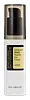
This anti-aging eye moisturizer is formulated around Snail Secretion Filtrate and Niacinamide to soften the look of wrinkles and hydrate skin.
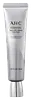
This anti-aging eye moisturizer is formulated around Niacinamide and Panthenol to soften the look of wrinkles and hydrate skin.

What's inside
What's inside
 Key Ingredients
Benefits
Concerns
Ingredients Side-by-side
Snail Secretion Filtrate
Skin Conditioning





Butylene Glycol
Humectant
Glycerin
Humectant
Helianthus Annuus Seed Oil
Emollient


1,2-Hexanediol
Skin Conditioning
Niacinamide
Smoothing







Water
Skin ConditioningPalmitic Acid
Emollient


Arginine
Masking
Carbomer
Emulsion StabilisingStearic Acid
Cleansing
Betaine
Humectant
Cetearyl Olivate
Sorbitan Olivate
Emulsifying
Sodium Polyacrylate
Absorbent
Allantoin
Skin Conditioning
Tocopheryl Acetate
Antioxidant

Panthenol
Skin Conditioning
Hydroxyethyl Acrylate/Sodium Acryloyldimethyl Taurate Copolymer
Emulsion StabilisingSodium Hyaluronate
Humectant
Adenosine
Skin Conditioning
Xanthan Gum
EmulsifyingMyristic Acid
Cleansing
Copper Tripeptide-1
Skin Conditioning
Acetyl Hexapeptide-8
Humectant
Palmitoyl Pentapeptide-4
Skin Conditioning
Palmitoyl Tripeptide-1
Skin Conditioning
Palmitoyl Tetrapeptide-7
Skin Conditioning
Snail Secretion Filtrate, Butylene Glycol, Glycerin, Helianthus Annuus Seed Oil, 1,2-Hexanediol, Niacinamide, Water, Palmitic Acid, Arginine, Carbomer, Stearic Acid, Betaine, Cetearyl Olivate, Sorbitan Olivate, Sodium Polyacrylate, Allantoin, Tocopheryl Acetate, Panthenol, Hydroxyethyl Acrylate/Sodium Acryloyldimethyl Taurate Copolymer, Sodium Hyaluronate, Adenosine, Xanthan Gum, Myristic Acid, Copper Tripeptide-1, Acetyl Hexapeptide-8, Palmitoyl Pentapeptide-4, Palmitoyl Tripeptide-1, Palmitoyl Tetrapeptide-7
Water
Skin ConditioningCyclopentasiloxane
Emollient
Methylpropanediol
SolventBetaine
Humectant
Hydrogenated Poly(C6-14 Olefin)
EmollientGlycerin
Humectant
Cyclohexasiloxane
Emollient
1,2-Hexanediol
Skin Conditioning
Niacinamide
Smoothing
Dimethicone
Emollient
Cetearyl Alcohol
Emollient

Polysorbate 60
Emulsifying
Hydroxyethyl Acrylate/Sodium Acryloyldimethyl Taurate Copolymer
Emulsion StabilisingDimethicone/Vinyl Dimethicone Crosspolymer
Skin Conditioning
Panthenol
Skin Conditioning
Squalane
Emollient
Dioscorea Japonica Root Extract
Skin Conditioning
Parfum
Masking


Calendula Officinalis Flower Oil
Masking
Ethylhexylglycerin
Skin ConditioningGlycosyl Trehalose
Emulsion StabilisingSorbitan Isostearate
Emulsifying
Hydrogenated Starch Hydrolysate
HumectantButylene Glycol
Humectant
Raffinose
Skin ConditioningAdenosine
Skin Conditioning
Lecithin
Emollient
Disodium EDTA
ChelatingHydrogenated Lecithin
Emulsifying
Xanthan Gum
EmulsifyingSodium Stearoyl Glutamate
CleansingBorago Officinalis Seed Oil
Emollient
Oenothera Biennis Oil
Emollient
Sodium Hyaluronate
Humectant
Polyquaternium-51
Skin Conditioning
Dipropylene Glycol
HumectantSodium Palmitoyl Proline
Skin ConditioningFicus Carica Fruit Extract
Humectant
Centella Asiatica Extract
Cleansing
Pseudoalteromonas Ferment Extract
Humectant
Ceramide NP
Skin Conditioning
Folic Acid
Skin ConditioningCaprylic/Capric Triglyceride
Masking
Hydrolyzed Lupine Protein
Skin ConditioningAlchemilla Vulgaris Extract
AstringentBifida Ferment Lysate
Skin Conditioning
Centaurea Cyanus Flower Water
Skin Conditioning
Helichrysum Italicum Flower Water
Skin ConditioningCholesterol
Emollient
Macadamia Integrifolia Seed Oil
Skin Conditioning
Elaeis Guineensis Oil
Emollient
Biosaccharide Gum-1
Humectant
Helianthus Annuus Seed Oil
Emollient
Schizosaccharomyces Ferment Filtrate
Humectant
Collagen Extract
Skin Conditioning
Propanediol
Solvent
Alcohol
Antimicrobial

Anastatica Hierochuntica Extract
AstringentTocopheryl Acetate
Antioxidant
Argania Spinosa Kernel Extract
Skin ConditioningPhytosphingosine
Skin Conditioning
Tromethamine
BufferingMaltodextrin
Absorbent
Acrylates Copolymer
Phenoxyethanol
Preservative
Sodium Lauroyl Lactylate
EmulsifyingHydroxydecyl Ubiquinone
Antioxidant
Tocopherol
Antioxidant
Caprylyl Glycol
Emollient
Lactic Acid
Buffering
Epilobium Angustifolium Flower/Leaf/Stem Extract
Skin ConditioningSorbitan Laurate
Emulsifying
Lepidium Meyenii Root Extract
Skin ConditioningSaccharide Hydrolysate
HumectantHydrolyzed Vegetable Protein
Skin ConditioningSalicornia Herbacea Extract
Skin ConditioningAsparagus Officinalis Stem Extract
Skin ConditioningCetyl Hydroxyethylcellulose
Emulsion StabilisingOryza Sativa Extract
Absorbent
Melissa Officinalis Leaf Extract
Skin ConditioningMentha Piperita Leaf Extract
Skin ConditioningPrimula Veris Extract
Skin ConditioningMalva Sylvestris Extract
AstringentAchillea Millefolium Extract
CleansingVeronica Officinalis Extract
Skin ConditioningSodium Cocoyl Glutamate
Cleansing
Rutin
Antioxidant
Rhododendron Ferrugineum Extract
MaskingLeuconostoc/Radish Root Ferment Filtrate
Antimicrobial
Nymphaea Alba Flower Extract
Skin ConditioningPalmitoyl Tripeptide-5
Skin Conditioning
Benzyl Alcohol
Perfuming
Ascorbic Acid Polypeptide
Antioxidant
Dipotassium Phosphate
BufferingHydroxyethylcellulose
Emulsion StabilisingPlankton Extract
Skin ConditioningCarbomer
Emulsion StabilisingAcetyl Dipeptide-1 Cetyl Ester
Skin Conditioning
Ceramide AP
Skin Conditioning
Palmitoyl Pentapeptide-4
Skin Conditioning
Copper Tripeptide-1
Skin Conditioning
Vp/Polycarbamyl Polyglycol Ester
Acetyl Hexapeptide-8
Humectant
Hydrolyzed Sesame Protein Pg-Propyl Methylsilanediol
Skin ConditioningGluconolactone
Chelating
Calcium Gluconate
HumectantPotassium Sorbate
Preservative
Saussurea Involucrata Extract
HumectantPalmitoyl Tripeptide-1
Skin Conditioning
Palmitoyl Tetrapeptide-7
Skin Conditioning
Sodium Benzoate
Masking
Dehydroacetic Acid
Preservative
Arginine Ferulate
Skin ConditioningPalmitoyl Hexapeptide-12
Skin Conditioning
Acetyl Tripeptide-1
Skin Conditioning
Disodium Phosphate
BufferingAcetic Acid
BufferingSodium Hydroxide
BufferingPhaseolus Lunatus Seed Extract
EmollientRetinol
Skin Conditioning
Sodium Lactate
Buffering
Magnesium PCA
Humectant
Lysine
Skin ConditioningLeucine
Skin ConditioningMethionine
Skin ConditioningValine
MaskingSerine
Masking
Sucrose
Humectant
Cysteine
Antioxidant
Proline
Skin Conditioning
Histidine
Humectant
Calcium Chloride
AstringentTaurine
BufferingTryptophan
MaskingAsparagine
MaskingFormic Acid
Preservative
1-Methylhydantoin-2-Imide
Skin ConditioningMagnesium Citrate
Skin ConditioningMagnesium Chloride
Citrulline
Skin ConditioningAmmonia
Buffering
Ornithine
Skin ConditioningUric Acid
BufferingTyrosine
MaskingThreonine
Phenylalanine
Masking
Potassium Hydroxide
BufferingAlanine
Masking
Arginine
Masking
Urea
Buffering
Isoleucine
Skin ConditioningMaris Sal
Skin ConditioningAspartic Acid
Masking
Glycine
Buffering
Glucosamine Hcl
Glutamic Acid
Humectant
Glutamine
Skin ConditioningCeramide EOP
Skin Conditioning
Benzyl Benzoate
Antimicrobial
Water, Cyclopentasiloxane, Methylpropanediol, Betaine, Hydrogenated Poly(C6-14 Olefin), Glycerin, Cyclohexasiloxane, 1,2-Hexanediol, Niacinamide, Dimethicone, Cetearyl Alcohol, Polysorbate 60, Hydroxyethyl Acrylate/Sodium Acryloyldimethyl Taurate Copolymer, Dimethicone/Vinyl Dimethicone Crosspolymer, Panthenol, Squalane, Dioscorea Japonica Root Extract, Parfum, Calendula Officinalis Flower Oil, Ethylhexylglycerin, Glycosyl Trehalose, Sorbitan Isostearate, Hydrogenated Starch Hydrolysate, Butylene Glycol, Raffinose, Adenosine, Lecithin, Disodium EDTA, Hydrogenated Lecithin, Xanthan Gum, Sodium Stearoyl Glutamate, Borago Officinalis Seed Oil, Oenothera Biennis Oil, Sodium Hyaluronate, Polyquaternium-51, Dipropylene Glycol, Sodium Palmitoyl Proline, Ficus Carica Fruit Extract, Centella Asiatica Extract, Pseudoalteromonas Ferment Extract, Ceramide NP, Folic Acid, Caprylic/Capric Triglyceride, Hydrolyzed Lupine Protein, Alchemilla Vulgaris Extract, Bifida Ferment Lysate, Centaurea Cyanus Flower Water, Helichrysum Italicum Flower Water, Cholesterol, Macadamia Integrifolia Seed Oil, Elaeis Guineensis Oil, Biosaccharide Gum-1, Helianthus Annuus Seed Oil, Schizosaccharomyces Ferment Filtrate, Collagen Extract, Propanediol, Alcohol, Anastatica Hierochuntica Extract, Tocopheryl Acetate, Argania Spinosa Kernel Extract, Phytosphingosine, Tromethamine, Maltodextrin, Acrylates Copolymer, Phenoxyethanol, Sodium Lauroyl Lactylate, Hydroxydecyl Ubiquinone, Tocopherol, Caprylyl Glycol, Lactic Acid, Epilobium Angustifolium Flower/Leaf/Stem Extract, Sorbitan Laurate, Lepidium Meyenii Root Extract, Saccharide Hydrolysate, Hydrolyzed Vegetable Protein, Salicornia Herbacea Extract, Asparagus Officinalis Stem Extract, Cetyl Hydroxyethylcellulose, Oryza Sativa Extract, Melissa Officinalis Leaf Extract, Mentha Piperita Leaf Extract, Primula Veris Extract, Malva Sylvestris Extract, Achillea Millefolium Extract, Veronica Officinalis Extract, Sodium Cocoyl Glutamate, Rutin, Rhododendron Ferrugineum Extract, Leuconostoc/Radish Root Ferment Filtrate, Nymphaea Alba Flower Extract, Palmitoyl Tripeptide-5, Benzyl Alcohol, Ascorbic Acid Polypeptide, Dipotassium Phosphate, Hydroxyethylcellulose, Plankton Extract, Carbomer, Acetyl Dipeptide-1 Cetyl Ester, Ceramide AP, Palmitoyl Pentapeptide-4, Copper Tripeptide-1, Vp/Polycarbamyl Polyglycol Ester, Acetyl Hexapeptide-8, Hydrolyzed Sesame Protein Pg-Propyl Methylsilanediol, Gluconolactone, Calcium Gluconate, Potassium Sorbate, Saussurea Involucrata Extract, Palmitoyl Tripeptide-1, Palmitoyl Tetrapeptide-7, Sodium Benzoate, Dehydroacetic Acid, Arginine Ferulate, Palmitoyl Hexapeptide-12, Acetyl Tripeptide-1, Disodium Phosphate, Acetic Acid, Sodium Hydroxide, Phaseolus Lunatus Seed Extract, Retinol, Sodium Lactate, Magnesium PCA, Lysine, Leucine, Methionine, Valine, Serine, Sucrose, Cysteine, Proline, Histidine, Calcium Chloride, Taurine, Tryptophan, Asparagine, Formic Acid, 1-Methylhydantoin-2-Imide, Magnesium Citrate, Magnesium Chloride, Citrulline, Ammonia, Ornithine, Uric Acid, Tyrosine, Threonine, Phenylalanine, Potassium Hydroxide, Alanine, Arginine, Urea, Isoleucine, Maris Sal, Aspartic Acid, Glycine, Glucosamine Hcl, Glutamic Acid, Glutamine, Ceramide EOP, Benzyl Benzoate
Reviews
Ingredients Explained
These ingredients are found in both products.
Ingredients higher up in an ingredient list are typically present in a larger amount.
1,2-Hexanediol is a synthetic liquid and another multi-functional powerhouse.
It is a:
- Humectant, drawing moisture into the skin
- Emollient, helping to soften skin
- Solvent, dispersing and stabilizing formulas
- Preservative booster, enhancing the antimicrobial activity of other preservatives
Acetyl Hexapeptide-8 (also known as Argireline) is a synthetic hexapeptide that is often called a "topical Botox alternative".
It works by mimicking how Botox relaxes muscles; it interferes with the signaling process that tells your facial muscles to contract. This can help soften expression lines like forehead wrinkles or crow's feet over time.
The comparison to Botox does have limits because the molecule is water-loving and relatively large.
Acetyl Hexapeptide-8 has a hard time absorbing deeply enough through the skin's outer barrier to actually reach the muscles.
So whether it truly works the way Botox does at a biological level is still up for debate, but early clinical outcomes are fairly encouraging.
A 12 week human study of a multi-ingredient regimen containing this ingredient saw:
While some studies have observed improvements in wrinkle appearance, it is important to note that more consistent results are seen in multi-ingredient formulations (vs just Acetyl Hexapeptide-8 alone).
Some research studies also used higher concentrations (up to 10%) while this ingredient is usually found in concentrations up to 0.005% in leave-on formulations.
Learn more about Acetyl Hexapeptide-8Adenosine is a purine nucleoside that your body already makes in every cell. In skincare, it acts mainly as a skin conditioning and anti-aging agent.
The way it works is fairly well mapped out:
Your skin has cells called fibroblasts that build collagen (the stuff that keeps skin firm and smooth). Adenosine basically flips a switch on these cells that tells them to get to work making more collagen and other proteins. These cells slow down on their own as skin ages, so Adenosine helps give them a little nudge to keep going.
The clinical backing is pretty solid too.
A blind, randomized, placebo-controlled trial of 126 women aged 45-65 tested a 0.1% cream twice daily and found real improvements in crow's feet and frown lines using a precise 3D skin-mapping technique; these changes showed up by week 3 and held at 2 months.
A later study using Adenosine-loaded dissolving microneedle patches reported gains in wrinkle depth, dermal density, elasticity, and hydration.
On concentrations, South Korea's Ministry of Food and Drug Safety has set 0.04% as the approved functional anti-wrinkle level. You'll typically see this ingredient used somewhere in the 0.04-0.1% range since it works at low doses.
This ingredient has been found safe for cosmetics with the data showing no irritation or sensitization.
Overall, this is a great ingredient for any anti-aging routine and has no photosensitizing effect, so it suits both AM and PM use.
Learn more about AdenosineArginine is a semi-essential amino acid. This just means our bodies can product a bit on its own, but sometimes needs a little boost from food sources.
It is a part of your skin's natural moisturizing factor (NMF), or the water-loving molecules in your outermost layer of skin (stratum corneum) that keeps everything hydrated and happy.
Here's an interesting thing about Arginine: your skin converts it into urea through the Krebs-Henseleit urea cycle. Urea is one of the most effective humectants your skin naturally produces.
A clinical study showed applying 2.5% arginine hydrochloride to atopic dermatitis skin showed significant urea levels in the stratum corneum and improved moisture in just four weeks.
Arginine is also a precursor to nitric oxide; nitric oxide improves microcirculation and supports wound healing and collagen synthesis.
One study found that an amino acid complex containing Arginine reduced skin irritation, improved hydration, and accelerated skin repair in clinical / in-vivo studies.
Arginine itself is an amino acid and not a fatty acid, oil, or ester. On its own, it's not a direct food source for Malassezia, or the yeast that causes fungal acne.
Learn more about ArginineBetaine is a humectant. Like hyaluronic acid, it helps attract and retain moisture in the skin. It’s known for being gentle and for helping the skin maintain balanced hydration.
Betaine is mainly used to improve hydration and support calmer skin. It helps skin cells regulate water balance because it functions as an osmolyte.
Some studies suggest betaine may support making skin tone more even.
Fun fact: Betaine naturally exists in the skin and the body. In cosmetic products, it can be either plant-derived (most commonly from sugar beets) or synthetically produced for consistency and stability.
Betaine is also known as trimethylglycine.
Learn more about BetaineButylene Glycol (or BG) is used within cosmetic products for a few different reasons:
Overall, Butylene Glycol is a safe and well-rounded ingredient that works well with other ingredients.
Though this ingredient works well with most skin types, some people with sensitive skin may experience a reaction such as allergic rashes, closed comedones, or itchiness.
Learn more about Butylene GlycolCarbomer is a synthetic thickening and gelling agent. It's basically the ingredient that gives a lot of serums, gels, creams, and sunscreens their smooth, non-sticky texture.
Although legally permitted at very high levels, carbomers are normally used at concentrations below 1%.
It also needs to be neutralized to actually thicken, and because it is a large molecule, it doesn't really penetrate the skin barrier.
Allergy-wise, the risk is very low. Clinical studies show carbomers have low potential for skin irritation/sensitization even at concentrations up to 100%.
A 2024 UK study patch-tested 1,302 patients and found true allergy to the parent group of carbomer to be rare with no confirmed relevant reactions.
Learn more about CarbomerCopper Tripeptide-1 (GHK-Cu) is a skin repairing ingredient said to boost collagen, improve firmness, and support skin regeneration.
It is a complex made up of a naturally occurring peptide (glycine-histidine-lysine) and copper, an essential trace element.
While studying wound healing, researchers noticed GHK-Cu stimulated hair follicle enlargement and growth by keeping hair in its active growth phase longer. This has made it a promising ingredient for hair regrowth treatments.
Some people have reported increased facial hair. While GHK-Cu can make your hair follicles bigger, it usually doesn’t turn soft, barely-visible facial hairs into thick, dark ones.
Anecdotal reports suggest that overusing copper peptides might lead to premature aging due to excess free copper or enzyme imbalances. This claim isn’t backed by large-scale studies.
Unfortunately, there are limited human studies for this ingredient. While early results are promising, many studies are either small, in-vitro, or not rigorously controlled.
For example, there is a 1998 study that explored the effects of copper tripeptide, vitamin C, tretinoin, and melatonin on skin repair and collagen synthesis.
After one month, increased procollagen production was seen in 7 out of 10 participants using copper tripeptide (more than those using vitamin C, melatonin, or tretinoin.
While the study was exploratory, it offers early evidence that copper tripeptide may support collagen production. Larger, well-designed trials are still needed to confirm its potential and understand individual responses.
Read more about other common types of peptides here:
Learn more about Copper Tripeptide-1Glycerin (or glycerol) is a compound naturally found in your skin. It's a powerhouse humectant that pulls water into the stratum corneum.
Topically, glycerin does several things at once:
Your skin makes glycerin on its own (mostly from sebaceous oil breakdown) and shuttles it to your outermost layer of skin, or your epidermis, via aquaporin-3.
Aquaporin-3 is a transporter that is essential for normal skin hydration, elasticity, and repair. Interestingly, mice lacking in AQP3 have dry and less elastic skin that can be fully corrected with glycerin.
This ingredient is non-irritating, plays well with almost every ingredient, and works across all skin types. Typical use is anywhere between 3-10% but can go up to 79% in some leave-on products.
Just know very high concentrations (>40%) can feel tacky in low humidity.
Glycerin is the name for this ingredient in American English. British English uses Glycerol/Glycerine.
Learn more about GlycerinHelianthus Annuus Seed Oil is a plant oil derived from the seeds of a sunflower.
It is rich in fatty acids, primarily linoleic acid and oleic acid. This gives it emollient and skin conditioning properties.
The reason this ingredient is so effective is because it forms a thin film on the skin that reduces transepidermal water loss (TEWL) while supplying linoleic acid to the stratum corneum to improve barrier strength.
The high linoleic acid content is particularly noteworthy for acne-prone skin.
Research suggests that acne-prone skin tends to be deficient in linoleic acid in sebum. Topical application may help replenish this to support a healthier follicular environment and less comedone-promoting sebum.
One randomized study found sunflower seed oil preserved skin barrier integrity in adult volunteers with and without atopic dermatitis (outperforming olive oil).
This ingredient is well-studied, gentle, and an effective emollient suitable for most skin types.
On fungal acne: This ingredient may not be Fungal acne (Malassezia folliculitis) safe. This is because it contains fatty acids with carbon chain lengths in the C11-C24 range.
Learn more about Helianthus Annuus Seed OilThis is a synthetic polymer. It helps improve the texture of products by adding thickness and gel-like feel.
It is also an emulsifer, meaning it prevents ingredients such as oil and water from separating. It also helps evenly disperse other ingredients.
Niacinamide is a multitasking form of vitamin B3 that strengthens the skin barrier, reduces pores and dark spots, regulates oil, and improves signs of aging.
And the best part? It's gentle and well-tolerated by most skin types, including sensitive and reactive skin.
You might have heard of "niacin flush", or the reddening of skin that causes itchiness. Niacinamide has not been found to cause this.
In very rare cases, some individuals may not be able to tolerate niacinamide at all or experience an allergic reaction to it.
If you are experiencing flaking, irritation, and dryness with this ingredient, be sure to double check all your products as this ingredient can be found in all categories of skincare.
When incorporating niacinamide into your routine, look out for concentration amounts. Typically, 5% niacinamide provides benefits such as fading dark spots. However, if you have sensitive skin, it is better to begin with a smaller concentration.
When you apply niacinamide to your skin, your body converts it into nicotinamide adenine dinucleotide (NAD). NAD is an essential coenzyme that is already found in your cells as "fuel" and powers countless biological processes.
In your skin, NAD helps repair cell damage, produce new healthy cells, support collagen production, strengthen the skin barrier, and fight environmental stressors (like UV and pollution).
Our natural NAD levels start to decline with age, leading to slower skin repair, visible aging, and a weaker skin barrier. By providing your skin niacinamide, you're recharging your skin's NAD levels. This leads to stronger, healthier, and younger looking skin.
Another name for vitamin B3 is nicotinamide. This vitamin is water-soluble and our bodies don't store it. We obtain Vitamin B3 from either food or skincare. Meat, fish, wheat, yeast, and leafy greens contain vitamin B3.
The type of niacinamide used in skincare is synthetically created.
Learn more about NiacinamideYou might know this ingredient as Matrixyl. It is a synthetic peptide made up of five amino acids attached to a palmitic acid, a fatty acid that helps it absorb into skin more easily.
As a signal peptide, Matrixyl acts like a little messenger. Once it reaches your skin cells, it tells them to ramp up production of collagen, elastin, and other proteins that keep skin looking firm and smooth.
A 12 week clinical study found that a moisturizer containing just 3 ppm of Matrixyl led to a significant improvement in fine-lines and wrinkles. Another study showed an 18% reduction in wrinkle depth, 37% reduction in wrinkle thickness, and a 21% improvement in skin firmness after just 28 days of twice-daily use.
The coolest part is that it works at incredibly low concentrations (like 0.0003%) and it plays well with other actives.
The CIR (Cosmetic Ingredient Review) panel found it to be non-sensitizing across multiple tests and human patch tests also showed no irritation or sensitization.
Fun fact: Matrixyl was originally developed by French company Sederma and Procter & Gamble.
Read more about other common types of peptides here:
Learn more about Palmitoyl Pentapeptide-4Palmitoyl Tetrapeptide-7 (formerly Palmitoyl Tetrapeptide-3) is a synthetic peptide. Its main job is to fight what researchers call "inflammaging".
"Inflammaging" is the slow, low-grade chronic inflammation that quietly breaks down collagen as we age.
This ingredient calms down a specific inflammation signal in your skin cells (called IL-6). When left unchecked, this signal triggers enzymes that break down collagen and elastin.
Clinical testing showed statistically significant improvements in:
Studies also found the more of this ingredient used, the more your skin produces Collagen I, fibronectin, and hyaluronic acid.
You'll likely see this ingredient paired with Palmitoyl Tripeptide-1 in the well-known Matrixyl 3000 complex for enhanced anti-aging effects.
A 3% concentration applied twice daily for two months showed meaningful skin rejuvenation results in clinical panels.
Fungal acne note:
Usually a palmitic acid component can feed Malassezia in unbound form, but here is is covalently bonded to the peptide. This means it is very difficult for Malassezia to access, and therefore very unlikely to cause fungal acne.
Palmitoyl Tripeptide-1 (aka Pal-GHK) is a synthetic signal peptide made of three amino acids attached to palmitic acid.
That fatty acid attachment is the key: it boosts the peptide's ability to penetrate the skin barrier. This puts it closer to the dermal cells where it can actually make a difference.
Once there, it acts as a matrikine, a signaling peptide that prompts fibroblasts to produce more collagen, fibronectin, and hyaluronic acid.
In vitro studies show it can boost collagen production in skin cells even when UV-damaged skin samples were treated with it at a tiny concentration (it almost fully restored dermal collagen at 5ppm). It achieved this at 100x lower concentration than retinoic acid, which needed 500 ppm to do the same thing.
Human clinical data is promising, but modest:
A study of 23 female volunteers found a small but statistically significant increase (~4%) in skin thickness after treatment at 4 ppm.
A separate small trial of 15 women showed statistically significant reductions in wrinkle length, depth, and skin roughness after applying it twice daily for four weeks.
You'll likely see Pal-GHK paired with Palmitoyl Tetrapeptide-7 as part of the Matrixyl 3000 complex.
Fungal acne note:
Usually a palmitic acid component can feed Malassezia in unbound form, but here is is covalently bonded to the peptide. This means it is very difficult for Malassezia to access, and therefore very unlikely to cause fungal acne.
Panthenol is a common ingredient that helps hydrate and soothe the skin. It is found naturally in our skin and hair.
There are two forms of panthenol: D and L.
D-panthenol is also known as dexpanthenol. Most cosmetics use dexpanthenol or a mixture of D and L-panthenol.
Panthenol is famous due to its ability to go deeper into the skin's layers. Using this ingredient has numerous pros (and no cons):
Like hyaluronic acid, panthenol is a humectant. Humectants are able to bind and hold large amounts of water to keep skin hydrated.
This ingredient works well for wound healing. It works by increasing tissue in the wound and helps close open wounds.
Once oxidized, panthenol converts to pantothenic acid. Panthothenic acid is found in all living cells.
This ingredient is also referred to as pro-vitamin B5.
Learn more about PanthenolSodium Hyaluronate is the salt form of hyaluronic acid. It is a long sugar chain that is naturally found in your skin, joints, and connective tissue that maintains hydration and elasticity.
In skincare, it works as a humectant. It pulls water from the environment and deeper layers of skin and binds it to the surface.
Interestingly, the size of the molecule affects its behavior:
Some clinical evidence links low molecular weight versions to improved wrinkle depth, elasticity, anti-inflammatory effects, and barrier repair.
Many serums use a blend of both weights so you can get surface hydration plus longer-lasting and deeper effects.
You'll typically see concentrations between 0.1-2% for this ingredient.
Learn more about Sodium HyaluronateTocopheryl Acetate is a stable, shelf-friendly form of vitamin E.
Formulators love it because plain vitamin E oxidizes quickly once it hits air. This acetate version stays stable and resists going off, helping to extend a product's shelf life.
It's actually inactive on its own and works like a slow-release "storage" form; the enzymes in your skin called esterases gradually convert it into active vitamin E over time.
One in vivo study showed 5% of the acetate in the living layer of the epidermis converted to vitamin E after 5 days of application. This study also found the skin gained protection against UV damage even though the conversion was slow and small.
Once converted, vitamin E acts as a skin's main fat-soluble antioxidant that fights free radicals to protect skin from damage.
Topical vitamin E generally boosts the skin's photoprotection, and it reduced UV-damage in animal models.
This ingredient has some brightening potential but it's more of a prevention ingredient than spot-fader. Cell studies show it can slow down melanin production but it's worth noting that it's not the most powerful brightener out there.
Overall, it has a pretty solid safety profile and has been found to be non-irritating and non-comedogenic. Allergic reactions may happen but stay rare due to how widely the ingredient gets used.
The concentration will vary depending on the formula; industry data shows 0.1% in baby lotions, 3% in lipsticks, and 5% in foot powders. You can also find this ingredient at 100% in a pure vitamin E oil.
Most leave-on skincare keeps it at the lower end, often between 0.5-1%.
Learn more about Tocopheryl AcetateWater. It's the most common cosmetic ingredient of all. You'll usually see it at the top of ingredient lists, meaning that it makes up the largest part of the product.
So why is it so popular? Water most often acts as a solvent - this means that it helps dissolve other ingredients into the formulation.
You'll also recognize water as that liquid we all need to stay alive. If you see this, drink a glass of water. Remember to stay hydrated!
Learn more about WaterXanthan gum is used as a stabilizer and thickener within cosmetic products. It helps give products a sticky, thick feeling - preventing them from being too runny.
On the technical side of things, xanthan gum is a polysaccharide - a combination consisting of multiple sugar molecules bonded together.
Xanthan gum is a pretty common and great ingredient. It is a natural, non-toxic, non-irritating ingredient that is also commonly used in food products.
Learn more about Xanthan Gum

