

What's inside
What's inside
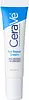 Key Ingredients
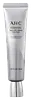
Benefits
Concerns
Ingredients Side-by-side
Water
Skin ConditioningNiacinamide
Smoothing











Cetyl Alcohol
Emollient


Caprylic/Capric Triglyceride
Masking
Glycerin
Humectant
Propanediol
Solvent
Isononyl Isononanoate
EmollientJojoba Esters
Emollient
PEG-20 Methyl Glucose Sesquistearate
Emulsifying
Cetearyl Alcohol
Emollient

Dimethicone
Emollient
Methyl Glucose Sesquistearate
Emollient
Asparagopsis Armata Extract
Skin ProtectingCeramide NP
Skin Conditioning
Ceramide AP
Skin Conditioning
Potassium Sorbate
Preservative
Ceramide EOP
Skin Conditioning
Sorbitol
Humectant
Carbomer
Emulsion StabilisingZinc Citrate
Behentrimonium Methosulfate
Surfactant
Triethanolamine
BufferingAloe Barbadensis Leaf Extract
Emollient
Sodium Lauroyl Lactylate
EmulsifyingSodium Hydroxide
BufferingEquisetum Arvense Extract
AstringentSodium Hyaluronate
Humectant
Cholesterol
Emollient
Phenoxyethanol
Preservative
Prunus Amygdalus Dulcis Oil
Skin Conditioning
Tocopherol
Antioxidant

Ascophyllum Nodosum Extract
Skin ConditioningLaureth-4
Emulsifying
Hydrogenated Vegetable Oil
Emollient
Tetrasodium EDTA
Maltodextrin
Absorbent
Phytosphingosine
Skin Conditioning
Xanthan Gum
EmulsifyingButylene Glycol
Humectant
Ethylhexylglycerin
Skin ConditioningChrysanthellum Indicum Extract
Skin Conditioning
Water, Niacinamide, Cetyl Alcohol, Caprylic/Capric Triglyceride, Glycerin, Propanediol, Isononyl Isononanoate, Jojoba Esters, PEG-20 Methyl Glucose Sesquistearate, Cetearyl Alcohol, Dimethicone, Methyl Glucose Sesquistearate, Asparagopsis Armata Extract, Ceramide NP, Ceramide AP, Potassium Sorbate, Ceramide EOP, Sorbitol, Carbomer, Zinc Citrate, Behentrimonium Methosulfate, Triethanolamine, Aloe Barbadensis Leaf Extract, Sodium Lauroyl Lactylate, Sodium Hydroxide, Equisetum Arvense Extract, Sodium Hyaluronate, Cholesterol, Phenoxyethanol, Prunus Amygdalus Dulcis Oil, Tocopherol, Ascophyllum Nodosum Extract, Laureth-4, Hydrogenated Vegetable Oil, Tetrasodium EDTA, Maltodextrin, Phytosphingosine, Xanthan Gum, Butylene Glycol, Ethylhexylglycerin, Chrysanthellum Indicum Extract
Water
Skin ConditioningCyclopentasiloxane
Emollient
Methylpropanediol
SolventBetaine
Humectant
Hydrogenated Poly(C6-14 Olefin)
EmollientGlycerin
Humectant
Cyclohexasiloxane
Emollient
1,2-Hexanediol
Skin Conditioning
Niacinamide
Smoothing
Dimethicone
Emollient
Cetearyl Alcohol
Emollient
Polysorbate 60
Emulsifying
Hydroxyethyl Acrylate/Sodium Acryloyldimethyl Taurate Copolymer
Emulsion StabilisingDimethicone/Vinyl Dimethicone Crosspolymer
Skin Conditioning
Panthenol
Skin Conditioning
Squalane
Emollient
Dioscorea Japonica Root Extract
Skin Conditioning
Parfum
Masking



Calendula Officinalis Flower Oil
Masking
Ethylhexylglycerin
Skin ConditioningGlycosyl Trehalose
Emulsion StabilisingSorbitan Isostearate
Emulsifying
Hydrogenated Starch Hydrolysate
HumectantButylene Glycol
Humectant
Raffinose
Skin ConditioningAdenosine
Skin Conditioning
Lecithin
Emollient
Disodium EDTA
Hydrogenated Lecithin
Emulsifying
Xanthan Gum
EmulsifyingSodium Stearoyl Glutamate
CleansingBorago Officinalis Seed Oil
Emollient
Oenothera Biennis Oil
Emollient
Sodium Hyaluronate
Humectant
Polyquaternium-51
Skin Conditioning
Dipropylene Glycol
HumectantSodium Palmitoyl Proline
Skin ConditioningFicus Carica Fruit Extract
Humectant
Centella Asiatica Extract
Cleansing
Pseudoalteromonas Ferment Extract
Humectant
Ceramide NP
Skin Conditioning
Folic Acid
Skin ConditioningCaprylic/Capric Triglyceride
Masking
Hydrolyzed Lupine Protein
Skin ConditioningAlchemilla Vulgaris Extract
AstringentBifida Ferment Lysate
Skin Conditioning
Centaurea Cyanus Flower Water
Skin Conditioning
Helichrysum Italicum Flower Water
Skin ConditioningCholesterol
Emollient
Macadamia Integrifolia Seed Oil
Skin Conditioning
Elaeis Guineensis Oil
Emollient
Biosaccharide Gum-1
Humectant
Helianthus Annuus Seed Oil
Emollient
Schizosaccharomyces Ferment Filtrate
Humectant
Collagen Extract
Skin Conditioning
Propanediol
Solvent
Alcohol
Antimicrobial


Anastatica Hierochuntica Extract
AstringentTocopheryl Acetate
Antioxidant
Argania Spinosa Kernel Extract
Skin ConditioningPhytosphingosine
Skin Conditioning
Tromethamine
BufferingMaltodextrin
Absorbent
Acrylates Copolymer
Phenoxyethanol
Preservative
Sodium Lauroyl Lactylate
EmulsifyingHydroxydecyl Ubiquinone
Antioxidant
Tocopherol
Antioxidant
Caprylyl Glycol
Emollient
Lactic Acid
Buffering
Epilobium Angustifolium Flower/Leaf/Stem Extract
Skin ConditioningSorbitan Laurate
Emulsifying
Lepidium Meyenii Root Extract
Skin ConditioningSaccharide Hydrolysate
HumectantHydrolyzed Vegetable Protein
Skin ConditioningSalicornia Herbacea Extract
Skin ConditioningAsparagus Officinalis Stem Extract
Skin ConditioningCetyl Hydroxyethylcellulose
Emulsion StabilisingOryza Sativa Extract
Absorbent
Melissa Officinalis Leaf Extract
Skin ConditioningMentha Piperita Leaf Extract
Skin ConditioningPrimula Veris Extract
Skin ConditioningMalva Sylvestris Extract
AstringentAchillea Millefolium Extract
CleansingVeronica Officinalis Extract
Skin ConditioningSodium Cocoyl Glutamate
Cleansing
Rutin
Antioxidant
Rhododendron Ferrugineum Extract
MaskingLeuconostoc/Radish Root Ferment Filtrate
Antimicrobial
Nymphaea Alba Flower Extract
Skin ConditioningPalmitoyl Tripeptide-5
Skin Conditioning
Benzyl Alcohol
Perfuming
Ascorbic Acid Polypeptide
Antioxidant
Dipotassium Phosphate
BufferingHydroxyethylcellulose
Emulsion StabilisingPlankton Extract
Skin ConditioningCarbomer
Emulsion StabilisingAcetyl Dipeptide-1 Cetyl Ester
Skin Conditioning
Ceramide AP
Skin Conditioning
Palmitoyl Pentapeptide-4
Skin Conditioning
Copper Tripeptide-1
Skin Conditioning
Vp/Polycarbamyl Polyglycol Ester
Acetyl Hexapeptide-8
Humectant
Hydrolyzed Sesame Protein Pg-Propyl Methylsilanediol
Skin ConditioningGluconolactone
Skin Conditioning
Calcium Gluconate
HumectantPotassium Sorbate
Preservative
Saussurea Involucrata Extract
HumectantPalmitoyl Tripeptide-1
Skin Conditioning
Palmitoyl Tetrapeptide-7
Skin Conditioning
Sodium Benzoate
Masking
Dehydroacetic Acid
Preservative
Arginine Ferulate
Skin ConditioningPalmitoyl Hexapeptide-12
Skin Conditioning
Acetyl Tripeptide-1
Skin Conditioning
Disodium Phosphate
BufferingAcetic Acid
BufferingSodium Hydroxide
BufferingPhaseolus Lunatus Seed Extract
EmollientRetinol
Skin Conditioning
Sodium Lactate
Buffering
Magnesium PCA
Humectant
Lysine
Skin ConditioningLeucine
Skin ConditioningMethionine
Skin ConditioningValine
MaskingSerine
Masking
Sucrose
Humectant
Cysteine
Antioxidant
Proline
Skin Conditioning
Histidine
Humectant
Calcium Chloride
AstringentTaurine
BufferingTryptophan
MaskingAsparagine
MaskingFormic Acid
Preservative
1-Methylhydantoin-2-Imide
Skin ConditioningMagnesium Citrate
Skin ConditioningMagnesium Chloride
Citrulline
Skin ConditioningAmmonia
Buffering
Ornithine
Skin ConditioningUric Acid
BufferingTyrosine
MaskingThreonine
Phenylalanine
Masking
Potassium Hydroxide
BufferingAlanine
Masking
Arginine
Masking
Urea
Buffering
Isoleucine
Skin ConditioningMaris Sal
Skin ConditioningAspartic Acid
Masking
Glycine
Buffering
Glucosamine Hcl
Glutamic Acid
Humectant
Glutamine
Skin ConditioningCeramide EOP
Skin Conditioning
Benzyl Benzoate
Antimicrobial
Water, Cyclopentasiloxane, Methylpropanediol, Betaine, Hydrogenated Poly(C6-14 Olefin), Glycerin, Cyclohexasiloxane, 1,2-Hexanediol, Niacinamide, Dimethicone, Cetearyl Alcohol, Polysorbate 60, Hydroxyethyl Acrylate/Sodium Acryloyldimethyl Taurate Copolymer, Dimethicone/Vinyl Dimethicone Crosspolymer, Panthenol, Squalane, Dioscorea Japonica Root Extract, Parfum, Calendula Officinalis Flower Oil, Ethylhexylglycerin, Glycosyl Trehalose, Sorbitan Isostearate, Hydrogenated Starch Hydrolysate, Butylene Glycol, Raffinose, Adenosine, Lecithin, Disodium EDTA, Hydrogenated Lecithin, Xanthan Gum, Sodium Stearoyl Glutamate, Borago Officinalis Seed Oil, Oenothera Biennis Oil, Sodium Hyaluronate, Polyquaternium-51, Dipropylene Glycol, Sodium Palmitoyl Proline, Ficus Carica Fruit Extract, Centella Asiatica Extract, Pseudoalteromonas Ferment Extract, Ceramide NP, Folic Acid, Caprylic/Capric Triglyceride, Hydrolyzed Lupine Protein, Alchemilla Vulgaris Extract, Bifida Ferment Lysate, Centaurea Cyanus Flower Water, Helichrysum Italicum Flower Water, Cholesterol, Macadamia Integrifolia Seed Oil, Elaeis Guineensis Oil, Biosaccharide Gum-1, Helianthus Annuus Seed Oil, Schizosaccharomyces Ferment Filtrate, Collagen Extract, Propanediol, Alcohol, Anastatica Hierochuntica Extract, Tocopheryl Acetate, Argania Spinosa Kernel Extract, Phytosphingosine, Tromethamine, Maltodextrin, Acrylates Copolymer, Phenoxyethanol, Sodium Lauroyl Lactylate, Hydroxydecyl Ubiquinone, Tocopherol, Caprylyl Glycol, Lactic Acid, Epilobium Angustifolium Flower/Leaf/Stem Extract, Sorbitan Laurate, Lepidium Meyenii Root Extract, Saccharide Hydrolysate, Hydrolyzed Vegetable Protein, Salicornia Herbacea Extract, Asparagus Officinalis Stem Extract, Cetyl Hydroxyethylcellulose, Oryza Sativa Extract, Melissa Officinalis Leaf Extract, Mentha Piperita Leaf Extract, Primula Veris Extract, Malva Sylvestris Extract, Achillea Millefolium Extract, Veronica Officinalis Extract, Sodium Cocoyl Glutamate, Rutin, Rhododendron Ferrugineum Extract, Leuconostoc/Radish Root Ferment Filtrate, Nymphaea Alba Flower Extract, Palmitoyl Tripeptide-5, Benzyl Alcohol, Ascorbic Acid Polypeptide, Dipotassium Phosphate, Hydroxyethylcellulose, Plankton Extract, Carbomer, Acetyl Dipeptide-1 Cetyl Ester, Ceramide AP, Palmitoyl Pentapeptide-4, Copper Tripeptide-1, Vp/Polycarbamyl Polyglycol Ester, Acetyl Hexapeptide-8, Hydrolyzed Sesame Protein Pg-Propyl Methylsilanediol, Gluconolactone, Calcium Gluconate, Potassium Sorbate, Saussurea Involucrata Extract, Palmitoyl Tripeptide-1, Palmitoyl Tetrapeptide-7, Sodium Benzoate, Dehydroacetic Acid, Arginine Ferulate, Palmitoyl Hexapeptide-12, Acetyl Tripeptide-1, Disodium Phosphate, Acetic Acid, Sodium Hydroxide, Phaseolus Lunatus Seed Extract, Retinol, Sodium Lactate, Magnesium PCA, Lysine, Leucine, Methionine, Valine, Serine, Sucrose, Cysteine, Proline, Histidine, Calcium Chloride, Taurine, Tryptophan, Asparagine, Formic Acid, 1-Methylhydantoin-2-Imide, Magnesium Citrate, Magnesium Chloride, Citrulline, Ammonia, Ornithine, Uric Acid, Tyrosine, Threonine, Phenylalanine, Potassium Hydroxide, Alanine, Arginine, Urea, Isoleucine, Maris Sal, Aspartic Acid, Glycine, Glucosamine Hcl, Glutamic Acid, Glutamine, Ceramide EOP, Benzyl Benzoate
Reviews
Ingredients Explained
These ingredients are found in both products.
Ingredients higher up in an ingredient list are typically present in a larger amount.
Butylene Glycol (or BG) is used within cosmetic products for a few different reasons:
Overall, Butylene Glycol is a safe and well-rounded ingredient that works well with other ingredients.
Though this ingredient works well with most skin types, some people with sensitive skin may experience a reaction such as allergic rashes, closed comedones, or itchiness.
Learn more about Butylene GlycolCaprylic/Capric Triglyceride (aka MCT Oil) is a lightweight emollient, solvent, and texture enhancer. It is considered a skin-softener by helping to prevent moisture loss.
Though it behaves like an oil, it is not technically one due to its chemical composition. One perk of this ingredient is that it is very stable, resistant to oxidation, and unlikely to go rancid.
In practice, that translates to a long shelf life and a consistently elegant skin feel.
While there is an assumption Caprylic Triglyceride can clog pores due to it being derived from coconut oil, there is no research supporting this. Just patch test if you have concerns.
Fractionated coconut oil and MCT Oil are both listed as Caprylic/Capric Triglyceride according to INCI. This is because INCI names are based on the ingredient’s final chemical composition and not its marketing name or source.
This ingredient is treated as the gold standard fungal acne safe oil. Even though it is coconut derived, the problematic lauric acid is stripped out.
This leaves just caprylic (C8) and capric (C10) acid. These chain lengths actually trend antifungal; a 2020 study found caprylic acid was enough to disrupt Malassezia furfur cell membrane, with a caprylic acid derivative damaging membrane structures at concentrations as low as 0.2%.
Learn more about Caprylic/Capric TriglycerideCarbomer is a high-molecular weight polymer of acrylic acid. It is used to form gels and thicken formulas.
Due to its large molecular size, carbomer has minimal skin penetration and is considered an inert ingredient.
A high amount of carbomer can cause pilling or balling up of products. Don't worry, most products contain 1% or less of carbomer.
Learn more about CarbomerCeramide AP is is a skin-identical lipid that mimics what your skin already makes naturally. Ceramides help maintain epidermal integrity and barrier function.
You'll often see this ingredient paired with other ceramides (like ceramide NP), cholesterol, or fatty acids because this combination best mimics the natural lipid mix your skin already has.
The skin's ability to produce ceramides gets disrupted in skin conditions like eczema. This in turn weakens the skin barrier and applying ceramides topically has been shown to replenish what's been lost to restore barrier function.
Most of the studies with Ceramide AP test it as part of a multi-ceramide complex; studies reinforce ceramide AP's role in rebalancing ceramides in skin and improving skin hydration.
Learn more about Ceramide APCeramide EOP is formally known as Ceramide 1.
It is naturally found in skin and part of the intercellular "mortar" holding everything together in your outermost layer.
EOP stands for a linked Ester fatty acid, a linked Omega hydroxy fatty acid, and the Phytosphingosine base.
What makes Ceramide EOP special is its ultra-long fatty acid chain; this unique structure allows it to bridge the lipid layers in your skin barrier to prevent water loss (something no other ceramide can do).
Low levels of Ceramide EOP have been found in people with eczema and psoriasis.
Using it together with other ceramides, cholesterol, and linoleic acid have been shown to meaningfully improve hydration and reduce water loss.
In one clinical study, a regimen using Ceramide EOP, NP, and AP led to significant symptom improvements in patients with eczema, psoriasis, and dry skin in just 4 weeks.
You'll usually see concentrations between 0.1-0.5% in formulations. Overall, this is a well-tolerated and safe ingredient for cosmetic use.
Learn more about Ceramide EOPCeramide NP (formerly known as Ceramide 3) is one of the skin's naturally occurring lipids.
Since ceramides are the major lipid components of the skin, they are crucial for maintaining skin barrier and hydration. Ceramide NP most closely mirrors the dominant kind in human skin amongst ceramide subtypes.
This ceramide works by slotting into gaps within the stratum corneum's lipid matrix to limit trans-epidermal water loss (TEWL) and shield the skin against external irritants.
A study with 312 patients found that using a ceramide-containing routine for 4 weeks reduced the severity of atopic dermatitis by over 61%.
Another clinical study in subjects aged 60 and older found that a ceramide body wash and moisturizer improved skin dryness and itchy skin in 15 days.
Overall, ceramides are considered non-irritating and safety tests have found little to no observable adverse effects from using this ingredient.
Ceramide NP is usually sourced from plants (like soybean or rice bran), or produced synthetically.
Learn more about Ceramide NPCetearyl alcohol is a waxy mixture of two fatty alcohols: cetyl alcohol and stearyl alcohol. It is an emollient and emulsifier.
Despite having "alcohol" in its name, it has nothing to do with drying solvent alcohols; the FDA also allows "alcohol-free" products to contain fatty alcohols like this ingredient.
It plays several roles in a formula:
Typical use levels for this ingredient sit around 1-10% and the Cosmetic Ingredient Review Expert Panel has affirmed safety at concentrations up to 25% in leave-on products.
Multiple assessments have found it to be non-irritating and non-sensitizing to most people.
However, there have been some cases of allergic contact dermatitis in patients with chronically compromised skin barriers.
Cetearyl alcohol has a comedogenic rating of 2 and irritancy rating of 1. Both of these numbers come from the 1989 study that used rabbit ears; a "2" means mildly comedogenic and a "1" means low irritancy.
Here's the catch: rabbit skin is more sensitive than human skin and throws a lot of false positives. A 1996 reappraisal found that ingredients rated 1-2 in the rabbit ear tests are generally safe for humans.
Remember comedogenic ratings are unable to assess the entire formula of a product or how it will react on your skin. Just be sure to patch test if you are unsure about certain ingredients.
This ingredient is not fungal acne safe. Cetearyl alcohol is a fatty alcohol with chain lengths that fall within the range that Malassezia can metabolize.
A 2019 study has also observed Malassezia growth in the presence of this ingredient, confirming it to be not-fungal acne safe.
Learn more about Cetearyl AlcoholCholesterol is a lipid that is naturally found in human skin and is one of the three key components of your skin barrier. In skincare, it is an emollient and barrier-repairing ingredient.
It works by fitting directly into the lipid layers of skin to help restore structure and reduce transepidermal water loss (TEWL).
This is a great ingredient for dry, compromised, or aging skin; our skin starts to produce less cholesterol with age.
Research shows cholesterol works best in combination with ceramides and fatty acids, the other two major components in your skin barrier.
Cholesterol is also a well-establish penetration enhancer and can help other actives absorb more effectively.
Cosmetic-grade cholesterol is usually derived from lanolin but plant and synthetic options also exist. We recommend reaching out to the brand if you have questions about their source of cholesterol.
Learn more about CholesterolDimethicone is a type of synthetic silicone created from natural materials such as quartz. It is also known as polydimethylsiloxane.
What it does:
Dimethicone comes in different viscosities:
Depending on the viscosity, dimethicone has different properties.
Ingredients lists don't always show which type is used, so we recommend reaching out to the brand if you have questions about the viscosity.
This ingredient is unlikely to cause irritation because it does not get absorbed into skin. However, people with silicone allergies should be careful about using this ingredient.
Note: Dimethicone may contribute to pilling. This is because it is not oil or water soluble, so pilling may occur when layered with products. When mixed with heavy oils in a formula, the outcome is also quite greasy.
Learn more about DimethiconeEthylhexylglycerin is created from glycerin. It is a multitasker ingredient that:
The CIR Expert Panel found minimal skin absorption or sensitization of any kind in a safety assessment. Though this ingredient is considered well-tolerated, a small number of cases of allergic dermatitis have been published since 2002. Just be sure to patch test if you are unsure.
Industry-reported use ranges from 8% in rinse-off products and 2% in leave-on formulations.
Learn more about EthylhexylglycerinGlycerin (or glycerol) is a compound naturally found in your skin. It's a powerhouse humectant that pulls water into the stratum corneum.
Topically, glycerin does several things at once:
Your skin makes glycerin on its own (mostly from sebaceous oil breakdown) and shuttles it to your outermost layer of skin, or your epidermis, via aquaporin-3.
Aquaporin-3 is a transporter that is essential for normal skin hydration, elasticity, and repair. Interestingly, mice lacking in AQP3 have dry and less elastic skin that can be fully corrected with glycerin.
This ingredient is non-irritating, plays well with almost every ingredient, and works across all skin types. Typical use is anywhere between 3-10% but can go up to 79% in some leave-on products.
Just know very high concentrations (>40%) can feel tacky in low humidity.
Glycerin is the name for this ingredient in American English. British English uses Glycerol/Glycerine.
Learn more about GlycerinMaltodextrin is a polysaccharide. It is derived from starch such as rice, corn, wheat, or potato starch.
In food, Maltodextrin is used to improve the texture and thicken a product. Due to its structure, it can help create a gel texture. As an emulsion stabilizer, it helps keep the ingredients in a product together.
As a polysaccharide, Maltodextrin has moisturizing properties. Polysaccharides are a type of carbohydrate. The top layer of skin uses polysaccharides to retain water, keeping the skin hydrated.
Maltodextrin is water soluble and has a sweet taste.
Learn more about MaltodextrinNiacinamide is a multitasking form of vitamin B3 that strengthens the skin barrier, reduces pores and dark spots, regulates oil, and improves signs of aging.
And the best part? It's gentle and well-tolerated by most skin types, including sensitive and reactive skin.
You might have heard of "niacin flush", or the reddening of skin that causes itchiness. Niacinamide has not been found to cause this.
In very rare cases, some individuals may not be able to tolerate niacinamide at all or experience an allergic reaction to it.
If you are experiencing flaking, irritation, and dryness with this ingredient, be sure to double check all your products as this ingredient can be found in all categories of skincare.
When incorporating niacinamide into your routine, look out for concentration amounts. Typically, 5% niacinamide provides benefits such as fading dark spots. However, if you have sensitive skin, it is better to begin with a smaller concentration.
When you apply niacinamide to your skin, your body converts it into nicotinamide adenine dinucleotide (NAD). NAD is an essential coenzyme that is already found in your cells as "fuel" and powers countless biological processes.
In your skin, NAD helps repair cell damage, produce new healthy cells, support collagen production, strengthen the skin barrier, and fight environmental stressors (like UV and pollution).
Our natural NAD levels start to decline with age, leading to slower skin repair, visible aging, and a weaker skin barrier. By providing your skin niacinamide, you're recharging your skin's NAD levels. This leads to stronger, healthier, and younger looking skin.
Another name for vitamin B3 is nicotinamide. This vitamin is water-soluble and our bodies don't store it. We obtain Vitamin B3 from either food or skincare. Meat, fish, wheat, yeast, and leafy greens contain vitamin B3.
The type of niacinamide used in skincare is synthetically created.
Learn more about NiacinamidePhenoxyethanol is a preservative that has germicide, antimicrobial, and aromatic properties. Studies show that phenoxyethanol can prevent microbial growth. By itself, it has a scent that is similar to that of a rose.
It's often used in formulations along with Caprylyl Glycol to preserve the shelf life of products.
Phytosphingosine is a phospholipid naturally found in our skin as a building block for ceramides.. It helps moisturize, soothe, and protect skin.
Phytosphingosine contributes to your skin's natural moisturizing factor (NMF). The NMF is responsible for hydration, a strong barrier, and plasticity. Our NMF decreases with age. Increasing NMF leads to more healthy and hydrated skin.
Studies show products formulated with NMF ingredients help strengthen our skin's barrier. Having a healthy skin barrier reduces irritation and increases hydration. Our skin barrier is responsible for having plump and firm skin. It also helps protect our skin against infection, allergies, and inflammation.
Fun fact: Phytosphingosine is abundant in plants and fungi.
More ingredients that help boost collagen in skin:
Learn more about PhytosphingosinePotassium Sorbate is a preservative used to prevent yeast and mold in products. It is commonly found in both cosmetic and food products.
This ingredient comes from potassium salt derived from sorbic acid. Sorbic acid is a natural antibiotic and effective against fungus.
Both potassium sorbate and sorbic acid can be found in baked goods, cheeses, dried meats, dried fruit, ice cream, pickles, wine, yogurt, and more.
You'll often find this ingredient used with other preservatives.
Learn more about Potassium SorbatePropanediol is an all-star ingredient. It softens, hydrates, and smooths the skin.
It’s often used to:
Propanediol is not likely to cause sensitivity and considered safe to use. It is derived from corn or petroleum with a clear color and no scent.
Learn more about PropanediolSodium Hyaluronate is the salt form of hyaluronic acid. It is a long sugar chain that is naturally found in your skin, joints, and connective tissue that maintains hydration and elasticity.
In skincare, it works as a humectant. It pulls water from the environment and deeper layers of skin and binds it to the surface.
Interestingly, the size of the molecule affects its behavior:
Some clinical evidence links low molecular weight versions to improved wrinkle depth, elasticity, anti-inflammatory effects, and barrier repair.
Many serums use a blend of both weights so you can get surface hydration plus longer-lasting and deeper effects.
You'll typically see concentrations between 0.1-2% for this ingredient.
Learn more about Sodium HyaluronateSodium Hydroxide is also known as lye or caustic soda. It is used to adjust the pH of products; many ingredients require a specific pH to be effective.
In small amounts, sodium hydroxide is considered safe to use. However, large amounts may cause chemical burns due to its high alkaline.
Your skin has a natural pH and acid mantle. This acid mantle helps prevent harmful bacteria from breaking through. The acid mantle also helps keep your skin hydrated.
"Alkaline" refers to a high pH level. A low pH level would be considered acidic.
Learn more about Sodium HydroxideSodium Lauroyl Lactylate is the lauric acid sodium salt of lactyl lactate.
Sodium Lauroyl Lactylate is an emulsifier and surfactant.
Emulsifiers help stabilize a product. They do this by preventing ingredients from separating, such as oils and water which do not mix naturally. Surfactants reduce surface tension, making it easier to rinse pollutants off skin.
Due to its relation to lauric acid, it may provide antimicrobial benefits.
Learn more about Sodium Lauroyl LactylateTocopherol is a fat-soluble antioxidant known as Vitamin E.
You'll find this ingredient in the vast majority of skincare (for good reason). It works to neutralize free radicals, or unstable molecules generated by UV exposure, pollution, and other environmental stressors, before they can cause oxidative damage to your skin cells.
Topically applied tocopherol has been shown to protect against UV damage by ramping up the skin's own natural defense enzymes.
It also acts as a skin conditioning agent; some studies show that regular topical use can improve the skin's water-binding capacity over 2-4 weeks.
This ingredient is especially loved for being a team player. When combined with Vitamin C, the photoprotective effect of both ingredients roughly doubles and the combo also helps reduce UV-induced DNA damage.
This ingredient has some brightening potential but it's more of a prevention ingredient than spot-fader. Cell studies show it can slow down melanin production but it's worth noting that it's not the most powerful brightener out there.
In formulations, it also serves as a stabilizer that helps protect other oxidation-prone ingredients from degrading.
Concentrations usually range from 0.1-1% in most leave-on products.
Learn more about TocopherolWater. It's the most common cosmetic ingredient of all. You'll usually see it at the top of ingredient lists, meaning that it makes up the largest part of the product.
So why is it so popular? Water most often acts as a solvent - this means that it helps dissolve other ingredients into the formulation.
You'll also recognize water as that liquid we all need to stay alive. If you see this, drink a glass of water. Remember to stay hydrated!
Learn more about WaterXanthan gum is used as a stabilizer and thickener within cosmetic products. It helps give products a sticky, thick feeling - preventing them from being too runny.
On the technical side of things, xanthan gum is a polysaccharide - a combination consisting of multiple sugar molecules bonded together.
Xanthan gum is a pretty common and great ingredient. It is a natural, non-toxic, non-irritating ingredient that is also commonly used in food products.
Learn more about Xanthan Gum
