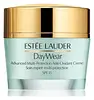
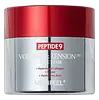
Estée Lauder DayWear Advanced Multi-Protection Anti-Oxidant Creme SPF 15 Versus MEDI-PEEL Peptide 9 Volume And Tension Tox Cream Pro
This day moisturizer is formulated around Petrolatum and Tetrahexyldecyl Ascorbate to hydrate skin.
This anti-aging moisturizer is formulated around Niacinamide and Adenosine to soften the look of wrinkles.


What's inside
What's inside
 Key Ingredients
Benefits
Concerns
Ingredients Side-by-side
Ethylhexyl Salicylate 5%
UV Absorber

Butyl Methoxydibenzoylmethane 3%
UV Absorber
Homosalate 2%
Skin Conditioning
Water
Skin ConditioningButyloctyl Salicylate
Skin Conditioning
Polyester-8
Skin Conditioning
Petrolatum
Emollient



Butylene Glycol
Humectant
Cetyl Ricinoleate
Emollient

Octyldodecyl Myristate
EmollientSteareth-21
CleansingSteareth-2
EmulsifyingCaprylic/Capric/Myristic/Stearic Triglyceride
EmollientDi-C12-15 Alkyl Fumarate
EmollientDimethicone
Emollient

Psidium Guajava Fruit Extract
AstringentGentiana Lutea Root Extract
Skin ConditioningPolygonum Cuspidatum Root Extract
Antioxidant
Hordeum Vulgare Extract
EmollientLaminaria Ochroleuca Extract
Skin Conditioning

Triticum Vulgare Germ Extract
Skin ConditioningFumaria Officinalis Flower/Leaf/Stem Extract
Skin ConditioningCitrus Medica Limonum Fruit Extract
Skin ConditioningHydrolyzed Rice Bran Extract
Skin ConditioningHydrolyzed Rice Extract
Skin Conditioning
Artemia Extract
Skin ConditioningRosmarinus Officinalis Leaf Extract
AntimicrobialVitis Vinifera Seed Extract
Antimicrobial
Stearyl Alcohol
Emollient
Butyrospermum Parkii Butter
Skin Conditioning

Thermus Thermophillus Ferment
Skin ConditioningSorbitan Olivate
Emulsifying
Caffeine
Skin Conditioning
Pentylene Glycol
Skin Conditioning
Lauryl PEG-9 Polydimethylsiloxyethyl Dimethicone
Skin Conditioning
Behenyl Alcohol
Emollient
Pantethine
EmollientTriacontanyl Pvp
HumectantAcrylic Acid/Vp Crosspolymer
SurfactantEthylhexylglycerin
Skin ConditioningGlycerin
Humectant
Linoleic Acid
Cleansing
Polyquaternium-51
Skin Conditioning
Cholesterol
Emollient
Cetearyl Olivate
Squalane
Emollient
Sodium PCA
Humectant
Urea
Buffering

Caprylic/Capric Triglyceride
Masking
Tocopheryl Acetate
Antioxidant

Tetrahexyldecyl Ascorbate
Antioxidant

Citric Acid
Buffering
Sodium Hyaluronate
Humectant
Ergothioneine
Antioxidant
Glycyrrhetinic Acid
Skin Conditioning
Trehalose
Humectant
Lecithin
Emollient
Hydrogenated Lecithin
Emulsifying
Palmitoyl Hydroxypropyltrimonium Amylopectin/Glycerin Crosspolymer
Skin ConditioningCyclodextrin
AbsorbentNordihydroguaiaretic Acid
Antioxidant
Ascorbyl Tocopheryl Maleate
Antioxidant
Sodium Hydroxide
BufferingParfum
Masking

Fumaric Acid
BufferingPentaerythrityl Tetra-Di-T-Butyl Hydroxyhydrocinnamate
Antioxidant
Ethylbisiminomethylguaiacol Manganese Chloride
Antioxidant
Disodium EDTA
ChelatingBHT
Antioxidant
Phenoxyethanol
Preservative
Benzyl Salicylate
Perfuming
Hydroxyisohexyl 3-Cyclohexene Carboxaldehyde
Masking
Butylphenyl Methylpropional
Perfuming
Linalool
Perfuming
Mica
Cosmetic ColorantCI 19140
Cosmetic ColorantCI 42090
Cosmetic ColorantCI 77289
Cosmetic ColorantEthylhexyl Salicylate 5%, Butyl Methoxydibenzoylmethane 3%, Homosalate 2%, Water, Butyloctyl Salicylate, Polyester-8, Petrolatum, Butylene Glycol, Cetyl Ricinoleate, Octyldodecyl Myristate, Steareth-21, Steareth-2, Caprylic/Capric/Myristic/Stearic Triglyceride, Di-C12-15 Alkyl Fumarate, Dimethicone, Psidium Guajava Fruit Extract, Gentiana Lutea Root Extract, Polygonum Cuspidatum Root Extract, Hordeum Vulgare Extract, Laminaria Ochroleuca Extract, Triticum Vulgare Germ Extract, Fumaria Officinalis Flower/Leaf/Stem Extract, Citrus Medica Limonum Fruit Extract, Hydrolyzed Rice Bran Extract, Hydrolyzed Rice Extract, Artemia Extract, Rosmarinus Officinalis Leaf Extract, Vitis Vinifera Seed Extract, Stearyl Alcohol, Butyrospermum Parkii Butter, Thermus Thermophillus Ferment, Sorbitan Olivate, Caffeine, Pentylene Glycol, Lauryl PEG-9 Polydimethylsiloxyethyl Dimethicone, Behenyl Alcohol, Pantethine, Triacontanyl Pvp, Acrylic Acid/Vp Crosspolymer, Ethylhexylglycerin, Glycerin, Linoleic Acid, Polyquaternium-51, Cholesterol, Cetearyl Olivate, Squalane, Sodium PCA, Urea, Caprylic/Capric Triglyceride, Tocopheryl Acetate, Tetrahexyldecyl Ascorbate, Citric Acid, Sodium Hyaluronate, Ergothioneine, Glycyrrhetinic Acid, Trehalose, Lecithin, Hydrogenated Lecithin, Palmitoyl Hydroxypropyltrimonium Amylopectin/Glycerin Crosspolymer, Cyclodextrin, Nordihydroguaiaretic Acid, Ascorbyl Tocopheryl Maleate, Sodium Hydroxide, Parfum, Fumaric Acid, Pentaerythrityl Tetra-Di-T-Butyl Hydroxyhydrocinnamate, Ethylbisiminomethylguaiacol Manganese Chloride, Disodium EDTA, BHT, Phenoxyethanol, Benzyl Salicylate, Hydroxyisohexyl 3-Cyclohexene Carboxaldehyde, Butylphenyl Methylpropional, Linalool, Mica, CI 19140, CI 42090, CI 77289
Water
Skin ConditioningButylene Glycol
Humectant
Caprylic/Capric Triglyceride
Masking
Cetyl Ethylhexanoate
EmollientGlycerin
Humectant
Cetearyl Alcohol
Emollient
Glyceryl Stearate
Emollient
Niacinamide
Smoothing


Stearic Acid
Cleansing
Dimethicone
Emollient
1,2-Hexanediol
Skin Conditioning
Sorbitan Stearate
Emulsifying
Polysorbate 20
Emulsifying
Sorbitan Sesquioleate
Emulsifying
Beeswax
Emulsion Stabilising
Microcrystalline Wax
Emulsion StabilisingPEG-100 Stearate
Surfactant
Arginine
Masking
Carbomer
Emulsion StabilisingDipropylene Glycol
HumectantHydroxyacetophenone
Antioxidant
Parfum
Masking
Panthenol
Skin Conditioning
Caprylyl Glycol
Emollient
Dipotassium Glycyrrhizate
Humectant
Hydrogenated Lecithin
Emulsifying
Adenosine
Skin Conditioning
Disodium EDTA
ChelatingMelia Azadirachta Flower Extract
Skin ConditioningEctoin
Skin Conditioning
Hydrogenated Polyisobutene
EmollientMelia Azadirachta Leaf Extract
Skin ConditioningOcimum Sanctum Leaf Extract
Skin ConditioningPropylene Glycol
Humectant
Leontopodium Alpinum Callus Culture Extract
Antioxidant
Curcuma Longa Root Extract
Antioxidant
Corallina Officinalis Extract
Skin Conditioning
Betaine
Humectant
Sodium Hyaluronate
Humectant
Centella Asiatica Extract
Cleansing
Fructan
Skin ConditioningPentylene Glycol
Skin Conditioning
Coccinia Indica Fruit Extract
Skin Conditioning
Camellia Sinensis Leaf Extract
Antimicrobial
Glycine
Buffering
Chondrus Crispus Extract
Skin Conditioning
Polygonum Cuspidatum Root Extract
Antioxidant
Scutellaria Baicalensis Root Extract
Astringent
Chamomilla Recutita Flower Extract
Masking
Serine
Masking
Glutamic Acid
Humectant
Hydroxypropyltrimonium Hyaluronate
Caviar Extract
Skin ConditioningCladosiphon Okamuranus Extract
Skin Conditioning
Ginkgo Biloba Leaf Extract
Skin Conditioning
Glycyrrhiza Glabra Root Extract
Bleaching
Hydrolyzed Elastin
EmollientRoyal Jelly Extract
Skin Conditioning
Aspartic Acid
Masking
Leucine
Skin ConditioningRosmarinus Officinalis Leaf Extract
AntimicrobialAloe Barbadensis Leaf Extract
Emollient
Lavandula Angustifolia Flower Extract
Cleansing
Alanine
Masking
Lysine
Skin ConditioningTyrosine
MaskingPhenylalanine
Masking
Proline
Skin Conditioning
Threonine
Valine
MaskingIsoleucine
Skin ConditioningHistidine
Humectant
Cysteine
Antioxidant
Methionine
Skin ConditioningCollagen
Moisturising
Collagen Amino Acids
Moisturising
Collagen Extract
Skin Conditioning
Ethylhexylglycerin
Skin ConditioningGold
Cosmetic ColorantHydrolyzed Collagen
Emollient
Hydrolyzed Hyaluronic Acid
Humectant
Sodium Acetylated Hyaluronate
Humectant
Soluble Collagen
Humectant
Copper Tripeptide-1
Skin Conditioning
Tripeptide-1
Skin Conditioning
Anemarrhena Asphodeloides Root Extract
Skin Conditioning
Acetyl Hexapeptide-8
Humectant
Acetyl Octapeptide-3
Humectant
Hexapeptide-9
Skin Conditioning
Nonapeptide-1
Skin Conditioning
Palmitoyl Pentapeptide-4
Skin Conditioning
Hyaluronic Acid
Humectant
Palmitoyl Tetrapeptide-7
Skin Conditioning
Palmitoyl Tripeptide-1
Skin Conditioning
Hydrolyzed Sodium Hyaluronate
Skin Conditioning
Sodium Hyaluronate Crosspolymer
Humectant
Tocopherol
Antioxidant
Potassium Hyaluronate
Skin ConditioningAstaxanthin
Skin Conditioning
Water, Butylene Glycol, Caprylic/Capric Triglyceride, Cetyl Ethylhexanoate, Glycerin, Cetearyl Alcohol, Glyceryl Stearate, Niacinamide, Stearic Acid, Dimethicone, 1,2-Hexanediol, Sorbitan Stearate, Polysorbate 20, Sorbitan Sesquioleate, Beeswax, Microcrystalline Wax, PEG-100 Stearate, Arginine, Carbomer, Dipropylene Glycol, Hydroxyacetophenone, Parfum, Panthenol, Caprylyl Glycol, Dipotassium Glycyrrhizate, Hydrogenated Lecithin, Adenosine, Disodium EDTA, Melia Azadirachta Flower Extract, Ectoin, Hydrogenated Polyisobutene, Melia Azadirachta Leaf Extract, Ocimum Sanctum Leaf Extract, Propylene Glycol, Leontopodium Alpinum Callus Culture Extract, Curcuma Longa Root Extract, Corallina Officinalis Extract, Betaine, Sodium Hyaluronate, Centella Asiatica Extract, Fructan, Pentylene Glycol, Coccinia Indica Fruit Extract, Camellia Sinensis Leaf Extract, Glycine, Chondrus Crispus Extract, Polygonum Cuspidatum Root Extract, Scutellaria Baicalensis Root Extract, Chamomilla Recutita Flower Extract, Serine, Glutamic Acid, Hydroxypropyltrimonium Hyaluronate, Caviar Extract, Cladosiphon Okamuranus Extract, Ginkgo Biloba Leaf Extract, Glycyrrhiza Glabra Root Extract, Hydrolyzed Elastin, Royal Jelly Extract, Aspartic Acid, Leucine, Rosmarinus Officinalis Leaf Extract, Aloe Barbadensis Leaf Extract, Lavandula Angustifolia Flower Extract, Alanine, Lysine, Tyrosine, Phenylalanine, Proline, Threonine, Valine, Isoleucine, Histidine, Cysteine, Methionine, Collagen, Collagen Amino Acids, Collagen Extract, Ethylhexylglycerin, Gold, Hydrolyzed Collagen, Hydrolyzed Hyaluronic Acid, Sodium Acetylated Hyaluronate, Soluble Collagen, Copper Tripeptide-1, Tripeptide-1, Anemarrhena Asphodeloides Root Extract, Acetyl Hexapeptide-8, Acetyl Octapeptide-3, Hexapeptide-9, Nonapeptide-1, Palmitoyl Pentapeptide-4, Hyaluronic Acid, Palmitoyl Tetrapeptide-7, Palmitoyl Tripeptide-1, Hydrolyzed Sodium Hyaluronate, Sodium Hyaluronate Crosspolymer, Tocopherol, Potassium Hyaluronate, Astaxanthin
Reviews
Ingredients Explained
These ingredients are found in both products.
Ingredients higher up in an ingredient list are typically present in a larger amount.
Butylene Glycol (or BG) is used within cosmetic products for a few different reasons:
Overall, Butylene Glycol is a safe and well-rounded ingredient that works well with other ingredients.
Though this ingredient works well with most skin types, some people with sensitive skin may experience a reaction such as allergic rashes, closed comedones, or itchiness.
Learn more about Butylene GlycolCaprylic/Capric Triglyceride (aka MCT Oil) is a lightweight emollient, solvent, and texture enhancer. It is considered a skin-softener by helping to prevent moisture loss.
Though it behaves like an oil, it is not technically one due to its chemical composition. One perk of this ingredient is that it is very stable, resistant to oxidation, and unlikely to go rancid.
In practice, that translates to a long shelf life and a consistently elegant skin feel.
While there is an assumption Caprylic Triglyceride can clog pores due to it being derived from coconut oil, there is no research supporting this. Just patch test if you have concerns.
Fractionated coconut oil and MCT Oil are both listed as Caprylic/Capric Triglyceride according to INCI. This is because INCI names are based on the ingredient’s final chemical composition and not its marketing name or source.
This ingredient is treated as the gold standard fungal acne safe oil. Even though it is coconut derived, the problematic lauric acid is stripped out.
This leaves just caprylic (C8) and capric (C10) acid. These chain lengths actually trend antifungal; a 2020 study found caprylic acid was enough to disrupt Malassezia furfur cell membrane, with a caprylic acid derivative damaging membrane structures at concentrations as low as 0.2%.
Learn more about Caprylic/Capric TriglycerideDimethicone is a type of synthetic silicone created from natural materials such as quartz. It is also known as polydimethylsiloxane.
What it does:
Dimethicone comes in different viscosities:
Depending on the viscosity, dimethicone has different properties.
Ingredients lists don't always show which type is used, so we recommend reaching out to the brand if you have questions about the viscosity.
This ingredient is unlikely to cause irritation because it does not get absorbed into skin. However, people with silicone allergies should be careful about using this ingredient.
Note: Dimethicone may contribute to pilling. This is because it is not oil or water soluble, so pilling may occur when layered with products. When mixed with heavy oils in a formula, the outcome is also quite greasy.
Learn more about DimethiconeDisodium EDTA is a chelating agent. It grabs onto and deactivates metal ions that sneak into your products from water, packaging, or air.
This ingredient mainly works behind the scenes and helps with:
On top of that, this ingredient can counteract the effects of hard water by binding to the minerals in it.
One thing worth knowing is that Disodium EDTA has been shown to be a mild penetration enhancer. It can help other ingredients absorb into skin more effectively which can be a double-edged sword (great for actives, but can also make the active too strong if you have sensitive skin).
Clinical patch testing showed no significant skin irritation at typical use concentrations and minimal dermal absorption.
You'll most likely see this ingredient near the end of an ingredient list. It's typically found in concentrations less than 1%.
Learn more about Disodium EDTAEthylhexylglycerin is created from glycerin. It is a multitasker ingredient that:
The CIR Expert Panel found minimal skin absorption or sensitization of any kind in a safety assessment. Though this ingredient is considered well-tolerated, a small number of cases of allergic dermatitis have been published since 2002. Just be sure to patch test if you are unsure.
Industry-reported use ranges from 8% in rinse-off products and 2% in leave-on formulations.
Learn more about EthylhexylglycerinGlycerin (or glycerol) is a compound naturally found in your skin. It's a powerhouse humectant that pulls water into the stratum corneum.
Topically, glycerin does several things at once:
Your skin makes glycerin on its own (mostly from sebaceous oil breakdown) and shuttles it to your outermost layer of skin, or your epidermis, via aquaporin-3.
Aquaporin-3 is a transporter that is essential for normal skin hydration, elasticity, and repair. Interestingly, mice lacking in AQP3 have dry and less elastic skin that can be fully corrected with glycerin.
This ingredient is non-irritating, plays well with almost every ingredient, and works across all skin types. Typical use is anywhere between 3-10% but can go up to 79% in some leave-on products.
Just know very high concentrations (>40%) can feel tacky in low humidity.
Glycerin is the name for this ingredient in American English. British English uses Glycerol/Glycerine.
Learn more about GlycerinHydrogenated Lecithin is a more stable version of lecithin.
It's made by taking lecithin (a phospholipid commonly found in soybeans and egg yolks) and hydrogenating it. This just means the unsaturated fatty acids are turned into saturated ones so they don't go bad as easily.
This ingredient is an emollient, emulsifier, and penetration enhancer. As an emollient, it helps soften and hydrate skin by trapping moisture within. As an emulsifier, it prevents oil and water ingredients from separating.
Hydrogenated Lecithin can form tiny spherical structures made of phospholipid bilayers called liposomes. These liposomes are able to capture compounds inside their structure and deliver them through the skin barrier.
Because phospholipids are a natural component of our cell membranes, this ingredient is inherently compatible with skin.
A 2021 study found lecithin-based surfactants were less harsh and more tolerable comared to Sodium Lauryl Sulfate (SLS).
Learn more about Hydrogenated LecithinParfum is a catch-all term for an ingredient or more that is used to give a scent to products.
Also called "fragrance", this ingredient can be a blend of hundreds of chemicals or plant oils. This means every product with "fragrance" or "parfum" in the ingredients list is a different mixture.
For instance, Habanolide is a proprietary trade name for a specific aroma chemical. When used as a fragrance ingredient in cosmetics, most aroma chemicals fall under the broad labeling category of “FRAGRANCE” or “PARFUM” according to EU and US regulations.
The term 'parfum' or 'fragrance' is not regulated in many countries. In many cases, it is up to the brand to define this term.
For instance, many brands choose to label themselves as "fragrance-free" because they are not using synthetic fragrances. However, their products may still contain ingredients such as essential oils that are considered a fragrance by INCI standards.
One example is Calendula flower extract. Calendula is an essential oil that still imparts a scent or 'fragrance'.
Depending on the blend, the ingredients in the mixture can cause allergies and sensitivities on the skin. Some ingredients that are known EU allergens include linalool and citronellol.
Parfum can also be used to mask or cover an unpleasant scent.
The bottom line is: not all fragrances/parfum/ingredients are created equally. If you are worried about fragrances, we recommend taking a closer look at an ingredient. And of course, we always recommend speaking with a professional.
Learn more about ParfumPentylene Glycol (1,2-pentanediol) is a multitasking little diol with three main roles in a formula:
Research on alkanediols (the family pentylene glycol belongs to) show they work by disrupting microbial cell membranes. This disruption helps the primary preservative system in a product work more effectively at lower doses.
On the safety side, the Cosmetic Ingredient Review Expert Panel has concluded this ingredient to be safe as used in current cosmetic practices + concentrations.
Typical use levels in a formula run about 1-5%.
Learn more about Pentylene GlycolPolygonum Cuspidatum Root Extract comes from the Japanese Knotweed plant native to Japan, Korea, and China.
This plant contains anti-inflammatory and antioxidant properties. It contains high amounts of resveratrol, a potent antioxidant.
The root of the plant has been used in traditional folk medicine throughout Asia.
Learn more about Polygonum Cuspidatum Root ExtractThis is a botanical extract from the rosemary plant (the same one you cook with). In skincare, it mostly works as a skin conditioning agent.
Its activity comes from a handful of polyphenols, carnosic acid, carnosol, and rosmarinic acid. Almost 90% of the antioxidant activity of this ingredient can be attributed to canosol and carnosic acid.
These compounds protect your skin two ways:
1) They fight off free radicals, or the unstable molecules from things like sun and pollution that age and damage skin.
2) They help calm inflammation by switching off the chemical signals that tell skin to get red and irritated.
Lab studies also suggest that rosmarinic acid may help protect collagen and slow sugar-related damage to it.
The Cosmetic Ingredient Review has concluded rosemary-derived ingredients to be safe when formulated to be non-sensitizing.
Rosemary can occasionally cause allergic contact dermatitis (due to carnosol), so be sure to patch test if you have reactive or fragrance-sensitive skin.
Learn more about Rosmarinus Officinalis Leaf ExtractSodium Hyaluronate is the salt form of hyaluronic acid. It is a long sugar chain that is naturally found in your skin, joints, and connective tissue that maintains hydration and elasticity.
In skincare, it works as a humectant. It pulls water from the environment and deeper layers of skin and binds it to the surface.
Interestingly, the size of the molecule affects its behavior:
Some clinical evidence links low molecular weight versions to improved wrinkle depth, elasticity, anti-inflammatory effects, and barrier repair.
Many serums use a blend of both weights so you can get surface hydration plus longer-lasting and deeper effects.
You'll typically see concentrations between 0.1-2% for this ingredient.
Learn more about Sodium HyaluronateWater. It's the most common cosmetic ingredient of all. You'll usually see it at the top of ingredient lists, meaning that it makes up the largest part of the product.
So why is it so popular? Water most often acts as a solvent - this means that it helps dissolve other ingredients into the formulation.
You'll also recognize water as that liquid we all need to stay alive. If you see this, drink a glass of water. Remember to stay hydrated!
Learn more about Water


