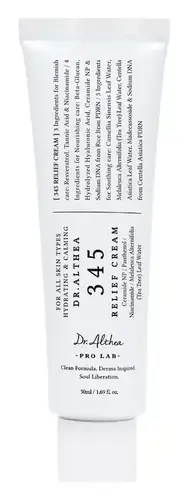
This barrier-repair moisturizer is formulated around Ceramide NP and Centella Asiatica Leaf Extract to strengthen the skin barrier and calm redness.
This anti-aging moisturizer is formulated around Niacinamide and Asiaticoside to soften the look of wrinkles and strengthen the skin barrier.


What's inside
What's inside
 Key Ingredients
Benefits
Concerns
Ingredients Side-by-side
Water
Skin ConditioningGlycerin
Humectant


Butyrospermum Parkii Butter
Skin Conditioning




Tridecyl Trimellitate
EmollientIsostearyl Isostearate
Emollient
Glyceryl Stearate Citrate
Emollient
Capryloyl Glycerin/Sebacic Acid Copolymer
Skin ConditioningPropanediol
Solvent
Diheptyl Succinate
EmollientC12-16 Alcohols
EmollientTriheptanoin
Skin ConditioningCoco-Caprylate/Caprate
Emollient
Hydrogenated Lecithin
Emulsifying
Palmitic Acid
Emollient
Myristyl Nicotinate
Skin ConditioningHeptapeptide-68 Amide Acetate

Ceramide NP
Skin Conditioning



Centella Asiatica Leaf Extract
Skin Conditioning
Ceramide AP
Skin Conditioning
Ceramide As
Skin Conditioning
Ceramide Ns
Skin Conditioning
Cholesterol
Emollient
Ceramide EOP
Skin Conditioning
Bacillus/Sea Salt Ferment Filtrate
Skin ConditioningBeta-Glucan
Skin Conditioning
Tetrapeptide-14
Skin Conditioning
1,2-Hexanediol
Skin Conditioning
Oryza Sativa Bran Extract
Skin Conditioning
Dilinoleic Acid/Butanediol Copolymer
Xanthan Gum
EmulsifyingCaprylhydroxamic Acid
ChelatingHelianthus Annuus Extract
Emollient
Trisodium Ethylenediamine Disuccinate
Chelating2,3-Butanediol
HumectantPotassium Sorbate
Preservative
Citric Acid
Buffering

Tocopherol
Antioxidant


Pentylene Glycol
Skin Conditioning
Rosmarinus Officinalis Leaf Extract
AntimicrobialAdenosine
Skin Conditioning
Phaeodactylum Tricornutum Extract
HumectantCastor Oil/Ipdi Copolymer

Caprylyl Glycol
Emollient
Lecithin
Emollient
Glyceryl Stearate
Emollient
Water, Glycerin, Butyrospermum Parkii Butter, Tridecyl Trimellitate, Isostearyl Isostearate, Glyceryl Stearate Citrate, Capryloyl Glycerin/Sebacic Acid Copolymer, Propanediol, Diheptyl Succinate, C12-16 Alcohols, Triheptanoin, Coco-Caprylate/Caprate, Hydrogenated Lecithin, Palmitic Acid, Myristyl Nicotinate, Heptapeptide-68 Amide Acetate, Ceramide NP, Centella Asiatica Leaf Extract, Ceramide AP, Ceramide As, Ceramide Ns, Cholesterol, Ceramide EOP, Bacillus/Sea Salt Ferment Filtrate, Beta-Glucan, Tetrapeptide-14, 1,2-Hexanediol, Oryza Sativa Bran Extract, Dilinoleic Acid/Butanediol Copolymer, Xanthan Gum, Caprylhydroxamic Acid, Helianthus Annuus Extract, Trisodium Ethylenediamine Disuccinate, 2,3-Butanediol, Potassium Sorbate, Citric Acid, Tocopherol, Pentylene Glycol, Rosmarinus Officinalis Leaf Extract, Adenosine, Phaeodactylum Tricornutum Extract, Castor Oil/Ipdi Copolymer, Caprylyl Glycol, Lecithin, Glyceryl Stearate
Water
Skin ConditioningDipropylene Glycol
HumectantHydrogenated Polydecene
EmollientCaprylic/Capric Triglyceride
Masking
Glycerin
Humectant
Pentaerythrityl Tetraethylhexanoate
Emollient
Glyceryl Stearate
Emollient
Cyclohexasiloxane
Emollient
Niacinamide
Smoothing




Cetyl Alcohol
Emollient
Polyglyceryl-6 Distearate
Emulsifying
Vinyldimethicone
Dicaprylyl Ether
Emollient
Polyglyceryl-10 Laurate
Skin Conditioning
Stearyl Alcohol
Emollient
Jojoba Esters
Emollient
Beeswax
Emulsion Stabilising
Panthenol
Skin Conditioning
1,2-Hexanediol
Skin Conditioning
Sodium Stearoyl Glutamate
CleansingMadecassic Acid
Skin Conditioning
Asiaticoside
Antioxidant
Xylitylglucoside
Humectant
Hydroxyethyl Acrylate/Sodium Acryloyldimethyl Taurate Copolymer
Emulsion StabilisingOlea Europaea Fruit Oil
Masking
Hydroxyacetophenone
Antioxidant
Anhydroxylitol
Humectant
Centella Asiatica Leaf Extract
Skin Conditioning
Asiatic Acid
Skin Conditioning
Glycoproteins
Skin Conditioning
Butylene Glycol
Humectant
Polyglyceryl-3 Beeswax
Emulsifying
Xylitol
Humectant
Centella Asiatica Oil
Antimicrobial
Methylpropanediol
SolventAllantoin
Skin Conditioning
Propanediol
Solvent
Candida Bombicola/Glucose/Methyl Rapeseedate Ferment
AntimicrobialCitrus Aurantium Dulcis Oil
Masking
Xanthan Gum
EmulsifyingHelianthus Annuus Seed Wax
Skin Conditioning
Ethylhexylglycerin
Skin ConditioningEthoxydiglycol
HumectantCitrus Nobilis Peel Oil
Masking
Glucose
Humectant
Disodium EDTA
ChelatingAdenosine
Skin Conditioning
Sorbitan Isostearate
Emulsifying
Lavandula Angustifolia Oil
Masking


Sodium Laurate
CleansingCyclodextrin
AbsorbentHydrolyzed Hyaluronic Acid
Humectant
Citrus Aurantium Bergamia Fruit Oil
Masking
Citrus Aurantium Dulcis Peel Oil
Masking
Rosmarinus Officinalis Leaf Oil
Masking
Litsea Cubeba Fruit Oil
Masking
Macadamia Ternifolia Seed Oil
Emollient
Polyglycerin-3
Humectant
Pvm/Ma Copolymer
Emulsion StabilisingLauric Acid
Cleansing
Sodium Polyacrylate
Absorbent
Octyldodecanol
Emollient
Glycine Soja Oil
Emollient
Hydrogenated Lecithin
Emulsifying
Glycolipids
Skin ConditioningCaffeine
Skin Conditioning
Madecassoside
Antioxidant
Centella Asiatica Extract
Cleansing
C12-13 Pareth-9
EmulsifyingCollagen Amino Acids
Moisturising
Ceramide NP
Skin Conditioning
Copaifera Officinalis Resin
MaskingCitrus Grandis Peel Oil
Masking
Juniperus Virginiana Oil
Masking
Cimicifuga Racemosa Root Extract
Antimicrobial
Silybum Marianum Extract
Skin Conditioning
Resveratrol
Antioxidant
Arginine
Masking
Taurine
BufferingGlycogen
HumectantHydrolyzed Elastin
EmollientEctoin
Skin Conditioning
Cedrus Atlantica Bark Oil
Masking
Retinol
Skin Conditioning
Lepidium Meyenii Root Extract
Skin ConditioningMaltodextrin
Absorbent
Ascorbic Acid
Antioxidant
Hydrolyzed Vegetable Protein
Skin ConditioningPelargonium Graveolens Flower Oil
Masking
Phytosphingosine
Skin Conditioning
Tocopherol
Antioxidant
Sucrose Distearate
Emollient
Sodium Hyaluronate
Humectant
Sodium DNA
Skin Conditioning
Jasminum Officinale Oil
Masking
Potassium Sorbate
Preservative
Phenoxyethanol
Preservative
Artemisia Absinthium Extract
Skin ConditioningMyrtus Communis Oil
Masking
Rose Flower Oil
Masking
Vanilla Planifolia Fruit Extract
Skin Conditioning
Cyanocobalamin
Skin ConditioningAspartic Acid
Masking
Ferula Galbaniflua Resin Oil
Antimicrobial
Glycine
Buffering
Glutamic Acid
Humectant
Limonene
Perfuming
Linalool
Perfuming
Citral
Perfuming
Camphor
Masking
Beta-Caryophyllene
Masking
Citrus Aurantium Peel Oil
Citrus Aurantium Bergamia Peel Oil
Perfuming
Lavandula Oil/Extract
Linalyl Acetate
Masking
Pinene
Masking
Water, Dipropylene Glycol, Hydrogenated Polydecene, Caprylic/Capric Triglyceride, Glycerin, Pentaerythrityl Tetraethylhexanoate, Glyceryl Stearate, Cyclohexasiloxane, Niacinamide, Cetyl Alcohol, Polyglyceryl-6 Distearate, Vinyldimethicone, Dicaprylyl Ether, Polyglyceryl-10 Laurate, Stearyl Alcohol, Jojoba Esters, Beeswax, Panthenol, 1,2-Hexanediol, Sodium Stearoyl Glutamate, Madecassic Acid, Asiaticoside, Xylitylglucoside, Hydroxyethyl Acrylate/Sodium Acryloyldimethyl Taurate Copolymer, Olea Europaea Fruit Oil, Hydroxyacetophenone, Anhydroxylitol, Centella Asiatica Leaf Extract, Asiatic Acid, Glycoproteins, Butylene Glycol, Polyglyceryl-3 Beeswax, Xylitol, Centella Asiatica Oil, Methylpropanediol, Allantoin, Propanediol, Candida Bombicola/Glucose/Methyl Rapeseedate Ferment, Citrus Aurantium Dulcis Oil, Xanthan Gum, Helianthus Annuus Seed Wax, Ethylhexylglycerin, Ethoxydiglycol, Citrus Nobilis Peel Oil, Glucose, Disodium EDTA, Adenosine, Sorbitan Isostearate, Lavandula Angustifolia Oil, Sodium Laurate, Cyclodextrin, Hydrolyzed Hyaluronic Acid, Citrus Aurantium Bergamia Fruit Oil, Citrus Aurantium Dulcis Peel Oil, Rosmarinus Officinalis Leaf Oil, Litsea Cubeba Fruit Oil, Macadamia Ternifolia Seed Oil, Polyglycerin-3, Pvm/Ma Copolymer, Lauric Acid, Sodium Polyacrylate, Octyldodecanol, Glycine Soja Oil, Hydrogenated Lecithin, Glycolipids, Caffeine, Madecassoside, Centella Asiatica Extract, C12-13 Pareth-9, Collagen Amino Acids, Ceramide NP, Copaifera Officinalis Resin, Citrus Grandis Peel Oil, Juniperus Virginiana Oil, Cimicifuga Racemosa Root Extract, Silybum Marianum Extract, Resveratrol, Arginine, Taurine, Glycogen, Hydrolyzed Elastin, Ectoin, Cedrus Atlantica Bark Oil, Retinol, Lepidium Meyenii Root Extract, Maltodextrin, Ascorbic Acid, Hydrolyzed Vegetable Protein, Pelargonium Graveolens Flower Oil, Phytosphingosine, Tocopherol, Sucrose Distearate, Sodium Hyaluronate, Sodium DNA, Jasminum Officinale Oil, Potassium Sorbate, Phenoxyethanol, Artemisia Absinthium Extract, Myrtus Communis Oil, Rose Flower Oil, Vanilla Planifolia Fruit Extract, Cyanocobalamin, Aspartic Acid, Ferula Galbaniflua Resin Oil, Glycine, Glutamic Acid, Limonene, Linalool, Citral, Camphor, Beta-Caryophyllene, Citrus Aurantium Peel Oil, Citrus Aurantium Bergamia Peel Oil, Lavandula Oil/Extract, Linalyl Acetate, Pinene
Reviews
Ingredients Explained
These ingredients are found in both products.
Ingredients higher up in an ingredient list are typically present in a larger amount.
1,2-Hexanediol is a synthetic liquid and another multi-functional powerhouse.
It is a:
- Humectant, drawing moisture into the skin
- Emollient, helping to soften skin
- Solvent, dispersing and stabilizing formulas
- Preservative booster, enhancing the antimicrobial activity of other preservatives
Adenosine is a purine nucleoside that your body already makes in every cell. In skincare, it acts mainly as a skin conditioning and anti-aging agent.
The way it works is fairly well mapped out:
Your skin has cells called fibroblasts that build collagen (the stuff that keeps skin firm and smooth). Adenosine basically flips a switch on these cells that tells them to get to work making more collagen and other proteins. These cells slow down on their own as skin ages, so Adenosine helps give them a little nudge to keep going.
The clinical backing is pretty solid too.
A blind, randomized, placebo-controlled trial of 126 women aged 45-65 tested a 0.1% cream twice daily and found real improvements in crow's feet and frown lines using a precise 3D skin-mapping technique; these changes showed up by week 3 and held at 2 months.
A later study using Adenosine-loaded dissolving microneedle patches reported gains in wrinkle depth, dermal density, elasticity, and hydration.
On concentrations, South Korea's Ministry of Food and Drug Safety has set 0.04% as the approved functional anti-wrinkle level. You'll typically see this ingredient used somewhere in the 0.04-0.1% range since it works at low doses.
This ingredient has been found safe for cosmetics with the data showing no irritation or sensitization.
Overall, this is a great ingredient for any anti-aging routine and has no photosensitizing effect, so it suits both AM and PM use.
Learn more about AdenosineCentella Asiatica Leaf Extract comes from the leaves of an herb plant native to Southeast Asia. Centella Asiatica is rich in antioxidants and amino acids. It can help reduce irritation and soothe the skin.
Many active components found in centella asiatica, such as Madecassic Acid and Asiaticoside, encourage the skin to naturally produce hyaluronic acid. This helps keep our skin hydrated. Many of these components also show antioxidant activity and may help reduce the signs of aging.
Research shows centella asiatica can help increase Type I collagen production by increasing fibroblast production. Fibroblast helps form connective tissue.
The combination of all these properties makes centella asiatica leaf extract effective at soothing the skin.
Other components of centella asiatica leaf extract include Vitamin A, vitamin C, several B vitamins, and Asiatic Acid.
Recent studies found madecassoside may help prevent damage from UV rays by preventing UV-induced inflammation. Further research is needed.
This plant has been used as a medicine and in food for many centuries. As a medicine, it is used to treat burns, scratches, and wounds.
Learn more about Centella Asiatica Leaf ExtractCeramide NP (formerly known as Ceramide 3) is one of the skin's naturally occurring lipids.
Since ceramides are the major lipid components of the skin, they are crucial for maintaining skin barrier and hydration. Ceramide NP most closely mirrors the dominant kind in human skin amongst ceramide subtypes.
This ceramide works by slotting into gaps within the stratum corneum's lipid matrix to limit trans-epidermal water loss (TEWL) and shield the skin against external irritants.
A study with 312 patients found that using a ceramide-containing routine for 4 weeks reduced the severity of atopic dermatitis by over 61%.
Another clinical study in subjects aged 60 and older found that a ceramide body wash and moisturizer improved skin dryness and itchy skin in 15 days.
Overall, ceramides are considered non-irritating and safety tests have found little to no observable adverse effects from using this ingredient.
Ceramide NP is usually sourced from plants (like soybean or rice bran), or produced synthetically.
Learn more about Ceramide NPGlycerin (or glycerol) is a compound naturally found in your skin. It's a powerhouse humectant that pulls water into the stratum corneum.
Topically, glycerin does several things at once:
Your skin makes glycerin on its own (mostly from sebaceous oil breakdown) and shuttles it to your outermost layer of skin, or your epidermis, via aquaporin-3.
Aquaporin-3 is a transporter that is essential for normal skin hydration, elasticity, and repair. Interestingly, mice lacking in AQP3 have dry and less elastic skin that can be fully corrected with glycerin.
This ingredient is non-irritating, plays well with almost every ingredient, and works across all skin types. Typical use is anywhere between 3-10% but can go up to 79% in some leave-on products.
Just know very high concentrations (>40%) can feel tacky in low humidity.
Glycerin is the name for this ingredient in American English. British English uses Glycerol/Glycerine.
Learn more about GlycerinGlyceryl Stearate is made by reacting glycerin with stearic acid (typically sourced from plant oils like palm or coconut). It's an emulsifier, emollient, and mild occlusive.
Emulsifiers help ingredients like oil and water stay mixed so your formula stays nicely blended and uniform in texture.
This ingredient is typically used in concentrations between 1-10%. Studies have found it to be non-sensitizing, non-phototoxic, and non-photoallergenic.
A close cousin of this ingredient is Glyceryl Stearate SE ("self-emulsifying"). This just has a small amount of sodium or potassium stearate added so it can emulsify without a co-emulsifier.
Since this ingredient is an ester of a C18 fatty acid, it may not be fungal acne safe. The Malassezia yeast can potentially metabolize within the C11-C24 range.
Fun fact: The human body also creates Glyceryl Stearate naturally.
Learn more about Glyceryl StearateHydrogenated Lecithin is a more stable version of lecithin.
It's made by taking lecithin (a phospholipid commonly found in soybeans and egg yolks) and hydrogenating it. This just means the unsaturated fatty acids are turned into saturated ones so they don't go bad as easily.
This ingredient is an emollient, emulsifier, and penetration enhancer. As an emollient, it helps soften and hydrate skin by trapping moisture within. As an emulsifier, it prevents oil and water ingredients from separating.
Hydrogenated Lecithin can form tiny spherical structures made of phospholipid bilayers called liposomes. These liposomes are able to capture compounds inside their structure and deliver them through the skin barrier.
Because phospholipids are a natural component of our cell membranes, this ingredient is inherently compatible with skin.
A 2021 study found lecithin-based surfactants were less harsh and more tolerable comared to Sodium Lauryl Sulfate (SLS).
Learn more about Hydrogenated LecithinPotassium Sorbate is a preservative used to prevent yeast and mold in products. It is commonly found in both cosmetic and food products.
This ingredient comes from potassium salt derived from sorbic acid. Sorbic acid is a natural antibiotic and effective against fungus.
Both potassium sorbate and sorbic acid can be found in baked goods, cheeses, dried meats, dried fruit, ice cream, pickles, wine, yogurt, and more.
You'll often find this ingredient used with other preservatives.
Learn more about Potassium SorbatePropanediol is an all-star ingredient. It softens, hydrates, and smooths the skin.
It’s often used to:
Propanediol is not likely to cause sensitivity and considered safe to use. It is derived from corn or petroleum with a clear color and no scent.
Learn more about PropanediolTocopherol is a fat-soluble antioxidant known as Vitamin E.
You'll find this ingredient in the vast majority of skincare (for good reason). It works to neutralize free radicals, or unstable molecules generated by UV exposure, pollution, and other environmental stressors, before they can cause oxidative damage to your skin cells.
Topically applied tocopherol has been shown to protect against UV damage by ramping up the skin's own natural defense enzymes.
It also acts as a skin conditioning agent; some studies show that regular topical use can improve the skin's water-binding capacity over 2-4 weeks.
This ingredient is especially loved for being a team player. When combined with Vitamin C, the photoprotective effect of both ingredients roughly doubles and the combo also helps reduce UV-induced DNA damage.
This ingredient has some brightening potential but it's more of a prevention ingredient than spot-fader. Cell studies show it can slow down melanin production but it's worth noting that it's not the most powerful brightener out there.
In formulations, it also serves as a stabilizer that helps protect other oxidation-prone ingredients from degrading.
Concentrations usually range from 0.1-1% in most leave-on products.
Learn more about TocopherolWater. It's the most common cosmetic ingredient of all. You'll usually see it at the top of ingredient lists, meaning that it makes up the largest part of the product.
So why is it so popular? Water most often acts as a solvent - this means that it helps dissolve other ingredients into the formulation.
You'll also recognize water as that liquid we all need to stay alive. If you see this, drink a glass of water. Remember to stay hydrated!
Learn more about WaterXanthan gum is used as a stabilizer and thickener within cosmetic products. It helps give products a sticky, thick feeling - preventing them from being too runny.
On the technical side of things, xanthan gum is a polysaccharide - a combination consisting of multiple sugar molecules bonded together.
Xanthan gum is a pretty common and great ingredient. It is a natural, non-toxic, non-irritating ingredient that is also commonly used in food products.
Learn more about Xanthan Gum