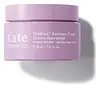
This barrier-repair moisturizer is formulated around Ceramide NP and Phytosphingosine to strengthen the skin barrier and calm redness.
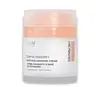
This barrier-repair moisturizer is formulated around Ceramide NP and Centella Asiatica Leaf Extract to strengthen the skin barrier and calm redness.

What's inside
What's inside
 Key Ingredients
Benefits
Concerns
Ingredients Side-by-side
Water
Skin ConditioningGlycerin
Humectant


Trimethylolpropane Tricaprylate/Tricaprate
EmollientPentaerythrityl Tetraisostearate
Emollient

Coco-Caprylate/Caprate
Emollient
Pentaerythrityl Distearate
Emulsifying
Cetearyl Alcohol
Emollient



Caprylic/Capric Triglyceride
Masking
Bis-Stearyl Dimethicone
Emollient
Propanediol
Solvent
Butyrospermum Parkii Butter
Skin Conditioning
Pentylene Glycol
Skin Conditioning
Hexyldecanol
Emollient
Glyceryl Stearate
Emollient
Dimethicone
Emollient
Ceramide NP
Skin Conditioning



Mel
EmollientTetrapeptide-14
Skin Conditioning
Ceramide EOP
Skin Conditioning
Boswellia Serrata Extract
Skin Conditioning
Phytosphingosine
Skin Conditioning
Ceramide AP
Skin Conditioning
Cholesterol
Emollient
Camellia Sinensis Leaf Extract
Antimicrobial



Glycine Soja Seed Extract
Skin Conditioning
Oryza Sativa Bran Extract
Skin Conditioning
Ectoin
Skin Conditioning
Cetylhydroxyproline Palmitamide
Skin ConditioningBisabolol
Antioxidant
Cucumis Sativus Seed Oil
Emollient
Hydroxyectoin
Buffering
Helianthus Annuus Seed Oil
Emollient
Adenosine
Skin Conditioning
Tasmannia Lanceolata Fruit/Leaf Extract
Antioxidant
Sorbitan Isostearate
Emulsifying
Stearic Acid
Cleansing
Brassica Campestris Sterols
EmollientTocopherol
Antioxidant
Rosmarinus Officinalis Leaf Extract
AntimicrobialZingiber Officinale Root Extract
Masking
Aspalathus Linearis Extract
Skin ConditioningAminomethyl Propanol
BufferingHydroxyphenyl Propamidobenzoic Acid
Skin Conditioning1,2-Hexanediol
Skin Conditioning
PEG-40 Stearate
Emulsifying
Hydroxyethyl Acrylate/Sodium Acryloyldimethyl Taurate Copolymer
Emulsion StabilisingButylene Glycol
Humectant
4-T-Butylcyclohexanol
Masking

Isohexadecane
EmollientPolysilicone-11
Ceteareth-20
Cleansing
Sodium Lauroyl Lactylate
EmulsifyingCaprylhydroxamic Acid
ChelatingXanthan Gum
EmulsifyingPolysorbate 60
Emulsifying
Trisodium Ethylenediamine Disuccinate
ChelatingCarbomer
Emulsion StabilisingCitric Acid
Buffering
Phenoxyethanol
Preservative
Sodium Benzoate
Masking
Potassium Sorbate
Preservative
Water, Glycerin, Trimethylolpropane Tricaprylate/Tricaprate, Pentaerythrityl Tetraisostearate, Coco-Caprylate/Caprate, Pentaerythrityl Distearate, Cetearyl Alcohol, Caprylic/Capric Triglyceride, Bis-Stearyl Dimethicone, Propanediol, Butyrospermum Parkii Butter, Pentylene Glycol, Hexyldecanol, Glyceryl Stearate, Dimethicone, Ceramide NP, Mel, Tetrapeptide-14, Ceramide EOP, Boswellia Serrata Extract, Phytosphingosine, Ceramide AP, Cholesterol, Camellia Sinensis Leaf Extract, Glycine Soja Seed Extract, Oryza Sativa Bran Extract, Ectoin, Cetylhydroxyproline Palmitamide, Bisabolol, Cucumis Sativus Seed Oil, Hydroxyectoin, Helianthus Annuus Seed Oil, Adenosine, Tasmannia Lanceolata Fruit/Leaf Extract, Sorbitan Isostearate, Stearic Acid, Brassica Campestris Sterols, Tocopherol, Rosmarinus Officinalis Leaf Extract, Zingiber Officinale Root Extract, Aspalathus Linearis Extract, Aminomethyl Propanol, Hydroxyphenyl Propamidobenzoic Acid, 1,2-Hexanediol, PEG-40 Stearate, Hydroxyethyl Acrylate/Sodium Acryloyldimethyl Taurate Copolymer, Butylene Glycol, 4-T-Butylcyclohexanol, Isohexadecane, Polysilicone-11, Ceteareth-20, Sodium Lauroyl Lactylate, Caprylhydroxamic Acid, Xanthan Gum, Polysorbate 60, Trisodium Ethylenediamine Disuccinate, Carbomer, Citric Acid, Phenoxyethanol, Sodium Benzoate, Potassium Sorbate
Water
Skin ConditioningGlycerin
Humectant
Butyrospermum Parkii Butter
Skin Conditioning
Tridecyl Trimellitate
EmollientIsostearyl Isostearate
Emollient
Glyceryl Stearate Citrate
Emollient
Capryloyl Glycerin/Sebacic Acid Copolymer
Skin ConditioningPropanediol
Solvent
Diheptyl Succinate
EmollientC12-16 Alcohols
EmollientTriheptanoin
Skin ConditioningCoco-Caprylate/Caprate
Emollient
Hydrogenated Lecithin
Emulsifying
Palmitic Acid
Emollient
Myristyl Nicotinate
Skin ConditioningHeptapeptide-68 Amide Acetate
Ceramide NP
Skin Conditioning
Centella Asiatica Leaf Extract
Skin Conditioning
Ceramide AP
Skin Conditioning
Ceramide As
Skin Conditioning
Ceramide Ns
Skin Conditioning
Cholesterol
Emollient
Ceramide EOP
Skin Conditioning
Bacillus/Sea Salt Ferment Filtrate
Skin ConditioningBeta-Glucan
Skin Conditioning
Tetrapeptide-14
Skin Conditioning
1,2-Hexanediol
Skin Conditioning
Oryza Sativa Bran Extract
Skin Conditioning
Dilinoleic Acid/Butanediol Copolymer
Xanthan Gum
EmulsifyingCaprylhydroxamic Acid
ChelatingHelianthus Annuus Extract
Emollient
Trisodium Ethylenediamine Disuccinate
Chelating2,3-Butanediol
HumectantPotassium Sorbate
Preservative
Citric Acid
Buffering
Tocopherol
Antioxidant
Pentylene Glycol
Skin Conditioning
Rosmarinus Officinalis Leaf Extract
AntimicrobialAdenosine
Skin Conditioning
Phaeodactylum Tricornutum Extract
HumectantCastor Oil/Ipdi Copolymer
Caprylyl Glycol
Emollient
Lecithin
Emollient
Glyceryl Stearate
Emollient
Water, Glycerin, Butyrospermum Parkii Butter, Tridecyl Trimellitate, Isostearyl Isostearate, Glyceryl Stearate Citrate, Capryloyl Glycerin/Sebacic Acid Copolymer, Propanediol, Diheptyl Succinate, C12-16 Alcohols, Triheptanoin, Coco-Caprylate/Caprate, Hydrogenated Lecithin, Palmitic Acid, Myristyl Nicotinate, Heptapeptide-68 Amide Acetate, Ceramide NP, Centella Asiatica Leaf Extract, Ceramide AP, Ceramide As, Ceramide Ns, Cholesterol, Ceramide EOP, Bacillus/Sea Salt Ferment Filtrate, Beta-Glucan, Tetrapeptide-14, 1,2-Hexanediol, Oryza Sativa Bran Extract, Dilinoleic Acid/Butanediol Copolymer, Xanthan Gum, Caprylhydroxamic Acid, Helianthus Annuus Extract, Trisodium Ethylenediamine Disuccinate, 2,3-Butanediol, Potassium Sorbate, Citric Acid, Tocopherol, Pentylene Glycol, Rosmarinus Officinalis Leaf Extract, Adenosine, Phaeodactylum Tricornutum Extract, Castor Oil/Ipdi Copolymer, Caprylyl Glycol, Lecithin, Glyceryl Stearate
Reviews
Ingredients Explained
These ingredients are found in both products.
Ingredients higher up in an ingredient list are typically present in a larger amount.
1,2-Hexanediol is a synthetic liquid and another multi-functional powerhouse.
It is a:
- Humectant, drawing moisture into the skin
- Emollient, helping to soften skin
- Solvent, dispersing and stabilizing formulas
- Preservative booster, enhancing the antimicrobial activity of other preservatives
Adenosine is a purine nucleoside that your body already makes in every cell. In skincare, it acts mainly as a skin conditioning and anti-aging agent.
The way it works is fairly well mapped out:
Your skin has cells called fibroblasts that build collagen (the stuff that keeps skin firm and smooth). Adenosine basically flips a switch on these cells that tells them to get to work making more collagen and other proteins. These cells slow down on their own as skin ages, so Adenosine helps give them a little nudge to keep going.
The clinical backing is pretty solid too.
A blind, randomized, placebo-controlled trial of 126 women aged 45-65 tested a 0.1% cream twice daily and found real improvements in crow's feet and frown lines using a precise 3D skin-mapping technique; these changes showed up by week 3 and held at 2 months.
A later study using Adenosine-loaded dissolving microneedle patches reported gains in wrinkle depth, dermal density, elasticity, and hydration.
On concentrations, South Korea's Ministry of Food and Drug Safety has set 0.04% as the approved functional anti-wrinkle level. You'll typically see this ingredient used somewhere in the 0.04-0.1% range since it works at low doses.
This ingredient has been found safe for cosmetics with the data showing no irritation or sensitization.
Overall, this is a great ingredient for any anti-aging routine and has no photosensitizing effect, so it suits both AM and PM use.
Learn more about AdenosineThis ingredient is also known as shea butter. It is a plant-derived extract from the nuts of the Africa shea tree and one of the most well-studied emollients.
Because it has a high concentration of fatty acids (primarily oleic, stearic, and linoleic) it is able to form a protective barrier on the skin's surface. This helps seal in moisture and prevents transepidermal water loss (TEWL).
In vitro research found an increase in skin hydration by 58% and a decrease in TEWL by 37.8% after 24 hours of applying this ingredient (pretty impressive for a single ingredient!).
Besides hydration, shea butter also contains triterpenes that have anti-inflammatory potential. In particule, lupeol cinnamate has shown the highest anti-inflammatory activity in vivo.
Shea butter also contains vitamins A and E which may contribute to antioxidant activity.
While Shea Butter has an SPF rating of about 3-4, it is not a sunscreen replacement.
This ingredient may not be fungal acne safe because its fatty acids fall within the C11-C24 range that the Malassezia yeast can metabolize.
This ingredient shows up on a lot of "pore-clogging" lists but there's no real evidence behind that. It doesn't even have a comedogenic rating from an actual study; the numbers you'll find online come from blogs citing other blogs.
Ratings for other ingredients mostly come from a 1980s rabbit ear test. This test doesn't translate well to human skin or to real products because the ingredient sits at a much lower percentage.
Some people still find it breaks them out. So if that's you, definitely trust your skin. Just know this one's based on experience and not evidence.
Learn more about Butyrospermum Parkii ButterCaprylhydroxamic Acid is a chelating agent that helps cosmetics stay fresh, stable, and consistent over time.
Chelating agents help prevent metal ions from binding to other ingredients. This helps prevent unwanted reactions and effects from using the product. It also helps prevent the growth of unwanted microbes in products that contain water.
Caprylhydroxamic Acid is often used with natural antimicrobial products as an alternative to preservatives.
Learn more about Caprylhydroxamic AcidCeramide AP is is a skin-identical lipid that mimics what your skin already makes naturally. Ceramides help maintain epidermal integrity and barrier function.
You'll often see this ingredient paired with other ceramides (like ceramide NP), cholesterol, or fatty acids because this combination best mimics the natural lipid mix your skin already has.
The skin's ability to produce ceramides gets disrupted in skin conditions like eczema. This in turn weakens the skin barrier and applying ceramides topically has been shown to replenish what's been lost to restore barrier function.
Most of the studies with Ceramide AP test it as part of a multi-ceramide complex; studies reinforce ceramide AP's role in rebalancing ceramides in skin and improving skin hydration.
Learn more about Ceramide APCeramide EOP is formally known as Ceramide 1.
It is naturally found in skin and part of the intercellular "mortar" holding everything together in your outermost layer.
EOP stands for a linked Ester fatty acid, a linked Omega hydroxy fatty acid, and the Phytosphingosine base.
What makes Ceramide EOP special is its ultra-long fatty acid chain; this unique structure allows it to bridge the lipid layers in your skin barrier to prevent water loss (something no other ceramide can do).
Low levels of Ceramide EOP have been found in people with eczema and psoriasis.
Using it together with other ceramides, cholesterol, and linoleic acid have been shown to meaningfully improve hydration and reduce water loss.
In one clinical study, a regimen using Ceramide EOP, NP, and AP led to significant symptom improvements in patients with eczema, psoriasis, and dry skin in just 4 weeks.
You'll usually see concentrations between 0.1-0.5% in formulations. Overall, this is a well-tolerated and safe ingredient for cosmetic use.
Learn more about Ceramide EOPCeramide NP (formerly known as Ceramide 3) is one of the skin's naturally occurring lipids.
Since ceramides are the major lipid components of the skin, they are crucial for maintaining skin barrier and hydration. Ceramide NP most closely mirrors the dominant kind in human skin amongst ceramide subtypes.
This ceramide works by slotting into gaps within the stratum corneum's lipid matrix to limit trans-epidermal water loss (TEWL) and shield the skin against external irritants.
A study with 312 patients found that using a ceramide-containing routine for 4 weeks reduced the severity of atopic dermatitis by over 61%.
Another clinical study in subjects aged 60 and older found that a ceramide body wash and moisturizer improved skin dryness and itchy skin in 15 days.
Overall, ceramides are considered non-irritating and safety tests have found little to no observable adverse effects from using this ingredient.
Ceramide NP is usually sourced from plants (like soybean or rice bran), or produced synthetically.
Learn more about Ceramide NPCholesterol is a lipid that is naturally found in human skin and is one of the three key components of your skin barrier. In skincare, it is an emollient and barrier-repairing ingredient.
It works by fitting directly into the lipid layers of skin to help restore structure and reduce transepidermal water loss (TEWL).
This is a great ingredient for dry, compromised, or aging skin; our skin starts to produce less cholesterol with age.
Research shows cholesterol works best in combination with ceramides and fatty acids, the other two major components in your skin barrier.
Cholesterol is also a well-establish penetration enhancer and can help other actives absorb more effectively.
Cosmetic-grade cholesterol is usually derived from lanolin but plant and synthetic options also exist. We recommend reaching out to the brand if you have questions about their source of cholesterol.
Learn more about CholesterolCitric Acid is an alpha hydroxy acid (AHA) naturally found in citrus fruits like oranges, lemons, and limes.
Like other AHAs, citric acid can exfoliate skin by breaking down the bonds that hold dead skin cells together. This helps reveal smoother and brighter skin underneath.
However, this exfoliating effect only happens at high concentrations (20%) which can be hard to find in cosmetic products.
Due to this, citric acid is usually included in small amounts as a pH adjuster. This helps keep products slightly more acidic and compatible with skin's natural pH.
In skincare formulas, citric acid can:
While it can provide some skin benefits, research shows lactic acid and glycolic acid are generally more effective and less irritating exfoliants.
Most citric acid used in skincare today is made by fermenting sugars (usually from molasses). This synthetic version is identical to the natural citrus form but easier to stabilize and use in formulations.
Rosacea skin has a lower threshold for acids generally, with 62.5% of rosacea subjects in one study reacting to lactic acid in a sting test. This is why we mark citric acid as a potential rosacea trigger.
However, this ingredient shows up as a pH adjuster or chelator at roughly 0.1-1% in many products. These low levels are unlikely to be an issue for rosacea skin and becomes a potential trigger at exfoliating concentrations (20%). Because everybody's skin is unique, we recommend a patch test if you are unsure.
Learn more about Citric AcidCoco-Caprylate/Caprate is a lightweight ester created from coconut oil fatty acids, caprylic acid, and capric acid.
It is an emollient that helps soften skin and reduce transepidermal water loss (TEWL). What sets it apart from heavier emollients is its ultralight, non-greasy feel.
Once applied, this ingredient dries down quickly and leaves a dry, silky finish behind. This also helps improve spreadability and texture.
This ingredient has an excellent safety-record and is non-irritating.
Typical concentrations for cosmetics range from 0.5-62%.
Research on Malassezia growth found no growth on fatty acid esters with chain lengths shorter than 12 carbons (it prefers C11-24).
Since Coco-Caprylate/Caprate is built on C8 and C10 fatty acids, it is out of the range that Malassezia metabolizes, and therefore safe for fungal acne.
Learn more about Coco-Caprylate/CaprateGlycerin (or glycerol) is a compound naturally found in your skin. It's a powerhouse humectant that pulls water into the stratum corneum.
Topically, glycerin does several things at once:
Your skin makes glycerin on its own (mostly from sebaceous oil breakdown) and shuttles it to your outermost layer of skin, or your epidermis, via aquaporin-3.
Aquaporin-3 is a transporter that is essential for normal skin hydration, elasticity, and repair. Interestingly, mice lacking in AQP3 have dry and less elastic skin that can be fully corrected with glycerin.
This ingredient is non-irritating, plays well with almost every ingredient, and works across all skin types. Typical use is anywhere between 3-10% but can go up to 79% in some leave-on products.
Just know very high concentrations (>40%) can feel tacky in low humidity.
Glycerin is the name for this ingredient in American English. British English uses Glycerol/Glycerine.
Learn more about GlycerinGlyceryl Stearate is made by reacting glycerin with stearic acid (typically sourced from plant oils like palm or coconut). It's an emulsifier, emollient, and mild occlusive.
Emulsifiers help ingredients like oil and water stay mixed so your formula stays nicely blended and uniform in texture.
This ingredient is typically used in concentrations between 1-10%. Studies have found it to be non-sensitizing, non-phototoxic, and non-photoallergenic.
A close cousin of this ingredient is Glyceryl Stearate SE ("self-emulsifying"). This just has a small amount of sodium or potassium stearate added so it can emulsify without a co-emulsifier.
Since this ingredient is an ester of a C18 fatty acid, it may not be fungal acne safe. The Malassezia yeast can potentially metabolize within the C11-C24 range.
Fun fact: The human body also creates Glyceryl Stearate naturally.
Learn more about Glyceryl StearateOryza Sativa Bran Extract comes from the outer layer of a rice kernel. It is a byproduct of milling rice, or the operation to produce a whole grain rice product.
This ingredient has moisturizing properties due to its components of polysaccharides and omega-3 fatty acids. It also contains calcium, selenium, phosphorus, iron, and zinc.
Oryza Sativa Bran Extract contains numerous antioxidants such as ferulic acid. Antioxidants help fight free-radical molecules. Free-radical molecules are capable of damaging our cells and other genetic material.
Learn more about Oryza Sativa Bran ExtractPentylene Glycol (1,2-pentanediol) is a multitasking little diol with three main roles in a formula:
Research on alkanediols (the family pentylene glycol belongs to) show they work by disrupting microbial cell membranes. This disruption helps the primary preservative system in a product work more effectively at lower doses.
On the safety side, the Cosmetic Ingredient Review Expert Panel has concluded this ingredient to be safe as used in current cosmetic practices + concentrations.
Typical use levels in a formula run about 1-5%.
Learn more about Pentylene GlycolPotassium Sorbate is a preservative used to prevent yeast and mold in products. It is commonly found in both cosmetic and food products.
This ingredient comes from potassium salt derived from sorbic acid. Sorbic acid is a natural antibiotic and effective against fungus.
Both potassium sorbate and sorbic acid can be found in baked goods, cheeses, dried meats, dried fruit, ice cream, pickles, wine, yogurt, and more.
You'll often find this ingredient used with other preservatives.
Learn more about Potassium SorbatePropanediol is an all-star ingredient. It softens, hydrates, and smooths the skin.
It’s often used to:
Propanediol is not likely to cause sensitivity and considered safe to use. It is derived from corn or petroleum with a clear color and no scent.
Learn more about PropanediolThis is a botanical extract from the rosemary plant (the same one you cook with). In skincare, it mostly works as a skin conditioning agent.
Its activity comes from a handful of polyphenols, carnosic acid, carnosol, and rosmarinic acid. Almost 90% of the antioxidant activity of this ingredient can be attributed to canosol and carnosic acid.
These compounds protect your skin two ways:
1) They fight off free radicals, or the unstable molecules from things like sun and pollution that age and damage skin.
2) They help calm inflammation by switching off the chemical signals that tell skin to get red and irritated.
Lab studies also suggest that rosmarinic acid may help protect collagen and slow sugar-related damage to it.
The Cosmetic Ingredient Review has concluded rosemary-derived ingredients to be safe when formulated to be non-sensitizing.
Rosemary can occasionally cause allergic contact dermatitis (due to carnosol), so be sure to patch test if you have reactive or fragrance-sensitive skin.
Learn more about Rosmarinus Officinalis Leaf ExtractTetrapeptide-14 is a peptide.
Tocopherol is a fat-soluble antioxidant known as Vitamin E.
You'll find this ingredient in the vast majority of skincare (for good reason). It works to neutralize free radicals, or unstable molecules generated by UV exposure, pollution, and other environmental stressors, before they can cause oxidative damage to your skin cells.
Topically applied tocopherol has been shown to protect against UV damage by ramping up the skin's own natural defense enzymes.
It also acts as a skin conditioning agent; some studies show that regular topical use can improve the skin's water-binding capacity over 2-4 weeks.
This ingredient is especially loved for being a team player. When combined with Vitamin C, the photoprotective effect of both ingredients roughly doubles and the combo also helps reduce UV-induced DNA damage.
This ingredient has some brightening potential but it's more of a prevention ingredient than spot-fader. Cell studies show it can slow down melanin production but it's worth noting that it's not the most powerful brightener out there.
In formulations, it also serves as a stabilizer that helps protect other oxidation-prone ingredients from degrading.
Concentrations usually range from 0.1-1% in most leave-on products.
Learn more about TocopherolTrisodium Ethylenediamine Disuccinate is used to help stabilize a product.
It is a chelating agent, meaning it helps prevent metal ions from binding to other ingredients. This prevents unwanted reactions in products. Metal ions can come into a product via the water ingredient. They are found in trace amounts and are not known to be harmful.
Water. It's the most common cosmetic ingredient of all. You'll usually see it at the top of ingredient lists, meaning that it makes up the largest part of the product.
So why is it so popular? Water most often acts as a solvent - this means that it helps dissolve other ingredients into the formulation.
You'll also recognize water as that liquid we all need to stay alive. If you see this, drink a glass of water. Remember to stay hydrated!
Learn more about WaterXanthan gum is used as a stabilizer and thickener within cosmetic products. It helps give products a sticky, thick feeling - preventing them from being too runny.
On the technical side of things, xanthan gum is a polysaccharide - a combination consisting of multiple sugar molecules bonded together.
Xanthan gum is a pretty common and great ingredient. It is a natural, non-toxic, non-irritating ingredient that is also commonly used in food products.
Learn more about Xanthan Gum

