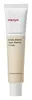
This barrier-repair moisturizer is formulated around Centella Asiatica Leaf Water and Niacinamide to strengthen the skin barrier and hydrate skin.
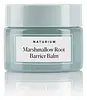
This barrier-repair overnight mask is formulated around Colloidal Oatmeal and Centella Asiatica Extract to strengthen the skin barrier and calm redness.


What's inside
What's inside
 Key Ingredients
Benefits
Concerns
Ingredients Side-by-side
Water
Skin ConditioningCentella Asiatica Leaf Water
Skin Conditioning


Propanediol
Solvent
Glycerin
Humectant
Butylene Glycol
Humectant
Niacinamide
Smoothing







Isononyl Isononanoate
Emollient1,2-Hexanediol
Skin Conditioning
Hydrogenated Polydecene
EmollientPentylene Glycol
Skin Conditioning
Bifida Ferment Lysate
Skin Conditioning
Dimethicone
Emollient
Pentaerythrityl Tetraethylhexanoate
Emollient
Ammonium Acryloyldimethyltaurate/Vp Copolymer
Chlorella Vulgaris Extract
Skin ConditioningGlucose
Humectant
Polyglyceryl-3 Methylglucose Distearate
Emulsifying

Squalane
Emollient
Acrylates/C10-30 Alkyl Acrylate Crosspolymer
Emulsion StabilisingFructooligosaccharides
Humectant
Fructose
Humectant
Tromethamine
BufferingPanthenol
Skin Conditioning
Ethylhexylglycerin
Skin ConditioningAdenosine
Skin Conditioning
Glyceryl Acrylate/Acrylic Acid Copolymer
HumectantDextrin
AbsorbentTheobroma Cacao Extract
Skin ConditioningSodium Phytate
ChelatingCaprylhydroxamic Acid
ChelatingLactobacillus/Pumpkin Fruit Ferment Filtrate
Skin ConditioningHydrogenated Lecithin
Emulsifying
Cynanchum Atratum Extract
Skin ConditioningBifida Ferment Filtrate
Skin Conditioning
Lactobacillus Ferment Lysate
Skin Conditioning
Lactococcus Ferment Lysate
Skin Conditioning
Saccharomyces Ferment Filtrate
Humectant
Sodium Hyaluronate Crosspolymer
Humectant
Hydrolyzed Glycosaminoglycans
HumectantCutibacterium Granulosum Ferment Extract Filtrate
EmollientBetaine Salicylate
Antimicrobial

Ceramide NP
Skin Conditioning
Dimethyl Sulfone
SolventSodium Hyaluronate
Humectant
Benzyl Glycol
SolventOenothera Biennis Flower Extract
AstringentPinus Palustris Leaf Extract
TonicPueraria Lobata Root Extract
HumectantUlmus Davidiana Root Extract
Skin Conditioning
Hydrolyzed Hyaluronic Acid
Humectant
Glycyrrhiza Uralensis Root Extract
Skin Conditioning
Anastatica Hierochuntica Extract
AstringentAsiaticoside
Antioxidant
Madecassic Acid
Skin Conditioning
Asiatic Acid
Skin Conditioning
Tocopherol
Antioxidant
Lactobacillus Ferment
Skin Conditioning
Hamamelis Virginiana Water
Astringent

Hyaluronic Acid
Humectant
Artemisia Capillaris Extract
Chrysanthemum Zawadskii Extract
Skin ConditioningCyperus Rotundus Root Extract
Skin ConditioningLeonurus Sibiricus Extract
Skin ConditioningPaeonia Albiflora Flower Extract
TonicPolydecene
Skin ConditioningBorago Officinalis Extract
Emollient
Centaurea Cyanus Flower Extract
Astringent
Chamomilla Recutita Flower/Leaf Extract
AntimicrobialHyacinthus Orientalis Extract
Skin ConditioningLavandula Angustifolia Flower Water
Skin Conditioning
Salvia Sclarea Extract
AntiseborrhoeicGossypium Herbaceum Seed Extract
Skin ConditioningAgar
MaskingCyamopsis Tetragonoloba Gum
Emulsion StabilisingXanthan Gum
EmulsifyingWater, Centella Asiatica Leaf Water, Propanediol, Glycerin, Butylene Glycol, Niacinamide, Isononyl Isononanoate, 1,2-Hexanediol, Hydrogenated Polydecene, Pentylene Glycol, Bifida Ferment Lysate, Dimethicone, Pentaerythrityl Tetraethylhexanoate, Ammonium Acryloyldimethyltaurate/Vp Copolymer, Chlorella Vulgaris Extract, Glucose, Polyglyceryl-3 Methylglucose Distearate, Squalane, Acrylates/C10-30 Alkyl Acrylate Crosspolymer, Fructooligosaccharides, Fructose, Tromethamine, Panthenol, Ethylhexylglycerin, Adenosine, Glyceryl Acrylate/Acrylic Acid Copolymer, Dextrin, Theobroma Cacao Extract, Sodium Phytate, Caprylhydroxamic Acid, Lactobacillus/Pumpkin Fruit Ferment Filtrate, Hydrogenated Lecithin, Cynanchum Atratum Extract, Bifida Ferment Filtrate, Lactobacillus Ferment Lysate, Lactococcus Ferment Lysate, Saccharomyces Ferment Filtrate, Sodium Hyaluronate Crosspolymer, Hydrolyzed Glycosaminoglycans, Cutibacterium Granulosum Ferment Extract Filtrate, Betaine Salicylate, Ceramide NP, Dimethyl Sulfone, Sodium Hyaluronate, Benzyl Glycol, Oenothera Biennis Flower Extract, Pinus Palustris Leaf Extract, Pueraria Lobata Root Extract, Ulmus Davidiana Root Extract, Hydrolyzed Hyaluronic Acid, Glycyrrhiza Uralensis Root Extract, Anastatica Hierochuntica Extract, Asiaticoside, Madecassic Acid, Asiatic Acid, Tocopherol, Lactobacillus Ferment, Hamamelis Virginiana Water, Hyaluronic Acid, Artemisia Capillaris Extract, Chrysanthemum Zawadskii Extract, Cyperus Rotundus Root Extract, Leonurus Sibiricus Extract, Paeonia Albiflora Flower Extract, Polydecene, Borago Officinalis Extract, Centaurea Cyanus Flower Extract, Chamomilla Recutita Flower/Leaf Extract, Hyacinthus Orientalis Extract, Lavandula Angustifolia Flower Water, Salvia Sclarea Extract, Gossypium Herbaceum Seed Extract, Agar, Cyamopsis Tetragonoloba Gum, Xanthan Gum
Water
Skin ConditioningPropanediol
Solvent
Cetearyl Alcohol
Emollient



Dimethicone
Emollient
Butyrospermum Parkii Butter
Skin Conditioning
Undecane
EmollientGlycerin
Humectant
Dipentaerythrityl Hexahydroxystearate/Hexastearate/Hexarosinate
Skin ConditioningCetearyl Olivate
Tridecane
Perfuming

Sorbitan Olivate
Emulsifying
Althaea Officinalis Root
Skin ConditioningColloidal Oatmeal
Absorbent
Centella Asiatica Extract
Cleansing
Arnica Montana Flower Extract
Masking
Silybum Marianum Seed Oil
Skin Conditioning
Allantoin
Skin Conditioning
Bisabolol
Antioxidant
Magnesium Carboxymethyl Beta-Glucan
Skin ConditioningChamomilla Recutita Flower Extract
Masking
Squalane
Emollient
Fructooligosaccharides
Humectant
Beta Vulgaris Root Extract
Skin ConditioningNigella Sativa Seed Oil
Emollient
Panthenol
Skin Conditioning
Rosa Canina Fruit Oil
Emollient
Sambucus Nigra Seed Oil
Oenothera Biennis Oil
Emollient
Aloe Barbadensis Leaf Juice
Skin Conditioning
Tocopheryl Acetate
Antioxidant
Olea Europaea Fruit Oil
Masking
Leuconostoc/Radish Root Ferment Filtrate
Antimicrobial
Calendula Officinalis Flower Extract
Masking
Sodium Hyaluronate
Humectant
Helianthus Annuus Seed Oil
Emollient
Ethylhexylglycerin
Skin ConditioningAmmonium Acryloyldimethyltaurate/Vp Copolymer
Xanthan Gum
EmulsifyingPhenoxyethanol
Preservative
Sodium Phytate
ChelatingPotassium Lactate
BufferingLactic Acid
Buffering
Melia Azadirachta Leaf Extract
Skin ConditioningMelia Azadirachta Flower Extract
Skin ConditioningCorallina Officinalis Extract
Skin Conditioning
Eclipta Prostrata Extract
Skin Conditioning
Ocimum Sanctum Leaf Extract
Skin ConditioningTocopherol
Antioxidant
Moringa Oleifera Seed Oil
Emollient
Amber Powder
Coccinia Indica Fruit Extract
Skin Conditioning
Solanum Melongena Fruit Extract
Skin ConditioningCurcuma Longa Leaf Extract
Skin ConditioningGlycolic Acid
Buffering
Citric Acid
Buffering
Potassium Sorbate
Preservative
Sodium Benzoate
Masking
Rosmarinus Officinalis Leaf Extract
AntimicrobialWater, Propanediol, Cetearyl Alcohol, Dimethicone, Butyrospermum Parkii Butter, Undecane, Glycerin, Dipentaerythrityl Hexahydroxystearate/Hexastearate/Hexarosinate, Cetearyl Olivate, Tridecane, Sorbitan Olivate, Althaea Officinalis Root, Colloidal Oatmeal, Centella Asiatica Extract, Arnica Montana Flower Extract, Silybum Marianum Seed Oil, Allantoin, Bisabolol, Magnesium Carboxymethyl Beta-Glucan, Chamomilla Recutita Flower Extract, Squalane, Fructooligosaccharides, Beta Vulgaris Root Extract, Nigella Sativa Seed Oil, Panthenol, Rosa Canina Fruit Oil, Sambucus Nigra Seed Oil, Oenothera Biennis Oil, Aloe Barbadensis Leaf Juice, Tocopheryl Acetate, Olea Europaea Fruit Oil, Leuconostoc/Radish Root Ferment Filtrate, Calendula Officinalis Flower Extract, Sodium Hyaluronate, Helianthus Annuus Seed Oil, Ethylhexylglycerin, Ammonium Acryloyldimethyltaurate/Vp Copolymer, Xanthan Gum, Phenoxyethanol, Sodium Phytate, Potassium Lactate, Lactic Acid, Melia Azadirachta Leaf Extract, Melia Azadirachta Flower Extract, Corallina Officinalis Extract, Eclipta Prostrata Extract, Ocimum Sanctum Leaf Extract, Tocopherol, Moringa Oleifera Seed Oil, Amber Powder, Coccinia Indica Fruit Extract, Solanum Melongena Fruit Extract, Curcuma Longa Leaf Extract, Glycolic Acid, Citric Acid, Potassium Sorbate, Sodium Benzoate, Rosmarinus Officinalis Leaf Extract
Reviews
Ingredients Explained
These ingredients are found in both products.
Ingredients higher up in an ingredient list are typically present in a larger amount.
Ammonium Acryloyldimethyltaurate/Vp Copolymer is a synthetically created polymer. It's used as a film-forming agent and used to thicken the consistency of products.
Think of it as a supportive ingredient that helps your gel-creams feel silky, "cloud cream-like", and spread evenly without being greasy.
The Cosmetic Ingredient Review (CIR) Expert Panel evaluated it (along with 22 other acryloyldimethyltaurate polymers) and concluded it's:
Due to its large molecular size, it sits on the surface of skin rather than penetrating it.
Learn more about Ammonium Acryloyldimethyltaurate/Vp CopolymerDimethicone is a type of synthetic silicone created from natural materials such as quartz. It is also known as polydimethylsiloxane.
What it does:
Dimethicone comes in different viscosities:
Depending on the viscosity, dimethicone has different properties.
Ingredients lists don't always show which type is used, so we recommend reaching out to the brand if you have questions about the viscosity.
This ingredient is unlikely to cause irritation because it does not get absorbed into skin. However, people with silicone allergies should be careful about using this ingredient.
Note: Dimethicone may contribute to pilling. This is because it is not oil or water soluble, so pilling may occur when layered with products. When mixed with heavy oils in a formula, the outcome is also quite greasy.
Learn more about DimethiconeEthylhexylglycerin is created from glycerin. It is a multitasker ingredient that:
The CIR Expert Panel found minimal skin absorption or sensitization of any kind in a safety assessment. Though this ingredient is considered well-tolerated, a small number of cases of allergic dermatitis have been published since 2002. Just be sure to patch test if you are unsure.
Industry-reported use ranges from 8% in rinse-off products and 2% in leave-on formulations.
Learn more about EthylhexylglycerinFructooligosaccharides (FOS) are a type of prebiotic sugar with humectant and skin conditioning properties. As a humectant, they help attract and hold moisture in the skin.
FOS essentially acts as a food source for the "good" bacteria on your skin and make it harder for "bad" bacteria to thrive. A 2022 study using a reconstructured human skin model found that just 1% of FOS was enough to shift the bacteria balance in favor of beneficial species. This suggests it could help support a healthier skin microbiome over time.
This ingredient has a low sensitization risk and testing shows it does not classify as a skin irritant or sensitizer.
FOS are usually produced from sugar beets and can also be found in foods like bananas, garlic, and onions.
Learn more about FructooligosaccharidesGlycerin (or glycerol) is a compound naturally found in your skin. It's a powerhouse humectant that pulls water into the stratum corneum.
Topically, glycerin does several things at once:
Your skin makes glycerin on its own (mostly from sebaceous oil breakdown) and shuttles it to your outermost layer of skin, or your epidermis, via aquaporin-3.
Aquaporin-3 is a transporter that is essential for normal skin hydration, elasticity, and repair. Interestingly, mice lacking in AQP3 have dry and less elastic skin that can be fully corrected with glycerin.
This ingredient is non-irritating, plays well with almost every ingredient, and works across all skin types. Typical use is anywhere between 3-10% but can go up to 79% in some leave-on products.
Just know very high concentrations (>40%) can feel tacky in low humidity.
Glycerin is the name for this ingredient in American English. British English uses Glycerol/Glycerine.
Learn more about GlycerinPanthenol is a common ingredient that helps hydrate and soothe the skin. It is found naturally in our skin and hair.
There are two forms of panthenol: D and L.
D-panthenol is also known as dexpanthenol. Most cosmetics use dexpanthenol or a mixture of D and L-panthenol.
Panthenol is famous due to its ability to go deeper into the skin's layers. Using this ingredient has numerous pros (and no cons):
Like hyaluronic acid, panthenol is a humectant. Humectants are able to bind and hold large amounts of water to keep skin hydrated.
This ingredient works well for wound healing. It works by increasing tissue in the wound and helps close open wounds.
Once oxidized, panthenol converts to pantothenic acid. Panthothenic acid is found in all living cells.
This ingredient is also referred to as pro-vitamin B5.
Learn more about PanthenolPropanediol is an all-star ingredient. It softens, hydrates, and smooths the skin.
It’s often used to:
Propanediol is not likely to cause sensitivity and considered safe to use. It is derived from corn or petroleum with a clear color and no scent.
Learn more about PropanediolSodium Hyaluronate is the salt form of hyaluronic acid. It is a long sugar chain that is naturally found in your skin, joints, and connective tissue that maintains hydration and elasticity.
In skincare, it works as a humectant. It pulls water from the environment and deeper layers of skin and binds it to the surface.
Interestingly, the size of the molecule affects its behavior:
Some clinical evidence links low molecular weight versions to improved wrinkle depth, elasticity, anti-inflammatory effects, and barrier repair.
Many serums use a blend of both weights so you can get surface hydration plus longer-lasting and deeper effects.
You'll typically see concentrations between 0.1-2% for this ingredient.
Learn more about Sodium HyaluronateSodium Phytate is the sodium salt of Phytic acid, a compound that plants store phosphorus in. It's the plant-derived alternative to ingredients like Disodium EDTA.
In skincare, this ingredient is a chelator that grabs onto trace metal ions like iron and copper that sneak into formulas through water/raw materials.
Those metals speed up oxidation so binding them keeps oils, fragrance, and actives from going off, stops color changes, and helps the preservative system work harder.
Survey data shows usage levels range from 0.0099%-0.5% in leave-on products, 0.025%-0.3% in rinse-off, and up to 0.05% in eye-area products. Suppliers typically recommend a range between 0.05-0.5%.
Learn more about Sodium PhytateSqualane is the hydrogenated and shelf-stable form of squalene (a lipid that naturally occurs in human sebum).
It is an emollient and skin conditioning agent that is able to integrate seamlessly into the skin's lipid barrier without clogging pores.
This is due to how structurally similar it is to what your skin already produces.
Though it is mostly an emollient that helps soften and hydrate skin, it also has some humectant and occlusive action. Humectants help the skin retain moisture while occlusives seal it in, making squalane a triple-threat moisturizer.
Research shows it has antioxidant capabilities that help protect against stressors like UV exposure, specifically UVA induced oxidative stress. This study also found that it supports collagen biosynthesis in human dermal fibroblasts.
No clinical study has reported significant adverse effects and irritation reactions are very rare from this ingredient (even at 100% concentration).
Overall, it's a fantastic ingredient for hydration and is suitable for all skin types.
This depends on the source. Squalane can be derived from both plants and animals. Most squalane used in skincare comes from plants.
Please note: the source of squalane is only known if disclosed by the brand. We recommend reaching out to the brand if you have any questions about their squalane.
Read more about squalene with an "e".
Though squalane is often called an oil, it’s technically not one. It is a hydrocarbon, meaning it is only made of carbon and hydrogen. True oils are triglycerides and made of fatty acids and glycerol.
The term “oil-free” isn’t regulated so companies can define it however they want. Some exclude all oils, while others just avoid mineral oil or comedogenic oils.
Squalane has a comedogenic rating of 1 from the original 1972 study that tested raw ingredients under occlusion on rabbit ears. This system is not standardized or peer-reviewed, and using the raw ingredients is very different from how diluted cosmetic formulations are used on human skin.
A comedogenic rating of 1 means it is "unlikely to clog pores" according to the original rating system.
The overall formula of a product matters more than the individual ingredients on whether or not it will cause clogged pores.
Learn more about SqualaneTocopherol is a fat-soluble antioxidant known as Vitamin E.
You'll find this ingredient in the vast majority of skincare (for good reason). It works to neutralize free radicals, or unstable molecules generated by UV exposure, pollution, and other environmental stressors, before they can cause oxidative damage to your skin cells.
Topically applied tocopherol has been shown to protect against UV damage by ramping up the skin's own natural defense enzymes.
It also acts as a skin conditioning agent; some studies show that regular topical use can improve the skin's water-binding capacity over 2-4 weeks.
This ingredient is especially loved for being a team player. When combined with Vitamin C, the photoprotective effect of both ingredients roughly doubles and the combo also helps reduce UV-induced DNA damage.
This ingredient has some brightening potential but it's more of a prevention ingredient than spot-fader. Cell studies show it can slow down melanin production but it's worth noting that it's not the most powerful brightener out there.
In formulations, it also serves as a stabilizer that helps protect other oxidation-prone ingredients from degrading.
Concentrations usually range from 0.1-1% in most leave-on products.
Learn more about TocopherolWater. It's the most common cosmetic ingredient of all. You'll usually see it at the top of ingredient lists, meaning that it makes up the largest part of the product.
So why is it so popular? Water most often acts as a solvent - this means that it helps dissolve other ingredients into the formulation.
You'll also recognize water as that liquid we all need to stay alive. If you see this, drink a glass of water. Remember to stay hydrated!
Learn more about WaterXanthan gum is used as a stabilizer and thickener within cosmetic products. It helps give products a sticky, thick feeling - preventing them from being too runny.
On the technical side of things, xanthan gum is a polysaccharide - a combination consisting of multiple sugar molecules bonded together.
Xanthan gum is a pretty common and great ingredient. It is a natural, non-toxic, non-irritating ingredient that is also commonly used in food products.
Learn more about Xanthan Gum

