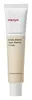
This barrier-repair moisturizer is formulated around Niacinamide and Lactobacillus Ferment to strengthen the skin barrier and soften the look of wrinkles.
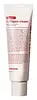
This barrier-repair moisturizer is formulated around Centella Asiatica Leaf Water and Niacinamide to strengthen the skin barrier and hydrate skin.

What's inside
What's inside
 Key Ingredients
Benefits
Concerns
Ingredients Side-by-side
Water
Skin ConditioningGlycerin
Humectant


Methylpropanediol
SolventButylene Glycol
Humectant
1,2-Hexanediol
Skin Conditioning
Niacinamide
Smoothing









Caprylic/Capric Triglyceride
Masking
Cetearyl Olivate


Lactobacillus Ferment
Skin Conditioning
Sorbitan Olivate
Emulsifying
Cetearyl Alcohol
Emollient



Carbomer
Emulsion StabilisingTromethamine
BufferingPanthenol
Skin Conditioning
Betaine
Humectant
Cetearyl Glucoside
Emulsifying
Hydroxyethylcellulose
Emulsion StabilisingTrehalose
Humectant
Bifida Ferment Filtrate
Skin Conditioning
Lactococcus Ferment
Skin ConditioningGelatin
Hydrolyzed Collagen
Emollient
Diospyros Kaki Leaf Extract
Skin Protecting
Vitis Vinifera Fruit Extract
Skin ConditioningPolygonum Cuspidatum Root Extract
Antioxidant
Coffea Arabica Seed Extract
Masking
Carthamus Tinctorius Flower Extract
Skin ConditioningAdenosine
Skin Conditioning
Camellia Sinensis Leaf Extract
Antimicrobial
Castanea Crenata Shell Extract
Skin ConditioningZanthoxylum Piperitum Fruit Extract
Skin ConditioningCellulose Gum
Emulsion StabilisingAllantoin
Skin Conditioning
Dipotassium Glycyrrhizate
Humectant
Crataegus Cuneata Fruit Extract
Skin ConditioningPrunus Persica Fruit Extract
Abrasive
Lithospermum Erythrorhizon Root Extract
Skin ConditioningPyrus Communis Fruit Extract
Skin ConditioningVanilla Planifolia Fruit Extract
Skin Conditioning
Musa Sapientum Fruit Extract
Skin ConditioningHedera Helix Extract
AntimicrobialPinus Palustris Leaf Extract
TonicOenothera Biennis Flower Extract
AstringentPueraria Lobata Root Extract
HumectantUlmus Davidiana Root Extract
Skin Conditioning
Ethylhexylglycerin
Skin ConditioningGlycine
Buffering
Serine
Masking
Glutamic Acid
Humectant
Sodium Hyaluronate
Humectant
Aspartic Acid
Masking
Leucine
Skin ConditioningHydrolyzed Hyaluronic Acid
Humectant
Alanine
Masking
Lysine
Skin ConditioningArginine
Masking
Tyrosine
MaskingPhenylalanine
Masking
Proline
Skin Conditioning
Threonine
Valine
MaskingIsoleucine
Skin ConditioningDipeptide Diaminobutyroyl Benzylamide Diacetate
Skin Conditioning
Histidine
Humectant
Cysteine
Antioxidant
Methionine
Skin ConditioningPalmitoyl Tripeptide-5
Skin Conditioning
Sodium Acetylated Hyaluronate
Humectant
Water, Glycerin, Methylpropanediol, Butylene Glycol, 1,2-Hexanediol, Niacinamide, Caprylic/Capric Triglyceride, Cetearyl Olivate, Lactobacillus Ferment, Sorbitan Olivate, Cetearyl Alcohol, Carbomer, Tromethamine, Panthenol, Betaine, Cetearyl Glucoside, Hydroxyethylcellulose, Trehalose, Bifida Ferment Filtrate, Lactococcus Ferment, Gelatin, Hydrolyzed Collagen, Diospyros Kaki Leaf Extract, Vitis Vinifera Fruit Extract, Polygonum Cuspidatum Root Extract, Coffea Arabica Seed Extract, Carthamus Tinctorius Flower Extract, Adenosine, Camellia Sinensis Leaf Extract, Castanea Crenata Shell Extract, Zanthoxylum Piperitum Fruit Extract, Cellulose Gum, Allantoin, Dipotassium Glycyrrhizate, Crataegus Cuneata Fruit Extract, Prunus Persica Fruit Extract, Lithospermum Erythrorhizon Root Extract, Pyrus Communis Fruit Extract, Vanilla Planifolia Fruit Extract, Musa Sapientum Fruit Extract, Hedera Helix Extract, Pinus Palustris Leaf Extract, Oenothera Biennis Flower Extract, Pueraria Lobata Root Extract, Ulmus Davidiana Root Extract, Ethylhexylglycerin, Glycine, Serine, Glutamic Acid, Sodium Hyaluronate, Aspartic Acid, Leucine, Hydrolyzed Hyaluronic Acid, Alanine, Lysine, Arginine, Tyrosine, Phenylalanine, Proline, Threonine, Valine, Isoleucine, Dipeptide Diaminobutyroyl Benzylamide Diacetate, Histidine, Cysteine, Methionine, Palmitoyl Tripeptide-5, Sodium Acetylated Hyaluronate
Water
Skin ConditioningCentella Asiatica Leaf Water
Skin Conditioning
Propanediol
Solvent
Glycerin
Humectant
Butylene Glycol
Humectant
Niacinamide
Smoothing
Isononyl Isononanoate
Emollient1,2-Hexanediol
Skin Conditioning
Hydrogenated Polydecene
EmollientPentylene Glycol
Skin Conditioning
Bifida Ferment Lysate
Skin Conditioning
Dimethicone
Emollient
Pentaerythrityl Tetraethylhexanoate
Emollient
Ammonium Acryloyldimethyltaurate/Vp Copolymer
Chlorella Vulgaris Extract
Skin ConditioningGlucose
Humectant
Polyglyceryl-3 Methylglucose Distearate
Emulsifying
Squalane
Emollient
Acrylates/C10-30 Alkyl Acrylate Crosspolymer
Emulsion StabilisingFructooligosaccharides
Humectant
Fructose
Humectant
Tromethamine
BufferingPanthenol
Skin Conditioning
Ethylhexylglycerin
Skin ConditioningAdenosine
Skin Conditioning
Glyceryl Acrylate/Acrylic Acid Copolymer
HumectantDextrin
AbsorbentTheobroma Cacao Extract
Skin ConditioningSodium Phytate
ChelatingCaprylhydroxamic Acid
ChelatingLactobacillus/Pumpkin Fruit Ferment Filtrate
Skin ConditioningHydrogenated Lecithin
Emulsifying
Cynanchum Atratum Extract
Skin ConditioningBifida Ferment Filtrate
Skin Conditioning
Lactobacillus Ferment Lysate
Skin Conditioning
Lactococcus Ferment Lysate
Skin Conditioning
Saccharomyces Ferment Filtrate
Humectant
Sodium Hyaluronate Crosspolymer
Humectant
Hydrolyzed Glycosaminoglycans
HumectantCutibacterium Granulosum Ferment Extract Filtrate
EmollientBetaine Salicylate
Antimicrobial

Ceramide NP
Skin Conditioning
Dimethyl Sulfone
SolventSodium Hyaluronate
Humectant
Benzyl Glycol
SolventOenothera Biennis Flower Extract
AstringentPinus Palustris Leaf Extract
TonicPueraria Lobata Root Extract
HumectantUlmus Davidiana Root Extract
Skin Conditioning
Hydrolyzed Hyaluronic Acid
Humectant
Glycyrrhiza Uralensis Root Extract
Skin Conditioning
Anastatica Hierochuntica Extract
AstringentAsiaticoside
Antioxidant
Madecassic Acid
Skin Conditioning
Asiatic Acid
Skin Conditioning
Tocopherol
Antioxidant
Lactobacillus Ferment
Skin Conditioning
Hamamelis Virginiana Water
Astringent
Hyaluronic Acid
Humectant
Artemisia Capillaris Extract
Chrysanthemum Zawadskii Extract
Skin ConditioningCyperus Rotundus Root Extract
Skin ConditioningLeonurus Sibiricus Extract
Skin ConditioningPaeonia Albiflora Flower Extract
TonicPolydecene
Skin ConditioningBorago Officinalis Extract
Emollient
Centaurea Cyanus Flower Extract
Astringent
Chamomilla Recutita Flower/Leaf Extract
AntimicrobialHyacinthus Orientalis Extract
Skin ConditioningLavandula Angustifolia Flower Water
Skin Conditioning
Salvia Sclarea Extract
AntiseborrhoeicGossypium Herbaceum Seed Extract
Skin ConditioningAgar
MaskingCyamopsis Tetragonoloba Gum
Emulsion StabilisingXanthan Gum
EmulsifyingWater, Centella Asiatica Leaf Water, Propanediol, Glycerin, Butylene Glycol, Niacinamide, Isononyl Isononanoate, 1,2-Hexanediol, Hydrogenated Polydecene, Pentylene Glycol, Bifida Ferment Lysate, Dimethicone, Pentaerythrityl Tetraethylhexanoate, Ammonium Acryloyldimethyltaurate/Vp Copolymer, Chlorella Vulgaris Extract, Glucose, Polyglyceryl-3 Methylglucose Distearate, Squalane, Acrylates/C10-30 Alkyl Acrylate Crosspolymer, Fructooligosaccharides, Fructose, Tromethamine, Panthenol, Ethylhexylglycerin, Adenosine, Glyceryl Acrylate/Acrylic Acid Copolymer, Dextrin, Theobroma Cacao Extract, Sodium Phytate, Caprylhydroxamic Acid, Lactobacillus/Pumpkin Fruit Ferment Filtrate, Hydrogenated Lecithin, Cynanchum Atratum Extract, Bifida Ferment Filtrate, Lactobacillus Ferment Lysate, Lactococcus Ferment Lysate, Saccharomyces Ferment Filtrate, Sodium Hyaluronate Crosspolymer, Hydrolyzed Glycosaminoglycans, Cutibacterium Granulosum Ferment Extract Filtrate, Betaine Salicylate, Ceramide NP, Dimethyl Sulfone, Sodium Hyaluronate, Benzyl Glycol, Oenothera Biennis Flower Extract, Pinus Palustris Leaf Extract, Pueraria Lobata Root Extract, Ulmus Davidiana Root Extract, Hydrolyzed Hyaluronic Acid, Glycyrrhiza Uralensis Root Extract, Anastatica Hierochuntica Extract, Asiaticoside, Madecassic Acid, Asiatic Acid, Tocopherol, Lactobacillus Ferment, Hamamelis Virginiana Water, Hyaluronic Acid, Artemisia Capillaris Extract, Chrysanthemum Zawadskii Extract, Cyperus Rotundus Root Extract, Leonurus Sibiricus Extract, Paeonia Albiflora Flower Extract, Polydecene, Borago Officinalis Extract, Centaurea Cyanus Flower Extract, Chamomilla Recutita Flower/Leaf Extract, Hyacinthus Orientalis Extract, Lavandula Angustifolia Flower Water, Salvia Sclarea Extract, Gossypium Herbaceum Seed Extract, Agar, Cyamopsis Tetragonoloba Gum, Xanthan Gum
Reviews
Ingredients Explained
These ingredients are found in both products.
Ingredients higher up in an ingredient list are typically present in a larger amount.
1,2-Hexanediol is a synthetic liquid and another multi-functional powerhouse.
It is a:
- Humectant, drawing moisture into the skin
- Emollient, helping to soften skin
- Solvent, dispersing and stabilizing formulas
- Preservative booster, enhancing the antimicrobial activity of other preservatives
Adenosine is a purine nucleoside that your body already makes in every cell. In skincare, it acts mainly as a skin conditioning and anti-aging agent.
The way it works is fairly well mapped out:
Your skin has cells called fibroblasts that build collagen (the stuff that keeps skin firm and smooth). Adenosine basically flips a switch on these cells that tells them to get to work making more collagen and other proteins. These cells slow down on their own as skin ages, so Adenosine helps give them a little nudge to keep going.
The clinical backing is pretty solid too.
A blind, randomized, placebo-controlled trial of 126 women aged 45-65 tested a 0.1% cream twice daily and found real improvements in crow's feet and frown lines using a precise 3D skin-mapping technique; these changes showed up by week 3 and held at 2 months.
A later study using Adenosine-loaded dissolving microneedle patches reported gains in wrinkle depth, dermal density, elasticity, and hydration.
On concentrations, South Korea's Ministry of Food and Drug Safety has set 0.04% as the approved functional anti-wrinkle level. You'll typically see this ingredient used somewhere in the 0.04-0.1% range since it works at low doses.
This ingredient has been found safe for cosmetics with the data showing no irritation or sensitization.
Overall, this is a great ingredient for any anti-aging routine and has no photosensitizing effect, so it suits both AM and PM use.
Learn more about AdenosineThis ingredient is a postbiotic made by fermenting Bifidobacterium (a probiotic bacteria) and then filtering out the liquid portion. It has skin conditioning properties.
Much of the evidence for this ingredient is borrowed from the lysate form of this ingredient, which has a much stronger research base.
This ingredient is generally considered fungal acne (Malassezia) safe; Bifidobacterium is a bacterium, not a yeast or fungus.
The fungal acne concern with fermented ingredients mainly applies to yeast-derived ferments like Saccharomyces and Galactomyces, because those are in the same kingdom as Malassezia and could theoretically contain residual compounds that feed it.
Bifida is a completely different organism, so on its own it doesn't provide a food source for the Malassezia yeast that causes fungal acne.
Learn more about Bifida Ferment FiltrateButylene Glycol (or BG) is used within cosmetic products for a few different reasons:
Overall, Butylene Glycol is a safe and well-rounded ingredient that works well with other ingredients.
Though this ingredient works well with most skin types, some people with sensitive skin may experience a reaction such as allergic rashes, closed comedones, or itchiness.
Learn more about Butylene GlycolEthylhexylglycerin is created from glycerin. It is a multitasker ingredient that:
The CIR Expert Panel found minimal skin absorption or sensitization of any kind in a safety assessment. Though this ingredient is considered well-tolerated, a small number of cases of allergic dermatitis have been published since 2002. Just be sure to patch test if you are unsure.
Industry-reported use ranges from 8% in rinse-off products and 2% in leave-on formulations.
Learn more about EthylhexylglycerinGlycerin (or glycerol) is a compound naturally found in your skin. It's a powerhouse humectant that pulls water into the stratum corneum.
Topically, glycerin does several things at once:
Your skin makes glycerin on its own (mostly from sebaceous oil breakdown) and shuttles it to your outermost layer of skin, or your epidermis, via aquaporin-3.
Aquaporin-3 is a transporter that is essential for normal skin hydration, elasticity, and repair. Interestingly, mice lacking in AQP3 have dry and less elastic skin that can be fully corrected with glycerin.
This ingredient is non-irritating, plays well with almost every ingredient, and works across all skin types. Typical use is anywhere between 3-10% but can go up to 79% in some leave-on products.
Just know very high concentrations (>40%) can feel tacky in low humidity.
Glycerin is the name for this ingredient in American English. British English uses Glycerol/Glycerine.
Learn more about GlycerinHydrolyzed Hyaluronic Acid is hyaluronic acid (HA) that is broken down into lower molecular weight fragments.
It's a humectant that pulls and holds water in the skin to help with hydration, plumpness, and reduce transepidermal water loss.
Because hydrolyzed hyaluronic acid is smaller in size, it can slip past your outermost layer of skin more easily than full-sized HA.
Most formulations will combine all sizes to get the best of both worlds.
Typical usage levels range from 0.01-1%. Any percentage higher than 2% might become goopy and tacky.
Learn more about Hydrolyzed Hyaluronic AcidThis ingredient is made when the Lactobacillus bacteria (the same kind that makes yogurt and kimchi) are allowed to ferment a nutrient medium.
As it ferments, it collects lactic acid, peptides, enzymes, and other bioactive metabolites to provide:
A 2023 review noted that probiotic fermentation ingredients like this one can enhance antioxidant capacity, reduce UV-induced oxidative damage, and support barrier function.
One clinical study from the same year showed a Lactobacillus ferment lysate significantly reduced transepidermal water loss and improved skin hydration.
Another review highlighted that topical Lactobacillus-based preparations can improve ceramide levels in the stratum corneum, support barrier integrity, and even help reduce S. aureus colonization in atopic dermatitis.
Why is this so cool?
Basically, your skin's outer layer works as a brick wall; skin cells are bricks and ceramides are the mortar holding it together. Moisture escapes, irritants get in, and your skin gets dry and reactive when ceramide levels drop. On top of that, "bad" skin bacteria S. aureus loves to move in when your barrier is weak to make inflammation and irritation worse.
So Lactobacillus ferment is basically patching the wall and evicting the troublemaker when it boosts ceramide production and help keep S. aureus in check.
On top of all this, it also acts as a mild antimicrobial preservative booster.
Just so you know, most studies focus on specific strains or the lysate form rather than this generic "Lactobacillus Ferment", so results can vary.
Though it's a promising ingredient, it doesn't have decades of robust clinical data behind it just yet.
Lactobacillus Ferment is generally considered safe for fungal-acne prone skin. The key thing to understand is that it comes from bacteria, not yeast or fungus.
Yeast-derived ferments (like galactomyces) have been shown to activate a protein that's linked to Malassezia-related skin issues whereas lactobacillus doesn't have that problem.
Its byproducts also don't contain the types of fatty acids (C11-24 chain lengths) that Malassezia feeds on.
Learn more about Lactobacillus FermentNiacinamide is a multitasking form of vitamin B3 that strengthens the skin barrier, reduces pores and dark spots, regulates oil, and improves signs of aging.
And the best part? It's gentle and well-tolerated by most skin types, including sensitive and reactive skin.
You might have heard of "niacin flush", or the reddening of skin that causes itchiness. Niacinamide has not been found to cause this.
In very rare cases, some individuals may not be able to tolerate niacinamide at all or experience an allergic reaction to it.
If you are experiencing flaking, irritation, and dryness with this ingredient, be sure to double check all your products as this ingredient can be found in all categories of skincare.
When incorporating niacinamide into your routine, look out for concentration amounts. Typically, 5% niacinamide provides benefits such as fading dark spots. However, if you have sensitive skin, it is better to begin with a smaller concentration.
When you apply niacinamide to your skin, your body converts it into nicotinamide adenine dinucleotide (NAD). NAD is an essential coenzyme that is already found in your cells as "fuel" and powers countless biological processes.
In your skin, NAD helps repair cell damage, produce new healthy cells, support collagen production, strengthen the skin barrier, and fight environmental stressors (like UV and pollution).
Our natural NAD levels start to decline with age, leading to slower skin repair, visible aging, and a weaker skin barrier. By providing your skin niacinamide, you're recharging your skin's NAD levels. This leads to stronger, healthier, and younger looking skin.
Another name for vitamin B3 is nicotinamide. This vitamin is water-soluble and our bodies don't store it. We obtain Vitamin B3 from either food or skincare. Meat, fish, wheat, yeast, and leafy greens contain vitamin B3.
The type of niacinamide used in skincare is synthetically created.
Learn more about NiacinamideWe don't have a description for Oenothera Biennis Flower Extract yet.
Panthenol is a common ingredient that helps hydrate and soothe the skin. It is found naturally in our skin and hair.
There are two forms of panthenol: D and L.
D-panthenol is also known as dexpanthenol. Most cosmetics use dexpanthenol or a mixture of D and L-panthenol.
Panthenol is famous due to its ability to go deeper into the skin's layers. Using this ingredient has numerous pros (and no cons):
Like hyaluronic acid, panthenol is a humectant. Humectants are able to bind and hold large amounts of water to keep skin hydrated.
This ingredient works well for wound healing. It works by increasing tissue in the wound and helps close open wounds.
Once oxidized, panthenol converts to pantothenic acid. Panthothenic acid is found in all living cells.
This ingredient is also referred to as pro-vitamin B5.
Learn more about PanthenolWe don't have a description for Pinus Palustris Leaf Extract yet.
This ingredient comes from the Kudzu root.
Sodium Hyaluronate is the salt form of hyaluronic acid. It is a long sugar chain that is naturally found in your skin, joints, and connective tissue that maintains hydration and elasticity.
In skincare, it works as a humectant. It pulls water from the environment and deeper layers of skin and binds it to the surface.
Interestingly, the size of the molecule affects its behavior:
Some clinical evidence links low molecular weight versions to improved wrinkle depth, elasticity, anti-inflammatory effects, and barrier repair.
Many serums use a blend of both weights so you can get surface hydration plus longer-lasting and deeper effects.
You'll typically see concentrations between 0.1-2% for this ingredient.
Learn more about Sodium HyaluronateTromethamine (aka THAM) is a synthetic amino acid that shows up in skincare as a helper ingredient.
It functions as a pH adjuster to help neutralize acidic ingredients and set a formula's pH to the right spot.
This matters a lot because a lot of actives (like vitamin C) needs a specific pH to work well and feel comfortable on skin.
Concentration use ranges from 0.1-1.0% depending on the formula.
Learn more about TromethamineThis tree is also known as the David Elm. It contains the ingredient bakuchiol.
Other great compounds found in this ingredient include galactose, glucose, and phenolics. The sugar content gives it great skin hydrating properties. Phenolics are potent antioxidants commonly found in fruits and veggies.
A 2020 study found the phenolics of this root to have an anti-inflammatory effect.
Fun fact: This ingredient is used in traditional Asian medicine.
Learn more about Ulmus Davidiana Root ExtractWater. It's the most common cosmetic ingredient of all. You'll usually see it at the top of ingredient lists, meaning that it makes up the largest part of the product.
So why is it so popular? Water most often acts as a solvent - this means that it helps dissolve other ingredients into the formulation.
You'll also recognize water as that liquid we all need to stay alive. If you see this, drink a glass of water. Remember to stay hydrated!
Learn more about Water

