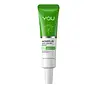
This acne serum is formulated around Niacinamide and Salicylic Acid to clear breakouts and calm redness.
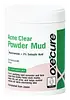
This acne treatment is formulated around Kaolin and Zinc Oxide to clear breakouts and balance excess oil.


What's inside
What's inside
 Key Ingredients
Benefits
Concerns
Ingredients Side-by-side
Water
Skin ConditioningPropanediol
Solvent

Niacinamide
Smoothing










Ethylhexyl Palmitate
Emollient




Polysorbate 60
Emulsifying
Propylene Glycol
Humectant
Caprylic/Capric Triglyceride
Masking
Cetearyl Alcohol
Emollient
Dimethicone
Emollient
Sorbitan Stearate
Emulsifying
Hydroxyethylpiperazine Ethane Sulfonic Acid
BufferingHydroxypropyl Cyclodextrin
MaskingIsononyl Isononanoate
EmollientGlyceryl Stearate
Emollient
PEG-100 Stearate
Surfactant
Panthenol
Skin Conditioning
Cetyl Alcohol
Emollient
Laurocapram
Skin ConditioningGalla Rhois Gallnut Extract
Antimicrobial
Polyacrylate-13
Phenoxyethanol
Preservative
Glycerin
Humectant
Butylene Glycol
Humectant
Triethanolamine
BufferingHydroxyacetophenone
Antioxidant
Menthol
Masking


Salvia Miltiorrhiza Root Extract
Skin ConditioningPaeonol
Antioxidant
Dipotassium Glycyrrhizate
Humectant
Scutellaria Baicalensis Root Extract
Astringent
Acrylates/C10-30 Alkyl Acrylate Crosspolymer
Emulsion StabilisingPolyisobutene
Xanthan Gum
EmulsifyingDisodium EDTA
Polysorbate 20
Emulsifying
Camphor
Masking
Sorbitan Isostearate
Emulsifying
Salicylic Acid
Masking
Allantoin
Skin Conditioning
Gluconolactone
Skin Conditioning
Astragalus Membranaceus Root Extract
Emollient
Sclerotium Gum
Emulsion Stabilising1,2-Hexanediol
Skin Conditioning
Caprylyl Glycol
Emollient
Saposhnikovia Divaricata Root Extract
AntimicrobialPapain
Skin Conditioning
Pentylene Glycol
Skin Conditioning
Calendula Officinalis Flower Extract
Masking
Albizia Julibrissin Flower Extract
Skin ConditioningGastrodia Elata Root Extract
Skin ConditioningCentella Asiatica Extract
Cleansing
Quaternium-73
Gentiana Scabra Root Extract
Skin ConditioningCapryloyl Glycine
CleansingHexylene Glycol
EmulsifyingMelaleuca Alternifolia Leaf Oil
Antioxidant

Phellodendron Amurense Bark Extract
Skin ConditioningSophora Angustifolia Root Extract
Skin ConditioningRheum Palmatum Root Extract
Astringent
Sarcosine
Skin Conditioning
Madecassoside
Antioxidant
Cinnamomum Zeylanicum Bark Extract
Antimicrobial
Asiaticoside
Antioxidant
Anthemis Nobilis Flower Oil
Masking
Glyceryl Caprylate
EmollientHydroxycinnamic Acid
Skin ConditioningRutin
Antioxidant
Asiatic Acid
Skin Conditioning
Stephania Tetrandra Root Extract
Skin ConditioningMadecassic Acid
Skin Conditioning
Zinc PCA
Humectant
Water, Propanediol, Niacinamide, Ethylhexyl Palmitate, Polysorbate 60, Propylene Glycol, Caprylic/Capric Triglyceride, Cetearyl Alcohol, Dimethicone, Sorbitan Stearate, Hydroxyethylpiperazine Ethane Sulfonic Acid, Hydroxypropyl Cyclodextrin, Isononyl Isononanoate, Glyceryl Stearate, PEG-100 Stearate, Panthenol, Cetyl Alcohol, Laurocapram, Galla Rhois Gallnut Extract, Polyacrylate-13, Phenoxyethanol, Glycerin, Butylene Glycol, Triethanolamine, Hydroxyacetophenone, Menthol, Salvia Miltiorrhiza Root Extract, Paeonol, Dipotassium Glycyrrhizate, Scutellaria Baicalensis Root Extract, Acrylates/C10-30 Alkyl Acrylate Crosspolymer, Polyisobutene, Xanthan Gum, Disodium EDTA, Polysorbate 20, Camphor, Sorbitan Isostearate, Salicylic Acid, Allantoin, Gluconolactone, Astragalus Membranaceus Root Extract, Sclerotium Gum, 1,2-Hexanediol, Caprylyl Glycol, Saposhnikovia Divaricata Root Extract, Papain, Pentylene Glycol, Calendula Officinalis Flower Extract, Albizia Julibrissin Flower Extract, Gastrodia Elata Root Extract, Centella Asiatica Extract, Quaternium-73, Gentiana Scabra Root Extract, Capryloyl Glycine, Hexylene Glycol, Melaleuca Alternifolia Leaf Oil, Phellodendron Amurense Bark Extract, Sophora Angustifolia Root Extract, Rheum Palmatum Root Extract, Sarcosine, Madecassoside, Cinnamomum Zeylanicum Bark Extract, Asiaticoside, Anthemis Nobilis Flower Oil, Glyceryl Caprylate, Hydroxycinnamic Acid, Rutin, Asiatic Acid, Stephania Tetrandra Root Extract, Madecassic Acid, Zinc PCA
Water
Skin ConditioningKaolin
Abrasive
Titanium Dioxide
Cosmetic Colorant

Zinc Oxide
Cosmetic Colorant
Bentonite
Absorbent
Butylene Glycol
Humectant
Dipropylene Glycol
HumectantIsononyl Isononanoate
EmollientPEG-20 Methyl Glucose Sesquistearate
Emulsifying
Alcohol Denat.
Antimicrobial
Ethoxydiglycol
HumectantGlycerin
Humectant
Ethylhexyl Palmitate
Emollient
Polysorbate 60
Emulsifying
Salicylic Acid
Masking
Cetearyl Alcohol
Emollient
Glyceryl Stearate
Emollient
Dimethicone
Emollient
PEG-100 Stearate
Surfactant
Phenoxyethanol
Preservative
Ceteth-10 Phosphate
CleansingDicetyl Phosphate
EmulsifyingCamphor
Masking
Chlorphenesin
Antimicrobial
Disodium EDTA
CI 77491
Cosmetic ColorantNiacinamide
Smoothing
Tocopheryl Acetate
Antioxidant
Zinc PCA
Humectant
Cocamidopropyl Dimethylamine
Emulsifying
Aloe Barbadensis Leaf Juice
Skin Conditioning
Maltodextrin
Absorbent
BHT
Antioxidant
Polysorbate 80
Emulsifying
10-Hydroxydecanoic Acid
Skin ConditioningSebacic Acid
Buffering1,10-Decanediol
SolventPotassium Sorbate
Preservative
Sodium Benzoate
Masking
Ethylhexylglycerin
Skin ConditioningAnthemis Nobilis Flower Extract
Masking
Butyrospermum Parkii Butter
Skin Conditioning
Camellia Sinensis Leaf Extract
Antimicrobial
Fucus Vesiculosus Extract
Emollient
Isomerized Safflower Acid
Skin ConditioningPalmitoyl Tripeptide-5
Skin Conditioning
Ascorbic Acid
Antioxidant
Beeswax
Emulsion Stabilising
Benzalkonium Chloride
Antimicrobial
Palmitic Acid
Emollient
Silica
Abrasive
Zinc Sulfate
Antimicrobial
Water, Kaolin, Titanium Dioxide, Zinc Oxide, Bentonite, Butylene Glycol, Dipropylene Glycol, Isononyl Isononanoate, PEG-20 Methyl Glucose Sesquistearate, Alcohol Denat., Ethoxydiglycol, Glycerin, Ethylhexyl Palmitate, Polysorbate 60, Salicylic Acid, Cetearyl Alcohol, Glyceryl Stearate, Dimethicone, PEG-100 Stearate, Phenoxyethanol, Ceteth-10 Phosphate, Dicetyl Phosphate, Camphor, Chlorphenesin, Disodium EDTA, CI 77491, Niacinamide, Tocopheryl Acetate, Zinc PCA, Cocamidopropyl Dimethylamine, Aloe Barbadensis Leaf Juice, Maltodextrin, BHT, Polysorbate 80, 10-Hydroxydecanoic Acid, Sebacic Acid, 1,10-Decanediol, Potassium Sorbate, Sodium Benzoate, Ethylhexylglycerin, Anthemis Nobilis Flower Extract, Butyrospermum Parkii Butter, Camellia Sinensis Leaf Extract, Fucus Vesiculosus Extract, Isomerized Safflower Acid, Palmitoyl Tripeptide-5, Ascorbic Acid, Beeswax, Benzalkonium Chloride, Palmitic Acid, Silica, Zinc Sulfate
Reviews
Ingredients Explained
These ingredients are found in both products.
Ingredients higher up in an ingredient list are typically present in a larger amount.
Butylene Glycol (or BG) is used within cosmetic products for a few different reasons:
Overall, Butylene Glycol is a safe and well-rounded ingredient that works well with other ingredients.
Though this ingredient works well with most skin types, some people with sensitive skin may experience a reaction such as allergic rashes, closed comedones, or itchiness.
Learn more about Butylene GlycolCamphor is a waxy solid with a strong scent. It is made using turpentine oil.
This ingredient is used for medicinal purposes due to its cooling effect. In medicine, camphor is a common anti-inflammation ingredient.
Camphor also possesses antibacterial and antifungal properties.
One study found camphor to be a potential anti-wrinkle ingredient. This might be due to its ability to increase elastin and collagen production. Collagen and elastin are responsible for plump and youthful looking skin.
It is best to use cosmetics with a small amount of camphor under 11%. Using topical camphor may induce irritation and redness.
In the past, camphor was traditionally made by distilling the wood of the camphor tree.
Learn more about CamphorCetearyl alcohol is a waxy mixture of two fatty alcohols: cetyl alcohol and stearyl alcohol. It is an emollient and emulsifier.
Despite having "alcohol" in its name, it has nothing to do with drying solvent alcohols; the FDA also allows "alcohol-free" products to contain fatty alcohols like this ingredient.
It plays several roles in a formula:
Typical use levels for this ingredient sit around 1-10% and the Cosmetic Ingredient Review Expert Panel has affirmed safety at concentrations up to 25% in leave-on products.
Multiple assessments have found it to be non-irritating and non-sensitizing to most people.
However, there have been some cases of allergic contact dermatitis in patients with chronically compromised skin barriers.
Cetearyl alcohol has a comedogenic rating of 2 and irritancy rating of 1. Both of these numbers come from the 1989 study that used rabbit ears; a "2" means mildly comedogenic and a "1" means low irritancy.
Here's the catch: rabbit skin is more sensitive than human skin and throws a lot of false positives. A 1996 reappraisal found that ingredients rated 1-2 in the rabbit ear tests are generally safe for humans.
Remember comedogenic ratings are unable to assess the entire formula of a product or how it will react on your skin. Just be sure to patch test if you are unsure about certain ingredients.
This ingredient is not fungal acne safe. Cetearyl alcohol is a fatty alcohol with chain lengths that fall within the range that Malassezia can metabolize.
A 2019 study has also observed Malassezia growth in the presence of this ingredient, confirming it to be not-fungal acne safe.
Learn more about Cetearyl AlcoholDimethicone is a type of synthetic silicone created from natural materials such as quartz. It is also known as polydimethylsiloxane.
What it does:
Dimethicone comes in different viscosities:
Depending on the viscosity, dimethicone has different properties.
Ingredients lists don't always show which type is used, so we recommend reaching out to the brand if you have questions about the viscosity.
This ingredient is unlikely to cause irritation because it does not get absorbed into skin. However, people with silicone allergies should be careful about using this ingredient.
Note: Dimethicone may contribute to pilling. This is because it is not oil or water soluble, so pilling may occur when layered with products. When mixed with heavy oils in a formula, the outcome is also quite greasy.
Learn more about DimethiconeDisodium EDTA is a chelating agent. It grabs onto and deactivates metal ions that sneak into your products from water, packaging, or air.
This ingredient mainly works behind the scenes and helps with:
On top of that, this ingredient can counteract the effects of hard water by binding to the minerals in it.
One thing worth knowing is that Disodium EDTA has been shown to be a mild penetration enhancer. It can help other ingredients absorb into skin more effectively which can be a double-edged sword (great for actives, but can also make the active too strong if you have sensitive skin).
Clinical patch testing showed no significant skin irritation at typical use concentrations and minimal dermal absorption.
You'll most likely see this ingredient near the end of an ingredient list. It's typically found in concentrations less than 1%.
Learn more about Disodium EDTAEthylhexyl Palmitate, also known as octyl palmitate, is created from 2-ethylhexyl alcohol and palmitic acid.
In cosmetics, it plays many roles:
One thing worth noting: a controlled study found this ingredient applied under occlusion to acne-prone subjects increased microcomedones. Just keep in mind this was under occlusive conditions and don't reflect how most products are used day-to-day.
For most people, this is a well-tolerated and lightweight ingredient.
This ingredient may not be fungal acne safe because it is an ester of palmitic acid, a C16 fatty acid that falls within the C11-24 range that Malassezia can metabolize.
Learn more about Ethylhexyl PalmitateGlycerin (or glycerol) is a compound naturally found in your skin. It's a powerhouse humectant that pulls water into the stratum corneum.
Topically, glycerin does several things at once:
Your skin makes glycerin on its own (mostly from sebaceous oil breakdown) and shuttles it to your outermost layer of skin, or your epidermis, via aquaporin-3.
Aquaporin-3 is a transporter that is essential for normal skin hydration, elasticity, and repair. Interestingly, mice lacking in AQP3 have dry and less elastic skin that can be fully corrected with glycerin.
This ingredient is non-irritating, plays well with almost every ingredient, and works across all skin types. Typical use is anywhere between 3-10% but can go up to 79% in some leave-on products.
Just know very high concentrations (>40%) can feel tacky in low humidity.
Glycerin is the name for this ingredient in American English. British English uses Glycerol/Glycerine.
Learn more about GlycerinGlyceryl Stearate is made by reacting glycerin with stearic acid (typically sourced from plant oils like palm or coconut). It's an emulsifier, emollient, and mild occlusive.
Emulsifiers help ingredients like oil and water stay mixed so your formula stays nicely blended and uniform in texture.
This ingredient is typically used in concentrations between 1-10%. Studies have found it to be non-sensitizing, non-phototoxic, and non-photoallergenic.
A close cousin of this ingredient is Glyceryl Stearate SE ("self-emulsifying"). This just has a small amount of sodium or potassium stearate added so it can emulsify without a co-emulsifier.
Since this ingredient is an ester of a C18 fatty acid, it may not be fungal acne safe. The Malassezia yeast can potentially metabolize within the C11-C24 range.
Fun fact: The human body also creates Glyceryl Stearate naturally.
Learn more about Glyceryl StearateIsononyl Isononanoate is a synthetic skin-conditioner and texture enhancer. It is created from nonanoic acid, a fatty acid found in cocoa and lavender oil.
As an emollient, Isononyl Isononanoate helps keep your skin soft and smooth. This is because emollients create a barrier on the skin to trap moisture in.
Isononyl Isononanoate helps give products a velvet feel and improves spreadability.
Learn more about Isononyl IsononanoateNiacinamide is a multitasking form of vitamin B3 that strengthens the skin barrier, reduces pores and dark spots, regulates oil, and improves signs of aging.
And the best part? It's gentle and well-tolerated by most skin types, including sensitive and reactive skin.
You might have heard of "niacin flush", or the reddening of skin that causes itchiness. Niacinamide has not been found to cause this.
In very rare cases, some individuals may not be able to tolerate niacinamide at all or experience an allergic reaction to it.
If you are experiencing flaking, irritation, and dryness with this ingredient, be sure to double check all your products as this ingredient can be found in all categories of skincare.
When incorporating niacinamide into your routine, look out for concentration amounts. Typically, 5% niacinamide provides benefits such as fading dark spots. However, if you have sensitive skin, it is better to begin with a smaller concentration.
When you apply niacinamide to your skin, your body converts it into nicotinamide adenine dinucleotide (NAD). NAD is an essential coenzyme that is already found in your cells as "fuel" and powers countless biological processes.
In your skin, NAD helps repair cell damage, produce new healthy cells, support collagen production, strengthen the skin barrier, and fight environmental stressors (like UV and pollution).
Our natural NAD levels start to decline with age, leading to slower skin repair, visible aging, and a weaker skin barrier. By providing your skin niacinamide, you're recharging your skin's NAD levels. This leads to stronger, healthier, and younger looking skin.
Another name for vitamin B3 is nicotinamide. This vitamin is water-soluble and our bodies don't store it. We obtain Vitamin B3 from either food or skincare. Meat, fish, wheat, yeast, and leafy greens contain vitamin B3.
The type of niacinamide used in skincare is synthetically created.
Learn more about NiacinamidePeg-100 Stearate is an emollient and emulsifier. As an emollient, it helps keep skin soft by trapping moisture in. On the other hand, emulsifiers help prevent oil and water from separating in a product.
PEGS are a hydrophilic polyether compound . There are 100 ethylene oxide monomers in Peg-100 Stearate. Peg-100 Stearate is polyethylene glycol ester of stearic acid.
Phenoxyethanol is one of the most widely used preservatives in skincare (and for good reason!).
It has a large spectrum of antimicrobial activity and especially effective bacteria, yeast, and mold while only having a weak effect on your skin's natural microbiome.
On a cellular level, it disrupts the cell membranes of microbes by poking holes that make the cell leak. This shuts down the chemical reactions the microbe needs to make energy so it can no longer survive.
Another perk of this ingredient is that it stays functional across a wide pH range (3-10).
You'll often see it paired with boosters like Ethylhexylglycerin; one study showed that a 1:9 ratio of Ethylhexylglycerin to Phenoxyethanol damages bacterial membranes as effectively as doubling the Phenoxyethanol concentration on its own.
Typical use concentrations range from 0.3-1% depending on the formula, and this ingredient is capped at 1% int the EU.
Safety-wise, the fear mongering does not hold up to the evidence. The EU's Scientific Committee on Consumer Safety and FDA consider it safe as a preservative at up to 1%, including for children of all ages.
Adverse systemic effects only showed up in animal studies at exposures roughly 200x higher than what people get from cosmetics. And despite its very widespread use, this ingredient is a rare sensitizer and allergic reactions are uncommon.
Learn more about PhenoxyethanolPolysorbate 60 is used to help stabilize products. It is a surfactant and emulsifier. These properties help keep ingredients together in a product. Surfactants help reduce surface tension between ingredients with different states, such as liquids and solids. Emulsifiers help prevent oils and waters from separating.
Polysorbate 60 is sorbitol-based and created from the ethoxylation of sorbitan. Ethoxylation is a chemical reaction used to add ethylene oxide. Sorbitan is a the dehydrated version of sorbitol, a sugar found in fruits.
In this case, the 60 comes from reacting 60 units of ethylene oxide with sorbitan.
Polysorbates are commonly used in medicine and foods.
Learn more about Polysorbate 60Salicylic Acid (also known as beta hydroxy acid or BHA) is a well-known ingredient for treating skin that struggles with acne and clogged pores. It exfoliates both the skin's surface and deep within the pores to help clear out buildup, control oil, and reduce inflammation.
Unlike AHAs (alpha hydroxy acids), salicylic acid is oil-soluble. This allows it to penetrate into pores which makes it especially effective for treating blackheads and preventing future breakouts.
Salicylic acid is also known for its soothing properties. It has a similar structure to aspirin and can calm inflamed or irritated skin, making it a good option for acne-prone skin that is also sensitive.
Concentrations of 0.5-2% are recognized by the U.S. FDA as an over-the-counter topical acne product.
It can cause irritation and/or dryness if one's skin already has a compromised moisture barrier, so it's best to focus on repairing that before introducing this ingredient into your routine.
While salicylic acid does not increase sun sensitivity, it’s still important to wear sunscreen daily to protect your skin.
If you are looking for the ingredient called BHA or Butylated Hydroxyanisole, click here.
Learn more about Salicylic AcidWater. It's the most common cosmetic ingredient of all. You'll usually see it at the top of ingredient lists, meaning that it makes up the largest part of the product.
So why is it so popular? Water most often acts as a solvent - this means that it helps dissolve other ingredients into the formulation.
You'll also recognize water as that liquid we all need to stay alive. If you see this, drink a glass of water. Remember to stay hydrated!
Learn more about WaterZinc PCA is a clever two-in-one molecule: the zinc salt of pyrrolidone carboxylic acid (PCA).
Think of it as two useful things bonded together; the PCA half is one of your skin's own natural moisturizing factors (NMF) so it helps hold water in the upper layers. On the other hand, the zinc half does the heavy lifting on oil and bacteria.
The zinc part slows down an enzyme that turns testosterone into DHT, the hormone that tells your oil glands to pump out more sebum. Less of that signal means less oil. It also gently fights acne-causing bacteria and soothes redness/irritation.
This is why Zinc PCA often shows up in products for oily, breakout-prone skin and greasy scalps.
One lab study also hinted it might have a small anti-aging perk because it seemed to protect collagen from UVA damage and even helped the skin make a bit more of it. That last bit is still early research done in a dish and not real skin, so take it as a nice bonus rather than a promise for now.
As for scar healing, the picture is more "maybe" than a firm yes. Zinc itself plays a real role in wound repair because it is a cofactor for the enzymes involved in collagen building, calming inflammation, and helping new skin cells cover a wound. Lower zinc levels are also linked to slower healing.
Most of the scar healing research is on zinc oxide or oral zinc rather than zinc PCA specifically, with a focus on healing fresh wounds instead of scars that are already there.
Direct evidence that zinc PCA improves the look of established scars is still limited at this time. Though it would be fair to say zinc PCA supports the general skin-repair environment thanks to its zinc content .
This ingredient is water-soluble and plays nicely with other actives like niacinamide and salicylic acid. It works best at mildly acidic formulas (~4-6 pH) and is effective at low levels. Around 0.1% is enough to be active and finished products commonly use it anywhere up to 4%.
Overall, this is a well-tolerated, low-drama multitasker that suits oily and acne-prone skin.
Learn more about Zinc PCA

