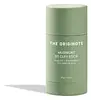
This wash off mask is formulated around Salicylic Acid to clear breakouts and unclog pores.
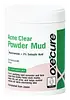
This acne treatment is formulated around Kaolin and Zinc Oxide to clear breakouts and balance excess oil.


What's inside
What's inside
 Key Ingredients
Benefits
Concerns
Ingredients Side-by-side
Water
Skin ConditioningKaolin
Abrasive



Butylene Glycol
Humectant

Glycerin
Humectant
Propylene Glycol
Humectant

Diatomaceous Earth
Abrasive
Sodium Stearate
CleansingTitanium Dioxide
Cosmetic Colorant

PEG-8
HumectantVp/Va Copolymer
CI 77288
Cosmetic ColorantSilica
Abrasive
Charcoal
Abrasive
CI 77492
Cosmetic ColorantMica
Cosmetic ColorantAlumina
Abrasive
Chlorphenesin
Antimicrobial
Niacinamide
Smoothing






Salicylic Acid
Masking


Artemisia Argyi Leaf Extract
Skin ConditioningParfum
Masking

Menthol
Masking
Centella Asiatica Extract
Cleansing
Propanediol
Solvent
1,2-Hexanediol
Skin Conditioning
Zinc PCA
Humectant
Nymphaea Caerulea Flower Water
Skin ConditioningLactobacillus/Rice Ferment
Skin Conditioning
Salix Alba Bark Extract
Astringent
Bisabolol
Antioxidant
Propolis Extract
Skin Conditioning
Calendula Officinalis Flower Extract
Masking
Caprylhydroxamic Acid
ChelatingWater, Kaolin, Butylene Glycol, Glycerin, Propylene Glycol, Diatomaceous Earth, Sodium Stearate, Titanium Dioxide, PEG-8, Vp/Va Copolymer, CI 77288, Silica, Charcoal, CI 77492, Mica, Alumina, Chlorphenesin, Niacinamide, Salicylic Acid, Artemisia Argyi Leaf Extract, Parfum, Menthol, Centella Asiatica Extract, Propanediol, 1,2-Hexanediol, Zinc PCA, Nymphaea Caerulea Flower Water, Lactobacillus/Rice Ferment, Salix Alba Bark Extract, Bisabolol, Propolis Extract, Calendula Officinalis Flower Extract, Caprylhydroxamic Acid
Water
Skin ConditioningKaolin
Abrasive
Titanium Dioxide
Cosmetic Colorant
Zinc Oxide
Cosmetic Colorant
Bentonite
Absorbent
Butylene Glycol
Humectant
Dipropylene Glycol
HumectantIsononyl Isononanoate
EmollientPEG-20 Methyl Glucose Sesquistearate
Emulsifying
Alcohol Denat.
Antimicrobial
Ethoxydiglycol
HumectantGlycerin
Humectant
Ethylhexyl Palmitate
Emollient

Polysorbate 60
Emulsifying
Salicylic Acid
Masking
Cetearyl Alcohol
Emollient

Glyceryl Stearate
Emollient
Dimethicone
Emollient
PEG-100 Stearate
Surfactant
Phenoxyethanol
Preservative
Ceteth-10 Phosphate
CleansingDicetyl Phosphate
EmulsifyingCamphor
Masking
Chlorphenesin
Antimicrobial
Disodium EDTA
ChelatingCI 77491
Cosmetic ColorantNiacinamide
Smoothing
Tocopheryl Acetate
Antioxidant
Zinc PCA
Humectant
Cocamidopropyl Dimethylamine
Emulsifying
Aloe Barbadensis Leaf Juice
Skin Conditioning
Maltodextrin
Absorbent
BHT
Antioxidant
Polysorbate 80
Emulsifying
10-Hydroxydecanoic Acid
Skin ConditioningSebacic Acid
Buffering1,10-Decanediol
SolventPotassium Sorbate
Preservative
Sodium Benzoate
Masking
Ethylhexylglycerin
Skin ConditioningAnthemis Nobilis Flower Extract
Masking
Butyrospermum Parkii Butter
Skin Conditioning
Camellia Sinensis Leaf Extract
Antimicrobial
Fucus Vesiculosus Extract
Emollient
Isomerized Safflower Acid
Skin ConditioningPalmitoyl Tripeptide-5
Skin Conditioning
Ascorbic Acid
Antioxidant
Beeswax
Emulsion Stabilising
Benzalkonium Chloride
Antimicrobial
Palmitic Acid
Emollient
Silica
Abrasive
Zinc Sulfate
Antimicrobial
Water, Kaolin, Titanium Dioxide, Zinc Oxide, Bentonite, Butylene Glycol, Dipropylene Glycol, Isononyl Isononanoate, PEG-20 Methyl Glucose Sesquistearate, Alcohol Denat., Ethoxydiglycol, Glycerin, Ethylhexyl Palmitate, Polysorbate 60, Salicylic Acid, Cetearyl Alcohol, Glyceryl Stearate, Dimethicone, PEG-100 Stearate, Phenoxyethanol, Ceteth-10 Phosphate, Dicetyl Phosphate, Camphor, Chlorphenesin, Disodium EDTA, CI 77491, Niacinamide, Tocopheryl Acetate, Zinc PCA, Cocamidopropyl Dimethylamine, Aloe Barbadensis Leaf Juice, Maltodextrin, BHT, Polysorbate 80, 10-Hydroxydecanoic Acid, Sebacic Acid, 1,10-Decanediol, Potassium Sorbate, Sodium Benzoate, Ethylhexylglycerin, Anthemis Nobilis Flower Extract, Butyrospermum Parkii Butter, Camellia Sinensis Leaf Extract, Fucus Vesiculosus Extract, Isomerized Safflower Acid, Palmitoyl Tripeptide-5, Ascorbic Acid, Beeswax, Benzalkonium Chloride, Palmitic Acid, Silica, Zinc Sulfate
Reviews
Ingredients Explained
These ingredients are found in both products.
Ingredients higher up in an ingredient list are typically present in a larger amount.
Butylene Glycol (or BG) is used within cosmetic products for a few different reasons:
Overall, Butylene Glycol is a safe and well-rounded ingredient that works well with other ingredients.
Though this ingredient works well with most skin types, some people with sensitive skin may experience a reaction such as allergic rashes, closed comedones, or itchiness.
Learn more about Butylene GlycolChlorphenesin is a synthetic preservative. It helps protect a product against bacteria in order to extend shelf life. In most cases, Chlorphenesin is paired with other preservatives such as phenoxyethanol and caprylyl glycol.
Chlorphenesin is a biocide. This means it is able to help fight the microorganisms on our skin. It is also able to fight odor-releasing bacteria.
Chlorphenesin is soluble in both water and glycerin.
Studies show Chlorphenesin is easily absorbed by our skin. You should speak with a skincare professional if you have concerns about using Chlorphenesin.
Learn more about ChlorphenesinGlycerin (or glycerol) is a compound naturally found in your skin. It's a powerhouse humectant that pulls water into the stratum corneum.
Topically, glycerin does several things at once:
Your skin makes glycerin on its own (mostly from sebaceous oil breakdown) and shuttles it to your outermost layer of skin, or your epidermis, via aquaporin-3.
Aquaporin-3 is a transporter that is essential for normal skin hydration, elasticity, and repair. Interestingly, mice lacking in AQP3 have dry and less elastic skin that can be fully corrected with glycerin.
This ingredient is non-irritating, plays well with almost every ingredient, and works across all skin types. Typical use is anywhere between 3-10% but can go up to 79% in some leave-on products.
Just know very high concentrations (>40%) can feel tacky in low humidity.
Glycerin is the name for this ingredient in American English. British English uses Glycerol/Glycerine.
Learn more about GlycerinKaolin is a clay. It is used for oil control and to help minimize pores. Like other clays, kaolin has the ability to absorb excess sebum or oil. This can help clean out pores and mattify the skin.
Some types of kaolin may have exfoliating properties. When water is added to kaolin, it becomes a paste with small abrasive particles.
Most kaolin is a white color, but may be pink/orange/red depending on where it comes from.
The name 'kaolin' comes from a Chinese village named 'Gaoling'. Kaolin clay comes from rocks rich in kaolinite. Kaolinite, the mineral, has a silicate layered structure. Kaolinite is formed from chemical weathering of aluminum siilicate minerals.
Besides skincare, kaolin is commonly used to make glossy paper, in ceramics, toothpaste, and as medicine to soothe stomach issues.
Learn more about KaolinNiacinamide is a multitasking form of vitamin B3 that strengthens the skin barrier, reduces pores and dark spots, regulates oil, and improves signs of aging.
And the best part? It's gentle and well-tolerated by most skin types, including sensitive and reactive skin.
You might have heard of "niacin flush", or the reddening of skin that causes itchiness. Niacinamide has not been found to cause this.
In very rare cases, some individuals may not be able to tolerate niacinamide at all or experience an allergic reaction to it.
If you are experiencing flaking, irritation, and dryness with this ingredient, be sure to double check all your products as this ingredient can be found in all categories of skincare.
When incorporating niacinamide into your routine, look out for concentration amounts. Typically, 5% niacinamide provides benefits such as fading dark spots. However, if you have sensitive skin, it is better to begin with a smaller concentration.
When you apply niacinamide to your skin, your body converts it into nicotinamide adenine dinucleotide (NAD). NAD is an essential coenzyme that is already found in your cells as "fuel" and powers countless biological processes.
In your skin, NAD helps repair cell damage, produce new healthy cells, support collagen production, strengthen the skin barrier, and fight environmental stressors (like UV and pollution).
Our natural NAD levels start to decline with age, leading to slower skin repair, visible aging, and a weaker skin barrier. By providing your skin niacinamide, you're recharging your skin's NAD levels. This leads to stronger, healthier, and younger looking skin.
Another name for vitamin B3 is nicotinamide. This vitamin is water-soluble and our bodies don't store it. We obtain Vitamin B3 from either food or skincare. Meat, fish, wheat, yeast, and leafy greens contain vitamin B3.
The type of niacinamide used in skincare is synthetically created.
Learn more about NiacinamideSalicylic Acid (also known as beta hydroxy acid or BHA) is a well-known ingredient for treating skin that struggles with acne and clogged pores. It exfoliates both the skin's surface and deep within the pores to help clear out buildup, control oil, and reduce inflammation.
Unlike AHAs (alpha hydroxy acids), salicylic acid is oil-soluble. This allows it to penetrate into pores which makes it especially effective for treating blackheads and preventing future breakouts.
Salicylic acid is also known for its soothing properties. It has a similar structure to aspirin and can calm inflamed or irritated skin, making it a good option for acne-prone skin that is also sensitive.
Concentrations of 0.5-2% are recognized by the U.S. FDA as an over-the-counter topical acne product.
It can cause irritation and/or dryness if one's skin already has a compromised moisture barrier, so it's best to focus on repairing that before introducing this ingredient into your routine.
While salicylic acid does not increase sun sensitivity, it’s still important to wear sunscreen daily to protect your skin.
If you are looking for the ingredient called BHA or Butylated Hydroxyanisole, click here.
Learn more about Salicylic AcidSilica, also known as silicon dioxide, is a naturally occurring mineral. It is used as a fine, spherical, and porous powder in cosmetics.
Though it has exfoliant properties, the function of silica varies depending on the product.
The unique structure of silica enhances the spreadability and adds smoothness, making it a great texture enhancer.
It is also used as an active carrier, emulsifier, and mattifier due to its ability to absorb excess oil.
In some products, tiny microneedles called spicules are made from silica or hydrolyzed sponge. When you rub them in, they lightly polish away dead skin layers and enhance the penetration of active ingredients.
Learn more about SilicaTitanium Dioxide (TD) is a mineral UV filter widely used in sunscreens and cosmetics.
It's one of only two UV filters officially classified as "mineral" by regulatory agencies (the other being Zinc Oxide).
A really common myth is that mineral filters work by reflecting UV light off your skin like tiny mirrors.
They don't only do that; modern research shows TD protects mostly by absorbing UV radiation, the same way chemical filters do.
When researchers measured this, reflection accounted for only about 4-5% of the protection (and less than SPF 2 on its own). The other ~95% comes from absorption: the UV photons hit the particle and their energy gets soaked up by its semiconductor band gap rather than bouncing off.
So "reflects vs. absorbs" was never really the right way to split mineral from chemical filters.
TD gives broad-spectrum protection that's strongest in the UVB and UVA-2 range and weaker in the UVA-1 range. Its UVA protection isn't quite as strong as Zinc Oxide's which is why you'll often see the two paired together.
Together, they make a solid broad-spectrum system.
TD is a great pick for sensitive, acne-prone, or redness-prone skin because it's non-irritating and chemically inert. Regulatory reviews classify it as a non-sensitizer and mild-to-non-irritant.
It's also unlikely to cause the "eye sting" some chemical filters are known for.
The main trade-off is cosmetic; TD can leave a white cast and has a thicker texture. This is why mineral sunscreens are often less cosmetically elegant than chemical or hybrid formulas (and harder to shade-match on deeper skin tones).
Formulators often use micronized or nano-sized TD to cut down on white case and improve spreadability. Smaller particles scatter less visible light so the formula looks less chalky while still filtering UV.
TD is almost always bundled with coatings like Alumina, Silica, Stearic Acid, or Dimethicone. These coatings do two important jobs:
TD can be used at up to 25% in a finished sunscreen; this is the regulatory ceiling in both the US and the EU.
In practice, the amount in any given product varies a lot depending on the target SPF and whether it's paired with other UV filters.
TD is one of the most heavily vetted sunscreen ingredients out there. It is approved as a UV filter in all major markets worldwide, including the US, EU, UK, Japan, Korea, China, Australia, and Canada.
The safety evidence is solid. There was an old worry that nano particles might absorb through skin into the body but multiple studies (including on damaged, sunburned, and UV-irradiated skin) have shown that TD stays on the surface and the layer of dead skin cells on top of everything else.
There's also no evidence of carcinogenicity, mutagenicity, or reproductive toxicity from dermal exposure of this ingredient.
For those who have seen the headline about a 2022 EU ban on TD, that was on TD as a food additive (a complete separate use from topical sunscreen).
There are ongoing questions about how nano-TD might affect marine ecosystems. As of now, there has been no conclusive evidence that any form of TD (or any other sunscreen filter) harms coral reefs or marine life.
The science is still developing and it's a space worth watching rather than packing over.
However, several destinations have reef-safety sunscreen rules that restrict certain chemical filters and steer visitors toward mineral, non-nano options. If you're traveling somewhere with these rules, a non-nano mineral sunscreen is the safe bet.
Learn more about Titanium DioxideWater. It's the most common cosmetic ingredient of all. You'll usually see it at the top of ingredient lists, meaning that it makes up the largest part of the product.
So why is it so popular? Water most often acts as a solvent - this means that it helps dissolve other ingredients into the formulation.
You'll also recognize water as that liquid we all need to stay alive. If you see this, drink a glass of water. Remember to stay hydrated!
Learn more about WaterZinc PCA is a clever two-in-one molecule: the zinc salt of pyrrolidone carboxylic acid (PCA).
Think of it as two useful things bonded together; the PCA half is one of your skin's own natural moisturizing factors (NMF) so it helps hold water in the upper layers. On the other hand, the zinc half does the heavy lifting on oil and bacteria.
The zinc part slows down an enzyme that turns testosterone into DHT, the hormone that tells your oil glands to pump out more sebum. Less of that signal means less oil. It also gently fights acne-causing bacteria and soothes redness/irritation.
This is why Zinc PCA often shows up in products for oily, breakout-prone skin and greasy scalps.
One lab study also hinted it might have a small anti-aging perk because it seemed to protect collagen from UVA damage and even helped the skin make a bit more of it. That last bit is still early research done in a dish and not real skin, so take it as a nice bonus rather than a promise for now.
As for scar healing, the picture is more "maybe" than a firm yes. Zinc itself plays a real role in wound repair because it is a cofactor for the enzymes involved in collagen building, calming inflammation, and helping new skin cells cover a wound. Lower zinc levels are also linked to slower healing.
Most of the scar healing research is on zinc oxide or oral zinc rather than zinc PCA specifically, with a focus on healing fresh wounds instead of scars that are already there.
Direct evidence that zinc PCA improves the look of established scars is still limited at this time. Though it would be fair to say zinc PCA supports the general skin-repair environment thanks to its zinc content .
This ingredient is water-soluble and plays nicely with other actives like niacinamide and salicylic acid. It works best at mildly acidic formulas (~4-6 pH) and is effective at low levels. Around 0.1% is enough to be active and finished products commonly use it anywhere up to 4%.
Overall, this is a well-tolerated, low-drama multitasker that suits oily and acne-prone skin.
Learn more about Zinc PCA

