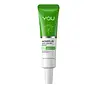
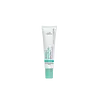
Y.O.U Acneplus Spot Care Pro Serum Versus Luxe Organix Miracle Solutions Acne Derm+ Pimple Corrector
This acne serum is formulated around Niacinamide and Salicylic Acid to clear breakouts and calm redness.
This acne treatment is formulated around Niacinamide and Salicylic Acid to clear breakouts and balance excess oil.


What's inside
What's inside
 Key Ingredients
Benefits
Concerns
Ingredients Side-by-side
Water
Skin ConditioningPropanediol
Solvent

Niacinamide
Smoothing










Ethylhexyl Palmitate
Emollient




Polysorbate 60
Emulsifying
Propylene Glycol
Humectant
Caprylic/Capric Triglyceride
Masking
Cetearyl Alcohol
Emollient
Dimethicone
Emollient
Sorbitan Stearate
Emulsifying
Hydroxyethylpiperazine Ethane Sulfonic Acid
BufferingHydroxypropyl Cyclodextrin
MaskingIsononyl Isononanoate
EmollientGlyceryl Stearate
Emollient
PEG-100 Stearate
Surfactant
Panthenol
Skin Conditioning
Cetyl Alcohol
Emollient
Laurocapram
Skin ConditioningGalla Rhois Gallnut Extract
Antimicrobial
Polyacrylate-13
Phenoxyethanol
Preservative
Glycerin
Humectant
Butylene Glycol
Humectant
Triethanolamine
BufferingHydroxyacetophenone
Antioxidant
Menthol
Masking


Salvia Miltiorrhiza Root Extract
Skin ConditioningPaeonol
Antioxidant
Dipotassium Glycyrrhizate
Humectant
Scutellaria Baicalensis Root Extract
Astringent
Acrylates/C10-30 Alkyl Acrylate Crosspolymer
Emulsion StabilisingPolyisobutene
Xanthan Gum
EmulsifyingDisodium EDTA
ChelatingPolysorbate 20
Emulsifying
Camphor
Masking
Sorbitan Isostearate
Emulsifying
Salicylic Acid
Masking
Allantoin
Skin Conditioning
Gluconolactone
Chelating
Astragalus Membranaceus Root Extract
Emollient
Sclerotium Gum
Emulsion Stabilising1,2-Hexanediol
Skin Conditioning
Caprylyl Glycol
Emollient
Saposhnikovia Divaricata Root Extract
AntimicrobialPapain
Skin Conditioning
Pentylene Glycol
Skin Conditioning
Calendula Officinalis Flower Extract
Masking
Albizia Julibrissin Flower Extract
Skin ConditioningGastrodia Elata Root Extract
Skin ConditioningCentella Asiatica Extract
Cleansing
Quaternium-73
Gentiana Scabra Root Extract
Skin ConditioningCapryloyl Glycine
CleansingHexylene Glycol
EmulsifyingMelaleuca Alternifolia Leaf Oil
Antioxidant

Phellodendron Amurense Bark Extract
Skin ConditioningSophora Angustifolia Root Extract
Skin ConditioningRheum Palmatum Root Extract
Astringent
Sarcosine
Skin Conditioning
Madecassoside
Antioxidant
Cinnamomum Zeylanicum Bark Extract
Antimicrobial
Asiaticoside
Antioxidant
Anthemis Nobilis Flower Oil
Masking
Glyceryl Caprylate
EmollientHydroxycinnamic Acid
Skin ConditioningRutin
Antioxidant
Asiatic Acid
Skin Conditioning
Stephania Tetrandra Root Extract
Skin ConditioningMadecassic Acid
Skin Conditioning
Zinc PCA
Humectant
Water, Propanediol, Niacinamide, Ethylhexyl Palmitate, Polysorbate 60, Propylene Glycol, Caprylic/Capric Triglyceride, Cetearyl Alcohol, Dimethicone, Sorbitan Stearate, Hydroxyethylpiperazine Ethane Sulfonic Acid, Hydroxypropyl Cyclodextrin, Isononyl Isononanoate, Glyceryl Stearate, PEG-100 Stearate, Panthenol, Cetyl Alcohol, Laurocapram, Galla Rhois Gallnut Extract, Polyacrylate-13, Phenoxyethanol, Glycerin, Butylene Glycol, Triethanolamine, Hydroxyacetophenone, Menthol, Salvia Miltiorrhiza Root Extract, Paeonol, Dipotassium Glycyrrhizate, Scutellaria Baicalensis Root Extract, Acrylates/C10-30 Alkyl Acrylate Crosspolymer, Polyisobutene, Xanthan Gum, Disodium EDTA, Polysorbate 20, Camphor, Sorbitan Isostearate, Salicylic Acid, Allantoin, Gluconolactone, Astragalus Membranaceus Root Extract, Sclerotium Gum, 1,2-Hexanediol, Caprylyl Glycol, Saposhnikovia Divaricata Root Extract, Papain, Pentylene Glycol, Calendula Officinalis Flower Extract, Albizia Julibrissin Flower Extract, Gastrodia Elata Root Extract, Centella Asiatica Extract, Quaternium-73, Gentiana Scabra Root Extract, Capryloyl Glycine, Hexylene Glycol, Melaleuca Alternifolia Leaf Oil, Phellodendron Amurense Bark Extract, Sophora Angustifolia Root Extract, Rheum Palmatum Root Extract, Sarcosine, Madecassoside, Cinnamomum Zeylanicum Bark Extract, Asiaticoside, Anthemis Nobilis Flower Oil, Glyceryl Caprylate, Hydroxycinnamic Acid, Rutin, Asiatic Acid, Stephania Tetrandra Root Extract, Madecassic Acid, Zinc PCA
Water
Skin ConditioningAlcohol Denat.
Antimicrobial
Niacinamide
Smoothing
Sodium Polyacrylate
Absorbent
Glyceryl Stearate
Emollient
Palmitic Acid
Emollient
Caprylic/Capric Triglyceride
Masking
Salicylic Acid
Masking
Stearic Acid
Cleansing
Propanediol
Solvent
PEG-100 Stearate
Surfactant
Dimethicone
Emollient
Sorbitan Sesquioleate
Emulsifying
Cetearyl Olivate
Sorbitan Olivate
Emulsifying
Caprylyl Glycol
Emollient
Butylene Glycol
Humectant
Glycerin
Humectant
Gluconolactone
Chelating
Glycolic Acid
Buffering

Lactic Acid
Buffering
Capryloyl Salicylic Acid
Exfoliating
Melaleuca Alternifolia Leaf Extract
Perfuming
Hippophae Rhamnoides Fruit Extract
Skin Conditioning
Bellis Perennis Flower Extract
Skin ConditioningLippia Citriodora Leaf Extract
Astringent
Salvia Officinalis Leaf Extract
CleansingUrtica Dioica Extract
AstringentOriganum Vulgare Leaf Extract
Skin ConditioningAnthemis Nobilis Flower Extract
Masking
Thymus Vulgaris Extract
Perfuming
Mentha Piperita Leaf Extract
Skin ConditioningCalendula Officinalis Flower Extract
Masking
Chrysanthemum Parthenium Extract
Skin ConditioningUlmus Davidiana Root Extract
Skin Conditioning
Pueraria Lobata Root Extract
HumectantPinus Palustris Leaf Extract
TonicOenothera Biennis Flower Extract
AstringentLaminaria Japonica Extract
Skin Protecting
Aloe Barbadensis Leaf Extract
Emollient
Dioscorea Japonica Root Extract
Skin Conditioning
Viola Mandshurica Flower Extract
Antioxidant
Zinc Pyrithione
Antiseborrhoeic
1,2-Hexanediol
Skin Conditioning
Allantoin
Skin Conditioning
Adenosine
Skin Conditioning
Arginine
Masking
Myristic Acid
Cleansing
Ethylhexylglycerin
Skin ConditioningDenatonium Benzoate
Masking
Sodium Polynaphthalenesulfonate
Emulsion StabilisingDisodium EDTA
ChelatingMelaleuca Alternifolia Leaf Oil
Antioxidant
Water, Alcohol Denat., Niacinamide, Sodium Polyacrylate, Glyceryl Stearate, Palmitic Acid, Caprylic/Capric Triglyceride, Salicylic Acid, Stearic Acid, Propanediol, PEG-100 Stearate, Dimethicone, Sorbitan Sesquioleate, Cetearyl Olivate, Sorbitan Olivate, Caprylyl Glycol, Butylene Glycol, Glycerin, Gluconolactone, Glycolic Acid, Lactic Acid, Capryloyl Salicylic Acid, Melaleuca Alternifolia Leaf Extract, Hippophae Rhamnoides Fruit Extract, Bellis Perennis Flower Extract, Lippia Citriodora Leaf Extract, Salvia Officinalis Leaf Extract, Urtica Dioica Extract, Origanum Vulgare Leaf Extract, Anthemis Nobilis Flower Extract, Thymus Vulgaris Extract, Mentha Piperita Leaf Extract, Calendula Officinalis Flower Extract, Chrysanthemum Parthenium Extract, Ulmus Davidiana Root Extract, Pueraria Lobata Root Extract, Pinus Palustris Leaf Extract, Oenothera Biennis Flower Extract, Laminaria Japonica Extract, Aloe Barbadensis Leaf Extract, Dioscorea Japonica Root Extract, Viola Mandshurica Flower Extract, Zinc Pyrithione, 1,2-Hexanediol, Allantoin, Adenosine, Arginine, Myristic Acid, Ethylhexylglycerin, Denatonium Benzoate, Sodium Polynaphthalenesulfonate, Disodium EDTA, Melaleuca Alternifolia Leaf Oil
Reviews
Ingredients Explained
These ingredients are found in both products.
Ingredients higher up in an ingredient list are typically present in a larger amount.
1,2-Hexanediol is a synthetic liquid and another multi-functional powerhouse.
It is a:
- Humectant, drawing moisture into the skin
- Emollient, helping to soften skin
- Solvent, dispersing and stabilizing formulas
- Preservative booster, enhancing the antimicrobial activity of other preservatives
Allantoin is a soothing ingredient known for its protective and moisturizing properties; it's basically a quiet workhorse ingredient you can find in a huge range of cosmetics.
Though it can be derived from the comfrey plant, allantoin is produced synthetically for cosmetic products to ensure purity.
Research shows it can encourage your skin cells to turn over and renew by stimulating keratinocyte and fibroblast proliferation.
It also has mild keratolytic properties to help loosen and shed dead skin cells without being harsh.
Studies also suggest allantoin can help calm inflammation by dialing down some of the chemical signals your skin sends out when it is irritated.
This ingredient is typically used in the 0.1-0.5% range, and the FDA recognizes it as a skin protectant in OTC products up to 2%.
Overall, allantoin is a wonderful addition to most routines; it is stable across a wide pH range (~4-8), works well with other ingredients, and is considered non-sensitizing/non-irritating.
Fun fact: Allantoin is naturally occurring in comfrey root, beets, chamomile, and wheat sprouts. Our bodies even produce it as a byproduct of uric acid metabolism.
Learn more about AllantoinButylene Glycol (or BG) is used within cosmetic products for a few different reasons:
Overall, Butylene Glycol is a safe and well-rounded ingredient that works well with other ingredients.
Though this ingredient works well with most skin types, some people with sensitive skin may experience a reaction such as allergic rashes, closed comedones, or itchiness.
Learn more about Butylene GlycolCalendula Officinalis Flower Extract comes from the marigold flower and has been used on skin for centuries for its calming effect.
In the lab, its active compounds appear to calm inflammation and support the early "healing" phase of minor wounds.
This is why Europe's medicines regulator has approved calendula extracts as a traditional remedy for minor skin inflammation and healing small wounds.
The stronger human evidence is around would/ulcer care rather than everyday cosmetic claims; a review that pulled together 14 studies found that calendula helped calm the early, inflamed stage of a wound and helped new skin tissue form faster.
Two studies also showed it shrank leg ulcers (the kind caused by poor circulation). Results were mixed for burns and for the skin irritation people get from radiation treatment, so it's not a sure thing there.
In cosmetics, it's mostly a skin conditioning and soothing agent.
The Cosmetic Ingredient Review panel concluded that calendula-derived ingredients are safe as used and that the ingredients are not irritating, sensitizing, or photosensitizing in clinical tests (though they may be mild eye irritants).
Typical use levels are quite low; industry data reported it used at under 0.5% (one supplier noted a 10-25% extract blend used at 1-10% in the finished product). Historical use goes up to 10%.
The only thing to keep in mind is if you have daisy/ragweed allergies. Calendula is in the same family and one patch-test study found 2% of dermatitis patients reacted to marigold. Be sure to patch test if you have sensitive or allergy-prone skin.
Learn more about Calendula Officinalis Flower ExtractCaprylic/Capric Triglyceride (aka MCT Oil) is a lightweight emollient, solvent, and texture enhancer. It is considered a skin-softener by helping to prevent moisture loss.
Though it behaves like an oil, it is not technically one due to its chemical composition. One perk of this ingredient is that it is very stable, resistant to oxidation, and unlikely to go rancid.
In practice, that translates to a long shelf life and a consistently elegant skin feel.
While there is an assumption Caprylic Triglyceride can clog pores due to it being derived from coconut oil, there is no research supporting this. Just patch test if you have concerns.
Fractionated coconut oil and MCT Oil are both listed as Caprylic/Capric Triglyceride according to INCI. This is because INCI names are based on the ingredient’s final chemical composition and not its marketing name or source.
This ingredient is treated as the gold standard fungal acne safe oil. Even though it is coconut derived, the problematic lauric acid is stripped out.
This leaves just caprylic (C8) and capric (C10) acid. These chain lengths actually trend antifungal; a 2020 study found caprylic acid was enough to disrupt Malassezia furfur cell membrane, with a caprylic acid derivative damaging membrane structures at concentrations as low as 0.2%.
Learn more about Caprylic/Capric TriglycerideCaprylyl Glycol is a humectant, skin conditioner, emollient, and preservative booster derived from either caprylic acid or synthetically created.
Typical use levels vary from 0.3-1% as a preservative booster and go up to 2% to condition skin.
Because it is not a free-fatty acid, this ingredient is fungal acne safe (there's nothing for Malassezia to feed on).
Learn more about Caprylyl GlycolDimethicone is a type of synthetic silicone created from natural materials such as quartz. It is also known as polydimethylsiloxane.
What it does:
Dimethicone comes in different viscosities:
Depending on the viscosity, dimethicone has different properties.
Ingredients lists don't always show which type is used, so we recommend reaching out to the brand if you have questions about the viscosity.
This ingredient is unlikely to cause irritation because it does not get absorbed into skin. However, people with silicone allergies should be careful about using this ingredient.
Note: Dimethicone may contribute to pilling. This is because it is not oil or water soluble, so pilling may occur when layered with products. When mixed with heavy oils in a formula, the outcome is also quite greasy.
Learn more about DimethiconeDisodium EDTA is a chelating agent. It grabs onto and deactivates metal ions that sneak into your products from water, packaging, or air.
This ingredient mainly works behind the scenes and helps with:
On top of that, this ingredient can counteract the effects of hard water by binding to the minerals in it.
One thing worth knowing is that Disodium EDTA has been shown to be a mild penetration enhancer. It can help other ingredients absorb into skin more effectively which can be a double-edged sword (great for actives, but can also make the active too strong if you have sensitive skin).
Clinical patch testing showed no significant skin irritation at typical use concentrations and minimal dermal absorption.
You'll most likely see this ingredient near the end of an ingredient list. It's typically found in concentrations less than 1%.
Learn more about Disodium EDTAGluconolactone is a PHA. PHAs are a great gentle alternative to traditional AHAs.
When applied, Gluconolactone has the same affect on skin as AHAs such as lactic acid. It helps dissolve the dead skin cells in the top layer of your skin. This improves texture and brightens the skin.
PHAs are more gentle than AHAs due to their larger structure. They do not penetrate as deeply as AHAs and take a longer time to dissolve dead cells. Studies show PHAs do not cause as much irritation.
Gluconolactone has some interesting properties:
In a 2004 study, Gluconolactone was found to prevent UV damage in mouse skin cells and has not been found to increase sun sensitivity. However, we still recommend wearing SPF daily.
This ingredient is is an created by reacting gluconic acid with an alcohol.
Learn more about GluconolactoneGlycerin (or glycerol) is a compound naturally found in your skin. It's a powerhouse humectant that pulls water into the stratum corneum.
Topically, glycerin does several things at once:
Your skin makes glycerin on its own (mostly from sebaceous oil breakdown) and shuttles it to your outermost layer of skin, or your epidermis, via aquaporin-3.
Aquaporin-3 is a transporter that is essential for normal skin hydration, elasticity, and repair. Interestingly, mice lacking in AQP3 have dry and less elastic skin that can be fully corrected with glycerin.
This ingredient is non-irritating, plays well with almost every ingredient, and works across all skin types. Typical use is anywhere between 3-10% but can go up to 79% in some leave-on products.
Just know very high concentrations (>40%) can feel tacky in low humidity.
Glycerin is the name for this ingredient in American English. British English uses Glycerol/Glycerine.
Learn more about GlycerinGlyceryl Stearate is made by reacting glycerin with stearic acid (typically sourced from plant oils like palm or coconut). It's an emulsifier, emollient, and mild occlusive.
Emulsifiers help ingredients like oil and water stay mixed so your formula stays nicely blended and uniform in texture.
This ingredient is typically used in concentrations between 1-10%. Studies have found it to be non-sensitizing, non-phototoxic, and non-photoallergenic.
A close cousin of this ingredient is Glyceryl Stearate SE ("self-emulsifying"). This just has a small amount of sodium or potassium stearate added so it can emulsify without a co-emulsifier.
Since this ingredient is an ester of a C18 fatty acid, it may not be fungal acne safe. The Malassezia yeast can potentially metabolize within the C11-C24 range.
Fun fact: The human body also creates Glyceryl Stearate naturally.
Learn more about Glyceryl StearateThis ingredient is also known as tea tree oil. It has antioxidant, anti-inflammatory, and antimicrobial properties.
Tea tree oil is a complex lipophilic (fat-loving) oil that contains around 100 compounds with terpinen-4-ol being the most abundant (~40%).
Terpinen-4-ol is responsible for tea tree oil's broad-spectrum antimicrobial activity and makes it a well-researched option for acne.
Clinical studies support 5% tea tree oil as an effective topical treatment for mild to moderate acne. A study with 124 patients compared 5% tea tree oil gel to 5% benzoyl peroxide and both reduced acne (though tea tree oil worked more slowly).
Besides acne, it is also seen in anti-dandruff shampoos and scalp treatments for it's antimicrobial and anti-seborrheic properties.
Safety-wise, the allergic potential of low concentrations on healthy skin is considered low. However, oxidized (old or improperly stored) tea tree oil is a stronger sensitizer.
Irritation can also occur if using the undiluted oil on skin; it's best to use this ingredient as part of a carefully crafted cosmetic formula. This is because regulations require tea tree oil in cosmetics to be stabilized to prevent degradation.
This ingredient has been deemed safe up to 2% in shampoo, 1% in cleansers, and 0.1% in face cream by the EU's Scientific Committee on Consumer Safety (SCCS).
There is some lab evidence that tea tree oil is antifungal against Malassezia, but it is a supportive option at best and not a replacement for proven antifungal treatments.
Learn more about Melaleuca Alternifolia Leaf OilNiacinamide is a multitasking form of vitamin B3 that strengthens the skin barrier, reduces pores and dark spots, regulates oil, and improves signs of aging.
And the best part? It's gentle and well-tolerated by most skin types, including sensitive and reactive skin.
You might have heard of "niacin flush", or the reddening of skin that causes itchiness. Niacinamide has not been found to cause this.
In very rare cases, some individuals may not be able to tolerate niacinamide at all or experience an allergic reaction to it.
If you are experiencing flaking, irritation, and dryness with this ingredient, be sure to double check all your products as this ingredient can be found in all categories of skincare.
When incorporating niacinamide into your routine, look out for concentration amounts. Typically, 5% niacinamide provides benefits such as fading dark spots. However, if you have sensitive skin, it is better to begin with a smaller concentration.
When you apply niacinamide to your skin, your body converts it into nicotinamide adenine dinucleotide (NAD). NAD is an essential coenzyme that is already found in your cells as "fuel" and powers countless biological processes.
In your skin, NAD helps repair cell damage, produce new healthy cells, support collagen production, strengthen the skin barrier, and fight environmental stressors (like UV and pollution).
Our natural NAD levels start to decline with age, leading to slower skin repair, visible aging, and a weaker skin barrier. By providing your skin niacinamide, you're recharging your skin's NAD levels. This leads to stronger, healthier, and younger looking skin.
Another name for vitamin B3 is nicotinamide. This vitamin is water-soluble and our bodies don't store it. We obtain Vitamin B3 from either food or skincare. Meat, fish, wheat, yeast, and leafy greens contain vitamin B3.
The type of niacinamide used in skincare is synthetically created.
Learn more about NiacinamidePeg-100 Stearate is an emollient and emulsifier. As an emollient, it helps keep skin soft by trapping moisture in. On the other hand, emulsifiers help prevent oil and water from separating in a product.
PEGS are a hydrophilic polyether compound . There are 100 ethylene oxide monomers in Peg-100 Stearate. Peg-100 Stearate is polyethylene glycol ester of stearic acid.
Propanediol is an all-star ingredient. It softens, hydrates, and smooths the skin.
It’s often used to:
Propanediol is not likely to cause sensitivity and considered safe to use. It is derived from corn or petroleum with a clear color and no scent.
Learn more about PropanediolSalicylic Acid (also known as beta hydroxy acid or BHA) is a well-known ingredient for treating skin that struggles with acne and clogged pores. It exfoliates both the skin's surface and deep within the pores to help clear out buildup, control oil, and reduce inflammation.
Unlike AHAs (alpha hydroxy acids), salicylic acid is oil-soluble. This allows it to penetrate into pores which makes it especially effective for treating blackheads and preventing future breakouts.
Salicylic acid is also known for its soothing properties. It has a similar structure to aspirin and can calm inflamed or irritated skin, making it a good option for acne-prone skin that is also sensitive.
Concentrations of 0.5-2% are recognized by the U.S. FDA as an over-the-counter topical acne product.
It can cause irritation and/or dryness if one's skin already has a compromised moisture barrier, so it's best to focus on repairing that before introducing this ingredient into your routine.
While salicylic acid does not increase sun sensitivity, it’s still important to wear sunscreen daily to protect your skin.
If you are looking for the ingredient called BHA or Butylated Hydroxyanisole, click here.
Learn more about Salicylic AcidWater. It's the most common cosmetic ingredient of all. You'll usually see it at the top of ingredient lists, meaning that it makes up the largest part of the product.
So why is it so popular? Water most often acts as a solvent - this means that it helps dissolve other ingredients into the formulation.
You'll also recognize water as that liquid we all need to stay alive. If you see this, drink a glass of water. Remember to stay hydrated!
Learn more about Water

