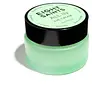
This anti-aging eye moisturizer is formulated around Aloe Barbadensis Leaf and Glycolic Acid to soften the look of wrinkles and hydrate skin.
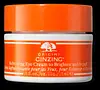
This brightening eye moisturizer is formulated around Panax Ginseng Root Extract and Caffeine to brighten dull-looking skin and hydrate skin.

What's inside
What's inside
 Key Ingredients
Benefits
Concerns
Ingredients Side-by-side
Water
Skin ConditioningAloe Barbadensis Leaf
Masking


Helianthus Annuus Seed Oil
Emollient


Hyaluronic Acid
Humectant



Hamamelis Virginiana Water
Astringent


Glycolic Acid
Buffering







Dimethyl Sulfone
SolventGlyceryl Stearate
Emollient
Glycerin
Humectant
Squalane
Emollient
Lactic Acid
Buffering
Elaeis Guineensis Oil
Emollient
Hydrogenated Castor Oil
Emollient
Ethylhexyl Palmitate
Emollient
Cocos Nucifera Oil
Masking

Theobroma Cacao Seed Butter
Emollient
Cetyl Alcohol
Emollient
Cetearyl Alcohol
Emollient
Cetearyl Glucoside
Emulsifying
Stearyl Alcohol
Emollient
Potassium Stearate
CleansingAscorbic Acid
Antioxidant

Caprylic/Capric Triglyceride
Masking
Hydrogenated Vegetable Oil
Emollient
Crithmum Maritimum Extract
Skin ConditioningMatrixyl 3000

Palmitoyl Tripeptide-5
Skin Conditioning
Cucumis Sativus Fruit Water
Skin ConditioningCarbomer
Emulsion StabilisingArginine
Masking
Beeswax
Emulsion Stabilising
Simmondsia Chinensis Seed Oil
Emollient
Calophyllum Inophyllum Seed Oil
Antimicrobial
Camellia Sinensis Leaf Extract
Antimicrobial
Thioctic Acid
Antioxidant
Arctostaphylos Uva-Ursi Leaf Extract
Skin Conditioning
Vaccinium Angustifolium Fruit Extract
Skin Protecting
Vaccinium Macrocarpon Fruit Extract
AstringentRubus Idaeus Seed Oil
Emollient
Dipotassium Glycyrrhizate
Humectant
Euphrasia Officinalis Extract
AntimicrobialHelichrysum Italicum Flower Oil
Masking
Camellia Oleifera Seed Oil
Skin Conditioning
Persea Gratissima Oil
Skin Conditioning
Pelargonium Graveolens Oil
Masking
Borago Officinalis Seed Oil
Emollient
Linum Usitatissimum Seed Oil
Perfuming
Oenothera Biennis Oil
Emollient
Rosa Rubiginosa Seed Oil
Emollient
Sodium Hydroxide
BufferingUbiquinone
Antioxidant
Tocopheryl Acetate
Antioxidant
Phytic Acid
Phospholipids
Skin Conditioning
Rosmarinus Officinalis Leaf Extract
AntimicrobialCitrus Limon Fruit Extract
Masking
Saccharum Officinarum Extract
MoisturisingCymbopogon Schoenanthus Oil
Masking
Ascorbyl Palmitate
Antioxidant
Acetyl Hexapeptide-8
Humectant
Sclerotium Gum
Emulsion StabilisingPotassium Sorbate
Preservative
Pantothenic Acid
Skin ConditioningArnica Montana Flower Oil
Perfuming
Lavandula Angustifolia Extract
Skin Conditioning
Calendula Officinalis Flower Extract
Masking
Chamomilla Recutita Oil
Masking
Vitis Vinifera Seed Oil
Emollient
Macadamia Ternifolia Seed Oil
Emollient
Sodium Carbomer
Emulsion StabilisingXanthan Gum
EmulsifyingPhenoxyethanol
Preservative
Ethylhexylglycerin
Skin ConditioningBenzyl Alcohol
Perfuming

Water, Aloe Barbadensis Leaf, Helianthus Annuus Seed Oil, Hyaluronic Acid, Hamamelis Virginiana Water, Glycolic Acid, Dimethyl Sulfone, Glyceryl Stearate, Glycerin, Squalane, Lactic Acid, Elaeis Guineensis Oil, Hydrogenated Castor Oil, Ethylhexyl Palmitate, Cocos Nucifera Oil, Theobroma Cacao Seed Butter, Cetyl Alcohol, Cetearyl Alcohol, Cetearyl Glucoside, Stearyl Alcohol, Potassium Stearate, Ascorbic Acid, Caprylic/Capric Triglyceride, Hydrogenated Vegetable Oil, Crithmum Maritimum Extract, Matrixyl 3000, Palmitoyl Tripeptide-5, Cucumis Sativus Fruit Water, Carbomer, Arginine, Beeswax, Simmondsia Chinensis Seed Oil, Calophyllum Inophyllum Seed Oil, Camellia Sinensis Leaf Extract, Thioctic Acid, Arctostaphylos Uva-Ursi Leaf Extract, Vaccinium Angustifolium Fruit Extract, Vaccinium Macrocarpon Fruit Extract, Rubus Idaeus Seed Oil, Dipotassium Glycyrrhizate, Euphrasia Officinalis Extract, Helichrysum Italicum Flower Oil, Camellia Oleifera Seed Oil, Persea Gratissima Oil, Pelargonium Graveolens Oil, Borago Officinalis Seed Oil, Linum Usitatissimum Seed Oil, Oenothera Biennis Oil, Rosa Rubiginosa Seed Oil, Sodium Hydroxide, Ubiquinone, Tocopheryl Acetate, Phytic Acid, Phospholipids, Rosmarinus Officinalis Leaf Extract, Citrus Limon Fruit Extract, Saccharum Officinarum Extract, Cymbopogon Schoenanthus Oil, Ascorbyl Palmitate, Acetyl Hexapeptide-8, Sclerotium Gum, Potassium Sorbate, Pantothenic Acid, Arnica Montana Flower Oil, Lavandula Angustifolia Extract, Calendula Officinalis Flower Extract, Chamomilla Recutita Oil, Vitis Vinifera Seed Oil, Macadamia Ternifolia Seed Oil, Sodium Carbomer, Xanthan Gum, Phenoxyethanol, Ethylhexylglycerin, Benzyl Alcohol
Water
Skin ConditioningButylene Glycol
Humectant
PEG-100 Stearate
Surfactant
Dimethicone
Emollient
Silica
Abrasive
Cetyl Ricinoleate
Emollient
Olea Europaea Fruit Oil
Masking
Glycerin
Humectant
Panax Ginseng Root Extract
Emollient
Coffea Arabica Seed Oil
Masking
Caffeine
Skin Conditioning
Citrus Aurantium Dulcis Peel Extract
Emulsion Stabilising
Aminopropyl Ascorbyl Phosphate
Antioxidant
Caprylic/Capric Triglyceride
Masking
Hypnea Musciformis Extract
Skin Protecting
Gelidiella Acerosa Extract
Skin Protecting
Sigesbeckia Orientalis Extract
Skin ConditioningAscophyllum Nodosum Extract
Skin Conditioning
Chrysanthellum Indicum Extract
Skin Conditioning
Asparagopsis Armata Extract
Skin Protecting
Cucumis Sativus Fruit Extract
Emollient
Pyrus Malus Fruit Extract
Skin Conditioning
Scutellaria Baicalensis Root Extract
Astringent
Molasses Extract
Skin ConditioningButyrospermum Parkii Butter
Skin Conditioning
Simmondsia Chinensis Seed Oil
Emollient
Sodium Hyaluronate
Humectant
Niacinamide
Smoothing
Linoleic Acid
Cleansing
Phytosphingosine
Skin Conditioning
Tocopheryl Acetate
Antioxidant
Methyl Trimethicone
Skin Conditioning
Trehalose
Humectant
Tribehenin
Emollient
Inulin
Skin Conditioning
Sorbitol
Humectant
Ethylhexylglycerin
Skin ConditioningCaprylyl Glycol
Emollient
Tocopherol
Antioxidant
Myristyl Alcohol
Emollient
Hydrogenated Lecithin
Emulsifying
Jojoba Wax PEG-120 Esters
Surfactant
Carbomer
Emulsion StabilisingBehenyl Alcohol
Emollient
Sodium Hydroxide
BufferingBHT
Antioxidant
Hydroxyacetophenone
Antioxidant
Sodium Metabisulfite
Antioxidant
Sodium Sulfite
Preservative
Disodium EDTA
Phenoxyethanol
Preservative
Chlorphenesin
Antimicrobial
Sorbic Acid
Preservative
Potassium Sorbate
Preservative
Mica
Cosmetic ColorantCI 77891
Cosmetic ColorantCI 77491
Cosmetic ColorantCI 77492
Cosmetic ColorantCI 77163
Cosmetic Colorant
Water, Butylene Glycol, PEG-100 Stearate, Dimethicone, Silica, Cetyl Ricinoleate, Olea Europaea Fruit Oil, Glycerin, Panax Ginseng Root Extract, Coffea Arabica Seed Oil, Caffeine, Citrus Aurantium Dulcis Peel Extract, Aminopropyl Ascorbyl Phosphate, Caprylic/Capric Triglyceride, Hypnea Musciformis Extract, Gelidiella Acerosa Extract, Sigesbeckia Orientalis Extract, Ascophyllum Nodosum Extract, Chrysanthellum Indicum Extract, Asparagopsis Armata Extract, Cucumis Sativus Fruit Extract, Pyrus Malus Fruit Extract, Scutellaria Baicalensis Root Extract, Molasses Extract, Butyrospermum Parkii Butter, Simmondsia Chinensis Seed Oil, Sodium Hyaluronate, Niacinamide, Linoleic Acid, Phytosphingosine, Tocopheryl Acetate, Methyl Trimethicone, Trehalose, Tribehenin, Inulin, Sorbitol, Ethylhexylglycerin, Caprylyl Glycol, Tocopherol, Myristyl Alcohol, Hydrogenated Lecithin, Jojoba Wax PEG-120 Esters, Carbomer, Behenyl Alcohol, Sodium Hydroxide, BHT, Hydroxyacetophenone, Sodium Metabisulfite, Sodium Sulfite, Disodium EDTA, Phenoxyethanol, Chlorphenesin, Sorbic Acid, Potassium Sorbate, Mica, CI 77891, CI 77491, CI 77492, CI 77163
Reviews
Ingredients Explained
These ingredients are found in both products.
Ingredients higher up in an ingredient list are typically present in a larger amount.
Caprylic/Capric Triglyceride (aka MCT Oil) is a lightweight emollient, solvent, and texture enhancer. It is considered a skin-softener by helping to prevent moisture loss.
Though it behaves like an oil, it is not technically one due to its chemical composition. One perk of this ingredient is that it is very stable, resistant to oxidation, and unlikely to go rancid.
In practice, that translates to a long shelf life and a consistently elegant skin feel.
While there is an assumption Caprylic Triglyceride can clog pores due to it being derived from coconut oil, there is no research supporting this. Just patch test if you have concerns.
Fractionated coconut oil and MCT Oil are both listed as Caprylic/Capric Triglyceride according to INCI. This is because INCI names are based on the ingredient’s final chemical composition and not its marketing name or source.
This ingredient is treated as the gold standard fungal acne safe oil. Even though it is coconut derived, the problematic lauric acid is stripped out.
This leaves just caprylic (C8) and capric (C10) acid. These chain lengths actually trend antifungal; a 2020 study found caprylic acid was enough to disrupt Malassezia furfur cell membrane, with a caprylic acid derivative damaging membrane structures at concentrations as low as 0.2%.
Learn more about Caprylic/Capric TriglycerideCarbomer is a synthetic thickening and gelling agent. It's basically the ingredient that gives a lot of serums, gels, creams, and sunscreens their smooth, non-sticky texture.
Although legally permitted at very high levels, carbomers are normally used at concentrations below 1%.
It also needs to be neutralized to actually thicken, and because it is a large molecule, it doesn't really penetrate the skin barrier.
Allergy-wise, the risk is very low. Clinical studies show carbomers have low potential for skin irritation/sensitization even at concentrations up to 100%.
A 2024 UK study patch-tested 1,302 patients and found true allergy to the parent group of carbomer to be rare with no confirmed relevant reactions.
Learn more about CarbomerEthylhexylglycerin is created from glycerin. It is a multitasker ingredient that:
The CIR Expert Panel found minimal skin absorption or sensitization of any kind in a safety assessment. Though this ingredient is considered well-tolerated, a small number of cases of allergic dermatitis have been published since 2002. Just be sure to patch test if you are unsure.
Industry-reported use ranges from 8% in rinse-off products and 2% in leave-on formulations.
Learn more about EthylhexylglycerinGlycerin (or glycerol) is a compound naturally found in your skin. It's a powerhouse humectant that pulls water into the stratum corneum.
Topically, glycerin does several things at once:
Your skin makes glycerin on its own (mostly from sebaceous oil breakdown) and shuttles it to your outermost layer of skin, or your epidermis, via aquaporin-3.
Aquaporin-3 is a transporter that is essential for normal skin hydration, elasticity, and repair. Interestingly, mice lacking in AQP3 have dry and less elastic skin that can be fully corrected with glycerin.
This ingredient is non-irritating, plays well with almost every ingredient, and works across all skin types. Typical use is anywhere between 3-10% but can go up to 79% in some leave-on products.
Just know very high concentrations (>40%) can feel tacky in low humidity.
Glycerin is the name for this ingredient in American English. British English uses Glycerol/Glycerine.
Learn more about GlycerinPhenoxyethanol is one of the most widely used preservatives in skincare (and for good reason!).
It has a large spectrum of antimicrobial activity and especially effective bacteria, yeast, and mold while only having a weak effect on your skin's natural microbiome.
On a cellular level, it disrupts the cell membranes of microbes by poking holes that make the cell leak. This shuts down the chemical reactions the microbe needs to make energy so it can no longer survive.
Another perk of this ingredient is that it stays functional across a wide pH range (3-10).
You'll often see it paired with boosters like Ethylhexylglycerin; one study showed that a 1:9 ratio of Ethylhexylglycerin to Phenoxyethanol damages bacterial membranes as effectively as doubling the Phenoxyethanol concentration on its own.
Typical use concentrations range from 0.3-1% depending on the formula, and this ingredient is capped at 1% int the EU.
Safety-wise, the fear mongering does not hold up to the evidence. The EU's Scientific Committee on Consumer Safety and FDA consider it safe as a preservative at up to 1%, including for children of all ages.
Adverse systemic effects only showed up in animal studies at exposures roughly 200x higher than what people get from cosmetics. And despite its very widespread use, this ingredient is a rare sensitizer and allergic reactions are uncommon.
Learn more about PhenoxyethanolPotassium Sorbate is a preservative used to prevent yeast and mold in products. It is commonly found in both cosmetic and food products.
This ingredient comes from potassium salt derived from sorbic acid. Sorbic acid is a natural antibiotic and effective against fungus.
Both potassium sorbate and sorbic acid can be found in baked goods, cheeses, dried meats, dried fruit, ice cream, pickles, wine, yogurt, and more.
You'll often find this ingredient used with other preservatives.
Learn more about Potassium SorbateJojoba oil is one of the most well-studied plant-derived ingredients in cosmetics. It is an emollient with a special structure.
Because it is made up of 97-98% wax esters, it closely mirrors the linear monoesters found in human sebum. This makes it skin compatible, non-greasy, and lightweight.
Unlike other plant oils, jojoba wax doesn't easily penetrate skin. It mostly works in the uppermost layers as an emollient. This just means it forms a light barrier on the skin to help retain moisture.
Formulations with jojoba esters up to 90% reduced transepidermal water loss (TEWL) and increased barrier recovery by 81% (outperforming bisabolol at 47%).
Besides barrier support, the science also suggests jojoba to have anti-inflammatory effects and potential applications for skin infections, aging, and wound healing.
Fun fact: Indigenous cultures have used jojoba as a moisturizer and to help treat burns for centuries.
Fungal acne: The Malassezia yeast is known to metabolize fatty acids in the C11-24 range and jojoba's dominant fatty acid components fall into this range. This ingredient may not be fungal acne safe.
Learn more about Simmondsia Chinensis Seed OilSodium Hydroxide is also known as lye or caustic soda. It is used to adjust the pH of products; many ingredients require a specific pH to be effective.
In small amounts, sodium hydroxide is considered safe to use. However, large amounts may cause chemical burns due to its high alkaline.
Your skin has a natural pH and acid mantle. This acid mantle helps prevent harmful bacteria from breaking through. The acid mantle also helps keep your skin hydrated.
"Alkaline" refers to a high pH level. A low pH level would be considered acidic.
Learn more about Sodium HydroxideTocopheryl Acetate is a stable, shelf-friendly form of vitamin E.
Formulators love it because plain vitamin E oxidizes quickly once it hits air. This acetate version stays stable and resists going off, helping to extend a product's shelf life.
It's actually inactive on its own and works like a slow-release "storage" form; the enzymes in your skin called esterases gradually convert it into active vitamin E over time.
One in vivo study showed 5% of the acetate in the living layer of the epidermis converted to vitamin E after 5 days of application. This study also found the skin gained protection against UV damage even though the conversion was slow and small.
Once converted, vitamin E acts as a skin's main fat-soluble antioxidant that fights free radicals to protect skin from damage.
Topical vitamin E generally boosts the skin's photoprotection, and it reduced UV-damage in animal models.
This ingredient has some brightening potential but it's more of a prevention ingredient than spot-fader. Cell studies show it can slow down melanin production but it's worth noting that it's not the most powerful brightener out there.
Overall, it has a pretty solid safety profile and has been found to be non-irritating and non-comedogenic. Allergic reactions may happen but stay rare due to how widely the ingredient gets used.
The concentration will vary depending on the formula; industry data shows 0.1% in baby lotions, 3% in lipsticks, and 5% in foot powders. You can also find this ingredient at 100% in a pure vitamin E oil.
Most leave-on skincare keeps it at the lower end, often between 0.5-1%.
Learn more about Tocopheryl AcetateWater. It's the most common cosmetic ingredient of all. You'll usually see it at the top of ingredient lists, meaning that it makes up the largest part of the product.
So why is it so popular? Water most often acts as a solvent - this means that it helps dissolve other ingredients into the formulation.
You'll also recognize water as that liquid we all need to stay alive. If you see this, drink a glass of water. Remember to stay hydrated!
Learn more about Water

