Herbivore Super Nova 5% THD Vitamin C + Caffeine Brightening Eye Cream Versus Origins Ginzing Brightening Eye Cream
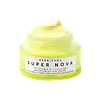
This brightening eye moisturizer is formulated around Tetrahexyldecyl Ascorbate and Caffeine to brighten dull-looking skin and fade the look of dark spots.
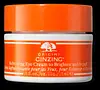
This brightening eye moisturizer is formulated around Panax Ginseng Root Extract and Caffeine to brighten dull-looking skin and hydrate skin.

What's inside
What's inside
 Key Ingredients
Benefits
Concerns
Ingredients Side-by-side
Water
Skin ConditioningTetrahexyldecyl Ascorbate
Antioxidant






Butyrospermum Parkii Butter
Skin Conditioning






Triheptanoin
Skin ConditioningBis-Diglyceryl Polyacyladipate-2
Emollient
Coco-Caprylate/Caprate
Emollient
Propanediol
Solvent
Simmondsia Chinensis Seed Oil
Emollient
Cetearyl Olivate
Sorbitan Olivate
Emulsifying
Stearyl Stearate
Emollient
Polyglyceryl-6 Stearate
Emollient
Glycerin
Humectant
Sodium Stearoyl Glutamate
CleansingBehenyl Alcohol
Emollient
Caffeine
Skin Conditioning

Ganoderma Lucidum Extract
Skin Protecting
Curcuma Longa Root Extract
Antioxidant
Astragalus Membranaceus Root Extract
Emollient
Spilanthes Acmella Flower/Leaf/Stem Extract
AntimicrobialHyaluronic Acid
Humectant
Ubiquinone
Antioxidant
Carthamus Tinctorius Seed Oil
Masking
Sclerotium Gum
Emulsion StabilisingC9-12 Alkane
SolventPolyglyceryl-6 Polyricinoleate
Emulsifying
Sodium Levulinate
Skin ConditioningSodium Anisate
AntimicrobialMelia Azadirachta Flower Extract
Skin ConditioningPolyglyceryl-6 Behenate
Emulsion Stabilising
Melia Azadirachta Leaf Extract
Skin ConditioningOcimum Sanctum Leaf Extract
Skin ConditioningSodium Phytate
ChelatingOcimum Basilicum Flower/Leaf Extract
TonicTocopheryl Acetate
Antioxidant
Corallina Officinalis Extract
Skin Conditioning
Xanthan Gum
EmulsifyingBacillus Ferment
Skin Conditioning
Glyceryl Caprylate
EmollientCitric Acid
Buffering
Water, Tetrahexyldecyl Ascorbate, Butyrospermum Parkii Butter, Triheptanoin, Bis-Diglyceryl Polyacyladipate-2, Coco-Caprylate/Caprate, Propanediol, Simmondsia Chinensis Seed Oil, Cetearyl Olivate, Sorbitan Olivate, Stearyl Stearate, Polyglyceryl-6 Stearate, Glycerin, Sodium Stearoyl Glutamate, Behenyl Alcohol, Caffeine, Ganoderma Lucidum Extract, Curcuma Longa Root Extract, Astragalus Membranaceus Root Extract, Spilanthes Acmella Flower/Leaf/Stem Extract, Hyaluronic Acid, Ubiquinone, Carthamus Tinctorius Seed Oil, Sclerotium Gum, C9-12 Alkane, Polyglyceryl-6 Polyricinoleate, Sodium Levulinate, Sodium Anisate, Melia Azadirachta Flower Extract, Polyglyceryl-6 Behenate, Melia Azadirachta Leaf Extract, Ocimum Sanctum Leaf Extract, Sodium Phytate, Ocimum Basilicum Flower/Leaf Extract, Tocopheryl Acetate, Corallina Officinalis Extract, Xanthan Gum, Bacillus Ferment, Glyceryl Caprylate, Citric Acid
Water
Skin ConditioningButylene Glycol
Humectant
PEG-100 Stearate
Surfactant
Dimethicone
Emollient
Silica
Abrasive

Cetyl Ricinoleate
Emollient
Olea Europaea Fruit Oil
Masking
Glycerin
Humectant
Panax Ginseng Root Extract
Emollient
Coffea Arabica Seed Oil
Masking
Caffeine
Skin Conditioning
Citrus Aurantium Dulcis Peel Extract
Emulsion Stabilising
Aminopropyl Ascorbyl Phosphate
Antioxidant
Caprylic/Capric Triglyceride
Masking
Hypnea Musciformis Extract
Skin Protecting
Gelidiella Acerosa Extract
Skin Protecting
Sigesbeckia Orientalis Extract
Skin ConditioningAscophyllum Nodosum Extract
Skin Conditioning
Chrysanthellum Indicum Extract
Skin Conditioning
Asparagopsis Armata Extract
Skin Protecting
Cucumis Sativus Fruit Extract
Emollient
Pyrus Malus Fruit Extract
Skin Conditioning
Scutellaria Baicalensis Root Extract
Astringent
Molasses Extract
Skin ConditioningButyrospermum Parkii Butter
Skin Conditioning
Simmondsia Chinensis Seed Oil
Emollient
Sodium Hyaluronate
Humectant
Niacinamide
Smoothing


Linoleic Acid
Cleansing
Phytosphingosine
Skin Conditioning
Tocopheryl Acetate
Antioxidant
Methyl Trimethicone
Skin Conditioning
Trehalose
Humectant
Tribehenin
Emollient
Inulin
Skin Conditioning
Sorbitol
Humectant
Ethylhexylglycerin
Skin ConditioningCaprylyl Glycol
Emollient
Tocopherol
Antioxidant
Myristyl Alcohol
Emollient
Hydrogenated Lecithin
Emulsifying
Jojoba Wax PEG-120 Esters
Surfactant
Carbomer
Emulsion StabilisingBehenyl Alcohol
Emollient
Sodium Hydroxide
BufferingBHT
Antioxidant
Hydroxyacetophenone
Antioxidant
Sodium Metabisulfite
Antioxidant
Sodium Sulfite
Preservative
Disodium EDTA
ChelatingPhenoxyethanol
Preservative
Chlorphenesin
Antimicrobial
Sorbic Acid
Preservative
Potassium Sorbate
Preservative
Mica
Cosmetic ColorantCI 77891
Cosmetic ColorantCI 77491
Cosmetic ColorantCI 77492
Cosmetic ColorantCI 77163
Cosmetic Colorant
Water, Butylene Glycol, PEG-100 Stearate, Dimethicone, Silica, Cetyl Ricinoleate, Olea Europaea Fruit Oil, Glycerin, Panax Ginseng Root Extract, Coffea Arabica Seed Oil, Caffeine, Citrus Aurantium Dulcis Peel Extract, Aminopropyl Ascorbyl Phosphate, Caprylic/Capric Triglyceride, Hypnea Musciformis Extract, Gelidiella Acerosa Extract, Sigesbeckia Orientalis Extract, Ascophyllum Nodosum Extract, Chrysanthellum Indicum Extract, Asparagopsis Armata Extract, Cucumis Sativus Fruit Extract, Pyrus Malus Fruit Extract, Scutellaria Baicalensis Root Extract, Molasses Extract, Butyrospermum Parkii Butter, Simmondsia Chinensis Seed Oil, Sodium Hyaluronate, Niacinamide, Linoleic Acid, Phytosphingosine, Tocopheryl Acetate, Methyl Trimethicone, Trehalose, Tribehenin, Inulin, Sorbitol, Ethylhexylglycerin, Caprylyl Glycol, Tocopherol, Myristyl Alcohol, Hydrogenated Lecithin, Jojoba Wax PEG-120 Esters, Carbomer, Behenyl Alcohol, Sodium Hydroxide, BHT, Hydroxyacetophenone, Sodium Metabisulfite, Sodium Sulfite, Disodium EDTA, Phenoxyethanol, Chlorphenesin, Sorbic Acid, Potassium Sorbate, Mica, CI 77891, CI 77491, CI 77492, CI 77163
Reviews
Ingredients Explained
These ingredients are found in both products.
Ingredients higher up in an ingredient list are typically present in a larger amount.
Behenyl Alcohol is a type of fatty alcohol (these are different from the drying, solvent alcohols).
Fatty Alcohols have hydrating properties and are most often used as an emollient or to thicken a product. They are usually derived from natural fats and oils; behenyl alcohol is derived from the fats of vegetable oils.
Emollients help keep your skin soft and hydrated by creating a film that traps moisture in.
In 2000, Behenyl Alcohol was approved by the US as medicine to reduce the duration of cold sores.
Learn more about Behenyl AlcoholThis ingredient is also known as shea butter. It is a plant-derived extract from the nuts of the Africa shea tree and one of the most well-studied emollients.
Because it has a high concentration of fatty acids (primarily oleic, stearic, and linoleic) it is able to form a protective barrier on the skin's surface. This helps seal in moisture and prevents transepidermal water loss (TEWL).
In vitro research found an increase in skin hydration by 58% and a decrease in TEWL by 37.8% after 24 hours of applying this ingredient (pretty impressive for a single ingredient!).
Besides hydration, shea butter also contains triterpenes that have anti-inflammatory potential. In particule, lupeol cinnamate has shown the highest anti-inflammatory activity in vivo.
Shea butter also contains vitamins A and E which may contribute to antioxidant activity.
While Shea Butter has an SPF rating of about 3-4, it is not a sunscreen replacement.
This ingredient may not be fungal acne safe because its fatty acids fall within the C11-C24 range that the Malassezia yeast can metabolize.
This ingredient shows up on a lot of "pore-clogging" lists but there's no real evidence behind that. It doesn't even have a comedogenic rating from an actual study; the numbers you'll find online come from blogs citing other blogs.
Ratings for other ingredients mostly come from a 1980s rabbit ear test. This test doesn't translate well to human skin or to real products because the ingredient sits at a much lower percentage.
Some people still find it breaks them out. So if that's you, definitely trust your skin. Just know this one's based on experience and not evidence.
Learn more about Butyrospermum Parkii ButterCaffeine is a naturally occurring plant compound found in coffee beans, tea leaves, cocoa pods, and guarana.
As an antioxidant, caffeine protects your skin from free radical damage caused by UV exposure and envionrmnetal stressors.
Early research also shows that caffeine can help calm redness, soothe irritated skin, and support hair growth by stimulating microcirculation in the scalp.
You might have seen eye creams marketing caffeine as a depuffing ingredient. This is because it is a vasoconstrictor meaning it can temporarily constrict blood vessels, though clinical evidence for this specific use is still limited.
Most skincare products contain this ingredient at concentrations between 1-6%. It is able to penetrate skin easily regardless of skin type or thickness.
Just so you know, a very small number of case reports describe caffeine-induced allergy. This ingredient is generally well-tolerated, non-irritating, and non-sensitizing for the majority of people.
Learn more about CaffeineGlycerin (or glycerol) is a compound naturally found in your skin. It's a powerhouse humectant that pulls water into the stratum corneum.
Topically, glycerin does several things at once:
Your skin makes glycerin on its own (mostly from sebaceous oil breakdown) and shuttles it to your outermost layer of skin, or your epidermis, via aquaporin-3.
Aquaporin-3 is a transporter that is essential for normal skin hydration, elasticity, and repair. Interestingly, mice lacking in AQP3 have dry and less elastic skin that can be fully corrected with glycerin.
This ingredient is non-irritating, plays well with almost every ingredient, and works across all skin types. Typical use is anywhere between 3-10% but can go up to 79% in some leave-on products.
Just know very high concentrations (>40%) can feel tacky in low humidity.
Glycerin is the name for this ingredient in American English. British English uses Glycerol/Glycerine.
Learn more about GlycerinJojoba oil is one of the most well-studied plant-derived ingredients in cosmetics. It is an emollient with a special structure.
Because it is made up of 97-98% wax esters, it closely mirrors the linear monoesters found in human sebum. This makes it skin compatible, non-greasy, and lightweight.
Unlike other plant oils, jojoba wax doesn't easily penetrate skin. It mostly works in the uppermost layers as an emollient. This just means it forms a light barrier on the skin to help retain moisture.
Formulations with jojoba esters up to 90% reduced transepidermal water loss (TEWL) and increased barrier recovery by 81% (outperforming bisabolol at 47%).
Besides barrier support, the science also suggests jojoba to have anti-inflammatory effects and potential applications for skin infections, aging, and wound healing.
Fun fact: Indigenous cultures have used jojoba as a moisturizer and to help treat burns for centuries.
Fungal acne: The Malassezia yeast is known to metabolize fatty acids in the C11-24 range and jojoba's dominant fatty acid components fall into this range. This ingredient may not be fungal acne safe.
Learn more about Simmondsia Chinensis Seed OilTocopheryl Acetate is a stable, shelf-friendly form of vitamin E.
Formulators love it because plain vitamin E oxidizes quickly once it hits air. This acetate version stays stable and resists going off, helping to extend a product's shelf life.
It's actually inactive on its own and works like a slow-release "storage" form; the enzymes in your skin called esterases gradually convert it into active vitamin E over time.
One in vivo study showed 5% of the acetate in the living layer of the epidermis converted to vitamin E after 5 days of application. This study also found the skin gained protection against UV damage even though the conversion was slow and small.
Once converted, vitamin E acts as a skin's main fat-soluble antioxidant that fights free radicals to protect skin from damage.
Topical vitamin E generally boosts the skin's photoprotection, and it reduced UV-damage in animal models.
This ingredient has some brightening potential but it's more of a prevention ingredient than spot-fader. Cell studies show it can slow down melanin production but it's worth noting that it's not the most powerful brightener out there.
Overall, it has a pretty solid safety profile and has been found to be non-irritating and non-comedogenic. Allergic reactions may happen but stay rare due to how widely the ingredient gets used.
The concentration will vary depending on the formula; industry data shows 0.1% in baby lotions, 3% in lipsticks, and 5% in foot powders. You can also find this ingredient at 100% in a pure vitamin E oil.
Most leave-on skincare keeps it at the lower end, often between 0.5-1%.
Learn more about Tocopheryl AcetateWater. It's the most common cosmetic ingredient of all. You'll usually see it at the top of ingredient lists, meaning that it makes up the largest part of the product.
So why is it so popular? Water most often acts as a solvent - this means that it helps dissolve other ingredients into the formulation.
You'll also recognize water as that liquid we all need to stay alive. If you see this, drink a glass of water. Remember to stay hydrated!
Learn more about Water

