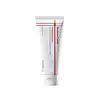
This anti-aging moisturizer is formulated around Niacinamide and Madecassic Acid to soften the look of wrinkles and strengthen the skin barrier.
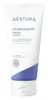
This barrier-repair moisturizer is formulated around Squalane and Hydroxypropyl Bispalmitamide Mea to strengthen the skin barrier and hydrate skin.

What's inside
What's inside
 Key Ingredients
Benefits
Concerns
Ingredients Side-by-side
Water
Skin ConditioningDipropylene Glycol
Humectant2,3-Butanediol
HumectantHydrogenated Poly(C6-14 Olefin)
EmollientCaprylic/Capric Triglyceride
Masking


Niacinamide
Smoothing










Isodecyl Neopentanoate
EmollientGlyceryl Stearate
Emollient

Polyglyceryl-6 Distearate
Emulsifying
Cetearyl Alcohol
Emollient



Vinyldimethicone

Dicaprylyl Ether
Emollient
Candelilla/Jojoba/Rice Bran Polyglyceryl-3 Esters
Emulsifying
1,2-Hexanediol
Skin Conditioning
Sodium Polyacryloyldimethyl Taurate
Emulsion StabilisingPanthenol
Skin Conditioning
Polyglyceryl-10 Laurate
Skin Conditioning
Glycerin
Humectant
Sodium Stearoyl Glutamate
CleansingHydroxyacetophenone
Antioxidant
Madecassic Acid
Skin Conditioning
Asiaticoside
Antioxidant
Asiatic Acid
Skin Conditioning
Allantoin
Skin Conditioning
Ethylhexylglycerin
Skin ConditioningCitrus Aurantium Dulcis Oil
Masking
Butylene Glycol
Humectant
Xanthan Gum
EmulsifyingDisodium EDTA
ChelatingAdenosine
Skin Conditioning
Citrus Nobilis Peel Oil
Masking
Hydrogenated Lecithin
Emulsifying
Lavandula Angustifolia Oil
Masking



Cyclodextrin
AbsorbentCandida Bombicola/Glucose/Methyl Rapeseedate Ferment
AntimicrobialCentella Asiatica Extract
Cleansing
Ficus Carica Fruit Extract
Humectant
Jojoba Esters
Emollient
Citrus Aurantium Bergamia Fruit Oil
Masking
Sodium Laurate
CleansingOlea Europaea Fruit Oil
Masking
Litsea Cubeba Fruit Oil
Masking
Ethoxydiglycol
HumectantXylitylglucoside
Humectant
Malt Extract
Skin ProtectingRosmarinus Officinalis Leaf Oil
Masking
Citrus Aurantium Dulcis Peel Oil
Masking
Helianthus Annuus Seed Wax
Skin Conditioning
Anhydroxylitol
Humectant
Lauric Acid
Cleansing
Ceramide NP
Skin Conditioning
Xylitol
Humectant
Centella Asiatica Leaf Extract
Skin Conditioning
Caffeine
Skin Conditioning
Arginine
Masking
Citrus Grandis Peel Oil
Masking
Copaifera Officinalis Resin
MaskingJuniperus Virginiana Oil
Masking
Cedrus Atlantica Bark Oil
Masking
Octyldodecanol
Emollient
Macadamia Ternifolia Seed Oil
Emollient
Tocopherol
Antioxidant
Pelargonium Graveolens Flower Oil
Masking
Glycolipids
Skin ConditioningPolyglycerin-3
Humectant
C12-13 Alketh-9
EmulsifyingSodium Hyaluronate
Humectant
Cyanocobalamin
Skin ConditioningMadecassoside
Antioxidant
Sucrose Distearate
Emollient
Hydrolyzed Hyaluronic Acid
Humectant
Glycine Soja Oil
Emollient
Jasminum Officinale Oil
Masking
Palmitic Acid
Emollient
Maltodextrin
Absorbent
Lepidium Meyenii Root Extract
Skin ConditioningPropanediol
Solvent
Ascorbyl Palmitate
Antioxidant
Stearic Acid
Cleansing
Myrtus Communis Oil
Masking
Artemisia Absinthium Extract
Skin ConditioningRose Flower Oil
Masking
Centella Asiatica Oil
Antimicrobial
Vanilla Planifolia Fruit Extract
Skin Conditioning
Retinol
Skin Conditioning
Ferula Galbaniflua Resin Oil
Antimicrobial
Phytosterols
Skin Conditioning
Resveratrol
Antioxidant
Cimicifuga Racemosa Root Extract
Antimicrobial
Silybum Marianum Extract
Skin Conditioning
Taurine
BufferingHydrolyzed Centella Asiatica Extract
Antioxidant
Phytosphingosine
Skin Conditioning
Collagen Amino Acids
Moisturising
Salix Alba Bark Extract
Astringent
Origanum Vulgare Leaf Extract
Skin ConditioningChamaecyparis Obtusa Leaf Extract
Skin ConditioningLaminaria Japonica Extract
Skin Protecting
Aloe Barbadensis Leaf Extract
Emollient
Dioscorea Japonica Root Extract
Skin Conditioning
Ulmus Davidiana Root Extract
Skin Conditioning
Viola Mandshurica Flower Extract
Antioxidant
Myristic Acid
Cleansing
Arachidic Acid
Cleansing
Cinnamomum Cassia Bark Extract
Masking
Portulaca Oleracea Extract
Skin Conditioning
Scutellaria Baicalensis Root Extract
Astringent
Lactobacillus/Soybean Ferment Extract
Skin ConditioningSodium DNA
Skin Conditioning
Limonene
Perfuming
Linalool
Perfuming
Citral
Perfuming
Water, Dipropylene Glycol, 2,3-Butanediol, Hydrogenated Poly(C6-14 Olefin), Caprylic/Capric Triglyceride, Niacinamide, Isodecyl Neopentanoate, Glyceryl Stearate, Polyglyceryl-6 Distearate, Cetearyl Alcohol, Vinyldimethicone, Dicaprylyl Ether, Candelilla/Jojoba/Rice Bran Polyglyceryl-3 Esters, 1,2-Hexanediol, Sodium Polyacryloyldimethyl Taurate, Panthenol, Polyglyceryl-10 Laurate, Glycerin, Sodium Stearoyl Glutamate, Hydroxyacetophenone, Madecassic Acid, Asiaticoside, Asiatic Acid, Allantoin, Ethylhexylglycerin, Citrus Aurantium Dulcis Oil, Butylene Glycol, Xanthan Gum, Disodium EDTA, Adenosine, Citrus Nobilis Peel Oil, Hydrogenated Lecithin, Lavandula Angustifolia Oil, Cyclodextrin, Candida Bombicola/Glucose/Methyl Rapeseedate Ferment, Centella Asiatica Extract, Ficus Carica Fruit Extract, Jojoba Esters, Citrus Aurantium Bergamia Fruit Oil, Sodium Laurate, Olea Europaea Fruit Oil, Litsea Cubeba Fruit Oil, Ethoxydiglycol, Xylitylglucoside, Malt Extract, Rosmarinus Officinalis Leaf Oil, Citrus Aurantium Dulcis Peel Oil, Helianthus Annuus Seed Wax, Anhydroxylitol, Lauric Acid, Ceramide NP, Xylitol, Centella Asiatica Leaf Extract, Caffeine, Arginine, Citrus Grandis Peel Oil, Copaifera Officinalis Resin, Juniperus Virginiana Oil, Cedrus Atlantica Bark Oil, Octyldodecanol, Macadamia Ternifolia Seed Oil, Tocopherol, Pelargonium Graveolens Flower Oil, Glycolipids, Polyglycerin-3, C12-13 Alketh-9, Sodium Hyaluronate, Cyanocobalamin, Madecassoside, Sucrose Distearate, Hydrolyzed Hyaluronic Acid, Glycine Soja Oil, Jasminum Officinale Oil, Palmitic Acid, Maltodextrin, Lepidium Meyenii Root Extract, Propanediol, Ascorbyl Palmitate, Stearic Acid, Myrtus Communis Oil, Artemisia Absinthium Extract, Rose Flower Oil, Centella Asiatica Oil, Vanilla Planifolia Fruit Extract, Retinol, Ferula Galbaniflua Resin Oil, Phytosterols, Resveratrol, Cimicifuga Racemosa Root Extract, Silybum Marianum Extract, Taurine, Hydrolyzed Centella Asiatica Extract, Phytosphingosine, Collagen Amino Acids, Salix Alba Bark Extract, Origanum Vulgare Leaf Extract, Chamaecyparis Obtusa Leaf Extract, Laminaria Japonica Extract, Aloe Barbadensis Leaf Extract, Dioscorea Japonica Root Extract, Ulmus Davidiana Root Extract, Viola Mandshurica Flower Extract, Myristic Acid, Arachidic Acid, Cinnamomum Cassia Bark Extract, Portulaca Oleracea Extract, Scutellaria Baicalensis Root Extract, Lactobacillus/Soybean Ferment Extract, Sodium DNA, Limonene, Linalool, Citral
Water
Skin ConditioningButylene Glycol
Humectant
Glycerin
Humectant
Butylene Glycol Dicaprylate/Dicaprate
EmollientCetyl Ethylhexanoate
EmollientSqualane
Emollient
Pentaerythrityl Tetraisostearate
Emollient
Dicaprylyl Carbonate
EmollientBehenyl Alcohol
Emollient
Dimethicone
Emollient
Hydroxypropyl Bispalmitamide Mea
Emollient
Stearic Acid
Cleansing
Betaine
Humectant
Mannitol
Humectant
C14-22 Alcohols
Emulsion Stabilising
Palmitic Acid
Emollient
Hydroxypropyl Bislauramide Mea
EmollientArachidyl Alcohol
Emollient
Cholesterol
Emollient
Polyacrylate-13
C12-20 Alkyl Glucoside
EmulsifyingAllantoin
Skin Conditioning
Arachidyl Glucoside
EmulsifyingNiacinamide
Smoothing
Ceramide NP
Skin Conditioning
Glyceryl Caprylate
EmollientEthylhexylglycerin
Skin ConditioningHydrogenated Polyisobutene
EmollientCarbomer
Emulsion StabilisingTromethamine
BufferingDimethiconol
Emollient
Polyglyceryl-10 Laurate
Skin Conditioning
Hydrogenated Lecithin
Emulsifying
Ethylhexyl Palmitate
Emollient
Acrylates/Ammonium Methacrylate Copolymer
Sorbitan Isostearate
Emulsifying
Silica
Abrasive
Phytosphingosine
Skin Conditioning
Sphingolipids
Emollient
Arachidic Acid
Cleansing
Tocopherol
Antioxidant
Oleic Acid
Emollient
Water, Butylene Glycol, Glycerin, Butylene Glycol Dicaprylate/Dicaprate, Cetyl Ethylhexanoate, Squalane, Pentaerythrityl Tetraisostearate, Dicaprylyl Carbonate, Behenyl Alcohol, Dimethicone, Hydroxypropyl Bispalmitamide Mea, Stearic Acid, Betaine, Mannitol, C14-22 Alcohols, Palmitic Acid, Hydroxypropyl Bislauramide Mea, Arachidyl Alcohol, Cholesterol, Polyacrylate-13, C12-20 Alkyl Glucoside, Allantoin, Arachidyl Glucoside, Niacinamide, Ceramide NP, Glyceryl Caprylate, Ethylhexylglycerin, Hydrogenated Polyisobutene, Carbomer, Tromethamine, Dimethiconol, Polyglyceryl-10 Laurate, Hydrogenated Lecithin, Ethylhexyl Palmitate, Acrylates/Ammonium Methacrylate Copolymer, Sorbitan Isostearate, Silica, Phytosphingosine, Sphingolipids, Arachidic Acid, Tocopherol, Oleic Acid
Reviews
Ingredients Explained
These ingredients are found in both products.
Ingredients higher up in an ingredient list are typically present in a larger amount.
Allantoin is a soothing ingredient known for its protective and moisturizing properties; it's basically a quiet workhorse ingredient you can find in a huge range of cosmetics.
Though it can be derived from the comfrey plant, allantoin is produced synthetically for cosmetic products to ensure purity.
Research shows it can encourage your skin cells to turn over and renew by stimulating keratinocyte and fibroblast proliferation.
It also has mild keratolytic properties to help loosen and shed dead skin cells without being harsh.
Studies also suggest allantoin can help calm inflammation by dialing down some of the chemical signals your skin sends out when it is irritated.
This ingredient is typically used in the 0.1-0.5% range, and the FDA recognizes it as a skin protectant in OTC products up to 2%.
Overall, allantoin is a wonderful addition to most routines; it is stable across a wide pH range (~4-8), works well with other ingredients, and is considered non-sensitizing/non-irritating.
Fun fact: Allantoin is naturally occurring in comfrey root, beets, chamomile, and wheat sprouts. Our bodies even produce it as a byproduct of uric acid metabolism.
Learn more about AllantoinArachidic Acid (also known as Eicosanoic acid) is a fatty acid naturally found in peanut oil, corn oil, or cocoa butter. In cosmetics, it is an emollient, emulsifier, and cleansing ingredient.
Like other fatty acids, it functions as an emollient that helps hydrate and smooth the skin.
As an emulsifier and cleansing agent, it helps stabilize oil-in-water formulations. This also allows oils and other impurities to be easily rinsed away.
Arachidic acid is a natural component of human sebum and research has found that patients with papulopustular rosacea show reduced levels of these fatty acids compared to healthy control groups.
This ingredient may not be safe for fungal acne because it falls within the carbon chain range that Malassezia can metabolize.
Learn more about Arachidic AcidButylene Glycol (or BG) is used within cosmetic products for a few different reasons:
Overall, Butylene Glycol is a safe and well-rounded ingredient that works well with other ingredients.
Though this ingredient works well with most skin types, some people with sensitive skin may experience a reaction such as allergic rashes, closed comedones, or itchiness.
Learn more about Butylene GlycolCeramide NP (formerly known as Ceramide 3) is one of the skin's naturally occurring lipids.
Since ceramides are the major lipid components of the skin, they are crucial for maintaining skin barrier and hydration. Ceramide NP most closely mirrors the dominant kind in human skin amongst ceramide subtypes.
This ceramide works by slotting into gaps within the stratum corneum's lipid matrix to limit trans-epidermal water loss (TEWL) and shield the skin against external irritants.
A study with 312 patients found that using a ceramide-containing routine for 4 weeks reduced the severity of atopic dermatitis by over 61%.
Another clinical study in subjects aged 60 and older found that a ceramide body wash and moisturizer improved skin dryness and itchy skin in 15 days.
Overall, ceramides are considered non-irritating and safety tests have found little to no observable adverse effects from using this ingredient.
Ceramide NP is usually sourced from plants (like soybean or rice bran), or produced synthetically.
Learn more about Ceramide NPEthylhexylglycerin is created from glycerin. It is a multitasker ingredient that:
The CIR Expert Panel found minimal skin absorption or sensitization of any kind in a safety assessment. Though this ingredient is considered well-tolerated, a small number of cases of allergic dermatitis have been published since 2002. Just be sure to patch test if you are unsure.
Industry-reported use ranges from 8% in rinse-off products and 2% in leave-on formulations.
Learn more about EthylhexylglycerinGlycerin (or glycerol) is a compound naturally found in your skin. It's a powerhouse humectant that pulls water into the stratum corneum.
Topically, glycerin does several things at once:
Your skin makes glycerin on its own (mostly from sebaceous oil breakdown) and shuttles it to your outermost layer of skin, or your epidermis, via aquaporin-3.
Aquaporin-3 is a transporter that is essential for normal skin hydration, elasticity, and repair. Interestingly, mice lacking in AQP3 have dry and less elastic skin that can be fully corrected with glycerin.
This ingredient is non-irritating, plays well with almost every ingredient, and works across all skin types. Typical use is anywhere between 3-10% but can go up to 79% in some leave-on products.
Just know very high concentrations (>40%) can feel tacky in low humidity.
Glycerin is the name for this ingredient in American English. British English uses Glycerol/Glycerine.
Learn more about GlycerinHydrogenated Lecithin is a more stable version of lecithin.
It's made by taking lecithin (a phospholipid commonly found in soybeans and egg yolks) and hydrogenating it. This just means the unsaturated fatty acids are turned into saturated ones so they don't go bad as easily.
This ingredient is an emollient, emulsifier, and penetration enhancer. As an emollient, it helps soften and hydrate skin by trapping moisture within. As an emulsifier, it prevents oil and water ingredients from separating.
Hydrogenated Lecithin can form tiny spherical structures made of phospholipid bilayers called liposomes. These liposomes are able to capture compounds inside their structure and deliver them through the skin barrier.
Because phospholipids are a natural component of our cell membranes, this ingredient is inherently compatible with skin.
A 2021 study found lecithin-based surfactants were less harsh and more tolerable comared to Sodium Lauryl Sulfate (SLS).
Learn more about Hydrogenated LecithinNiacinamide is a multitasking form of vitamin B3 that strengthens the skin barrier, reduces pores and dark spots, regulates oil, and improves signs of aging.
And the best part? It's gentle and well-tolerated by most skin types, including sensitive and reactive skin.
You might have heard of "niacin flush", or the reddening of skin that causes itchiness. Niacinamide has not been found to cause this.
In very rare cases, some individuals may not be able to tolerate niacinamide at all or experience an allergic reaction to it.
If you are experiencing flaking, irritation, and dryness with this ingredient, be sure to double check all your products as this ingredient can be found in all categories of skincare.
When incorporating niacinamide into your routine, look out for concentration amounts. Typically, 5% niacinamide provides benefits such as fading dark spots. However, if you have sensitive skin, it is better to begin with a smaller concentration.
When you apply niacinamide to your skin, your body converts it into nicotinamide adenine dinucleotide (NAD). NAD is an essential coenzyme that is already found in your cells as "fuel" and powers countless biological processes.
In your skin, NAD helps repair cell damage, produce new healthy cells, support collagen production, strengthen the skin barrier, and fight environmental stressors (like UV and pollution).
Our natural NAD levels start to decline with age, leading to slower skin repair, visible aging, and a weaker skin barrier. By providing your skin niacinamide, you're recharging your skin's NAD levels. This leads to stronger, healthier, and younger looking skin.
Another name for vitamin B3 is nicotinamide. This vitamin is water-soluble and our bodies don't store it. We obtain Vitamin B3 from either food or skincare. Meat, fish, wheat, yeast, and leafy greens contain vitamin B3.
The type of niacinamide used in skincare is synthetically created.
Learn more about NiacinamidePalmitic Acid is a fatty acid naturally found in our skin and in many plant and animal sources.
In cosmetics, it is usually derived from palm oil. It serves many purposes in skincare, acting as a cleanser, emollient, and emulsifier.
Interestingly, topically applied Palmitic Acid can be elongated into longer chain fatty acids and ceramides. A 2019 study found low levels of Palmitic Acid lead to slower development of cells, suggesting it plays a role in keeping your skin's renewal process on track.
The CIR (Cosmetic Ingredient Review) panel determined it safe as used in cosmetics at concentrations up to 13%. It is non-irritating and non-sensitizing in clinical studies.
The culprit behind fungal acne, the Malassezia yeast, feeds on fatty acids with carbon chain lengths between C11-C24. Palmitic Acid, at C16, falls right into that sweet spot.
In vitro studies have shown that Palmitic Acid is one of the fatty acids that induce rapid Malassezia growth in lab settings.
It's worth noting that what feeds yeast in a lab doesn't necessarily feed it on your face since formulation and your skin's chemistry play a bigger role.
This ingredient does have a comedogenic rating of 2, but this doesn't mean a formula with this ingredient will clog pores.
Human testing has proved that any finished product with a comedogenic ingredient won't automatically make you break out; it really comes down to concentration, formula, and your skin.
Learn more about Palmitic AcidPhytosphingosine is a phospholipid naturally found in our skin as a building block for ceramides.. It helps moisturize, soothe, and protect skin.
Phytosphingosine contributes to your skin's natural moisturizing factor (NMF). The NMF is responsible for hydration, a strong barrier, and plasticity. Our NMF decreases with age. Increasing NMF leads to more healthy and hydrated skin.
Studies show products formulated with NMF ingredients help strengthen our skin's barrier. Having a healthy skin barrier reduces irritation and increases hydration. Our skin barrier is responsible for having plump and firm skin. It also helps protect our skin against infection, allergies, and inflammation.
Fun fact: Phytosphingosine is abundant in plants and fungi.
More ingredients that help boost collagen in skin:
Learn more about PhytosphingosinePolyglyceryl-10 Laurate is a cleansing agent and emulsifier.
It rounds up dirt, oil, and grime, so they can be rinsed off easily as a cleanser.
On the emulsifier side, it keeps your formula smooth and well-mixed by playing peacekeeper for ingredients that don't naturally get along (like oil and water).
Because it has a C12 (lauric acid) fatty acid chain, this ingredient can potentially feed the Malassezia yeast that causes fungal acne. The Malassezia yeast prefers esters with C11-C24 fatty acids.
This ingredient is an ester of lauric acid and Polyglycerin-10.
Learn more about Polyglyceryl-10 LaurateStearic Acid is a fatty acid that is already found in your skin. It's one of the free fatty acids that works alongside ceramides and cholesterols to maintain your barrier.
In cosmetics, it is a multitasker:
Safety-wise, the CIR Expert Panel has concluded it to be safe in cosmetics when formulated to be non-irritating and non-sensitizing.
Free stearic acid is a C18 fatty acid that the Malassezia yeast can substrate, so this ingredient may not be fungal acne safe.
This ingredient does have a comedogenic rating of 2-3, but this doesn't mean a formula with this ingredient will clog pores.
Human testing has proved that any finished product with this ingredient won't automatically make you break out; it really comes down to concentration, formula, and your skin.
Learn more about Stearic AcidTocopherol is a fat-soluble antioxidant known as Vitamin E.
You'll find this ingredient in the vast majority of skincare (for good reason). It works to neutralize free radicals, or unstable molecules generated by UV exposure, pollution, and other environmental stressors, before they can cause oxidative damage to your skin cells.
Topically applied tocopherol has been shown to protect against UV damage by ramping up the skin's own natural defense enzymes.
It also acts as a skin conditioning agent; some studies show that regular topical use can improve the skin's water-binding capacity over 2-4 weeks.
This ingredient is especially loved for being a team player. When combined with Vitamin C, the photoprotective effect of both ingredients roughly doubles and the combo also helps reduce UV-induced DNA damage.
This ingredient has some brightening potential but it's more of a prevention ingredient than spot-fader. Cell studies show it can slow down melanin production but it's worth noting that it's not the most powerful brightener out there.
In formulations, it also serves as a stabilizer that helps protect other oxidation-prone ingredients from degrading.
Concentrations usually range from 0.1-1% in most leave-on products.
Learn more about TocopherolWater. It's the most common cosmetic ingredient of all. You'll usually see it at the top of ingredient lists, meaning that it makes up the largest part of the product.
So why is it so popular? Water most often acts as a solvent - this means that it helps dissolve other ingredients into the formulation.
You'll also recognize water as that liquid we all need to stay alive. If you see this, drink a glass of water. Remember to stay hydrated!
Learn more about Water

