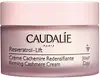
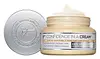
Caudalie Resveratrol Lift Firming Cashmere Cream Versus IT Cosmetics Confidence in a Cream Hydrating Moisturizer
This anti-aging day moisturizer is formulated around Palmitoyl Grapevine Shoot Extract and Hydrolyzed Hyaluronic Acid to soften the look of wrinkles and hydrate skin.
This barrier-repair moisturizer is formulated around Sodium Hyaluronate and Niacinamide to strengthen the skin barrier and hydrate skin.


What's inside
What's inside
 Key Ingredients
Benefits
Concerns
Ingredients Side-by-side
Water
Skin ConditioningCoco-Caprylate/Caprate
Emollient
Caprylic/Capric Triglyceride
Masking

Butylene Glycol
Humectant
Octyldodecyl Myristate
EmollientGlycerin
Humectant
Butyrospermum Parkii Butter Extract
Skin Conditioning

Cetearyl Alcohol
Emollient



C12-16 Alcohols
EmollientMicrocrystalline Cellulose
AbsorbentVitis Vinifera Seed Oil
Emollient

Palmitoyl Grapevine Shoot Extract
Antioxidant


Cetearyl Glucoside
Emulsifying
CI 77891
Cosmetic ColorantHydrogenated Lecithin
Emulsifying
Palmitic Acid
Emollient
Potassium Cetyl Phosphate
EmulsifyingMica
Cosmetic ColorantCaprylyl Glycol
Emollient
Polyacrylate Crosspolymer-6
Emulsion StabilisingBenzyl Alcohol
Perfuming





Tocopherol
Antioxidant

Helianthus Annuus Seed Oil
Emollient
Xanthan Gum
EmulsifyingHydrolyzed Hyaluronic Acid
Humectant
Lecithin
Emollient
Adenosine
Skin Conditioning
Sodium Phytate
ChelatingAcetyl Dipeptide-1 Cetyl Ester
Skin Conditioning
Hyaluronic Acid
Humectant
Dehydroacetic Acid
Preservative
Silica
Abrasive


Khaya Senegalensis Bark Extract
Skin ProtectingMaltodextrin
Absorbent
Tin Oxide
Abrasive
Sodium Hydroxide
BufferingPaeonia Lactiflora Root Extract
Skin ConditioningCitric Acid
Buffering
Parfum
Masking
Linalool
Perfuming
Limonene
Perfuming
Coumarin
Perfuming
Water, Coco-Caprylate/Caprate, Caprylic/Capric Triglyceride, Butylene Glycol, Octyldodecyl Myristate, Glycerin, Butyrospermum Parkii Butter Extract, Cetearyl Alcohol, C12-16 Alcohols, Microcrystalline Cellulose, Vitis Vinifera Seed Oil, Palmitoyl Grapevine Shoot Extract, Cetearyl Glucoside, CI 77891, Hydrogenated Lecithin, Palmitic Acid, Potassium Cetyl Phosphate, Mica, Caprylyl Glycol, Polyacrylate Crosspolymer-6, Benzyl Alcohol, Tocopherol, Helianthus Annuus Seed Oil, Xanthan Gum, Hydrolyzed Hyaluronic Acid, Lecithin, Adenosine, Sodium Phytate, Acetyl Dipeptide-1 Cetyl Ester, Hyaluronic Acid, Dehydroacetic Acid, Silica, Khaya Senegalensis Bark Extract, Maltodextrin, Tin Oxide, Sodium Hydroxide, Paeonia Lactiflora Root Extract, Citric Acid, Parfum, Linalool, Limonene, Coumarin
Water
Skin ConditioningButylene Glycol
Humectant
Cyclopentasiloxane
Emollient
Glycerin
Humectant
Butylene Glycol Dicaprylate/Dicaprate
EmollientEthylhexyl Isononanoate
EmollientHydrogenated Polyisobutene
EmollientCaprylic/Capric/Myristic/Stearic Triglyceride
EmollientGlyceryl Stearate
Emollient
PEG-100 Stearate
Surfactant
Polyglyceryl-3 Methylglucose Distearate
Emulsifying
Stearyl Behenate
Emollient
Dimethicone
Emollient
Pentaerythrityl Tetraethylhexanoate
Emollient
Biosaccharide Gum-1
Humectant
Dimethicone/Vinyl Dimethicone Crosspolymer
Skin Conditioning
Cetearyl Alcohol
Emollient
Palmitic Acid
Emollient
Stearic Acid
Cleansing
Polyethylene
Abrasive
PEG/PPG-20/15 Dimethicone
Emulsifying
Phenyl Methicone
Emollient
Portulaca Oleracea Extract
Skin Conditioning
Cocos Nucifera Oil
Masking
Aloe Barbadensis Leaf Extract
Emollient
Butyrospermum Parkii Butter
Skin Conditioning
Hydroxyethyl Acrylate/Sodium Acryloyldimethyl Taurate Copolymer
Emulsion StabilisingSodium Hyaluronate
Humectant
Hydrogenated Lecithin
Emulsifying
Polyquaternium-51
Skin Conditioning
Niacinamide
Smoothing


Hydrolyzed Collagen
Emollient
Camellia Sinensis Leaf Extract
Antimicrobial
Tocopheryl Acetate
Antioxidant
Carbomer
Emulsion StabilisingPEG-150 Distearate
Emulsifying
Ceramide AP
Skin Conditioning
Glycosphingolipids
EmollientGlyceryl Polymethacrylate
Meadowfoam Estolide
Skin ConditioningSorbitan Isostearate
Emulsifying
Squalane
Emollient
Palmitoyl Pentapeptide-4
Skin Conditioning
Polysorbate 20
Emulsifying
Steareth-20
CleansingN-Hydroxysuccinimide
Skin ConditioningChrysin
Skin ConditioningPalmitoyl Tripeptide-1
Skin Conditioning
Palmitoyl Tetrapeptide-7
Skin Conditioning
Polysorbate 60
Emulsifying
Aleuritic Acid
Skin ConditioningYeast Extract
Skin ConditioningGlycoproteins
Skin Conditioning
Betaine
Humectant
Hydrogenated Polydecene
EmollientCeramide NP
Skin Conditioning
Allantoin
Skin Conditioning
Colloidal Oatmeal
Absorbent
Retinyl Retinoate
Skin Conditioning
Polylactic Acid
Abrasive
Canola Oil
Emollient
Cholesteryl Nonanoate
EmollientAscorbyl Tetraisopalmitate
Antioxidant
Glycyrrhiza Glabra Root Extract
Bleaching
Chamomilla Recutita Flower Water
MaskingCurcuma Longa Root Extract
Antioxidant
Leuconostoc/Radish Root Ferment Filtrate
Antimicrobial
Eruca Sativa Leaf Extract
Skin ConditioningGlyceryl Citrate/Lactate/Linoleate/Oleate
Emulsifying
Ceteareth-20
Cleansing
Hydroxypropyl Bispalmitamide Mea
Emollient
Glycine Soja Sterols
Emollient
Melaleuca Alternifolia Leaf Oil
Antioxidant
Phytosteryl/Isostearyl/Cetyl/Stearyl/Behenyl Dimer Dilinoleate
Skin Conditioning
Santalum Album Oil
Masking
Chamomilla Recutita Flower Oil
Masking
Caprylhydroxamic Acid
ChelatingCetearyl Glucoside
Emulsifying
Glucose
Humectant
Stearyl Stearate
Emollient
Tromethamine
BufferingCitric Acid
Buffering
1,2-Hexanediol
Skin Conditioning
Chlorhexidine Digluconate
Antimicrobial
Potassium Sorbate
Preservative
Dipropylene Glycol
HumectantLavandula Angustifolia Oil
Masking
Citrus Paradisi Peel Oil
Masking
Cymbopogon Citratus Leaf Oil
Masking
Pelargonium Graveolens Oil
Masking
Citrus Aurantium Dulcis Peel Oil
Masking
Pogostemon Cablin Leaf Oil
Masking
Citrus Aurantium Bergamia Fruit Oil
Masking
Ethylhexylglycerin
Skin ConditioningCaramel
Cosmetic ColorantDisodium EDTA
ChelatingPhenoxyethanol
Preservative
Caprylyl Glycol
Emollient
Limonene
Perfuming
Linalool
Perfuming
Water, Butylene Glycol, Cyclopentasiloxane, Glycerin, Butylene Glycol Dicaprylate/Dicaprate, Ethylhexyl Isononanoate, Hydrogenated Polyisobutene, Caprylic/Capric/Myristic/Stearic Triglyceride, Glyceryl Stearate, PEG-100 Stearate, Polyglyceryl-3 Methylglucose Distearate, Stearyl Behenate, Dimethicone, Pentaerythrityl Tetraethylhexanoate, Biosaccharide Gum-1, Dimethicone/Vinyl Dimethicone Crosspolymer, Cetearyl Alcohol, Palmitic Acid, Stearic Acid, Polyethylene, PEG/PPG-20/15 Dimethicone, Phenyl Methicone, Portulaca Oleracea Extract, Cocos Nucifera Oil, Aloe Barbadensis Leaf Extract, Butyrospermum Parkii Butter, Hydroxyethyl Acrylate/Sodium Acryloyldimethyl Taurate Copolymer, Sodium Hyaluronate, Hydrogenated Lecithin, Polyquaternium-51, Niacinamide, Hydrolyzed Collagen, Camellia Sinensis Leaf Extract, Tocopheryl Acetate, Carbomer, PEG-150 Distearate, Ceramide AP, Glycosphingolipids, Glyceryl Polymethacrylate, Meadowfoam Estolide, Sorbitan Isostearate, Squalane, Palmitoyl Pentapeptide-4, Polysorbate 20, Steareth-20, N-Hydroxysuccinimide, Chrysin, Palmitoyl Tripeptide-1, Palmitoyl Tetrapeptide-7, Polysorbate 60, Aleuritic Acid, Yeast Extract, Glycoproteins, Betaine, Hydrogenated Polydecene, Ceramide NP, Allantoin, Colloidal Oatmeal, Retinyl Retinoate, Polylactic Acid, Canola Oil, Cholesteryl Nonanoate, Ascorbyl Tetraisopalmitate, Glycyrrhiza Glabra Root Extract, Chamomilla Recutita Flower Water, Curcuma Longa Root Extract, Leuconostoc/Radish Root Ferment Filtrate, Eruca Sativa Leaf Extract, Glyceryl Citrate/Lactate/Linoleate/Oleate, Ceteareth-20, Hydroxypropyl Bispalmitamide Mea, Glycine Soja Sterols, Melaleuca Alternifolia Leaf Oil, Phytosteryl/Isostearyl/Cetyl/Stearyl/Behenyl Dimer Dilinoleate, Santalum Album Oil, Chamomilla Recutita Flower Oil, Caprylhydroxamic Acid, Cetearyl Glucoside, Glucose, Stearyl Stearate, Tromethamine, Citric Acid, 1,2-Hexanediol, Chlorhexidine Digluconate, Potassium Sorbate, Dipropylene Glycol, Lavandula Angustifolia Oil, Citrus Paradisi Peel Oil, Cymbopogon Citratus Leaf Oil, Pelargonium Graveolens Oil, Citrus Aurantium Dulcis Peel Oil, Pogostemon Cablin Leaf Oil, Citrus Aurantium Bergamia Fruit Oil, Ethylhexylglycerin, Caramel, Disodium EDTA, Phenoxyethanol, Caprylyl Glycol, Limonene, Linalool
Reviews
Ingredients Explained
These ingredients are found in both products.
Ingredients higher up in an ingredient list are typically present in a larger amount.
Butylene Glycol (or BG) is used within cosmetic products for a few different reasons:
Overall, Butylene Glycol is a safe and well-rounded ingredient that works well with other ingredients.
Though this ingredient works well with most skin types, some people with sensitive skin may experience a reaction such as allergic rashes, closed comedones, or itchiness.
Learn more about Butylene GlycolCaprylyl Glycol is a humectant, skin conditioner, emollient, and preservative booster derived from either caprylic acid or synthetically created.
Typical use levels vary from 0.3-1% as a preservative booster and go up to 2% to condition skin.
Because it is not a free-fatty acid, this ingredient is fungal acne safe (there's nothing for Malassezia to feed on).
Learn more about Caprylyl GlycolCetearyl alcohol is a waxy mixture of two fatty alcohols: cetyl alcohol and stearyl alcohol. It is an emollient and emulsifier.
Despite having "alcohol" in its name, it has nothing to do with drying solvent alcohols; the FDA also allows "alcohol-free" products to contain fatty alcohols like this ingredient.
It plays several roles in a formula:
Typical use levels for this ingredient sit around 1-10% and the Cosmetic Ingredient Review Expert Panel has affirmed safety at concentrations up to 25% in leave-on products.
Multiple assessments have found it to be non-irritating and non-sensitizing to most people.
However, there have been some cases of allergic contact dermatitis in patients with chronically compromised skin barriers.
Cetearyl alcohol has a comedogenic rating of 2 and irritancy rating of 1. Both of these numbers come from the 1989 study that used rabbit ears; a "2" means mildly comedogenic and a "1" means low irritancy.
Here's the catch: rabbit skin is more sensitive than human skin and throws a lot of false positives. A 1996 reappraisal found that ingredients rated 1-2 in the rabbit ear tests are generally safe for humans.
Remember comedogenic ratings are unable to assess the entire formula of a product or how it will react on your skin. Just be sure to patch test if you are unsure about certain ingredients.
This ingredient is not fungal acne safe. Cetearyl alcohol is a fatty alcohol with chain lengths that fall within the range that Malassezia can metabolize.
A 2019 study has also observed Malassezia growth in the presence of this ingredient, confirming it to be not-fungal acne safe.
Learn more about Cetearyl AlcoholCetearyl Glucoside is a sugar-based emulsifier. It is usually made by combining cetearyl alcohol and glucose.
Belonging to the aklyl polyglucoside (APG) family, Cetearyl Glucoside has a sugar "head" that loves water and a fatty "tail" that loves oil. This means it can shuffle oil and water into a stable and smooth emulsion.
Typical use levels are between 1-5% and this ingredient is considered to be non-irritating by the CIR Expert Panel Review.
Once applied, your skin's glucoside hydrolases breaks it down to the parent fatty alcohol and glucose. This is why this ingredient may not be fungal acne safe.
Learn more about Cetearyl GlucosideCitric Acid is an alpha hydroxy acid (AHA) naturally found in citrus fruits like oranges, lemons, and limes.
Like other AHAs, citric acid can exfoliate skin by breaking down the bonds that hold dead skin cells together. This helps reveal smoother and brighter skin underneath.
However, this exfoliating effect only happens at high concentrations (20%) which can be hard to find in cosmetic products.
Due to this, citric acid is usually included in small amounts as a pH adjuster. This helps keep products slightly more acidic and compatible with skin's natural pH.
In skincare formulas, citric acid can:
While it can provide some skin benefits, research shows lactic acid and glycolic acid are generally more effective and less irritating exfoliants.
Most citric acid used in skincare today is made by fermenting sugars (usually from molasses). This synthetic version is identical to the natural citrus form but easier to stabilize and use in formulations.
Rosacea skin has a lower threshold for acids generally, with 62.5% of rosacea subjects in one study reacting to lactic acid in a sting test. This is why we mark citric acid as a potential rosacea trigger.
However, this ingredient shows up as a pH adjuster or chelator at roughly 0.1-1% in many products. These low levels are unlikely to be an issue for rosacea skin and becomes a potential trigger at exfoliating concentrations (20%). Because everybody's skin is unique, we recommend a patch test if you are unsure.
Learn more about Citric AcidGlycerin (or glycerol) is a compound naturally found in your skin. It's a powerhouse humectant that pulls water into the stratum corneum.
Topically, glycerin does several things at once:
Your skin makes glycerin on its own (mostly from sebaceous oil breakdown) and shuttles it to your outermost layer of skin, or your epidermis, via aquaporin-3.
Aquaporin-3 is a transporter that is essential for normal skin hydration, elasticity, and repair. Interestingly, mice lacking in AQP3 have dry and less elastic skin that can be fully corrected with glycerin.
This ingredient is non-irritating, plays well with almost every ingredient, and works across all skin types. Typical use is anywhere between 3-10% but can go up to 79% in some leave-on products.
Just know very high concentrations (>40%) can feel tacky in low humidity.
Glycerin is the name for this ingredient in American English. British English uses Glycerol/Glycerine.
Learn more about GlycerinHydrogenated Lecithin is a more stable version of lecithin.
It's made by taking lecithin (a phospholipid commonly found in soybeans and egg yolks) and hydrogenating it. This just means the unsaturated fatty acids are turned into saturated ones so they don't go bad as easily.
This ingredient is an emollient, emulsifier, and penetration enhancer. As an emollient, it helps soften and hydrate skin by trapping moisture within. As an emulsifier, it prevents oil and water ingredients from separating.
Hydrogenated Lecithin can form tiny spherical structures made of phospholipid bilayers called liposomes. These liposomes are able to capture compounds inside their structure and deliver them through the skin barrier.
Because phospholipids are a natural component of our cell membranes, this ingredient is inherently compatible with skin.
A 2021 study found lecithin-based surfactants were less harsh and more tolerable comared to Sodium Lauryl Sulfate (SLS).
Learn more about Hydrogenated LecithinLimonene is the compound that gives citrus peel its smell.
In skincare, it shows up as a standalone fragrance ingredient or as a natural compound of citrus and other essential oils.
You'll typically see this ingredient used in very small amounts; anything above 0.001% in a leave-on product or 0.01% in a rinse-off has to be named on the label in the EU. The citrus oils that carry it sit around 0.5-1% in a finished formula.
Fresh limonene is a weak allergen; the real issue is that it slowly reacts with air and then breaks down from oxidation to create hydroperoxides (which are strong sensitizers). This is why suppliers are required to keep the peroxide value below 20 mmol.
Positive reactions in people being investigated for eczema vary:
It's worth skipping if you have a known fragrance allergy or a compromised barrier, but the risk is low for most people.
Older or long-opened products are also more likely to bother you than fresh ones due to oxidation.
Learn more about LimoneneLinalool is a small, naturally occurring scent molecule found in plants like lavender, coriander, bergamot, and more.
It is one of the two most-used fragrance ingredients in cosmetics and added purely for smell. Since it's not used for a skin benefit, there's no "effective dose". Concentration depends on the fragrance load of the product.
The EU requires it to be named on the label above 0.001% in leave-on and 0.01% in rinse-off products.
Fresh linalool is a weak sensitizer but air exposure turns some of it into hydroperoxides, which are strong sensitizers. Those oxidation products are the actual allergy concern.
Patch-test clinics see positive reactions to linalool hydroperoxides in about 4% to 12% of dermatitis patients depending on country and test concentration.
Resassuringly, one analytical study found hydroperoxide levels in real fragranced products to be orders of magnitude below what induced sensitization in animal studies with no evidence of oxidation building up during normal storage.
The practical takeaway is that linalool is fine for most people but worth avoiding if you have a confirmed fragrance contact allergy or a badly compromised barrier.
Products stored a long time after opening are also the high-risk scenario since that is when oxidation happens.
The scent of linalool is described as floral, spicy tropical, and citrus-like.
Learn more about LinaloolPalmitic Acid is a fatty acid naturally found in our skin and in many plant and animal sources.
In cosmetics, it is usually derived from palm oil. It serves many purposes in skincare, acting as a cleanser, emollient, and emulsifier.
Interestingly, topically applied Palmitic Acid can be elongated into longer chain fatty acids and ceramides. A 2019 study found low levels of Palmitic Acid lead to slower development of cells, suggesting it plays a role in keeping your skin's renewal process on track.
The CIR (Cosmetic Ingredient Review) panel determined it safe as used in cosmetics at concentrations up to 13%. It is non-irritating and non-sensitizing in clinical studies.
The culprit behind fungal acne, the Malassezia yeast, feeds on fatty acids with carbon chain lengths between C11-C24. Palmitic Acid, at C16, falls right into that sweet spot.
In vitro studies have shown that Palmitic Acid is one of the fatty acids that induce rapid Malassezia growth in lab settings.
It's worth noting that what feeds yeast in a lab doesn't necessarily feed it on your face since formulation and your skin's chemistry play a bigger role.
Learn more about Palmitic AcidWater. It's the most common cosmetic ingredient of all. You'll usually see it at the top of ingredient lists, meaning that it makes up the largest part of the product.
So why is it so popular? Water most often acts as a solvent - this means that it helps dissolve other ingredients into the formulation.
You'll also recognize water as that liquid we all need to stay alive. If you see this, drink a glass of water. Remember to stay hydrated!
Learn more about Water

