This anti-aging serum is formulated around Ascorbic Acid and 3-O-Ethyl Ascorbic Acid to soften the look of wrinkles and brighten dull-looking skin.
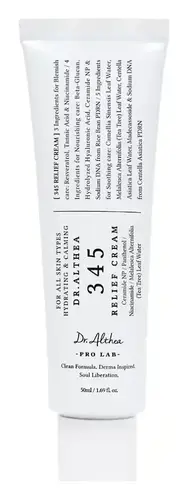
This anti-aging moisturizer is formulated around Niacinamide and Asiaticoside to soften the look of wrinkles and strengthen the skin barrier.

What's inside
What's inside
 Key Ingredients
Benefits
Concerns
Ingredients Side-by-side
Water
Skin ConditioningButylene Glycol
Humectant

Glycerin
Humectant
Caprylic/Capric Triglyceride
Masking
Nylon-12


Caprylyl Methicone
Skin Conditioning
Hydrogenated Polyisobutene
Emollient1,2-Hexanediol
Skin Conditioning
Ascorbic Acid
Antioxidant





3-O-Ethyl Ascorbic Acid
Skin Conditioning

Polysorbate 20
Emulsifying

Dimethicone
Emollient
Maltodextrin
Absorbent
Lactobacillus Ferment Lysate
Skin Conditioning
Mannitol
Humectant
Trehalose
Humectant
Polyacrylate-13
Hydroxyethyl Acrylate/Sodium Acryloyldimethyl Taurate Copolymer
Emulsion StabilisingPolyisobutene
Sodium Citrate
BufferingPanthenol
Skin Conditioning
Sodium Polyacryloyldimethyl Taurate
Emulsion StabilisingPolymethyl Methacrylate
Parfum
Masking



Glycine Soja Oil
Emollient


Xanthan Gum
EmulsifyingSaponins
CleansingGlyceryl Caprylate
EmollientCarnosine
Skin Conditioning
Tromethamine
BufferingSorbitan Isostearate
Emulsifying
Ethylhexylglycerin
Skin ConditioningThymol Trimethoxycinnamate
Antioxidant
CI 77891
Cosmetic ColorantAdenosine
Skin Conditioning
Disodium EDTA
Retinol
Skin Conditioning

Glycine Max Polypeptide
Skin Conditioning
Sodium Hyaluronate
Humectant
PEG-75
HumectantPhospholipids
Skin Conditioning
Mica
Cosmetic ColorantTheobroma Cacao Seed Extract
Antioxidant
BHT
Antioxidant
Gardenia Florida Fruit Extract
Skin ConditioningPapain
Skin Conditioning
Pearl Powder
Sodium Polyphosphate
Tocopherol
Antioxidant
Water, Butylene Glycol, Glycerin, Caprylic/Capric Triglyceride, Nylon-12, Caprylyl Methicone, Hydrogenated Polyisobutene, 1,2-Hexanediol, Ascorbic Acid, 3-O-Ethyl Ascorbic Acid, Polysorbate 20, Dimethicone, Maltodextrin, Lactobacillus Ferment Lysate, Mannitol, Trehalose, Polyacrylate-13, Hydroxyethyl Acrylate/Sodium Acryloyldimethyl Taurate Copolymer, Polyisobutene, Sodium Citrate, Panthenol, Sodium Polyacryloyldimethyl Taurate, Polymethyl Methacrylate, Parfum, Glycine Soja Oil, Xanthan Gum, Saponins, Glyceryl Caprylate, Carnosine, Tromethamine, Sorbitan Isostearate, Ethylhexylglycerin, Thymol Trimethoxycinnamate, CI 77891, Adenosine, Disodium EDTA, Retinol, Glycine Max Polypeptide, Sodium Hyaluronate, PEG-75, Phospholipids, Mica, Theobroma Cacao Seed Extract, BHT, Gardenia Florida Fruit Extract, Papain, Pearl Powder, Sodium Polyphosphate, Tocopherol
Water
Skin ConditioningDipropylene Glycol
HumectantHydrogenated Polydecene
EmollientCaprylic/Capric Triglyceride
Masking
Glycerin
Humectant
Pentaerythrityl Tetraethylhexanoate
Emollient
Glyceryl Stearate
Emollient
Cyclohexasiloxane
Emollient
Niacinamide
Smoothing
Cetyl Alcohol
Emollient
Polyglyceryl-6 Distearate
Emulsifying
Vinyldimethicone
Dicaprylyl Ether
Emollient
Polyglyceryl-10 Laurate
Skin Conditioning
Stearyl Alcohol
Emollient
Jojoba Esters
Emollient
Beeswax
Emulsion Stabilising
Panthenol
Skin Conditioning
1,2-Hexanediol
Skin Conditioning
Sodium Stearoyl Glutamate
CleansingMadecassic Acid
Skin Conditioning
Asiaticoside
Antioxidant
Xylitylglucoside
Humectant
Hydroxyethyl Acrylate/Sodium Acryloyldimethyl Taurate Copolymer
Emulsion StabilisingOlea Europaea Fruit Oil
Masking
Hydroxyacetophenone
Antioxidant
Anhydroxylitol
Humectant
Centella Asiatica Leaf Extract
Skin Conditioning
Asiatic Acid
Skin Conditioning
Glycoproteins
Skin Conditioning
Butylene Glycol
Humectant
Polyglyceryl-3 Beeswax
Emulsifying
Xylitol
Humectant
Centella Asiatica Oil
Antimicrobial
Methylpropanediol
SolventAllantoin
Skin Conditioning
Propanediol
Solvent
Candida Bombicola/Glucose/Methyl Rapeseedate Ferment
AntimicrobialCitrus Aurantium Dulcis Oil
Masking
Xanthan Gum
EmulsifyingHelianthus Annuus Seed Wax
Skin Conditioning
Ethylhexylglycerin
Skin ConditioningEthoxydiglycol
HumectantCitrus Nobilis Peel Oil
Masking
Glucose
Humectant
Disodium EDTA
Adenosine
Skin Conditioning
Sorbitan Isostearate
Emulsifying
Lavandula Angustifolia Oil
Masking

Sodium Laurate
CleansingCyclodextrin
AbsorbentHydrolyzed Hyaluronic Acid
Humectant
Citrus Aurantium Bergamia Fruit Oil
Masking
Citrus Aurantium Dulcis Peel Oil
Masking
Rosmarinus Officinalis Leaf Oil
Masking
Litsea Cubeba Fruit Oil
Masking
Macadamia Ternifolia Seed Oil
Emollient
Polyglycerin-3
Humectant
Pvm/Ma Copolymer
Emulsion StabilisingLauric Acid
Cleansing
Sodium Polyacrylate
Absorbent
Octyldodecanol
Emollient
Glycine Soja Oil
Emollient
Hydrogenated Lecithin
Emulsifying
Glycolipids
Skin ConditioningCaffeine
Skin Conditioning
Madecassoside
Antioxidant
Centella Asiatica Extract
Cleansing
C12-13 Pareth-9
EmulsifyingCollagen Amino Acids
Moisturising
Ceramide NP
Skin Conditioning
Copaifera Officinalis Resin
MaskingCitrus Grandis Peel Oil
Masking
Juniperus Virginiana Oil
Masking
Cimicifuga Racemosa Root Extract
Antimicrobial
Silybum Marianum Extract
Skin Conditioning
Resveratrol
Antioxidant
Arginine
Masking
Taurine
BufferingGlycogen
HumectantHydrolyzed Elastin
EmollientEctoin
Skin Conditioning
Cedrus Atlantica Bark Oil
Masking
Retinol
Skin Conditioning
Lepidium Meyenii Root Extract
Skin ConditioningMaltodextrin
Absorbent
Ascorbic Acid
Antioxidant
Hydrolyzed Vegetable Protein
Skin ConditioningPelargonium Graveolens Flower Oil
Masking
Phytosphingosine
Skin Conditioning
Tocopherol
Antioxidant
Sucrose Distearate
Emollient
Sodium Hyaluronate
Humectant
Sodium DNA
Skin Conditioning
Jasminum Officinale Oil
Masking
Potassium Sorbate
Preservative
Phenoxyethanol
Preservative
Artemisia Absinthium Extract
Skin ConditioningMyrtus Communis Oil
Masking
Rose Flower Oil
Masking
Vanilla Planifolia Fruit Extract
Skin Conditioning
Cyanocobalamin
Skin ConditioningAspartic Acid
Masking
Ferula Galbaniflua Resin Oil
Antimicrobial
Glycine
Buffering
Glutamic Acid
Humectant
Limonene
Perfuming
Linalool
Perfuming
Citral
Perfuming
Camphor
Masking
Beta-Caryophyllene
Masking
Citrus Aurantium Peel Oil
Citrus Aurantium Bergamia Peel Oil
Perfuming
Lavandula Oil/Extract
Linalyl Acetate
Masking
Pinene
Masking
Water, Dipropylene Glycol, Hydrogenated Polydecene, Caprylic/Capric Triglyceride, Glycerin, Pentaerythrityl Tetraethylhexanoate, Glyceryl Stearate, Cyclohexasiloxane, Niacinamide, Cetyl Alcohol, Polyglyceryl-6 Distearate, Vinyldimethicone, Dicaprylyl Ether, Polyglyceryl-10 Laurate, Stearyl Alcohol, Jojoba Esters, Beeswax, Panthenol, 1,2-Hexanediol, Sodium Stearoyl Glutamate, Madecassic Acid, Asiaticoside, Xylitylglucoside, Hydroxyethyl Acrylate/Sodium Acryloyldimethyl Taurate Copolymer, Olea Europaea Fruit Oil, Hydroxyacetophenone, Anhydroxylitol, Centella Asiatica Leaf Extract, Asiatic Acid, Glycoproteins, Butylene Glycol, Polyglyceryl-3 Beeswax, Xylitol, Centella Asiatica Oil, Methylpropanediol, Allantoin, Propanediol, Candida Bombicola/Glucose/Methyl Rapeseedate Ferment, Citrus Aurantium Dulcis Oil, Xanthan Gum, Helianthus Annuus Seed Wax, Ethylhexylglycerin, Ethoxydiglycol, Citrus Nobilis Peel Oil, Glucose, Disodium EDTA, Adenosine, Sorbitan Isostearate, Lavandula Angustifolia Oil, Sodium Laurate, Cyclodextrin, Hydrolyzed Hyaluronic Acid, Citrus Aurantium Bergamia Fruit Oil, Citrus Aurantium Dulcis Peel Oil, Rosmarinus Officinalis Leaf Oil, Litsea Cubeba Fruit Oil, Macadamia Ternifolia Seed Oil, Polyglycerin-3, Pvm/Ma Copolymer, Lauric Acid, Sodium Polyacrylate, Octyldodecanol, Glycine Soja Oil, Hydrogenated Lecithin, Glycolipids, Caffeine, Madecassoside, Centella Asiatica Extract, C12-13 Pareth-9, Collagen Amino Acids, Ceramide NP, Copaifera Officinalis Resin, Citrus Grandis Peel Oil, Juniperus Virginiana Oil, Cimicifuga Racemosa Root Extract, Silybum Marianum Extract, Resveratrol, Arginine, Taurine, Glycogen, Hydrolyzed Elastin, Ectoin, Cedrus Atlantica Bark Oil, Retinol, Lepidium Meyenii Root Extract, Maltodextrin, Ascorbic Acid, Hydrolyzed Vegetable Protein, Pelargonium Graveolens Flower Oil, Phytosphingosine, Tocopherol, Sucrose Distearate, Sodium Hyaluronate, Sodium DNA, Jasminum Officinale Oil, Potassium Sorbate, Phenoxyethanol, Artemisia Absinthium Extract, Myrtus Communis Oil, Rose Flower Oil, Vanilla Planifolia Fruit Extract, Cyanocobalamin, Aspartic Acid, Ferula Galbaniflua Resin Oil, Glycine, Glutamic Acid, Limonene, Linalool, Citral, Camphor, Beta-Caryophyllene, Citrus Aurantium Peel Oil, Citrus Aurantium Bergamia Peel Oil, Lavandula Oil/Extract, Linalyl Acetate, Pinene
Reviews
Ingredients Explained
These ingredients are found in both products.
Ingredients higher up in an ingredient list are typically present in a larger amount.
1,2-Hexanediol is a synthetic liquid and another multi-functional powerhouse.
It is a:
- Humectant, drawing moisture into the skin
- Emollient, helping to soften skin
- Solvent, dispersing and stabilizing formulas
- Preservative booster, enhancing the antimicrobial activity of other preservatives
Adenosine is a purine nucleoside that your body already makes in every cell. In skincare, it acts mainly as a skin conditioning and anti-aging agent.
The way it works is fairly well mapped out:
Your skin has cells called fibroblasts that build collagen (the stuff that keeps skin firm and smooth). Adenosine basically flips a switch on these cells that tells them to get to work making more collagen and other proteins. These cells slow down on their own as skin ages, so Adenosine helps give them a little nudge to keep going.
The clinical backing is pretty solid too.
A blind, randomized, placebo-controlled trial of 126 women aged 45-65 tested a 0.1% cream twice daily and found real improvements in crow's feet and frown lines using a precise 3D skin-mapping technique; these changes showed up by week 3 and held at 2 months.
A later study using Adenosine-loaded dissolving microneedle patches reported gains in wrinkle depth, dermal density, elasticity, and hydration.
On concentrations, South Korea's Ministry of Food and Drug Safety has set 0.04% as the approved functional anti-wrinkle level. You'll typically see this ingredient used somewhere in the 0.04-0.1% range since it works at low doses.
This ingredient has been found safe for cosmetics with the data showing no irritation or sensitization.
Overall, this is a great ingredient for any anti-aging routine and has no photosensitizing effect, so it suits both AM and PM use.
Learn more about AdenosineAscorbic Acid is is pure Vitamin C and is the biologically active form used directly by skin.
Not only is vitamin C great for your overall health and immune system, but it also has plenty of benefits for your skin. It is best supported by academic literature for:
Topical vitamin C has been shown to help neutralize oxidative stress from UV and pollution, helping to improve photoaging and hyperpigmentation when used consistently.
One clinical study found that using 5% topical vitamin C for six months improved signs of photodamaged skin, both on the surface and in the deeper structural layers of the skin.
While vitamin C doesn’t replace sunscreen, studies show it can boost photoprotection when combined with Vitamin E and ferulic acid. These two ingredients help improve stability and protective effects.
The big downside of this ingredient is formulation difficulty. Vitamin C is prone to oxidation and doesn't penetrate the skin unless formulated correctly. Research found that vitamin C absorbs into the skin best at a low pH (< 3.5) with about 20% being the upper limit for effective absorption.
Skin levels can saturate after repeated application; this means your skin won’t keep absorbing more once it’s full of vitamin C. This is why more isn’t always better with vitamin C and why very high concentrations don’t necessarily give extra benefits.
Ascorbic acid generally works well with many skincare ingredients but can be irritating when combined with other active ingredients. Strong oxidizing acne treatments like benzoyl peroxide can reduce the effectiveness of vitamin C if they are used at the same time; they are often recommended for use at different times of day.
Read more about other types of Vitamin C:
Foods rich with vitamin C include oranges, strawberries, broccoli, bell peppers, and more. When consuming Vitamin C, your skin receives a portion of the nutrients.
Learn more about Ascorbic AcidButylene Glycol (or BG) is used within cosmetic products for a few different reasons:
Overall, Butylene Glycol is a safe and well-rounded ingredient that works well with other ingredients.
Though this ingredient works well with most skin types, some people with sensitive skin may experience a reaction such as allergic rashes, closed comedones, or itchiness.
Learn more about Butylene GlycolCaprylic/Capric Triglyceride (aka MCT Oil) is a lightweight emollient, solvent, and texture enhancer. It is considered a skin-softener by helping to prevent moisture loss.
Though it behaves like an oil, it is not technically one due to its chemical composition. One perk of this ingredient is that it is very stable, resistant to oxidation, and unlikely to go rancid.
In practice, that translates to a long shelf life and a consistently elegant skin feel.
While there is an assumption Caprylic Triglyceride can clog pores due to it being derived from coconut oil, there is no research supporting this. Just patch test if you have concerns.
Fractionated coconut oil and MCT Oil are both listed as Caprylic/Capric Triglyceride according to INCI. This is because INCI names are based on the ingredient’s final chemical composition and not its marketing name or source.
This ingredient is treated as the gold standard fungal acne safe oil. Even though it is coconut derived, the problematic lauric acid is stripped out.
This leaves just caprylic (C8) and capric (C10) acid. These chain lengths actually trend antifungal; a 2020 study found caprylic acid was enough to disrupt Malassezia furfur cell membrane, with a caprylic acid derivative damaging membrane structures at concentrations as low as 0.2%.
Learn more about Caprylic/Capric TriglycerideDisodium EDTA is a chelating agent. It grabs onto and deactivates metal ions that sneak into your products from water, packaging, or air.
This ingredient mainly works behind the scenes and helps with:
On top of that, this ingredient can counteract the effects of hard water by binding to the minerals in it.
One thing worth knowing is that Disodium EDTA has been shown to be a mild penetration enhancer. It can help other ingredients absorb into skin more effectively which can be a double-edged sword (great for actives, but can also make the active too strong if you have sensitive skin).
Clinical patch testing showed no significant skin irritation at typical use concentrations and minimal dermal absorption.
You'll most likely see this ingredient near the end of an ingredient list. It's typically found in concentrations less than 1%.
Learn more about Disodium EDTAEthylhexylglycerin is created from glycerin. It is a multitasker ingredient that:
The CIR Expert Panel found minimal skin absorption or sensitization of any kind in a safety assessment. Though this ingredient is considered well-tolerated, a small number of cases of allergic dermatitis have been published since 2002. Just be sure to patch test if you are unsure.
Industry-reported use ranges from 8% in rinse-off products and 2% in leave-on formulations.
Learn more about EthylhexylglycerinGlycerin (or glycerol) is a compound naturally found in your skin. It's a powerhouse humectant that pulls water into the stratum corneum.
Topically, glycerin does several things at once:
Your skin makes glycerin on its own (mostly from sebaceous oil breakdown) and shuttles it to your outermost layer of skin, or your epidermis, via aquaporin-3.
Aquaporin-3 is a transporter that is essential for normal skin hydration, elasticity, and repair. Interestingly, mice lacking in AQP3 have dry and less elastic skin that can be fully corrected with glycerin.
This ingredient is non-irritating, plays well with almost every ingredient, and works across all skin types. Typical use is anywhere between 3-10% but can go up to 79% in some leave-on products.
Just know very high concentrations (>40%) can feel tacky in low humidity.
Glycerin is the name for this ingredient in American English. British English uses Glycerol/Glycerine.
Learn more about GlycerinGlycine Soja Oil is a plant-derived oil from soybean seeds. Like other oils, it is rich in essential fatty acids (mostly linoleic and oleic) that support skin hydration and barrier function.
The fatty acids are able to integrate into the lipid matrix of the stratum corneum to help soften skin and reduce water loss.
On top of that, soybean oil is rich in vitamins like vitamin E, a potent antioxidant.
Research on soybean's active components also point to anti-inflammatory, collagen-stimulating, antioxidant activity, and protection against UV-induced oxidative damage.
Most of this research applies to the broader soybean plant and not just the oil fraction alone.
This ingredient may not be fungal acne safe due to the oleic acid content.
Learn more about Glycine Soja OilThis is a synthetic polymer. It helps improve the texture of products by adding thickness and gel-like feel.
It is also an emulsifer, meaning it prevents ingredients such as oil and water from separating. It also helps evenly disperse other ingredients.
Maltodextrin is a plant-derived carbohydrate made by breaking down starch (usually from corn, potato, or rice). In cosmetic formulas, it's a multitasking absorbent, emulsion stabilizer, and skin conditioner.
This ingredient is mostly used to stabilize emulsions and improve the powdery, non-greasy feel of products (like dry shampoos).
Safety-wise, this ingredient is pretty solid; it's even recognized as a food additive. Both animal and clinical studies found no adverse effects at the levels used in cosmetics.
Industry data shows this ingredient is used up to 45.7% in spray products and up to 33% in powder products.
Learn more about MaltodextrinPanthenol is a common ingredient that helps hydrate and soothe the skin. It is found naturally in our skin and hair.
There are two forms of panthenol: D and L.
D-panthenol is also known as dexpanthenol. Most cosmetics use dexpanthenol or a mixture of D and L-panthenol.
Panthenol is famous due to its ability to go deeper into the skin's layers. Using this ingredient has numerous pros (and no cons):
Like hyaluronic acid, panthenol is a humectant. Humectants are able to bind and hold large amounts of water to keep skin hydrated.
This ingredient works well for wound healing. It works by increasing tissue in the wound and helps close open wounds.
Once oxidized, panthenol converts to pantothenic acid. Panthothenic acid is found in all living cells.
This ingredient is also referred to as pro-vitamin B5.
Learn more about PanthenolRetinol is one of the most studied anti-aging ingredients in skincare (and for good reason!).
It's a form of vitamin A that your skin converts into Retinoic Acid, the active molecule that actually does the work in your cells.
That conversion happens in two steps: your skin first turns Retinol into Retinaldehyde (also called Retinal), then turns Retinaldehyde into Retinoic Acid.
Retinol is converted to biologically active retinoic acid via retinaldehyde by dehydrogenases in a two-step oxidation process.
Each step is a little "upgrade" toward the active form which is part of why Retinol is gentler than prescription Retinoic Acid; your skin does the work gradually. This also explains where Retinol sits in the retinoid family.
Here is the retinoid family ranked roughly by strength: Retinyl Esters (like Retinyl Palmitate) < Retinol < Retinaldehyde < Retinoic Acid.
Retinoid activity increases in that order, while tolerance runs in reverse; retinyl esters are the gentlest and retinoic acid the most irritating.
The more conversion steps an ingredient needs, the gentler (and slower) it tends to be, so Retinol lands in a nice middle spot. It's more effective than the esters, gentler than prescription options.
Once it becomes Retinoic Acid, it binds to receptors inside your cells' nuclei (called RARs and RXRs). These receptor pairs bind to specific DNA motifs called retinoic acid response elements and act like switches that turn certain genes on or off.
In practice, this means a few things happen in a formula. It:
That last two are worth a closer look.
A study that tested Retinol directly (not just prescription Retinoic Acid) found that four weeks of retinol thickened the epidermis and switched on the genes for Collagen I and Collagen III, with more procollagen I and III showing up in the skin. And after twelve weeks, facial wrinkles were visibly reduced.
Retinoids more broadly stimulate the skin's synthesis of hyaluronan and other glycosaminoglycans, part of what gives skin a plumper, more hydrated look over time.
So even the gentler OTC form is doing real structural work (not just sitting on the surface).
It's also worth knowing Retinol isn't only a wrinkle ingredient; it can help with uneven tone, dark spots, rough texture, and the look of pores as well because it speeds up turnover and influences pigment.
The research backs this up as well.
A pooled analysis of six clinical studies found that 0.1% stabilized retinol improved all signs of photoaging versus vehicle as early as week 4 and through 12 weeks, with only a few mild cases of irritation.
Another study comparing concentrations found that 0.3% and 1% Retinol were similarly effective at remodeling photodamaged skin, but 0.3% caused fewer adverse reactions when used daily (a useful reminder that more isn't always better).
Retinol is about tenfold less potent than Retinoic Acid. This is why it works as a gentler, non-prescription option that builds results over time.
Typical concentrations range from 0.1-1%, with 0.1% to 0.3% being a well-supported sweet spot for visible benefits with good tolerability.
One quirk worth mentioning: Retinol is famously unstable.
It's highly sensitive to light and oxygen, and UV exposure breaks it down into a range of degradation products.
Real-world testing bears this out, with retinoid content in some products dropping anywhere from 0% to 80% after six months at room temperature, and even more at higher temperatures.
This is why good formulations lean on opaque, air-tight packaging (think tubes and pumps, not clear jars) and often "encapsulate" the Retinol to shield it.
Signs of oxidation include your product turning yellow or smelling "off". Keeping it somewhere cool and dark, and using it up within a few months of opening helps it stay effective.
The most common side effects are mild and temporary: usually some dryness, redness, or light peeling as your skin adjusts. These tend to settle with consistent and lower-frequency use.
Like all retinoids, Retinol works best with nightly use, a good moisturizer, and daytime sunscreen.
The "ramp up" method works well: start with Retinol once a week to give your skin time to adjust, which keeps irritation low. Slowly add more nights until you reach your goal frequency once your skin feels comfortable.
Retinoids also make your skin more sensitive to the sun in the first few weeks, so wear sunscreen every morning and protect your skin from direct sun while you build up tolerance.
One safety note: topical Retinoids aren't recommended during pregnancy or breastfeeding. Systemic absorption from creams is low but because high oral vitamin A is a known teratogen and topical safety data are limited, most clinicians recommend stopping retinoids when pregnant or trying to conceive.
Learn more about RetinolSodium Hyaluronate is the salt form of hyaluronic acid. It is a long sugar chain that is naturally found in your skin, joints, and connective tissue that maintains hydration and elasticity.
In skincare, it works as a humectant. It pulls water from the environment and deeper layers of skin and binds it to the surface.
Interestingly, the size of the molecule affects its behavior:
Some clinical evidence links low molecular weight versions to improved wrinkle depth, elasticity, anti-inflammatory effects, and barrier repair.
Many serums use a blend of both weights so you can get surface hydration plus longer-lasting and deeper effects.
You'll typically see concentrations between 0.1-2% for this ingredient.
Learn more about Sodium HyaluronateSorbitan Isostearate is an emulsifer. It is created from isostearic acid and sorbitol.
As an emulsifier, it keeps the water and oil ingredients from separating. This keeps formulas stable and smooth.
In a 24 hour occlusive patch test on 56 subjects, 10% sorbitan isostearate was completely non-irritating. Most formulas use less than 10%.
Because it's a fatty acid ester, it may not be fungal acne safe since the Malassezia yeast can utilize it as a nutrient source.
Learn more about Sorbitan IsostearateTocopherol is a fat-soluble antioxidant known as Vitamin E.
You'll find this ingredient in the vast majority of skincare (for good reason). It works to neutralize free radicals, or unstable molecules generated by UV exposure, pollution, and other environmental stressors, before they can cause oxidative damage to your skin cells.
Topically applied tocopherol has been shown to protect against UV damage by ramping up the skin's own natural defense enzymes.
It also acts as a skin conditioning agent; some studies show that regular topical use can improve the skin's water-binding capacity over 2-4 weeks.
This ingredient is especially loved for being a team player. When combined with Vitamin C, the photoprotective effect of both ingredients roughly doubles and the combo also helps reduce UV-induced DNA damage.
This ingredient has some brightening potential but it's more of a prevention ingredient than spot-fader. Cell studies show it can slow down melanin production but it's worth noting that it's not the most powerful brightener out there.
In formulations, it also serves as a stabilizer that helps protect other oxidation-prone ingredients from degrading.
Concentrations usually range from 0.1-1% in most leave-on products.
Learn more about TocopherolWater. It's the most common cosmetic ingredient of all. You'll usually see it at the top of ingredient lists, meaning that it makes up the largest part of the product.
So why is it so popular? Water most often acts as a solvent - this means that it helps dissolve other ingredients into the formulation.
You'll also recognize water as that liquid we all need to stay alive. If you see this, drink a glass of water. Remember to stay hydrated!
Learn more about WaterXanthan gum is used as a stabilizer and thickener within cosmetic products. It helps give products a sticky, thick feeling - preventing them from being too runny.
On the technical side of things, xanthan gum is a polysaccharide - a combination consisting of multiple sugar molecules bonded together.
Xanthan gum is a pretty common and great ingredient. It is a natural, non-toxic, non-irritating ingredient that is also commonly used in food products.
Learn more about Xanthan Gum