Peter Thomas Roth Potent C Brightening Vitamin C Moisturizer Versus Dermalogica BioLumin-C Gel Moisturizer
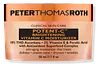
This brightening moisturizer is formulated around Tetrahexyldecyl Ascorbate and Tocopheryl Acetate to brighten dull-looking skin and fade the look of dark spots.
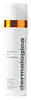
This brightening day moisturizer is formulated around Squalane and Aminopropyl Ascorbyl Phosphate to brighten dull-looking skin and hydrate skin.

What's inside
What's inside
 Key Ingredients
Benefits
Concerns
Ingredients Side-by-side
Water
Skin ConditioningTetrahexyldecyl Ascorbate
Antioxidant






Propanediol
Solvent

C9-12 Alkane
SolventGlycerin
Humectant
Tocopheryl Acetate
Antioxidant
Behenyl Alcohol
Emollient
Palmitic Acid
Emollient




Cetyl Palmitate
Emollient
Polyglyceryl-2 Stearate
Emulsifying
Stearic Acid
Cleansing
Stearyl Alcohol
Emollient
Oleic Acid
Emollient
Soy Acid
EmollientFerulic Acid
Antimicrobial
Brassica Oleracea Acephala Leaf Extract
HumectantOlea Europaea Fruit Extract
BleachingHydrolyzed Collagen
Emollient
Elastin
Skin ConditioningZingiber Officinale Root Extract
Masking
Lactic Acid
Buffering



Ceramide NP
Skin Conditioning
Sodium Hyaluronate
Humectant
Butyrospermum Parkii Butter
Skin Conditioning
Wheat Amino Acids
Skin ConditioningGlycine Soja Sterols
Emollient
Saccharomyces Ferment
Skin Conditioning
Jojoba Esters
Emollient
Olus Oil
Emollient
Glyceryl Stearate
Emollient
Gluconolactone
Chelating

Calcium Gluconate
HumectantSodium Benzoate
Masking
Sodium PCA
Humectant
Sodium Stearoyl Lactylate
EmulsifyingMyristic Acid
Cleansing
Sodium Hydroxide
BufferingSodium Lactate
Buffering
Lauroyl Lysine
Skin Conditioning
Arachidic Acid
Cleansing
Lauric Acid
Cleansing
Potassium Sorbate
Preservative
Coco-Caprylate/Caprate
Emollient
Sodium Carboxymethyl Beta-Glucan
CleansingHistidine Hcl
Skin ConditioningCarnosine
Skin Conditioning
Polyglyceryl-6 Distearate
Emulsifying
Arachidyl Alcohol
Emollient
Cetyl Alcohol
Emollient
Lauryl Alcohol
Emollient
Xanthan Gum
EmulsifyingCarbomer
Emulsion StabilisingPolyglyceryl-3 Beeswax
Emulsifying
Ethylhexylglycerin
Skin ConditioningDisodium EDTA
ChelatingMica
Cosmetic ColorantPhenoxyethanol
Preservative
CI 15985
Cosmetic ColorantCI 19140
Cosmetic ColorantWater, Tetrahexyldecyl Ascorbate, Propanediol, C9-12 Alkane, Glycerin, Tocopheryl Acetate, Behenyl Alcohol, Palmitic Acid, Cetyl Palmitate, Polyglyceryl-2 Stearate, Stearic Acid, Stearyl Alcohol, Oleic Acid, Soy Acid, Ferulic Acid, Brassica Oleracea Acephala Leaf Extract, Olea Europaea Fruit Extract, Hydrolyzed Collagen, Elastin, Zingiber Officinale Root Extract, Lactic Acid, Ceramide NP, Sodium Hyaluronate, Butyrospermum Parkii Butter, Wheat Amino Acids, Glycine Soja Sterols, Saccharomyces Ferment, Jojoba Esters, Olus Oil, Glyceryl Stearate, Gluconolactone, Calcium Gluconate, Sodium Benzoate, Sodium PCA, Sodium Stearoyl Lactylate, Myristic Acid, Sodium Hydroxide, Sodium Lactate, Lauroyl Lysine, Arachidic Acid, Lauric Acid, Potassium Sorbate, Coco-Caprylate/Caprate, Sodium Carboxymethyl Beta-Glucan, Histidine Hcl, Carnosine, Polyglyceryl-6 Distearate, Arachidyl Alcohol, Cetyl Alcohol, Lauryl Alcohol, Xanthan Gum, Carbomer, Polyglyceryl-3 Beeswax, Ethylhexylglycerin, Disodium EDTA, Mica, Phenoxyethanol, CI 15985, CI 19140
Water
Skin ConditioningGlycerin
Humectant
Squalane
Emollient
Propanediol
Solvent
Butylene Glycol
Humectant
PPG-24-Glycereth-24
EmulsifyingJojoba Wax PEG-120 Esters
Surfactant
Hydroxyethyl Urea
Humectant
Trehalose
Humectant
Aminopropyl Ascorbyl Phosphate
Antioxidant
Allantoin
Skin Conditioning
Hyaluronic Acid
Humectant
Hydrolyzed Hyaluronic Acid
Humectant
Hydrolyzed Jojoba Esters
Skin Conditioning
Biosaccharide Gum-1
Humectant
Ethylhexylglycerin
Skin ConditioningSodium PCA
Humectant
Sodium Levulinate
Skin ConditioningErgothioneine
Antioxidant
Beta-Carotene
Skin ConditioningLactobacillus Ferment
Skin Conditioning
Aloe Barbadensis Leaf Juice
Skin Conditioning
Camellia Sinensis Leaf Extract
Antimicrobial
Centella Asiatica Extract
Cleansing
Chamomilla Recutita Flower Extract
Masking
Glycyrrhiza Glabra Root Extract
Bleaching
Verbascum Thapsus Extract
Skin ConditioningLactobacillus/Pumpkin Ferment Extract
Skin ConditioningGlycine Soja Oil
Emollient
Citrus Aurantium Dulcis Peel Extract
Emulsion Stabilising
Citrus Paradisi Peel Oil
Masking

Helianthus Annuus Seed Oil
Emollient
Citrus Aurantium Bergamia Fruit Oil
Masking
Raspberry Ketone
Masking
Jasminum Sambac Flower Extract
Masking
Santalum Album Oil
Masking
Daucus Carota Sativa Root Extract
Skin Conditioning
Bisabolol
Antioxidant
Cystine
MaskingGlycine
Buffering
Dipotassium Glycyrrhizate
Humectant
Hydrolyzed Glycosaminoglycans
HumectantSodium Hyaluronate Crosspolymer
Humectant
Sodium Hyaluronate
Humectant
Pentylene Glycol
Skin Conditioning
Caprylyl Glycol
Emollient
Tocopherol
Antioxidant
Mannitol
Humectant
Tetrasodium Glutamate Diacetate
ChelatingSodium Hydroxide
BufferingPhytic Acid
Chelating
Citric Acid
Buffering
PEG-40 Hydrogenated Castor Oil
Emulsifying
C12-13 Pareth-3
EmulsifyingXanthan Gum
EmulsifyingSclerotium Gum
Emulsion StabilisingPolyacrylate Crosspolymer-6
Emulsion StabilisingAscorbyl Methylsilanol Pectinate
Antioxidant
Glyceryl Caprylate
EmollientP-Anisic Acid
MaskingBenzyl Glycol
SolventMethylpropanediol
SolventSodium Benzoate
Masking
Potassium Sorbate
Preservative
Limonene
Perfuming
Water, Glycerin, Squalane, Propanediol, Butylene Glycol, PPG-24-Glycereth-24, Jojoba Wax PEG-120 Esters, Hydroxyethyl Urea, Trehalose, Aminopropyl Ascorbyl Phosphate, Allantoin, Hyaluronic Acid, Hydrolyzed Hyaluronic Acid, Hydrolyzed Jojoba Esters, Biosaccharide Gum-1, Ethylhexylglycerin, Sodium PCA, Sodium Levulinate, Ergothioneine, Beta-Carotene, Lactobacillus Ferment, Aloe Barbadensis Leaf Juice, Camellia Sinensis Leaf Extract, Centella Asiatica Extract, Chamomilla Recutita Flower Extract, Glycyrrhiza Glabra Root Extract, Verbascum Thapsus Extract, Lactobacillus/Pumpkin Ferment Extract, Glycine Soja Oil, Citrus Aurantium Dulcis Peel Extract, Citrus Paradisi Peel Oil, Helianthus Annuus Seed Oil, Citrus Aurantium Bergamia Fruit Oil, Raspberry Ketone, Jasminum Sambac Flower Extract, Santalum Album Oil, Daucus Carota Sativa Root Extract, Bisabolol, Cystine, Glycine, Dipotassium Glycyrrhizate, Hydrolyzed Glycosaminoglycans, Sodium Hyaluronate Crosspolymer, Sodium Hyaluronate, Pentylene Glycol, Caprylyl Glycol, Tocopherol, Mannitol, Tetrasodium Glutamate Diacetate, Sodium Hydroxide, Phytic Acid, Citric Acid, PEG-40 Hydrogenated Castor Oil, C12-13 Pareth-3, Xanthan Gum, Sclerotium Gum, Polyacrylate Crosspolymer-6, Ascorbyl Methylsilanol Pectinate, Glyceryl Caprylate, P-Anisic Acid, Benzyl Glycol, Methylpropanediol, Sodium Benzoate, Potassium Sorbate, Limonene
Reviews
Ingredients Explained
These ingredients are found in both products.
Ingredients higher up in an ingredient list are typically present in a larger amount.
Ethylhexylglycerin is created from glycerin. It is a multitasker ingredient that:
The CIR Expert Panel found minimal skin absorption or sensitization of any kind in a safety assessment. Though this ingredient is considered well-tolerated, a small number of cases of allergic dermatitis have been published since 2002. Just be sure to patch test if you are unsure.
Industry-reported use ranges from 8% in rinse-off products and 2% in leave-on formulations.
Learn more about EthylhexylglycerinGlycerin (or glycerol) is a compound naturally found in your skin. It's a powerhouse humectant that pulls water into the stratum corneum.
Topically, glycerin does several things at once:
Your skin makes glycerin on its own (mostly from sebaceous oil breakdown) and shuttles it to your outermost layer of skin, or your epidermis, via aquaporin-3.
Aquaporin-3 is a transporter that is essential for normal skin hydration, elasticity, and repair. Interestingly, mice lacking in AQP3 have dry and less elastic skin that can be fully corrected with glycerin.
This ingredient is non-irritating, plays well with almost every ingredient, and works across all skin types. Typical use is anywhere between 3-10% but can go up to 79% in some leave-on products.
Just know very high concentrations (>40%) can feel tacky in low humidity.
Glycerin is the name for this ingredient in American English. British English uses Glycerol/Glycerine.
Learn more about GlycerinPotassium Sorbate is a preservative used to prevent yeast and mold in products. It is commonly found in both cosmetic and food products.
This ingredient comes from potassium salt derived from sorbic acid. Sorbic acid is a natural antibiotic and effective against fungus.
Both potassium sorbate and sorbic acid can be found in baked goods, cheeses, dried meats, dried fruit, ice cream, pickles, wine, yogurt, and more.
You'll often find this ingredient used with other preservatives.
Learn more about Potassium SorbatePropanediol is an all-star ingredient. It softens, hydrates, and smooths the skin.
It’s often used to:
Propanediol is not likely to cause sensitivity and considered safe to use. It is derived from corn or petroleum with a clear color and no scent.
Learn more about PropanediolSodium Benzoate is a preservative. It's used in both cosmetic and food products to inhibit the growth of mold and bacteria. It is typically produced synthetically.
Both the US FDA and EU Health Committee have approved the use of sodium benzoate. In the US, levels of 0.1% (of the total product) are allowed.
Sodium benzoate works as a preservative by inhibiting the growth of bacteria inside of cells. It prevents the cell from fermenting a type of sugar using an enzyme called phosphofructokinase.
It is the salt of benzoic acid. Foods containing sodium benzoate include soda, salad dressings, condiments, fruit juices, wines, and snack foods.
Studies for using ascorbic acid and sodium benzoate in cosmetics are lacking, especially in skincare routines with multiple steps.
We always recommend speaking with a professional, such as a dermatologist, if you have any concerns.
Learn more about Sodium BenzoateSodium Hyaluronate is the salt form of hyaluronic acid. It is a long sugar chain that is naturally found in your skin, joints, and connective tissue that maintains hydration and elasticity.
In skincare, it works as a humectant. It pulls water from the environment and deeper layers of skin and binds it to the surface.
Interestingly, the size of the molecule affects its behavior:
Some clinical evidence links low molecular weight versions to improved wrinkle depth, elasticity, anti-inflammatory effects, and barrier repair.
Many serums use a blend of both weights so you can get surface hydration plus longer-lasting and deeper effects.
You'll typically see concentrations between 0.1-2% for this ingredient.
Learn more about Sodium HyaluronateSodium Hydroxide is also known as lye or caustic soda. It is used to adjust the pH of products; many ingredients require a specific pH to be effective.
In small amounts, sodium hydroxide is considered safe to use. However, large amounts may cause chemical burns due to its high alkaline.
Your skin has a natural pH and acid mantle. This acid mantle helps prevent harmful bacteria from breaking through. The acid mantle also helps keep your skin hydrated.
"Alkaline" refers to a high pH level. A low pH level would be considered acidic.
Learn more about Sodium HydroxideSodium PCA (the salt of PCA) is one of the most well-established humectants in skincare.
Why is it so special? Your skin already makes it naturally; it's a natural component of your skin's Natural Moisturizing Factor (NMF), or the mix of water-binding compounds inside your skin cells that keeps things soft and hydrated.
As a cosmetic ingredient, it grabs water and holds it in the upper layers of skin to smooth roughness and ease dehydration.
There's some clinical support for the NMF approach with a study showing that a cream built to mimic the skin's NMF significantly boosted hydration.
Safety-wise, this ingredient non-irritating, non-comedogenic, and non-phototoxic in testing, with minimal skin absorption.
It also works really well with other hydrators like glycerin or hyaluronic acid, and typical usage is somewhere between 0.2-4%.
Learn more about Sodium PCAWater. It's the most common cosmetic ingredient of all. You'll usually see it at the top of ingredient lists, meaning that it makes up the largest part of the product.
So why is it so popular? Water most often acts as a solvent - this means that it helps dissolve other ingredients into the formulation.
You'll also recognize water as that liquid we all need to stay alive. If you see this, drink a glass of water. Remember to stay hydrated!
Learn more about WaterXanthan gum is used as a stabilizer and thickener within cosmetic products. It helps give products a sticky, thick feeling - preventing them from being too runny.
On the technical side of things, xanthan gum is a polysaccharide - a combination consisting of multiple sugar molecules bonded together.
Xanthan gum is a pretty common and great ingredient. It is a natural, non-toxic, non-irritating ingredient that is also commonly used in food products.
Learn more about Xanthan Gum

