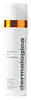
This brightening day moisturizer is formulated around Squalane and Aminopropyl Ascorbyl Phosphate to brighten dull-looking skin and hydrate skin.
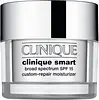
This anti-aging day moisturizer is formulated around Acetyl Hexapeptide-8 and Acetyl Glucosamine to soften the look of wrinkles and hydrate skin.

What's inside
What's inside
 Key Ingredients
Benefits
Concerns
Ingredients Side-by-side
Water
Skin ConditioningGlycerin
Humectant


Squalane
Emollient
Propanediol
Solvent
Butylene Glycol
Humectant
PPG-24-Glycereth-24
EmulsifyingJojoba Wax PEG-120 Esters
Surfactant

Hydroxyethyl Urea
Humectant
Trehalose
Humectant
Aminopropyl Ascorbyl Phosphate
Antioxidant





Allantoin
Skin Conditioning
Hyaluronic Acid
Humectant
Hydrolyzed Hyaluronic Acid
Humectant
Hydrolyzed Jojoba Esters
Skin Conditioning
Biosaccharide Gum-1
Humectant
Ethylhexylglycerin
Skin ConditioningSodium PCA
Humectant
Sodium Levulinate
Skin ConditioningErgothioneine
Antioxidant
Beta-Carotene
Skin ConditioningLactobacillus Ferment
Skin Conditioning
Aloe Barbadensis Leaf Juice
Skin Conditioning
Camellia Sinensis Leaf Extract
Antimicrobial
Centella Asiatica Extract
Cleansing
Chamomilla Recutita Flower Extract
Masking
Glycyrrhiza Glabra Root Extract
Bleaching
Verbascum Thapsus Extract
Skin ConditioningLactobacillus/Pumpkin Ferment Extract
Skin ConditioningGlycine Soja Oil
Emollient



Citrus Aurantium Dulcis Peel Extract
Emulsion Stabilising
Citrus Paradisi Peel Oil
Masking


Helianthus Annuus Seed Oil
Emollient
Citrus Aurantium Bergamia Fruit Oil
Masking
Raspberry Ketone
Masking
Jasminum Sambac Flower Extract
Masking
Santalum Album Oil
Masking
Daucus Carota Sativa Root Extract
Skin Conditioning
Bisabolol
Antioxidant
Cystine
MaskingGlycine
Buffering
Dipotassium Glycyrrhizate
Humectant
Hydrolyzed Glycosaminoglycans
HumectantSodium Hyaluronate Crosspolymer
Humectant
Sodium Hyaluronate
Humectant
Pentylene Glycol
Skin Conditioning
Caprylyl Glycol
Emollient
Tocopherol
Antioxidant
Mannitol
Humectant
Tetrasodium Glutamate Diacetate
ChelatingSodium Hydroxide
BufferingPhytic Acid
Chelating
Citric Acid
Buffering
PEG-40 Hydrogenated Castor Oil
Emulsifying
C12-13 Pareth-3
EmulsifyingXanthan Gum
EmulsifyingSclerotium Gum
Emulsion StabilisingPolyacrylate Crosspolymer-6
Emulsion StabilisingAscorbyl Methylsilanol Pectinate
Antioxidant
Glyceryl Caprylate
EmollientP-Anisic Acid
MaskingBenzyl Glycol
SolventMethylpropanediol
SolventSodium Benzoate
Masking
Potassium Sorbate
Preservative
Limonene
Perfuming
Water, Glycerin, Squalane, Propanediol, Butylene Glycol, PPG-24-Glycereth-24, Jojoba Wax PEG-120 Esters, Hydroxyethyl Urea, Trehalose, Aminopropyl Ascorbyl Phosphate, Allantoin, Hyaluronic Acid, Hydrolyzed Hyaluronic Acid, Hydrolyzed Jojoba Esters, Biosaccharide Gum-1, Ethylhexylglycerin, Sodium PCA, Sodium Levulinate, Ergothioneine, Beta-Carotene, Lactobacillus Ferment, Aloe Barbadensis Leaf Juice, Camellia Sinensis Leaf Extract, Centella Asiatica Extract, Chamomilla Recutita Flower Extract, Glycyrrhiza Glabra Root Extract, Verbascum Thapsus Extract, Lactobacillus/Pumpkin Ferment Extract, Glycine Soja Oil, Citrus Aurantium Dulcis Peel Extract, Citrus Paradisi Peel Oil, Helianthus Annuus Seed Oil, Citrus Aurantium Bergamia Fruit Oil, Raspberry Ketone, Jasminum Sambac Flower Extract, Santalum Album Oil, Daucus Carota Sativa Root Extract, Bisabolol, Cystine, Glycine, Dipotassium Glycyrrhizate, Hydrolyzed Glycosaminoglycans, Sodium Hyaluronate Crosspolymer, Sodium Hyaluronate, Pentylene Glycol, Caprylyl Glycol, Tocopherol, Mannitol, Tetrasodium Glutamate Diacetate, Sodium Hydroxide, Phytic Acid, Citric Acid, PEG-40 Hydrogenated Castor Oil, C12-13 Pareth-3, Xanthan Gum, Sclerotium Gum, Polyacrylate Crosspolymer-6, Ascorbyl Methylsilanol Pectinate, Glyceryl Caprylate, P-Anisic Acid, Benzyl Glycol, Methylpropanediol, Sodium Benzoate, Potassium Sorbate, Limonene
Butyl Methoxydibenzoylmethane 3%
UV Absorber
Ethylhexyl Salicylate 5%
UV Absorber
Water
Skin ConditioningGlycerin
Humectant
Butyloctyl Salicylate
Skin Conditioning
Polyester-8
Skin Conditioning
Octyldodecyl Neopentanoate
EmollientBehenyl Alcohol
Emollient
Butylene Glycol
Humectant
Myristyl Myristate
Emollient
Cetyl Esters
Emollient
Ammonium Acryloyldimethyltaurate/Vp Copolymer
Tamarindus Indica Seed Extract
EmollientPlankton Extract
Skin ConditioningCentaurium Erythraea Extract
Skin ConditioningSigesbeckia Orientalis Extract
Skin ConditioningGlyceryl Stearate
Emollient
Algae Extract
Emollient
Caffeine
Skin Conditioning
Camellia Sinensis Leaf Extract
Antimicrobial
Saccharomyces Ferment Filtrate
Humectant
Whey Protein
Skin ConditioningNylon-12
Acetyl Hexapeptide-8
Humectant
Sucrose
Humectant
Biotin
AntiseborrhoeicErgothioneine
Antioxidant
Myristyl Laurate
SurfactantLauryl PEG-9 Polydimethylsiloxyethyl Dimethicone
Skin Conditioning
Polyethylene
Abrasive
Aminopropyl Ascorbyl Phosphate
Antioxidant
Glycine Soja Protein
EmulsifyingPEG-100 Stearate
Surfactant
Steareth-21
CleansingDimethicone
Emollient
Acetyl Glucosamine
Skin Conditioning
Astrocaryum Murumuru Seed Butter
Emollient
Trisiloxane
Skin Conditioning
Caprylyl Glycol
Emollient
Tocopheryl Acetate
Antioxidant
Myristyl Alcohol
Emollient
Sodium Hyaluronate
Humectant
Hexylene Glycol
EmulsifyingHydroxyethylcellulose
Emulsion StabilisingSodium Benzoate
Masking
Sodium Citrate
BufferingLecithin
Emollient
Disodium EDTA
ChelatingPhenoxyethanol
Preservative
CI 19140
Cosmetic ColorantCI 14700
Cosmetic ColorantButyl Methoxydibenzoylmethane 3%, Ethylhexyl Salicylate 5%, Water, Glycerin, Butyloctyl Salicylate, Polyester-8, Octyldodecyl Neopentanoate, Behenyl Alcohol, Butylene Glycol, Myristyl Myristate, Cetyl Esters, Ammonium Acryloyldimethyltaurate/Vp Copolymer, Tamarindus Indica Seed Extract, Plankton Extract, Centaurium Erythraea Extract, Sigesbeckia Orientalis Extract, Glyceryl Stearate, Algae Extract, Caffeine, Camellia Sinensis Leaf Extract, Saccharomyces Ferment Filtrate, Whey Protein, Nylon-12, Acetyl Hexapeptide-8, Sucrose, Biotin, Ergothioneine, Myristyl Laurate, Lauryl PEG-9 Polydimethylsiloxyethyl Dimethicone, Polyethylene, Aminopropyl Ascorbyl Phosphate, Glycine Soja Protein, PEG-100 Stearate, Steareth-21, Dimethicone, Acetyl Glucosamine, Astrocaryum Murumuru Seed Butter, Trisiloxane, Caprylyl Glycol, Tocopheryl Acetate, Myristyl Alcohol, Sodium Hyaluronate, Hexylene Glycol, Hydroxyethylcellulose, Sodium Benzoate, Sodium Citrate, Lecithin, Disodium EDTA, Phenoxyethanol, CI 19140, CI 14700
Reviews
Ingredients Explained
These ingredients are found in both products.
Ingredients higher up in an ingredient list are typically present in a larger amount.
Aminopropyl Ascorbyl Phosphate (AAP) is a form of Vitamin C. AAP was made as a more stable alternative to Ascorbic Acid by combining Ascorbic Acid (pure Vitamin C) with 3-aminoproply dehydrogen phosphate.
As a type of Vitamin C, it has antioxidant properties. Antioxidants help fight free-radical molecules, or molecules that may damage your skin cells.
AAP has been shown to help reduce signs of hyperigmentation and age-spots.
AAP is water soluble.
Vitamin C can help to reduce redness, improve skin texture, reduce the effects of aging, and reduce the visibility of dark spots.
Read more about other types of Vitamin C:
Learn more about Aminopropyl Ascorbyl PhosphateButylene Glycol (or BG) is used within cosmetic products for a few different reasons:
Overall, Butylene Glycol is a safe and well-rounded ingredient that works well with other ingredients.
Though this ingredient works well with most skin types, some people with sensitive skin may experience a reaction such as allergic rashes, closed comedones, or itchiness.
Learn more about Butylene GlycolCamellia Sinensis Leaf Extract (tea extract) is one of the most well-researched plant extracts in skincare with an impressive resume.
Black tea, green tea, and oolong tea are all harvested from the Camellia Sinensis plant.
Studies show green tea extract and its catechins (like epigallocatechin gallate (EGCG)) help your skin cells product energy more efficiently and reducing the number of free-radicals that can damage your skin from the inside.
In lab-grown skin models, this translated to younger, healthier, and stronger skin.
There's also good sun protection data; researchers saw less DNA damage and redness on human skin when green tea was applied before UVB exposure. And the more they applied, the better the protection.
Needless to say, this ingredient shouldn't replace your sunscreen. But it is a great supportive ingredient that you can already find in many sunscreens and antioxidant serums.
A 2009 study found a 2% green tea lotion was effective for mild-to-moderate acne thanks to its anti-inflammatory and mild antimicrobial activity.
The quality of the extract matters a lot here:
Good extracts contain 50-90% catechins while lower quality ones are mostly there for marketing. We recommend reaching out to the brand if you have questions about the quality or source of their ingredients.
Human Repeated Insult Patch Testing showed no irritation or sensitization at use concentrations (0.86% in leave-on products and up to 30% as leaf water).
Learn more about Camellia Sinensis Leaf ExtractCaprylyl Glycol is a humectant, skin conditioner, emollient, and preservative booster derived from either caprylic acid or synthetically created.
Typical use levels vary from 0.3-1% as a preservative booster and go up to 2% to condition skin.
Because it is not a free-fatty acid, this ingredient is fungal acne safe (there's nothing for Malassezia to feed on).
Learn more about Caprylyl GlycolErgothioneine is an amino acid found naturally in mushrooms, grains, and meat. It has antioxidant and skin soothing properties.
This amino acid helps with:
- Maintaining DNA stability and cell reproduction
- Enhances cellular immunity
- Skin brightening
- Anti-aging
- Skin soothing
Glycerin (or glycerol) is a compound naturally found in your skin. It's a powerhouse humectant that pulls water into the stratum corneum.
Topically, glycerin does several things at once:
Your skin makes glycerin on its own (mostly from sebaceous oil breakdown) and shuttles it to your outermost layer of skin, or your epidermis, via aquaporin-3.
Aquaporin-3 is a transporter that is essential for normal skin hydration, elasticity, and repair. Interestingly, mice lacking in AQP3 have dry and less elastic skin that can be fully corrected with glycerin.
This ingredient is non-irritating, plays well with almost every ingredient, and works across all skin types. Typical use is anywhere between 3-10% but can go up to 79% in some leave-on products.
Just know very high concentrations (>40%) can feel tacky in low humidity.
Glycerin is the name for this ingredient in American English. British English uses Glycerol/Glycerine.
Learn more about GlycerinSodium Benzoate is a preservative. It's used in both cosmetic and food products to inhibit the growth of mold and bacteria. It is typically produced synthetically.
Both the US FDA and EU Health Committee have approved the use of sodium benzoate. In the US, levels of 0.1% (of the total product) are allowed.
Sodium benzoate works as a preservative by inhibiting the growth of bacteria inside of cells. It prevents the cell from fermenting a type of sugar using an enzyme called phosphofructokinase.
It is the salt of benzoic acid. Foods containing sodium benzoate include soda, salad dressings, condiments, fruit juices, wines, and snack foods.
Studies for using ascorbic acid and sodium benzoate in cosmetics are lacking, especially in skincare routines with multiple steps.
We always recommend speaking with a professional, such as a dermatologist, if you have any concerns.
Learn more about Sodium BenzoateSodium Hyaluronate is the salt form of hyaluronic acid. It is a long sugar chain that is naturally found in your skin, joints, and connective tissue that maintains hydration and elasticity.
In skincare, it works as a humectant. It pulls water from the environment and deeper layers of skin and binds it to the surface.
Interestingly, the size of the molecule affects its behavior:
Some clinical evidence links low molecular weight versions to improved wrinkle depth, elasticity, anti-inflammatory effects, and barrier repair.
Many serums use a blend of both weights so you can get surface hydration plus longer-lasting and deeper effects.
You'll typically see concentrations between 0.1-2% for this ingredient.
Learn more about Sodium HyaluronateWater. It's the most common cosmetic ingredient of all. You'll usually see it at the top of ingredient lists, meaning that it makes up the largest part of the product.
So why is it so popular? Water most often acts as a solvent - this means that it helps dissolve other ingredients into the formulation.
You'll also recognize water as that liquid we all need to stay alive. If you see this, drink a glass of water. Remember to stay hydrated!
Learn more about Water

