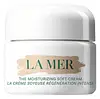
This barrier-repair moisturizer is formulated around Petrolatum and Cholesterol to strengthen the skin barrier and hydrate skin.
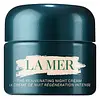
This anti-aging night moisturizer is formulated around Butyrospermum Parkii Butter and Palmitoyl Tripeptide-1 to soften the look of wrinkles and hydrate skin.

What's inside
What's inside
 Key Ingredients
Benefits
Concerns
Ingredients Side-by-side
Algae Extract
Emollient

Cyclopentasiloxane
Emollient
Petrolatum
Emollient



Glyceryl Distearate
Emollient

Phenyl Trimethicone
Skin Conditioning
Cyclohexasiloxane
Emollient
Butylene Glycol
Humectant
Cholesterol
Emollient
Butyrospermum Parkii Butter
Skin Conditioning
Steareth-10
Emulsifying
Dimethicone
Emollient
Glyceryl Stearate Se
Emulsifying
Polysilicone-11

Glyceryl Triacetyl Ricinoleate
Emollient
Macadamia Integrifolia Seed Oil
Skin Conditioning
Glycerin
Humectant
Sesamum Indicum Seed Oil
Emollient
Medicago Sativa Seed Powder
Skin ConditioningHelianthus Annuus Seedcake
Abrasive
Prunus Amygdalus Dulcis Seed Meal
Abrasive
Eucalyptus Globulus Leaf Oil
Perfuming


Sodium Gluconate
ChelatingCopper Gluconate
Skin Conditioning
Calcium Gluconate
HumectantMagnesium Gluconate
Skin ConditioningZinc Gluconate
Skin Conditioning


Tocopheryl Succinate
Antioxidant
Niacin
SmoothingSesamum Indicum Seed Powder
Skin ConditioningWater
Skin ConditioningCitrus Aurantifolia Peel Extract
Cleansing
Laminaria Digitata Extract
Skin Protecting
Crithmum Maritimum Extract
Skin ConditioningSalicornia Herbacea Extract
Skin ConditioningPlankton Extract
Skin ConditioningChlorella Vulgaris Extract
Skin ConditioningRosmarinus Officinalis Leaf Extract
AntimicrobialSodium Hyaluronate
Humectant


Tocopheryl Acetate
Antioxidant

Acetyl Hexapeptide-8
Humectant
Caffeine
Skin Conditioning
Tetrahexyldecyl Ascorbate
Antioxidant

Palmitoyl Hexapeptide-12
Skin Conditioning
Caprylic/Capric Triglyceride
Masking
Triethylhexanoin
MaskingSodium PCA
Humectant
Cetyl Alcohol
Emollient
Diethylhexyl Succinate
EmollientIsocetyl Stearoyl Stearate
Emollient
Cyanocobalamin
Skin ConditioningC13-14 Isoparaffin
Emollient
Distearyldimonium Chloride
Dipalmitoyl Hydroxyproline
Skin Conditioning
Sucrose
Humectant
Hydrogenated Vegetable Oil
Emollient
Trehalose
Humectant
Hydrolyzed Algin
Micrococcus Lysate
Skin ConditioningMaris Sal
Skin ConditioningTetradecyl Aminobutyroylvalylaminobutyric Urea Trifluoroacetate
Skin ConditioningLactoperoxidase
StabilisingGlucose Oxidase
StabilisingUrea
Buffering
Glucose
Humectant
Polyacrylamide
Glyceryl Polymethacrylate
PEG-8
HumectantLaureth-7
EmulsifyingLecithin
Emollient
Triacetin
AntimicrobialSodium Chloride
MaskingPolyquaternium-51
Skin Conditioning
Potassium Phosphate
BufferingAlcohol Denat.
Antimicrobial

Parfum
Masking
Limonene
Perfuming
Linalool
Perfuming
Hydroxycitronellal
Perfuming
Citronellol
Perfuming
Geraniol
Perfuming
BHT
Antioxidant
Disodium EDTA
ChelatingSorbic Acid
Preservative
Chlorphenesin
Antimicrobial
Potassium Sorbate
Preservative
Phenoxyethanol
Preservative
Algae Extract, Cyclopentasiloxane, Petrolatum, Glyceryl Distearate, Phenyl Trimethicone, Cyclohexasiloxane, Butylene Glycol, Cholesterol, Butyrospermum Parkii Butter, Steareth-10, Dimethicone, Glyceryl Stearate Se, Polysilicone-11, Glyceryl Triacetyl Ricinoleate, Macadamia Integrifolia Seed Oil, Glycerin, Sesamum Indicum Seed Oil, Medicago Sativa Seed Powder, Helianthus Annuus Seedcake, Prunus Amygdalus Dulcis Seed Meal, Eucalyptus Globulus Leaf Oil, Sodium Gluconate, Copper Gluconate, Calcium Gluconate, Magnesium Gluconate, Zinc Gluconate, Tocopheryl Succinate, Niacin, Sesamum Indicum Seed Powder, Water, Citrus Aurantifolia Peel Extract, Laminaria Digitata Extract, Crithmum Maritimum Extract, Salicornia Herbacea Extract, Plankton Extract, Chlorella Vulgaris Extract, Rosmarinus Officinalis Leaf Extract, Sodium Hyaluronate, Tocopheryl Acetate, Acetyl Hexapeptide-8, Caffeine, Tetrahexyldecyl Ascorbate, Palmitoyl Hexapeptide-12, Caprylic/Capric Triglyceride, Triethylhexanoin, Sodium PCA, Cetyl Alcohol, Diethylhexyl Succinate, Isocetyl Stearoyl Stearate, Cyanocobalamin, C13-14 Isoparaffin, Distearyldimonium Chloride, Dipalmitoyl Hydroxyproline, Sucrose, Hydrogenated Vegetable Oil, Trehalose, Hydrolyzed Algin, Micrococcus Lysate, Maris Sal, Tetradecyl Aminobutyroylvalylaminobutyric Urea Trifluoroacetate, Lactoperoxidase, Glucose Oxidase, Urea, Glucose, Polyacrylamide, Glyceryl Polymethacrylate, PEG-8, Laureth-7, Lecithin, Triacetin, Sodium Chloride, Polyquaternium-51, Potassium Phosphate, Alcohol Denat., Parfum, Limonene, Linalool, Hydroxycitronellal, Citronellol, Geraniol, BHT, Disodium EDTA, Sorbic Acid, Chlorphenesin, Potassium Sorbate, Phenoxyethanol
Water
Skin ConditioningAlgae Extract
Emollient
Butyrospermum Parkii Butter
Skin Conditioning
Dimethicone
Emollient
Butylene Glycol
Humectant
Caprylic/Capric/Myristic/Stearic Triglyceride
EmollientPolyglyceryl-3 Methylglucose Distearate
Emulsifying
Glycerin
Humectant
Silica
Abrasive
Coco-Caprylate/Caprate
Emollient
Simmondsia Chinensis Seed Oil
Emollient
Mangifera Indica Seed Butter
Skin Conditioning
Polyglyceryl-10 Pentastearate
Skin Conditioning
Glyceryl Stearate
Emollient
Behenyl Alcohol
Emollient
PEG-100 Stearate
Surfactant
Dimethicone/Vinyl Dimethicone Crosspolymer
Skin Conditioning
Sesamum Indicum Seed Oil
Emollient
Medicago Sativa Seed Powder
Skin ConditioningHelianthus Annuus Seedcake
Abrasive
Prunus Amygdalus Dulcis Seed Meal
Abrasive
Eucalyptus Globulus Leaf Oil
Perfuming
Sodium Gluconate
ChelatingCopper Gluconate
Skin Conditioning
Calcium Gluconate
HumectantMagnesium Gluconate
Skin ConditioningZinc Gluconate
Skin Conditioning
Tocopheryl Succinate
Antioxidant
Niacin
SmoothingSesamum Indicum Seed Powder
Skin ConditioningPalmitoyl Tripeptide-1
Skin Conditioning
Palmitoyl Tetrapeptide-7
Skin Conditioning
Palmitoyl Hexapeptide-12
Skin Conditioning
Acetyl Hexapeptide-8
Humectant
Sodium Hyaluronate
Humectant
Crithmum Maritimum Extract
Skin ConditioningLaminaria Digitata Extract
Skin Protecting
Faex Extract
Skin ConditioningCrithmum Maritimum Callus Culture Filtrate
Skin ProtectingBambusa Vulgaris Extract
Skin Conditioning
Citrus Aurantifolia Peel Extract
Cleansing
Coffea Arabica Seed Extract
Masking
Pisum Sativum Extract
Skin ConditioningMagnesium Ascorbyl Phosphate
Antioxidant
Caffeine
Skin Conditioning
Tocopherol
Antioxidant
Tocopheryl Acetate
Antioxidant
Lecithin
Emollient
Caprylic/Capric Triglyceride
Masking
Ethylhexylglycerin
Skin ConditioningPotassium Cetyl Phosphate
EmulsifyingHydroxyethyl Acrylate/Sodium Acryloyldimethyl Taurate Copolymer
Emulsion StabilisingPEG-8
HumectantAcrylates/C10-30 Alkyl Acrylate Crosspolymer
Emulsion StabilisingSodium Stearoyl Lactylate
EmulsifyingGlyceryl Polymethacrylate
Carbomer
Emulsion StabilisingSodium Hydroxide
BufferingPolysorbate 60
Emulsifying
Glucosamine Hcl
Sorbitan Isostearate
Emulsifying
Polysorbate 20
Emulsifying
Hydrogenated Vegetable Oil
Emollient
Caprylyl Glycol
Emollient
Hexylene Glycol
EmulsifyingAlcohol Denat.
Antimicrobial
Parfum
Masking
Limonene
Perfuming
Linalool
Perfuming
Hydroxycitronellal
Perfuming
Citronellol
Perfuming
Geraniol
Perfuming
Benzyl Salicylate
Perfuming
Benzyl Benzoate
Antimicrobial
BHT
Antioxidant
Disodium EDTA
ChelatingPhenoxyethanol
Preservative
Chlorphenesin
Antimicrobial
Potassium Sorbate
Preservative
CI 15985
Cosmetic ColorantWater, Algae Extract, Butyrospermum Parkii Butter, Dimethicone, Butylene Glycol, Caprylic/Capric/Myristic/Stearic Triglyceride, Polyglyceryl-3 Methylglucose Distearate, Glycerin, Silica, Coco-Caprylate/Caprate, Simmondsia Chinensis Seed Oil, Mangifera Indica Seed Butter, Polyglyceryl-10 Pentastearate, Glyceryl Stearate, Behenyl Alcohol, PEG-100 Stearate, Dimethicone/Vinyl Dimethicone Crosspolymer, Sesamum Indicum Seed Oil, Medicago Sativa Seed Powder, Helianthus Annuus Seedcake, Prunus Amygdalus Dulcis Seed Meal, Eucalyptus Globulus Leaf Oil, Sodium Gluconate, Copper Gluconate, Calcium Gluconate, Magnesium Gluconate, Zinc Gluconate, Tocopheryl Succinate, Niacin, Sesamum Indicum Seed Powder, Palmitoyl Tripeptide-1, Palmitoyl Tetrapeptide-7, Palmitoyl Hexapeptide-12, Acetyl Hexapeptide-8, Sodium Hyaluronate, Crithmum Maritimum Extract, Laminaria Digitata Extract, Faex Extract, Crithmum Maritimum Callus Culture Filtrate, Bambusa Vulgaris Extract, Citrus Aurantifolia Peel Extract, Coffea Arabica Seed Extract, Pisum Sativum Extract, Magnesium Ascorbyl Phosphate, Caffeine, Tocopherol, Tocopheryl Acetate, Lecithin, Caprylic/Capric Triglyceride, Ethylhexylglycerin, Potassium Cetyl Phosphate, Hydroxyethyl Acrylate/Sodium Acryloyldimethyl Taurate Copolymer, PEG-8, Acrylates/C10-30 Alkyl Acrylate Crosspolymer, Sodium Stearoyl Lactylate, Glyceryl Polymethacrylate, Carbomer, Sodium Hydroxide, Polysorbate 60, Glucosamine Hcl, Sorbitan Isostearate, Polysorbate 20, Hydrogenated Vegetable Oil, Caprylyl Glycol, Hexylene Glycol, Alcohol Denat., Parfum, Limonene, Linalool, Hydroxycitronellal, Citronellol, Geraniol, Benzyl Salicylate, Benzyl Benzoate, BHT, Disodium EDTA, Phenoxyethanol, Chlorphenesin, Potassium Sorbate, CI 15985
Reviews
Ingredients Explained
These ingredients are found in both products.
Ingredients higher up in an ingredient list are typically present in a larger amount.
Acetyl Hexapeptide-8 (also known as Argireline) is a synthetic hexapeptide that is often called a "topical Botox alternative".
It works by mimicking how Botox relaxes muscles; it interferes with the signaling process that tells your facial muscles to contract. This can help soften expression lines like forehead wrinkles or crow's feet over time.
The comparison to Botox does have limits because the molecule is water-loving and relatively large.
Acetyl Hexapeptide-8 has a hard time absorbing deeply enough through the skin's outer barrier to actually reach the muscles.
So whether it truly works the way Botox does at a biological level is still up for debate, but early clinical outcomes are fairly encouraging.
A 12 week human study of a multi-ingredient regimen containing this ingredient saw:
While some studies have observed improvements in wrinkle appearance, it is important to note that more consistent results are seen in multi-ingredient formulations (vs just Acetyl Hexapeptide-8 alone).
Some research studies also used higher concentrations (up to 10%) while this ingredient is usually found in concentrations up to 0.005% in leave-on formulations.
Learn more about Acetyl Hexapeptide-8Alcohol Denat. is an alcohol with a denaturant property. It is created by mixing ethanol with other additives.
The "denat" part just means "denatured"; common denaturants include Denatonium Benzoate, t-butyl alcohol, and Diethyl Phthalate. This step makes the alcohol undrinkable (and lets brand skip taxes related to beverage alcohol).
This ingredient gets a bad rep because it is irritating and drying due to its astringent property. Astringents draw out natural oils in tissue to constrict pores and dry out your skin.
However, alcohol denat. is not all that bad.
Due to its low molecular weight, alcohol denat. tends to evaporate quickly. One study on pig skin found half of applied alcohol evaporated in 10 seconds and less than 3% stayed on skin.
This also helps other ingredients become better absorbed upon application.
Studies are conflicted about whether this ingredient causes skin dehydration. One study from 2005 found adding emollients to propanol-based sanitizer decreased skin dryness and irritation. Another study found irritation only occurs if your skin is already damaged.
Small amounts of alcohol are generally tolerated by oily skin or people who live in humid environments.
The rule of thumb is this ingredient will probably not affect your skin much if it is near the end of an ingredients list.
One thing to note:
People with ALDH2 (aldehyde dehydrogenase 2) deficiency may experience skin irritation from continued alcohol use. About 8% of the world's population have this deficiency.
The Cosmetic Ingredient Review Expert Panel has determined denatured alcohols to be safe for use in concentrations between 0.05% and 12% (depending on which denaturant is used).
Also...
This ingredient has antimicrobial and solvent properties.
The antimicrobial property helps preserve products and increase their shelf life. As a solvent, it helps dissolve other ingredients.
Look for formulas that contain glycerin, hyaluronic acid, or panthenol if you want to offset any drying effect.
This ingredient will trip away your skin's natural oils/lipids that help it lock in moisture. This can worsen dryness, trigger eczema flare-ups, and aggravate rosacea.
Be sure to patch test any product with this ingredient if you have dry or sensitive skin, eczema, or rosacea.
Learn more about Alcohol Denat.Algae Extract is one of the vaguest names on any label because it just means "extract of some alga" (and there are thousands of species and dozens of ways to extract them). This just means two products listing it can contain completely different things.
This ingredient name was actually officially retired in the INCI dictionary in 2015 and brands were pushed toward species-specific names instead (like Laminaria Digitata Extract or Chondrus Crispus Extract).
Generally, it is used to hold water and soften skin in a formula. Algae are rich in polysaccharides, pigments, and amino-acids that act as humectants, emollients, and skin-conditioning agents.
It isn't on standard cosmetic-patch test panels and "seaweed dermatitis" is actually an acute irritant reaction to algal toxins in seawater and not the cosmetic ingredient.
You'll see algae listed as a 5/5 on a lot of pore-clogging charts and that number doesn't come from anywhere; it's not in the original rabbit-ear studies that most comedogenic ratings trace back to.
The reasoning behind the reputation is that seaweed is high in iodine and iodine can trigger acne-like breakouts when eaten. This traces back to a 1976 letter in Archives of Dermatology describing two women whose breakouts cleared after they stopped taking high-dose kelp supplements orally.
And the reaction of these two women wasn't clogged pores at all: it was an iodine-triggered pustular rash. Later research found normal dietary iodine doesn't meaningfully affect acne either and nobody has shown topical algae delivers enough iodine to matter.
What we do have is dozens of brown and red algae ingredients found to be non-irritating and non-sensitizing, and a handful of studies that found algae compounds may actually help acne.
However, plenty of people do report breaking out from algae-containing products. Skin is individual and it's worth avoiding if yours has reacted to algae before.
Learn more about Algae ExtractBHT is a synthetic antioxidant and preservative.
As an antioxidant, it helps your body fight off free-radicals. Free-radicals are molecules that may damage your skin cells.
As a preservative, it is used to stabilize products and prevent them from degrading. Specifically, BHT prevents degradation from oxidation.
The concerns related to BHT come from oral studies; this ingredient is currently allowed for use by both the FDA and EU.
However, it was recently restricted for use in the UK as of April 2024.
Learn more about BHTButylene Glycol (or BG) is used within cosmetic products for a few different reasons:
Overall, Butylene Glycol is a safe and well-rounded ingredient that works well with other ingredients.
Though this ingredient works well with most skin types, some people with sensitive skin may experience a reaction such as allergic rashes, closed comedones, or itchiness.
Learn more about Butylene GlycolThis ingredient is also known as shea butter. It is a plant-derived extract from the nuts of the Africa shea tree and one of the most well-studied emollients.
Because it has a high concentration of fatty acids (primarily oleic, stearic, and linoleic) it is able to form a protective barrier on the skin's surface. This helps seal in moisture and prevents transepidermal water loss (TEWL).
In vitro research found an increase in skin hydration by 58% and a decrease in TEWL by 37.8% after 24 hours of applying this ingredient (pretty impressive for a single ingredient!).
Besides hydration, shea butter also contains triterpenes that have anti-inflammatory potential. In particule, lupeol cinnamate has shown the highest anti-inflammatory activity in vivo.
Shea butter also contains vitamins A and E which may contribute to antioxidant activity.
While Shea Butter has an SPF rating of about 3-4, it is not a sunscreen replacement.
This ingredient may not be fungal acne safe because its fatty acids fall within the C11-C24 range that the Malassezia yeast can metabolize.
This ingredient shows up on a lot of "pore-clogging" lists but there's no real evidence behind that. It doesn't even have a comedogenic rating from an actual study; the numbers you'll find online come from blogs citing other blogs.
Ratings for other ingredients mostly come from a 1980s rabbit ear test. This test doesn't translate well to human skin or to real products because the ingredient sits at a much lower percentage.
Some people still find it breaks them out. So if that's you, definitely trust your skin. Just know this one's based on experience and not evidence.
Learn more about Butyrospermum Parkii ButterCaffeine is a naturally occurring plant compound found in coffee beans, tea leaves, cocoa pods, and guarana.
As an antioxidant, caffeine protects your skin from free radical damage caused by UV exposure and envionrmnetal stressors.
Early research also shows that caffeine can help calm redness, soothe irritated skin, and support hair growth by stimulating microcirculation in the scalp.
You might have seen eye creams marketing caffeine as a depuffing ingredient. This is because it is a vasoconstrictor meaning it can temporarily constrict blood vessels, though clinical evidence for this specific use is still limited.
Most skincare products contain this ingredient at concentrations between 1-6%. It is able to penetrate skin easily regardless of skin type or thickness.
Just so you know, a very small number of case reports describe caffeine-induced allergy. This ingredient is generally well-tolerated, non-irritating, and non-sensitizing for the majority of people.
Learn more about CaffeineThis ingredient is calcium salt of gluconic acid. It is a humectant, meaning it attracts water to your skin.
Caprylic/Capric Triglyceride (aka MCT Oil) is a lightweight emollient, solvent, and texture enhancer. It is considered a skin-softener by helping to prevent moisture loss.
Though it behaves like an oil, it is not technically one due to its chemical composition. One perk of this ingredient is that it is very stable, resistant to oxidation, and unlikely to go rancid.
In practice, that translates to a long shelf life and a consistently elegant skin feel.
While there is an assumption Caprylic Triglyceride can clog pores due to it being derived from coconut oil, there is no research supporting this. Just patch test if you have concerns.
Fractionated coconut oil and MCT Oil are both listed as Caprylic/Capric Triglyceride according to INCI. This is because INCI names are based on the ingredient’s final chemical composition and not its marketing name or source.
This ingredient is treated as the gold standard fungal acne safe oil. Even though it is coconut derived, the problematic lauric acid is stripped out.
This leaves just caprylic (C8) and capric (C10) acid. These chain lengths actually trend antifungal; a 2020 study found caprylic acid was enough to disrupt Malassezia furfur cell membrane, with a caprylic acid derivative damaging membrane structures at concentrations as low as 0.2%.
Learn more about Caprylic/Capric TriglycerideChlorphenesin is a synthetic preservative. It helps protect a product against bacteria in order to extend shelf life. In most cases, Chlorphenesin is paired with other preservatives such as phenoxyethanol and caprylyl glycol.
Chlorphenesin is a biocide. This means it is able to help fight the microorganisms on our skin. It is also able to fight odor-releasing bacteria.
Chlorphenesin is soluble in both water and glycerin.
Studies show Chlorphenesin is easily absorbed by our skin. You should speak with a skincare professional if you have concerns about using Chlorphenesin.
Learn more about ChlorphenesinCitronellol is used to add fragrance/parfum to a product. It is often derived from plants such as roses. In fact, it can be found in many essential oils including geranium, lavender, neroli, and more. The scent of Citronellol is often described as "fresh, grassy, and citrus-like".
Since the Citronellol molecule is already unstable, Citronellol becomes irritating on the skin when exposed to air.
Citronellol is a modified terpene. Terpenes are unsaturated hydrocarbons found in plants. They make up the primary part of essential oils.
Citronellol is not able to be absorbed into deeper layers of the skin. It has low permeability,
Citronellol is also a natural insect repellent.
Learn more about CitronellolCitrus Aurantifolia Peel Extract is a fragrance.
This ingredient is a copper salt known for its wound healing properties.
Our bodies use copper to help stabilize our skin's collagen and elastin. Its also an essential for superoxide dismutase, an enzyme with strong antioxidant properties.
Copper has wound healing properties due to its role in creating new blood vessels and tissue repair.
Learn more about Copper GluconateThis ingredient is also known as sea fennel. It is a coastal plant extract with plant compounds like chlorogenic acid. This plant contains both "water" and "oil" parts.
One small human study (12 people over the age of 50) found formulas containing sea fennel biomass showed faster recovery of barrier function / TEWL after the barrier was deliberately disrupted.
A 2025 paper reported improved markers of regeneration in a UV-weakened full-thickness skin model using both water and oil parts. Markers include thicker epidermis, higher loricrin, and more collagen-related signals compared to an oil-only extract.
Broader phytochemical reviews describe antioxidant and anti-inflammatory activity in experimental models.
The plant's essential oil side can contain fragrant terpenes that can irritate sensitive skin, but many skincare formulas focus more on antioxidants like chlorogenic acid.
Learn more about Crithmum Maritimum ExtractDimethicone is a type of synthetic silicone created from natural materials such as quartz. It is also known as polydimethylsiloxane.
What it does:
Dimethicone comes in different viscosities:
Depending on the viscosity, dimethicone has different properties.
Ingredients lists don't always show which type is used, so we recommend reaching out to the brand if you have questions about the viscosity.
This ingredient is unlikely to cause irritation because it does not get absorbed into skin. However, people with silicone allergies should be careful about using this ingredient.
Note: Dimethicone may contribute to pilling. This is because it is not oil or water soluble, so pilling may occur when layered with products. When mixed with heavy oils in a formula, the outcome is also quite greasy.
Learn more about DimethiconeDisodium EDTA is a chelating agent. It grabs onto and deactivates metal ions that sneak into your products from water, packaging, or air.
This ingredient mainly works behind the scenes and helps with:
On top of that, this ingredient can counteract the effects of hard water by binding to the minerals in it.
One thing worth knowing is that Disodium EDTA has been shown to be a mild penetration enhancer. It can help other ingredients absorb into skin more effectively which can be a double-edged sword (great for actives, but can also make the active too strong if you have sensitive skin).
Clinical patch testing showed no significant skin irritation at typical use concentrations and minimal dermal absorption.
You'll most likely see this ingredient near the end of an ingredient list. It's typically found in concentrations less than 1%.
Learn more about Disodium EDTAThis oil is derived from the leaves of Eucalyptus Globulus, a type of Eucalyptus tree native to Australia.
Though this oil shows antibacterial and antioxidant activity, it is also a known skin-irritant due to its fragrance components.
Geraniol is used to add fragrance/parfum to a product. It is the main component of citronellol. It is a monoterpenoid and an alcohol.
Monoterpenes are naturally found in many parts of different plants.
Geraniol can be found in many essential oils including Rose Oil and Citronella Oil. The scent of Geraniol is often described as "rose-like". Many foods also contain Geraniol for fruit flavoring.
Geraniol can irritate the skin when exposed to air. However, irritation depends on the ability of geraniol to penetrate into the skin. In general, geraniol is not able to penetrate skin easily.
Geraniol is colorless and has low water-solubility. However, it is soluble in common organic solvents.
Like citronellol, it is a natural insect repellent.
2,6-Octadien-1-ol, 3,7-dimethyl-, (2E)-
Learn more about GeraniolGlycerin (or glycerol) is a compound naturally found in your skin. It's a powerhouse humectant that pulls water into the stratum corneum.
Topically, glycerin does several things at once:
Your skin makes glycerin on its own (mostly from sebaceous oil breakdown) and shuttles it to your outermost layer of skin, or your epidermis, via aquaporin-3.
Aquaporin-3 is a transporter that is essential for normal skin hydration, elasticity, and repair. Interestingly, mice lacking in AQP3 have dry and less elastic skin that can be fully corrected with glycerin.
This ingredient is non-irritating, plays well with almost every ingredient, and works across all skin types. Typical use is anywhere between 3-10% but can go up to 79% in some leave-on products.
Just know very high concentrations (>40%) can feel tacky in low humidity.
Glycerin is the name for this ingredient in American English. British English uses Glycerol/Glycerine.
Learn more about GlycerinThis is a synthetic polymer made by combining glycerin with polymethacrylic acid.
It is a non-drying, non-greasy moisturizer that helps enhance the feel and slip of formulations, helps stabilize emulsions, creates a film, and controls viscosity.
As a film former, it creates a light and flexible layer on the skin's surface. This helps lock in moisture without feeling heavy.
It's typically used at concentrations up to 1.9% in leave-on products. CIR has concluded that these ingredients are safe in cosmetics at current use levels.
Due to its large molecule size, it doesn't readily penetrate into skin and mostly just sits on the surface. A large UK-based patch test study of over 1,300 patients found that sensitization to related acrylate copolymers is rare.
Learn more about Glyceryl PolymethacrylateHelianthus Annuus Seedcake is an exfoliant.
Hydrogenated Vegetable Oil isn't a single oil. It's the labeling name for a blend of plant-derived oils that can include canola, rapeseed, safflower, sunflower, sesame, palm, palm kernel, cotton, soybean, olive, and more.
Hydrogenation is the processing step that reduces or removes the unsaturated bonds in the fatty acids to make the oil more resistant to oxidative and thermal damage.
In cosmetics, it acts as a skin conditioner, occlusive, and emollient that give products a rich body.
Concentrations are reported from 0.0004% to 60% with leave-on products going as high as 60% and rinse-off products staying at 8% or below.
The Cosmetic Ingredient Review has concluded this ingredient to be safe as used in cosmetics.
This ingredient does have a comedogenic rating of 3, but this doesn't mean a formula with this ingredient will clog pores. Human testing has proved that any finished product with this ingredient won't automatically make you break out; it really comes down to concentration, formula, and your skin.
Since this ingredient is a triglyceride built mostly from C16 and C18 fatty acids, this ingredient may not be fungal acne safe as that falls into the range the Malassezia yeast can metabolize.
Allergy-wise, the proteins responsible for plant food allergies are taken out of the refined oil. This is why reactions to refined oils are rare even from highly allergenic sources like peanut. Well-designed studies have also shown refined peanut oil is safely tolerated by the vast majority of peanut-allergic people.
However, the issue is with unrefined oils; be sure to reach out to the manufacturer if you have a plant food allergy about the type of oil used in their products.
The other catch for this INCI name is that it doesn't tell you which plants are in the blend so you would need to ask the brand.
Learn more about Hydrogenated Vegetable OilHydroxycitronellal is a fragrance created from citronellal. The smell of hydroxycitronellal is often described as "citrus-like" or "melon-like".
Hydroxycitronellal is a known EU allergen and may cause irritation when applied to the skin.
Laminaria Digitata Extract comes from the big brown seaweed (or kelp) that grows in the North Atlantic. In skincare, it's mostly used as a skin protectant and conditioning agent.
The most interesting stuff inside is mostly just sugars and minerals: fucoidan (a sulfated polysaccharide), laminarin (a beta-glucan), alginates, and phlorotannins (seaweed polyphenols).
Any antioxidant and soothing claims mostly come from those polysaccharides; crude laminarin and fucoidan from Laminaria digitata do show antioxidant and anti-inflammatory activity in lab assays.
Just know that the lab assays are test-tube work on isolated compounds and not clinical trials on the finished extract.
Realistically, this ingredient is a nice-feeling and hydrating skin conditioner (not really an active).
Safety-wise, it's one of the better documented seaweeds and safe to be used in cosmetics according to the CIR Expert Panel.
Industry surveys find that usage concentrations run can be found up to 5% in bubble baths and leave-on usage is more likely 0.1-3%.
The risk of allergy is also quite low as human repeat insult patch tests (under 5% and blends containing 8-12%) came back non-irritating and non-sensitizing. Rabbit studies came back negative too, though one trade mixture at 1.5-2.5% in water + propylene glycol did cause moderate irritation at 30 minutes.
Reported seaweed allergies in the literature are almost all occupational (people handling wet kelp) or from a totally unrelated blue/green alga.
You'll see seaweed listed as a 5/5 on a lot of pore-clogging charts and that number doesn't come from anywhere; it's not in the original rabbit-ear studies that most comedogenic ratings trace back to.
The reasoning behind the reputation is that seaweed is high in iodine and iodine can trigger acne-like breakouts when eaten. This traces back to a 1976 letter in Archives of Dermatology describing two women whose breakouts cleared after they stopped taking high-dose kelp supplements orally.
And the reaction of these two women wasn't clogged pores at all: it was an iodine-triggered pustular rash. Later research found normal dietary iodine doesn't meaningfully affect acne either and nobody has shown topical algae delivers enough iodine to matter.
What we do have is dozens of brown and red algae ingredients found to be non-irritating and non-sensitizing, and a handful of studies that found algae compounds may actually help acne.
However, plenty of people do report breaking out from algae-containing products. Skin is individual and it's worth avoiding if yours has reacted to algae before.
The 0-5 scale comes from applying ingredients to the inside of an albino rabbit's ear. Rabbit follicles are far more reactive than human ones so it over-predicts. Even petrolatum was reassigned as non-comedogenic by the original scientist, Kligman.
Here are three more problems of comedogenic ratings:
Learn more about Laminaria Digitata ExtractLecithin is a term for a group of substances found in the cell membranes of plants, animals, and humans. They are made up of phospholipids.
Thanks to its amphiphilic structure (water-loving head and oil-loving tail), it is a true multitasker:
It plays well with most ingredients and is typically used at 0.1-1%. However, concentrations up to 50% have been reported in moisturizers.
Learn more about LecithinLimonene is the compound that gives citrus peel its smell.
In skincare, it shows up as a standalone fragrance ingredient or as a natural compound of citrus and other essential oils.
You'll typically see this ingredient used in very small amounts; anything above 0.001% in a leave-on product or 0.01% in a rinse-off has to be named on the label in the EU. The citrus oils that carry it sit around 0.5-1% in a finished formula.
Fresh limonene is a weak allergen; the real issue is that it slowly reacts with air and then breaks down from oxidation to create hydroperoxides (which are strong sensitizers). This is why suppliers are required to keep the peroxide value below 20 mmol.
Positive reactions in people being investigated for eczema vary:
It's worth skipping if you have a known fragrance allergy or a compromised barrier, but the risk is low for most people.
Older or long-opened products are also more likely to bother you than fresh ones due to oxidation.
Learn more about LimoneneLinalool is a small, naturally occurring scent molecule found in plants like lavender, coriander, bergamot, and more.
It is one of the two most-used fragrance ingredients in cosmetics and added purely for smell. Since it's not used for a skin benefit, there's no "effective dose". Concentration depends on the fragrance load of the product.
The EU requires it to be named on the label above 0.001% in leave-on and 0.01% in rinse-off products.
Fresh linalool is a weak sensitizer but air exposure turns some of it into hydroperoxides, which are strong sensitizers. Those oxidation products are the actual allergy concern.
Patch-test clinics see positive reactions to linalool hydroperoxides in about 4% to 12% of dermatitis patients depending on country and test concentration.
Resassuringly, one analytical study found hydroperoxide levels in real fragranced products to be orders of magnitude below what induced sensitization in animal studies with no evidence of oxidation building up during normal storage.
The practical takeaway is that linalool is fine for most people but worth avoiding if you have a confirmed fragrance contact allergy or a badly compromised barrier.
Products stored a long time after opening are also the high-risk scenario since that is when oxidation happens.
The scent of linalool is described as floral, spicy tropical, and citrus-like.
Learn more about LinaloolWe don't have a description for Magnesium Gluconate yet.
We don't have a description for Medicago Sativa Seed Powder yet.
Niacin is the other form of B3, with the other being niacinamide. The two have similar skin benefits: reducing inflammation, strengthening the skin barrier, and fading dark spots.
Palmitoyl Hexapeptide-12 is a synthetic lipopeptide. This just means it's a short chain of six amino acids with a palmitic acid molecule attached to one end.
The palmitoyl group increases the lipophilicity, helping it penetrate the lipid-rich outer layer of skin more effectively.
Once inside, it helps with keeping skin springy and firm. It works by mimicking the skin repair signals your skin naturally sends out when it's damaged and telling it to kick into rebuild mode.
Studies have shown it can help strengthen the skin barrier as well so it's useful beyond just anti-aging.
In vitro studies suggest it can switch on genes that help skin cells grow, move around, and rebuild skin structure. Just keep in mind most of the strong evidence is from lab studies rather than large-scale clinical trials.
Lab studies suggest it can switch on genes that help skin cells grow, move around, and rebuild skin structure.
This ingredient is usually used at very low concentrations (0.002% in leave-on products).
Fungal acne note:
Usually a palmitic acid component can feed Malassezia in unbound form, but here is is covalently bonded to the peptide. This means it is very difficult for Malassezia to access, and therefore very unlikely to cause fungal acne.
Parfum is a catch-all term for an ingredient or more that is used to give a scent to products.
Also called "fragrance", this ingredient can be a blend of hundreds of chemicals or plant oils. This means every product with "fragrance" or "parfum" in the ingredients list is a different mixture.
For instance, Habanolide is a proprietary trade name for a specific aroma chemical. When used as a fragrance ingredient in cosmetics, most aroma chemicals fall under the broad labeling category of “FRAGRANCE” or “PARFUM” according to EU and US regulations.
The term 'parfum' or 'fragrance' is not regulated in many countries. In many cases, it is up to the brand to define this term.
For instance, many brands choose to label themselves as "fragrance-free" because they are not using synthetic fragrances. However, their products may still contain ingredients such as essential oils that are considered a fragrance by INCI standards.
One example is Calendula flower extract. Calendula is an essential oil that still imparts a scent or 'fragrance'.
Depending on the blend, the ingredients in the mixture can cause allergies and sensitivities on the skin. Some ingredients that are known EU allergens include linalool and citronellol.
Parfum can also be used to mask or cover an unpleasant scent.
The bottom line is: not all fragrances/parfum/ingredients are created equally. If you are worried about fragrances, we recommend taking a closer look at an ingredient. And of course, we always recommend speaking with a professional.
Learn more about ParfumPEG-8 is a synthetic polymer used as a humectant and solvent.
This ingredient is able to help dissolve active ingredients, including water. This gives it humectant properties.
It is soluble in water. The number '8' stands for the molecular weight of the ingredient.
Learn more about PEG-8Phenoxyethanol is one of the most widely used preservatives in skincare (and for good reason!).
It has a large spectrum of antimicrobial activity and especially effective bacteria, yeast, and mold while only having a weak effect on your skin's natural microbiome.
On a cellular level, it disrupts the cell membranes of microbes by poking holes that make the cell leak. This shuts down the chemical reactions the microbe needs to make energy so it can no longer survive.
Another perk of this ingredient is that it stays functional across a wide pH range (3-10).
You'll often see it paired with boosters like Ethylhexylglycerin; one study showed that a 1:9 ratio of Ethylhexylglycerin to Phenoxyethanol damages bacterial membranes as effectively as doubling the Phenoxyethanol concentration on its own.
Typical use concentrations range from 0.3-1% depending on the formula, and this ingredient is capped at 1% int the EU.
Safety-wise, the fear mongering does not hold up to the evidence. The EU's Scientific Committee on Consumer Safety and FDA consider it safe as a preservative at up to 1%, including for children of all ages.
Adverse systemic effects only showed up in animal studies at exposures roughly 200x higher than what people get from cosmetics. And despite its very widespread use, this ingredient is a rare sensitizer and allergic reactions are uncommon.
Learn more about PhenoxyethanolPotassium Sorbate is a preservative used to prevent yeast and mold in products. It is commonly found in both cosmetic and food products.
This ingredient comes from potassium salt derived from sorbic acid. Sorbic acid is a natural antibiotic and effective against fungus.
Both potassium sorbate and sorbic acid can be found in baked goods, cheeses, dried meats, dried fruit, ice cream, pickles, wine, yogurt, and more.
You'll often find this ingredient used with other preservatives.
Learn more about Potassium SorbatePrunus Amygdalus Dulcis Seed Meal comes from the Sweet Almond tree. This sweet almond seed meal is the residue from expressing almond oil.
As an abrasive, it can help exfoliate the top layer of skin.
Sesamum Indicum Seed Oil is the cold-pressed oil from sesame seeds.
It is an emollient and skin conditioning agent made up of roughly 82-85% unsaturated fatty acids, mostly linoleic (~41%) and oleic acid (~39%).
This pairing gives it barrier-supporting and moisturizing properties. Linoleic acid, an essential omega-6 fatty acid, can be incorporated into complex skin lipids. Topical application has shown barrier repair, anti-inflammatory, and wound-healing effects in cell and animal studies.
Beyond fatty acids, sesame oil brings something more distinctive to the table:
It contains natural antioxidants sesamol, sesamolin, and gamma-tocopherol. These also give the oil notably high oxidative stability.
One of the oil's key lignans, sesamin, has also demonstrated anti-inflammatory activity in preclinical models.
A 2023 clinical study found that a single application of sesame seed oil to the forearms of 35 healthy women improved stratum corneum hydration (though it didn't outperform raspberry seed oil).
The comedogenic rating of 1-3 depends on the type of sesame oil; unrefined carries a rating of 3 while refined sesame oil drops to a 1.
Human testing has proved that any finished product with a comedogenic ingredient won't automatically make you break out; it really comes down to concentration, formula, and your skin.
This ingredient may not be safe for fungal acne as it contains fatty acids that can feed Malassezia.
Learn more about Sesamum Indicum Seed OilWe don't have a description for Sesamum Indicum Seed Powder yet.
Sodium Gluconate is the sodium salt of gluconic acid. In skincare, its main job is as a chelator.
Chelators grab onto stray metal ions like iron and copper that sneak in through water, raw materials, or manufacturing equipment. This stops them from triggering reactions that cause oils to go rancid, formulas to change color, and actives like vitamin C to fall apart.
This ingredient is often chosen as a biodegradable, gentler-sounding alternative to EDTA. It also pulls double duty as a mild humectant and pH buffer.
Typical use levels sit around 0.1-1% and supplier documents list up to 10% as an acceptable ceiling. Industry data found this ingredient family is mostly used well below 1% in leave on products.
Allergy risk is very low; animal testing has found it to be non-irritating to skin and eyes, mutagenicity assays came back negative, and there are no published reports of allergic contact dermatitis to it.
Learn more about Sodium GluconateSodium Hyaluronate is the salt form of hyaluronic acid. It is a long sugar chain that is naturally found in your skin, joints, and connective tissue that maintains hydration and elasticity.
In skincare, it works as a humectant. It pulls water from the environment and deeper layers of skin and binds it to the surface.
Interestingly, the size of the molecule affects its behavior:
Some clinical evidence links low molecular weight versions to improved wrinkle depth, elasticity, anti-inflammatory effects, and barrier repair.
Many serums use a blend of both weights so you can get surface hydration plus longer-lasting and deeper effects.
You'll typically see concentrations between 0.1-2% for this ingredient.
Learn more about Sodium HyaluronateTocopheryl Acetate is a stable, shelf-friendly form of vitamin E.
Formulators love it because plain vitamin E oxidizes quickly once it hits air. This acetate version stays stable and resists going off, helping to extend a product's shelf life.
It's actually inactive on its own and works like a slow-release "storage" form; the enzymes in your skin called esterases gradually convert it into active vitamin E over time.
One in vivo study showed 5% of the acetate in the living layer of the epidermis converted to vitamin E after 5 days of application. This study also found the skin gained protection against UV damage even though the conversion was slow and small.
Once converted, vitamin E acts as a skin's main fat-soluble antioxidant that fights free radicals to protect skin from damage.
Topical vitamin E generally boosts the skin's photoprotection, and it reduced UV-damage in animal models.
This ingredient has some brightening potential but it's more of a prevention ingredient than spot-fader. Cell studies show it can slow down melanin production but it's worth noting that it's not the most powerful brightener out there.
Overall, it has a pretty solid safety profile and has been found to be non-irritating and non-comedogenic. Allergic reactions may happen but stay rare due to how widely the ingredient gets used.
The concentration will vary depending on the formula; industry data shows 0.1% in baby lotions, 3% in lipsticks, and 5% in foot powders. You can also find this ingredient at 100% in a pure vitamin E oil.
Most leave-on skincare keeps it at the lower end, often between 0.5-1%.
Learn more about Tocopheryl AcetateTocopheryl Succinate is an antioxidant.
Water. It's the most common cosmetic ingredient of all. You'll usually see it at the top of ingredient lists, meaning that it makes up the largest part of the product.
So why is it so popular? Water most often acts as a solvent - this means that it helps dissolve other ingredients into the formulation.
You'll also recognize water as that liquid we all need to stay alive. If you see this, drink a glass of water. Remember to stay hydrated!
Learn more about WaterZinc gluconate has antibacterial and wound healing properties. It is particularly effective against fighting inflammatory acne.
This ingredient is the zinc salt of the PHA gluconic acid. PHAs are gentle cousins to AHAs.


