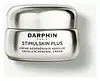
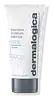
Darphin Stimulskin Plus Absolute Renewal Rich Cream for Dry to Very Dry Skin Types Versus Dermalogica Intensive Moisture Balance Moisturizer
This anti-aging moisturizer is formulated around Simmondsia Chinensis Seed Oil and Sodium Hyaluronate to soften the look of wrinkles and hydrate skin.
This barrier-repair moisturizer is formulated around Sodium Hyaluronate and Ceramide NP to strengthen the skin barrier and hydrate skin.


What's inside
What's inside
 Key Ingredients
Benefits
Concerns
Ingredients Side-by-side
Water
Skin ConditioningPropanediol
Solvent

Caprylic/Capric/Myristic/Stearic Triglyceride
EmollientGlycerin
Humectant
Cocos Nucifera Oil
Masking







Polyglyceryl-3 Methylglucose Distearate
Emulsifying
Coco-Caprylate/Caprate
Emollient
Simmondsia Chinensis Seed Oil
Emollient
Adansonia Digitata Seed Oil
Emollient
Polyglyceryl-10 Pentastearate
Skin Conditioning
Glyceryl Stearate
Emollient
Behenyl Alcohol
Emollient
Algae Extract
Emollient
Tocopheryl Acetate
Antioxidant


Sodium Hyaluronate
Humectant


Squalane
Emollient
Acetyl Hexapeptide-8
Humectant
Hydrolyzed Sodium Hyaluronate
Skin Conditioning
Laminaria Digitata Extract
Skin Protecting
Glycyrrhiza Glabra Root Extract
Bleaching
Arabidopsis Thaliana Extract
Antioxidant
Althaea Officinalis Root Extract
Skin Conditioning
Sigesbeckia Orientalis Extract
Skin ConditioningCrithmum Maritimum Extract
Skin ConditioningMarrubium Vulgare Extract
Skin ConditioningPrunus Domestica Seed Extract
EmollientCastanea Sativa Seed Extract
Skin ConditioningPrunus Amygdalus Dulcis Seed Extract
Skin ConditioningTrifluoroacetyl Tripeptide-2
Skin Conditioning
Caffeine
Skin Conditioning
Carthamus Tinctorius Seed Oil
Masking
Cucurbita Pepo Seed Oil
Emollient
Argania Spinosa Kernel Oil
Emollient
Ricinus Communis Seed Oil
Masking
Mangifera Indica Seed Butter
Skin Conditioning
Acetyl Glucosamine
Skin Conditioning
Micrococcus Lysate
Skin ConditioningMacadamia Seed Oil Polyglyceryl-6 Esters Behenate
Emollient
Tetrahexyldecyl Ascorbate
Antioxidant


Diglycerin
Humectant
Ascorbyl Glucoside
Antioxidant
Ethylhexylglycerin
Skin ConditioningLactobacillus Ferment
Skin Conditioning
Trehalose
Humectant
Caprylyl Glycol
Emollient
Cholesterol
Emollient
Sodium Rna
Skin ConditioningDipotassium Glycyrrhizate
Humectant
Oryza Sativa Bran Extract
Skin Conditioning
Molasses Extract
Skin ConditioningTriticum Vulgare Germ Extract
Skin ConditioningHydrogenated Vegetable Oil
Emollient
Polyglyceryl-3 Diisostearate
Emulsifying
Hordeum Vulgare Extract
EmollientHydrolyzed Rice Protein
Skin ConditioningPhytosphingosine
Skin Conditioning
Cera Alba
Emollient
Caprylic/Capric Triglyceride
Masking
Brassica Campestris Seed Oil
Skin Conditioning
Butylene Glycol
Humectant
Glycine Soja Protein
EmulsifyingXanthan Gum
EmulsifyingDextran
Mannan
Sodium Stearoyl Lactylate
EmulsifyingHexylene Glycol
EmulsifyingCalcium Chloride
AstringentAcrylates/C10-30 Alkyl Acrylate Crosspolymer
Emulsion StabilisingPEG-100 Stearate
Surfactant
Hydroxyethyl Acrylate/Sodium Acryloyldimethyl Taurate Copolymer
Emulsion StabilisingLecithin
Emollient
Potassium Cetyl Phosphate
EmulsifyingStearic Acid
Cleansing
Sodium Hydroxide
BufferingCitric Acid
Buffering
Sorbitan Isostearate
Emulsifying
Copernicia Cerifera Cera
Emollient
Polysorbate 60
Emulsifying
Parfum
Masking

Citronellol
Perfuming
Limonene
Perfuming
Geraniol
Perfuming
Alpha-Isomethyl Ionone
Perfuming
Tocopherol
Antioxidant
Tetrasodium EDTA
ChelatingSodium Citrate
BufferingPhenoxyethanol
Preservative
Chlorphenesin
Antimicrobial
Sodium Benzoate
Masking
Potassium Sorbate
Preservative
CI 19140
Cosmetic ColorantCI 15985
Cosmetic ColorantWater, Propanediol, Caprylic/Capric/Myristic/Stearic Triglyceride, Glycerin, Cocos Nucifera Oil, Polyglyceryl-3 Methylglucose Distearate, Coco-Caprylate/Caprate, Simmondsia Chinensis Seed Oil, Adansonia Digitata Seed Oil, Polyglyceryl-10 Pentastearate, Glyceryl Stearate, Behenyl Alcohol, Algae Extract, Tocopheryl Acetate, Sodium Hyaluronate, Squalane, Acetyl Hexapeptide-8, Hydrolyzed Sodium Hyaluronate, Laminaria Digitata Extract, Glycyrrhiza Glabra Root Extract, Arabidopsis Thaliana Extract, Althaea Officinalis Root Extract, Sigesbeckia Orientalis Extract, Crithmum Maritimum Extract, Marrubium Vulgare Extract, Prunus Domestica Seed Extract, Castanea Sativa Seed Extract, Prunus Amygdalus Dulcis Seed Extract, Trifluoroacetyl Tripeptide-2, Caffeine, Carthamus Tinctorius Seed Oil, Cucurbita Pepo Seed Oil, Argania Spinosa Kernel Oil, Ricinus Communis Seed Oil, Mangifera Indica Seed Butter, Acetyl Glucosamine, Micrococcus Lysate, Macadamia Seed Oil Polyglyceryl-6 Esters Behenate, Tetrahexyldecyl Ascorbate, Diglycerin, Ascorbyl Glucoside, Ethylhexylglycerin, Lactobacillus Ferment, Trehalose, Caprylyl Glycol, Cholesterol, Sodium Rna, Dipotassium Glycyrrhizate, Oryza Sativa Bran Extract, Molasses Extract, Triticum Vulgare Germ Extract, Hydrogenated Vegetable Oil, Polyglyceryl-3 Diisostearate, Hordeum Vulgare Extract, Hydrolyzed Rice Protein, Phytosphingosine, Cera Alba, Caprylic/Capric Triglyceride, Brassica Campestris Seed Oil, Butylene Glycol, Glycine Soja Protein, Xanthan Gum, Dextran, Mannan, Sodium Stearoyl Lactylate, Hexylene Glycol, Calcium Chloride, Acrylates/C10-30 Alkyl Acrylate Crosspolymer, PEG-100 Stearate, Hydroxyethyl Acrylate/Sodium Acryloyldimethyl Taurate Copolymer, Lecithin, Potassium Cetyl Phosphate, Stearic Acid, Sodium Hydroxide, Citric Acid, Sorbitan Isostearate, Copernicia Cerifera Cera, Polysorbate 60, Parfum, Citronellol, Limonene, Geraniol, Alpha-Isomethyl Ionone, Tocopherol, Tetrasodium EDTA, Sodium Citrate, Phenoxyethanol, Chlorphenesin, Sodium Benzoate, Potassium Sorbate, CI 19140, CI 15985
Water
Skin ConditioningEthylhexyl Hydroxystearate
Emollient
Butylene Glycol
Humectant
Cetearyl Ethylhexanoate
Emollient
Cetyl Caprylate
EmollientStearic Acid
Cleansing
PEG-8
HumectantOctyldodecanol
Emollient
Dimethicone
Emollient
Glyceryl Stearate Se
Emulsifying
PEG-100 Stearate
Surfactant
Sodium Hyaluronate
Humectant
Hydrolyzed Sodium Hyaluronate
Skin Conditioning
Sodium Ascorbyl Phosphate
Antioxidant
Chlorella Vulgaris Extract
Skin ConditioningCeramide NP
Skin Conditioning
Phytosterols
Skin Conditioning
Centella Asiatica Extract
Cleansing
Linoleic Acid
Cleansing
Echinacea Purpurea Extract
MoisturisingAloe Barbadensis Extract
Skin Conditioning
Palmitic Acid
Emollient
Myristic Acid
Cleansing
Rosa Centifolia Extract
Skin ConditioningLactic Acid
Buffering
Linolenic Acid
Cleansing
Propanediol
Solvent
Tocopherol
Antioxidant
Potassium Cetyl Phosphate
EmulsifyingHelianthus Annuus Seed Oil
Emollient
Tetrasodium Glutamate Diacetate
ChelatingEthylhexylglycerin
Skin ConditioningCetyl Alcohol
Emollient
Carbomer
Emulsion StabilisingHydroxystearic Acid
Cleansing
Aminomethyl Propanol
BufferingSodium Hydroxide
BufferingPhenoxyethanol
Preservative
Water, Ethylhexyl Hydroxystearate, Butylene Glycol, Cetearyl Ethylhexanoate, Cetyl Caprylate, Stearic Acid, PEG-8, Octyldodecanol, Dimethicone, Glyceryl Stearate Se, PEG-100 Stearate, Sodium Hyaluronate, Hydrolyzed Sodium Hyaluronate, Sodium Ascorbyl Phosphate, Chlorella Vulgaris Extract, Ceramide NP, Phytosterols, Centella Asiatica Extract, Linoleic Acid, Echinacea Purpurea Extract, Aloe Barbadensis Extract, Palmitic Acid, Myristic Acid, Rosa Centifolia Extract, Lactic Acid, Linolenic Acid, Propanediol, Tocopherol, Potassium Cetyl Phosphate, Helianthus Annuus Seed Oil, Tetrasodium Glutamate Diacetate, Ethylhexylglycerin, Cetyl Alcohol, Carbomer, Hydroxystearic Acid, Aminomethyl Propanol, Sodium Hydroxide, Phenoxyethanol
Reviews
Ingredients Explained
These ingredients are found in both products.
Ingredients higher up in an ingredient list are typically present in a larger amount.
Butylene Glycol (or BG) is used within cosmetic products for a few different reasons:
Overall, Butylene Glycol is a safe and well-rounded ingredient that works well with other ingredients.
Though this ingredient works well with most skin types, some people with sensitive skin may experience a reaction such as allergic rashes, closed comedones, or itchiness.
Learn more about Butylene GlycolEthylhexylglycerin is created from glycerin. It is a multitasker ingredient that:
The CIR Expert Panel found minimal skin absorption or sensitization of any kind in a safety assessment. Though this ingredient is considered well-tolerated, a small number of cases of allergic dermatitis have been published since 2002. Just be sure to patch test if you are unsure.
Industry-reported use ranges from 8% in rinse-off products and 2% in leave-on formulations.
Learn more about EthylhexylglycerinThis ingredient is created by putting sodium hyaluronate through hydrolysis.
You might know this as 'mini' or 'ultra low-molecular weight' hyaluronic acid. The small molecule size means it is able to travel deeper in the skin.
According to studies, low molecular-weight hyaluronic acid can:
One study from 2011 found ultra-low weight HA to show pro-inflammatory properties. Another study from 2022 found it to downregulate UV-B induced inflammation.
Hydrolysis is a process of changing a molecule using water or enzymes.
This ingredient is water-soluble.
Learn more about Hydrolyzed Sodium HyaluronatePeg-100 Stearate is an emollient and emulsifier. As an emollient, it helps keep skin soft by trapping moisture in. On the other hand, emulsifiers help prevent oil and water from separating in a product.
PEGS are a hydrophilic polyether compound . There are 100 ethylene oxide monomers in Peg-100 Stearate. Peg-100 Stearate is polyethylene glycol ester of stearic acid.
Phenoxyethanol is one of the most widely used preservatives in skincare (and for good reason!).
It has a large spectrum of antimicrobial activity and especially effective bacteria, yeast, and mold while only having a weak effect on your skin's natural microbiome.
On a cellular level, it disrupts the cell membranes of microbes by poking holes that make the cell leak. This shuts down the chemical reactions the microbe needs to make energy so it can no longer survive.
Another perk of this ingredient is that it stays functional across a wide pH range (3-10).
You'll often see it paired with boosters like Ethylhexylglycerin; one study showed that a 1:9 ratio of Ethylhexylglycerin to Phenoxyethanol damages bacterial membranes as effectively as doubling the Phenoxyethanol concentration on its own.
Typical use concentrations range from 0.3-1% depending on the formula, and this ingredient is capped at 1% int the EU.
Safety-wise, the fear mongering does not hold up to the evidence. The EU's Scientific Committee on Consumer Safety and FDA consider it safe as a preservative at up to 1%, including for children of all ages.
Adverse systemic effects only showed up in animal studies at exposures roughly 200x higher than what people get from cosmetics. And despite its very widespread use, this ingredient is a rare sensitizer and allergic reactions are uncommon.
Learn more about PhenoxyethanolPotassium Cetyl Phosphate is the potassium salt of a mixture. This mixture consists of the esters from phosphoricacid and cetyl alcohol.
Potassium Cetyl Phosphate is an emulsifier and cleansing agent. Emulsifiers help stabilize a product. It does this by preventing certain ingredients from separating.
As a cleansing agent, Potassium Cetyl Phosphate helps gather oils, dirts, and pollutants from your skin. This makes it easier to rinse them away with water.
Learn more about Potassium Cetyl PhosphatePropanediol is an all-star ingredient. It softens, hydrates, and smooths the skin.
It’s often used to:
Propanediol is not likely to cause sensitivity and considered safe to use. It is derived from corn or petroleum with a clear color and no scent.
Learn more about PropanediolSodium Hyaluronate is the salt form of hyaluronic acid. It is a long sugar chain that is naturally found in your skin, joints, and connective tissue that maintains hydration and elasticity.
In skincare, it works as a humectant. It pulls water from the environment and deeper layers of skin and binds it to the surface.
Interestingly, the size of the molecule affects its behavior:
Some clinical evidence links low molecular weight versions to improved wrinkle depth, elasticity, anti-inflammatory effects, and barrier repair.
Many serums use a blend of both weights so you can get surface hydration plus longer-lasting and deeper effects.
You'll typically see concentrations between 0.1-2% for this ingredient.
Learn more about Sodium HyaluronateSodium Hydroxide is also known as lye or caustic soda. It is used to adjust the pH of products; many ingredients require a specific pH to be effective.
In small amounts, sodium hydroxide is considered safe to use. However, large amounts may cause chemical burns due to its high alkaline.
Your skin has a natural pH and acid mantle. This acid mantle helps prevent harmful bacteria from breaking through. The acid mantle also helps keep your skin hydrated.
"Alkaline" refers to a high pH level. A low pH level would be considered acidic.
Learn more about Sodium HydroxideStearic Acid is a fatty acid that is already found in your skin. It's one of the free fatty acids that works alongside ceramides and cholesterols to maintain your barrier.
In cosmetics, it is a multitasker:
Safety-wise, the CIR Expert Panel has concluded it to be safe in cosmetics when formulated to be non-irritating and non-sensitizing.
Free stearic acid is a C18 fatty acid that the Malassezia yeast can substrate, so this ingredient may not be fungal acne safe.
This ingredient does have a comedogenic rating of 2-3, but this doesn't mean a formula with this ingredient will clog pores.
Human testing has proved that any finished product with this ingredient won't automatically make you break out; it really comes down to concentration, formula, and your skin.
Learn more about Stearic AcidTocopherol is a fat-soluble antioxidant known as Vitamin E.
You'll find this ingredient in the vast majority of skincare (for good reason). It works to neutralize free radicals, or unstable molecules generated by UV exposure, pollution, and other environmental stressors, before they can cause oxidative damage to your skin cells.
Topically applied tocopherol has been shown to protect against UV damage by ramping up the skin's own natural defense enzymes.
It also acts as a skin conditioning agent; some studies show that regular topical use can improve the skin's water-binding capacity over 2-4 weeks.
This ingredient is especially loved for being a team player. When combined with Vitamin C, the photoprotective effect of both ingredients roughly doubles and the combo also helps reduce UV-induced DNA damage.
This ingredient has some brightening potential but it's more of a prevention ingredient than spot-fader. Cell studies show it can slow down melanin production but it's worth noting that it's not the most powerful brightener out there.
In formulations, it also serves as a stabilizer that helps protect other oxidation-prone ingredients from degrading.
Concentrations usually range from 0.1-1% in most leave-on products.
Learn more about TocopherolWater. It's the most common cosmetic ingredient of all. You'll usually see it at the top of ingredient lists, meaning that it makes up the largest part of the product.
So why is it so popular? Water most often acts as a solvent - this means that it helps dissolve other ingredients into the formulation.
You'll also recognize water as that liquid we all need to stay alive. If you see this, drink a glass of water. Remember to stay hydrated!
Learn more about Water

