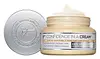
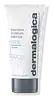
IT Cosmetics Confidence in a Cream Hydrating Moisturizer Versus Dermalogica Intensive Moisture Balance Moisturizer
This barrier-repair moisturizer is formulated around Sodium Hyaluronate and Niacinamide to strengthen the skin barrier and hydrate skin.
This barrier-repair moisturizer is formulated around Sodium Hyaluronate and Ceramide NP to strengthen the skin barrier and hydrate skin.

What's inside
What's inside
 Key Ingredients
Benefits
Concerns
Ingredients Side-by-side
Water
Skin ConditioningButylene Glycol
Humectant

Cyclopentasiloxane
Emollient
Glycerin
Humectant
Butylene Glycol Dicaprylate/Dicaprate
EmollientEthylhexyl Isononanoate
EmollientHydrogenated Polyisobutene
EmollientCaprylic/Capric/Myristic/Stearic Triglyceride
EmollientGlyceryl Stearate
Emollient

PEG-100 Stearate
Surfactant
Polyglyceryl-3 Methylglucose Distearate
Emulsifying
Stearyl Behenate
Emollient
Dimethicone
Emollient
Pentaerythrityl Tetraethylhexanoate
Emollient
Biosaccharide Gum-1
Humectant
Dimethicone/Vinyl Dimethicone Crosspolymer
Skin Conditioning
Cetearyl Alcohol
Emollient




Palmitic Acid
Emollient
Stearic Acid
Cleansing
Polyethylene
Abrasive
PEG/PPG-20/15 Dimethicone
Emulsifying
Phenyl Methicone
Emollient
Portulaca Oleracea Extract
Skin Conditioning

Cocos Nucifera Oil
Masking

Aloe Barbadensis Leaf Extract
Emollient
Butyrospermum Parkii Butter
Skin Conditioning
Hydroxyethyl Acrylate/Sodium Acryloyldimethyl Taurate Copolymer
Emulsion StabilisingSodium Hyaluronate
Humectant

Hydrogenated Lecithin
Emulsifying
Polyquaternium-51
Skin Conditioning
Niacinamide
Smoothing






Hydrolyzed Collagen
Emollient
Camellia Sinensis Leaf Extract
Antimicrobial
Tocopheryl Acetate
Antioxidant
Carbomer
Emulsion StabilisingPEG-150 Distearate
Emulsifying
Ceramide AP
Skin Conditioning
Glycosphingolipids
EmollientGlyceryl Polymethacrylate
Meadowfoam Estolide
Skin ConditioningSorbitan Isostearate
Emulsifying
Squalane
Emollient
Palmitoyl Pentapeptide-4
Skin Conditioning
Polysorbate 20
Emulsifying
Steareth-20
CleansingN-Hydroxysuccinimide
Skin ConditioningChrysin
Skin ConditioningPalmitoyl Tripeptide-1
Skin Conditioning
Palmitoyl Tetrapeptide-7
Skin Conditioning
Polysorbate 60
Emulsifying
Aleuritic Acid
Skin ConditioningYeast Extract
Skin ConditioningGlycoproteins
Skin Conditioning
Betaine
Humectant
Hydrogenated Polydecene
EmollientCeramide NP
Skin Conditioning
Allantoin
Skin Conditioning
Colloidal Oatmeal
Absorbent
Retinyl Retinoate
Skin Conditioning
Polylactic Acid
Abrasive
Canola Oil
Emollient
Cholesteryl Nonanoate
EmollientAscorbyl Tetraisopalmitate
Antioxidant
Glycyrrhiza Glabra Root Extract
Bleaching
Chamomilla Recutita Flower Water
MaskingCurcuma Longa Root Extract
Antioxidant
Leuconostoc/Radish Root Ferment Filtrate
Antimicrobial
Eruca Sativa Leaf Extract
Skin ConditioningGlyceryl Citrate/Lactate/Linoleate/Oleate
Emulsifying
Ceteareth-20
CleansingHydroxypropyl Bispalmitamide Mea
Emollient
Glycine Soja Sterols
Emollient
Melaleuca Alternifolia Leaf Oil
Antioxidant

Phytosteryl/Isostearyl/Cetyl/Stearyl/Behenyl Dimer Dilinoleate
Skin Conditioning
Santalum Album Oil
Masking
Chamomilla Recutita Flower Oil
Masking
Caprylhydroxamic Acid
Cetearyl Glucoside
Emulsifying
Glucose
Humectant
Stearyl Stearate
Emollient
Tromethamine
BufferingCitric Acid
Buffering
1,2-Hexanediol
Skin Conditioning
Chlorhexidine Digluconate
Antimicrobial
Potassium Sorbate
Preservative
Dipropylene Glycol
HumectantLavandula Angustifolia Oil
Masking
Citrus Paradisi Peel Oil
Masking
Cymbopogon Citratus Leaf Oil
Masking
Pelargonium Graveolens Oil
Masking
Citrus Aurantium Dulcis Peel Oil
Masking
Pogostemon Cablin Leaf Oil
Masking
Citrus Aurantium Bergamia Fruit Oil
Masking
Ethylhexylglycerin
Skin ConditioningCaramel
Cosmetic ColorantDisodium EDTA
Phenoxyethanol
Preservative
Caprylyl Glycol
Emollient
Limonene
Perfuming
Linalool
Perfuming
Water, Butylene Glycol, Cyclopentasiloxane, Glycerin, Butylene Glycol Dicaprylate/Dicaprate, Ethylhexyl Isononanoate, Hydrogenated Polyisobutene, Caprylic/Capric/Myristic/Stearic Triglyceride, Glyceryl Stearate, PEG-100 Stearate, Polyglyceryl-3 Methylglucose Distearate, Stearyl Behenate, Dimethicone, Pentaerythrityl Tetraethylhexanoate, Biosaccharide Gum-1, Dimethicone/Vinyl Dimethicone Crosspolymer, Cetearyl Alcohol, Palmitic Acid, Stearic Acid, Polyethylene, PEG/PPG-20/15 Dimethicone, Phenyl Methicone, Portulaca Oleracea Extract, Cocos Nucifera Oil, Aloe Barbadensis Leaf Extract, Butyrospermum Parkii Butter, Hydroxyethyl Acrylate/Sodium Acryloyldimethyl Taurate Copolymer, Sodium Hyaluronate, Hydrogenated Lecithin, Polyquaternium-51, Niacinamide, Hydrolyzed Collagen, Camellia Sinensis Leaf Extract, Tocopheryl Acetate, Carbomer, PEG-150 Distearate, Ceramide AP, Glycosphingolipids, Glyceryl Polymethacrylate, Meadowfoam Estolide, Sorbitan Isostearate, Squalane, Palmitoyl Pentapeptide-4, Polysorbate 20, Steareth-20, N-Hydroxysuccinimide, Chrysin, Palmitoyl Tripeptide-1, Palmitoyl Tetrapeptide-7, Polysorbate 60, Aleuritic Acid, Yeast Extract, Glycoproteins, Betaine, Hydrogenated Polydecene, Ceramide NP, Allantoin, Colloidal Oatmeal, Retinyl Retinoate, Polylactic Acid, Canola Oil, Cholesteryl Nonanoate, Ascorbyl Tetraisopalmitate, Glycyrrhiza Glabra Root Extract, Chamomilla Recutita Flower Water, Curcuma Longa Root Extract, Leuconostoc/Radish Root Ferment Filtrate, Eruca Sativa Leaf Extract, Glyceryl Citrate/Lactate/Linoleate/Oleate, Ceteareth-20, Hydroxypropyl Bispalmitamide Mea, Glycine Soja Sterols, Melaleuca Alternifolia Leaf Oil, Phytosteryl/Isostearyl/Cetyl/Stearyl/Behenyl Dimer Dilinoleate, Santalum Album Oil, Chamomilla Recutita Flower Oil, Caprylhydroxamic Acid, Cetearyl Glucoside, Glucose, Stearyl Stearate, Tromethamine, Citric Acid, 1,2-Hexanediol, Chlorhexidine Digluconate, Potassium Sorbate, Dipropylene Glycol, Lavandula Angustifolia Oil, Citrus Paradisi Peel Oil, Cymbopogon Citratus Leaf Oil, Pelargonium Graveolens Oil, Citrus Aurantium Dulcis Peel Oil, Pogostemon Cablin Leaf Oil, Citrus Aurantium Bergamia Fruit Oil, Ethylhexylglycerin, Caramel, Disodium EDTA, Phenoxyethanol, Caprylyl Glycol, Limonene, Linalool
Water
Skin ConditioningEthylhexyl Hydroxystearate
Emollient
Butylene Glycol
Humectant
Cetearyl Ethylhexanoate
Emollient
Cetyl Caprylate
EmollientStearic Acid
Cleansing
PEG-8
HumectantOctyldodecanol
Emollient
Dimethicone
Emollient
Glyceryl Stearate Se
Emulsifying
PEG-100 Stearate
Surfactant
Sodium Hyaluronate
Humectant
Hydrolyzed Sodium Hyaluronate
Skin Conditioning
Sodium Ascorbyl Phosphate
Antioxidant
Chlorella Vulgaris Extract
Skin ConditioningCeramide NP
Skin Conditioning
Phytosterols
Skin Conditioning
Centella Asiatica Extract
Cleansing
Linoleic Acid
Cleansing
Echinacea Purpurea Extract
MoisturisingAloe Barbadensis Extract
Skin Conditioning
Palmitic Acid
Emollient
Myristic Acid
Cleansing
Rosa Centifolia Extract
Skin ConditioningLactic Acid
Buffering
Linolenic Acid
Cleansing
Propanediol
Solvent
Tocopherol
Antioxidant
Potassium Cetyl Phosphate
EmulsifyingHelianthus Annuus Seed Oil
Emollient
Tetrasodium Glutamate Diacetate
Ethylhexylglycerin
Skin ConditioningCetyl Alcohol
Emollient
Carbomer
Emulsion StabilisingHydroxystearic Acid
Cleansing
Aminomethyl Propanol
BufferingSodium Hydroxide
BufferingPhenoxyethanol
Preservative
Water, Ethylhexyl Hydroxystearate, Butylene Glycol, Cetearyl Ethylhexanoate, Cetyl Caprylate, Stearic Acid, PEG-8, Octyldodecanol, Dimethicone, Glyceryl Stearate Se, PEG-100 Stearate, Sodium Hyaluronate, Hydrolyzed Sodium Hyaluronate, Sodium Ascorbyl Phosphate, Chlorella Vulgaris Extract, Ceramide NP, Phytosterols, Centella Asiatica Extract, Linoleic Acid, Echinacea Purpurea Extract, Aloe Barbadensis Extract, Palmitic Acid, Myristic Acid, Rosa Centifolia Extract, Lactic Acid, Linolenic Acid, Propanediol, Tocopherol, Potassium Cetyl Phosphate, Helianthus Annuus Seed Oil, Tetrasodium Glutamate Diacetate, Ethylhexylglycerin, Cetyl Alcohol, Carbomer, Hydroxystearic Acid, Aminomethyl Propanol, Sodium Hydroxide, Phenoxyethanol
Reviews
Ingredients Explained
These ingredients are found in both products.
Ingredients higher up in an ingredient list are typically present in a larger amount.
Butylene Glycol (or BG) is used within cosmetic products for a few different reasons:
Overall, Butylene Glycol is a safe and well-rounded ingredient that works well with other ingredients.
Though this ingredient works well with most skin types, some people with sensitive skin may experience a reaction such as allergic rashes, closed comedones, or itchiness.
Learn more about Butylene GlycolCarbomer is a synthetic thickening and gelling agent. It's basically the ingredient that gives a lot of serums, gels, creams, and sunscreens their smooth, non-sticky texture.
Although legally permitted at very high levels, carbomers are normally used at concentrations below 1%.
It also needs to be neutralized to actually thicken, and because it is a large molecule, it doesn't really penetrate the skin barrier.
Allergy-wise, the risk is very low. Clinical studies show carbomers have low potential for skin irritation/sensitization even at concentrations up to 100%.
A 2024 UK study patch-tested 1,302 patients and found true allergy to the parent group of carbomer to be rare with no confirmed relevant reactions.
Learn more about CarbomerCeramide NP (formerly known as Ceramide 3) is one of the skin's naturally occurring lipids.
Since ceramides are the major lipid components of the skin, they are crucial for maintaining skin barrier and hydration. Ceramide NP most closely mirrors the dominant kind in human skin amongst ceramide subtypes.
This ceramide works by slotting into gaps within the stratum corneum's lipid matrix to limit trans-epidermal water loss (TEWL) and shield the skin against external irritants.
A study with 312 patients found that using a ceramide-containing routine for 4 weeks reduced the severity of atopic dermatitis by over 61%.
Another clinical study in subjects aged 60 and older found that a ceramide body wash and moisturizer improved skin dryness and itchy skin in 15 days.
Overall, ceramides are considered non-irritating and safety tests have found little to no observable adverse effects from using this ingredient.
Ceramide NP is usually sourced from plants (like soybean or rice bran), or produced synthetically.
Learn more about Ceramide NPDimethicone is a type of synthetic silicone created from natural materials such as quartz. It is also known as polydimethylsiloxane.
What it does:
Dimethicone comes in different viscosities:
Depending on the viscosity, dimethicone has different properties.
Ingredients lists don't always show which type is used, so we recommend reaching out to the brand if you have questions about the viscosity.
This ingredient is unlikely to cause irritation because it does not get absorbed into skin. However, people with silicone allergies should be careful about using this ingredient.
Note: Dimethicone may contribute to pilling. This is because it is not oil or water soluble, so pilling may occur when layered with products. When mixed with heavy oils in a formula, the outcome is also quite greasy.
Learn more about DimethiconeEthylhexylglycerin is created from glycerin. It is a multitasker ingredient that:
The CIR Expert Panel found minimal skin absorption or sensitization of any kind in a safety assessment. Though this ingredient is considered well-tolerated, a small number of cases of allergic dermatitis have been published since 2002. Just be sure to patch test if you are unsure.
Industry-reported use ranges from 8% in rinse-off products and 2% in leave-on formulations.
Learn more about EthylhexylglycerinPalmitic Acid is a fatty acid naturally found in our skin and in many plant and animal sources.
In cosmetics, it is usually derived from palm oil. It serves many purposes in skincare, acting as a cleanser, emollient, and emulsifier.
Interestingly, topically applied Palmitic Acid can be elongated into longer chain fatty acids and ceramides. A 2019 study found low levels of Palmitic Acid lead to slower development of cells, suggesting it plays a role in keeping your skin's renewal process on track.
The CIR (Cosmetic Ingredient Review) panel determined it safe as used in cosmetics at concentrations up to 13%. It is non-irritating and non-sensitizing in clinical studies.
The culprit behind fungal acne, the Malassezia yeast, feeds on fatty acids with carbon chain lengths between C11-C24. Palmitic Acid, at C16, falls right into that sweet spot.
In vitro studies have shown that Palmitic Acid is one of the fatty acids that induce rapid Malassezia growth in lab settings.
It's worth noting that what feeds yeast in a lab doesn't necessarily feed it on your face since formulation and your skin's chemistry play a bigger role.
Learn more about Palmitic AcidPeg-100 Stearate is an emollient and emulsifier. As an emollient, it helps keep skin soft by trapping moisture in. On the other hand, emulsifiers help prevent oil and water from separating in a product.
PEGS are a hydrophilic polyether compound . There are 100 ethylene oxide monomers in Peg-100 Stearate. Peg-100 Stearate is polyethylene glycol ester of stearic acid.
Phenoxyethanol is one of the most widely used preservatives in skincare (and for good reason!).
It has a large spectrum of antimicrobial activity and especially effective bacteria, yeast, and mold while only having a weak effect on your skin's natural microbiome.
On a cellular level, it disrupts the cell membranes of microbes by poking holes that make the cell leak. This shuts down the chemical reactions the microbe needs to make energy so it can no longer survive.
Another perk of this ingredient is that it stays functional across a wide pH range (3-10).
You'll often see it paired with boosters like Ethylhexylglycerin; one study showed that a 1:9 ratio of Ethylhexylglycerin to Phenoxyethanol damages bacterial membranes as effectively as doubling the Phenoxyethanol concentration on its own.
Typical use concentrations range from 0.3-1% depending on the formula, and this ingredient is capped at 1% int the EU.
Safety-wise, the fear mongering does not hold up to the evidence. The EU's Scientific Committee on Consumer Safety and FDA consider it safe as a preservative at up to 1%, including for children of all ages.
Adverse systemic effects only showed up in animal studies at exposures roughly 200x higher than what people get from cosmetics. And despite its very widespread use, this ingredient is a rare sensitizer and allergic reactions are uncommon.
Learn more about PhenoxyethanolSodium Hyaluronate is the salt form of hyaluronic acid. It is a long sugar chain that is naturally found in your skin, joints, and connective tissue that maintains hydration and elasticity.
In skincare, it works as a humectant. It pulls water from the environment and deeper layers of skin and binds it to the surface.
Interestingly, the size of the molecule affects its behavior:
Some clinical evidence links low molecular weight versions to improved wrinkle depth, elasticity, anti-inflammatory effects, and barrier repair.
Many serums use a blend of both weights so you can get surface hydration plus longer-lasting and deeper effects.
You'll typically see concentrations between 0.1-2% for this ingredient.
Learn more about Sodium HyaluronateStearic Acid is a fatty acid that is already found in your skin. It's one of the free fatty acids that works alongside ceramides and cholesterols to maintain your barrier.
In cosmetics, it is a multitasker:
Safety-wise, the CIR Expert Panel has concluded it to be safe in cosmetics when formulated to be non-irritating and non-sensitizing.
Free stearic acid is a C18 fatty acid that the Malassezia yeast can substrate, so this ingredient may not be fungal acne safe.
Learn more about Stearic AcidWater. It's the most common cosmetic ingredient of all. You'll usually see it at the top of ingredient lists, meaning that it makes up the largest part of the product.
So why is it so popular? Water most often acts as a solvent - this means that it helps dissolve other ingredients into the formulation.
You'll also recognize water as that liquid we all need to stay alive. If you see this, drink a glass of water. Remember to stay hydrated!
Learn more about Water

