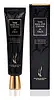
This anti-aging eye moisturizer is formulated around Oryza Sativa Extract and Bifida Ferment Lysate to soften the look of wrinkles and hydrate skin.
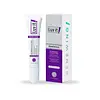
This anti-aging eye moisturizer is formulated around Niacinamide and Sodium Ascorbyl Phosphate to soften the look of wrinkles and fade the look of dark spots.


What's inside
What's inside
 Key Ingredients
Benefits
Concerns
Ingredients Side-by-side
Oryza Sativa Extract
Absorbent



Water
Skin ConditioningGlycerin
Humectant

Methylpropanediol
SolventBifida Ferment Lysate
Skin Conditioning
Dimethicone
Emollient
Snail Secretion Filtrate
Skin Conditioning
Cyclopentasiloxane
Emollient
Niacinamide
Smoothing





Butyrospermum Parkii Butter
Skin Conditioning




Butylene Glycol
Humectant
Dioscorea Japonica Root Extract
Skin Conditioning
Hydrogenated Polydecene
EmollientTremella Fuciformis Extract
Humectant
Arctium Lappa Root Extract
Skin Conditioning
Piper Methysticum Leaf/Root/Stem Extract
Skin ConditioningRose Extract
Skin ConditioningCentella Asiatica Extract
Cleansing
Houttuynia Cordata Extract
Skin Conditioning
Collagen Extract
Skin Conditioning
Pseudoalteromonas Exopolysaccharides
Skin ConditioningAnastatica Hierochuntica Extract
AstringentPhaseolus Lunatus Seed Extract
EmollientArgania Spinosa Kernel Oil
Emollient
Epilobium Angustifolium Flower/Leaf/Stem Extract
Skin ConditioningNymphaea Alba Flower Extract
Skin ConditioningLepidium Meyenii Root Extract
Skin ConditioningSalicornia Herbacea Extract
Skin ConditioningHydrogenated Lecithin
Emulsifying
Sodium Hyaluronate
Humectant
Oenothera Biennis Oil
Emollient
Borago Officinalis Seed Oil
Emollient
Centaurea Cyanus Flower Water
Skin Conditioning
Polysorbate 60
Emulsifying
Phytosteryl/Behenyl/Octyldodecyl Lauroyl Glutamate
Skin ConditioningCetearyl Olivate
Sorbitan Olivate
Emulsifying
Polyacrylate-13
Hydroxyacetophenone
Antioxidant
Polyglyceryl-2 Stearate
Emulsifying
C12-16 Alcohols
EmollientPolysorbate 20
Emulsifying
Polyisobutene
Dimethicone/Vinyl Dimethicone Crosspolymer
Skin Conditioning
Cetyl Alcohol
Emollient

Glyceryl Stearate
Emollient
Stearyl Alcohol
Emollient
1,2-Hexanediol
Skin Conditioning
Tranexamic Acid
Astringent
Sodium Polyacrylate
Absorbent
Palmitic Acid
Emollient
Ethylhexylglycerin
Skin ConditioningTocopheryl Acetate
Antioxidant
Polyquaternium-51
Skin Conditioning
Glycosyl Trehalose
Emulsion StabilisingXanthan Gum
EmulsifyingDisodium Stearoyl Glutamate
CleansingHydrogenated Starch Hydrolysate
HumectantRaffinose
Skin ConditioningBiosaccharide Gum-1
Humectant
Adenosine
Skin Conditioning
Lecithin
Emollient
Disodium EDTA
ChelatingPanthenol
Skin Conditioning
Dipropylene Glycol
HumectantCeramide NP
Skin Conditioning
Saccharomyces Ferment Filtrate
Humectant
Folic Acid
Skin ConditioningSodium Palmitoyl Proline
Skin ConditioningCholesterol
Emollient
Cetyl Hydroxyethylcellulose
Emulsion StabilisingAcetic Acid
BufferingTriethylhexanoin
MaskingAcrylates Copolymer
Lactic Acid
Buffering

Alcohol Denat.
Antimicrobial

Rutin
Antioxidant
Sodium Lauroyl Lactylate
EmulsifyingPalmitoyl Tetrapeptide-7
Skin Conditioning
Palmitoyl Tripeptide-1
Skin Conditioning
Hydrolyzed Lupine Protein
Skin ConditioningHelichrysum Italicum Flower Water
Skin ConditioningCaprylic/Capric Triglyceride
Masking
Sorbitan Laurate
Emulsifying
Cetearyl Alcohol
Emollient
Phospholipids
Skin Conditioning
Hydrogenated Phosphatidylcholine
Emulsifying
Tromethamine
BufferingCopper Tripeptide-1
Skin Conditioning
Magnesium PCA
Humectant
Sodium Lactate
Buffering
Isostearyl Isostearate
Emollient
Phytosphingosine
Skin Conditioning
Leuconostoc/Radish Root Ferment Filtrate
Antimicrobial
1-Methylhydantoin-2-Imide
Skin ConditioningGlycine
Buffering
Glucosamine Hcl
Glutamic Acid
Humectant
Glutamine
Skin ConditioningDisodium Phosphate
BufferingLysine
Skin ConditioningLeucine
Skin ConditioningMagnesium Citrate
Skin ConditioningMaltodextrin
Absorbent
Methionine
Skin ConditioningValine
MaskingSerine
Masking
Sucrose
Humectant
Cysteine
Antioxidant
Citrulline
Skin ConditioningSea Salt
Abrasive
Asparagine
MaskingAspartic Acid
Masking
Alanine
Masking
Arginine
Masking
Ammonia
Buffering
Ornithine
Skin ConditioningUrea
Buffering
Uric Acid
BufferingIsoleucine
Skin ConditioningCalcium Chloride
AstringentTaurine
BufferingTyrosine
MaskingThreonine
Tryptophan
MaskingPhenylalanine
Masking
Formic Acid
Preservative
Potassium Hydroxide
BufferingProline
Skin Conditioning
Histidine
Humectant
Ceramide Ng
Skin Conditioning
Inulin Lauryl Carbamate
Emulsion StabilisingCaprylyl Glycol
Emollient
Tocopheryl Linoleate
Antioxidant
Hydroxydecyl Ubiquinone
Antioxidant
Hydroxyethylcellulose
Emulsion StabilisingAcetyl Dipeptide-1 Cetyl Ester
Skin Conditioning
Ceramide AP
Skin Conditioning
Vp/Polycarbamyl Polyglycol Ester
Saccharide Hydrolysate
HumectantPalmitoyl Tripeptide-5
Skin Conditioning
Hydrolyzed Vegetable Protein
Skin ConditioningHydrolyzed Sesame Protein Pg-Propyl Methylsilanediol
Skin ConditioningCarbomer
Emulsion StabilisingAscorbic Acid Polypeptide
Antioxidant
Palmitoyl Pentapeptide-4
Skin Conditioning
Potassium Cetyl Phosphate
EmulsifyingAcetyl Hexapeptide-8
Humectant
Hydrolyzed Glycosaminoglycans
HumectantAcetyl Tripeptide-1
Skin Conditioning
Palmitoyl Hexapeptide-12
Skin Conditioning
Ceramide EOP
Skin Conditioning
Potassium Sorbate
Preservative
Oryza Sativa Extract, Water, Glycerin, Methylpropanediol, Bifida Ferment Lysate, Dimethicone, Snail Secretion Filtrate, Cyclopentasiloxane, Niacinamide, Butyrospermum Parkii Butter, Butylene Glycol, Dioscorea Japonica Root Extract, Hydrogenated Polydecene, Tremella Fuciformis Extract, Arctium Lappa Root Extract, Piper Methysticum Leaf/Root/Stem Extract, Rose Extract, Centella Asiatica Extract, Houttuynia Cordata Extract, Collagen Extract, Pseudoalteromonas Exopolysaccharides, Anastatica Hierochuntica Extract, Phaseolus Lunatus Seed Extract, Argania Spinosa Kernel Oil, Epilobium Angustifolium Flower/Leaf/Stem Extract, Nymphaea Alba Flower Extract, Lepidium Meyenii Root Extract, Salicornia Herbacea Extract, Hydrogenated Lecithin, Sodium Hyaluronate, Oenothera Biennis Oil, Borago Officinalis Seed Oil, Centaurea Cyanus Flower Water, Polysorbate 60, Phytosteryl/Behenyl/Octyldodecyl Lauroyl Glutamate, Cetearyl Olivate, Sorbitan Olivate, Polyacrylate-13, Hydroxyacetophenone, Polyglyceryl-2 Stearate, C12-16 Alcohols, Polysorbate 20, Polyisobutene, Dimethicone/Vinyl Dimethicone Crosspolymer, Cetyl Alcohol, Glyceryl Stearate, Stearyl Alcohol, 1,2-Hexanediol, Tranexamic Acid, Sodium Polyacrylate, Palmitic Acid, Ethylhexylglycerin, Tocopheryl Acetate, Polyquaternium-51, Glycosyl Trehalose, Xanthan Gum, Disodium Stearoyl Glutamate, Hydrogenated Starch Hydrolysate, Raffinose, Biosaccharide Gum-1, Adenosine, Lecithin, Disodium EDTA, Panthenol, Dipropylene Glycol, Ceramide NP, Saccharomyces Ferment Filtrate, Folic Acid, Sodium Palmitoyl Proline, Cholesterol, Cetyl Hydroxyethylcellulose, Acetic Acid, Triethylhexanoin, Acrylates Copolymer, Lactic Acid, Alcohol Denat., Rutin, Sodium Lauroyl Lactylate, Palmitoyl Tetrapeptide-7, Palmitoyl Tripeptide-1, Hydrolyzed Lupine Protein, Helichrysum Italicum Flower Water, Caprylic/Capric Triglyceride, Sorbitan Laurate, Cetearyl Alcohol, Phospholipids, Hydrogenated Phosphatidylcholine, Tromethamine, Copper Tripeptide-1, Magnesium PCA, Sodium Lactate, Isostearyl Isostearate, Phytosphingosine, Leuconostoc/Radish Root Ferment Filtrate, 1-Methylhydantoin-2-Imide, Glycine, Glucosamine Hcl, Glutamic Acid, Glutamine, Disodium Phosphate, Lysine, Leucine, Magnesium Citrate, Maltodextrin, Methionine, Valine, Serine, Sucrose, Cysteine, Citrulline, Sea Salt, Asparagine, Aspartic Acid, Alanine, Arginine, Ammonia, Ornithine, Urea, Uric Acid, Isoleucine, Calcium Chloride, Taurine, Tyrosine, Threonine, Tryptophan, Phenylalanine, Formic Acid, Potassium Hydroxide, Proline, Histidine, Ceramide Ng, Inulin Lauryl Carbamate, Caprylyl Glycol, Tocopheryl Linoleate, Hydroxydecyl Ubiquinone, Hydroxyethylcellulose, Acetyl Dipeptide-1 Cetyl Ester, Ceramide AP, Vp/Polycarbamyl Polyglycol Ester, Saccharide Hydrolysate, Palmitoyl Tripeptide-5, Hydrolyzed Vegetable Protein, Hydrolyzed Sesame Protein Pg-Propyl Methylsilanediol, Carbomer, Ascorbic Acid Polypeptide, Palmitoyl Pentapeptide-4, Potassium Cetyl Phosphate, Acetyl Hexapeptide-8, Hydrolyzed Glycosaminoglycans, Acetyl Tripeptide-1, Palmitoyl Hexapeptide-12, Ceramide EOP, Potassium Sorbate
Water
Skin ConditioningCaprylic/Capric Triglyceride
Masking
Niacinamide
Smoothing
Sodium Hyaluronate
Humectant
Sodium Ascorbyl Phosphate
Antioxidant
Butylene Glycol
Humectant
Calendula Officinalis Extract
Skin Conditioning
Aesculus Hippocastanum Extract
Antioxidant
Panax Ginseng Root Extract
Emollient
Arnica Montana Flower Extract
Masking
Centella Asiatica Leaf Extract
Skin Conditioning
Glycyrrhiza Glabra Root Extract
Bleaching
Cucumis Sativus Fruit Extract
Emollient
Arginine
Masking
Glycerin
Humectant
Pentylene Glycol
Skin Conditioning
1,2-Hexanediol
Skin Conditioning
Tripeptide-1
Skin Conditioning
Acetyl Hexapeptide-8
Humectant
Pentapeptide-3
Skin Conditioning
Ruscogenin
Skin ConditioningNeoruscogenin
Skin ConditioningHydrolyzed Hyaluronic Acid
Humectant
Hydroxypropyltrimonium Hyaluronate
Hyaluronic Acid
Humectant
Sodium Acetylated Hyaluronate
Humectant
Potassium Hyaluronate
Skin ConditioningHydrolyzed Sodium Hyaluronate
Skin Conditioning
Sodium Hyaluronate Crosspolymer
Humectant
Phenoxyethanol
Preservative
Phosphatidylcholine
EmulsifyingPolysorbate 20
Emulsifying
Xanthan Gum
EmulsifyingTranexamic Acid
Astringent
Tocopheryl Acetate
Antioxidant
Myrtus Communis Extract
AstringentTetrasodium EDTA
ChelatingChlorphenesin
Antimicrobial
Water, Caprylic/Capric Triglyceride, Niacinamide, Sodium Hyaluronate, Sodium Ascorbyl Phosphate, Butylene Glycol, Calendula Officinalis Extract, Aesculus Hippocastanum Extract, Panax Ginseng Root Extract, Arnica Montana Flower Extract, Centella Asiatica Leaf Extract, Glycyrrhiza Glabra Root Extract, Cucumis Sativus Fruit Extract, Arginine, Glycerin, Pentylene Glycol, 1,2-Hexanediol, Tripeptide-1, Acetyl Hexapeptide-8, Pentapeptide-3, Ruscogenin, Neoruscogenin, Hydrolyzed Hyaluronic Acid, Hydroxypropyltrimonium Hyaluronate, Hyaluronic Acid, Sodium Acetylated Hyaluronate, Potassium Hyaluronate, Hydrolyzed Sodium Hyaluronate, Sodium Hyaluronate Crosspolymer, Phenoxyethanol, Phosphatidylcholine, Polysorbate 20, Xanthan Gum, Tranexamic Acid, Tocopheryl Acetate, Myrtus Communis Extract, Tetrasodium EDTA, Chlorphenesin
Reviews
Ingredients Explained
These ingredients are found in both products.
Ingredients higher up in an ingredient list are typically present in a larger amount.
1,2-Hexanediol is a synthetic liquid and another multi-functional powerhouse.
It is a:
- Humectant, drawing moisture into the skin
- Emollient, helping to soften skin
- Solvent, dispersing and stabilizing formulas
- Preservative booster, enhancing the antimicrobial activity of other preservatives
Acetyl Hexapeptide-8 (also known as Argireline) is a synthetic hexapeptide that is often called a "topical Botox alternative".
It works by mimicking how Botox relaxes muscles; it interferes with the signaling process that tells your facial muscles to contract. This can help soften expression lines like forehead wrinkles or crow's feet over time.
The comparison to Botox does have limits because the molecule is water-loving and relatively large.
Acetyl Hexapeptide-8 has a hard time absorbing deeply enough through the skin's outer barrier to actually reach the muscles.
So whether it truly works the way Botox does at a biological level is still up for debate, but early clinical outcomes are fairly encouraging.
A 12 week human study of a multi-ingredient regimen containing this ingredient saw:
While some studies have observed improvements in wrinkle appearance, it is important to note that more consistent results are seen in multi-ingredient formulations (vs just Acetyl Hexapeptide-8 alone).
Some research studies also used higher concentrations (up to 10%) while this ingredient is usually found in concentrations up to 0.005% in leave-on formulations.
Learn more about Acetyl Hexapeptide-8Arginine is a semi-essential amino acid. This just means our bodies can product a bit on its own, but sometimes needs a little boost from food sources.
It is a part of your skin's natural moisturizing factor (NMF), or the water-loving molecules in your outermost layer of skin (stratum corneum) that keeps everything hydrated and happy.
Here's an interesting thing about Arginine: your skin converts it into urea through the Krebs-Henseleit urea cycle. Urea is one of the most effective humectants your skin naturally produces.
A clinical study showed applying 2.5% arginine hydrochloride to atopic dermatitis skin showed significant urea levels in the stratum corneum and improved moisture in just four weeks.
Arginine is also a precursor to nitric oxide; nitric oxide improves microcirculation and supports wound healing and collagen synthesis.
One study found that an amino acid complex containing Arginine reduced skin irritation, improved hydration, and accelerated skin repair in clinical / in-vivo studies.
Arginine itself is an amino acid and not a fatty acid, oil, or ester. On its own, it's not a direct food source for Malassezia, or the yeast that causes fungal acne.
Learn more about ArginineButylene Glycol (or BG) is used within cosmetic products for a few different reasons:
Overall, Butylene Glycol is a safe and well-rounded ingredient that works well with other ingredients.
Though this ingredient works well with most skin types, some people with sensitive skin may experience a reaction such as allergic rashes, closed comedones, or itchiness.
Learn more about Butylene GlycolCaprylic/Capric Triglyceride (aka MCT Oil) is a lightweight emollient, solvent, and texture enhancer. It is considered a skin-softener by helping to prevent moisture loss.
Though it behaves like an oil, it is not technically one due to its chemical composition. One perk of this ingredient is that it is very stable, resistant to oxidation, and unlikely to go rancid.
In practice, that translates to a long shelf life and a consistently elegant skin feel.
While there is an assumption Caprylic Triglyceride can clog pores due to it being derived from coconut oil, there is no research supporting this. Just patch test if you have concerns.
Fractionated coconut oil and MCT Oil are both listed as Caprylic/Capric Triglyceride according to INCI. This is because INCI names are based on the ingredient’s final chemical composition and not its marketing name or source.
This ingredient is treated as the gold standard fungal acne safe oil. Even though it is coconut derived, the problematic lauric acid is stripped out.
This leaves just caprylic (C8) and capric (C10) acid. These chain lengths actually trend antifungal; a 2020 study found caprylic acid was enough to disrupt Malassezia furfur cell membrane, with a caprylic acid derivative damaging membrane structures at concentrations as low as 0.2%.
Learn more about Caprylic/Capric TriglycerideGlycerin (or glycerol) is a compound naturally found in your skin. It's a powerhouse humectant that pulls water into the stratum corneum.
Topically, glycerin does several things at once:
Your skin makes glycerin on its own (mostly from sebaceous oil breakdown) and shuttles it to your outermost layer of skin, or your epidermis, via aquaporin-3.
Aquaporin-3 is a transporter that is essential for normal skin hydration, elasticity, and repair. Interestingly, mice lacking in AQP3 have dry and less elastic skin that can be fully corrected with glycerin.
This ingredient is non-irritating, plays well with almost every ingredient, and works across all skin types. Typical use is anywhere between 3-10% but can go up to 79% in some leave-on products.
Just know very high concentrations (>40%) can feel tacky in low humidity.
Glycerin is the name for this ingredient in American English. British English uses Glycerol/Glycerine.
Learn more about GlycerinNiacinamide is a multitasking form of vitamin B3 that strengthens the skin barrier, reduces pores and dark spots, regulates oil, and improves signs of aging.
And the best part? It's gentle and well-tolerated by most skin types, including sensitive and reactive skin.
You might have heard of "niacin flush", or the reddening of skin that causes itchiness. Niacinamide has not been found to cause this.
In very rare cases, some individuals may not be able to tolerate niacinamide at all or experience an allergic reaction to it.
If you are experiencing flaking, irritation, and dryness with this ingredient, be sure to double check all your products as this ingredient can be found in all categories of skincare.
When incorporating niacinamide into your routine, look out for concentration amounts. Typically, 5% niacinamide provides benefits such as fading dark spots. However, if you have sensitive skin, it is better to begin with a smaller concentration.
When you apply niacinamide to your skin, your body converts it into nicotinamide adenine dinucleotide (NAD). NAD is an essential coenzyme that is already found in your cells as "fuel" and powers countless biological processes.
In your skin, NAD helps repair cell damage, produce new healthy cells, support collagen production, strengthen the skin barrier, and fight environmental stressors (like UV and pollution).
Our natural NAD levels start to decline with age, leading to slower skin repair, visible aging, and a weaker skin barrier. By providing your skin niacinamide, you're recharging your skin's NAD levels. This leads to stronger, healthier, and younger looking skin.
Another name for vitamin B3 is nicotinamide. This vitamin is water-soluble and our bodies don't store it. We obtain Vitamin B3 from either food or skincare. Meat, fish, wheat, yeast, and leafy greens contain vitamin B3.
The type of niacinamide used in skincare is synthetically created.
Learn more about NiacinamidePolysorbate 20 is a gentle, water-soluble emulsifier and mild surfactant. It stops oil and water from separating to keep your formulas blended and stable.
It also acts as a mild penetration enhancer by helping active ingredients absorb slightly better.
The common safety discussion around this ingredient involves a manufacturing byproduct called 1,4-dioxane.
Trace amounts can form during production but the EU's Scientific Committee on Consumer Safety has concluded that levels at/below 10 ppm in finished products are safe (commercial products consistently fall within acceptable margins).
True allergic reactions are uncommon and the CIR Expert Panel has confirmed this ingredient to be safe as used in cosmetics.
Because it is derived from lauric acid, it may not be fungal acne safe.
Learn more about Polysorbate 20Sodium Hyaluronate is the salt form of hyaluronic acid. It is a long sugar chain that is naturally found in your skin, joints, and connective tissue that maintains hydration and elasticity.
In skincare, it works as a humectant. It pulls water from the environment and deeper layers of skin and binds it to the surface.
Interestingly, the size of the molecule affects its behavior:
Some clinical evidence links low molecular weight versions to improved wrinkle depth, elasticity, anti-inflammatory effects, and barrier repair.
Many serums use a blend of both weights so you can get surface hydration plus longer-lasting and deeper effects.
You'll typically see concentrations between 0.1-2% for this ingredient.
Learn more about Sodium HyaluronateTocopheryl Acetate is a stable, shelf-friendly form of vitamin E.
Formulators love it because plain vitamin E oxidizes quickly once it hits air. This acetate version stays stable and resists going off, helping to extend a product's shelf life.
It's actually inactive on its own and works like a slow-release "storage" form; the enzymes in your skin called esterases gradually convert it into active vitamin E over time.
One in vivo study showed 5% of the acetate in the living layer of the epidermis converted to vitamin E after 5 days of application. This study also found the skin gained protection against UV damage even though the conversion was slow and small.
Once converted, vitamin E acts as a skin's main fat-soluble antioxidant that fights free radicals to protect skin from damage.
Topical vitamin E generally boosts the skin's photoprotection, and it reduced UV-damage in animal models.
This ingredient has some brightening potential but it's more of a prevention ingredient than spot-fader. Cell studies show it can slow down melanin production but it's worth noting that it's not the most powerful brightener out there.
Overall, it has a pretty solid safety profile and has been found to be non-irritating and non-comedogenic. Allergic reactions may happen but stay rare due to how widely the ingredient gets used.
The concentration will vary depending on the formula; industry data shows 0.1% in baby lotions, 3% in lipsticks, and 5% in foot powders. You can also find this ingredient at 100% in a pure vitamin E oil.
Most leave-on skincare keeps it at the lower end, often between 0.5-1%.
Learn more about Tocopheryl AcetateTranexamic Acid (TXA) is a synthetic lysine derivative that is becoming one of the most exciting brightening ingredients in skincare.
Originally used in medicine as an anti-hemorrhagic agent, its skin brightening potential was discovered by accident; patients taking it orally started noticing their melasma was fading.
Unlike most brighteners that target tyrosinase (the enzyme that synthesizes melanin), TXA works further upstream. It basically blocks your cells from receiving the signal to produce pigment.
This makes it one of the rare actives that works on three pathways at once:
This makes it effective for treating melasma, post-inflammatory hyperpigmentation (PIH), and sun-induced dark spots.
The most effective cosmetic concentration sits between 2-5% and going higher doesn't boost results.
Side effects are generally mild; occasional irritation, flaking, or dryness have been reported at the start of use. Overall, this ingredient is pretty well tolerated, even by sensitive skin types.
Another perk of this ingredient is that it does not cause photosensitivity, so it's safe to use in the AM and PM.
"Does it actually penetrate?" is the part that gets argued about online and the honest answer from research + clinical trials at this time is "yes, but not easily."
TXA is a small molecule that loves water and carries both a positive and negative charge at the same time. Skin's outer layer is oily so a water-loving molecule like this has a hard time getting through it. Liu et al. 2021 showed that it doesn't really stick around well in the deeper layer where pigment-making cells actually live.
A 2025 paper puts it simply: penetration is poor and it depends heavily on how the product is formulated (Winn et al., J Cosmet Dermatol).
But "poor" isn't "none" and the research is fairly clear that topical TXA does something. A 2026 review that pooled results from multiple studies found it helped with moderate melasma but it didn't outperform hydroquinone. Some individual studies at 3% and 5% went head to head with hydroquinone and help up well.
So the fair takeaway is that it works, it's just slower and fussier about formulation than other actives (how the serum is built matters a lot).
There's real evidence here and it's not just clinic marketing. Reviews of microneedling plus TXA report less pigmentation, less melanin, and less redness (Zhang et al., Chinese Journal of Plastic and Reconstructive Surgery, 2024).
The most useful study compared 42 patients getting microneedling plus TXA against microneedling on its own; the group that got the acid saw much bigger improvement. This suggests the acid is pulling its weight and the needling isn't doing all the work.
Just two things worth flagging here:
Oral TXA also works well for melasma and gets used in clinics. However, it is a systemic drug with clotting-related risks and needs a prescription. Injections into the skin have also been studied with good results.
Neither is something a cosmetic product can do, but they help explain why so much attention goes into getting the topical version right.
Learn more about Tranexamic AcidWater. It's the most common cosmetic ingredient of all. You'll usually see it at the top of ingredient lists, meaning that it makes up the largest part of the product.
So why is it so popular? Water most often acts as a solvent - this means that it helps dissolve other ingredients into the formulation.
You'll also recognize water as that liquid we all need to stay alive. If you see this, drink a glass of water. Remember to stay hydrated!
Learn more about WaterXanthan gum is used as a stabilizer and thickener within cosmetic products. It helps give products a sticky, thick feeling - preventing them from being too runny.
On the technical side of things, xanthan gum is a polysaccharide - a combination consisting of multiple sugar molecules bonded together.
Xanthan gum is a pretty common and great ingredient. It is a natural, non-toxic, non-irritating ingredient that is also commonly used in food products.
Learn more about Xanthan Gum

