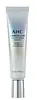
This brightening eye moisturizer is formulated around Squalane and Adenosine to brighten dull-looking skin and soften the look of wrinkles.
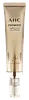
This anti-aging eye moisturizer is formulated around Collagen Extract and Niacinamide to soften the look of wrinkles and hydrate skin.

What's inside
What's inside
 Key Ingredients
Benefits
Concerns
Ingredients Side-by-side
Water
Skin ConditioningGlycerin
Humectant


Methylpropanediol
SolventSqualane
Emollient
1,2-Hexanediol
Skin Conditioning
Cyclopentasiloxane
Emollient
Cyclohexasiloxane
Emollient
Titanium Dioxide
Cosmetic Colorant

Coco-Caprylate/Caprate
Emollient
Panthenol
Skin Conditioning

Bisabolol
Antioxidant
Ammonium Acryloyldimethyltaurate/Vp Copolymer
Dimethiconol
Emollient
Polyhydroxystearic Acid
Emulsifying

Ethylhexylglycerin
Skin ConditioningPropanediol
Solvent
Parfum
Masking



Adenosine
Skin Conditioning
Alumina
Abrasive
Triethoxycaprylylsilane
Disodium EDTA
ChelatingXanthan Gum
EmulsifyingPolyquaternium-51
Skin Conditioning
Hydrogenated Lecithin
Emulsifying
Camellia Sinensis Leaf Water
Masking
Beta-Glucan
Skin Conditioning
Cynara Scolymus Leaf Extract
Skin ConditioningPteris Multifida Extract
Antioxidant
Avena Sativa Kernel Extract
Abrasive
Tromethamine
BufferingCarbomer
Emulsion StabilisingPolysorbate 20
Emulsifying
Acmella Oleracea Extract
Skin ProtectingNiacinamide
Smoothing






Raffinose
Skin ConditioningPentylene Glycol
Skin Conditioning
Cholesterol
Emollient
3-O-Ethyl Ascorbic Acid
Skin Conditioning
Sodium Hyaluronate
Humectant
Ascorbic Acid
Antioxidant
Tocopherol
Antioxidant
Linolenic Acid
Cleansing
Ceramide NP
Skin Conditioning
Glutathione
Saccharide Hydrolysate
HumectantMaltodextrin
Absorbent
Ascorbic Acid Polypeptide
Antioxidant
Ascorbyl Glucoside
Antioxidant
Zinc PCA
Humectant
Olea Europaea Leaf Extract
Perfuming
Water, Glycerin, Methylpropanediol, Squalane, 1,2-Hexanediol, Cyclopentasiloxane, Cyclohexasiloxane, Titanium Dioxide, Coco-Caprylate/Caprate, Panthenol, Bisabolol, Ammonium Acryloyldimethyltaurate/Vp Copolymer, Dimethiconol, Polyhydroxystearic Acid, Ethylhexylglycerin, Propanediol, Parfum, Adenosine, Alumina, Triethoxycaprylylsilane, Disodium EDTA, Xanthan Gum, Polyquaternium-51, Hydrogenated Lecithin, Camellia Sinensis Leaf Water, Beta-Glucan, Cynara Scolymus Leaf Extract, Pteris Multifida Extract, Avena Sativa Kernel Extract, Tromethamine, Carbomer, Polysorbate 20, Acmella Oleracea Extract, Niacinamide, Raffinose, Pentylene Glycol, Cholesterol, 3-O-Ethyl Ascorbic Acid, Sodium Hyaluronate, Ascorbic Acid, Tocopherol, Linolenic Acid, Ceramide NP, Glutathione, Saccharide Hydrolysate, Maltodextrin, Ascorbic Acid Polypeptide, Ascorbyl Glucoside, Zinc PCA, Olea Europaea Leaf Extract
Collagen Extract
Skin Conditioning
Glycerin
Humectant
Dipropylene Glycol
HumectantCaprylic/Capric Triglyceride
Masking
Hydrogenated Polyisobutene
EmollientHydrogenated Polydecene
EmollientNiacinamide
Smoothing
Caprylic/Capric/Succinic Triglyceride
EmollientPhenyl Trimethicone
Skin Conditioning
Pentaerythrityl Tetraethylhexanoate
Emollient
Water
Skin ConditioningCyclohexasiloxane
Emollient
Cetearyl Alcohol
Emollient


1,2-Hexanediol
Skin Conditioning
Glyceryl Stearate Se
Emulsifying
Betaine
Humectant
Cetyl Alcohol
Emollient
Panthenol
Skin Conditioning
Tabebuia Bark Extract
Skin ConditioningMacrocystis Pyrifera Extract
Skin Conditioning
Tropaeolum Majus Flower/Leaf/Stem Extract
Skin ConditioningGolden Extract
Malt Extract
Skin ProtectingHydrogenated Lecithin
Emulsifying
Elaeis Guineensis Oil
Emollient
Sodium Hyaluronate
Humectant
Macadamia Integrifolia Seed Oil
Skin Conditioning
Cocos Nucifera Oil
Masking
Collagen
Moisturising
Polyglyceryl-10 Stearate
Skin Conditioning
Cetearyl Olivate
Sorbitan Olivate
Emulsifying
Polyglyceryl-10 Laurate
Skin Conditioning
C15-19 Alkane
SolventDimethicone/Vinyl Dimethicone Crosspolymer
Skin Conditioning
Butyrospermum Parkii Butter
Skin Conditioning
Polyacrylate-13
Behenyl Alcohol
Emollient
Sodium Stearoyl Glutamate
CleansingVinyldimethicone
Jojoba Esters
Emollient
Butylene Glycol
Humectant
Myristyl Myristate
Emollient
Helianthus Annuus Seed Wax
Skin Conditioning
Sucrose Polystearate
EmollientXanthan Gum
EmulsifyingGlucose
Humectant
Adenosine
Skin Conditioning
Ethylhexyl Palmitate
Emollient
Cholesterol
Emollient
Disodium EDTA
ChelatingSorbitan Isostearate
Emulsifying
Ceramide NP
Skin Conditioning
Polyglycerin-3
Humectant
Jasminum Grandiflorum Flower Wax
Masking
Poloxamer 188
EmulsifyingFructooligosaccharides
Humectant
Propanediol
Solvent
Olea Europaea Oil Unsaponifiables
Skin Conditioning
Sodium Laurate
CleansingBeta-Glucan
Skin Conditioning
Carbomer
Emulsion StabilisingLauric Acid
Cleansing
Hydrolyzed Hyaluronic Acid
Humectant
Gold
Cosmetic ColorantLactobacillus
Skin ConditioningMadecassoside
Antioxidant
Hyaluronic Acid
Humectant
Cyanocobalamin
Skin ConditioningTocopherol
Antioxidant
C10-18 Triglycerides
Emollient
Cetyl Palmitate
Emollient
Palmitoyl Pentapeptide-4
Skin Conditioning
Ascorbic Acid
Antioxidant
Polyurethane-15
Acrylates/C10-30 Alkyl Acrylate Crosspolymer
Emulsion StabilisingTromethamine
BufferingPolyglyceryl-10 Oleate
Skin Conditioning
Polyurethane-11
Phytosteryl/Behenyl/Octyldodecyl Lauroyl Glutamate
Skin ConditioningParfum
Masking
Hydroxyacetophenone
Antioxidant
Ethylhexylglycerin
Skin ConditioningPentylene Glycol
Skin Conditioning
Collagen Extract, Glycerin, Dipropylene Glycol, Caprylic/Capric Triglyceride, Hydrogenated Polyisobutene, Hydrogenated Polydecene, Niacinamide, Caprylic/Capric/Succinic Triglyceride, Phenyl Trimethicone, Pentaerythrityl Tetraethylhexanoate, Water, Cyclohexasiloxane, Cetearyl Alcohol, 1,2-Hexanediol, Glyceryl Stearate Se, Betaine, Cetyl Alcohol, Panthenol, Tabebuia Bark Extract, Macrocystis Pyrifera Extract, Tropaeolum Majus Flower/Leaf/Stem Extract, Golden Extract, Malt Extract, Hydrogenated Lecithin, Elaeis Guineensis Oil, Sodium Hyaluronate, Macadamia Integrifolia Seed Oil, Cocos Nucifera Oil, Collagen, Polyglyceryl-10 Stearate, Cetearyl Olivate, Sorbitan Olivate, Polyglyceryl-10 Laurate, C15-19 Alkane, Dimethicone/Vinyl Dimethicone Crosspolymer, Butyrospermum Parkii Butter, Polyacrylate-13, Behenyl Alcohol, Sodium Stearoyl Glutamate, Vinyldimethicone, Jojoba Esters, Butylene Glycol, Myristyl Myristate, Helianthus Annuus Seed Wax, Sucrose Polystearate, Xanthan Gum, Glucose, Adenosine, Ethylhexyl Palmitate, Cholesterol, Disodium EDTA, Sorbitan Isostearate, Ceramide NP, Polyglycerin-3, Jasminum Grandiflorum Flower Wax, Poloxamer 188, Fructooligosaccharides, Propanediol, Olea Europaea Oil Unsaponifiables, Sodium Laurate, Beta-Glucan, Carbomer, Lauric Acid, Hydrolyzed Hyaluronic Acid, Gold, Lactobacillus, Madecassoside, Hyaluronic Acid, Cyanocobalamin, Tocopherol, C10-18 Triglycerides, Cetyl Palmitate, Palmitoyl Pentapeptide-4, Ascorbic Acid, Polyurethane-15, Acrylates/C10-30 Alkyl Acrylate Crosspolymer, Tromethamine, Polyglyceryl-10 Oleate, Polyurethane-11, Phytosteryl/Behenyl/Octyldodecyl Lauroyl Glutamate, Parfum, Hydroxyacetophenone, Ethylhexylglycerin, Pentylene Glycol
Ingredients Explained
These ingredients are found in both products.
Ingredients higher up in an ingredient list are typically present in a larger amount.
1,2-Hexanediol is a synthetic liquid and another multi-functional powerhouse.
It is a:
- Humectant, drawing moisture into the skin
- Emollient, helping to soften skin
- Solvent, dispersing and stabilizing formulas
- Preservative booster, enhancing the antimicrobial activity of other preservatives
Adenosine is a purine nucleoside that your body already makes in every cell. In skincare, it acts mainly as a skin conditioning and anti-aging agent.
The way it works is fairly well mapped out:
Your skin has cells called fibroblasts that build collagen (the stuff that keeps skin firm and smooth). Adenosine basically flips a switch on these cells that tells them to get to work making more collagen and other proteins. These cells slow down on their own as skin ages, so Adenosine helps give them a little nudge to keep going.
The clinical backing is pretty solid too.
A blind, randomized, placebo-controlled trial of 126 women aged 45-65 tested a 0.1% cream twice daily and found real improvements in crow's feet and frown lines using a precise 3D skin-mapping technique; these changes showed up by week 3 and held at 2 months.
A later study using Adenosine-loaded dissolving microneedle patches reported gains in wrinkle depth, dermal density, elasticity, and hydration.
On concentrations, South Korea's Ministry of Food and Drug Safety has set 0.04% as the approved functional anti-wrinkle level. You'll typically see this ingredient used somewhere in the 0.04-0.1% range since it works at low doses.
This ingredient has been found safe for cosmetics with the data showing no irritation or sensitization.
Overall, this is a great ingredient for any anti-aging routine and has no photosensitizing effect, so it suits both AM and PM use.
Learn more about AdenosineAscorbic Acid is is pure Vitamin C and is the biologically active form used directly by skin.
Not only is vitamin C great for your overall health and immune system, but it also has plenty of benefits for your skin. It is best supported by academic literature for:
Topical vitamin C has been shown to help neutralize oxidative stress from UV and pollution, helping to improve photoaging and hyperpigmentation when used consistently.
One clinical study found that using 5% topical vitamin C for six months improved signs of photodamaged skin, both on the surface and in the deeper structural layers of the skin.
While vitamin C doesn’t replace sunscreen, studies show it can boost photoprotection when combined with Vitamin E and ferulic acid. These two ingredients help improve stability and protective effects.
The big downside of this ingredient is formulation difficulty. Vitamin C is prone to oxidation and doesn't penetrate the skin unless formulated correctly. Research found that vitamin C absorbs into the skin best at a low pH (< 3.5) with about 20% being the upper limit for effective absorption.
Skin levels can saturate after repeated application; this means your skin won’t keep absorbing more once it’s full of vitamin C. This is why more isn’t always better with vitamin C and why very high concentrations don’t necessarily give extra benefits.
Ascorbic acid generally works well with many skincare ingredients but can be irritating when combined with other active ingredients. Strong oxidizing acne treatments like benzoyl peroxide can reduce the effectiveness of vitamin C if they are used at the same time; they are often recommended for use at different times of day.
Read more about other types of Vitamin C:
Foods rich with vitamin C include oranges, strawberries, broccoli, bell peppers, and more. When consuming Vitamin C, your skin receives a portion of the nutrients.
Learn more about Ascorbic AcidBeta-Glucan is a soluble polysaccharide (a chain of glucose sugars) sourced from the cells walls of oats, baker's yeast, mushrooms, and seaweed.
It's a rare ingredient that pulls double-duty as a heavy-duty hydrator and skin-soothing repair agent.
On the surface, it acts as a humectant that holds water in place and reduces moisture loss for a plumper, smoother feel, while its anti-inflammatory and antioxidant properties make it a great pick for calming redness or sensitive skin
The more interesting story is underneath:
Despite its large molecular size, oat beta-glucan has been shown to penetrate the epidermis and reach the dermis by slipping between skin cells. Here, it interacts with fibroblasts and macrophages to nudge collagen synthesis and support wound repair.
A small 2005 split-face clinical study of 27 subjects found topical beta-glucan produced measurable reductions in wrinkle depth, height, and roughness after 8 weeks of use.
It is worth noting the trial was small and the penetration testing used frozen, irradiated skin so the anti-aging data is encouraging rather than definitive.
This ingredient gets along with pretty much everything and is typically used around 0.1-1%.
Fungal acne: This ingredient is not a food source for the Malassezia yeast because it is a glucose polysaccharide with no fatty acid or ester component.
Learn more about Beta-GlucanCarbomer is a synthetic thickening and gelling agent. It's basically the ingredient that gives a lot of serums, gels, creams, and sunscreens their smooth, non-sticky texture.
Although legally permitted at very high levels, carbomers are normally used at concentrations below 1%.
It also needs to be neutralized to actually thicken, and because it is a large molecule, it doesn't really penetrate the skin barrier.
Allergy-wise, the risk is very low. Clinical studies show carbomers have low potential for skin irritation/sensitization even at concentrations up to 100%.
A 2024 UK study patch-tested 1,302 patients and found true allergy to the parent group of carbomer to be rare with no confirmed relevant reactions.
Learn more about CarbomerCeramide NP (formerly known as Ceramide 3) is one of the skin's naturally occurring lipids.
Since ceramides are the major lipid components of the skin, they are crucial for maintaining skin barrier and hydration. Ceramide NP most closely mirrors the dominant kind in human skin amongst ceramide subtypes.
This ceramide works by slotting into gaps within the stratum corneum's lipid matrix to limit trans-epidermal water loss (TEWL) and shield the skin against external irritants.
A study with 312 patients found that using a ceramide-containing routine for 4 weeks reduced the severity of atopic dermatitis by over 61%.
Another clinical study in subjects aged 60 and older found that a ceramide body wash and moisturizer improved skin dryness and itchy skin in 15 days.
Overall, ceramides are considered non-irritating and safety tests have found little to no observable adverse effects from using this ingredient.
Ceramide NP is usually sourced from plants (like soybean or rice bran), or produced synthetically.
Learn more about Ceramide NPCholesterol is a lipid that is naturally found in human skin and is one of the three key components of your skin barrier. In skincare, it is an emollient and barrier-repairing ingredient.
It works by fitting directly into the lipid layers of skin to help restore structure and reduce transepidermal water loss (TEWL).
This is a great ingredient for dry, compromised, or aging skin; our skin starts to produce less cholesterol with age.
Research shows cholesterol works best in combination with ceramides and fatty acids, the other two major components in your skin barrier.
Cholesterol is also a well-establish penetration enhancer and can help other actives absorb more effectively.
Cosmetic-grade cholesterol is usually derived from lanolin but plant and synthetic options also exist. We recommend reaching out to the brand if you have questions about their source of cholesterol.
Learn more about CholesterolCyclohexasiloxane is a type of silicone more commonly known as D6. It is an emollient and solvent.
Cyclohexasiloxane is used to evenly distribute ingredients throughout the product. When applied to the skin, Cyclohexasiloxane evaporates and leaves behind a silky feel.
As an emollient, it can help the skin feel soft and hydrated. It is also used to reduce frizz in hair products.
Learn more about CyclohexasiloxaneDisodium EDTA is a chelating agent. It grabs onto and deactivates metal ions that sneak into your products from water, packaging, or air.
This ingredient mainly works behind the scenes and helps with:
On top of that, this ingredient can counteract the effects of hard water by binding to the minerals in it.
One thing worth knowing is that Disodium EDTA has been shown to be a mild penetration enhancer. It can help other ingredients absorb into skin more effectively which can be a double-edged sword (great for actives, but can also make the active too strong if you have sensitive skin).
Clinical patch testing showed no significant skin irritation at typical use concentrations and minimal dermal absorption.
You'll most likely see this ingredient near the end of an ingredient list. It's typically found in concentrations less than 1%.
Learn more about Disodium EDTAEthylhexylglycerin is created from glycerin. It is a multitasker ingredient that:
The CIR Expert Panel found minimal skin absorption or sensitization of any kind in a safety assessment. Though this ingredient is considered well-tolerated, a small number of cases of allergic dermatitis have been published since 2002. Just be sure to patch test if you are unsure.
Industry-reported use ranges from 8% in rinse-off products and 2% in leave-on formulations.
Learn more about EthylhexylglycerinGlycerin (or glycerol) is a compound naturally found in your skin. It's a powerhouse humectant that pulls water into the stratum corneum.
Topically, glycerin does several things at once:
Your skin makes glycerin on its own (mostly from sebaceous oil breakdown) and shuttles it to your outermost layer of skin, or your epidermis, via aquaporin-3.
Aquaporin-3 is a transporter that is essential for normal skin hydration, elasticity, and repair. Interestingly, mice lacking in AQP3 have dry and less elastic skin that can be fully corrected with glycerin.
This ingredient is non-irritating, plays well with almost every ingredient, and works across all skin types. Typical use is anywhere between 3-10% but can go up to 79% in some leave-on products.
Just know very high concentrations (>40%) can feel tacky in low humidity.
Glycerin is the name for this ingredient in American English. British English uses Glycerol/Glycerine.
Learn more about GlycerinHydrogenated Lecithin is a more stable version of lecithin.
It's made by taking lecithin (a phospholipid commonly found in soybeans and egg yolks) and hydrogenating it. This just means the unsaturated fatty acids are turned into saturated ones so they don't go bad as easily.
This ingredient is an emollient, emulsifier, and penetration enhancer. As an emollient, it helps soften and hydrate skin by trapping moisture within. As an emulsifier, it prevents oil and water ingredients from separating.
Hydrogenated Lecithin can form tiny spherical structures made of phospholipid bilayers called liposomes. These liposomes are able to capture compounds inside their structure and deliver them through the skin barrier.
Because phospholipids are a natural component of our cell membranes, this ingredient is inherently compatible with skin.
A 2021 study found lecithin-based surfactants were less harsh and more tolerable comared to Sodium Lauryl Sulfate (SLS).
Learn more about Hydrogenated LecithinNiacinamide is a multitasking form of vitamin B3 that strengthens the skin barrier, reduces pores and dark spots, regulates oil, and improves signs of aging.
And the best part? It's gentle and well-tolerated by most skin types, including sensitive and reactive skin.
You might have heard of "niacin flush", or the reddening of skin that causes itchiness. Niacinamide has not been found to cause this.
In very rare cases, some individuals may not be able to tolerate niacinamide at all or experience an allergic reaction to it.
If you are experiencing flaking, irritation, and dryness with this ingredient, be sure to double check all your products as this ingredient can be found in all categories of skincare.
When incorporating niacinamide into your routine, look out for concentration amounts. Typically, 5% niacinamide provides benefits such as fading dark spots. However, if you have sensitive skin, it is better to begin with a smaller concentration.
When you apply niacinamide to your skin, your body converts it into nicotinamide adenine dinucleotide (NAD). NAD is an essential coenzyme that is already found in your cells as "fuel" and powers countless biological processes.
In your skin, NAD helps repair cell damage, produce new healthy cells, support collagen production, strengthen the skin barrier, and fight environmental stressors (like UV and pollution).
Our natural NAD levels start to decline with age, leading to slower skin repair, visible aging, and a weaker skin barrier. By providing your skin niacinamide, you're recharging your skin's NAD levels. This leads to stronger, healthier, and younger looking skin.
Another name for vitamin B3 is nicotinamide. This vitamin is water-soluble and our bodies don't store it. We obtain Vitamin B3 from either food or skincare. Meat, fish, wheat, yeast, and leafy greens contain vitamin B3.
The type of niacinamide used in skincare is synthetically created.
Learn more about NiacinamidePanthenol is a common ingredient that helps hydrate and soothe the skin. It is found naturally in our skin and hair.
There are two forms of panthenol: D and L.
D-panthenol is also known as dexpanthenol. Most cosmetics use dexpanthenol or a mixture of D and L-panthenol.
Panthenol is famous due to its ability to go deeper into the skin's layers. Using this ingredient has numerous pros (and no cons):
Like hyaluronic acid, panthenol is a humectant. Humectants are able to bind and hold large amounts of water to keep skin hydrated.
This ingredient works well for wound healing. It works by increasing tissue in the wound and helps close open wounds.
Once oxidized, panthenol converts to pantothenic acid. Panthothenic acid is found in all living cells.
This ingredient is also referred to as pro-vitamin B5.
Learn more about PanthenolParfum is a catch-all term for an ingredient or more that is used to give a scent to products.
Also called "fragrance", this ingredient can be a blend of hundreds of chemicals or plant oils. This means every product with "fragrance" or "parfum" in the ingredients list is a different mixture.
For instance, Habanolide is a proprietary trade name for a specific aroma chemical. When used as a fragrance ingredient in cosmetics, most aroma chemicals fall under the broad labeling category of “FRAGRANCE” or “PARFUM” according to EU and US regulations.
The term 'parfum' or 'fragrance' is not regulated in many countries. In many cases, it is up to the brand to define this term.
For instance, many brands choose to label themselves as "fragrance-free" because they are not using synthetic fragrances. However, their products may still contain ingredients such as essential oils that are considered a fragrance by INCI standards.
One example is Calendula flower extract. Calendula is an essential oil that still imparts a scent or 'fragrance'.
Depending on the blend, the ingredients in the mixture can cause allergies and sensitivities on the skin. Some ingredients that are known EU allergens include linalool and citronellol.
Parfum can also be used to mask or cover an unpleasant scent.
The bottom line is: not all fragrances/parfum/ingredients are created equally. If you are worried about fragrances, we recommend taking a closer look at an ingredient. And of course, we always recommend speaking with a professional.
Learn more about ParfumPentylene Glycol (1,2-pentanediol) is a multitasking little diol with three main roles in a formula:
Research on alkanediols (the family pentylene glycol belongs to) show they work by disrupting microbial cell membranes. This disruption helps the primary preservative system in a product work more effectively at lower doses.
On the safety side, the Cosmetic Ingredient Review Expert Panel has concluded this ingredient to be safe as used in current cosmetic practices + concentrations.
Typical use levels in a formula run about 1-5%.
Learn more about Pentylene GlycolPropanediol is an all-star ingredient. It softens, hydrates, and smooths the skin.
It’s often used to:
Propanediol is not likely to cause sensitivity and considered safe to use. It is derived from corn or petroleum with a clear color and no scent.
Learn more about PropanediolSodium Hyaluronate is the salt form of hyaluronic acid. It is a long sugar chain that is naturally found in your skin, joints, and connective tissue that maintains hydration and elasticity.
In skincare, it works as a humectant. It pulls water from the environment and deeper layers of skin and binds it to the surface.
Interestingly, the size of the molecule affects its behavior:
Some clinical evidence links low molecular weight versions to improved wrinkle depth, elasticity, anti-inflammatory effects, and barrier repair.
Many serums use a blend of both weights so you can get surface hydration plus longer-lasting and deeper effects.
You'll typically see concentrations between 0.1-2% for this ingredient.
Learn more about Sodium HyaluronateTocopherol is a fat-soluble antioxidant known as Vitamin E.
You'll find this ingredient in the vast majority of skincare (for good reason). It works to neutralize free radicals, or unstable molecules generated by UV exposure, pollution, and other environmental stressors, before they can cause oxidative damage to your skin cells.
Topically applied tocopherol has been shown to protect against UV damage by ramping up the skin's own natural defense enzymes.
It also acts as a skin conditioning agent; some studies show that regular topical use can improve the skin's water-binding capacity over 2-4 weeks.
This ingredient is especially loved for being a team player. When combined with Vitamin C, the photoprotective effect of both ingredients roughly doubles and the combo also helps reduce UV-induced DNA damage.
This ingredient has some brightening potential but it's more of a prevention ingredient than spot-fader. Cell studies show it can slow down melanin production but it's worth noting that it's not the most powerful brightener out there.
In formulations, it also serves as a stabilizer that helps protect other oxidation-prone ingredients from degrading.
Concentrations usually range from 0.1-1% in most leave-on products.
Learn more about TocopherolTromethamine (aka THAM) is a synthetic amino acid that shows up in skincare as a helper ingredient.
It functions as a pH adjuster to help neutralize acidic ingredients and set a formula's pH to the right spot.
This matters a lot because a lot of actives (like vitamin C) needs a specific pH to work well and feel comfortable on skin.
Concentration use ranges from 0.1-1.0% depending on the formula.
Learn more about TromethamineWater. It's the most common cosmetic ingredient of all. You'll usually see it at the top of ingredient lists, meaning that it makes up the largest part of the product.
So why is it so popular? Water most often acts as a solvent - this means that it helps dissolve other ingredients into the formulation.
You'll also recognize water as that liquid we all need to stay alive. If you see this, drink a glass of water. Remember to stay hydrated!
Learn more about WaterXanthan gum is used as a stabilizer and thickener within cosmetic products. It helps give products a sticky, thick feeling - preventing them from being too runny.
On the technical side of things, xanthan gum is a polysaccharide - a combination consisting of multiple sugar molecules bonded together.
Xanthan gum is a pretty common and great ingredient. It is a natural, non-toxic, non-irritating ingredient that is also commonly used in food products.
Learn more about Xanthan Gum

