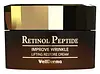
This anti-aging moisturizer is formulated around Niacinamide and Retinol to soften the look of wrinkles.
This acne moisturizer is formulated around Niacinamide to clear breakouts and refine skin texture.

What's inside
What's inside
 Key Ingredients
Benefits
Concerns
Ingredients Side-by-side
Hippophae Rhamnoides Extract
MaskingMacadamia Ternifolia Seed Oil
Emollient



Butylene Glycol Dicaprylate/Dicaprate
EmollientPropanediol
Solvent
Niacinamide
Smoothing










Methylpropanediol
SolventHeptyl Undecylenate
EmollientPolyglyceryl-4 Caprate
EmulsifyingButylene Glycol
Humectant
Glycerin
Humectant
1,2-Hexanediol
Skin Conditioning
Rosmarinus Officinalis Extract
AntimicrobialCamellia Japonica Flower Extract
EmollientCalendula Officinalis Extract
Skin Conditioning
Chamomilla Recutita Extract
Skin Conditioning
Saccharomyces/Viscum Album Ferment Extract
Skin Conditioning
Geranium Maculatum Extract
TonicLactobacillus/Soybean Ferment Extract
Skin ConditioningCarthamus Tinctorius Oleosomes
Emollient
Saccharomyces/Imperata Cylindrica Root Ferment Extract
Emollient
Camellia Sinensis Leaf Extract
Antimicrobial
Glycyrrhiza Glabra Root Extract
Bleaching
Zingiber Officinale Root Extract
Masking
Schisandra Chinensis Fruit Extract
Skin Conditioning
Coptis Chinensis Root Extract
Antioxidant
Lavandula Angustifolia Extract
Skin Conditioning

Thymus Vulgaris Extract
Perfuming
Origanum Vulgare Flower/Leaf/Stem Extract
Skin ConditioningDaucus Carota Sativa Root Extract
Skin Conditioning
Ilex Paraguariensis Leaf Extract
Perfuming
Borago Officinalis Extract
Emollient
Corchorus Olitorius Leaf Extract
Skin ConditioningMilk Protein Extract
Saccharomyces/Rice Bran Ferment
Humectant
Avena Sativa Kernel Extract
Abrasive
Citrus Limon Fruit Extract
Masking
Brassica Oleracea Italica Extract
AstringentBrassica Oleracea Acephala Leaf Extract
HumectantSolanum Lycopersicum Fruit Extract
Antioxidant
Diospyros Kaki Leaf Extract
Skin Protecting
Fragaria Vesca Fruit Extract
AstringentBrassica Oleracea Capitata Leaf Extract
Skin ConditioningAsparagus Officinalis Extract
Skin ConditioningCapsicum Annuum Fruit Extract
Antimicrobial
Salicornia Herbacea Extract
Skin ConditioningPhragmites Communis Extract
Skin ConditioningFicus Carica Fruit Extract
Humectant
Punica Granatum Fruit Extract
Antioxidant
Morus Alba Fruit Extract
Antioxidant
Ginkgo Biloba Nut Extract
Skin ConditioningHydrolyzed Pea Protein
EmollientHydrolyzed Elastin
EmollientGlycine Soja Sterols
Emollient
Simmondsia Chinensis Seed Oil
Emollient
Helianthus Annuus Seed Oil
Emollient
Camellia Japonica Seed Oil
Emollient
Argania Spinosa Kernel Oil
Emollient
Limnanthes Alba Seed Oil
Skin Conditioning
Hydrogenated Vegetable Oil
Emollient

Tocopherol
Antioxidant
Ascorbic Acid
Antioxidant
Cyanocobalamin
Skin ConditioningPyridoxine Hcl
Skin ConditioningRetinol
Skin Conditioning
Hydrogenated Lecithin
Emulsifying
Panthenol
Skin Conditioning
Asiaticoside
Antioxidant
Ceramide NP
Skin Conditioning
Atelocollagen
Skin Conditioning
Desamido Collagen
Skin Conditioning
Hydrolyzed Collagen
Emollient
Soluble Collagen
Humectant
Collagen
Moisturising
Collagen Amino Acids
Moisturising
Procollagen
Skin Conditioning
Palmitoyl Pentapeptide-4
Skin Conditioning
Acetyl Hexapeptide-8
Humectant
Caffeoyl Tripeptide-1
Antioxidant
Sh-Octapeptide-4
Antioxidant
Sh-Pentapeptide-19
Skin Conditioning
Nicotinoyl Tripeptide-1
Antioxidant
Sh-Decapeptide-9
Skin Conditioning
Caffeoyl Sh-Octapeptide-4
Antioxidant
Hydroxydecyl Ubiquinone
Antioxidant
Gluconolactone
Chelating
Glutamic Acid
Humectant
Pantolactone
Humectant
Hydrolyzed Glycosaminoglycans
HumectantSodium Hyaluronate
Humectant
Sodium Hyaluronate Crosspolymer
Humectant
Hydrolyzed Hyaluronic Acid
Humectant
Hydroxypropyltrimonium Hyaluronate
Hyaluronic Acid
Humectant
Sodium Acetylated Hyaluronate
Humectant
Calcium Gluconate
HumectantAspartic Acid
Masking
Glycine
Buffering
Serine
Masking
Leucine
Skin ConditioningAlanine
Masking
Lysine
Skin ConditioningArginine
Masking
Tyrosine
MaskingPhenylalanine
Masking
Valine
MaskingThreonine
Proline
Skin Conditioning
Isoleucine
Skin ConditioningHistidine
Humectant
Methionine
Skin ConditioningCysteine
Antioxidant
Propolis Wax
EmollientBeeswax
Emulsion Stabilising
Benzyl Glycol
SolventWater
Skin ConditioningPolyglyceryl-2 Stearate
Emulsifying
Sodium Polyacryloyldimethyl Taurate
Emulsion StabilisingGlyceryl Stearate
Emollient
Carbomer
Emulsion StabilisingStearyl Alcohol
Emollient
Hydrogenated Polydecene
EmollientTromethamine
BufferingTrideceth-10
CleansingAdenosine
Skin Conditioning
PEG-40 Castor Oil
Emulsifying
Caprylic/Capric Triglyceride
Masking
Octyldodecanol
Emollient
Sodium Benzoate
Masking
Polyglyceryl-10 Laurate
Skin Conditioning
Polysorbate 20
Emulsifying
Raspberry Ketone
Masking
Caprylyl Glycol
Emollient
Disodium EDTA
ChelatingEthylhexylglycerin
Skin ConditioningHippophae Rhamnoides Extract, Macadamia Ternifolia Seed Oil, Butylene Glycol Dicaprylate/Dicaprate, Propanediol, Niacinamide, Methylpropanediol, Heptyl Undecylenate, Polyglyceryl-4 Caprate, Butylene Glycol, Glycerin, 1,2-Hexanediol, Rosmarinus Officinalis Extract, Camellia Japonica Flower Extract, Calendula Officinalis Extract, Chamomilla Recutita Extract, Saccharomyces/Viscum Album Ferment Extract, Geranium Maculatum Extract, Lactobacillus/Soybean Ferment Extract, Carthamus Tinctorius Oleosomes, Saccharomyces/Imperata Cylindrica Root Ferment Extract, Camellia Sinensis Leaf Extract, Glycyrrhiza Glabra Root Extract, Zingiber Officinale Root Extract, Schisandra Chinensis Fruit Extract, Coptis Chinensis Root Extract, Lavandula Angustifolia Extract, Thymus Vulgaris Extract, Origanum Vulgare Flower/Leaf/Stem Extract, Daucus Carota Sativa Root Extract, Ilex Paraguariensis Leaf Extract, Borago Officinalis Extract, Corchorus Olitorius Leaf Extract, Milk Protein Extract, Saccharomyces/Rice Bran Ferment, Avena Sativa Kernel Extract, Citrus Limon Fruit Extract, Brassica Oleracea Italica Extract, Brassica Oleracea Acephala Leaf Extract, Solanum Lycopersicum Fruit Extract, Diospyros Kaki Leaf Extract, Fragaria Vesca Fruit Extract, Brassica Oleracea Capitata Leaf Extract, Asparagus Officinalis Extract, Capsicum Annuum Fruit Extract, Salicornia Herbacea Extract, Phragmites Communis Extract, Ficus Carica Fruit Extract, Punica Granatum Fruit Extract, Morus Alba Fruit Extract, Ginkgo Biloba Nut Extract, Hydrolyzed Pea Protein, Hydrolyzed Elastin, Glycine Soja Sterols, Simmondsia Chinensis Seed Oil, Helianthus Annuus Seed Oil, Camellia Japonica Seed Oil, Argania Spinosa Kernel Oil, Limnanthes Alba Seed Oil, Hydrogenated Vegetable Oil, Tocopherol, Ascorbic Acid, Cyanocobalamin, Pyridoxine Hcl, Retinol, Hydrogenated Lecithin, Panthenol, Asiaticoside, Ceramide NP, Atelocollagen, Desamido Collagen, Hydrolyzed Collagen, Soluble Collagen, Collagen, Collagen Amino Acids, Procollagen, Palmitoyl Pentapeptide-4, Acetyl Hexapeptide-8, Caffeoyl Tripeptide-1, Sh-Octapeptide-4, Sh-Pentapeptide-19, Nicotinoyl Tripeptide-1, Sh-Decapeptide-9, Caffeoyl Sh-Octapeptide-4, Hydroxydecyl Ubiquinone, Gluconolactone, Glutamic Acid, Pantolactone, Hydrolyzed Glycosaminoglycans, Sodium Hyaluronate, Sodium Hyaluronate Crosspolymer, Hydrolyzed Hyaluronic Acid, Hydroxypropyltrimonium Hyaluronate, Hyaluronic Acid, Sodium Acetylated Hyaluronate, Calcium Gluconate, Aspartic Acid, Glycine, Serine, Leucine, Alanine, Lysine, Arginine, Tyrosine, Phenylalanine, Valine, Threonine, Proline, Isoleucine, Histidine, Methionine, Cysteine, Propolis Wax, Beeswax, Benzyl Glycol, Water, Polyglyceryl-2 Stearate, Sodium Polyacryloyldimethyl Taurate, Glyceryl Stearate, Carbomer, Stearyl Alcohol, Hydrogenated Polydecene, Tromethamine, Trideceth-10, Adenosine, PEG-40 Castor Oil, Caprylic/Capric Triglyceride, Octyldodecanol, Sodium Benzoate, Polyglyceryl-10 Laurate, Polysorbate 20, Raspberry Ketone, Caprylyl Glycol, Disodium EDTA, Ethylhexylglycerin
Water
Skin ConditioningGlycerin
Humectant
Butylene Glycol
Humectant
Dicaprylyl Ether
Emollient
Niacinamide
Smoothing
1,2-Hexanediol
Skin Conditioning
Dicaprylyl Carbonate
EmollientHydrogenated Polydecene
EmollientHydroxyethyl Acrylate/Sodium Acryloyldimethyl Taurate Copolymer
Emulsion StabilisingVinyldimethicone

Panthenol
Skin Conditioning
Saccharomyces Ferment
Skin Conditioning
Allium Sativum Bulb Extract
Skin ConditioningCaprylyl Methicone
Skin Conditioning
Acrylates/C10-30 Alkyl Acrylate Crosspolymer
Emulsion StabilisingTromethamine
BufferingGlyceryl Acrylate/Acrylic Acid Copolymer
HumectantDimethiconol
Emollient
Biosaccharide Gum-1
Humectant
Dipotassium Glycyrrhizate
Humectant
Lauroyl Lysine
Skin Conditioning
Allantoin
Skin Conditioning
Xanthan Gum
EmulsifyingAdenosine
Skin Conditioning
Sorbitan Isostearate
Emulsifying
Hydroxypropyl Guar
Emulsion StabilisingDisodium EDTA
ChelatingHydroxyethylcellulose
Emulsion StabilisingMelia Azadirachta Leaf Extract
Skin ConditioningMelia Azadirachta Flower Extract
Skin ConditioningCurcuma Longa Root Extract
Antioxidant
Tocopherol
Antioxidant
Ethylhexylglycerin
Skin ConditioningOcimum Sanctum Leaf Extract
Skin ConditioningThiamine Hcl
MaskingFructan
Skin ConditioningCorallina Officinalis Extract
Skin Conditioning
Citric Acid
Buffering
Salicylic Acid
Masking

Betaine Salicylate
Antimicrobial
Gluconolactone
Chelating
Pantothenic Acid
Skin ConditioningMelaleuca Alternifolia Leaf Oil
Antioxidant
Silica
Abrasive
Centella Asiatica Extract
Cleansing
Sodium Hyaluronate
Humectant
Madecassoside
Antioxidant
Madecassic Acid
Skin Conditioning
Asiaticoside
Antioxidant
Asiatic Acid
Skin Conditioning
Propolis Extract
Skin Conditioning
Hydroxyacetophenone
Antioxidant
Water, Glycerin, Butylene Glycol, Dicaprylyl Ether, Niacinamide, 1,2-Hexanediol, Dicaprylyl Carbonate, Hydrogenated Polydecene, Hydroxyethyl Acrylate/Sodium Acryloyldimethyl Taurate Copolymer, Vinyldimethicone, Panthenol, Saccharomyces Ferment, Allium Sativum Bulb Extract, Caprylyl Methicone, Acrylates/C10-30 Alkyl Acrylate Crosspolymer, Tromethamine, Glyceryl Acrylate/Acrylic Acid Copolymer, Dimethiconol, Biosaccharide Gum-1, Dipotassium Glycyrrhizate, Lauroyl Lysine, Allantoin, Xanthan Gum, Adenosine, Sorbitan Isostearate, Hydroxypropyl Guar, Disodium EDTA, Hydroxyethylcellulose, Melia Azadirachta Leaf Extract, Melia Azadirachta Flower Extract, Curcuma Longa Root Extract, Tocopherol, Ethylhexylglycerin, Ocimum Sanctum Leaf Extract, Thiamine Hcl, Fructan, Corallina Officinalis Extract, Citric Acid, Salicylic Acid, Betaine Salicylate, Gluconolactone, Pantothenic Acid, Melaleuca Alternifolia Leaf Oil, Silica, Centella Asiatica Extract, Sodium Hyaluronate, Madecassoside, Madecassic Acid, Asiaticoside, Asiatic Acid, Propolis Extract, Hydroxyacetophenone
Reviews
Alternatives
Ingredients Explained
These ingredients are found in both products.
Ingredients higher up in an ingredient list are typically present in a larger amount.
1,2-Hexanediol is a synthetic liquid and another multi-functional powerhouse.
It is a:
- Humectant, drawing moisture into the skin
- Emollient, helping to soften skin
- Solvent, dispersing and stabilizing formulas
- Preservative booster, enhancing the antimicrobial activity of other preservatives
Adenosine is a purine nucleoside that your body already makes in every cell. In skincare, it acts mainly as a skin conditioning and anti-aging agent.
The way it works is fairly well mapped out:
Your skin has cells called fibroblasts that build collagen (the stuff that keeps skin firm and smooth). Adenosine basically flips a switch on these cells that tells them to get to work making more collagen and other proteins. These cells slow down on their own as skin ages, so Adenosine helps give them a little nudge to keep going.
The clinical backing is pretty solid too.
A blind, randomized, placebo-controlled trial of 126 women aged 45-65 tested a 0.1% cream twice daily and found real improvements in crow's feet and frown lines using a precise 3D skin-mapping technique; these changes showed up by week 3 and held at 2 months.
A later study using Adenosine-loaded dissolving microneedle patches reported gains in wrinkle depth, dermal density, elasticity, and hydration.
On concentrations, South Korea's Ministry of Food and Drug Safety has set 0.04% as the approved functional anti-wrinkle level. You'll typically see this ingredient used somewhere in the 0.04-0.1% range since it works at low doses.
This ingredient has been found safe for cosmetics with the data showing no irritation or sensitization.
Overall, this is a great ingredient for any anti-aging routine and has no photosensitizing effect, so it suits both AM and PM use.
Learn more about AdenosineAsiaticoside comes from the super popular skin-soothing ingredient, Centella asiatica. It's the reason centella-based products have a strong reputation for repairing and calming skin, along with its sibling compound Madecassoside.
Research from 2016-2025 supports its role in:
You'll usually find this in concentrations between 0.2-5%.
Learn more about AsiaticosideButylene Glycol (or BG) is used within cosmetic products for a few different reasons:
Overall, Butylene Glycol is a safe and well-rounded ingredient that works well with other ingredients.
Though this ingredient works well with most skin types, some people with sensitive skin may experience a reaction such as allergic rashes, closed comedones, or itchiness.
Learn more about Butylene GlycolDisodium EDTA is a chelating agent. It grabs onto and deactivates metal ions that sneak into your products from water, packaging, or air.
This ingredient mainly works behind the scenes and helps with:
On top of that, this ingredient can counteract the effects of hard water by binding to the minerals in it.
One thing worth knowing is that Disodium EDTA has been shown to be a mild penetration enhancer. It can help other ingredients absorb into skin more effectively which can be a double-edged sword (great for actives, but can also make the active too strong if you have sensitive skin).
Clinical patch testing showed no significant skin irritation at typical use concentrations and minimal dermal absorption.
You'll most likely see this ingredient near the end of an ingredient list. It's typically found in concentrations less than 1%.
Learn more about Disodium EDTAEthylhexylglycerin is created from glycerin. It is a multitasker ingredient that:
The CIR Expert Panel found minimal skin absorption or sensitization of any kind in a safety assessment. Though this ingredient is considered well-tolerated, a small number of cases of allergic dermatitis have been published since 2002. Just be sure to patch test if you are unsure.
Industry-reported use ranges from 8% in rinse-off products and 2% in leave-on formulations.
Learn more about EthylhexylglycerinGluconolactone is a PHA. PHAs are a great gentle alternative to traditional AHAs.
When applied, Gluconolactone has the same affect on skin as AHAs such as lactic acid. It helps dissolve the dead skin cells in the top layer of your skin. This improves texture and brightens the skin.
PHAs are more gentle than AHAs due to their larger structure. They do not penetrate as deeply as AHAs and take a longer time to dissolve dead cells. Studies show PHAs do not cause as much irritation.
Gluconolactone has some interesting properties:
In a 2004 study, Gluconolactone was found to prevent UV damage in mouse skin cells and has not been found to increase sun sensitivity. However, we still recommend wearing SPF daily.
This ingredient is is an created by reacting gluconic acid with an alcohol.
Learn more about GluconolactoneGlycerin (or glycerol) is a compound naturally found in your skin. It's a powerhouse humectant that pulls water into the stratum corneum.
Topically, glycerin does several things at once:
Your skin makes glycerin on its own (mostly from sebaceous oil breakdown) and shuttles it to your outermost layer of skin, or your epidermis, via aquaporin-3.
Aquaporin-3 is a transporter that is essential for normal skin hydration, elasticity, and repair. Interestingly, mice lacking in AQP3 have dry and less elastic skin that can be fully corrected with glycerin.
This ingredient is non-irritating, plays well with almost every ingredient, and works across all skin types. Typical use is anywhere between 3-10% but can go up to 79% in some leave-on products.
Just know very high concentrations (>40%) can feel tacky in low humidity.
Glycerin is the name for this ingredient in American English. British English uses Glycerol/Glycerine.
Learn more about GlycerinHydrogenated Polydecene is a synthetic emollient. It forms a non-occlusive film on the skin's surface to provide a silky feel without being greasy.
In vivo studies in volunteers with atopic and dry skin showed no irritation or intolerance. The volunteers also saw a positive effect in dryness, scaling, and roughness after 28 days of use.
Concentrations up to 100% in guinea pig tests found it to be non-sensitizing and completely safe for use in cosmetics.
Learn more about Hydrogenated PolydeceneNiacinamide is a multitasking form of vitamin B3 that strengthens the skin barrier, reduces pores and dark spots, regulates oil, and improves signs of aging.
And the best part? It's gentle and well-tolerated by most skin types, including sensitive and reactive skin.
You might have heard of "niacin flush", or the reddening of skin that causes itchiness. Niacinamide has not been found to cause this.
In very rare cases, some individuals may not be able to tolerate niacinamide at all or experience an allergic reaction to it.
If you are experiencing flaking, irritation, and dryness with this ingredient, be sure to double check all your products as this ingredient can be found in all categories of skincare.
When incorporating niacinamide into your routine, look out for concentration amounts. Typically, 5% niacinamide provides benefits such as fading dark spots. However, if you have sensitive skin, it is better to begin with a smaller concentration.
When you apply niacinamide to your skin, your body converts it into nicotinamide adenine dinucleotide (NAD). NAD is an essential coenzyme that is already found in your cells as "fuel" and powers countless biological processes.
In your skin, NAD helps repair cell damage, produce new healthy cells, support collagen production, strengthen the skin barrier, and fight environmental stressors (like UV and pollution).
Our natural NAD levels start to decline with age, leading to slower skin repair, visible aging, and a weaker skin barrier. By providing your skin niacinamide, you're recharging your skin's NAD levels. This leads to stronger, healthier, and younger looking skin.
Another name for vitamin B3 is nicotinamide. This vitamin is water-soluble and our bodies don't store it. We obtain Vitamin B3 from either food or skincare. Meat, fish, wheat, yeast, and leafy greens contain vitamin B3.
The type of niacinamide used in skincare is synthetically created.
Learn more about NiacinamidePanthenol is a common ingredient that helps hydrate and soothe the skin. It is found naturally in our skin and hair.
There are two forms of panthenol: D and L.
D-panthenol is also known as dexpanthenol. Most cosmetics use dexpanthenol or a mixture of D and L-panthenol.
Panthenol is famous due to its ability to go deeper into the skin's layers. Using this ingredient has numerous pros (and no cons):
Like hyaluronic acid, panthenol is a humectant. Humectants are able to bind and hold large amounts of water to keep skin hydrated.
This ingredient works well for wound healing. It works by increasing tissue in the wound and helps close open wounds.
Once oxidized, panthenol converts to pantothenic acid. Panthothenic acid is found in all living cells.
This ingredient is also referred to as pro-vitamin B5.
Learn more about PanthenolSodium Hyaluronate is the salt form of hyaluronic acid. It is a long sugar chain that is naturally found in your skin, joints, and connective tissue that maintains hydration and elasticity.
In skincare, it works as a humectant. It pulls water from the environment and deeper layers of skin and binds it to the surface.
Interestingly, the size of the molecule affects its behavior:
Some clinical evidence links low molecular weight versions to improved wrinkle depth, elasticity, anti-inflammatory effects, and barrier repair.
Many serums use a blend of both weights so you can get surface hydration plus longer-lasting and deeper effects.
You'll typically see concentrations between 0.1-2% for this ingredient.
Learn more about Sodium HyaluronateTocopherol is a fat-soluble antioxidant known as Vitamin E.
You'll find this ingredient in the vast majority of skincare (for good reason). It works to neutralize free radicals, or unstable molecules generated by UV exposure, pollution, and other environmental stressors, before they can cause oxidative damage to your skin cells.
Topically applied tocopherol has been shown to protect against UV damage by ramping up the skin's own natural defense enzymes.
It also acts as a skin conditioning agent; some studies show that regular topical use can improve the skin's water-binding capacity over 2-4 weeks.
This ingredient is especially loved for being a team player. When combined with Vitamin C, the photoprotective effect of both ingredients roughly doubles and the combo also helps reduce UV-induced DNA damage.
This ingredient has some brightening potential but it's more of a prevention ingredient than spot-fader. Cell studies show it can slow down melanin production but it's worth noting that it's not the most powerful brightener out there.
In formulations, it also serves as a stabilizer that helps protect other oxidation-prone ingredients from degrading.
Concentrations usually range from 0.1-1% in most leave-on products.
Learn more about TocopherolTromethamine (aka THAM) is a synthetic amino acid that shows up in skincare as a helper ingredient.
It functions as a pH adjuster to help neutralize acidic ingredients and set a formula's pH to the right spot.
This matters a lot because a lot of actives (like vitamin C) needs a specific pH to work well and feel comfortable on skin.
Concentration use ranges from 0.1-1.0% depending on the formula.
Learn more about TromethamineWater. It's the most common cosmetic ingredient of all. You'll usually see it at the top of ingredient lists, meaning that it makes up the largest part of the product.
So why is it so popular? Water most often acts as a solvent - this means that it helps dissolve other ingredients into the formulation.
You'll also recognize water as that liquid we all need to stay alive. If you see this, drink a glass of water. Remember to stay hydrated!
Learn more about Water

