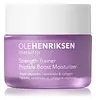
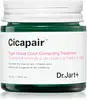
Olehenriksen Strength Trainer Peptide Boost Moisturizer Versus Dr. Jart+ Cicapair Tiger Grass Color Correcting Treatment
This barrier-repair moisturizer is formulated around Niacinamide and Acetyl Hexapeptide-8 to strengthen the skin barrier and soften the look of wrinkles.


What's inside
What's inside
 Key Ingredients
Benefits
Concerns
Ingredients Side-by-side
Water
Skin ConditioningPropanediol
Solvent

Dicaprylyl Carbonate
EmollientGlycerin
Humectant
Methylpropanediol
SolventCetearyl Alcohol
Emollient






Stearyl Alcohol
Emollient
Mangifera Indica Seed Butter
Skin Conditioning
Niacinamide
Smoothing









Acetyl Hexapeptide-1
Skin Conditioning
Acetyl Hexapeptide-8
Humectant
Acetyl Octapeptide-3
Humectant
Acetyl Tetrapeptide-2
Skin Conditioning
Acetyl Dipeptide-1 Cetyl Ester
Skin Conditioning
Palmitoyl Tripeptide-1
Skin Conditioning
Palmitoyl Tetrapeptide-7
Skin Conditioning
Carnosine
Skin Conditioning
Ceramide NP
Skin Conditioning
Ceramide AP
Skin Conditioning
Ceramide EOP
Skin Conditioning
Collagen
Moisturising
Serine
Masking
Alanine
Masking
Glycine
Buffering
Glutamic Acid
Humectant
Lysine Hcl
Skin Conditioning
Threonine
Arginine
Masking
Proline
Skin Conditioning
Hyaluronic Acid
Humectant
Sodium Hyaluronate
Humectant
Linoleic Acid
Cleansing
Linolenic Acid
Cleansing

Sodium PCA
Humectant
Sodium Lactate
Buffering
Panthenol
Skin Conditioning
Tocopherol
Antioxidant

Tocopheryl Acetate
Antioxidant
Betaine
Humectant
PCA
Humectant
Cyanocobalamin
Skin ConditioningXylitol
Humectant
Anhydroxylitol
Humectant
Xylitylglucoside
Humectant
Sorbitan Olivate
Emulsifying
Carbomer
Emulsion StabilisingHydroxyethylcellulose
Emulsion StabilisingXanthan Gum
EmulsifyingCetearyl Olivate
Sorbitan Laurate
Emulsifying
Phytosphingosine
Skin Conditioning
Cholesterol
Emollient
Polysorbate 60
Emulsifying
Butylene Glycol
Humectant
Hydroxyacetophenone
Antioxidant
Glycine Soja Oil
Emollient
Acrylates/C10-30 Alkyl Acrylate Crosspolymer
Emulsion StabilisingPolysorbate 20
Emulsifying
Ammonium Acryloyldimethyltaurate/Beheneth-25 Methacrylate Crosspolymer
Emulsion StabilisingDimethicone
Emollient
Sodium Phytate
ChelatingSodium Lauroyl Lactylate
EmulsifyingPentaerythrityl Tetra-Di-T-Butyl Hydroxyhydrocinnamate
Antioxidant
Leuconostoc/Radish Root Ferment Filtrate
Antimicrobial
Citric Acid
Buffering
Caprylyl Glycol
Emollient
Ethylhexylglycerin
Skin ConditioningPhenoxyethanol
Preservative
Parfum
Masking
Citral
Perfuming
Limonene
Perfuming
Linalool
Perfuming
Water, Propanediol, Dicaprylyl Carbonate, Glycerin, Methylpropanediol, Cetearyl Alcohol, Stearyl Alcohol, Mangifera Indica Seed Butter, Niacinamide, Acetyl Hexapeptide-1, Acetyl Hexapeptide-8, Acetyl Octapeptide-3, Acetyl Tetrapeptide-2, Acetyl Dipeptide-1 Cetyl Ester, Palmitoyl Tripeptide-1, Palmitoyl Tetrapeptide-7, Carnosine, Ceramide NP, Ceramide AP, Ceramide EOP, Collagen, Serine, Alanine, Glycine, Glutamic Acid, Lysine Hcl, Threonine, Arginine, Proline, Hyaluronic Acid, Sodium Hyaluronate, Linoleic Acid, Linolenic Acid, Sodium PCA, Sodium Lactate, Panthenol, Tocopherol, Tocopheryl Acetate, Betaine, PCA, Cyanocobalamin, Xylitol, Anhydroxylitol, Xylitylglucoside, Sorbitan Olivate, Carbomer, Hydroxyethylcellulose, Xanthan Gum, Cetearyl Olivate, Sorbitan Laurate, Phytosphingosine, Cholesterol, Polysorbate 60, Butylene Glycol, Hydroxyacetophenone, Glycine Soja Oil, Acrylates/C10-30 Alkyl Acrylate Crosspolymer, Polysorbate 20, Ammonium Acryloyldimethyltaurate/Beheneth-25 Methacrylate Crosspolymer, Dimethicone, Sodium Phytate, Sodium Lauroyl Lactylate, Pentaerythrityl Tetra-Di-T-Butyl Hydroxyhydrocinnamate, Leuconostoc/Radish Root Ferment Filtrate, Citric Acid, Caprylyl Glycol, Ethylhexylglycerin, Phenoxyethanol, Parfum, Citral, Limonene, Linalool
Water
Skin ConditioningCyclopentasiloxane
Emollient
CI 77891
Cosmetic ColorantDimethicone
Emollient
Caprylyl Methicone
Skin Conditioning
Ethylhexyl Palmitate
Emollient
Glycerin
Humectant
Lauryl PEG-8 Dimethicone
Surfactant
Octyldodecanol
Emollient
Phenyl Trimethicone
Skin Conditioning
Triethylhexanoin
MaskingButylene Glycol
Humectant
Centella Asiatica Extract
Cleansing
Niacinamide
Smoothing
Tridecyl Trimellitate
EmollientTrimethylsiloxysilicate
Emollient
Disteardimonium Hectorite
Stabilising1,2-Hexanediol
Skin Conditioning
Dimethicone/Vinyl Dimethicone Crosspolymer
Skin Conditioning
PEG-10 Dimethicone
Skin Conditioning
Phytosteryl/Isostearyl/Cetyl/Stearyl/Behenyl Dimer Dilinoleate
Skin Conditioning
Vinyl Dimethicone/Methicone Silsesquioxane Crosspolymer
CI 77491
Cosmetic ColorantGlyceryl Tribehenate/Isostearate/Eicosandioate
Emollient
Magnesium Sulfate
CI 77492
Cosmetic ColorantHydrogenated Coco-Glycerides
Emollient
Stearic Acid
Cleansing
Alumina
Abrasive
Panthenol
Skin Conditioning
Ceresin
Emulsion StabilisingCI 77499
Cosmetic ColorantEthylcellulose
Caprylyl Glycol
Emollient
Synthetic Fluorphlogopite
CI 77288
Cosmetic ColorantPolyvinyl Alcohol
Ethylhexylglycerin
Skin ConditioningMadecassoside
Antioxidant
Adenosine
Skin Conditioning
Trisodium Ethylenediamine Disuccinate
ChelatingTriethoxycaprylylsilane
Eryngium Maritimum Callus Culture Filtrate
Skin ConditioningGlycine Soja Peptide
Skin Conditioning
Streptococcus Thermophilus Ferment
Humectant
Aluminum Hydroxide
EmollientAsiaticoside
Antioxidant
Houttuynia Cordata Extract
Skin Conditioning
Ilex Aquifolium Leaf Extract
Skin ConditioningCentella Asiatica Leaf Extract
Skin Conditioning
Achillea Millefolium Oil
Cleansing
Hedera Helix Extract
AntimicrobialTocopherol
Antioxidant
Silica
Abrasive
Calcium Chloride
AstringentAsiatic Acid
Skin Conditioning
Madecassic Acid
Skin Conditioning
Water, Cyclopentasiloxane, CI 77891, Dimethicone, Caprylyl Methicone, Ethylhexyl Palmitate, Glycerin, Lauryl PEG-8 Dimethicone, Octyldodecanol, Phenyl Trimethicone, Triethylhexanoin, Butylene Glycol, Centella Asiatica Extract, Niacinamide, Tridecyl Trimellitate, Trimethylsiloxysilicate, Disteardimonium Hectorite, 1,2-Hexanediol, Dimethicone/Vinyl Dimethicone Crosspolymer, PEG-10 Dimethicone, Phytosteryl/Isostearyl/Cetyl/Stearyl/Behenyl Dimer Dilinoleate, Vinyl Dimethicone/Methicone Silsesquioxane Crosspolymer, CI 77491, Glyceryl Tribehenate/Isostearate/Eicosandioate, Magnesium Sulfate, CI 77492, Hydrogenated Coco-Glycerides, Stearic Acid, Alumina, Panthenol, Ceresin, CI 77499, Ethylcellulose, Caprylyl Glycol, Synthetic Fluorphlogopite, CI 77288, Polyvinyl Alcohol, Ethylhexylglycerin, Madecassoside, Adenosine, Trisodium Ethylenediamine Disuccinate, Triethoxycaprylylsilane, Eryngium Maritimum Callus Culture Filtrate, Glycine Soja Peptide, Streptococcus Thermophilus Ferment, Aluminum Hydroxide, Asiaticoside, Houttuynia Cordata Extract, Ilex Aquifolium Leaf Extract, Centella Asiatica Leaf Extract, Achillea Millefolium Oil, Hedera Helix Extract, Tocopherol, Silica, Calcium Chloride, Asiatic Acid, Madecassic Acid
Reviews
Ingredients Explained
These ingredients are found in both products.
Ingredients higher up in an ingredient list are typically present in a larger amount.
Butylene Glycol (or BG) is used within cosmetic products for a few different reasons:
Overall, Butylene Glycol is a safe and well-rounded ingredient that works well with other ingredients.
Though this ingredient works well with most skin types, some people with sensitive skin may experience a reaction such as allergic rashes, closed comedones, or itchiness.
Learn more about Butylene GlycolCaprylyl Glycol is a humectant, skin conditioner, emollient, and preservative booster derived from either caprylic acid or synthetically created.
Typical use levels vary from 0.3-1% as a preservative booster and go up to 2% to condition skin.
Because it is not a free-fatty acid, this ingredient is fungal acne safe (there's nothing for Malassezia to feed on).
Learn more about Caprylyl GlycolDimethicone is a type of synthetic silicone created from natural materials such as quartz. It is also known as polydimethylsiloxane.
What it does:
Dimethicone comes in different viscosities:
Depending on the viscosity, dimethicone has different properties.
Ingredients lists don't always show which type is used, so we recommend reaching out to the brand if you have questions about the viscosity.
This ingredient is unlikely to cause irritation because it does not get absorbed into skin. However, people with silicone allergies should be careful about using this ingredient.
Note: Dimethicone may contribute to pilling. This is because it is not oil or water soluble, so pilling may occur when layered with products. When mixed with heavy oils in a formula, the outcome is also quite greasy.
Learn more about DimethiconeEthylhexylglycerin is created from glycerin. It is a multitasker ingredient that:
The CIR Expert Panel found minimal skin absorption or sensitization of any kind in a safety assessment. Though this ingredient is considered well-tolerated, a small number of cases of allergic dermatitis have been published since 2002. Just be sure to patch test if you are unsure.
Industry-reported use ranges from 8% in rinse-off products and 2% in leave-on formulations.
Learn more about EthylhexylglycerinGlycerin (or glycerol) is a compound naturally found in your skin. It's a powerhouse humectant that pulls water into the stratum corneum.
Topically, glycerin does several things at once:
Your skin makes glycerin on its own (mostly from sebaceous oil breakdown) and shuttles it to your outermost layer of skin, or your epidermis, via aquaporin-3.
Aquaporin-3 is a transporter that is essential for normal skin hydration, elasticity, and repair. Interestingly, mice lacking in AQP3 have dry and less elastic skin that can be fully corrected with glycerin.
This ingredient is non-irritating, plays well with almost every ingredient, and works across all skin types. Typical use is anywhere between 3-10% but can go up to 79% in some leave-on products.
Just know very high concentrations (>40%) can feel tacky in low humidity.
Glycerin is the name for this ingredient in American English. British English uses Glycerol/Glycerine.
Learn more about GlycerinNiacinamide is a multitasking form of vitamin B3 that strengthens the skin barrier, reduces pores and dark spots, regulates oil, and improves signs of aging.
And the best part? It's gentle and well-tolerated by most skin types, including sensitive and reactive skin.
You might have heard of "niacin flush", or the reddening of skin that causes itchiness. Niacinamide has not been found to cause this.
In very rare cases, some individuals may not be able to tolerate niacinamide at all or experience an allergic reaction to it.
If you are experiencing flaking, irritation, and dryness with this ingredient, be sure to double check all your products as this ingredient can be found in all categories of skincare.
When incorporating niacinamide into your routine, look out for concentration amounts. Typically, 5% niacinamide provides benefits such as fading dark spots. However, if you have sensitive skin, it is better to begin with a smaller concentration.
When you apply niacinamide to your skin, your body converts it into nicotinamide adenine dinucleotide (NAD). NAD is an essential coenzyme that is already found in your cells as "fuel" and powers countless biological processes.
In your skin, NAD helps repair cell damage, produce new healthy cells, support collagen production, strengthen the skin barrier, and fight environmental stressors (like UV and pollution).
Our natural NAD levels start to decline with age, leading to slower skin repair, visible aging, and a weaker skin barrier. By providing your skin niacinamide, you're recharging your skin's NAD levels. This leads to stronger, healthier, and younger looking skin.
Another name for vitamin B3 is nicotinamide. This vitamin is water-soluble and our bodies don't store it. We obtain Vitamin B3 from either food or skincare. Meat, fish, wheat, yeast, and leafy greens contain vitamin B3.
The type of niacinamide used in skincare is synthetically created.
Learn more about NiacinamidePanthenol is a common ingredient that helps hydrate and soothe the skin. It is found naturally in our skin and hair.
There are two forms of panthenol: D and L.
D-panthenol is also known as dexpanthenol. Most cosmetics use dexpanthenol or a mixture of D and L-panthenol.
Panthenol is famous due to its ability to go deeper into the skin's layers. Using this ingredient has numerous pros (and no cons):
Like hyaluronic acid, panthenol is a humectant. Humectants are able to bind and hold large amounts of water to keep skin hydrated.
This ingredient works well for wound healing. It works by increasing tissue in the wound and helps close open wounds.
Once oxidized, panthenol converts to pantothenic acid. Panthothenic acid is found in all living cells.
This ingredient is also referred to as pro-vitamin B5.
Learn more about PanthenolTocopherol is a fat-soluble antioxidant known as Vitamin E.
You'll find this ingredient in the vast majority of skincare (for good reason). It works to neutralize free radicals, or unstable molecules generated by UV exposure, pollution, and other environmental stressors, before they can cause oxidative damage to your skin cells.
Topically applied tocopherol has been shown to protect against UV damage by ramping up the skin's own natural defense enzymes.
It also acts as a skin conditioning agent; some studies show that regular topical use can improve the skin's water-binding capacity over 2-4 weeks.
This ingredient is especially loved for being a team player. When combined with Vitamin C, the photoprotective effect of both ingredients roughly doubles and the combo also helps reduce UV-induced DNA damage.
This ingredient has some brightening potential but it's more of a prevention ingredient than spot-fader. Cell studies show it can slow down melanin production but it's worth noting that it's not the most powerful brightener out there.
In formulations, it also serves as a stabilizer that helps protect other oxidation-prone ingredients from degrading.
Concentrations usually range from 0.1-1% in most leave-on products.
Learn more about TocopherolWater. It's the most common cosmetic ingredient of all. You'll usually see it at the top of ingredient lists, meaning that it makes up the largest part of the product.
So why is it so popular? Water most often acts as a solvent - this means that it helps dissolve other ingredients into the formulation.
You'll also recognize water as that liquid we all need to stay alive. If you see this, drink a glass of water. Remember to stay hydrated!
Learn more about Water

