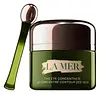
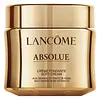
La Mer The Eye Concentrate Versus Lancôme Absolue Revitalizing & Brightening Soft Cream with Grand Rose Extracts
This anti-aging eye moisturizer is formulated around Acetyl Hexapeptide-8 and Caffeine to soften the look of wrinkles.
This anti-aging moisturizer is formulated around Capryloyl Salicylic Acid and Adenosine to soften the look of wrinkles.


What's inside
What's inside
 Key Ingredients
Benefits
Concerns
Ingredients Side-by-side
Algae Extract
EmollientWater
Skin ConditioningDimethicone
Emollient

Isododecane
EmollientGlycerin
Humectant

Hydrogenated Polyisobutene
EmollientTrisiloxane
Skin Conditioning
Caprylic/Capric/Myristic/Stearic Triglyceride
EmollientVinyl Dimethicone/Methicone Silsesquioxane Crosspolymer

Caprylic/Capric Triglyceride
Masking
Maris Sal
Skin ConditioningFaex Extract
Skin ConditioningHelichrysum Arenarium Extract
AntiseborrhoeicSesamum Indicum Seed Oil
Emollient


Medicago Sativa Seed Powder
Skin ConditioningHelianthus Annuus Seedcake
Abrasive
Prunus Amygdalus Dulcis Seed Meal
Abrasive
Eucalyptus Globulus Leaf Oil
Perfuming



Sodium Gluconate
Skin ConditioningCopper Gluconate
Skin Conditioning
Calcium Gluconate
HumectantMagnesium Gluconate
Skin ConditioningZinc Gluconate
Skin Conditioning


Tocopheryl Succinate
Antioxidant
Niacin
SmoothingSesamum Indicum Seed Powder
Skin ConditioningAsparagopsis Armata Extract
Skin ProtectingLaminaria Digitata Extract
Skin Protecting
Molasses Extract
Skin ConditioningPhytosphingosine
Skin Conditioning

Ecklonia Cava Extract
Skin ConditioningCorallina Officinalis Extract
Skin Conditioning
Sodium Hyaluronate
Humectant
Sigesbeckia Orientalis Extract
Skin ConditioningPolygonum Fagopyrum Seed Extract
Skin ConditioningBrassica Campestris Seed Oil
Skin Conditioning
Polyglyceryl-3 Diisostearate
Emulsifying


Glycyrrhiza Glabra Root Extract
Bleaching

Ascophyllum Nodosum Extract
Skin ConditioningCitrus Aurantifolia Peel Extract
Cleansing
Cucumis Sativus Fruit Extract
Emollient
Acetyl Hexapeptide-8
Humectant
Althaea Officinalis Root Extract
Skin Conditioning
Oryza Sativa Bran Extract
Skin Conditioning
Tocopheryl Acetate
Antioxidant
Saccharomyces Lysate Extract
Humectant
Macadamia Integrifolia Seed Oil
Skin Conditioning
Dipeptide-2
Skin Conditioning
Glyceryl Triacetyl Ricinoleate
Emollient
Palmitoyl Tetrapeptide-7
Skin Conditioning
Caffeine
Skin Conditioning
Tetraacetylphytosphingosine
Skin ConditioningWhey Protein
Skin ConditioningAcetyl Glucosamine
Skin Conditioning
Triethylhexanoin
MaskingSorbitol
Humectant
Hordeum Vulgare Extract
EmollientGlycine Soja Protein
EmulsifyingCholesterol
Emollient
Hydrolyzed Yeast Protein
Skin ConditioningIsononyl Isononanoate
EmollientPropylene Glycol Dicaprate
EmollientCetyl PEG/PPG-10/1 Dimethicone
Emulsifying
Caprylyl Glycol
Emollient
Sucrose
Humectant
Polysilicone-11
Dimethicone Crosspolymer
Emulsion Stabilising
Dimethicone Crosspolymer-3
Skin Conditioning
Silica
Abrasive
Nylon-12

Trimethylsiloxysilicate
Emollient
Steareth-20
CleansingCalcium Chloride
AstringentHesperidin Methyl Chalcone
Antioxidant
PEG/PPG-18/18 Dimethicone
Emulsifying
Alumina
Abrasive
Triethoxycaprylylsilane
Hydrogenated Vegetable Oil
Emollient
Alcohol Denat.
Antimicrobial

Propanediol
Solvent
Parfum
Masking
BHT
Antioxidant
Phenoxyethanol
Preservative
Potassium Sorbate
Preservative
Chlorhexidine Digluconate
Antimicrobial
Sodium Benzoate
Masking
Mica
Cosmetic ColorantCI 77891
Cosmetic ColorantAlgae Extract, Water, Dimethicone, Isododecane, Glycerin, Hydrogenated Polyisobutene, Trisiloxane, Caprylic/Capric/Myristic/Stearic Triglyceride, Vinyl Dimethicone/Methicone Silsesquioxane Crosspolymer, Caprylic/Capric Triglyceride, Maris Sal, Faex Extract, Helichrysum Arenarium Extract, Sesamum Indicum Seed Oil, Medicago Sativa Seed Powder, Helianthus Annuus Seedcake, Prunus Amygdalus Dulcis Seed Meal, Eucalyptus Globulus Leaf Oil, Sodium Gluconate, Copper Gluconate, Calcium Gluconate, Magnesium Gluconate, Zinc Gluconate, Tocopheryl Succinate, Niacin, Sesamum Indicum Seed Powder, Asparagopsis Armata Extract, Laminaria Digitata Extract, Molasses Extract, Phytosphingosine, Ecklonia Cava Extract, Corallina Officinalis Extract, Sodium Hyaluronate, Sigesbeckia Orientalis Extract, Polygonum Fagopyrum Seed Extract, Brassica Campestris Seed Oil, Polyglyceryl-3 Diisostearate, Glycyrrhiza Glabra Root Extract, Ascophyllum Nodosum Extract, Citrus Aurantifolia Peel Extract, Cucumis Sativus Fruit Extract, Acetyl Hexapeptide-8, Althaea Officinalis Root Extract, Oryza Sativa Bran Extract, Tocopheryl Acetate, Saccharomyces Lysate Extract, Macadamia Integrifolia Seed Oil, Dipeptide-2, Glyceryl Triacetyl Ricinoleate, Palmitoyl Tetrapeptide-7, Caffeine, Tetraacetylphytosphingosine, Whey Protein, Acetyl Glucosamine, Triethylhexanoin, Sorbitol, Hordeum Vulgare Extract, Glycine Soja Protein, Cholesterol, Hydrolyzed Yeast Protein, Isononyl Isononanoate, Propylene Glycol Dicaprate, Cetyl PEG/PPG-10/1 Dimethicone, Caprylyl Glycol, Sucrose, Polysilicone-11, Dimethicone Crosspolymer, Dimethicone Crosspolymer-3, Silica, Nylon-12, Trimethylsiloxysilicate, Steareth-20, Calcium Chloride, Hesperidin Methyl Chalcone, PEG/PPG-18/18 Dimethicone, Alumina, Triethoxycaprylylsilane, Hydrogenated Vegetable Oil, Alcohol Denat., Propanediol, Parfum, BHT, Phenoxyethanol, Potassium Sorbate, Chlorhexidine Digluconate, Sodium Benzoate, Mica, CI 77891
Water
Skin ConditioningOctocrylene
UV Absorber
Hydrogenated Polyisobutene
EmollientEthylhexyl Salicylate
UV Absorber
Alcohol Denat.
Antimicrobial
Dimethicone
Emollient
Glycerin
Humectant
Butyl Methoxydibenzoylmethane
UV Absorber
Bis-PEG-18 Methyl Ether Dimethyl Silane
EmollientOctyldodecanol
Emollient
Cetearyl Alcohol
Emollient
PEG-20
HumectantPetrolatum
Emollient
Butyrospermum Parkii Butter
Skin Conditioning
Cetyl Alcohol
Emollient
Hydroxypropyl Tetrahydropyrantriol
Skin ConditioningPhenoxyethanol
Preservative
Propylene Glycol
Humectant
Butylene Glycol
Humectant
Zea Mays Oil
Emulsifying
Prunus Armeniaca Kernel Oil
Masking
Tocopheryl Acetate
Antioxidant
Passiflora Edulis Seed Oil
Emollient
Oryza Sativa Bran Oil
Emollient
Cetearyl Glucoside
Emulsifying
Caprylyl Glycol
Emollient
Polyacrylamide
PEG-100 Stearate
Surfactant
Glyceryl Stearate
Emollient
Xanthan Gum
EmulsifyingCapryloyl Salicylic Acid
Exfoliating
Acrylates/C10-30 Alkyl Acrylate Crosspolymer
Emulsion StabilisingC13-14 Isoparaffin
Emollient
Disodium EDTA
Dimethiconol
Emollient
Pentylene Glycol
Skin Conditioning
Laureth-7
EmulsifyingPentaerythrityl Tetra-Di-T-Butyl Hydroxyhydrocinnamate
Antioxidant
Jasminum Officinale Extract
Masking
Sodium Hydroxide
BufferingOryza Sativa
Limonene
Perfuming
Adenosine
Skin Conditioning
Hydrolyzed Soy Protein
Humectant
Hydrolyzed Linseed Extract
Skin ConditioningLinalool
Perfuming
Malus Domestica Fruit Cell Culture Extract
Skin ConditioningCitronellol
Perfuming
Coumarin
Perfuming
CI 19140
Cosmetic Colorant2-Oleamido-1,3-Octadecanediol
Skin ConditioningCitral
Perfuming
CI 14700
Cosmetic ColorantParfum
Masking
Water, Octocrylene, Hydrogenated Polyisobutene, Ethylhexyl Salicylate, Alcohol Denat., Dimethicone, Glycerin, Butyl Methoxydibenzoylmethane, Bis-PEG-18 Methyl Ether Dimethyl Silane, Octyldodecanol, Cetearyl Alcohol, PEG-20, Petrolatum, Butyrospermum Parkii Butter, Cetyl Alcohol, Hydroxypropyl Tetrahydropyrantriol, Phenoxyethanol, Propylene Glycol, Butylene Glycol, Zea Mays Oil, Prunus Armeniaca Kernel Oil, Tocopheryl Acetate, Passiflora Edulis Seed Oil, Oryza Sativa Bran Oil, Cetearyl Glucoside, Caprylyl Glycol, Polyacrylamide, PEG-100 Stearate, Glyceryl Stearate, Xanthan Gum, Capryloyl Salicylic Acid, Acrylates/C10-30 Alkyl Acrylate Crosspolymer, C13-14 Isoparaffin, Disodium EDTA, Dimethiconol, Pentylene Glycol, Laureth-7, Pentaerythrityl Tetra-Di-T-Butyl Hydroxyhydrocinnamate, Jasminum Officinale Extract, Sodium Hydroxide, Oryza Sativa, Limonene, Adenosine, Hydrolyzed Soy Protein, Hydrolyzed Linseed Extract, Linalool, Malus Domestica Fruit Cell Culture Extract, Citronellol, Coumarin, CI 19140, 2-Oleamido-1,3-Octadecanediol, Citral, CI 14700, Parfum
Reviews
Ingredients Explained
These ingredients are found in both products.
Ingredients higher up in an ingredient list are typically present in a larger amount.
Alcohol Denat. is an alcohol with a denaturant property. It is created by mixing ethanol with other additives.
The "denat" part just means "denatured"; common denaturants include Denatonium Benzoate, t-butyl alcohol, and Diethyl Phthalate. This step makes the alcohol undrinkable (and lets brand skip taxes related to beverage alcohol).
This ingredient gets a bad rep because it is irritating and drying due to its astringent property. Astringents draw out natural oils in tissue to constrict pores and dry out your skin.
However, alcohol denat. is not all that bad.
Due to its low molecular weight, alcohol denat. tends to evaporate quickly. One study on pig skin found half of applied alcohol evaporated in 10 seconds and less than 3% stayed on skin.
This also helps other ingredients become better absorbed upon application.
Studies are conflicted about whether this ingredient causes skin dehydration. One study from 2005 found adding emollients to propanol-based sanitizer decreased skin dryness and irritation. Another study found irritation only occurs if your skin is already damaged.
Small amounts of alcohol are generally tolerated by oily skin or people who live in humid environments.
The rule of thumb is this ingredient will probably not affect your skin much if it is near the end of an ingredients list.
One thing to note:
People with ALDH2 (aldehyde dehydrogenase 2) deficiency may experience skin irritation from continued alcohol use. About 8% of the world's population have this deficiency.
The Cosmetic Ingredient Review Expert Panel has determined denatured alcohols to be safe for use in concentrations between 0.05% and 12% (depending on which denaturant is used).
Also...
This ingredient has antimicrobial and solvent properties.
The antimicrobial property helps preserve products and increase their shelf life. As a solvent, it helps dissolve other ingredients.
Look for formulas that contain glycerin, hyaluronic acid, or panthenol if you want to offset any drying effect.
This ingredient will trip away your skin's natural oils/lipids that help it lock in moisture. This can worsen dryness, trigger eczema flare-ups, and aggravate rosacea.
Be sure to patch test any product with this ingredient if you have dry or sensitive skin, eczema, or rosacea.
Learn more about Alcohol Denat.Caprylyl Glycol is a humectant, skin conditioner, emollient, and preservative booster derived from either caprylic acid or synthetically created.
Typical use levels vary from 0.3-1% as a preservative booster and go up to 2% to condition skin.
Because it is not a free-fatty acid, this ingredient is fungal acne safe (there's nothing for Malassezia to feed on).
Learn more about Caprylyl GlycolDimethicone is a type of synthetic silicone created from natural materials such as quartz. It is also known as polydimethylsiloxane.
What it does:
Dimethicone comes in different viscosities:
Depending on the viscosity, dimethicone has different properties.
Ingredients lists don't always show which type is used, so we recommend reaching out to the brand if you have questions about the viscosity.
This ingredient is unlikely to cause irritation because it does not get absorbed into skin. However, people with silicone allergies should be careful about using this ingredient.
Note: Dimethicone may contribute to pilling. This is because it is not oil or water soluble, so pilling may occur when layered with products. When mixed with heavy oils in a formula, the outcome is also quite greasy.
Learn more about DimethiconeGlycerin (or glycerol) is a compound naturally found in your skin. It's a powerhouse humectant that pulls water into the stratum corneum.
Topically, glycerin does several things at once:
Your skin makes glycerin on its own (mostly from sebaceous oil breakdown) and shuttles it to your outermost layer of skin, or your epidermis, via aquaporin-3.
Aquaporin-3 is a transporter that is essential for normal skin hydration, elasticity, and repair. Interestingly, mice lacking in AQP3 have dry and less elastic skin that can be fully corrected with glycerin.
This ingredient is non-irritating, plays well with almost every ingredient, and works across all skin types. Typical use is anywhere between 3-10% but can go up to 79% in some leave-on products.
Just know very high concentrations (>40%) can feel tacky in low humidity.
Glycerin is the name for this ingredient in American English. British English uses Glycerol/Glycerine.
Learn more about GlycerinHydrogenated Polyisobutene is a synthetic polymer. Polymers are compounds with high molecular weight. Hydrogenated Polyisobutene is an emollient and texture enhancer.
In one study, Hydrogenated Polyisobutene showed better skin hydration levels than Caprylic/Capric Triglyceride. As an emollient, it helps keep your skin soft and hydrated by trapping moisture in.
Hydrogenated Polyisobutene is often used as a mineral oil replacement.
Learn more about Hydrogenated PolyisobuteneParfum is a catch-all term for an ingredient or more that is used to give a scent to products.
Also called "fragrance", this ingredient can be a blend of hundreds of chemicals or plant oils. This means every product with "fragrance" or "parfum" in the ingredients list is a different mixture.
For instance, Habanolide is a proprietary trade name for a specific aroma chemical. When used as a fragrance ingredient in cosmetics, most aroma chemicals fall under the broad labeling category of “FRAGRANCE” or “PARFUM” according to EU and US regulations.
The term 'parfum' or 'fragrance' is not regulated in many countries. In many cases, it is up to the brand to define this term.
For instance, many brands choose to label themselves as "fragrance-free" because they are not using synthetic fragrances. However, their products may still contain ingredients such as essential oils that are considered a fragrance by INCI standards.
One example is Calendula flower extract. Calendula is an essential oil that still imparts a scent or 'fragrance'.
Depending on the blend, the ingredients in the mixture can cause allergies and sensitivities on the skin. Some ingredients that are known EU allergens include linalool and citronellol.
Parfum can also be used to mask or cover an unpleasant scent.
The bottom line is: not all fragrances/parfum/ingredients are created equally. If you are worried about fragrances, we recommend taking a closer look at an ingredient. And of course, we always recommend speaking with a professional.
Learn more about ParfumPhenoxyethanol is one of the most widely used preservatives in skincare (and for good reason!).
It has a large spectrum of antimicrobial activity and especially effective bacteria, yeast, and mold while only having a weak effect on your skin's natural microbiome.
On a cellular level, it disrupts the cell membranes of microbes by poking holes that make the cell leak. This shuts down the chemical reactions the microbe needs to make energy so it can no longer survive.
Another perk of this ingredient is that it stays functional across a wide pH range (3-10).
You'll often see it paired with boosters like Ethylhexylglycerin; one study showed that a 1:9 ratio of Ethylhexylglycerin to Phenoxyethanol damages bacterial membranes as effectively as doubling the Phenoxyethanol concentration on its own.
Typical use concentrations range from 0.3-1% depending on the formula, and this ingredient is capped at 1% int the EU.
Safety-wise, the fear mongering does not hold up to the evidence. The EU's Scientific Committee on Consumer Safety and FDA consider it safe as a preservative at up to 1%, including for children of all ages.
Adverse systemic effects only showed up in animal studies at exposures roughly 200x higher than what people get from cosmetics. And despite its very widespread use, this ingredient is a rare sensitizer and allergic reactions are uncommon.
Learn more about PhenoxyethanolTocopheryl Acetate is a stable, shelf-friendly form of vitamin E.
Formulators love it because plain vitamin E oxidizes quickly once it hits air. This acetate version stays stable and resists going off, helping to extend a product's shelf life.
It's actually inactive on its own and works like a slow-release "storage" form; the enzymes in your skin called esterases gradually convert it into active vitamin E over time.
One in vivo study showed 5% of the acetate in the living layer of the epidermis converted to vitamin E after 5 days of application. This study also found the skin gained protection against UV damage even though the conversion was slow and small.
Once converted, vitamin E acts as a skin's main fat-soluble antioxidant that fights free radicals to protect skin from damage.
Topical vitamin E generally boosts the skin's photoprotection, and it reduced UV-damage in animal models.
This ingredient has some brightening potential but it's more of a prevention ingredient than spot-fader. Cell studies show it can slow down melanin production but it's worth noting that it's not the most powerful brightener out there.
Overall, it has a pretty solid safety profile and has been found to be non-irritating and non-comedogenic. Allergic reactions may happen but stay rare due to how widely the ingredient gets used.
The concentration will vary depending on the formula; industry data shows 0.1% in baby lotions, 3% in lipsticks, and 5% in foot powders. You can also find this ingredient at 100% in a pure vitamin E oil.
Most leave-on skincare keeps it at the lower end, often between 0.5-1%.
Learn more about Tocopheryl AcetateWater. It's the most common cosmetic ingredient of all. You'll usually see it at the top of ingredient lists, meaning that it makes up the largest part of the product.
So why is it so popular? Water most often acts as a solvent - this means that it helps dissolve other ingredients into the formulation.
You'll also recognize water as that liquid we all need to stay alive. If you see this, drink a glass of water. Remember to stay hydrated!
Learn more about Water

