This anti-aging moisturizer is formulated around Niacinamide and Madecassoside to soften the look of wrinkles and strengthen the skin barrier.
This anti-aging moisturizer is formulated around Niacinamide and Adenosine to soften the look of wrinkles and strengthen the skin barrier.

What's inside
What's inside
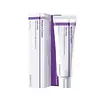 Key Ingredients
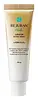
Benefits
Concerns
Ingredients Side-by-side
Lactobacillus/Centella Asiatica Extract Ferment Filtrate
Skin ConditioningDipropylene Glycol
HumectantGlycerin
Humectant


Caprylic/Capric Triglyceride
Masking
Pentylene Glycol
Skin Conditioning
Hydrogenated Polydecene
EmollientGlyceryl Stearate Se
Emulsifying




Cyclopentasiloxane
Emollient
Niacinamide
Smoothing









1,2-Butanediol
HumectantPolyglyceryl-6 Distearate
Emulsifying
Cetyl Alcohol
Emollient
Dicaprylyl Ether
Emollient
Polyglycerin-3
Humectant
Panthenol
Skin Conditioning
Squalane
Emollient
Centella Asiatica Callus Extract
Antimicrobial
Centella Asiatica Leaf Extract
Skin Conditioning
Centella Asiatica Extract
Cleansing
Centella Asiatica Oil
Antimicrobial
Sodium DNA
Skin Conditioning
Calcium Carbonate
Abrasive
Madecassoside
Antioxidant
Retinol
Skin Conditioning

Cetearyl Alcohol
Emollient
Collagen
Moisturising
Elastin
Skin ConditioningHydrolyzed Collagen
Emollient
Hydrolyzed Hyaluronic Acid
Humectant
Ectoin
Skin Conditioning
Sucrose Stearate
EmollientCeramide NP
Skin Conditioning
Xylitol
Humectant
Xylitylglucoside
Humectant
Helianthus Annuus Seed Oil
Emollient
Butylene Glycol
Humectant
Beeswax
Emulsion Stabilising
Jojoba Esters
Emollient
Asiaticoside
Antioxidant
Madecassic Acid
Skin Conditioning
Polyglyceryl-10 Laurate
Skin Conditioning
Hydroxyethyl Acrylate/Sodium Acryloyldimethyl Taurate Copolymer
Emulsion StabilisingPolyglyceryl-2 Stearate
Emulsifying
Asiatic Acid
Skin Conditioning
Polyglyceryl-3 Beeswax
Emulsifying
Glyceryl Stearate
Emollient
Hydroxyethyl Dimethicone
Stearyl Alcohol
Emollient
Dimethicone
Emollient
Dimethicone/Vinyl Dimethicone Crosspolymer
Skin Conditioning
Hydroxyacetophenone
Antioxidant
Sodium Stearoyl Glutamate
CleansingPhytosphingosine
Skin Conditioning
Phospholipids
Skin Conditioning
Adenosine
Skin Conditioning
Disodium EDTA
ChelatingCitrus Reticulata Peel Oil
Masking

Sorbitan Isostearate
Emulsifying
Ethylhexylglycerin
Skin ConditioningLavandula Angustifolia Oil
Masking
Olea Europaea Fruit Oil
Masking
Diisopropyl Adipate
EmollientMoringa Oleifera Seed Extract
Skin Conditioning
Propanediol
Solvent
Hydrogenated Lecithin
Emulsifying
C12-13 Pareth-9
EmulsifyingPolyglyceryl-10 Stearate
Skin Conditioning
Sodium Hyaluronate
Humectant
Salix Alba Bark Extract
Astringent
Jasminum Officinale Flower Extract
Masking
Solanum Melongena Fruit Extract
Skin ConditioningGlycogen
HumectantCitrus Grandis Peel Oil
Masking
Juniperus Mexicana Oil
Masking
Ethoxydiglycol
HumectantCandida Bombicola/Glucose/Methyl Rapeseedate Ferment
AntimicrobialButyrospermum Parkii Butter
Skin Conditioning
Octyldodecanol
Emollient
Phytosterols
Skin Conditioning
Glycolipids
Skin ConditioningPelargonium Graveolens Flower Oil
Masking
Citrus Aurantium Dulcis Peel Oil
Masking
Xanthan Gum
EmulsifyingHydroxypropyl Cyclodextrin
MaskingGlycine
Buffering
Glutamic Acid
Humectant
Arginine
Masking
3-O-Ethyl Ascorbic Acid
Skin Conditioning
Alanine
Masking
Isoleucine
Skin ConditioningProline
Skin Conditioning
Phenylalanine
Masking
Leucine
Skin ConditioningAspartic Acid
Masking
Methionine
Skin ConditioningSerine
Masking
Valine
MaskingTaurine
BufferingOrnithine
Skin ConditioningHistidine
Humectant
Camellia Sinensis Leaf Extract
Antimicrobial
Water
Skin ConditioningKaempferol
Antioxidant
Cocos Nucifera Oil
Masking
Macadamia Integrifolia Seed Oil
Skin Conditioning
Pueraria Lobata Root Extract
HumectantNaringin
Skin ProtectingAroma

Vigna Radiata Seed Extract
Skin ConditioningCitral
Perfuming
Geraniol
Perfuming
Linalool
Perfuming
Citronellol
Perfuming
Limonene
Perfuming
Lactobacillus/Centella Asiatica Extract Ferment Filtrate, Dipropylene Glycol, Glycerin, Caprylic/Capric Triglyceride, Pentylene Glycol, Hydrogenated Polydecene, Glyceryl Stearate Se, Cyclopentasiloxane, Niacinamide, 1,2-Butanediol, Polyglyceryl-6 Distearate, Cetyl Alcohol, Dicaprylyl Ether, Polyglycerin-3, Panthenol, Squalane, Centella Asiatica Callus Extract, Centella Asiatica Leaf Extract, Centella Asiatica Extract, Centella Asiatica Oil, Sodium DNA, Calcium Carbonate, Madecassoside, Retinol, Cetearyl Alcohol, Collagen, Elastin, Hydrolyzed Collagen, Hydrolyzed Hyaluronic Acid, Ectoin, Sucrose Stearate, Ceramide NP, Xylitol, Xylitylglucoside, Helianthus Annuus Seed Oil, Butylene Glycol, Beeswax, Jojoba Esters, Asiaticoside, Madecassic Acid, Polyglyceryl-10 Laurate, Hydroxyethyl Acrylate/Sodium Acryloyldimethyl Taurate Copolymer, Polyglyceryl-2 Stearate, Asiatic Acid, Polyglyceryl-3 Beeswax, Glyceryl Stearate, Hydroxyethyl Dimethicone, Stearyl Alcohol, Dimethicone, Dimethicone/Vinyl Dimethicone Crosspolymer, Hydroxyacetophenone, Sodium Stearoyl Glutamate, Phytosphingosine, Phospholipids, Adenosine, Disodium EDTA, Citrus Reticulata Peel Oil, Sorbitan Isostearate, Ethylhexylglycerin, Lavandula Angustifolia Oil, Olea Europaea Fruit Oil, Diisopropyl Adipate, Moringa Oleifera Seed Extract, Propanediol, Hydrogenated Lecithin, C12-13 Pareth-9, Polyglyceryl-10 Stearate, Sodium Hyaluronate, Salix Alba Bark Extract, Jasminum Officinale Flower Extract, Solanum Melongena Fruit Extract, Glycogen, Citrus Grandis Peel Oil, Juniperus Mexicana Oil, Ethoxydiglycol, Candida Bombicola/Glucose/Methyl Rapeseedate Ferment, Butyrospermum Parkii Butter, Octyldodecanol, Phytosterols, Glycolipids, Pelargonium Graveolens Flower Oil, Citrus Aurantium Dulcis Peel Oil, Xanthan Gum, Hydroxypropyl Cyclodextrin, Glycine, Glutamic Acid, Arginine, 3-O-Ethyl Ascorbic Acid, Alanine, Isoleucine, Proline, Phenylalanine, Leucine, Aspartic Acid, Methionine, Serine, Valine, Taurine, Ornithine, Histidine, Camellia Sinensis Leaf Extract, Water, Kaempferol, Cocos Nucifera Oil, Macadamia Integrifolia Seed Oil, Pueraria Lobata Root Extract, Naringin, Aroma, Vigna Radiata Seed Extract, Citral, Geraniol, Linalool, Citronellol, Limonene
Water
Skin ConditioningGlycerin
Humectant
Butylene Glycol
Humectant
Methyl Hydrogenated Rosinate
Perfuming
Dipropylene Glycol
HumectantDistarch Phosphate
AbsorbentDicaprylyl Carbonate
EmollientCetearyl Alcohol
Emollient
Niacinamide
Smoothing
Pentylene Glycol
Skin Conditioning
Polyglyceryl-3 Methylglucose Distearate
Emulsifying
Hexanediol
SolventChlorella Vulgaris Extract
Skin ConditioningOryza Sativa Extract
Absorbent
Caesalpinia Spinosa Fruit Extract
Skin ProtectingAlthaea Rosea Flower Extract
Skin ConditioningGlycine Soja Extract
Skin ConditioningPrunus Amygdalus Dulcis Seed Extract
Skin ConditioningSodium Hyaluronate
Humectant
Bis-Diglyceryl Polyacyladipate-2
Emollient
Octyldodecanol
Emollient
Hydroxyethyl Acrylate/Sodium Acryloyldimethyl Taurate Copolymer
Emulsion StabilisingC12-15 Alkyl Benzoate
AntimicrobialHydroxyacetophenone
Antioxidant
Glucose
Humectant
Hydrolyzed DNA
Skin ConditioningAcrylates/C10-30 Alkyl Acrylate Crosspolymer
Emulsion StabilisingTromethamine
BufferingFructooligosaccharides
Humectant
Fructose
Humectant
Panthenol
Skin Conditioning
Cetearyl Glucoside
Emulsifying
Adenosine
Skin Conditioning
Sodium Phytate
ChelatingTocopherol
Antioxidant
Ethylhexylglycerin
Skin ConditioningTrehalose
Humectant
Urea
Buffering
Glyceryl Polyacrylate
Serine
Masking
Caprylyl Glycol
Emollient
Algin
MaskingPullulan
Disodium Phosphate
BufferingPotassium Phosphate
BufferingWater, Glycerin, Butylene Glycol, Methyl Hydrogenated Rosinate, Dipropylene Glycol, Distarch Phosphate, Dicaprylyl Carbonate, Cetearyl Alcohol, Niacinamide, Pentylene Glycol, Polyglyceryl-3 Methylglucose Distearate, Hexanediol, Chlorella Vulgaris Extract, Oryza Sativa Extract, Caesalpinia Spinosa Fruit Extract, Althaea Rosea Flower Extract, Glycine Soja Extract, Prunus Amygdalus Dulcis Seed Extract, Sodium Hyaluronate, Bis-Diglyceryl Polyacyladipate-2, Octyldodecanol, Hydroxyethyl Acrylate/Sodium Acryloyldimethyl Taurate Copolymer, C12-15 Alkyl Benzoate, Hydroxyacetophenone, Glucose, Hydrolyzed DNA, Acrylates/C10-30 Alkyl Acrylate Crosspolymer, Tromethamine, Fructooligosaccharides, Fructose, Panthenol, Cetearyl Glucoside, Adenosine, Sodium Phytate, Tocopherol, Ethylhexylglycerin, Trehalose, Urea, Glyceryl Polyacrylate, Serine, Caprylyl Glycol, Algin, Pullulan, Disodium Phosphate, Potassium Phosphate
Ingredients Explained
These ingredients are found in both products.
Ingredients higher up in an ingredient list are typically present in a larger amount.
Adenosine is a purine nucleoside that your body already makes in every cell. In skincare, it acts mainly as a skin conditioning and anti-aging agent.
The way it works is fairly well mapped out:
Your skin has cells called fibroblasts that build collagen (the stuff that keeps skin firm and smooth). Adenosine basically flips a switch on these cells that tells them to get to work making more collagen and other proteins. These cells slow down on their own as skin ages, so Adenosine helps give them a little nudge to keep going.
The clinical backing is pretty solid too.
A blind, randomized, placebo-controlled trial of 126 women aged 45-65 tested a 0.1% cream twice daily and found real improvements in crow's feet and frown lines using a precise 3D skin-mapping technique; these changes showed up by week 3 and held at 2 months.
A later study using Adenosine-loaded dissolving microneedle patches reported gains in wrinkle depth, dermal density, elasticity, and hydration.
On concentrations, South Korea's Ministry of Food and Drug Safety has set 0.04% as the approved functional anti-wrinkle level. You'll typically see this ingredient used somewhere in the 0.04-0.1% range since it works at low doses.
This ingredient has been found safe for cosmetics with the data showing no irritation or sensitization.
Overall, this is a great ingredient for any anti-aging routine and has no photosensitizing effect, so it suits both AM and PM use.
Learn more about AdenosineButylene Glycol (or BG) is used within cosmetic products for a few different reasons:
Overall, Butylene Glycol is a safe and well-rounded ingredient that works well with other ingredients.
Though this ingredient works well with most skin types, some people with sensitive skin may experience a reaction such as allergic rashes, closed comedones, or itchiness.
Learn more about Butylene GlycolCetearyl alcohol is a waxy mixture of two fatty alcohols: cetyl alcohol and stearyl alcohol. It is an emollient and emulsifier.
Despite having "alcohol" in its name, it has nothing to do with drying solvent alcohols; the FDA also allows "alcohol-free" products to contain fatty alcohols like this ingredient.
It plays several roles in a formula:
Typical use levels for this ingredient sit around 1-10% and the Cosmetic Ingredient Review Expert Panel has affirmed safety at concentrations up to 25% in leave-on products.
Multiple assessments have found it to be non-irritating and non-sensitizing to most people.
However, there have been some cases of allergic contact dermatitis in patients with chronically compromised skin barriers.
Cetearyl alcohol has a comedogenic rating of 2 and irritancy rating of 1. Both of these numbers come from the 1989 study that used rabbit ears; a "2" means mildly comedogenic and a "1" means low irritancy.
Here's the catch: rabbit skin is more sensitive than human skin and throws a lot of false positives. A 1996 reappraisal found that ingredients rated 1-2 in the rabbit ear tests are generally safe for humans.
Remember comedogenic ratings are unable to assess the entire formula of a product or how it will react on your skin. Just be sure to patch test if you are unsure about certain ingredients.
This ingredient is not fungal acne safe. Cetearyl alcohol is a fatty alcohol with chain lengths that fall within the range that Malassezia can metabolize.
A 2019 study has also observed Malassezia growth in the presence of this ingredient, confirming it to be not-fungal acne safe.
Learn more about Cetearyl AlcoholDipropylene Glycol is a synthetically created humectant, stabilizer, and solvent.
This ingredient helps:
Dipropylene glycol is technically an alcohol, but it belongs to the glycol family (often considered part of the ‘good’ alcohols). This means it is hydrating and gentle on skin unlike drying solvent alcohols like denatured alcohol.
As a masking agent, Dipropylene Glycol can be used to cover the smell of other ingredients. However, it does not have a scent.
Studies show Dipropylene Glycol is considered safe to use in skincare.
Learn more about Dipropylene GlycolEthylhexylglycerin is created from glycerin. It is a multitasker ingredient that:
The CIR Expert Panel found minimal skin absorption or sensitization of any kind in a safety assessment. Though this ingredient is considered well-tolerated, a small number of cases of allergic dermatitis have been published since 2002. Just be sure to patch test if you are unsure.
Industry-reported use ranges from 8% in rinse-off products and 2% in leave-on formulations.
Learn more about EthylhexylglycerinGlycerin (or glycerol) is a compound naturally found in your skin. It's a powerhouse humectant that pulls water into the stratum corneum.
Topically, glycerin does several things at once:
Your skin makes glycerin on its own (mostly from sebaceous oil breakdown) and shuttles it to your outermost layer of skin, or your epidermis, via aquaporin-3.
Aquaporin-3 is a transporter that is essential for normal skin hydration, elasticity, and repair. Interestingly, mice lacking in AQP3 have dry and less elastic skin that can be fully corrected with glycerin.
This ingredient is non-irritating, plays well with almost every ingredient, and works across all skin types. Typical use is anywhere between 3-10% but can go up to 79% in some leave-on products.
Just know very high concentrations (>40%) can feel tacky in low humidity.
Glycerin is the name for this ingredient in American English. British English uses Glycerol/Glycerine.
Learn more about GlycerinHydroxyacetophenone is a small phenolic molecule that earns its place in a formulas as an antioxidant and preservative booster.
As a phenol, it is able to neutralize free radicals to protect both the product and the skin from oxidative stress.
Though it can't kill microbes on its own, it works as a good supporting agent when combined with other preservatives like Phenoxyethanol or 1,2-Hexanediol.
This ingredient naturally occurs as piceol in Norwegian spruce needles (~0.4-1.1% dry weight and in cloudberries). Though the cosmetic-grade material is synthesized for purity and consistency.
You'll usually see it used at low levels and suppliers recommend up to 1% added to a water phase.
Safety testing was done at concentrations like 0.05% in SPF products and 0.5% in a Human Repeated Insult Patch Test. The safety evidence is assuring; this ingredient is safe for cosmetics in current use and also holds safety status as a food flavoring as well.
An honest caveat: the "soothing" and "anti-inflammatory" claims come mostly from supplier marketing rather than published clinical trials. The Cosmetic Ingredient Review's own literature search found no useful efficacy studies on this ingredient.
So the antioxidant and preservative-boosting roles are the well supported ones while the calming benefit is plausible but thinly evidenced.
Overall, this is a well-tolerated, low-irritation multitasker that quietly helps a formula stay fresh and stable.
Learn more about HydroxyacetophenoneThis is a synthetic polymer. It helps improve the texture of products by adding thickness and gel-like feel.
It is also an emulsifer, meaning it prevents ingredients such as oil and water from separating. It also helps evenly disperse other ingredients.
Niacinamide is a multitasking form of vitamin B3 that strengthens the skin barrier, reduces pores and dark spots, regulates oil, and improves signs of aging.
And the best part? It's gentle and well-tolerated by most skin types, including sensitive and reactive skin.
You might have heard of "niacin flush", or the reddening of skin that causes itchiness. Niacinamide has not been found to cause this.
In very rare cases, some individuals may not be able to tolerate niacinamide at all or experience an allergic reaction to it.
If you are experiencing flaking, irritation, and dryness with this ingredient, be sure to double check all your products as this ingredient can be found in all categories of skincare.
When incorporating niacinamide into your routine, look out for concentration amounts. Typically, 5% niacinamide provides benefits such as fading dark spots. However, if you have sensitive skin, it is better to begin with a smaller concentration.
When you apply niacinamide to your skin, your body converts it into nicotinamide adenine dinucleotide (NAD). NAD is an essential coenzyme that is already found in your cells as "fuel" and powers countless biological processes.
In your skin, NAD helps repair cell damage, produce new healthy cells, support collagen production, strengthen the skin barrier, and fight environmental stressors (like UV and pollution).
Our natural NAD levels start to decline with age, leading to slower skin repair, visible aging, and a weaker skin barrier. By providing your skin niacinamide, you're recharging your skin's NAD levels. This leads to stronger, healthier, and younger looking skin.
Another name for vitamin B3 is nicotinamide. This vitamin is water-soluble and our bodies don't store it. We obtain Vitamin B3 from either food or skincare. Meat, fish, wheat, yeast, and leafy greens contain vitamin B3.
The type of niacinamide used in skincare is synthetically created.
Learn more about NiacinamideOctyldodecanol is a fatty alcohol sourced from plant oils like coconut or palm (or made synthetically).
It is:
You'll likely see this in many BHA products because this is the go-to solvent for salicylic acid.
This ingredient is typically used at levels between 2-20%.
Regarding fungal acne:
In 2019, this ingredient was tested against multiple Malassezia species (the yeast that causes fungal acne) and showed no growth.
Panthenol is a common ingredient that helps hydrate and soothe the skin. It is found naturally in our skin and hair.
There are two forms of panthenol: D and L.
D-panthenol is also known as dexpanthenol. Most cosmetics use dexpanthenol or a mixture of D and L-panthenol.
Panthenol is famous due to its ability to go deeper into the skin's layers. Using this ingredient has numerous pros (and no cons):
Like hyaluronic acid, panthenol is a humectant. Humectants are able to bind and hold large amounts of water to keep skin hydrated.
This ingredient works well for wound healing. It works by increasing tissue in the wound and helps close open wounds.
Once oxidized, panthenol converts to pantothenic acid. Panthothenic acid is found in all living cells.
This ingredient is also referred to as pro-vitamin B5.
Learn more about PanthenolPentylene Glycol (1,2-pentanediol) is a multitasking little diol with three main roles in a formula:
Research on alkanediols (the family pentylene glycol belongs to) show they work by disrupting microbial cell membranes. This disruption helps the primary preservative system in a product work more effectively at lower doses.
On the safety side, the Cosmetic Ingredient Review Expert Panel has concluded this ingredient to be safe as used in current cosmetic practices + concentrations.
Typical use levels in a formula run about 1-5%.
Learn more about Pentylene GlycolSerine is a non-essential amino acid (your body makes it on its own!). It is a major player in your skin's natural moisturizing factor (NMF), or the water-loving molecules in your outermost layer of skin (stratum corneum) that keeps everything hydrated and happy.
Serine is one of your NMF's most abundant components that works as a skin-identical humectant. Its hydroxyl group grabs onto water molecules to boost hydration without any heaviness or occlusion.
Research on a hydrogel with serine confirmed this serine got delivered to your stratum corneum and demonstrated enhanced skin moisturization.
Interestingly serine also helps your skin produce filaggrin, a protein that keeps your skin barrier strong and used to create collagen.
Learn more about SerineSodium Hyaluronate is the salt form of hyaluronic acid. It is a long sugar chain that is naturally found in your skin, joints, and connective tissue that maintains hydration and elasticity.
In skincare, it works as a humectant. It pulls water from the environment and deeper layers of skin and binds it to the surface.
Interestingly, the size of the molecule affects its behavior:
Some clinical evidence links low molecular weight versions to improved wrinkle depth, elasticity, anti-inflammatory effects, and barrier repair.
Many serums use a blend of both weights so you can get surface hydration plus longer-lasting and deeper effects.
You'll typically see concentrations between 0.1-2% for this ingredient.
Learn more about Sodium HyaluronateWater. It's the most common cosmetic ingredient of all. You'll usually see it at the top of ingredient lists, meaning that it makes up the largest part of the product.
So why is it so popular? Water most often acts as a solvent - this means that it helps dissolve other ingredients into the formulation.
You'll also recognize water as that liquid we all need to stay alive. If you see this, drink a glass of water. Remember to stay hydrated!
Learn more about Water


