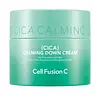
This calming moisturizer is formulated around Centella Asiatica Extract and Ceramide NP to calm redness and strengthen the skin barrier.


What's inside
What's inside
 Key Ingredients
Benefits
Concerns
Ingredients Side-by-side
Water
Skin ConditioningGlycerin
Humectant


Methylpropanediol
SolventMethyl Trimethicone
Skin Conditioning
1,2-Hexanediol
Skin Conditioning
Isodecyl Neopentanoate
EmollientHydrogenated Polyisobutene
EmollientAmmonium Acryloyldimethyltaurate/Vp Copolymer
Trehalose
Humectant
Melia Azadirachta Flower Extract
Skin ConditioningMelia Azadirachta Leaf Extract
Skin ConditioningOcimum Sanctum Leaf Extract
Skin ConditioningCurcuma Longa Root Extract
Antioxidant

Coccinia Indica Fruit Extract
Skin Conditioning

Theobroma Cacao Seed Extract
Antioxidant
Corallina Officinalis Extract
Skin Conditioning

Solanum Melongena Fruit Extract
Skin ConditioningAloe Barbadensis Flower Extract
EmollientCentella Asiatica Extract
Cleansing
Centella Asiatica Flower/Leaf/Stem Extract
Skin Conditioning
Centella Asiatica Root Extract
Skin Conditioning
Centella Asiatica Leaf Extract
Skin Conditioning
Albatrellus Confluens Extract
Humectant
Chamomilla Recutita Extract
Skin Conditioning
Chrysanthemum Parthenium Extract
Skin ConditioningPinus Pinaster Bark Extract
Antioxidant
Simmondsia Chinensis Seed Oil
Emollient


Sodium Hyaluronate
Humectant
Hydrogenated Lecithin
Emulsifying
Titanium Dioxide
Cosmetic Colorant

Cetearyl Olivate
Dimethiconol
Emollient
Sorbitan Olivate
Emulsifying
Polyglyceryl-10 Laurate
Skin Conditioning
Arachidyl Alcohol
Emollient
Hydroxyacetophenone
Antioxidant
Behenyl Alcohol
Emollient
Allantoin
Skin Conditioning
Ethylhexylglycerin
Skin ConditioningPolyglyceryl-2 Caprate
EmulsifyingButylene Glycol
Humectant
Arachidyl Glucoside
EmulsifyingSucrose Stearate
EmollientDisodium EDTA
ChelatingStearic Acid
Cleansing
Alumina
Abrasive
Dextrin
AbsorbentGlyceryl Caprylate
EmollientMethyl Diisopropyl Propionamide
MaskingAluminum Sucrose Octasulfate
Skin ConditioningSaccharomyces Ferment Filtrate
Humectant
Squalane
Emollient
Saccharomyces Ferment
Skin Conditioning
Maltodextrin
Absorbent
Saccharide Hydrolysate
HumectantCeramide NP
Skin Conditioning
Asiaticoside
Antioxidant
Madecassoside
Antioxidant
Cholesterol
Emollient
Cholesteryl Macadamiate
EmollientPalmitic Acid
Emollient
Saccharide Isomerate
Humectant
Hydrolyzed Lupine Protein
Skin ConditioningGuaiazulene
Antimicrobial
Glycine
Buffering
Glutamic Acid
Humectant
Madecassic Acid
Skin Conditioning
Asiatic Acid
Skin Conditioning
Arginine
Masking
Parfum
Masking
Water, Glycerin, Methylpropanediol, Methyl Trimethicone, 1,2-Hexanediol, Isodecyl Neopentanoate, Hydrogenated Polyisobutene, Ammonium Acryloyldimethyltaurate/Vp Copolymer, Trehalose, Melia Azadirachta Flower Extract, Melia Azadirachta Leaf Extract, Ocimum Sanctum Leaf Extract, Curcuma Longa Root Extract, Coccinia Indica Fruit Extract, Theobroma Cacao Seed Extract, Corallina Officinalis Extract, Solanum Melongena Fruit Extract, Aloe Barbadensis Flower Extract, Centella Asiatica Extract, Centella Asiatica Flower/Leaf/Stem Extract, Centella Asiatica Root Extract, Centella Asiatica Leaf Extract, Albatrellus Confluens Extract, Chamomilla Recutita Extract, Chrysanthemum Parthenium Extract, Pinus Pinaster Bark Extract, Simmondsia Chinensis Seed Oil, Sodium Hyaluronate, Hydrogenated Lecithin, Titanium Dioxide, Cetearyl Olivate, Dimethiconol, Sorbitan Olivate, Polyglyceryl-10 Laurate, Arachidyl Alcohol, Hydroxyacetophenone, Behenyl Alcohol, Allantoin, Ethylhexylglycerin, Polyglyceryl-2 Caprate, Butylene Glycol, Arachidyl Glucoside, Sucrose Stearate, Disodium EDTA, Stearic Acid, Alumina, Dextrin, Glyceryl Caprylate, Methyl Diisopropyl Propionamide, Aluminum Sucrose Octasulfate, Saccharomyces Ferment Filtrate, Squalane, Saccharomyces Ferment, Maltodextrin, Saccharide Hydrolysate, Ceramide NP, Asiaticoside, Madecassoside, Cholesterol, Cholesteryl Macadamiate, Palmitic Acid, Saccharide Isomerate, Hydrolyzed Lupine Protein, Guaiazulene, Glycine, Glutamic Acid, Madecassic Acid, Asiatic Acid, Arginine, Parfum
Water
Skin ConditioningGlycerin
Humectant
Butyrospermum Parkii Butter
Skin Conditioning
Olus Oil
Emollient
Bis-Diglyceryl Polyacyladipate-2
Emollient
Dimethicone
Emollient
Phenyl Trimethicone
Skin Conditioning
Glyceryl Stearate
Emollient
Caprylic/Capric Triglyceride
Masking
PEG-100 Stearate
Surfactant
Squalane
Emollient
Cocos Nucifera Oil
Masking
Tetrahexyldecyl Ascorbate
Antioxidant


Ceramide NP
Skin Conditioning
Ceramide AP
Skin Conditioning
Ceramide As
Skin Conditioning
Ceramide Ns
Skin Conditioning
Ceramide EOP
Skin Conditioning
Astrocaryum Murumuru Seed Butter
Emollient
Ficus Carica Fruit Extract
Humectant
Astrocaryum Vulgare Kernel Oil
Skin Conditioning
Beta Vulgaris Root Extract
Skin ConditioningCurcuma Longa Root Extract
Antioxidant
Lactobacillus Ferment
Skin Conditioning
Lactococcus Ferment Lysate
Skin Conditioning
Lactobacillus
Skin ConditioningInulin
Skin Conditioning
Alpha-Glucan Oligosaccharide
Cleansing
Bisabolol
Antioxidant
Sodium Hyaluronate
Humectant
Polymnia Sonchifolia Root Juice
Skin ConditioningHydrogenated Vegetable Oil
Emollient
Cetyl Alcohol
Emollient
Cetearyl Alcohol
Emollient
Carbomer
Emulsion StabilisingStearyl Alcohol
Emollient
Euphorbia Cerifera Cera
Astringent
Cetearyl Glucoside
Emulsifying
Trisodium Ethylenediamine Disuccinate
ChelatingLactic Acid
Buffering


Hydrogenated Lecithin
Emulsifying
Maltodextrin
Absorbent
Cholesterol
Emollient
2,3-Butanediol
HumectantGlucose
Humectant
Ethylhexylglycerin
Skin ConditioningTocopherol
Antioxidant
Sodium Chloride
MaskingXanthan Gum
EmulsifyingCitric Acid
Buffering
Butylene Glycol
Humectant
Sodium Hydroxide
Buffering1,2-Hexanediol
Skin Conditioning
Sodium Benzoate
Masking
Potassium Sorbate
Preservative
Phenoxyethanol
Preservative
Water, Glycerin, Butyrospermum Parkii Butter, Olus Oil, Bis-Diglyceryl Polyacyladipate-2, Dimethicone, Phenyl Trimethicone, Glyceryl Stearate, Caprylic/Capric Triglyceride, PEG-100 Stearate, Squalane, Cocos Nucifera Oil, Tetrahexyldecyl Ascorbate, Ceramide NP, Ceramide AP, Ceramide As, Ceramide Ns, Ceramide EOP, Astrocaryum Murumuru Seed Butter, Ficus Carica Fruit Extract, Astrocaryum Vulgare Kernel Oil, Beta Vulgaris Root Extract, Curcuma Longa Root Extract, Lactobacillus Ferment, Lactococcus Ferment Lysate, Lactobacillus, Inulin, Alpha-Glucan Oligosaccharide, Bisabolol, Sodium Hyaluronate, Polymnia Sonchifolia Root Juice, Hydrogenated Vegetable Oil, Cetyl Alcohol, Cetearyl Alcohol, Carbomer, Stearyl Alcohol, Euphorbia Cerifera Cera, Cetearyl Glucoside, Trisodium Ethylenediamine Disuccinate, Lactic Acid, Hydrogenated Lecithin, Maltodextrin, Cholesterol, 2,3-Butanediol, Glucose, Ethylhexylglycerin, Tocopherol, Sodium Chloride, Xanthan Gum, Citric Acid, Butylene Glycol, Sodium Hydroxide, 1,2-Hexanediol, Sodium Benzoate, Potassium Sorbate, Phenoxyethanol
Ingredients Explained
These ingredients are found in both products.
Ingredients higher up in an ingredient list are typically present in a larger amount.
1,2-Hexanediol is a synthetic liquid and another multi-functional powerhouse.
It is a:
- Humectant, drawing moisture into the skin
- Emollient, helping to soften skin
- Solvent, dispersing and stabilizing formulas
- Preservative booster, enhancing the antimicrobial activity of other preservatives
Butylene Glycol (or BG) is used within cosmetic products for a few different reasons:
Overall, Butylene Glycol is a safe and well-rounded ingredient that works well with other ingredients.
Though this ingredient works well with most skin types, some people with sensitive skin may experience a reaction such as allergic rashes, closed comedones, or itchiness.
Learn more about Butylene GlycolCeramide NP (formerly known as Ceramide 3) is one of the skin's naturally occurring lipids.
Since ceramides are the major lipid components of the skin, they are crucial for maintaining skin barrier and hydration. Ceramide NP most closely mirrors the dominant kind in human skin amongst ceramide subtypes.
This ceramide works by slotting into gaps within the stratum corneum's lipid matrix to limit trans-epidermal water loss (TEWL) and shield the skin against external irritants.
A study with 312 patients found that using a ceramide-containing routine for 4 weeks reduced the severity of atopic dermatitis by over 61%.
Another clinical study in subjects aged 60 and older found that a ceramide body wash and moisturizer improved skin dryness and itchy skin in 15 days.
Overall, ceramides are considered non-irritating and safety tests have found little to no observable adverse effects from using this ingredient.
Ceramide NP is usually sourced from plants (like soybean or rice bran), or produced synthetically.
Learn more about Ceramide NPCholesterol is a lipid that is naturally found in human skin and is one of the three key components of your skin barrier. In skincare, it is an emollient and barrier-repairing ingredient.
It works by fitting directly into the lipid layers of skin to help restore structure and reduce transepidermal water loss (TEWL).
This is a great ingredient for dry, compromised, or aging skin; our skin starts to produce less cholesterol with age.
Research shows cholesterol works best in combination with ceramides and fatty acids, the other two major components in your skin barrier.
Cholesterol is also a well-establish penetration enhancer and can help other actives absorb more effectively.
Cosmetic-grade cholesterol is usually derived from lanolin but plant and synthetic options also exist. We recommend reaching out to the brand if you have questions about their source of cholesterol.
Learn more about CholesterolCurcuma Longa Root Extract comes from the rhizome (underground stem) of the turmeric plant.
While the official EU Cosing Database lists this ingredient as a fragrance, it actually does more than give products a scent.
This ingredient contains a group of yellow pigments called curcuminoids (mostly curcumin) that give it genuine antioxidant and anti-inflammatory activity in skin.
Reviews of topical clinical studies have found turmeric/curcumin to be generally well-tolerated and useful across conditions like eczema and mild inflammation.
One thing working in its favor is that curcumin barely penetrates; in lab skin-permeation testing, the curcuminoids mostly stayed in the outermost layer of skin. This is a good thing because its soothing and antioxidant activity is a surface-level job anyway.
At this time, industry data shows there's no single "correct" cosmetic percentage. It's used across a wide range depending on the product and varies from tiny fractions of a percent up to a few percent.
Allergy-wise, curcumin is a documented (but uncommon) contact allergen. It can also cross react with related plants, so anyone with a turmeric/ginger/cinnamon allergy or reactive skin should patch test first.
Learn more about Curcuma Longa Root ExtractEthylhexylglycerin is created from glycerin. It is a multitasker ingredient that:
The CIR Expert Panel found minimal skin absorption or sensitization of any kind in a safety assessment. Though this ingredient is considered well-tolerated, a small number of cases of allergic dermatitis have been published since 2002. Just be sure to patch test if you are unsure.
Industry-reported use ranges from 8% in rinse-off products and 2% in leave-on formulations.
Learn more about EthylhexylglycerinGlycerin (or glycerol) is a compound naturally found in your skin. It's a powerhouse humectant that pulls water into the stratum corneum.
Topically, glycerin does several things at once:
Your skin makes glycerin on its own (mostly from sebaceous oil breakdown) and shuttles it to your outermost layer of skin, or your epidermis, via aquaporin-3.
Aquaporin-3 is a transporter that is essential for normal skin hydration, elasticity, and repair. Interestingly, mice lacking in AQP3 have dry and less elastic skin that can be fully corrected with glycerin.
This ingredient is non-irritating, plays well with almost every ingredient, and works across all skin types. Typical use is anywhere between 3-10% but can go up to 79% in some leave-on products.
Just know very high concentrations (>40%) can feel tacky in low humidity.
Glycerin is the name for this ingredient in American English. British English uses Glycerol/Glycerine.
Learn more about GlycerinHydrogenated Lecithin is a more stable version of lecithin.
It's made by taking lecithin (a phospholipid commonly found in soybeans and egg yolks) and hydrogenating it. This just means the unsaturated fatty acids are turned into saturated ones so they don't go bad as easily.
This ingredient is an emollient, emulsifier, and penetration enhancer. As an emollient, it helps soften and hydrate skin by trapping moisture within. As an emulsifier, it prevents oil and water ingredients from separating.
Hydrogenated Lecithin can form tiny spherical structures made of phospholipid bilayers called liposomes. These liposomes are able to capture compounds inside their structure and deliver them through the skin barrier.
Because phospholipids are a natural component of our cell membranes, this ingredient is inherently compatible with skin.
A 2021 study found lecithin-based surfactants were less harsh and more tolerable comared to Sodium Lauryl Sulfate (SLS).
Learn more about Hydrogenated LecithinMaltodextrin is a plant-derived carbohydrate made by breaking down starch (usually from corn, potato, or rice). In cosmetic formulas, it's a multitasking absorbent, emulsion stabilizer, and skin conditioner.
This ingredient is mostly used to stabilize emulsions and improve the powdery, non-greasy feel of products (like dry shampoos).
Safety-wise, this ingredient is pretty solid; it's even recognized as a food additive. Both animal and clinical studies found no adverse effects at the levels used in cosmetics.
Industry data shows this ingredient is used up to 45.7% in spray products and up to 33% in powder products.
Learn more about MaltodextrinSodium Hyaluronate is the salt form of hyaluronic acid. It is a long sugar chain that is naturally found in your skin, joints, and connective tissue that maintains hydration and elasticity.
In skincare, it works as a humectant. It pulls water from the environment and deeper layers of skin and binds it to the surface.
Interestingly, the size of the molecule affects its behavior:
Some clinical evidence links low molecular weight versions to improved wrinkle depth, elasticity, anti-inflammatory effects, and barrier repair.
Many serums use a blend of both weights so you can get surface hydration plus longer-lasting and deeper effects.
You'll typically see concentrations between 0.1-2% for this ingredient.
Learn more about Sodium HyaluronateSqualane is the hydrogenated and shelf-stable form of squalene (a lipid that naturally occurs in human sebum).
It is an emollient and skin conditioning agent that is able to integrate seamlessly into the skin's lipid barrier without clogging pores.
This is due to how structurally similar it is to what your skin already produces.
Though it is mostly an emollient that helps soften and hydrate skin, it also has some humectant and occlusive action. Humectants help the skin retain moisture while occlusives seal it in, making squalane a triple-threat moisturizer.
Research shows it has antioxidant capabilities that help protect against stressors like UV exposure, specifically UVA induced oxidative stress. This study also found that it supports collagen biosynthesis in human dermal fibroblasts.
No clinical study has reported significant adverse effects and irritation reactions are very rare from this ingredient (even at 100% concentration).
Overall, it's a fantastic ingredient for hydration and is suitable for all skin types.
This depends on the source. Squalane can be derived from both plants and animals. Most squalane used in skincare comes from plants.
Please note: the source of squalane is only known if disclosed by the brand. We recommend reaching out to the brand if you have any questions about their squalane.
Read more about squalene with an "e".
Though squalane is often called an oil, it’s technically not one. It is a hydrocarbon, meaning it is only made of carbon and hydrogen. True oils are triglycerides and made of fatty acids and glycerol.
The term “oil-free” isn’t regulated so companies can define it however they want. Some exclude all oils, while others just avoid mineral oil or comedogenic oils.
Squalane has a comedogenic rating of 1 from the original 1972 study that tested raw ingredients under occlusion on rabbit ears. This system is not standardized or peer-reviewed, and using the raw ingredients is very different from how diluted cosmetic formulations are used on human skin.
A comedogenic rating of 1 means it is "unlikely to clog pores" according to the original rating system.
The overall formula of a product matters more than the individual ingredients on whether or not it will cause clogged pores.
Learn more about SqualaneWater. It's the most common cosmetic ingredient of all. You'll usually see it at the top of ingredient lists, meaning that it makes up the largest part of the product.
So why is it so popular? Water most often acts as a solvent - this means that it helps dissolve other ingredients into the formulation.
You'll also recognize water as that liquid we all need to stay alive. If you see this, drink a glass of water. Remember to stay hydrated!
Learn more about Water

